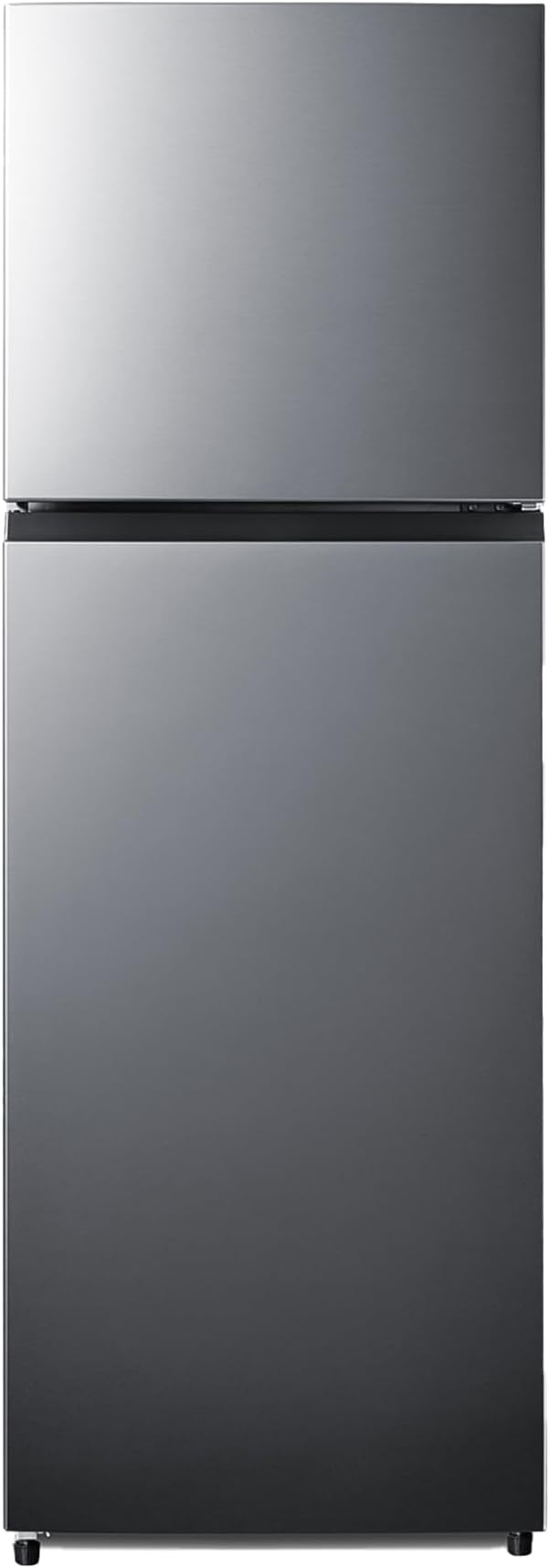
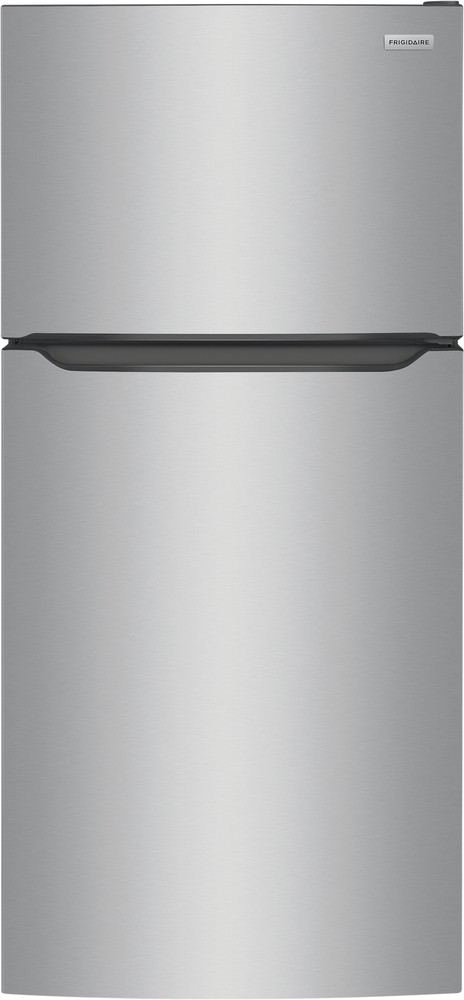
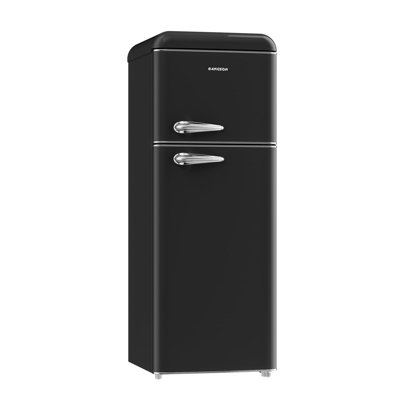
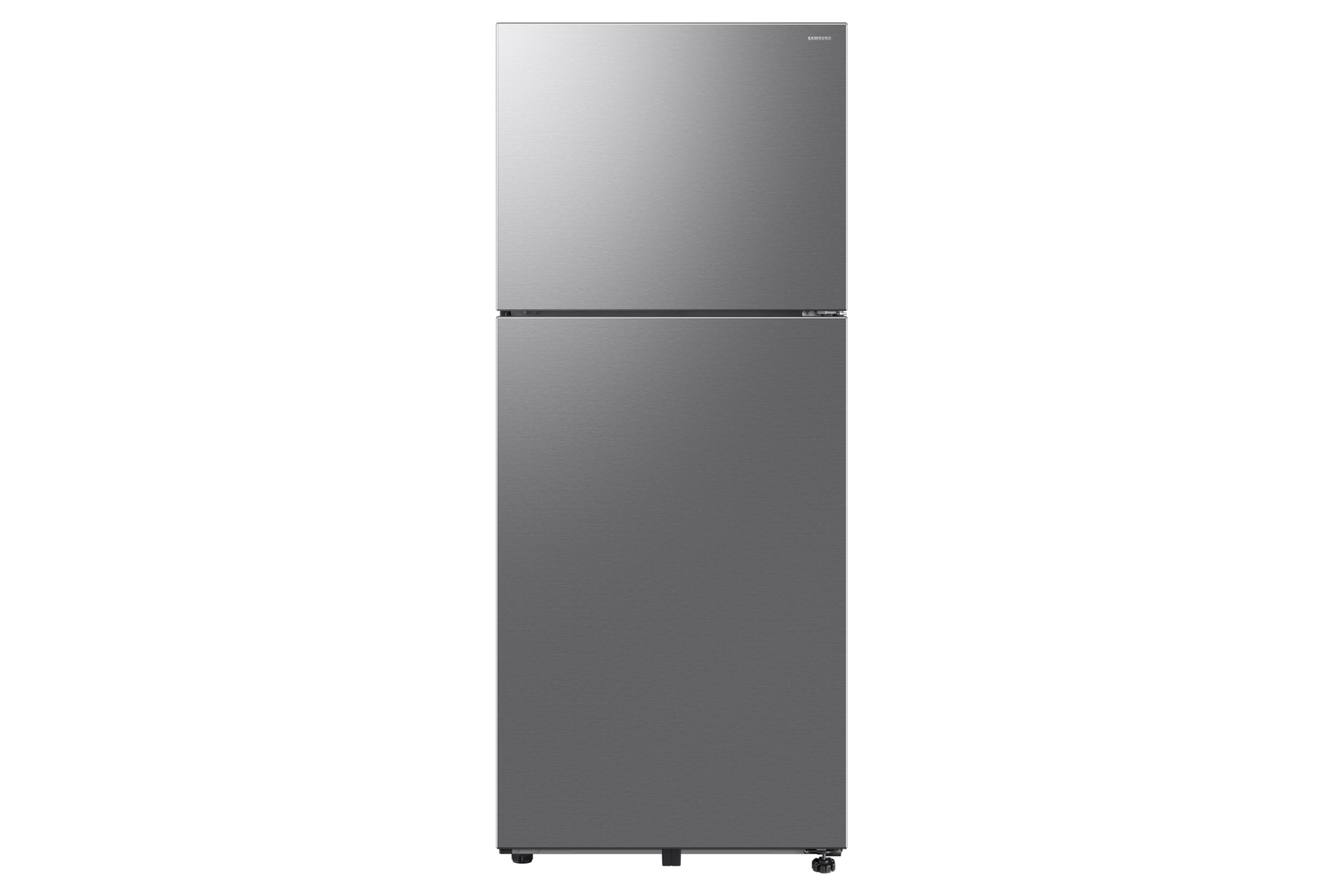
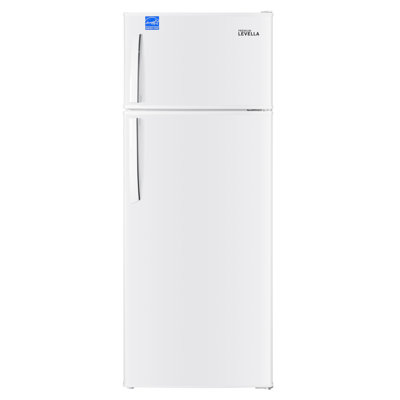
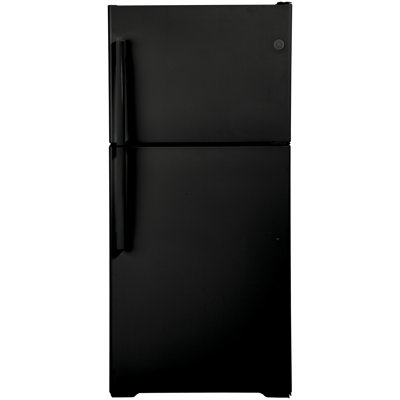
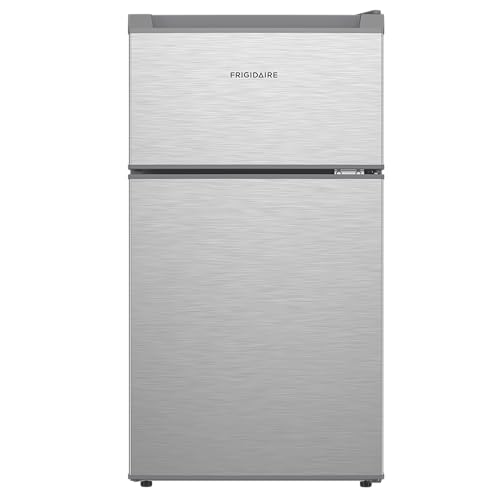
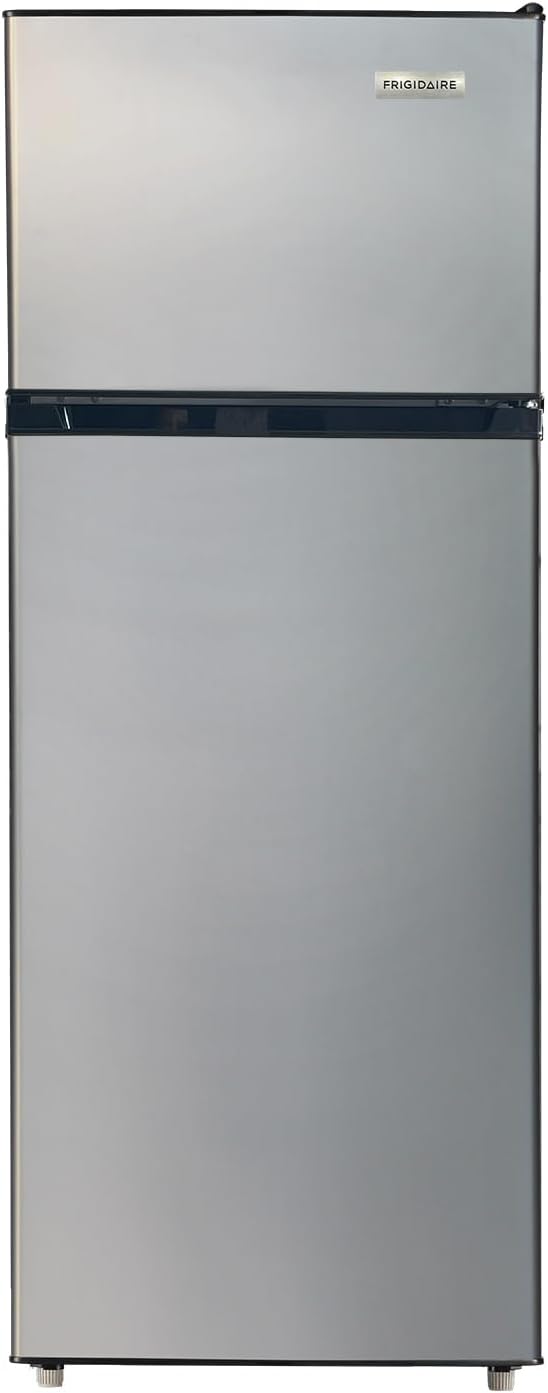
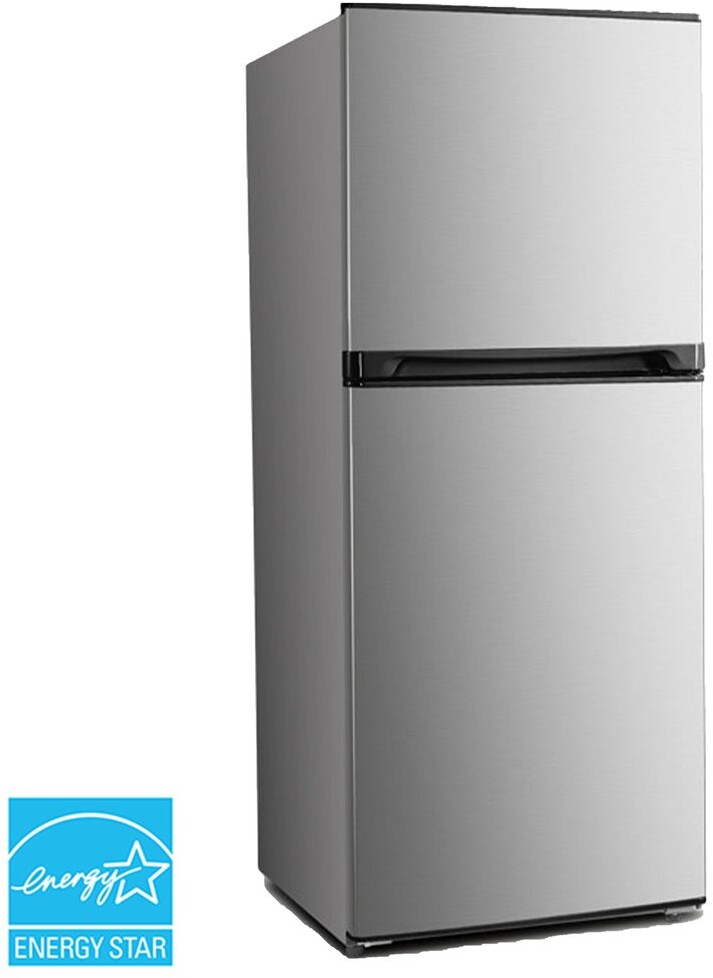
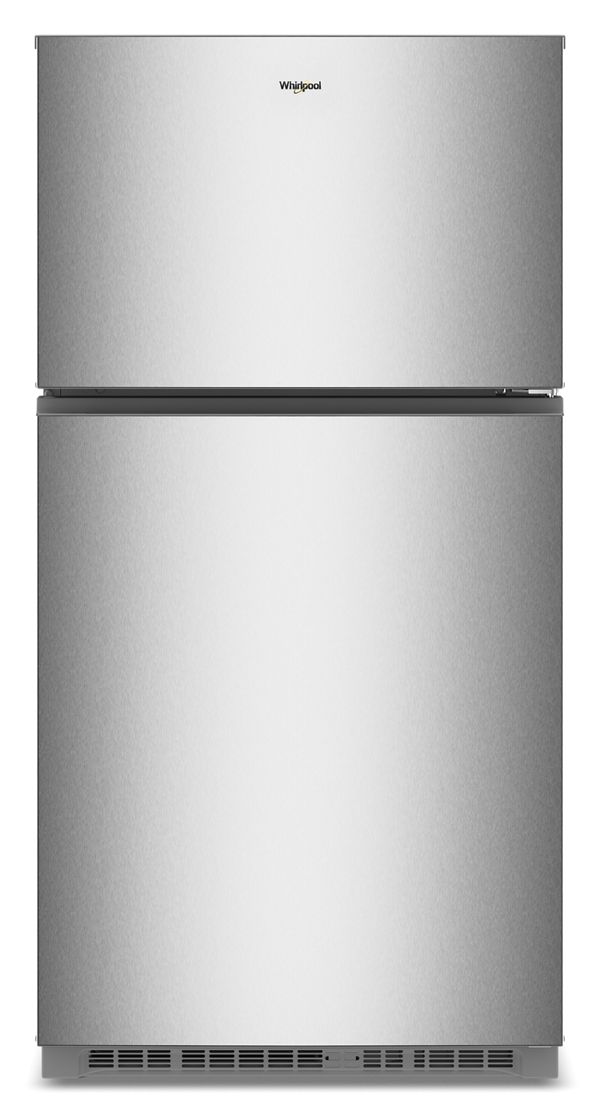
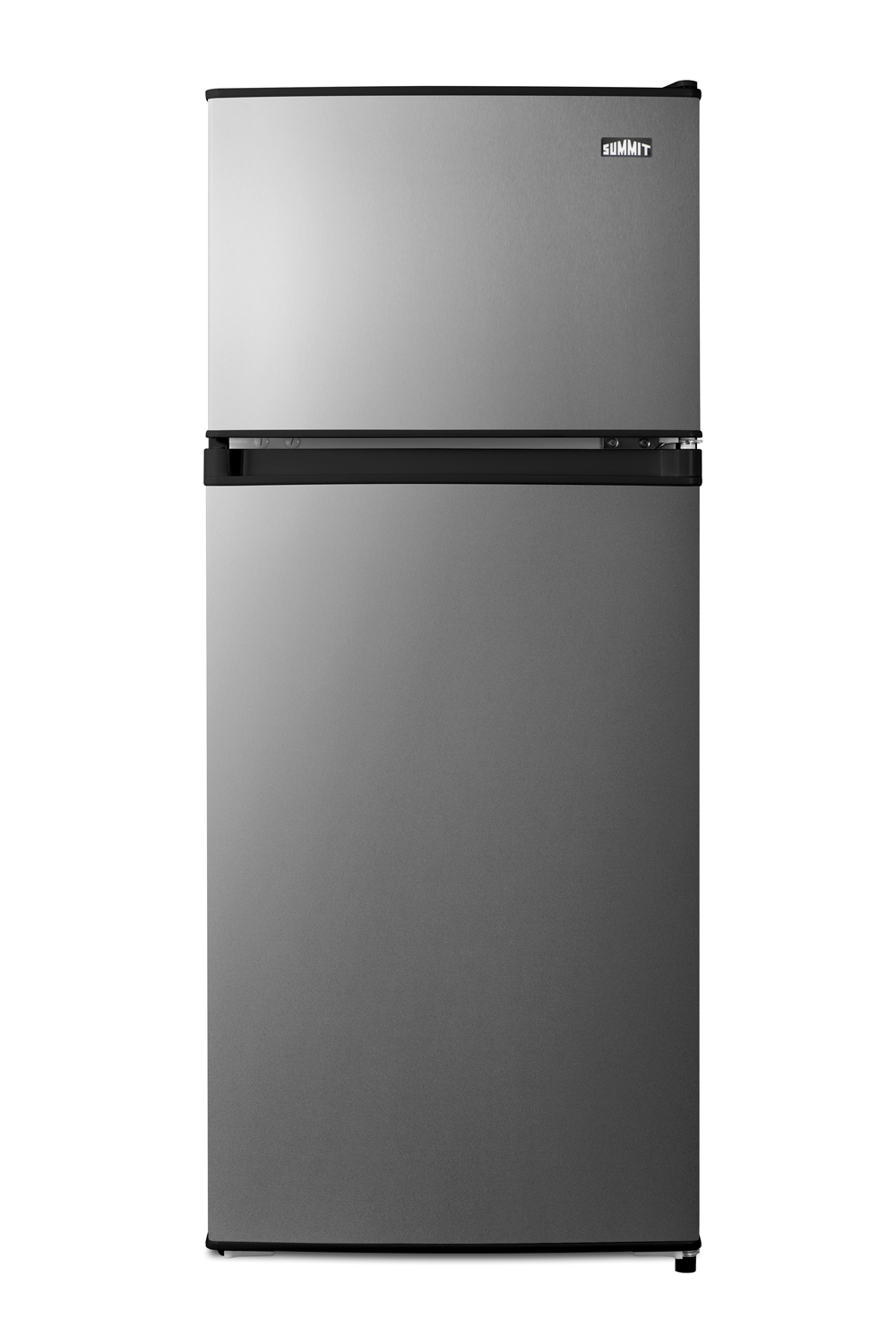
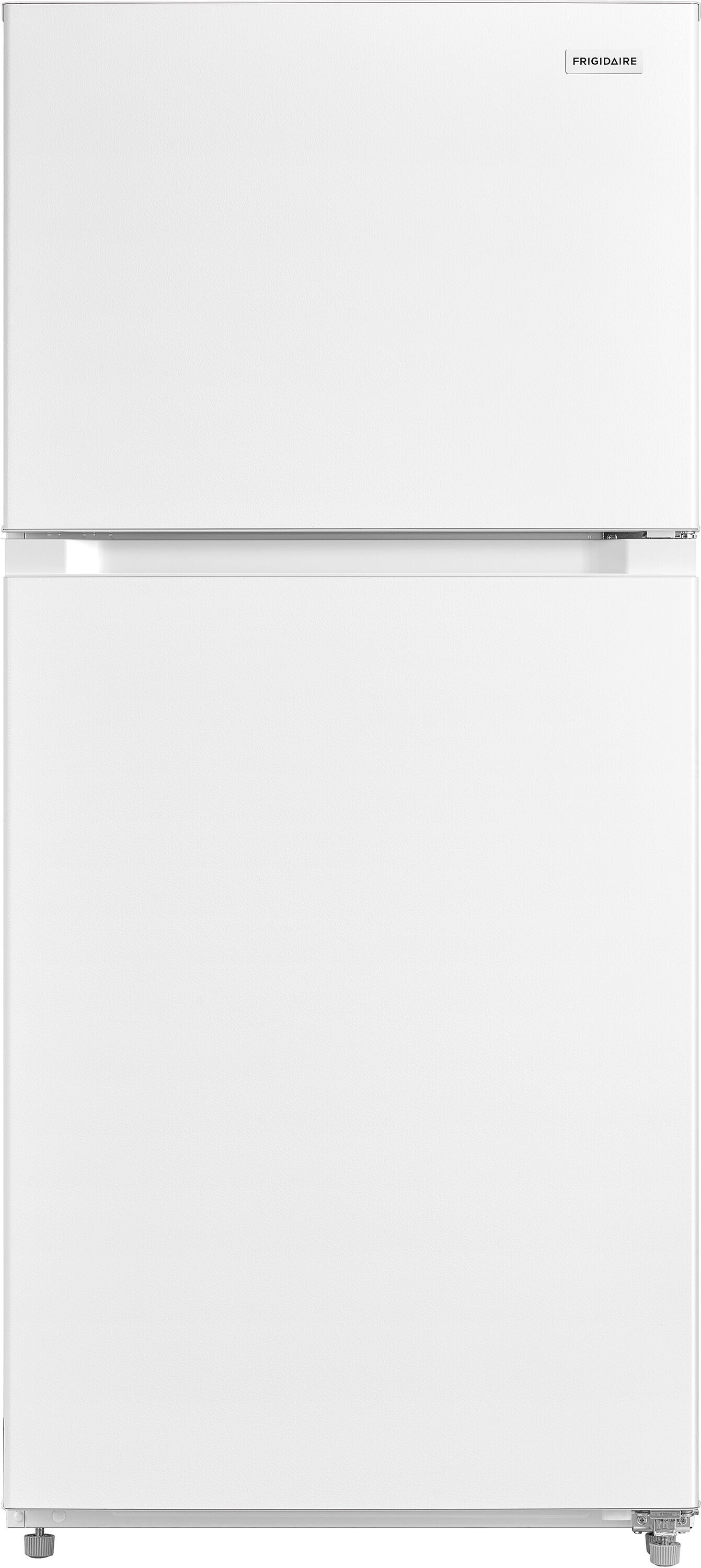
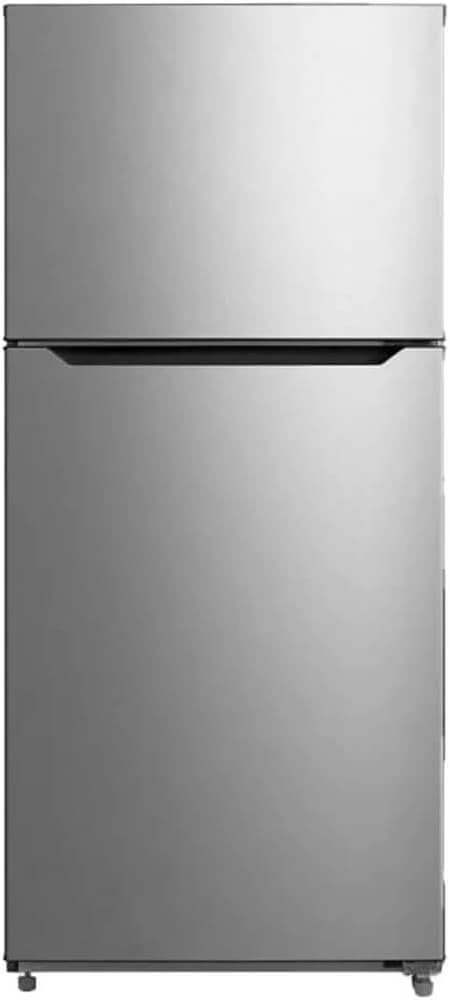
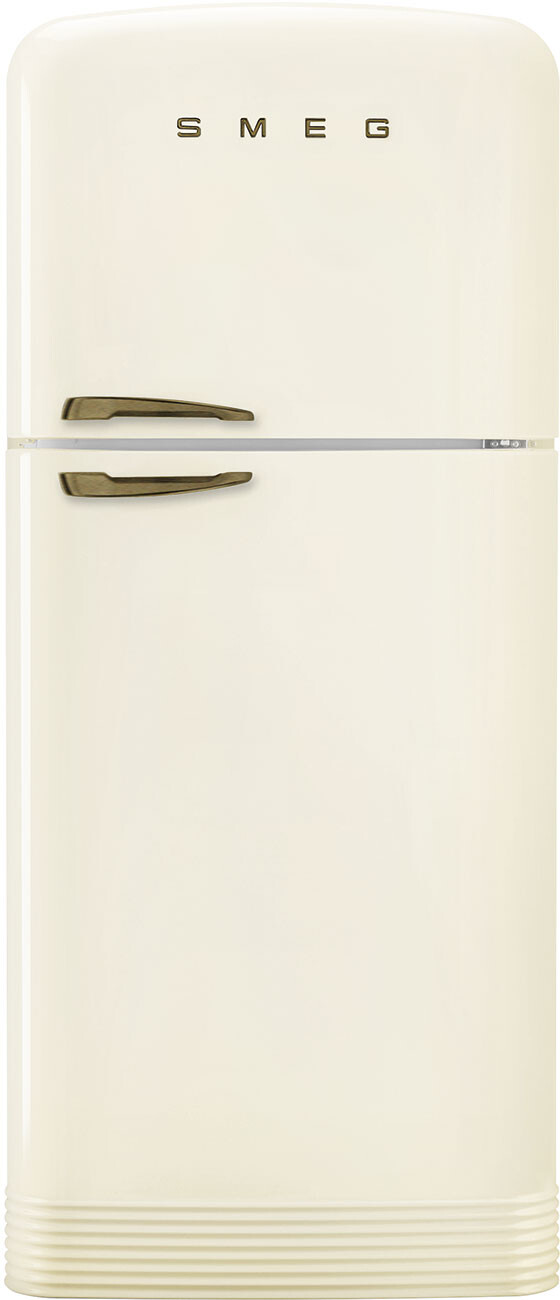
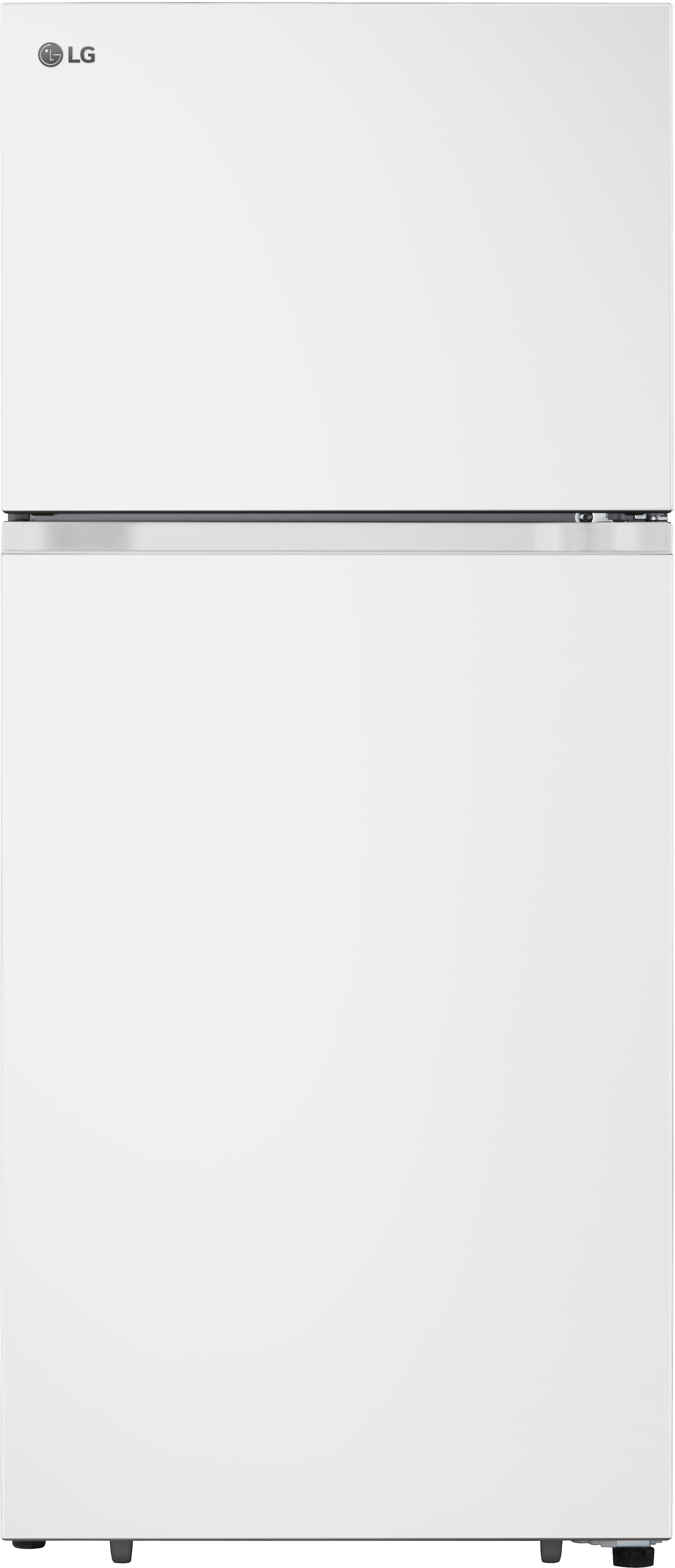
You might be wondering, what fits in a top freezer refrigerator? If you’ve ever peeked inside that upper compartment and scratched your head, you’re not alone. Top freezer refrigerators are a staple in kitchens, dorm rooms, office break rooms, and garages thanks to their straightforward layout, compact footprint, and reliable performance.
In this ultimate guide, you’ll learn how to maximize your freezer space, pick the right model, and store everything from ice cream to meal-prep containers like a pro. Whether you’re a home cook stocking produce and bulk meats, a parent stashing away baby food, or a college student living in a studio rental, you’ll find practical advice here.
By the end, you’ll know exactly what fits in a top freezer refrigerator, how to keep that space tidy, and which features matter when you shop. Compare current prices and specifications on Fridge.com, then buy from the retailer you choose; delivery, installation and warranty terms are the retailer’s.
Understanding Top Freezers
Top freezer refrigerators place the freezer compartment above the fresh food section, making them a classic choice that rarely goes out of style. Here’s why they remain popular:
Simple design: Controls are easy to use, so you can set temperatures without navigating complex menus
Consistent cooling: Cold air sinks naturally, keeping frozen items rock solid
Affordability: Generally more budget-friendly than side-by-side or French door units
Space efficiency: Ideal for narrow kitchens, apartment hallways, or as secondary fridges
Versatility: Fits garages, offices, RVs, and smaller commercial settings where simplicity matters
Typical top freezer fridges range from about 14 to 22 cubic feet in total volume, with the freezer occupying roughly 20–25 percent of that space. In practical terms, an 18 cu ft model often provides around 3.5 to 4.5 cu ft of freezer room. Don’t let that number fool you—smart organization can pack a surprising number of items into what looks like a modest space.
Of course, every design has trade-offs. You’ll reach overhead for ice trays or frozen veggies, and fresh food is stored lower. Higher-end French door models may offer more flexible fresh storage, but at a cost premium. Expect to invest between $500 and $1,200 for a quality top freezer refrigerator, depending on capacity, brand, and extra features like frost-free operation or digital controls.
Freezer Capacity Explained
Understanding capacity figures helps you answer two key questions: how much space you actually have and how many of your standard items will fit.
What Cubic Feet Mean
A cubic foot (cu ft) equals a cube that measures 1 foot on each side. Manufacturers list total fridge volume, but in a top freezer unit, freezer space is usually 3–6 cu ft of that total.
Capacity Ranges
Small (3–4 cu ft): Best for students, tiny apartments, or as a supplementary freezer
Medium (4.5–5.5 cu ft): Suits small families and casual meal preppers
Large (6–6.5 cu ft): Accommodates big families, serious meal preppers, or bulk buyers
Real-World Estimates
Here’s a rough guide to visualize storage:
Capacity
Flat Pouches
Ice Trays
Frozen Pizzas
Meat Packages
3 cu ft
20
4
8
6
5 cu ft
35
8
12
10
6 cu ft
45
12
18
14
Actual layout depends on bin and shelf design. To fine-tune your needs, ask yourself how much you buy at once and how often you freeze fresh produce. If you’re unsure, try the “2 cu ft per person” rule—multiply your household size by 2 and look for that much freezer space. For a deeper dive, see our guide on how much freezer space.
Fitting Items Inside
When you’ve got cold real estate to fill, grouping items by type and frequency of use ensures nothing gets lost in the frost.
Bulk Items
Large containers and bulk buys often dominate freezer space:
Frozen meats: Stock chicken breasts, ground beef, or steaks in stackable bins. Packaging tip—flatten meat in freezer-safe bags for uniform thickness and faster thawing
Family-size items: Pizzas, lasagnas, and tray meals fit best on flat shelves
Ice cream tubs: Store in the back or bottom where temperature is most stable
Individual Portions
Space-saving hacks help your single servings stay organized:
Ice cube trays and molds: Freeze stock cubes, pesto, or baby food in trays, then pop into labeled bags
Snack packs: Portion berries, grapes, or veggie sticks into small bags for smoothies or lunchbox use
Meal Prep and Batch Cooking
Batch-cooked stews, soups, and sauces slide into shallow containers or reusable silicone bags:
Cool items to room temperature before freezing
Spread soups in a thin layer on a baking sheet for quick flash freeze
Once firm, transfer to labeled bags and stand on edge for vertical storage
Specialty Items
Ice cream and desserts: Keep in a dedicated bin so you’re not digging through frozen veggies mid-scoop
Bread and pastries: Wrap in foil then stash in a breathable cloth bag to avoid sogginess
Baby food: Small jars or silicone pouches fit in door racks or top bins
Craft beer and kegerator supplies: Store slim CO₂ cylinders, growler fills, or ice buckets for draft setups. Explore options in our shop kegerator collection
Organize items by meal type—breakfast, lunch, dinner, snacks—to breeze through grab-and-go mornings.
Organizing Your Freezer
A well-organized freezer saves time, reduces food waste, and helps you stick to meal plans. Here are some quick wins:
Baskets and Bins
Clear plastic bins for grouping items: proteins, produce, desserts
Mesh or wire baskets for loose items like snack packs
Label bins with a chalk marker or freezer-safe sticker
Vertical Storage
Store flat bags and pouches upright like file folders. This frees shelf space and makes everything visible at a glance.
Labeling and Rotation
Use freezer-safe labels or masking tape to write item names and freeze dates
Practice FIFO (first in, first out): move older items to the front and newer ones to the back
Door Storage
If your model has door shelves, limit them to lightweight items like ice molds or small packs. Overloading door racks can compromise the seal and push out cold air.
Creative Hacks
Repurpose small shoe boxes or cereal containers as makeshift dividers
Add tension rods horizontally to create tiers for popsicles or ice creams
Keep the freezer between 0°F and 5°F for safe storage. If your model lacks a digital display, invest in an appliance thermometer and check weekly.
Troubleshooting Common Issues
Excess frost: Check door gasket for a tight seal; replace if cracked or warped
Uneven cooling: Avoid overstocking; allow air to circulate around items
Noise: Clear space behind the unit and ensure it is level
Choosing a Top Freezer
If your current fridge is bursting at the seams, it might be time for an upgrade. Here’s how to choose the right top freezer refrigerator.
Measuring and Planning
Measure width, depth, and height of the intended space, including clearance for doors to open
Standard widths: 24–30 inches; depths: 24–28 inches; heights: 60–70 inches
Decide if you need a slim model for a narrow kitchen or a larger unit for family meal prep
Key Features
Shelf adjustability: Removable shelves and bins let you customize for tall items
Frost-free vs manual: Frost-free models save you time but can have slightly less usable space
Reversible door hinge: Adds installation flexibility in tight spaces
Digital controls: Separate settings for fresh and freezer compartments keep temperatures just right
Energy Efficiency and Cost
Look for Energy Star certified models—they can save up to 15 percent on energy bills. Top freezer refrigerators typically range from $500 to $1,200. If budget is tight, compare deals on our order compact freezers: deals page.
Warranty and Service
Check manufacturer warranties—most offer one year on parts and labor. For longer peace of mind, some brands have extended plans that cover components like the compressor for up to 10 years.
Alternative Options
If you need more freezer space than a top freezer model offers, consider a separate chest or upright freezer. For bulk storage in a garage or specialized diet plans, browse our chest and upright freezers collections.
Maintain an inventory list on the door with a dry-erase marker
Schedule a quarterly clean-and-defrost day in your calendar
Check door seals by placing a dollar bill in the door frame—the bill should tug slightly when you pull
Group items by cooking method; for example, keep stir-fry ingredients together
Practice “first in, first out” to reduce freezer burn and waste
Armed with these strategies, you’ll turn your top freezer into a well-oiled storage machine. Now that you know what fits in a top freezer refrigerator and how to keep things running smoothly, it’s time to fill those bins, label those bags, and enjoy easy access to your frozen favorites.Compare current prices and specifications on Fridge.com, then buy from the retailer you choose; delivery, installation and warranty terms are the retailer’s.
From Fridge.com research
Figures below come from data Fridge.com builds and maintains. Each links to the record behind it.
Fridge.com Energy Index, built on U.S. EPA and DOE ENERGY STAR records
Across 807 ENERGY STAR certified top freezer models, median use is 362 kWh per year — 10% better than the federal standard.