Ever wondered how many watts does a small freezer use? Whether you’re a home cook stocking up on meal-prep essentials, a parent freezing baby food, a kegerator owner keeping craft beer chilled, or a student in a dorm room with limited outlets, understanding your freezer’s power draw helps you budget and plan. Small freezers come in all shapes and sizes—from compact under-counter units to mini chest freezers and portable 12-volt models—yet they all pull watts every time the compressor runs.
In this guide you’ll learn how freezer wattage translates into electricity usage, how to calculate daily and monthly costs, and what features to seek for maximum efficiency. We’ll compare chest and upright models, dive into specialty units for RV trips and outdoor kitchens, and share practical tips to lower your energy bills. By the end, you’ll know exactly how many watts your small freezer uses and how to keep that number—and your electric bill—in check.
If you’re entertaining guests, stocking a cafeteria, outfitting a commercial kitchen, or simply looking for a reliable garage freezer, the principles remain the same. You’ll see sample calculations, a comparison table, and strategies for placement, maintenance, and model selection. Ready to take control of your freezer’s power consumption? Let’s get started.
Understanding freezer wattage
What is wattage and power consumption
Wattage measures the rate at which your freezer uses electrical power. Imagine it like the speedometer on a car showing how fast you’re burning fuel—in this case, electricity. When a freezer lists 120 watts, that means it consumes 120 joules of energy per second when running. On your electric bill, you pay per kilowatt hour (kWh), so knowing the watt draw helps you estimate how much energy you’ll actually use over time.
How freezers cycle and draw power
Small freezers do not run continuously at full power. Instead, they cycle on and off based on the internal temperature and how often you open the door or lid. During the “on” cycle, the compressor draws its maximum wattage—often two to five times the listed running watts—in what’s called the startup or surge watt. Once the freezer cools to the set temperature, the compressor shuts off or idles, and power draw drops significantly. Factors that affect cycle length include:
Ambient temperature (a hot garage makes your freezer work harder)
Frequency of door or lid openings (each opening lets cold air escape)
Insulation quality and gasket seal performance
Set temperature and thermostat accuracy
By understanding these cycles, you can better predict average running watts versus peak demands.
Calculating your freezer’s watts
Typical watt range for small freezers
Knowing the typical wattage ranges for your freezer category helps you answer the question, how many watts does a small freezer use? Here are ballpark figures:
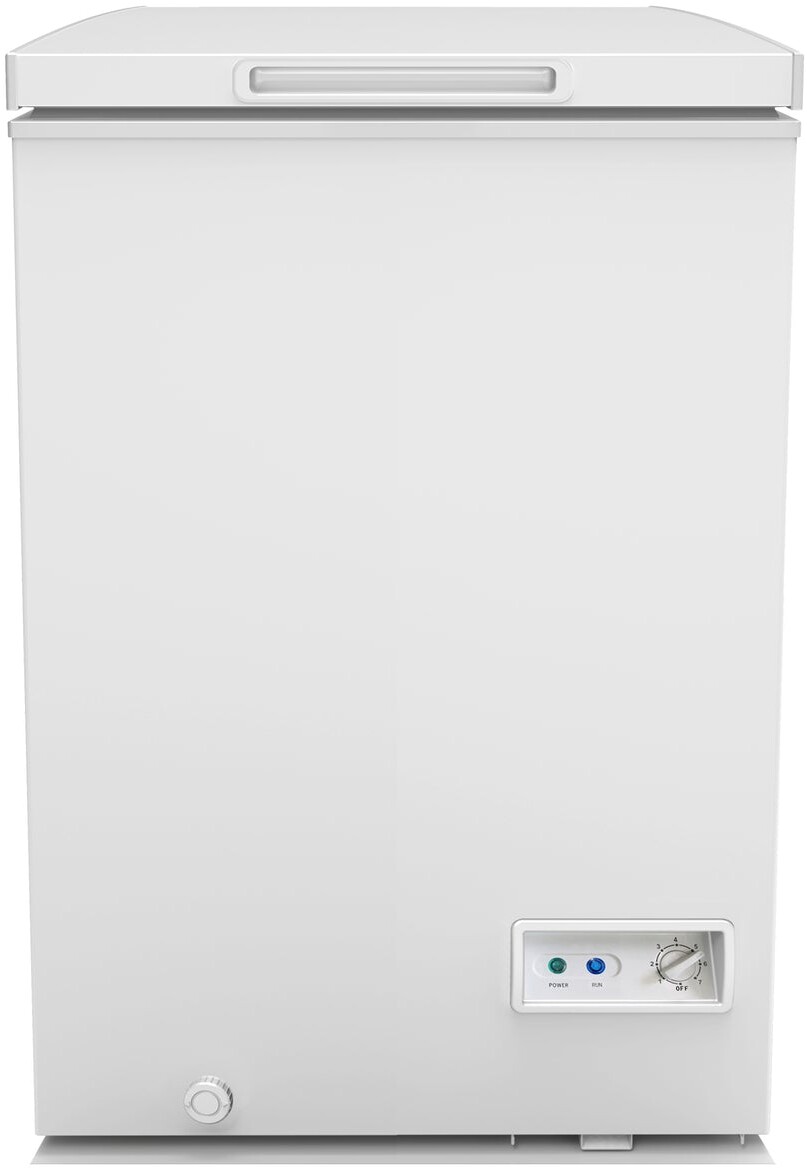
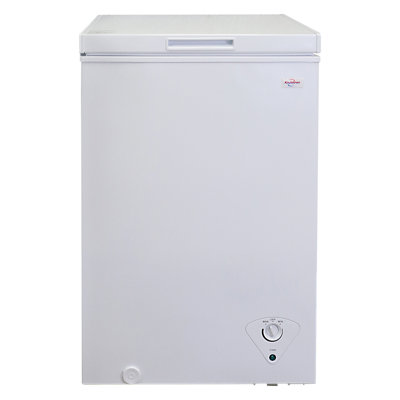
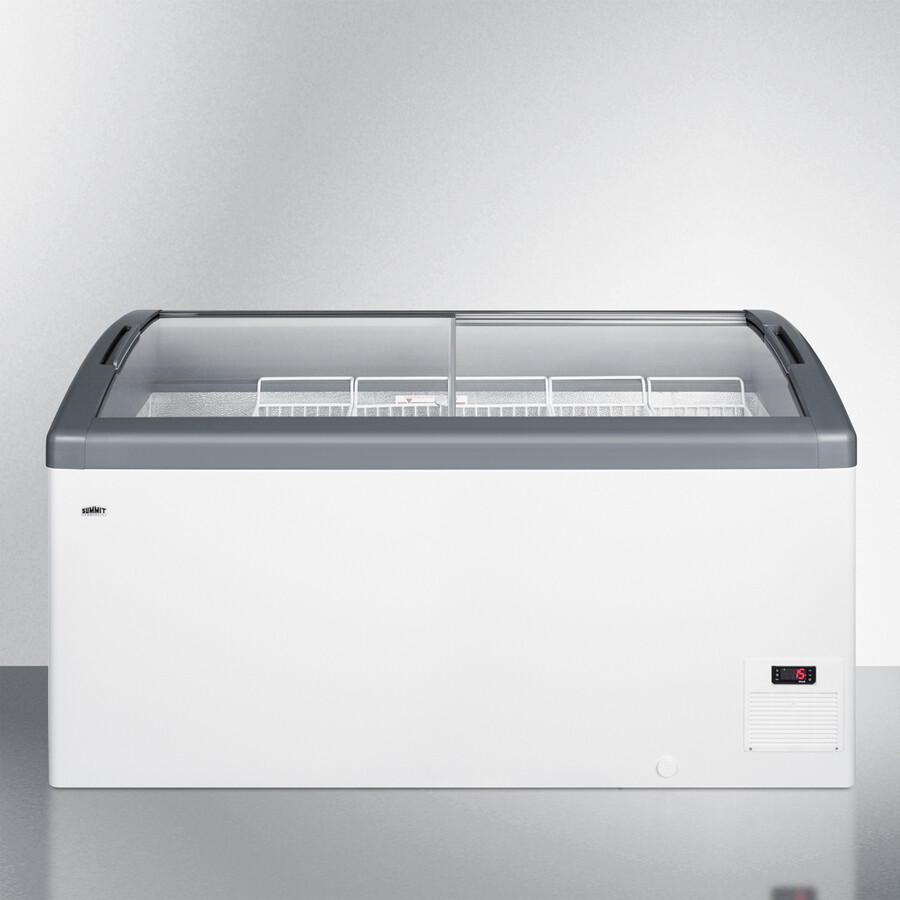
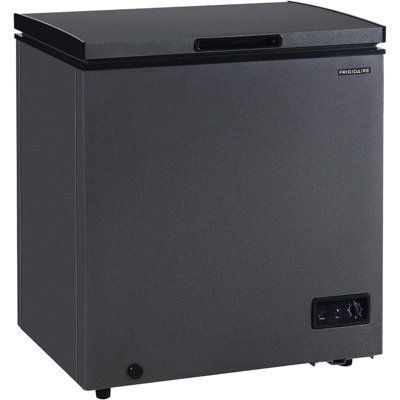
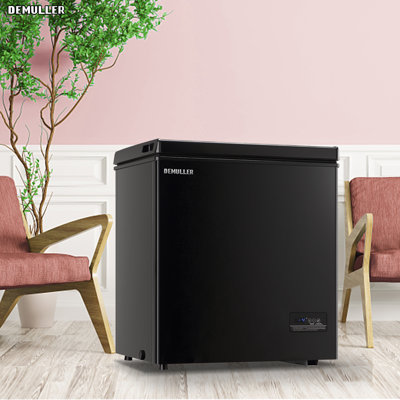
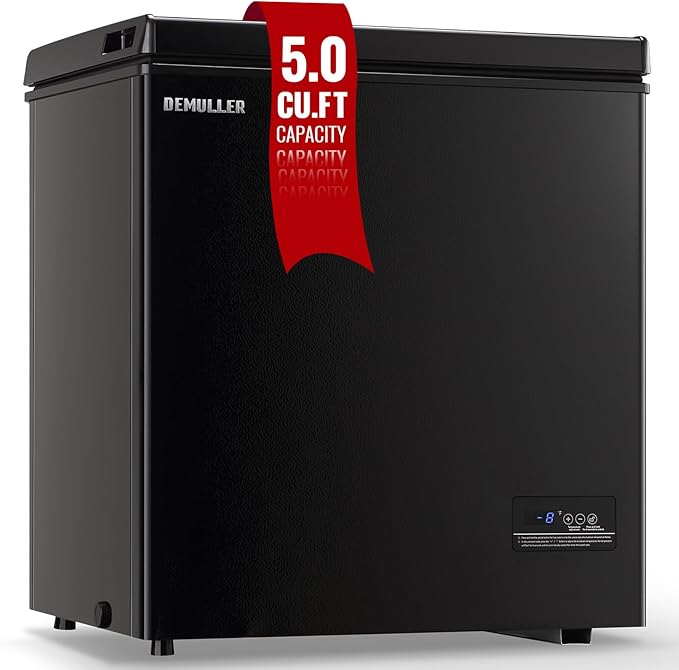
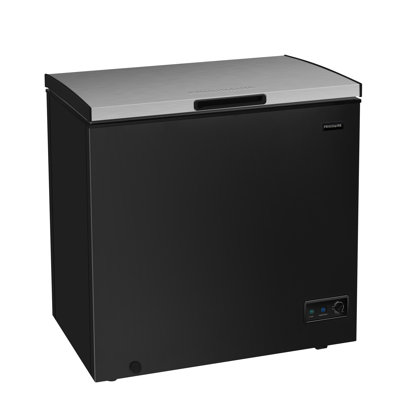
Chest freezers
Surge watts: 200 to 400 W
Running watts: 70 to 150 W
Chest freezers under 5 cubic feet tend to be among the most efficient designs because cold air stays put when you open the lid. If you want more guidance on sizing, see what is a 500 capacity for a small chest freezer?.
Mini portable freezers
Surge watts: 100 to 200 W
Running watts: 40 to 90 W
These compact units are popular for road trips and tight spaces. For top picks designed to run off your vehicle, check out best campervan mini freezer.
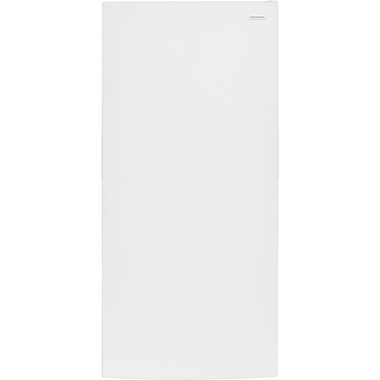
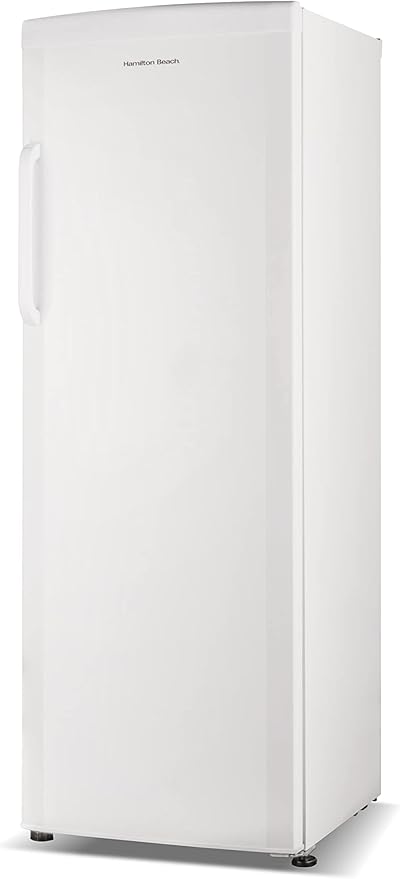
Upright freezer-fridge combos
Surge watts: 250 to 450 W
Running watts: 100 to 200 W
Upright combos give you freezer and fridge space in one unit but tend to use a bit more energy due to more frequent door openings.
Reading the spec sheet
Your freezer’s spec plate or manual usually lists amps instead of watts. Convert using:
Watts = Amps × Volts
In North America, Volts is typically 120
So a freezer drawing 1.5 amps at 120 volts runs at 1.5 × 120 = 180 watts. Always note both surge and running watts to size generators or inverters correctly.
Where you place your freezer makes a real difference in its energy consumption. Keep it away from heat sources like ovens, direct sunlight, and heating vents. In a hot garage, consider adding a reflective barrier behind the unit or installing it in a shaded nook. A well-sealed door gasket prevents cold air leaks; explore options at what energy saving gasket reduces nightly power draw?.
Adjusting temperature settings
You don’t usually need to set a small freezer colder than 0°F. Each degree below that forces the compressor to work harder. For typical household storage—meat, vegetables, prepared meals—0°F provides safe preservation. Use a digital freezer thermometer to verify and fine-tune your thermostat.
Scheduling defrost and maintenance
Ice build-up cuts into usable space and restricts airflow, causing longer compressor cycles. If your model is manual defrost, clear frost when it exceeds 1/4 inch. Clean condenser coils every six months by gently vacuuming or brushing the fins. A clean freezer can use up to 10 percent less energy than one caked in dust.
Choosing energy-efficient models
Understanding energy ratings
Energy Star labels identify freezers that use at least 10 percent less energy than standard models. The yellow ENERGY GUIDE sticker shows estimated yearly electricity use in kWh. Compare those numbers when browsing to find a model that matches your usage patterns and budget.
Key features for efficiency
Here are features that help reduce watt draw:
Variable-speed compressors that adjust power based on load
Thick foam insulation in walls and doors
Tight door gaskets and magnetic seals
LED interior lights that produce minimal heat
Digital controls with precise temperature management
When you shop, ask sales staff if the freezer meets the latest efficiency standards and holds an Energy Star certification.
Power in an RV often comes from a limited battery bank or shore power hookup. Aim for running watts under 100 and surge watts that your inverter or generator can handle. For tips on pairing fridge-freezer combos, see what size fridge freezer for an rv.
College and dorm setups
Dorm dwellers and studio apartment residents usually choose mini fridge-freezer combos or standalone mini freezers. These units draw 80 to 150 running watts with surge draws under 200 watts. Check out the best fridge freezers for dorm rooms to see options that balance size and power use.
Campervan and road trips
Portable 12 V freezers are popular among overlanders for their efficiency and low draw—typically 40 to 90 watts. Pair them with a dual-battery setup or a solar panel kit to keep food cold off the grid. Our best campervan mini freezer guide covers models that fit different travel styles.
Outdoor and garage units
Outdoor and garage freezers face more extreme temperatures. If your location swings from subzero winters to hot summers, look for units rated for all-weather use or add an insulated enclosure. More on outdoor-ready models at do you need a special refrigerator for outdoors.
Wrapping up power usage
By now you know exactly how many watts does a small freezer use and how that translates into kWh and dollars. You’ve learned to read spec sheets, compare chest and upright designs, and calculate daily, monthly, and yearly costs. You’ve seen ways to optimize location, set the right temperature, and maintain your unit for peak efficiency.
Before you shop, make a checklist:
Estimate your typical storage needs and find the right capacity
Check running and surge watts to match your power source
Compare Energy Star ratings and key efficiency features
Plan for placement, defrosting, and routine coil cleaning
Compare current prices and specifications on Fridge.com, then buy from the retailer you choose; delivery, installation and warranty terms are the retailer’s. Happy chilling, and may your next freezer keep your food—and your energy bill—ice cold.
From Fridge.com research
Figures below come from data Fridge.com builds and maintains. Each links to the record behind it.
Fridge.com Energy Index, built on U.S. EPA and DOE ENERGY STAR records
Across 5,455 ENERGY STAR certified refrigerators and freezers from 263 brands, median use is 360 kWh per year.