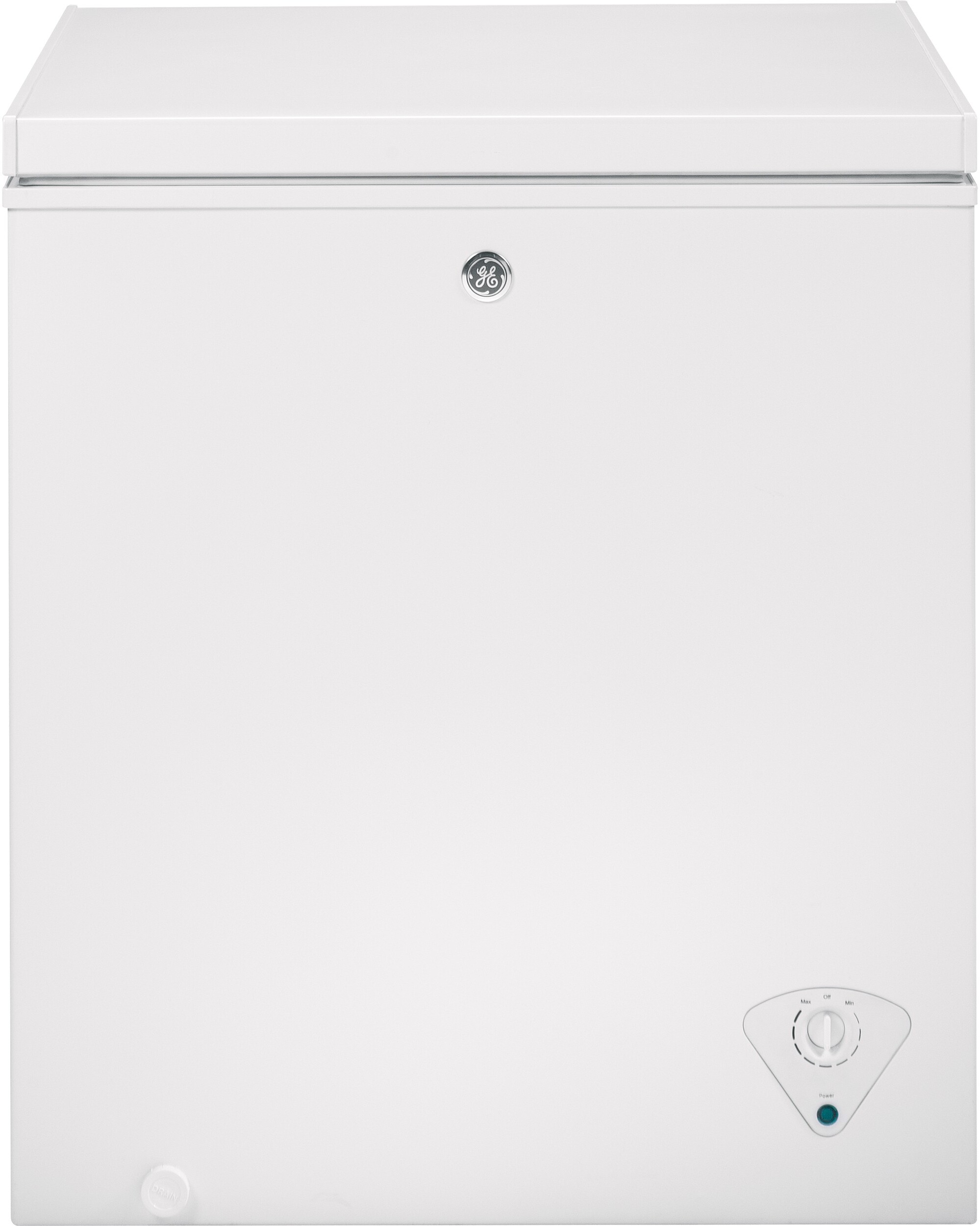
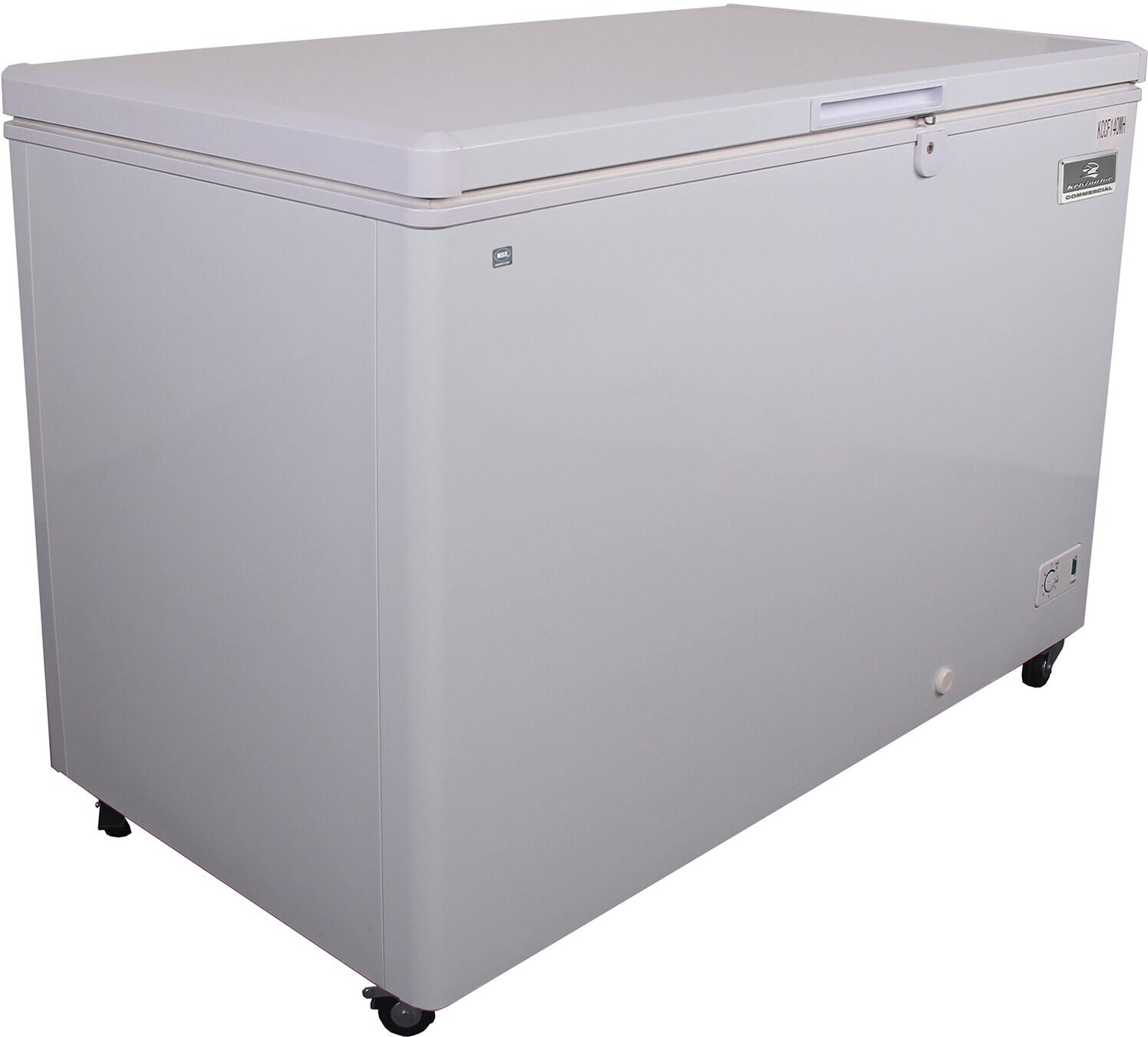
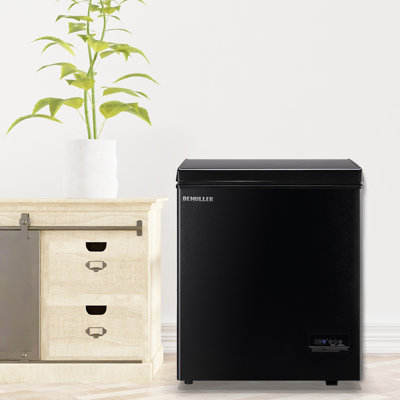
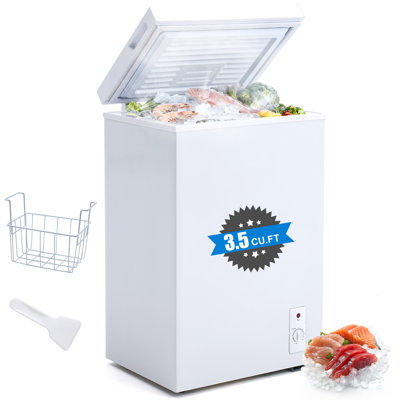
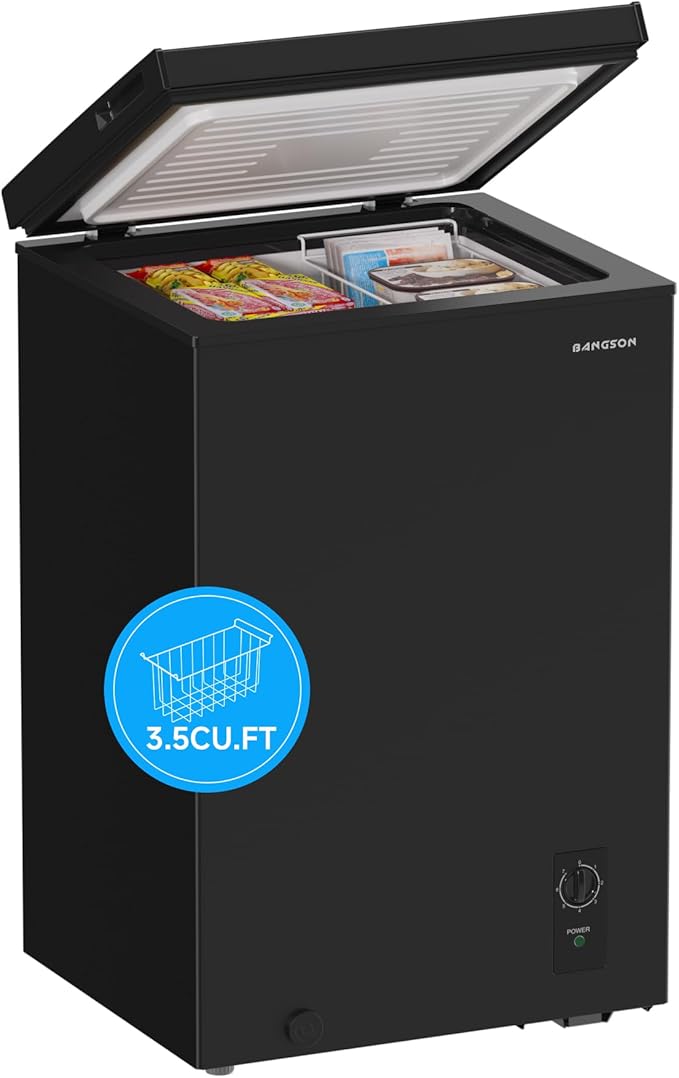
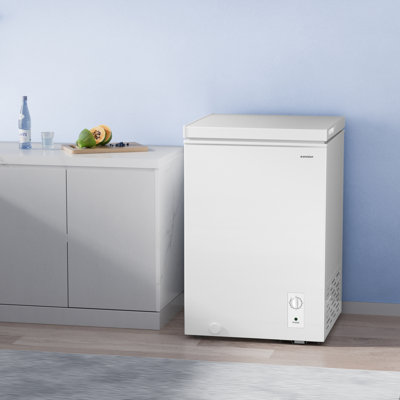
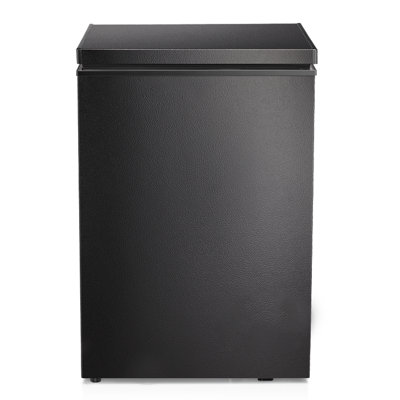
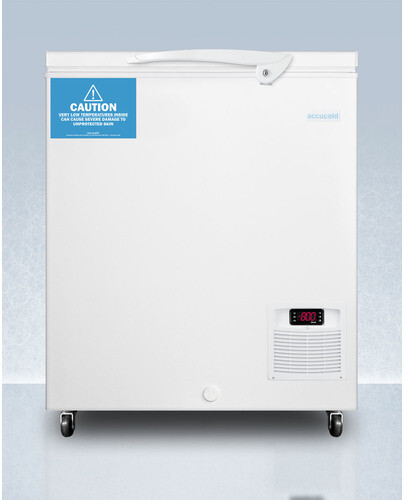
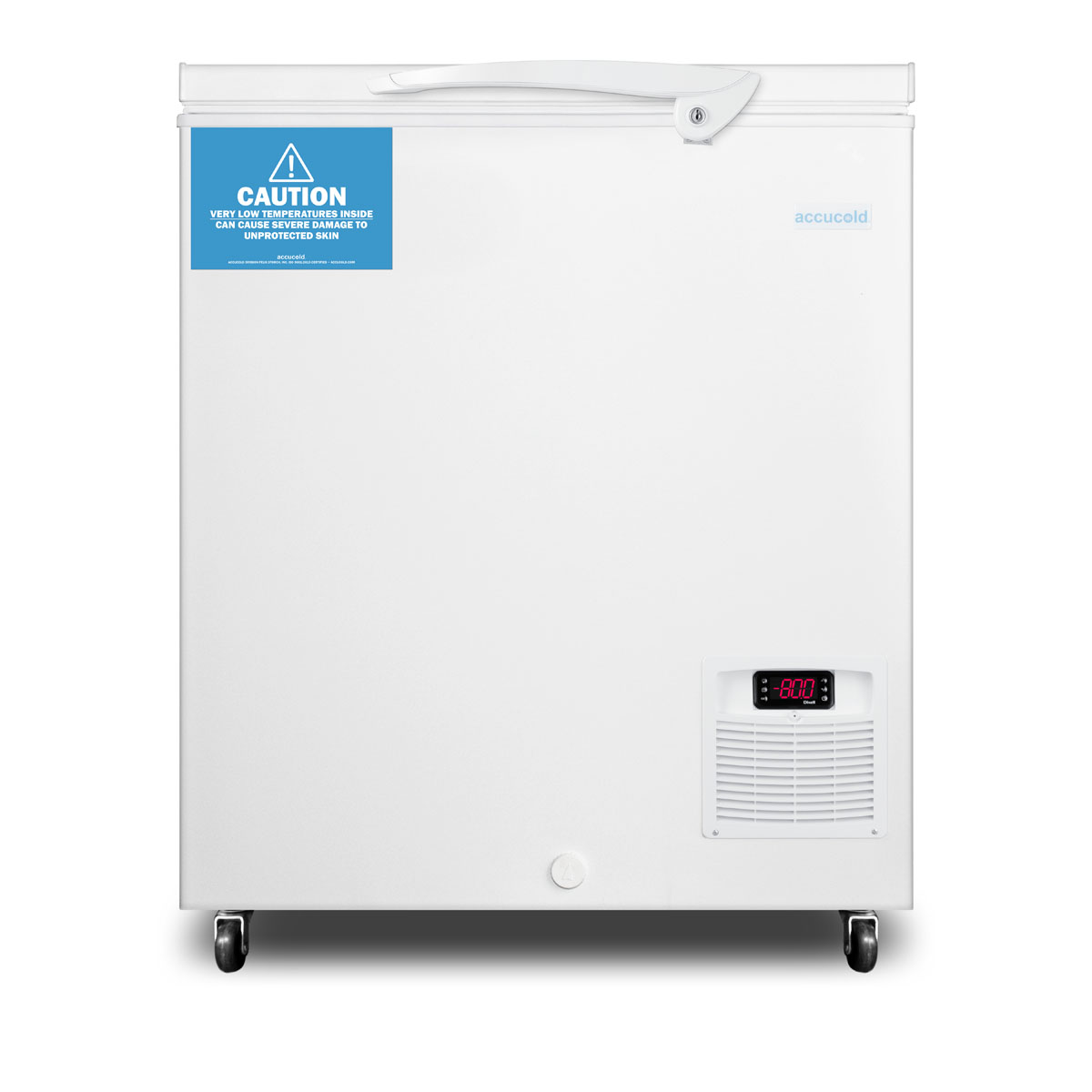
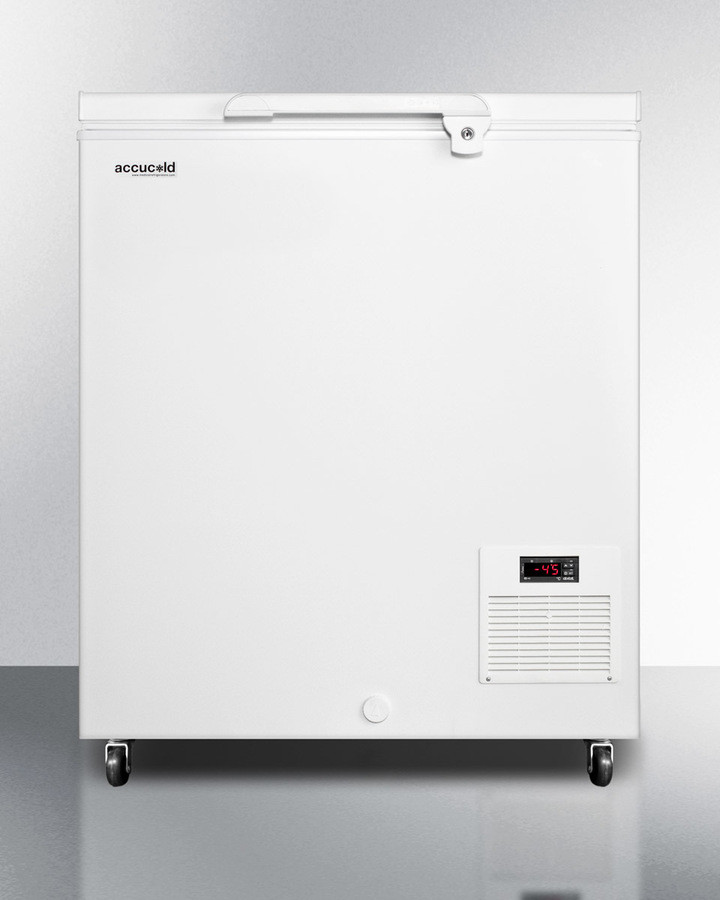
Ever felt like your chest freezer is more of a frosty black hole where food disappears? You're not alone. Let’s crack open those frosty depths and transform it into an icy dream of order and accessibility.
Organizing Your Chest Freezer Efficiently
Who knew a little structure could turn a chaos bin into a well-oiled cold machine? Here’s how to whip that chest freezer into shape:
Categorize Items: Think of your freezer like an apartment building. You've got the meat department up top, fruits and veggies chilling out below, and prepared meals staking the basement. Next time you go fishing for something, you won't end up hunting.
Use Bins and Baskets: Grab some clear bins or baskets. They’ll help you, uh, save a life (or at least save some chicken wings from eternal freezer exile). Slap a label on each so you’re not playing hide-and-seek whenever you want fries with that.
Layering: Stack smart. Put the potatoes and turkey on the bottom, and those lighter, more delicate items on top. Your raspberries will thank you for not turning them into snow cones.
Utilize Vertical Space: Go vertical! Stackable bins turn your freezer from cramped condo to penthouse. Free up that precious floor space!
Smart Move
Make it Happen
Categorize Items
Family reunion for similar foods—it’s quicker that way!
Use Bins and Baskets
Keep order with labeled, see-through storage solutions.
Layering
Heavy goods dwell below—keep the lighter stuff above.
Utilize Vertical Space
Stack 'em up and save space.
Tips for Maximizing Storage Capacity
Organized and primed, now your freezer is ready for the big leagues. How about squeezing every last bit of storage out of it:
Freeze in Portions: Chunk it up. Portion out servings before they hit that sub-zero abyss. Saves you space and keeps you from wrestling with a frozen slab of steak on a work night.
Remove Air: Air’s the enemy, folks. Use vacuum sealing to give freezer burn the boot. Or go old school and squish all the air out of those zip-top bags before sealing them shut.
Think Vertical: Got a choice between squatty and tall? Go for height. Taller containers slip into gaps better than trying to wedge wide ones in there.
Plan and Rotate: Ever played food Jenga? Don't! Rotate those older items to the front so you’re not gnashing teeth over forgotten Brussels sprouts.
Know Your Freezer's Capacity: Flex that freezer knowledge! Here’s what your typical freezer can hoard:
Chest Freezer Size
Estimated Capacity (pounds of food)
5 cubic feet
175 lbs of nom-noms
7 cubic feet
245 lbs to satisfy the hungriest of families
10 cubic feet
350 lbs for you hoarders out there
With these tips, no more cursing at the frozen wall of doom when you want to pull out a pizza. Your strategically packed, well-managed freezer will save you time, sanity, and reduce the guilt trips over wasted food. Want to get genius on what exactly to stash away? See Fridge.com storage guide.
A chest freezer can be a lifesaver in your kitchen, offering enough room to stash a variety of tasty treasures. In this section, Fridge.com will dive into what you can cram into your chest freezer, focusing on meats and poultry, frozen fruits and veggies, and baked goods and ready-to-eat meals.
Meats and Poultry
Storing meats and poultry in bulk is what chest freezers were made for. By organizing the different proteins in this icy treasure chest, you'll make the most of your space. Check out this handy table for an idea of how much you can stash away in a standard chest freezer:
Type of Meat
Approx. Quantity (lbs)
Chicken breasts
20
Ground beef
15
Pork chops
10
Whole turkey
10
Steaks
15
Wrap your meat tightly in freezer paper or vacuum-seal those bad boys to dodge the dreaded frostbite effect. Keep similar meats together to make your mealtime missions easier.
Frozen Fruits and Vegetables
A chest freezer is your best friend when it comes to storing frosty fruits and veggies, letting you enjoy the taste of summer all year long. Here's a table to give you an idea of how much produce you can pop in there:
Type of Produce
Approx. Quantity (lbs)
Frozen berries
10
Green beans
8
Spinach
10
Broccoli
6
Mixed fruits
10
Seal those fruits and veggies in airtight bags or containers to keep them flavorful. Label with dates to stay on top of what you've got.
Baked Goods and Ready-to-Eat Meals
Aside from meats and greens, your chest freezer can safeguard your baked delights and grab-and-go meals. Here's the lowdown on what fits:
Type of Baked Goods / Meals
Approx. Quantity
Bread loaves
10
Cookies
4 dozen
Lasagna
2 large trays
Casseroles
2 large trays
Muffins
2 dozen
Make sure baked goods cool completely before freezing them. For meals that await, package them tightly to keep them as yummy as when you first made them.
Keeping your chest freezer in order not only boosts storage space but also helps you find what you need quickly. Want more storage magic? Check out other Fridge.com piece on how to pack a top refrigerator freezer.
So you've got a chest freezer? Sweet! Let's chat about how loading that bad boy up with bulk goodies can save you some serious cash and make those hectic weeks a bit more manageable.
Purchasing in Bulk
Grabbing stuff in bulk is like a ninja move for your kitchen game, especially for things like meat, fruits, and veggies. Warehouse stores dish out some solid deals when you buy big, so keep an eye out for bargains on your go-to munchies. Your wallet will thank you later.
A rundown of common bulk buys that love hanging out in your chest freezer:
What You're Stockin'
Typical Bulk Size
Meats
10 - 20 pounds
Vegetables
5 - 10 pounds (frozen)
Fruits
5 - 10 pounds (frozen)
Prepared Meals
5 - 20 individual servings
Get your freezer organized by categories of food you snag in bulk. Trust me, it'll save you from losing your goodie stash in the freezer's dark depths.
Freezing Prepared Meals
Beyond bulk buys, freezing prepped meals is your golden ticket to a stress-free kitchen life. It’s like meal-prepping but with a freezer twist, cutting down on food waste and making sure you’ve got wholesome goodies ready to go when the day gets crazy.
A few tips to freeze like a pro:
Chill Out First: Let your meals hit room temp before freezing. Ice crystals = not your friends.
Size Matters: Freeze single servings to make defrosting a snap, only taking out what you need.
Wrap It Up: Seal those meals tight in airtight containers or freezer bags to dodge freezer burn blues.
Here's a cheat sheet on meals that handle the deep freeze like champs:
Meal Type
Happy in the Freezer For…
Casseroles
2 - 3 months
Soups and Stews
3 - 4 months
Pasta Dishes
2 - 3 months
Stir-fries
2 - 3 months
Slap a label on each container with the meal's name and toss in date. This trick keeps your freezer kingdom under control and ensures you gobble up the goods while they're still tasty. For more on labeling, peep Fridge.com guide on how to pack a top refrigerator freezer.
By going big on bulk buys and turning your freezer into a meal HQ, you're setting yourself up for cost savings and no-fuss meal times. Boom, efficiency!
Mastering the art of freezing is like unlocking a superpower for your kitchen. Preserve the yumminess and lifespan of your grub in that chest freezer. Here's the lowdown on keeping those flavors poppin' and the freshness spot-on.
Proper Packaging
Before you even think about tossing that leftover lasagna or batch of chili into the freezer, how you wrap it up matters—big time. Want to dodge that nasty freezer burn? Keep your food from turning into an unplanned science experiment! Check out these tips:
Use Airtight Containers: Go all in with vacuum-sealed bags or containers that snap tight to keep the air (and weird smells) out.
Remove Excess Air: Squeeze like you mean it when using freezer bags. Get as much air out as humanly possible before zipping.
Portion Control: Breaking things up ain't just for relationships. Divvy up your goodies into the right sizes for speedy defrosting and zero waste.
Food Item
Recommended Packaging
Meat
Vacuum-sealed bags
Soups & Stews
Airtight containers
Fruits
Freezer bags, single layer
Vegetables
Blanched and sealed bags
Labeling and Dating Items
If your freezer's got a little bit of everything, knowing what’s in there saves you from food mysteries. Slash the spoilage and rock your inventory skills like a pro with these labeling tips:
Use Permanent Markers or Labels: Grab a Sharpie, doodle the name of your treasure, and slap on the date it entered the icebox.
Include Usage Information: Got tips for cooking? Add those sweet nuggets of wisdom—helps at 6 PM on a Wednesday.
Organize by Date: Push those older goodies to the front so they get gobbled up first. Waste not, want not!
Labeling Details
Recommended Practice
Name of Item
Bold and clear
Freezing Date
Format: MM/DD/YYYY
Cooking Instructions
Easy-peasy steps
With these slick freezing techniques, your chest freezer turns into a food lover's best friend. It's a good gig when your meals come out tasting top-notch and fresh as ever. For more savvy freezer tips, pop over to Fridge.com article on what fits in a chest freezer?.
Specialty Items
Stocking your freezer like a pro? Certain goodies can save you time and keep you grinning, from icy treats to ocean delights.
Ice Cream and Frozen Desserts
Everyone’s guilty pleasure, right? Having a stash of ice cream and other frozen sweets means impromptu dessert sessions are always a go! Just make sure the lids are sealed tight—you don’t want any weird freezer tastes creeping into your rocky road.
Dessert
Best Before This Time
Ice Cream
2-4 months
Sorbet
2-3 months
Frozen Yogurt
1-2 months
Gelato
2-4 months
For extra protection against ice crystals, transfer any unfinished tasty treats to airtight containers. That way, you can enjoy those random sweet tooth attacks without a hitch.
Fish and Seafood
If you're diving into healthy and tasty meal options, fish and seafood are must-haves in that freezer of yours. With the right packaging, these proteins stay fresh and flavorful.
Seafood Type
Keep Fresh Duration
Salmon
2-3 months
Shrimp
6-12 months
Cod
6 months
Tuna
3-6 months
Vacuum sealing is golden here. Plus, marking the date you froze them helps avoid any mysterious "when did I actually get this?" moments. Curious about other storage secrets? Check out more ideas in Does Wine Fit in a Fridge?.
Having these specialty items at the ready in your chest freezer means less stress and more yum when planning meals. Proper storage of ice cream and seafood ensures they remain tasty longer, letting you focus more on enjoying them.
Let's get into making your chest freezer a culinary sidekick that's both well-tidy and running like a champ. Use these neat tricks to keep it in tip-top shape and have a food stash that’s efficient and long-lasting.
Defrosting and Cleaning
Nobody likes a frosty surprise hogging up freezer space! Keep your freezer in fighting form by knocking out ice buildup. Here's how to show that ice who's boss:
Unplug that Bad Boy: Unplug the appliance. Seriously, electricity and defrosting? Not buddies.
Food Relocation Project: Shift your frozen goodies into a cooler so they don't defrost along with the freezer.
Melt Showdown: Let nature take its course and melt the ice. If you're in a rush, a fan helps. Sharp tools? Hard pass!
Wipe It Clean: Once the ice is history, clean up with warm water and mild detergent to keep funky smells at bay.
Reignite the Chill: After drying things out, plug it back in and let it hit the chill zone before it starts accepting food passengers again.
Stick to this nifty timeline to remind you when to show your freezer some love:
Frequency
Timeframe
Occasional Use
Every 6 months
Mid-Level Use
Every 4 months
Heavy Lifting
Every 3 months
Regularly Checking Inventory Levels
Want to avoid the dreaded freezer-burn mystery food? Keeping tabs on what’s in there helps you dodge waste and use up all the goods. Here’s how you can stay ahead of it:
Start a Pile o’ Paper: Make a list of freezer contents; jot down numbers and expiration dates.
Updates On-the-go: Add or yank items? Adjust that list pronto. Magnetic notes on the freezer work wonders!
Date Detective Work: Peek at those dates now and then to prioritize what’s about to retire.
Maybe whip up a cool visual board to see everything at a glance. Check out this example for easy-peasy inventory checks:
Item
Quantity
Expiration Date
Chicken Breasts
5 lbs
06/01/2023
Frozen Veggies
3 bags
05/15/2023
Homemade Chili
4 containers
04/30/2023
Stick with these foolproof plans, and your chest freezer won’t just be a box in the corner—it’ll be your trusty kitchen assistant. Say goodbye to clutter and hello to streamlined culinary adventures!
Free tool
Freezer BTU Calculator
Free interactive tool from Fridge.com — get a quick answer while you read.