Whether you’re designing a brand-new kitchen or upgrading your existing space, you might be wondering, “What fits in a built in freezer?” After all, a built-in freezer can seem surprisingly compact at first glance. But don’t worry. You can store more than you might think, from family-sized meal preps to bulky holiday roasts. In this article, you’ll discover how to plan your layout, organize your food, and keep every square inch of your built-in freezer working hard for you. Let’s explore practical ways to maximize space so you always have quick access to the essentials you love.
Understand built-in freezer basics
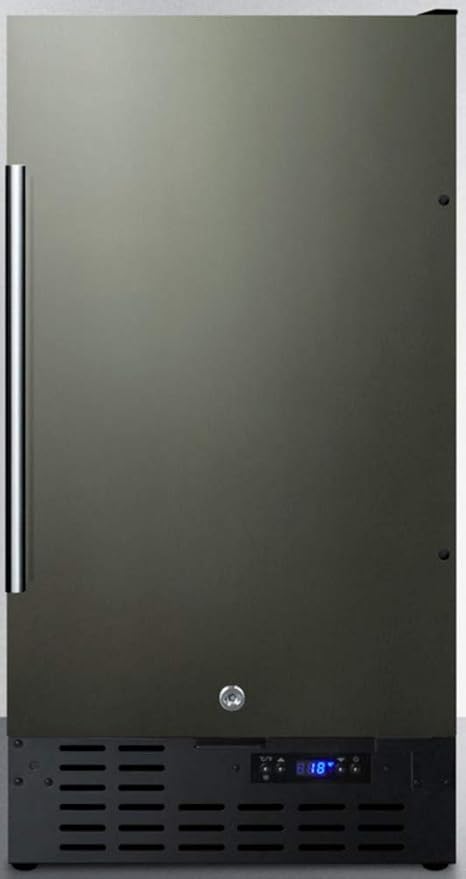
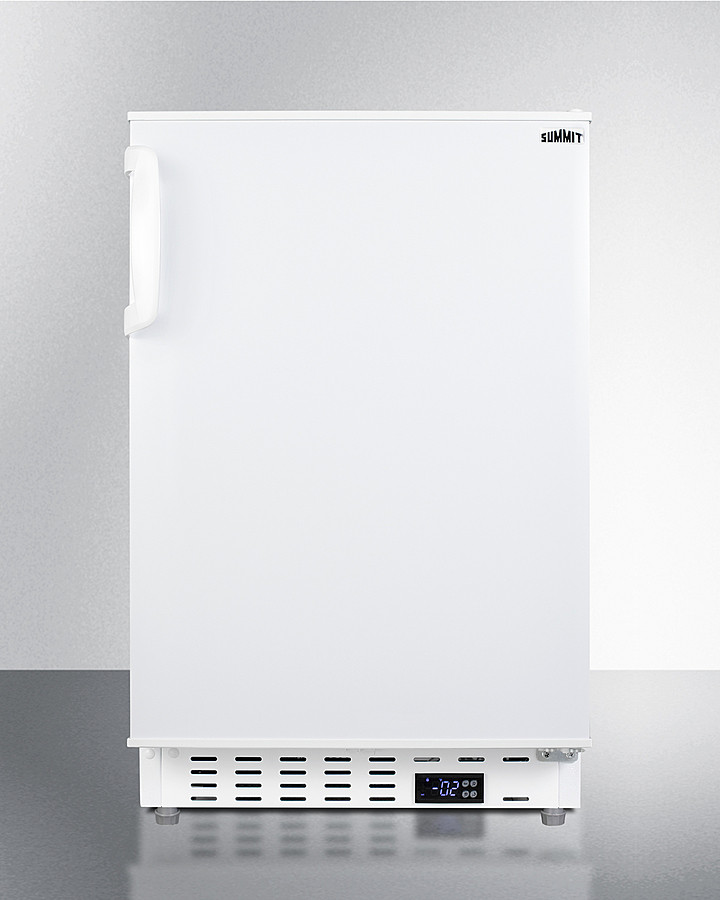
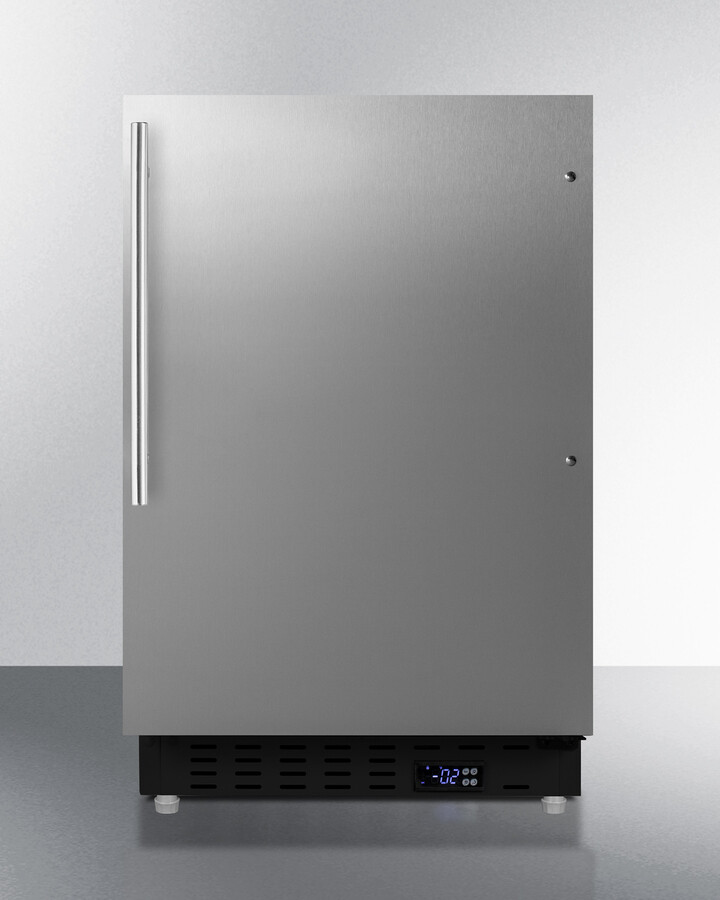
A built-in freezer is typically installed right alongside or beneath your kitchen cabinetry, creating a sleek, integrated look. Unlike standalone upright or chest freezers, built-ins often have a more limited capacity. However, they make up for this with convenient location and energy efficiency. Because they’re designed to blend into cabinetry, they’re ideal if you want a uniform kitchen design without sacrificing freezing capability.
How built-ins differ from standalones
Built-in freezers come in narrower footprints than many upright or chest models, but they’re made to tuck neatly into your existing cabinetry. They’re often installed underneath a counter or stacked beside a built-in refrigerator. You’ll usually get smooth front panels that complement your kitchen doors, creating a cohesive visual appearance.
Built-ins often have a custom front panel to match cabinet doors
They usually measure between 18 and 24 inches wide, though sizes vary
Ventilation is built in, so no external clearance is needed on the sides
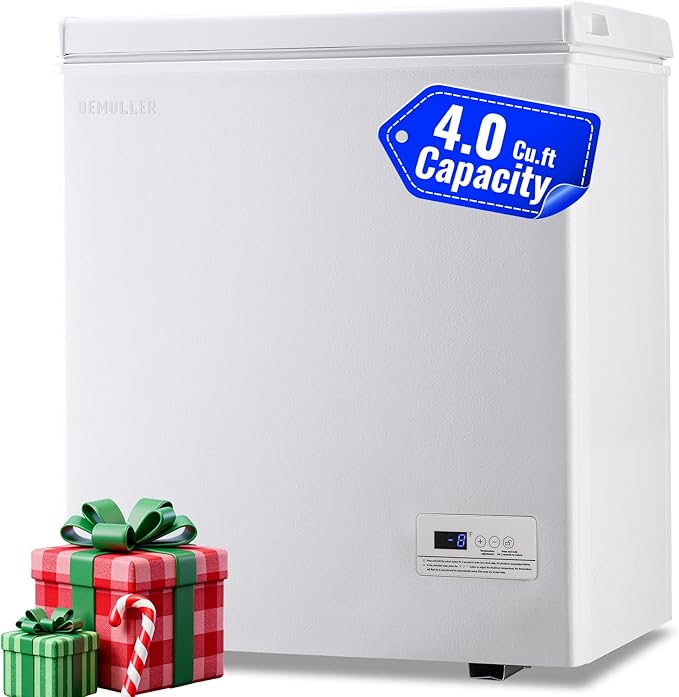
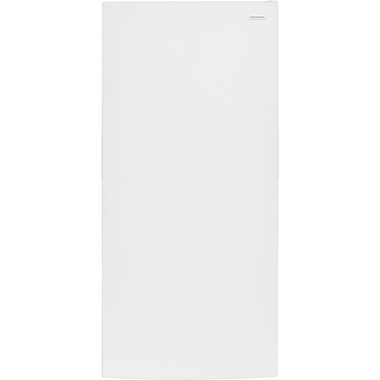
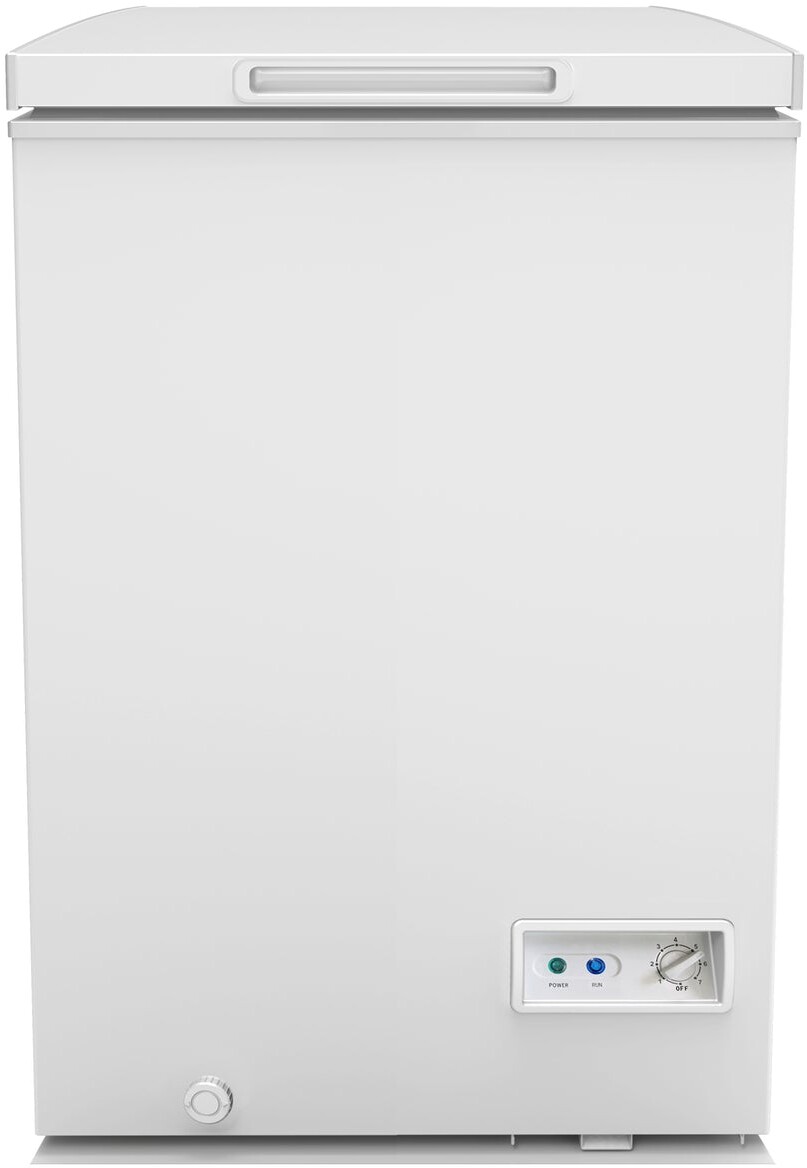
In exchange for a smaller size, you gain an aesthetically pleasing finish and easy-to-reach storage. Of course, if you’re keen on large storage space for everything from bulk meats to entire freezer meals, you may need both a built-in freezer and a separate appliance, such as a chest freezer.
Standard capacity ranges
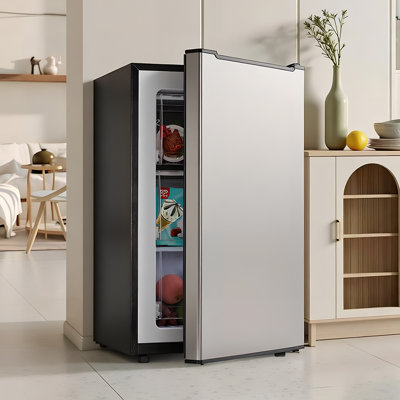
You can typically find built-in freezers with anywhere from 3 to 6 cubic feet of internal capacity. That might not sound like much at first. But keep in mind that today’s models often come with well-designed drawers, compartments, and door shelves to help you organize strategically. In many cases, you’ll have:
Pull-out baskets for items like family-size meal packs
Door shelves for smaller goods, such as bread or frozen peas
Adjustable racks to accommodate oddly shaped containers
It’s worth measuring the interior before you buy your groceries in bulk. Some people prefer to keep essentials in the built-in freezer, then stash bigger hauls in a larger secondary freezer. For instance, if you like to store plenty of frozen vegetables but have limited room, consider supplementary storage. Feel free to check out the best freezerless refrigerator for keto diet if you need a fridge-only appliance elsewhere in your home. This way, you can balance fresh and frozen storage according to your household’s habits.
Once you understand your freezer’s basic dimensions, the next step is to plan how you’ll lay out your items. A little forethought saves time later. When you know where each type of food goes, you reduce that frantic rummaging that often leads to frostbite fingers and poor freezer organization.
Think about your grocery habits
Start with a quick mental inventory of the foods you buy and freeze most often. Are you a fan of weekly meal preps and heat-and-serve dinners? Or do you prefer to freeze individual proteins like chicken breasts, ground beef, and fish fillets?
List the top five or six items you freeze all the time
Prioritize those items in the most accessible part of your built-in freezer
Check package sizes to see if they’ll fit on your freezer’s shelves or door
This is where you can think about labeling and stacking. For example, if you freeze a lot of leftover pizza, you might ask yourself: Can I keep pesto pizza in the freezer?. The short answer is yes, especially if you store it in stackable, flat containers, or wrap it tightly in freezer-safe wrapping.
Create easy-access zones
Built-in freezers typically come with a combination of drawers, door shelves, and sometimes a pull-out basket at the bottom. You can use these zones to keep frequently used items in front, while stocking less common or bulky packages in the back.
Use lower drawers for heavier packages like big roasts or bags of frozen peas
Keep ice cream, popsicles, and quick snacks in an upper drawer if you have kids
Door shelves are great for small items like butter, herb cubes, or leftover sauces
Creating designated “zones” means you won’t have to rummage around to find your meal fixings. Also, placing smaller items in bins helps you slide them out easily when you’re in a rush. You’ll appreciate this system on a busy night when you just want to grab dinner and go.
In a built-in freezer, it helps to think about what you’ll use most often and how to arrange it. Let’s break down the typical must-haves that you’ll likely want to keep frozen.
Meat, seafood, and poultry
These proteins often take up the lion’s share of freezer space because they’re relatively bulky. For best results:
Spread individual fillets into flat freezer bags to minimize air and stack neatly
Label each bag with the date, so you know how long it’s been frozen
Group similar items together. For instance, keep raw chicken near raw turkey, fish near shellfish
If you like to freeze large roasts, try dividing them into meal-sized portions first. A whole roast can be impressive for special occasions, but it’s not always the most space-friendly option.
Produce, dairy, and ready-to-eat meals
Frozen vegetables, fruits, and even certain dairy items like shredded cheeses or butter are popular. You can store them in thin plastic bags or in lidded containers that slide easily into the drawer.
Stack sealed bags of chopped veggies for soups and stir-fries
Consider dividing cheese into smaller blocks before freezing
Place ready-to-eat meals in tall, narrow containers and label them
If you rely on pre-cooked meals, think about portion sizes. Smaller containers thaw quicker and fit better in the freezer. You can keep one or two big family-sized trays if you know you’ll need them, but try to separate everything else into manageable portions. That way, you can grab only what you need, which prevents overload and wasted space.
Store large or bulky items
Freezer space can feel tight when you have to stash a holiday turkey, a giant roast, or a celebratory ice-cream cake. But you can still make it work if you plan carefully.
Holiday turkeys, roasts, or big batches
Seasonal foods like turkeys and big hams naturally use up a lot of freezer real estate. If you’re determined to keep them in your built-in freezer, consider:
Temporarily relocating everyday items to a friend’s or neighbor’s freezer to make room
Removing all unnecessary packaging so the item takes up as little space as possible
Checking the capacity of pull-out drawers or shelves (in some built-ins, the drawer can be taken out to fit an oversized item)
Before stocking up on holiday roasts, measure the largest section of your built-in freezer. Wrap your bulky item in a double layer of freezer paper and a plastic bag. This prevents leaks and fits more snugly than leaving it in the store packaging.
Important storage tips
Storing large items alongside daily essentials is trickier than you think. Once you shove a giant turkey in there, you might find it impossible to remove anything else until you cook that turkey. So ask yourself if you really need it in there for such a long stretch. Otherwise, plan to:
Cook or thaw it within a reasonable timeframe
Shift smaller items to door shelves so you can easily grab them
Avoid placing large items on the highest shelf because it’s heavier to lift down
Even if you’ve arranged a big roast just right, keep in mind the speed at which you plan to use smaller items. If you’re retrieving a bag of frozen peas daily, you don’t want to dig around a 16-pound turkey each time.
Even the best shelf layout can benefit from a few purpose-built accessories. These small investments can make a massive difference in how much you fit into your built-in freezer.
Bins, baskets, and trays
Look for durable, transparent bins to store small items, or consider wire baskets that fit the shape of your shelves. You can also use square or rectangular containers for easy stacking. If you like to freeze individual portions of sauces or soups, silicone freezer trays are quite handy.
Label each bin with a category, such as “Meats,” “Veggies,” or “Snacks”
Opt for stackable containers that allow airflow beneath them
Keep everyday foods in front, while tucking seldom-used items toward the back
For sauce portions or leftover coffee cubes, cubes freezer tray: Cyber Monday sale might be worth exploring. Using small cubes is great for portion control, and trays can save you space if they stack neatly.
Making the most of vertical space
In addition to bins, you might want to use adjustable dividers that keep tall, thin items from tipping over. If you freeze water bottles or leftover soups in tall containers, these dividers prevent random avalanches whenever you open your freezer drawer.
Use a tension rod or an adjustable divider to separate upright containers
Store flat items like pizza slices on top of stacked trays
Avoid piling bulky items on top of small containers because this can cause breakage
A neat trick is to “file” plastic bags upright by placing them side-by-side, much like folders in a filing drawer. This is especially useful for storing individually packaged meats, fruit slices, or veggie mixes. You’ll be surprised at how much more you can fit when everything is neatly organized instead of tossed in.
One common concern with built-in freezers is how to keep them running as efficiently as possible. Crowding your freezer to the brim might seem like the best use of space, but too little airflow can lead to frost buildup and strain the appliance.
Space management for airflow
You want your freezer to have enough room for cold air to circulate, so don’t pack things so tightly that there’s no gap. A good rule of thumb is to leave at least half an inch of space behind items on each shelf. If your freezer has vent openings, ensure you don’t block them with a large container or box.
Rotate items so older ones get used first, preventing freezer burn
Group foods by categories and place them near the coolest areas of the freezer
Keep an eye on the door shelves, which can be slightly warmer
You might wonder how this fits in with cramming the freezer full. The secret is thoughtful arrangement and regular rotation. As you use items, shuffle new ones to the back, ensuring older foods remain accessible but not buried. A little dance of rearranging can extend the life of your frozen goods while maintaining efficient cooling.
Regular cleaning and defrosting
Frost buildup can reduce available space and make your freezer work harder. Even if your built-in freezer is frost-free, you’ll want to do a quick check every month or so for any sneaky buildup. When you do need to clean thoroughly, you can reference how to clean your refrigerator from top to bottom, adapting the tips to freezer-safe cleaning methods.
Wipe up small spills immediately so they don’t freeze into sticky messes
Store items in sealed containers or bags that minimize leaking
Schedule a routine wipe-down and defrost if you spot more than a quarter inch of frost
Maintaining an odor-free environment is also important. If you sense any unpleasant smells, place an open box of baking soda or a bowl of coffee grounds in the freezer for a few days to freshen it up.
Sometimes you’ll end up with odd gaps in your built-in freezer that seem too small to hold anything useful. However, you can still put those awkward corners to good use with a bit of creativity.
Stock up on seasonal goods
You can fill small gaps with out-of-season produce, herbs, or even leftover sauce cubes. For instance, if you find a great deal on fresh berries during summer, freeze them in small containers to enjoy when they’re not in season.
Slice and spread fruit on a tray before bagging, so they freeze individually
Tuck fresh herbs (like basil or parsley) into small ice cube trays with a little oil for easy cooking
Slide leftover sauce cubes into small corners or door shelves
By leveraging those leftover corners, you’ll ensure that every bit of space works for you. Sometimes these smaller pockets are perfect for storing things like frozen dessert cups, leftover marinade, or even a stash of homemade cookie dough.
Prep for tasty meals
Keep a stash of ready-to-go ingredients so you can whip up meals with minimal fuss. Chop vegetables in advance and freeze them in small bags. Prepare marinade cubes for chicken, or freeze homemade stock in 1-cup increments for quick soups. If you’re also into specialized beverage storage, take a look at beer fridge offers to keep your drinks cold outside of your main freezer or fridge.
Freeze single-portion sauces like pesto, tomato, or alfredo
Keep a tray of ice cubes turned into coffee cubes for blended drinks
Store homemade cookie dough in small logs so you can slice and bake on demand
It’s all about adding convenience to your life. That way, you’re never stuck rummaging for that last leftover cup of stock or trying to scrape out the bottom of an old container.
Keep it clean and odor-free
To make your built-in freezer a pleasant place, it’s essential to keep it tidy and avoid any lingering smells. Staying on top of cleanliness ensures your food remains safe, and you keep that crisp, fresh scent each time you open the door.
Practices for daily upkeep
Usually, a quick daily or weekly check is enough. This might sound like overkill, but you’ll appreciate the effort when you realize you aren’t facing a thick layer of forgotten frost or a sticky spill down the line.
Check for expired items once a week to free up space
Immediately clean up any leaks or spills so they don’t freeze into the drawer
Reseal bags after every opening to reduce freezer burn and odors
If you want to make sure your fridge portion is clean too, you can look into the easiest way to clean refrigerator shelves for tips that complement your freezer cleaning routine. A consistent cleaning habit helps you spot any items that might be past their prime before they cause a mess.
When to do a deep clean
You’ll want to do a more thorough cleaning if you notice frost building up, if the freezer smells funky, or if you’ve had the freezer for a few months without a detailed scrub. The steps typically include:
Unplug or switch off the freezer.
Transfer all items to a cooler or spare fridge.
Wipe down all surfaces with warm, soapy water.
Dry thoroughly before restarting your freezer.
A deep clean is also a good opportunity to reorganize items back into more logical zones. Label containers and discard anything that’s been in there longer than its recommended freezer life.
Making the most of your built-in freezer is a balancing act of clever organization. By planning your layout around your most frequently used items, you’ll have easy access to the foods you need every week. Stack smaller bags of meat or vegetables like files, incorporate bins or trays for better categorization, and leave enough room for airflow so your appliance stays efficient. Don’t be afraid to tuck in those seasonal treats or leftover sauce cubes into spare nooks. When you keep everything tidy and well-labeled, it’s amazing how much a built-in freezer can really hold.
Over time, you’ll figure out exactly what fits best, which items you go through the fastest, and what simply takes up valuable space. With a little experimentation, your built-in freezer can become a surprisingly versatile ally in your kitchen. Enjoy the ease of organization and savor the convenience of grabbing exactly what you need, exactly when you need it. And if you ever need more freezer space, you can always supplement with an additional cooler or a standalone appliance. Happy freezing!
Free tool
Food Storage Calculator
Free interactive tool from Fridge.com — get a quick answer while you read.