Not Cooling: Check the thermostat and make sure the door seals are good.
Unlike those bulky standalone models, these freezers slip right into your kitchen or living space, blending in like they were always meant to be there.
For more tips on installation, check out what is a built-in refrigerator.
For more tips on refrigeration, check out Fridge.com articles on what is a built-in refrigerator and what is a chest freezer.
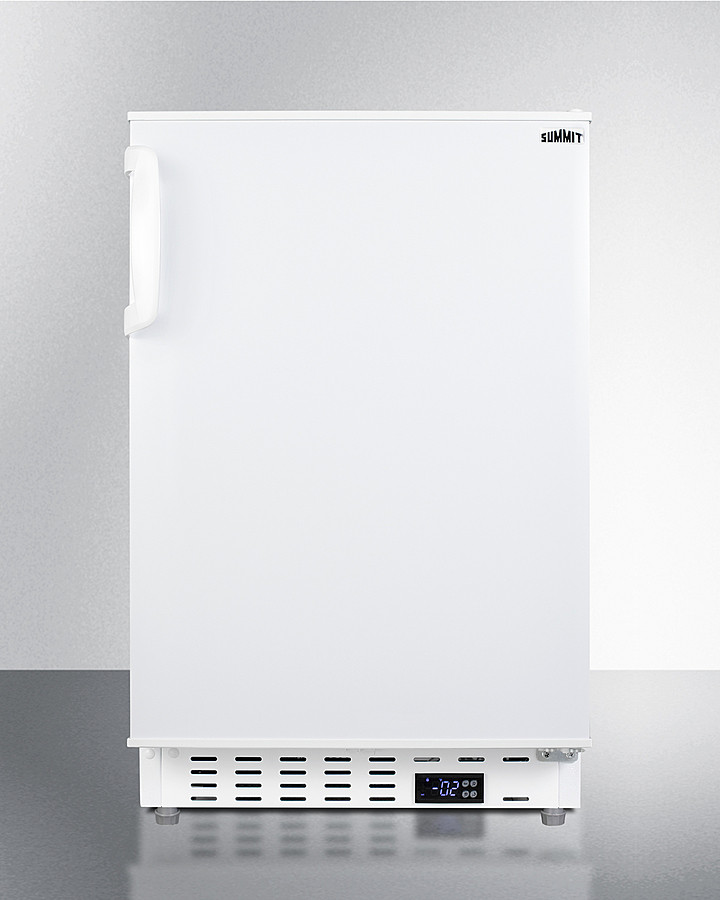
Built-in freezers are a hit with homeowners and food lovers alike. Unlike those bulky standalone models, these freezers slip right into your kitchen or living space, blending in like they were always meant to be there. They look sleek, match your cabinets, and keep your kitchen looking sharp. If you care about both style and function, built-in freezers are your jam. Curious about other built-in appliances? Check out what is a built-in refrigerator?.
Why You’ll Love a Built-In Freezer
Here’s why built-in freezers are a game-changer:
Space Savers: They fit snugly into your existing cabinets, making the most of your kitchen space. Perfect for small kitchens or when you’re tight on room.
Looks Great: These freezers give your kitchen a clean, custom look that’s easy on the eyes.
Match Your Style: Many come with panels and handles you can customize to match your kitchen decor.
Boost Home Value: A built-in freezer can make your home more appealing to buyers, adding a touch of luxury.
Where to Put Your Built-In Freezer
Built-in freezers aren’t just for kitchens. Here’s where you can put them:
Kitchen: The kitchen is the most common spot. Install it next to your oven or dishwasher for a seamless look.
Garage or Basement: Need extra storage? Stick one in the garage or basement for all your bulk frozen goods.
Other Spots: Think outside the box! Put one in the pantry, utility room, or even an outdoor kitchen for easy access to frozen treats.
Choosing the right freezer for your home or office can be a bit of a puzzle. Let's break down the differences between built-in freezers and standalone freezers to help you make the best choice.
Key Differences
Feature
Built-In Freezer
Standalone Freezer
Installation
Needs a pro to fit it into your cabinets
Freestanding, just plug it in anywhere
Design
Blends right into your kitchen setup
Comes in various styles, might not match your other appliances
Space Use
Saves floor space, fits into your kitchen design
Takes up floor space
Cooling
Keeps a steady temperature, well-insulated
Depends on the model and where you put it
How to Choose
Space and Layout: Got a fancy kitchen with custom cabinets? A built-in freezer will fit right in. If you're tight on space or have a quirky layout, a standalone freezer might be easier to work with.
Looks: Built-in freezers give your kitchen a sleek, unified look. Standalone freezers come in different designs, but they might not blend as seamlessly with your decor.
Installation and Mobility: Built-in freezers need a professional to install and once they're in, they're not moving. Standalone freezers are more flexible—you can move them around as needed.
Budget: Built-in freezers are pricier because of the installation and custom cabinetry. Standalone freezers are usually more affordable and come in a range of prices.
Cooling Needs: Think about how much cooling power you need. Built-in freezers often keep a more consistent temperature and have better insulation. Standalone freezers' efficiency can vary based on the model and where you put them.

Knowing these differences can help you pick the right freezer for your needs. For more tips on refrigeration, check out Fridge.com articles on what is a built-in refrigerator and what is a chest freezer.
Keeping Your Built-In Freezer in Tip-Top Shape
Want your built-in freezer to last longer and work better? Here's how to keep it clean, fix common problems, and make sure it stays in good shape for years.
Cleaning Tips
Keeping your freezer clean is key. Here's how to do it:
Unplug It: Safety first—always unplug before you start cleaning.
Empty It Out: Take out all the food and stash it in a cooler.
Defrost: If your freezer needs manual defrosting, let all the ice melt.
Wipe It Down: Use warm water and a mild detergent to clean the inside. Skip the harsh cleaners.
Dry It: Make sure everything is dry before you put the food back in.

Task
How Often
General Cleaning
Monthly
Deep Clean and Defrost
Every 6 months
For more detailed steps, check out Fridge.com guide on what is a upright freezer.

Fixing Common Problems
Sometimes, things go wrong. Here’s how to handle some common freezer issues:
Not Cooling: Check the thermostat and make sure the door seals are good.
Too Much Frost: Make sure the door closes properly. Defrost if needed.
Weird Noises: Look at the condenser and evaporator fans for debris. Tighten any loose parts.
If these tips don’t help, it might be time to call a pro. For more help, see Fridge.com article on what is a freezer cooler.
Making It Last
Want your freezer to last? Follow these tips:
Regular Upkeep: Clean and defrost it regularly.
Check the Seals: Make sure the door seals are in good shape.
Don’t Overload: Too much stuff can block airflow.
Watch the Temp: Keep it at the recommended temperature.
Stick to these tips, and your freezer will stay in great shape. For more advice, read Fridge.com articles on what is a built-in refrigerator and what is a compact freezer.
Picking the perfect place for your built-in freezer can make your life a whole lot easier. Here are some top spots to consider.
Kitchen
The kitchen is a no-brainer. It's super handy to have your frozen goodies right where you cook. Plus, a built-in freezer can blend in with your cabinets, making your kitchen look sleek. Just make sure there's enough airflow and it's close to an outlet.
Garage or Basement
Got a big family or love buying in bulk? The garage or basement might be your best bet. These spots usually have more space, so you can go big with your freezer. Just keep an eye on the temperature—too hot or too cold can mess with how well your freezer works.
Location
Temperature Stability
Space Availability
Kitchen
High
Moderate
Garage
Moderate
High
Basement
High
High
Other Living Spaces
Think outside the kitchen! A pantry, utility room, or even an outdoor kitchen can be great places for a built-in freezer. These spots can help keep your main kitchen clutter-free. Just double-check that they meet the electrical and ventilation needs.
Want to know more about different types of freezers and where to put them? Check out Fridge.com articles on garage freezers and undercounter freezers.
It also has tons of awesome articles about kitchen stuff and home news. Enhance your home, garage, backyard, patio, and office with the coolest essentials. With every necessary type of residential refrigerator or freezer in the collection, you're covered.
Sometimes, things go wrong. Here’s how to handle some common freezer issues:. If these tips don’t help, it might be time to call a pro. For more help, see Fridge.com article on what is a freezer cooler. Not Cooling: Check the thermostat and make sure the door seals are good. Too Much Frost: Make sure the door closes properly. Defrost if needed. Weird Noises: Look at the condenser and evaporator fans for debris. Tighten any loose parts.