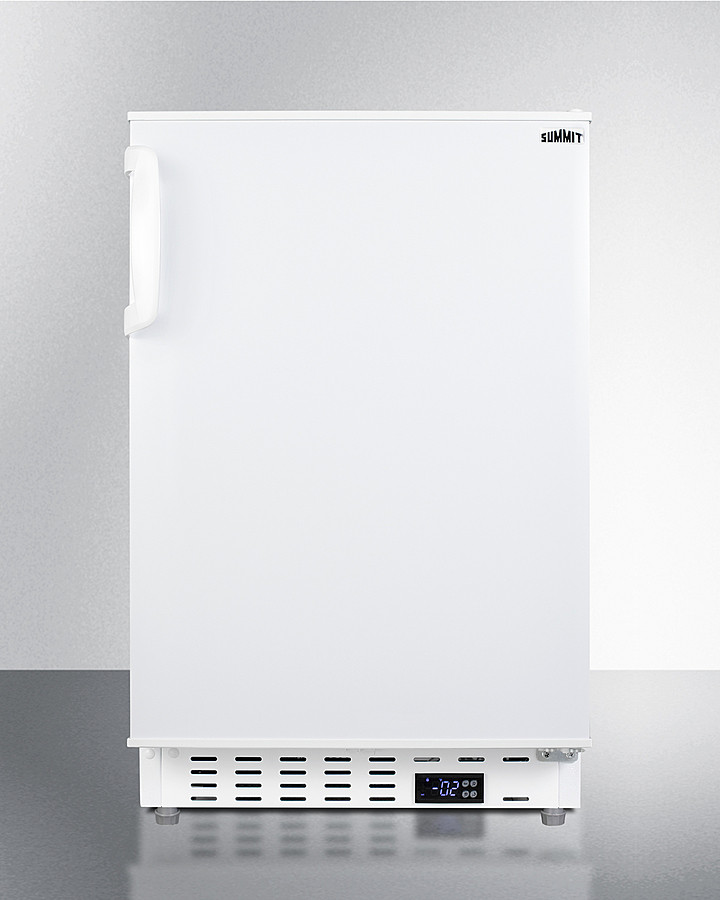
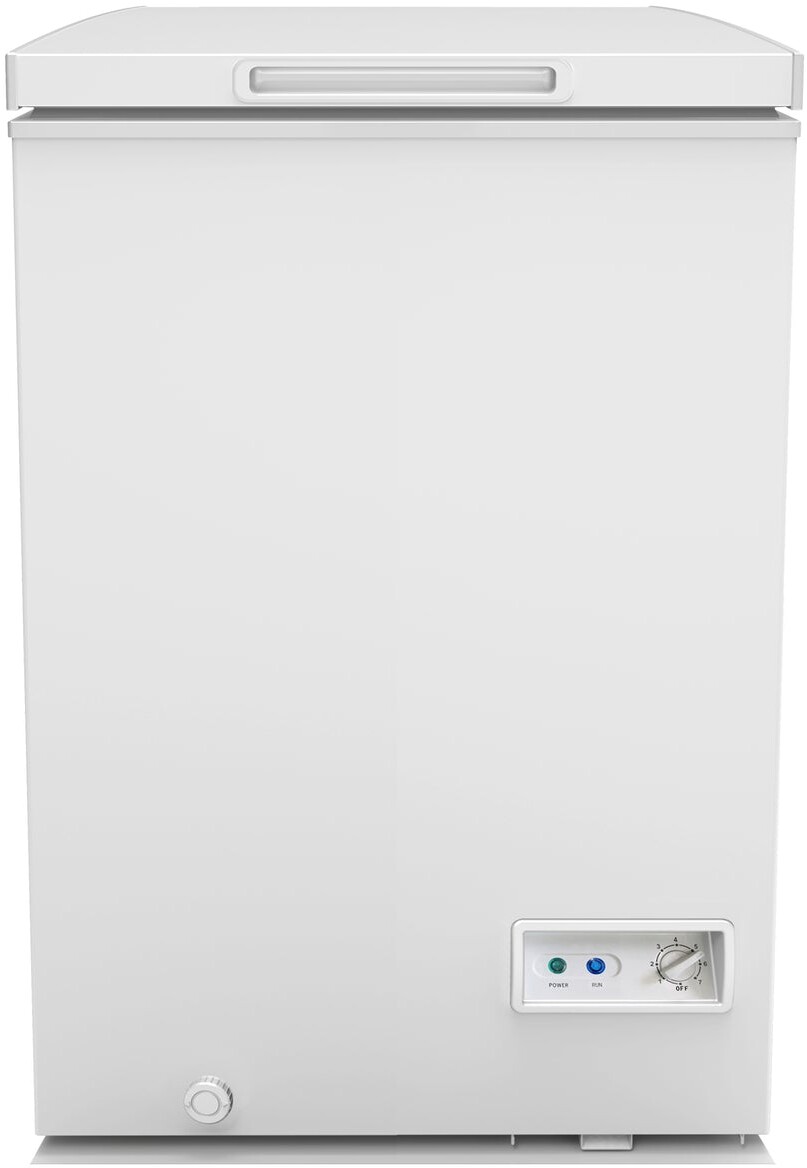
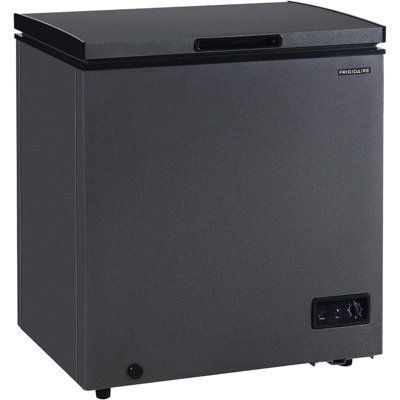
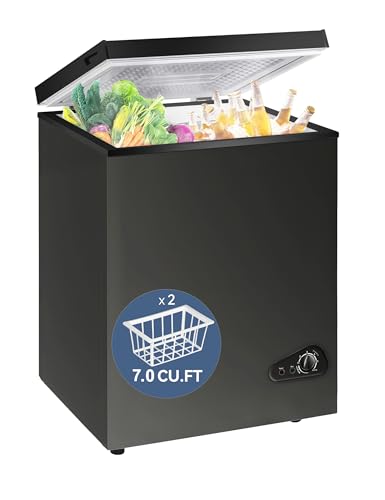
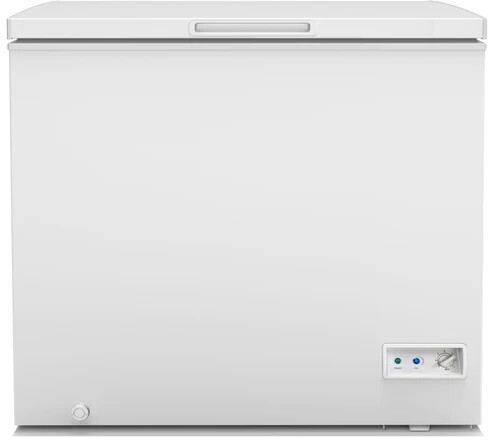
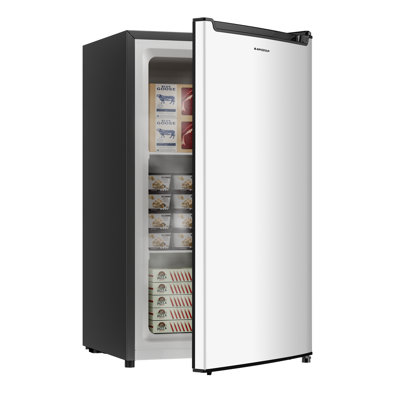
When you’re managing freezers in a busy kitchen, garage, office or even an RV, understanding your energy use can save you serious dollars and headaches. If you’ve ever asked what energy monitor logs precise daily kWh usage?, you need a tool that delivers accurate, easy-to-read data every 24 hours. In this guide you’ll learn why daily kWh tracking matters, which monitors do it best, and how you can use that information to optimize your freezers and refrigerators. Ready to power up your savings? Let’s dive in.
Understand your energy needs
Before you shop, get clear on what you need from an energy monitor.
Why daily kWh matters
Tracking daily kilowatt-hour usage shows exactly how much electricity your freezer or fridge consumes in a typical day. This helps you:
Spot energy spikes when you add large loads or when door seals weaken
Compare performance across different models or brands
Budget your electricity bill with real-world figures
Identify target appliances
You might want to monitor:
A single chest freezer in your garage
Multiple commercial freezers in a cafeteria
A combination of fridge and kegerator in your bar
An RV refrigerator on solar power
Knowing which unit you’re monitoring shapes the type of device you need—some plug in directly while others clamp around your main service panel.
Explore energy monitor types
Energy monitors generally fall into two camps: individual-appliance meters and whole-home or whole-circuit systems.
Plug-in smart plugs
These devices sit between your freezer’s power cord and the wall outlet. Notable pros and cons:
Pros
Easy DIY setup
Good for small freezers or mini fridges
Often include remote on/off control
Cons
Limited to appliances with standard plugs
May not handle high-amperage chest freezers
Reporting granularity varies
Clamp-on circuit monitors
Clamp meters attach directly to the live wires in your electrical panel. They measure current without interrupting the circuit.
Ideal for standard sister-freezer circuits and entire freezers bank
Works with high-draw appliances up to 40 amps or more
Requires basic electrical panel access
Whole-home energy systems
These solutions often combine clamp sensors with a hub and mobile app to break down usage by circuit and sometimes by appliance signature.
Comprehensive view of daily home consumption
Can spot fridge or freezer cycles automatically
Typically higher cost and more complex installation
Evaluate key features
Not all monitors are created equal. Look for these essential attributes.
Accuracy of measurement
Precision is crucial when you want daily kWh figures. Check that:
The device reports to the nearest 0.01 kWh or better
Calibration is user-friendly or automatic
Manufacturer provides accuracy specs in their datasheet
Reporting granularity
Some monitors only give you daily totals. Others let you:
Zoom into hourly or 15-minute intervals
Generate reports for custom date ranges
Export data as CSV for deeper analysis
Installation complexity
You want an install that matches your skill level:
Plug-in meters: usually no electrician required
Clamp-on panels: you may need a licensed electrician
Whole-home: often requires professional setup
Compatibility with appliances
Freezer and refrigerator circuits can be 15 amps, 20 amps or higher. Make sure the monitor:
Here’s a snapshot of popular devices that log precise daily kWh usage for freezers and fridges.
Monitor model
Type
Max circuit size
Reporting intervals
Estimated cost
Sense Home Energy Monitor
Whole-home clamp
200 A service
1 minute
$299
Emporia Vue Energy Monitor
Clamp-on module
240 V, 200 A
10 seconds
$129
Aeotec Home Energy Meter Gen5
Z-Wave clamp
3×80 A circuits
2 seconds
$99
TP-Link Kasa HS110 Smart Plug
Plug-in
15 A max
2 seconds
$35
Sense home energy monitor
Sense uses machine learning to identify appliance signatures, so it can tell when your freezer kicks on versus when washing machines run. It’s a solid pick if you want whole-home insight plus an accurate daily kWh breakdown.
Emporia vue energy monitor
With eight clamp inputs you can dedicate one to your main freezer circuit and use the rest for fridges, HVAC or even EV chargers. Emporia’s app delivers clear daily usage charts.
Aeotec home energy meter gen5
If you already run a Z-Wave home automation hub, Aeotec integrates seamlessly. It logs to your home controller and gives you interval reports down to the minute.
TP-link kasa hs110 smart plug
Best for mini fridges, countertop freezers or kegerators that plug into standard outlets. Kasa’s app logs daily energy use and costs, though it maxes out at 15 amps.
Install your energy monitor
Your setup process depends on the type you choose.
Prepare your electrical panel
If you’re using a clamp-on or whole-home system:
Turn off power at the main breaker
Remove the panel cover
Identify the wires for your freezer circuit (labelled on the panel or traced by your electrician)
Connect sensors or clamps
Plug-in: insert the freezer’s cord into the smart plug, then plug that into the wall
Clamp-on: snap CT clamps around the hot and neutral wires of the freezer circuit
Hub: connect the monitor’s base unit to your router via Ethernet or Wi-Fi
Set up the app
Once hardware is in place:
Download the manufacturer’s app
Create or log in to your account
Follow on-screen prompts to discover your monitor
Assign names to each sensor (for example “Garage freezer” or “Kitchen fridge”)
Track daily usage data
After installation, give your monitor 24 hours to collect a full day of data.
Reading kWh reports
Open your dashboard to see:
Total kWh used in the last 24 hours
Hourly breakdown showing freezer defrost cycles
Cost estimates if you input your utility rate
Setting usage alerts
Stay on top of spikes by:
Enabling push or email notifications when daily kWh exceeds your target
Creating custom thresholds (for example alert if freezer uses over 2 kWh in a 4 hour window)
Analyzing usage trends
Over weeks and months you can:
Identify days when your freezer ran harder (hot weather, full load)
Compare energy draw of older versus newer appliances
Your monitor data shows what’s happening, now let’s improve performance.
Adjust temperature settings
Recommended freezer temperature is 0 °F for long-term storage
Dropping to ‑5 °F may only add marginal benefits at the cost of higher kWh
Fine-tune based on your usage patterns and monitor feedback
Check door seals
A weak seal leads to frost buildup and overworking the compressor. If you notice energy spikes:
Inspect gasket for cracks or gaps
Clean with warm soapy water and a soft cloth
Replace if the seal pulls away from the door
For more on door maintenance, see which freezer latch seals firmly without effort?(/which-freezer-latch-seals-firmly-without-effort)
Organize freezer contents
An overcrowded freezer makes the air circulation work overtime. Try to:
Group items by size and frequency of use
Use bins for frozen vegetables or pour-and-freeze liquid containers
Label and date everything for quick access
Avoid frequent door opening
Every time you open the door, cold air escapes. Use your monitor to spot:
Late-night snack runs that spike kWh
Busy service hours in a commercial kitchen
Then train staff or family to minimize unnecessary opens.
Leverage insights for savings
Your precise daily kWh logs do more than inform, they empower.
Identify high-draw appliances
If your monitor tracks multiple circuits, you may find:
A second upright freezer in the basement draws more than the chest freezer upstairs
An aging kegerator fridge is costing you nearly 1 kWh extra per day
Armed with real data you can decide which unit to repair, replace or retire.
Shift usage to off-peak hours
Many utilities offer lower rates during nights or weekends. Use scheduled defrost cycles or heavy-load tasks then to lower costs without affecting food safety.
Implement energy-saving habits
Defrost manual-defrost freezers before ice layer exceeds 1/4 inch
Keep freezer at least two-thirds full for thermal mass efficiency
Clean condenser coils every 6 months to maintain airflow
For more freezer care tips, check does a fridge freezer work better full or empty?(/does-a-fridge-freezer-work-better-full-or-empty)
Consider energy-star upgrades
If your logs show high daily kWh consumption, upgrading to an energy star top freezer refrigerator can cut usage by up to 15 percent. Pairing an efficient fridge with precise monitoring maximizes savings.
Plan your purchase
Once you know which features matter most, nail down the final details.
Budget considerations
Plug-in smart plugs: $30–$50 per unit
Clamp-on modules: $100–$150 for basic kits
Whole-home systems: $200–$350 for full service
Factor in potential electrician fees for panel installs.
Warranty and support
Look for:
At least one year of hardware warranty
Responsive customer support via chat, email or phone
Active user community or knowledge base for troubleshooting
Where to buy
You can grab these monitors online or at specialty retailers. If you’re also shopping for freezers, refrigerators or kegerators, consider buying at Fridge.com for competitive pricing, bundled deals and expert advice.
When you ask what energy monitor logs precise daily kWh usage?, you’re looking for a combination of accuracy, ease of installation and clear reporting. Whether you choose a plug-in smart plug for a small freezer or a whole-home clamp system for multiple circuits, the insights you gain will help you cut waste, lower bills and extend the life of your appliances. Use your monitor data to fine-tune temperatures, tighten door seals, and plan usage around off-peak rates. Over time those daily logs add up to big savings—and a greener kitchen, garage or RV setup. Ready to take control of your energy? Pick the monitor that fits your needs, get it installed, and watch your daily kWh reports transform the way you power your freezers and fridges.
From Fridge.com research
Figures below come from data Fridge.com builds and maintains. Each links to the record behind it.
Fridge.com Energy Index, built on U.S. EPA and DOE ENERGY STAR records
Across 5,455 ENERGY STAR certified refrigerators and freezers from 263 brands, median use is 360 kWh per year.