Have you ever asked yourself, “what are the pros and cons of a water dispenser?” You’re in the right place. This guide will break down the benefits and drawbacks of adding a water dispenser to your fridge—or installing a standalone hydration station—so you know exactly what to expect. We’ll cover different types of dispensers, installation basics, maintenance tips, energy use, and cost factors. By the end, you’ll have a clear picture of whether a water dispenser is the right choice for your home, office, RV, or studio apartment.
Whether you’re stocking a commercial kitchen, updating your office break room, or squeezing the most out of a small apartment, having on-demand cold, hot, or room-temperature water at your fingertips is a game changer. You avoid plastic waste, reduce time waiting on deliveries, and offer guests instant refreshment. But you also need to think about upfront costs, filter changes, and the space it will occupy. You’ll see how a bottled dispenser—complete with five-gallon jugs—differs from a plumbed-in bottleless model. We’ll outline pros like convenience, improved hydration habits, and environmental perks, plus cons like installation complexity, noise, and maintenance. Then we’ll walk through how to install, maintain, and choose the right model for your needs. Let’s get started.
Water dispenser types
Before weighing pros and cons, it helps to know the two big categories: bottled and bottleless. Each has its own installation, cost, and maintenance profile.
Bottled water dispensers
Bottled dispensers rely on large 3- to 5-gallon water jugs that you replace when empty. You typically load the jug on top or at the back. These systems are popular for their plug-and-play simplicity—no plumbing required. You just swap in a fresh jug when needed. They provide cold and hot water on demand and are ideal for offices, break rooms, or events. However you’ll need to store empty jugs somewhere and deal with regular delivery or store pickups.
Bottleless dispensers
Bottleless or point-of-use dispensers connect directly to your water supply and include built-in filters. You don’t have to lift heavy jugs or worry about running out. These models require professional or DIY plumbing to tie into cold and hot water lines. They come as countertop units or freestanding floor models.
Countertop models
Countertop bottleless dispensers sit on your counter or a sturdy base. They save floor space and can be moved more easily. Ideal for small kitchens, studio apartments, or desks.
Freestanding systems
Freestanding units stand on the floor like a mini fridge. They offer larger reservoirs, higher output, and more storage room for filters and accessories. Perfect for cafeterias, commercial kitchens, or large families.
When you weigh benefits, water dispensers can transform how you hydrate and entertain. Below are the main advantages to consider.
Convenience and accessibility
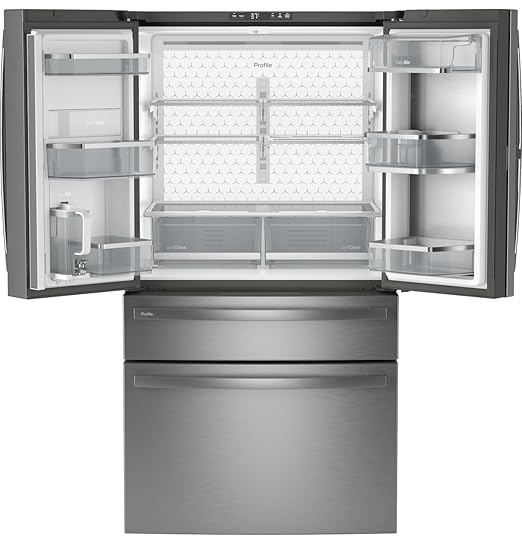
Instant access to cold, hot, or room-temperature water can save you trips to the sink, kettle, or freezer. If you’re meal-prepping lunches or hosting friends, a built-in or standalone dispenser means you’re always ready to pour a quick drink, brew tea, or fill a pot without waiting.
Health and safety benefits
Filtered water quality
Most bottleless dispensers include multi-stage filters that remove chlorine, sediment, and common contaminants. This improves taste and gives you peace of mind that you’re drinking clean water rather than tap water from an older faucet.
Contaminant reduction
High-end dispensers may add UV purification or reverse osmosis to cut bacteria, lead, and other impurities. This is a big win if you live in an area with hard water or outdated plumbing.
Cost savings over time
Bulk water vs bottled
Bottled water dispensers often use large jugs available in bulk, which can cost less per gallon compared to single-serve bottles. When you buy jugs for pickup or delivery, you’ll likely pay less than grabbing dozens of six-packs.
Reduced delivery fees
Some suppliers charge fees for small, frequent orders. By switching to a dispenser, you’ll reduce those fees and lower your overall bottled water expense. Over time, that adds up in your wallet and your recycling bin.
Environmental advantages
By cutting down on single-use bottles, you’ll shrink your plastic waste and lower your home’s environmental footprint. Reusable jugs and built-in filters mean less plastic ending up in landfills.
Versatile hydration options
Whether you need scalding-hot water for oatmeal, tepid water for baby formula, or ice-cold refreshment for post-workout smoothies, a water dispenser delivers multiple temperatures. Some models even have sparkling water attachments for DIY sodas at home.
Time savings
Instead of waiting for water to chill in the fridge or boil on the stove, you get instant results. This convenience translates into minutes saved each day—ideal for busy parents, shift workers, or anyone on a tight schedule.
Guest-friendly setup
If you love entertaining, a water dispenser signals hospitality. Guests can serve themselves, reducing traffic around your sink. It frees you up to focus on food prep or conversation rather than refilling glasses.
Space saving designs
Modern dispensers fit seamlessly into fridge doors or slim cabinets, saving precious counter real estate in small kitchens, dorm rooms, or office break areas.
While water dispensers offer perks, they also bring tradeoffs. Making an informed choice means weighing these drawbacks.
Upfront purchase costs
High-quality dispensers can cost anywhere from a few hundred to over a thousand dollars, depending on features, size, and brand. Bottleless models with reverse osmosis and UV lights tend to be pricier than basic bottled systems. You’ll need to budget for the initial investment alongside any installation fees.
Maintenance requirements
Like any appliance, water dispensers need regular upkeep to stay hygienic and functional.
Filter replacements
Bottled systems might use carbon filters to improve taste, while bottleless units often have multi-stage filtration with carbon, sediment, and RO membranes. Depending on your water quality and usage, you may need to replace filters every 3 to 6 months at a cost of 20 to 100 dollars per filter.
Cleaning routines
You’ll need to sanitize water lines, nozzles, and drip trays on a regular schedule to prevent bacterial buildup or mold growth. Many manufacturers suggest cleaning every 1 to 3 months. Ignoring this can lead to off flavors or health hazards.
Space considerations
Freestanding dispensers take up floor space and can feel bulky in tight quarters. Even countertop models demand a solid surface and clearance above and around them. If you live in a micro-apartment, plan for where the unit and extra jugs or filters will live.
Noise and energy use
Some dispensers hum or click when heating or cooling water, which can be a nuisance in quiet offices or bedrooms. Bottleless units that run pumps and UV lights may draw standby power, adding to your electricity bill. If you’re sensitive to noise or have energy-conscious habits, compare decibel ratings and energy-class labels.
Potential water waste
Reverse osmosis systems can waste 2 to 4 gallons for every gallon of pure water produced. If conservation matters to you, check the waste-to-purified ratio or look for models with reclaim tanks.
Dependence on supply
For bottled dispensers, you’ll need consistent access to replacement jugs. If your supplier runs out or delivery schedules slip, you might find yourself running dry. Even bottleless units depend on municipal water supply. If there’s a break or boil-water advisory, you’ll lose access until service is restored.
Installation complexity
Bottleless dispensers require reliable cold and hot water line connections, plus sometimes a drain line for reverse osmosis. Poor installation can cause leaks or performance issues. You might need a plumber or an optional installation kit, adding to first-year costs.
Resale and disposal
If you move or decide to upgrade, selling or donating a used water dispenser can be tricky due to its weight and the need for sanitation. And old filters or jugs can’t always be recycled curbside.
Consider installation factors
When you’re exploring what are the pros and cons of a water dispenser, installation often comes up as a common con. But manageable planning can ease the process.
Plumbing requirements
Bottleless dispensers plug into your cold (and sometimes hot) water line, typically under your sink. You’ll need a 1/4-inch feed line and a shutoff valve. Some units also require a drain for reverse osmosis waste. If you’re handy, this can be a weekend DIY project; otherwise plan for plumber fees.
Electrical needs
Most dispensers need a standard 120V outlet nearby. Check the appliance’s power cord length and recommended clearance. If you’re adding a dispenser to an outdoor or RV setup, confirm voltage compatibility and waterproofing ratings.
Placement and space
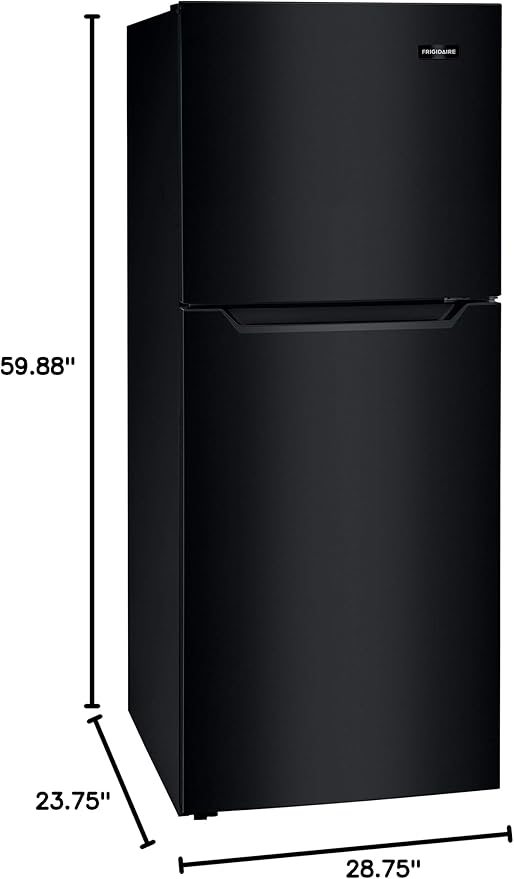
Measure the footprint and height of the unit before ordering. Remember to allow room for jug changes on top models or filter-access doors on bottleless systems. If you’re tight on space, a slim countertop model or fridge-integrated dispenser might be the smart choice.
Routine maintenance is key to keeping your hydration station running smoothly and ensuring water quality.
Filter replacement schedule
Follow manufacturer guidelines for filter swaps. Many users find it helpful to mark replacement dates on a calendar or set reminders on their phone. Bulkier filters can be stored nearby for quick swaps.
Cleaning guidelines
Sanitize the reservoir, nozzles, and drip tray every 1 to 3 months. Use a food-safe cleaning solution or a vinegar-and-water mix. Some models have removable parts that go in the dishwasher. Check your manual for specifics.
Troubleshooting common issues
Water flow slows down: likely a clogged filter or air in the line
No hot water: check the heating element or thermostat
Strange taste or odor: perform a deep clean of hoses and reservoir, and swap filters
Leaking at connections: tighten fittings or replace worn washers
Energy use may not top your list when evaluating what are the pros and cons of a water dispenser, but it adds up over time.
Power consumption
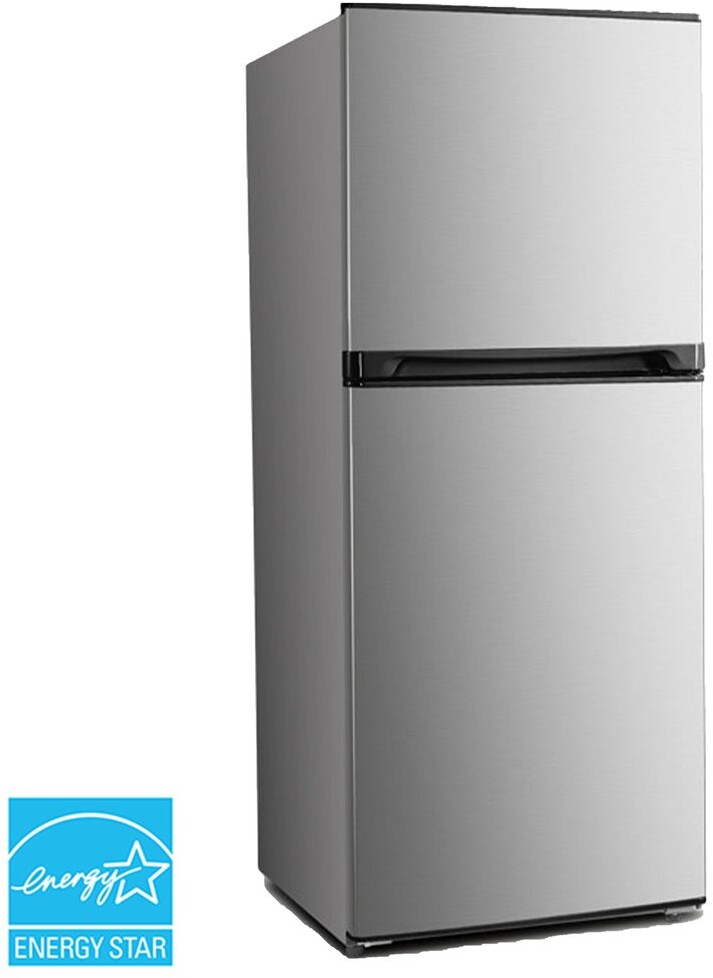
Cooling and heating cycles can draw 100 to 200 watts on average. Look for ENERGY STAR-rated models or units with efficient compressors and heating elements.
Standby energy use
Most dispensers draw a small amount of power even when idle to maintain temperature. If you travel often, consider models with an energy-saving standby mode or an on/off switch.
Energy saving features
Some dispensers throttle heating elements until you press the hot water lever, reducing constant energy draw. Look for eco mode, programmable timers, or adjustable temperature settings.
Budget planning will help you get the best value from your dispenser.
Initial purchase price
Entry-level bottled systems start around 100 dollars, while bottleless countertop models can range from 200 to 700 dollars. Freestanding bottleless dispensers with RO and UV can exceed 1,200 dollars.
Operating costs
Plan for monthly filter costs (20 to 100 dollars per filter set), electricity (a few dollars per month), and bottled water deliveries if you choose a bottled unit. Keep receipts or track expenses in a spreadsheet to compare over the first year.
Replacement supplies
Filters, UV bulbs, pumps, and tubing all have limited lifespans. Research part availability and pricing so you’re not caught off guard. Buying replacements in bundles often lowers per-item cost.
Choose the right model
By now you’ve seen a long list of pros and cons. Now it’s time to narrow down your options and pick the model that fits your life.
Match size to needs
Estimate daily water consumption. A single person in a studio might get by with a small countertop dispenser and 3-gallon jugs. A large family or office may need a freestanding bottleless unit with a 2-gallon reservoir and fridge-integrated features.
Prioritize key features
Make a list of must-haves:
Hot water for tea and oatmeal
Cold water and ice for smoothies
Filter quality (carbon only vs reverse osmosis)
Sparkling water attachment
Child safety lock
Built-in water level indicator
Set a realistic budget
Determine your bottom-line spend. Balance initial price against long-term savings. Sometimes a mid-tier bottleless system offers the best mix of convenience and cost. If upfront cost is a barrier, bottled dispensers provide many benefits for a lower investment.
Evaluate warranty and support
Look for models with at least a one-year warranty on parts and labor. Check user reviews and brand reputation. Good customer support can save you time and headaches when you need replacement parts or troubleshooting tips.
Choosing a water dispenser boils down to how you value convenience, cost, maintenance, and design in your space.
Weigh pros and cons
Review the benefits—instant hot and cold water, better hydration habits, reduced plastic waste—against the downsides—upfront cost, filter changes, and space requirements. Think about your daily routine: will a dispenser streamline your life or add more tasks?
Where to buy
If you’re ready to upgrade your hydration game, check out Fridge.com. You’ll find a range of bottled and bottleless dispensers, plus expert advice on installation and maintenance. Browse models, compare specs, and read real user reviews to pick your ideal hydration station.
From Fridge.com research
Figures below come from data Fridge.com builds and maintains. Each links to the record behind it.
Fridge.com Energy Index, built on U.S. EPA and DOE ENERGY STAR records
Across 5,455 ENERGY STAR certified refrigerators and freezers from 263 brands, median use is 360 kWh per year.