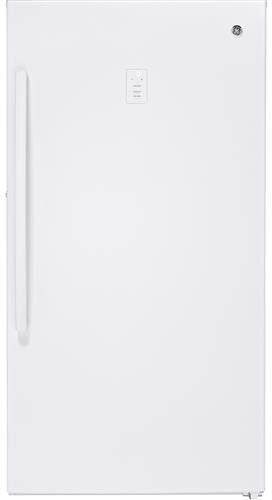
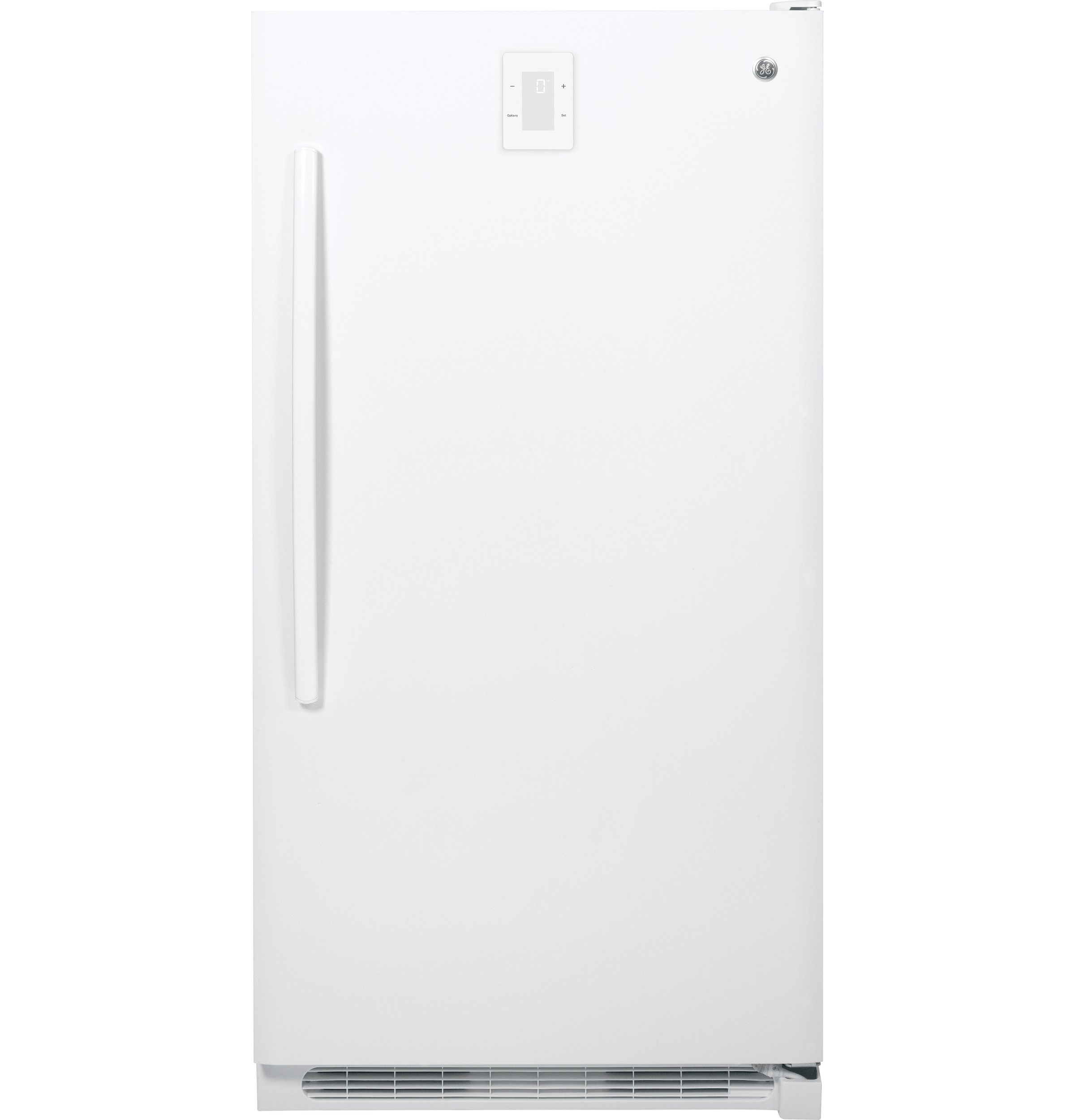
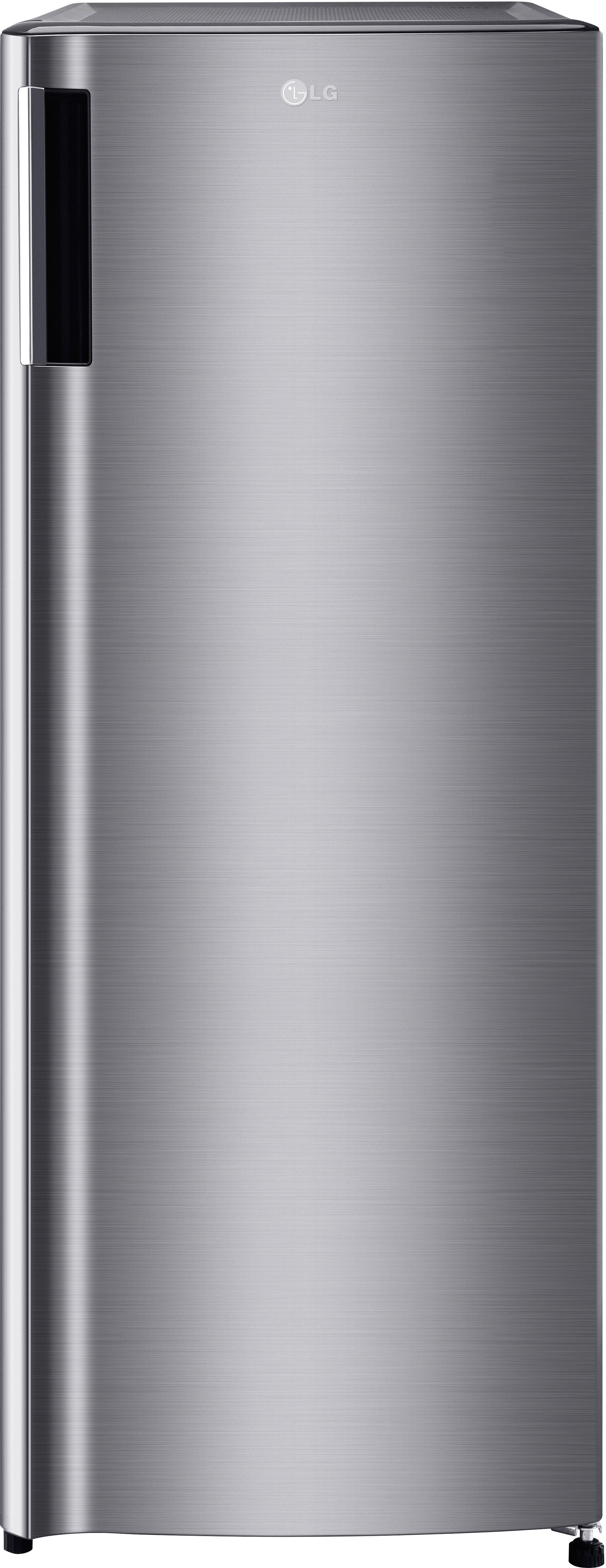
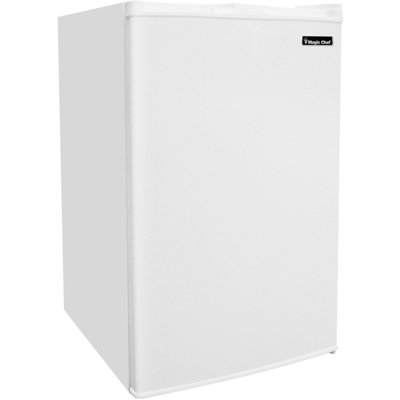
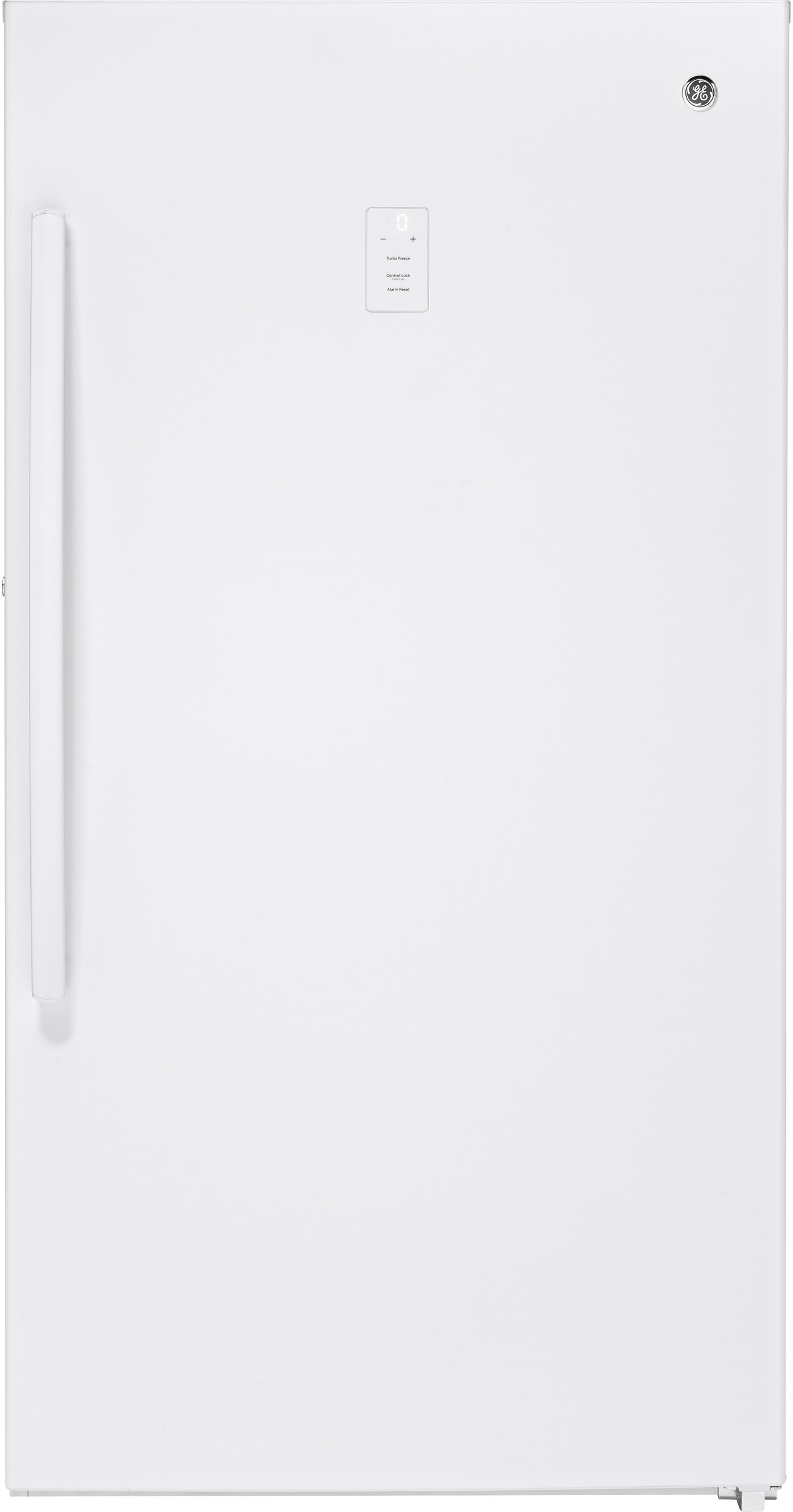
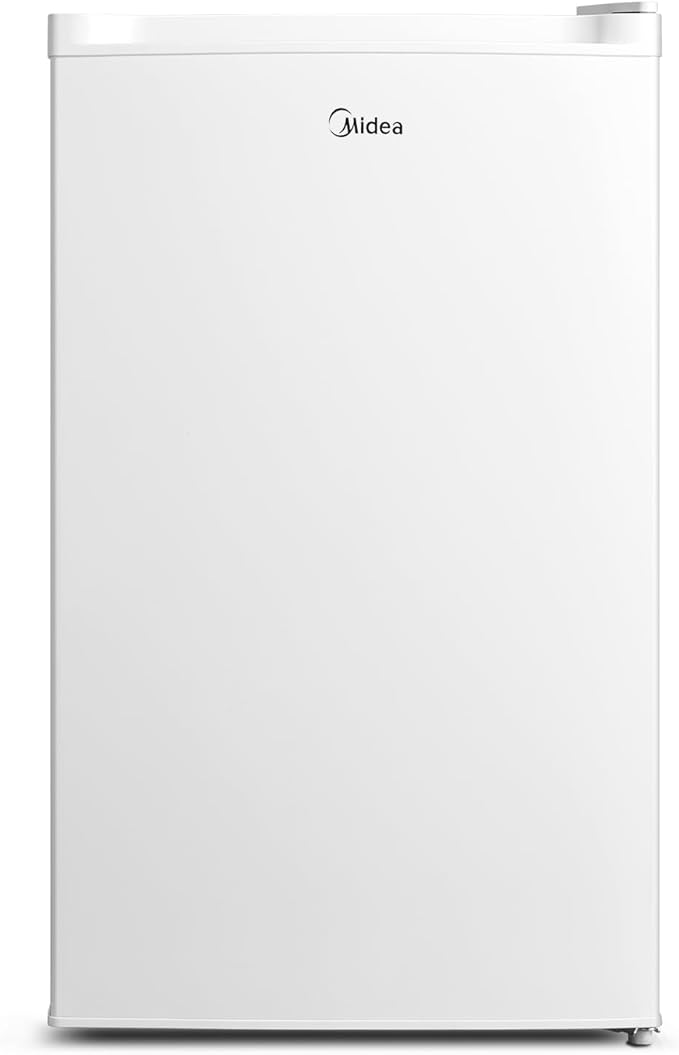
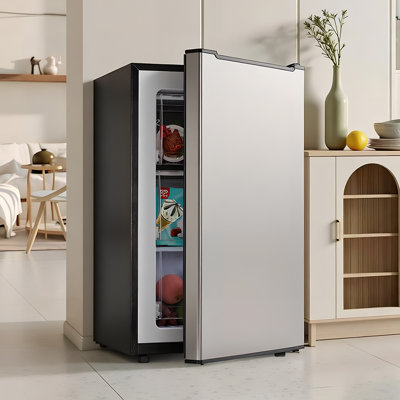
Choose a mini freezer with a capacity that exceeds your current usage by 20 to 30 percent to avoid running out of space.
Here are the common limitations you should weigh before purchasing.
Once your mini freezer arrives, a few best practices will help you get the most out of it.
If you’re hunting for a small appliance that won’t overwhelm your floor plan, consider browsing options like best apartment deep freezer to see how compact models can still pack a punch.
Looking for answers to what are the pros and cons of a mini freezer? Whether you live in a cozy studio apartment, run a busy cafeteria, or need extra freezer space in your garage, a mini freezer can feel like a lifesaver. In this guide, you’ll explore why a mini freezer might be just what you need and where it may fall short. By the end, you’ll have a clear sense of whether this compact appliance suits your storage needs, budget, and lifestyle.
Mini freezers aren’t just for college dorms anymore. You might be surprised how versatile these compact units can be. If you struggle to fit a full-size freezer in your kitchen, or if you need dedicated space for frozen meals, craft beer, or meal-prep batches, a mini freezer offers a practical solution. You’ll save precious square footage, keep your main fridge less crowded, and maybe even cut down on your energy bills.
Whether you’re a parent storing homemade baby food, a home cook with a side hustle in freezer jams, or an office manager stocking frozen treats for your team, a mini freezer brings dedicated capacity right where you need it. It’s also popular with RV owners who need a low-profile appliance, and with chefs who crave an extra unit for specialty ingredients.
Who uses mini freezers
Apartment dwellers with limited kitchen space
RV, camper, and dorm room occupants
Meal-prep enthusiasts and home cooks
Small offices, cafeterias, and break rooms
Parents storing baby food or bulk snacks
Craft brewers and kegerator owners
Typical use cases
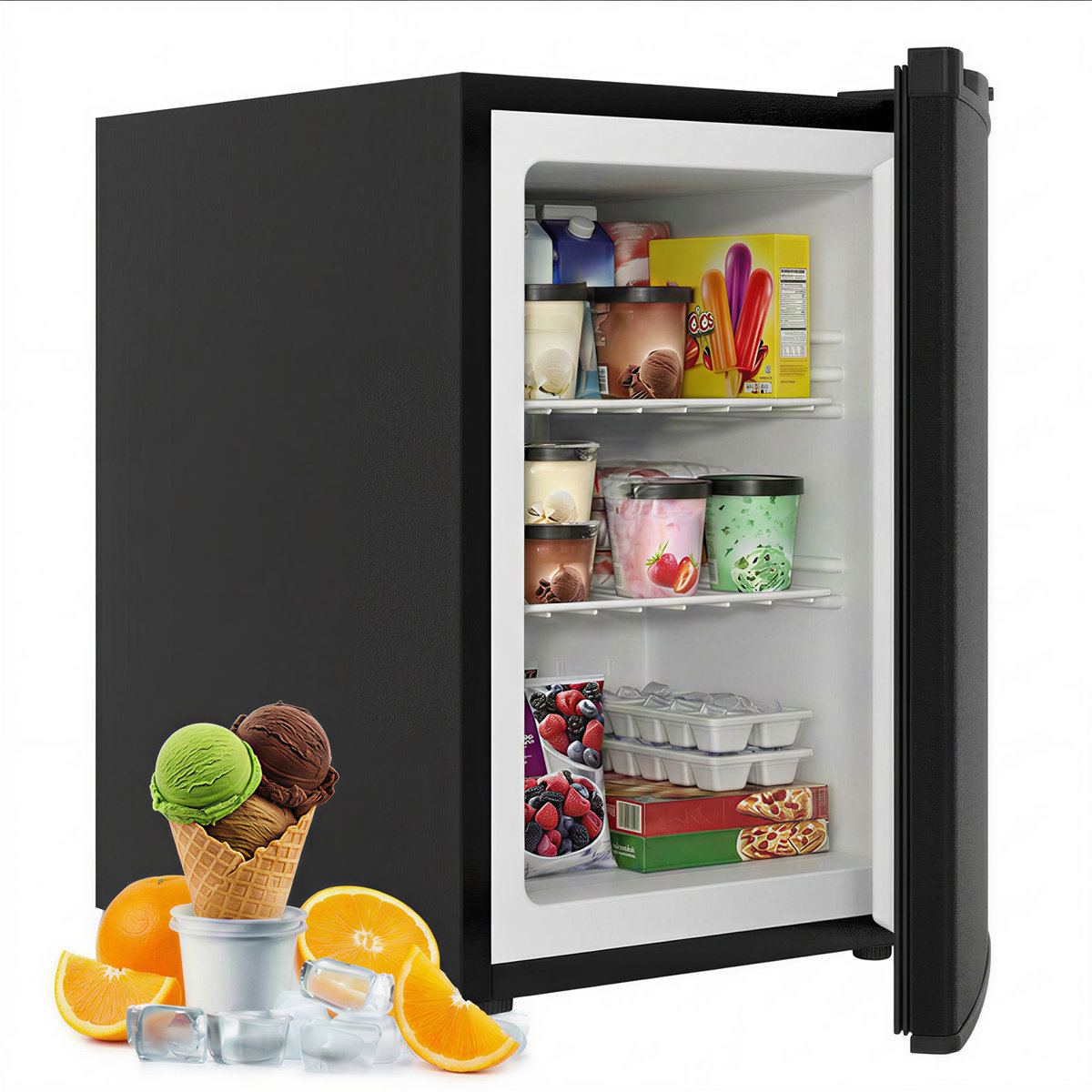
Storing ice cream, frozen dinners, or baby food in a studio apartment
Keeping ice and frozen ingredients on an RV road trip
Separating specialty meats or vegan meals in a second freezer
Holding backup stock of frozen fruits and veggies for batch cooking
Stashing craft beer or kegerator kegs in a compact unit
A mini freezer delivers advantages that go beyond its petite footprint. Here’s what you can expect when you welcome one into your home or workspace.
Save space in tight areas
Mini freezers shine when you lack room for a full-size model. They slip under counters, tuck into closets, or fit beside your main fridge without disrupting traffic flow. If you’re hunting for a small appliance that won’t overwhelm your floor plan, consider browsing options like best apartment deep freezer to see how compact models can still pack a punch.
Lower energy consumption
Because of their reduced volume, mini freezers often require less power to maintain freezing temperatures. You’ll typically see lower wattage ratings compared to full-size freezers, which can translate into savings on your monthly energy bill. Look for Energy Star ratings to find models that balance performance with efficiency.
Portable and flexible
Most mini freezers are lightweight enough to move from room to room or even into a garage or covered outdoor space. If you’re hosting a backyard party or need extra storage for holiday meals, you can wheel your mini freezer close to the action. That portability also makes seasonal storage seamless—you can tuck it away when you don’t need it and bring it back out later.
Budget friendly option
Mini freezers generally come with a lower price tag than their larger counterparts. If you’re on a tight budget but still need dedicated freezer space, you can find quality compact models without breaking the bank. Keep an eye on deals and manufacturer coupons by checking out shop compact freezers: coupons to score extra savings.
Fast freeze capabilities
Some mini freezers include quick-freeze zones or plates that help you lock in freshness faster, preserving texture and nutrients. If you regularly freeze homemade soups, bread dough, or craft beer stock, look for models with specialized freezing features. You can explore options like what mini freezer features quick freeze zone plate? to zero in on units built for speed.
Mini freezers offer lots of perks, but they aren’t perfect. Here are the common limitations you should weigh before purchasing.
Pros
Cons
Space saving
Limited storage volume
Lower energy use
Temperature fluctuations
Portable and flexible
Potential noise and vibration
Budget friendly
Manual defrosting required
Fast freeze options available
Fewer advanced features
Smaller storage volume
By definition, mini freezers hold fewer items than full-size units. If you need to stock up for big family gatherings or bulk shopping sprees, you may find yourself visiting the store more often. Think through how much frozen food you really need on hand and whether a mini freezer can keep up.
Temperature consistency
Smaller freezers can experience wider temperature swings, especially if you open the door frequently. That can impact food quality if you’re storing delicate items like homemade ice cream or fresh seafood. Choose a model with reliable insulation and a tight-closing lid or door gasket to minimize fluctuations.
Noise and vibration
Some compact freezers use more aggressive compressors to chill their smaller interior quickly. That can mean higher noise levels or mild vibration. If you plan to keep your mini freezer in a living area or home office, demo units in store or check decibel ratings to find a quieter option.
Manual defrosting
Many mini freezers require manual defrosting to remove ice buildup. That means you’ll need to clear out your contents, unplug the unit, and let the ice melt before wiping it down. If you’d prefer a frost-free experience, look for a slightly larger model or budget for the time you’ll spend on maintenance.
Limited advanced features
You might not find digital temperature displays, adjustable dividers, or smart connectivity on the most affordable compact freezers. If you crave precision controls or app-based alerts, you may need to invest in a higher-end model or accept a simpler feature set.
How to choose wisely
01
Assess your storage needs
Estimate how much frozen food you store on a weekly basis. Walk through your freezer—count meal-prep containers, note ice cream tubs, and factor in seasonal items. Choose a mini freezer with a capacity that exceeds your current usage by 20 to 30 percent to avoid running out of space.
02
Check energy efficiency
Look for Energy Star certifications and review the annual energy consumption figures. While mini freezers already use less power than full-size units, an efficient compressor and proper insulation can shave even more off your utility bill.
03
Review temperature controls
Digital thermostats let you dial in precise freezing levels, while mechanical knobs can be less accurate. Decide how critical consistent temperatures are for your applications—if you’re freezing raw meat or delicate desserts, lean toward models with clear, easy-to-read controls.
04
Compare design options
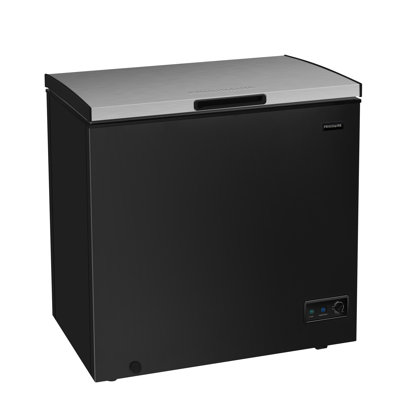
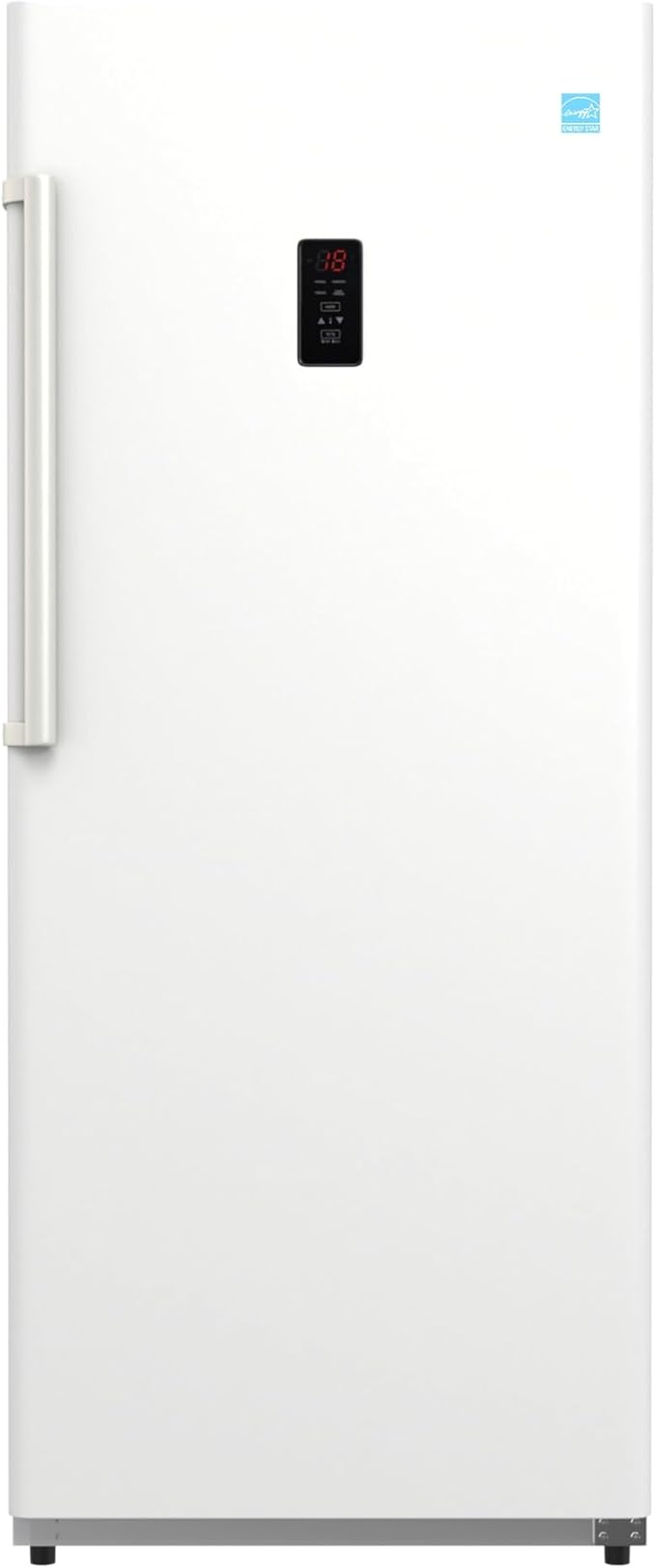
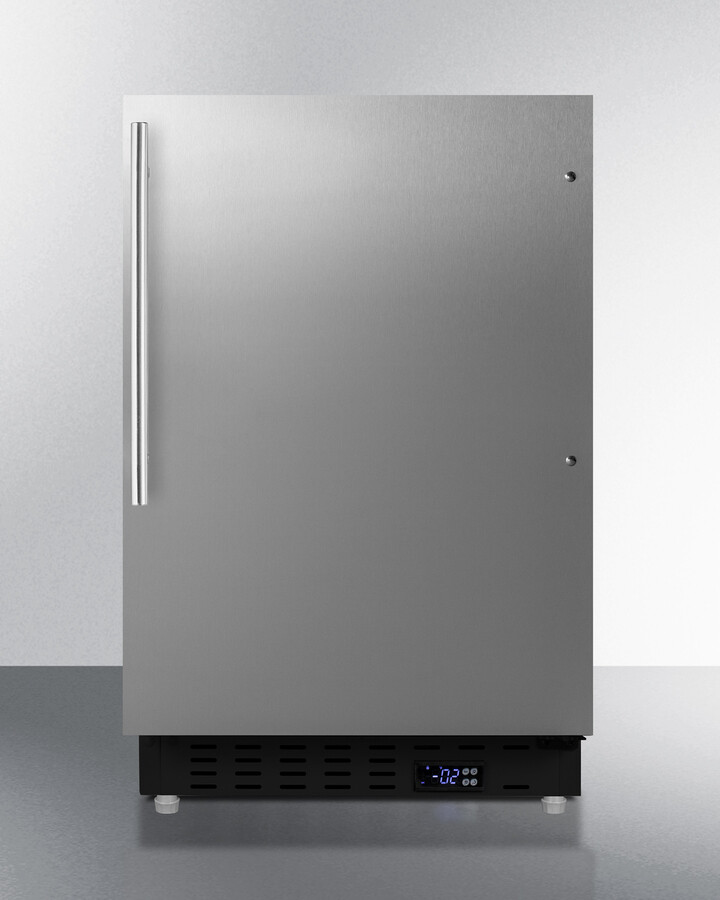
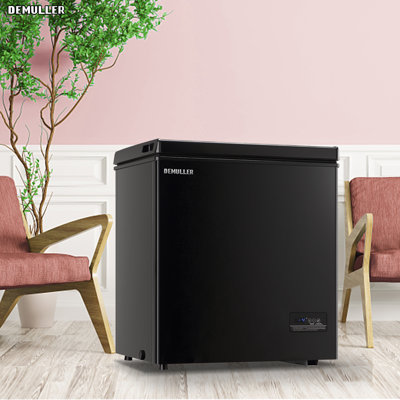
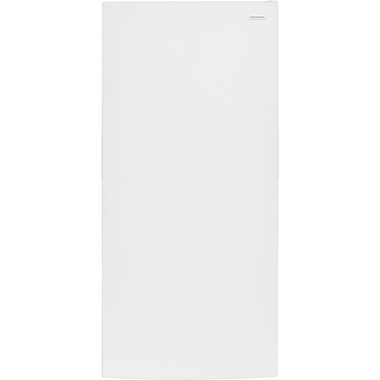
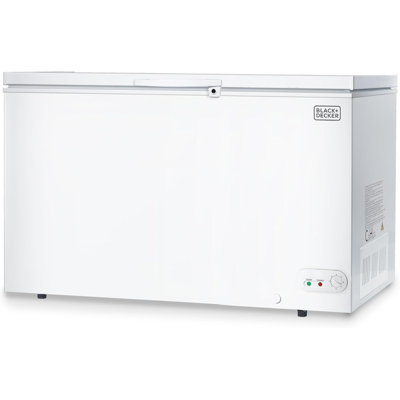
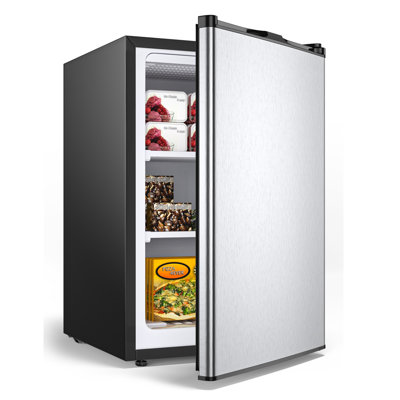
Mini freezers come in upright and chest styles. Upright models offer easier access and shelving, while chest freezers typically hold more volume for the same external footprint. Think about where you’ll place the unit, how often you’ll open it, and whether you prefer stacked storage or wide bins.
05
Read user reviews
Real-world feedback can reveal quirks you won’t find in product specs—like loud compressors, finicky thermostats, or tricky defrost routines. Browse trusted retailers and review sites to learn how different models perform over time.
Once your mini freezer arrives, a few best practices will help you get the most out of it.
Organize your contents
Use clear, stackable bins or baskets to group similar items—meat, vegetables, ice packs, and snacks. Label each container with dates and contents so you can grab what you need without hunting through layers of packages.
Use proper containers
Choose freezer-safe, airtight containers or resealable bags to prevent freezer burn. Leave a bit of headspace in liquid containers to allow for expansion, and flatten bags of sauce or soup for quicker freezing and easier stacking.
Keep temperature steady
Minimize how often you open the door or lid, and avoid placing warm items directly into the freezer. If you need to thaw something, do it in the fridge or under cold running water instead of leaving the mini freezer door ajar.
Defrost and clean regularly
When you notice more than a quarter-inch of ice buildup, plan a defrost cycle. Move your items to another freezer or a cooler, unplug the unit, and let the ice melt. Wipe down interior walls with a solution of mild soap and warm water, then dry thoroughly before restarting.
Troubleshoot minor issues
Frost buildup: Check the seal around the door or lid gasket. Clean or replace if it’s damaged.
Motor runs constantly: Verify ambient room temperature isn’t too high and adjust the thermostat slightly.
Noise complaints: Place the freezer on a level surface and use rubber feet or pads to reduce vibration transfer.
Who should buy one
A mini freezer shines for certain lifestyles and spaces. Here’s who stands to gain the most.
Apartment dwellers
If you live in a studio or small apartment without extra pantry space, a mini freezer can expand your options for batch-cooking and bulk shopping without overcrowding your main fridge.
RV and dorm users
Travelers, campers, and students can benefit from a compact unit that fits under counters or inside closets. You’ll keep ice, frozen meals, and snacks within arm’s reach.
Small households
Couples or singles who don’t need a full-size freezer often appreciate the efficiency and cost savings of a mini freezer, especially when used alongside a standard refrigerator.
Entrepreneurs and chefs
Home bakers, caterers, and small-batch food producers can use a mini freezer for dedicated ingredient storage or rapid chilling. It’s also handy for chefs who want to separate specialty items from their main kitchen freezer.
When you weigh what are the pros and cons of a mini freezer, you’ll find that the biggest benefits are space savings, energy efficiency, portability, and affordability. The trade-offs—like smaller capacity, potential noise, and manual defrosting—are worth it for many people who need extra freezing power in a tight footprint.
Take time to assess your storage needs, explore energy ratings, and compare upright versus chest models. Organize your mini freezer well, use the right containers, and stay on top of defrost cycles to keep it running smoothly. Whether you’re a college student, a small-batch entrepreneur, or a parent with a freezer-full of homemade meals, a mini freezer could be exactly what you need to level up your frozen food game.
From Fridge.com research
Figures below come from data Fridge.com builds and maintains. Each links to the record behind it.
Fridge.com Energy Index, built on U.S. EPA and DOE ENERGY STAR records
Across 5,455 ENERGY STAR certified refrigerators and freezers from 263 brands, median use is 360 kWh per year.