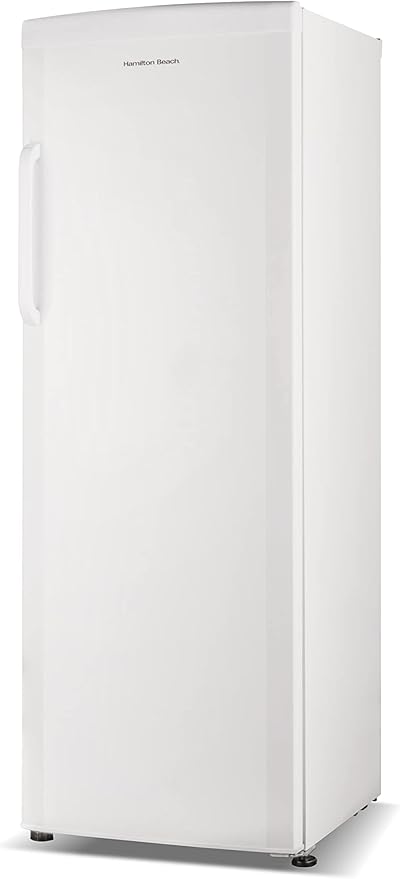
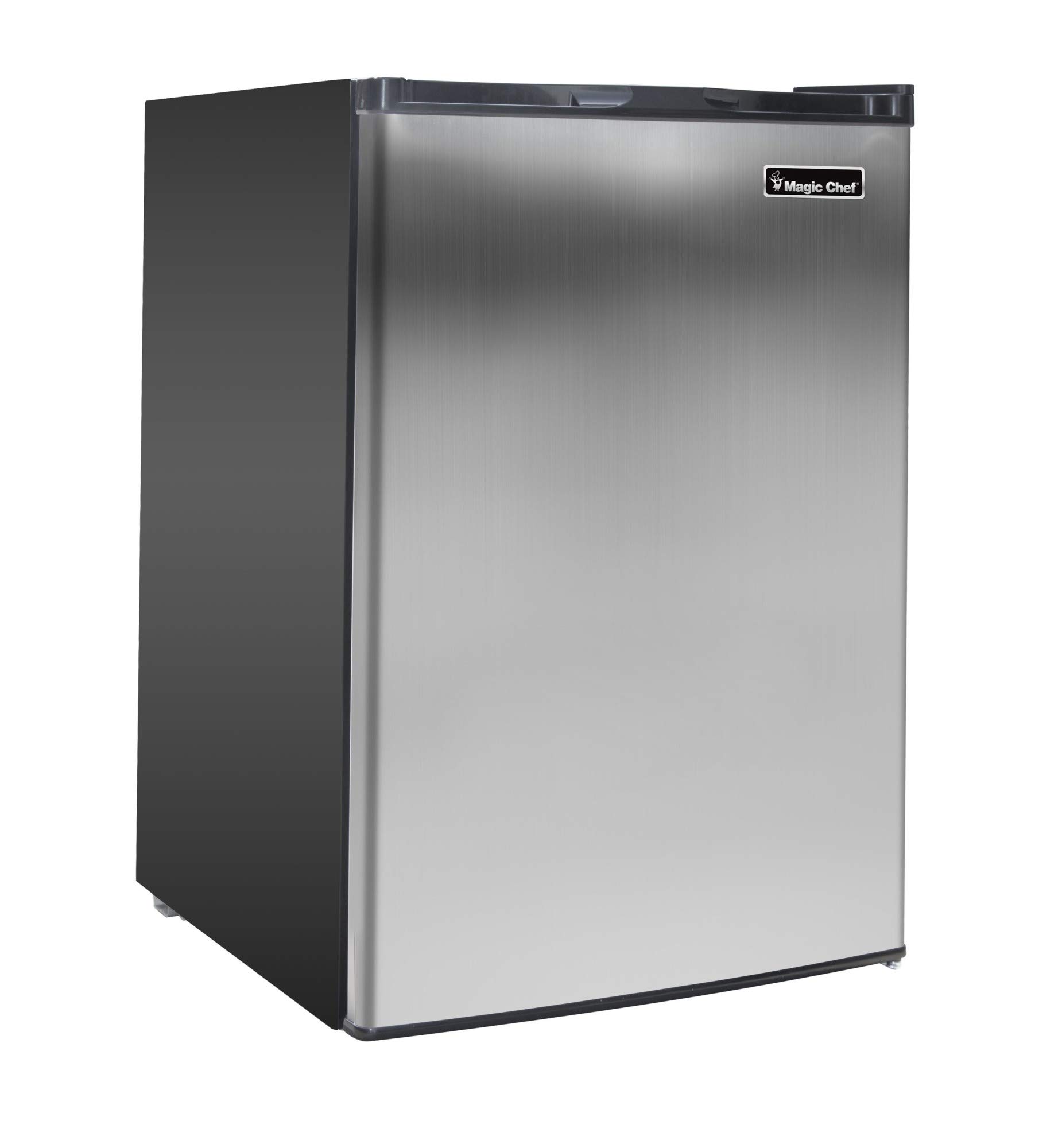
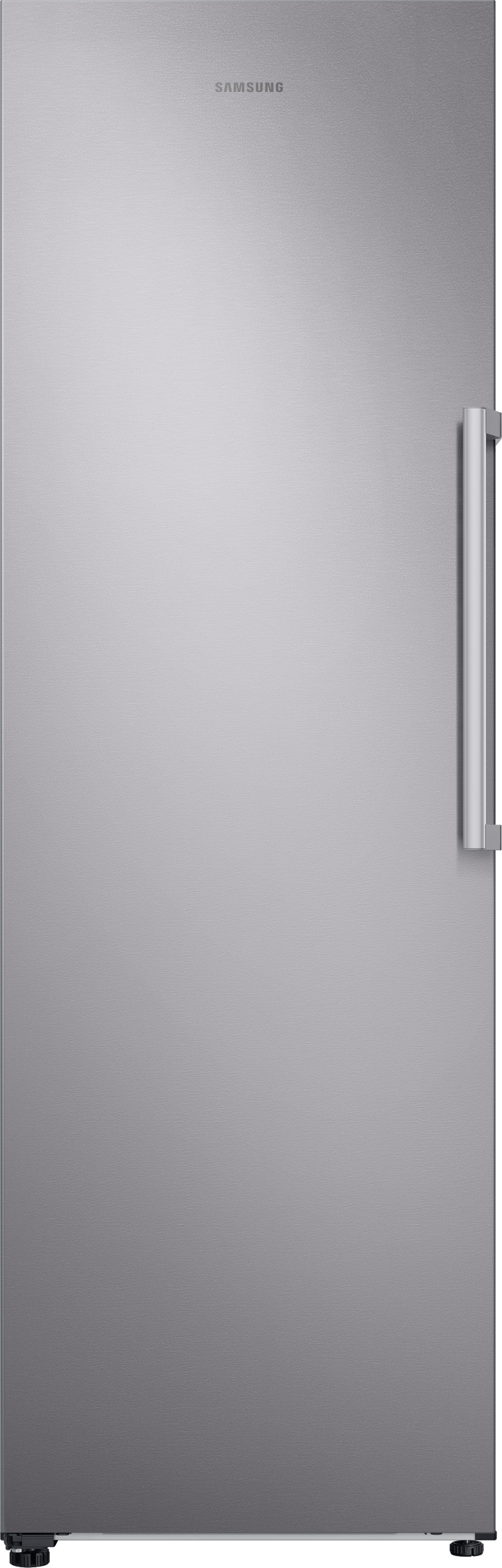
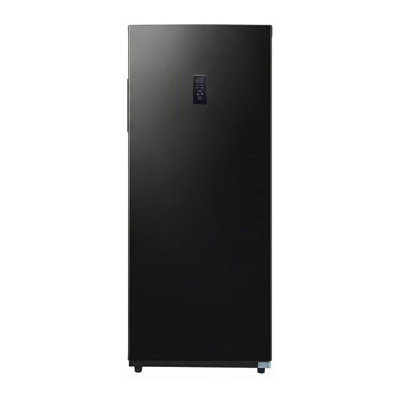
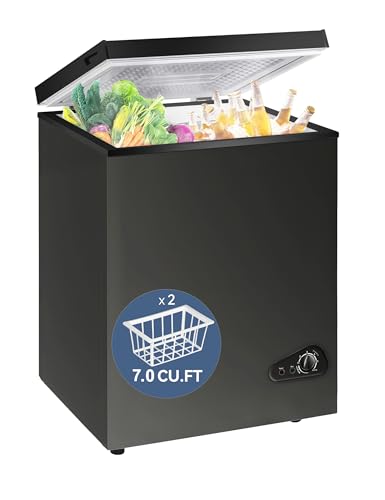
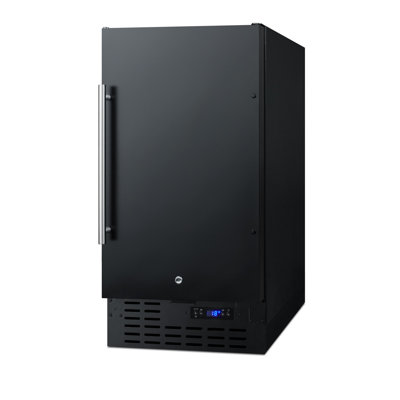
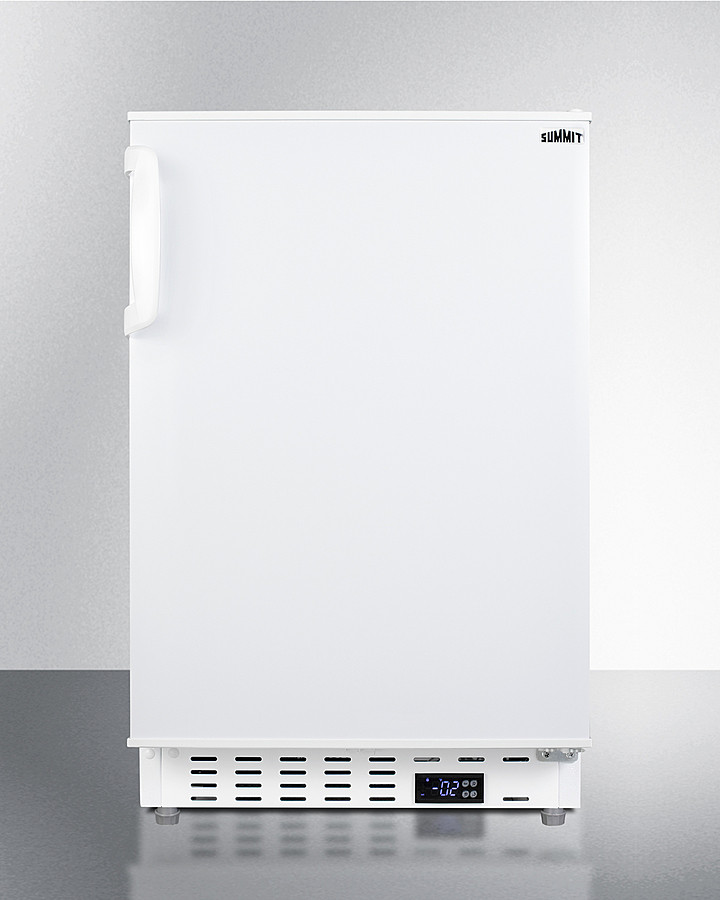
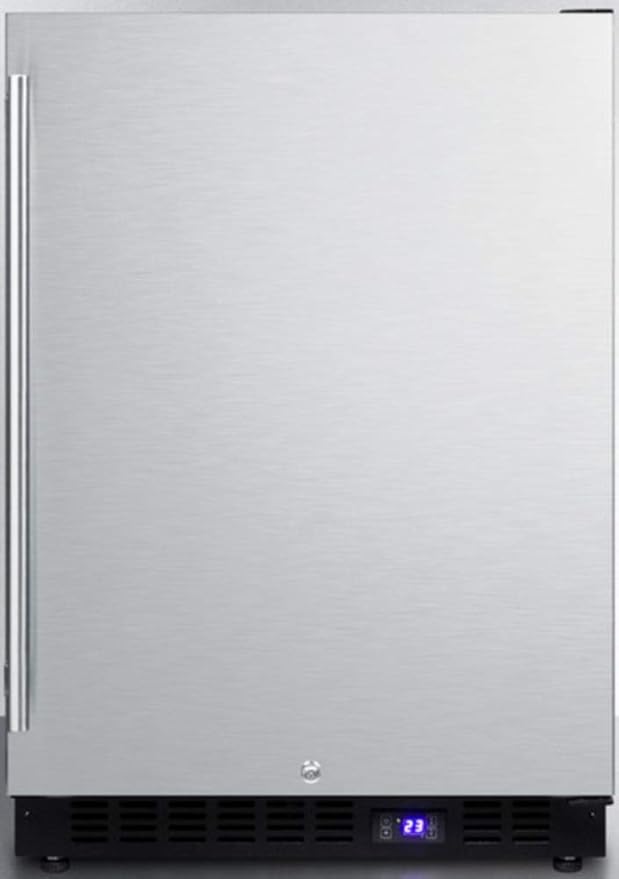
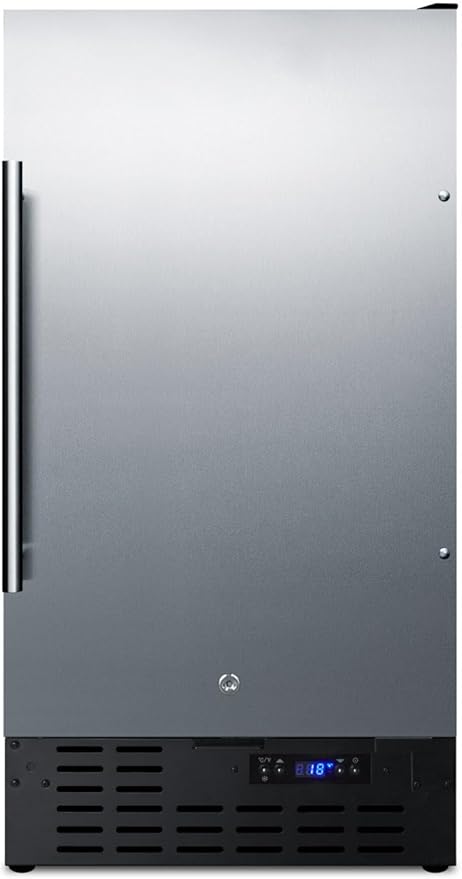
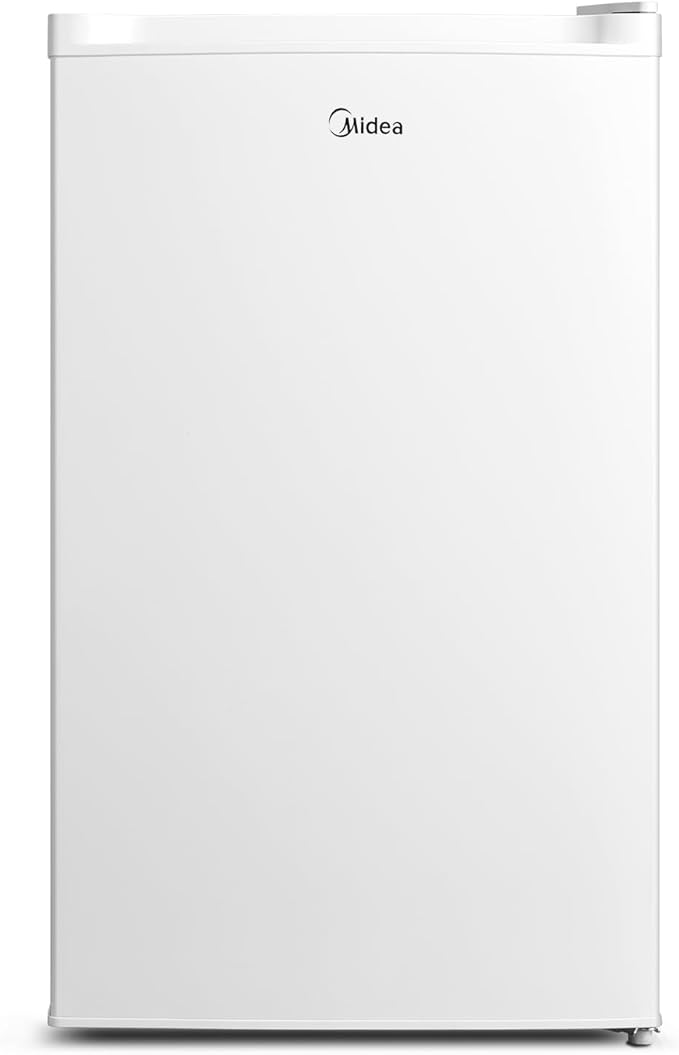
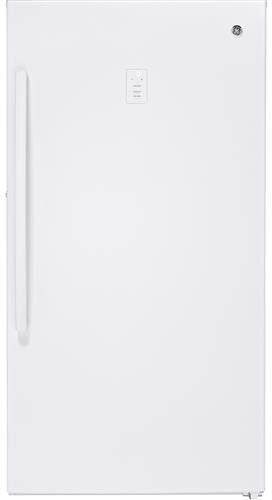
Think of a mini freezer as your trusty sidekick for keeping stuff frosty! It's a pint-sized powerhouse when it comes to freezing food, drinks, and anything else you don't want going bad. While it's a tight fit compared to your regular freezer, it's perfect if you're tight on space. These little wonders usually come between 1.1 to 5.0 cubic feet. So, you've got enough room to freeze your goodies without smothering the floor space.
Here's the lowdown on what size to grab:
Size Category
Volume (Cubic Feet)
Ideal For
Small
1.1 - 2.0
Perfect for dorms or tiny apartments
Medium
2.1 - 3.5
Best for couples and small families
Large
3.6 - 5.0
Bigger families or if you just gotta stock up
Most mini freezers pack in shelves, baskets, and compartments, keeping your frozen items organized, though designs can vary wildly.
The Popularity of Mini Freezers in Homes
Mini freezers are getting snapped up left and right by everyone from families to foodies to flatmates. Why? Because you can stick 'em just about anywhere – kitchens, garages, shared spots, you name it!
Why are these little coolers getting so much love? Check it out:
Space-Saving: In cramped apartments or homes, mini freezers tuck right into those tricky little nooks or slide under counters.
Extra Storage: They toss you extra room for frozen munchies, ice, or those leftovers you don't wanna part with, easing the load on your main freezer.
Right There: Pop a mini freezer where it'll come in handy, like near your kitchen, and grabbing your frozen stash mid-cooking becomes a breeze.
Now that you know what these nifty devices are and why they're hot on the market, you can decide if one will fit nicely into your scene.
Advantages of Mini Freezers
Mini freezers are hitting a sweet spot for both homeowners and roomies who want to keep it cool, without the full-size commitment. Here’s why they’re sparking some interest.
Small But Mighty
Mini freezers take up just a smidge of space. They can sneak into snug corners of tiny kitchens, dorms, or spare rooms. Plus, they weigh next to nothing, so they’re ready to roll with you if you move.
Size
Dimensions (inches)
Best Spots
Mini Freezer
24 H x 20 W x 18 D
Small pads, college digs
Compact Freezer
30 H x 25 W x 20 D
Already-crowded kitchens
Think of all those nooks and crannies—under desks, in wardrobes—where a little extra cold would come in handy.
Sip, Sip, Less Power Drip
One big plus: mini freezers don’t gulp electricity like their jumbo counterparts. So, you save on bills and do the planet a solid.
Typically, they sip about 200-400 kWh a year, versus the 700 kWh some big guys chug.
If you aren’t hoarding frozen pizzas for the apocalypse, choosing a mini can keep your wallet fat.
Stash and Dash
With mini freezers, you pack more punch in small packets. They're perfect for adding extra storage, helping out your main freeze-box, or prepping meals like a culinary wizard.
Stash Capacity
Volume (cubic feet)
Great For
Mini Freezer
1.1 - 3.0
Ice cream, quick snacks
Bigger Mini
3.1 - 5.0
Meal preps, those sales
These little guys make grabbing a popsicle or leftover easy, while keeping your main freezer shut and cozy.
Wondering if a mini freezer is the thing for you or if they have downsides? Check out what are the disadvantages of a mini freezer? for the full scoop.
Disadvantages of Mini Freezers
Mini freezers are awesome, but let's not pretend they're without their quirks, right? Let's dig into the not-so-great stuff so you can figure out if one of these pint-sized chillers is what you really need.
Limited Storage Capacity
Alright, let's get real. A mini freezer ain't winning any awards for space. They’re tiny, so if you're dreaming of hoarding ice cream tubs or stocking up on bulk chicken nuggets, you might need a reality check. Take a peek at the typical sizes down here:
Mini Freezer Size
Approximate Volume (Cubic Feet)
Typical Storage Capacity (Pounds)
Compact (1.1 - 2.0 ft³)
1.1 - 2.0
30 - 40
Small (2.1 - 3.5 ft³)
2.1 - 3.5
50 - 75
Medium (3.6 - 5.0 ft³)
3.6 - 5.0
75 - 100
So, yeah, you might be playing freezer Tetris, making sure one casserole doesn't boot out the ice cubes. It’s a puzzle you might not be into.
Temperature Fluctuations
And then there’s the temperature game. Mini freezers are kinda like celebrities; they're hard to keep cool. They can get a little wonky with keeping a steady chill, especially if they’re in a hot spot or you keep peeking inside like a curious kitten.
Factors Contributing to Temperature Fluctuations
Factor
Impact
External Temperature
Can cause inconsistent cooling
Frequent Door Openings
Leads to warm air entering
Overstuffing the Freezer
Blocks airflow, reducing efficiency
To keep your snacks safe, it’s smart to keep an eye on temps and give your freezer some breathing room.
Lack of Organizational Features
You finally got all the groceries in there, only to lose them in the abyss. Mini freezers are like bottomless pits in disguise, lacking the fancy shelves and bins that their bigger siblings flaunt. Instead of neat, tidy rows of popsicles, you get chaos.
Miss Misplace-a-lot? This freezer's basic style might just drive you bananas. If you're all about that order, the mini's simplicity might just be maddening.
So, think about these hiccups when you're freezer shopping. If you're yearning for more room or crave that tidy vibe, you might want to check out something bigger or even those stylish white side by side refrigerators.
Owning a mini freezer is super handy, right? But it ain't all milkshakes and popsicles—sometimes it's a bit of a hassle. Let's dive into the stuff that might make you sigh: defrosting and cleaning.
Defrosting Requirements
Most mini freezers aren't fancy with self-defrost magic, so you're going old school—ice pick style. You gotta clear out ice buildup now and then so your freezer doesn't turn into the Arctic. When you can write your name in frost, it's time to defrost. Ice can hog all your precious space and mess with the temp vibes.
Ice Thickness
How Often You Should Defrost
1/4 inch
Every 2-3 months
1/2 inch
Every month
1 inch
Every two weeks
Defrosting ain't a speed race, sadly. You'll need to take everything out and let the ice melt, which is a bit of a headache if you're using it daily. Some cool models have a defrost drain to help a little, but don't count on it—it's not the norm.
Cleaning Difficulties
Cleaning this little icy box can feel like a wrestling match, especially when it's crammed full. Tiny spaces hide messes like ice cubes in a snowstorm—good luck reaching those corners! Spills are the worst, too. They love becoming science projects if you don't catch ‘em quick.
Here are some clean-up hacks:
Regular Post-Defrost Wipe-downs: Pencil it in every few months or right after you defrost.
Gentle Soap Rule: Ditch the strong stuff; your grandma's dish soap will do the trick.
Baking Soda Buddy: Keep this little box on guard against smells—odor absorber on duty!
Spill? Wipe ASAP: Before they pull a Houdini and vanish into the nooks, clean them up pronto.
For more cool tips on freezer love, check Fridge.com guide on how to defrost a freezer in 5 minutes. Keep your freezer grooving right, and say goodbye to ice chaos and hello to happy ice cream days.
Noise Levels and Placement
Operating Noise
When you're shopping for a mini freezer, don't forget to think about the noise it makes. Even though many mini freezers are built with sweet, quiet engines, they can still hum or buzz a bit. The buzz factor can vary with different brands and models.
Here’s a cheat sheet on the sound vibes from mini freezers:
Noise Level (dB)
Description
30 - 40 dB
About as loud as a low murmur
40 - 50 dB
Kind of like a fridge chatting
50 - 60 dB
Noticeable, especially in a peaceful spot
If your mini freezer's joining the party in your living room, aim for a quieter one. This advice is double-important if noises make you twitchy or if it's snoozing near bedrooms.
Placement Considerations
Where you park your mini freezer makes a huge difference in how it performs and how loud it gets. Here’s the scoop on smart placement:
Ventilation: Give your freezer some breathing room—air space around it is a must. Cramming it in tight spots can make it overheat and whine louder, plus it’ll suck up more juice.
Level Surface: Stick that freezer on a solid, even floor to keep vibrations off your back. Wobbly surfaces make it rumble more than it should.
Distance from Living Areas: If you can, stash your freezer away from busy or chill-out zones. This way, its hum stays out of your hair.
Accessibility: Think about how often you’ll be diving into the freezer. Make sure it’s easy to reach for ice cream runs but not so close that its noise crashes your zen.
Keep these noise and placement perks in mind, and you’ll dodge disturbances while your mini freezer keeps its cool. Curious about other cooling gadgetry? Have a peek at Fridge.com article on what are the pros and cons of an office refrigerator?.
Trying to figure out if a mini freezer is your match made in appliance heaven? Here’s some stuff to ponder:
Consideration
Yes
No
Do you barely have room to swing a spatula in your kitchen?
✅
—
Are you that person who buys three turkeys on sale?
✅
—
Is your usual haul more like a single pint of ice cream?
—
✅
Does your energy bill make you say “Yikes!”?
✅
—
Are you all about finding last month’s leftovers without an expedition?
—
✅
If you're ringing up a lot of yeses, a mini freezer could just be calling your name. But if you're packing away enough to feed a small army or need to know where everything is at a glance, maybe scope out some different freezer styles.
Alternatives to Mini Freezers
Mini freezer not fitting the bill? Here’s a few other options for your cold-loving consideration:
Option
What's the Deal?
Chest Freezer
Think mega storage. Perfect if you're buying in bulk and want to stash it neatly. They might also be kind on the energy front.
Upright Freezer
It's like a chest freezer’s organized cousin—easier to stack your stuff and no digging required.
Refrigerator with Freezer
Your one-stop shop for both fresh and frozen needs, assuming you've got the space to spare.
Built-in Ice Makers
If ice is life, this one’s your buddy. Pairs nicely with a regular fridge. Got ice maker questions? Look no further!.
When you’re sussing out your options, think about how much room you've got, what you're storing, and if saving energy is your thing. Match the right freezer to your life, and you'll be all set! For more cool (pun intended) reads, check out pros and cons of an office refrigerator and advantages of a counter-depth refrigerator.
Frequently Asked Questions
Think of a mini freezer as your trusty sidekick for keeping stuff frosty! It's a pint-sized powerhouse when it comes to freezing food, drinks, and anything else you don't want going bad. While it's a tight fit compared to your regular freezer, it's perfect if you're tight on space. These little wonders usually come between 1.1 to 5.0 cubic feet. So, you've got enough room to freeze your goodies without smothering the floor space. Here's the lowdown on what size to grab:. Size Category.
Volume (Cubic Feet).
Ideal For.
.
Small.
1.1 - 2.0.
Perfect for dorms or tiny apartments.
.
Medium.
2.1 - 3.5.
Best for couples and small families.
.
Large.
3.6 - 5.0.
Bigger families or if you just gotta stock up.
. Most mini freezers pack in shelves, baskets, and compartments, keeping your frozen items organized, though designs can vary wildly.