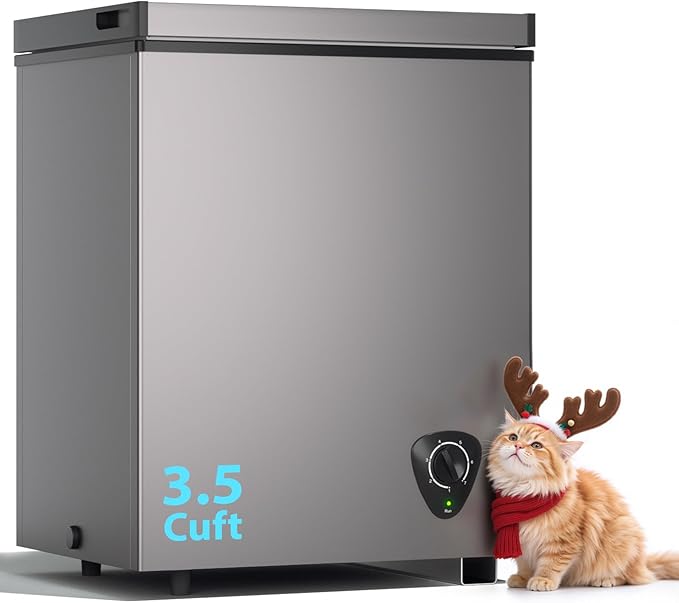
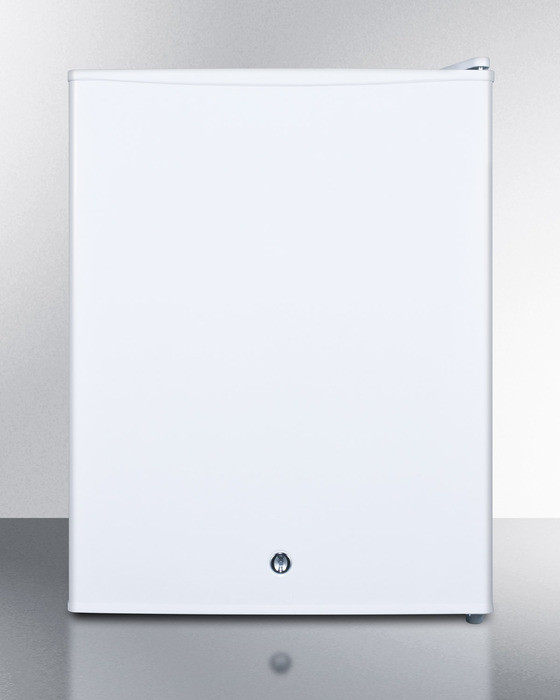
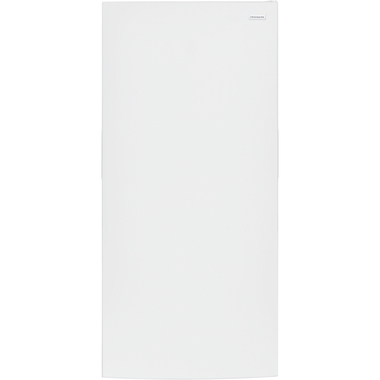
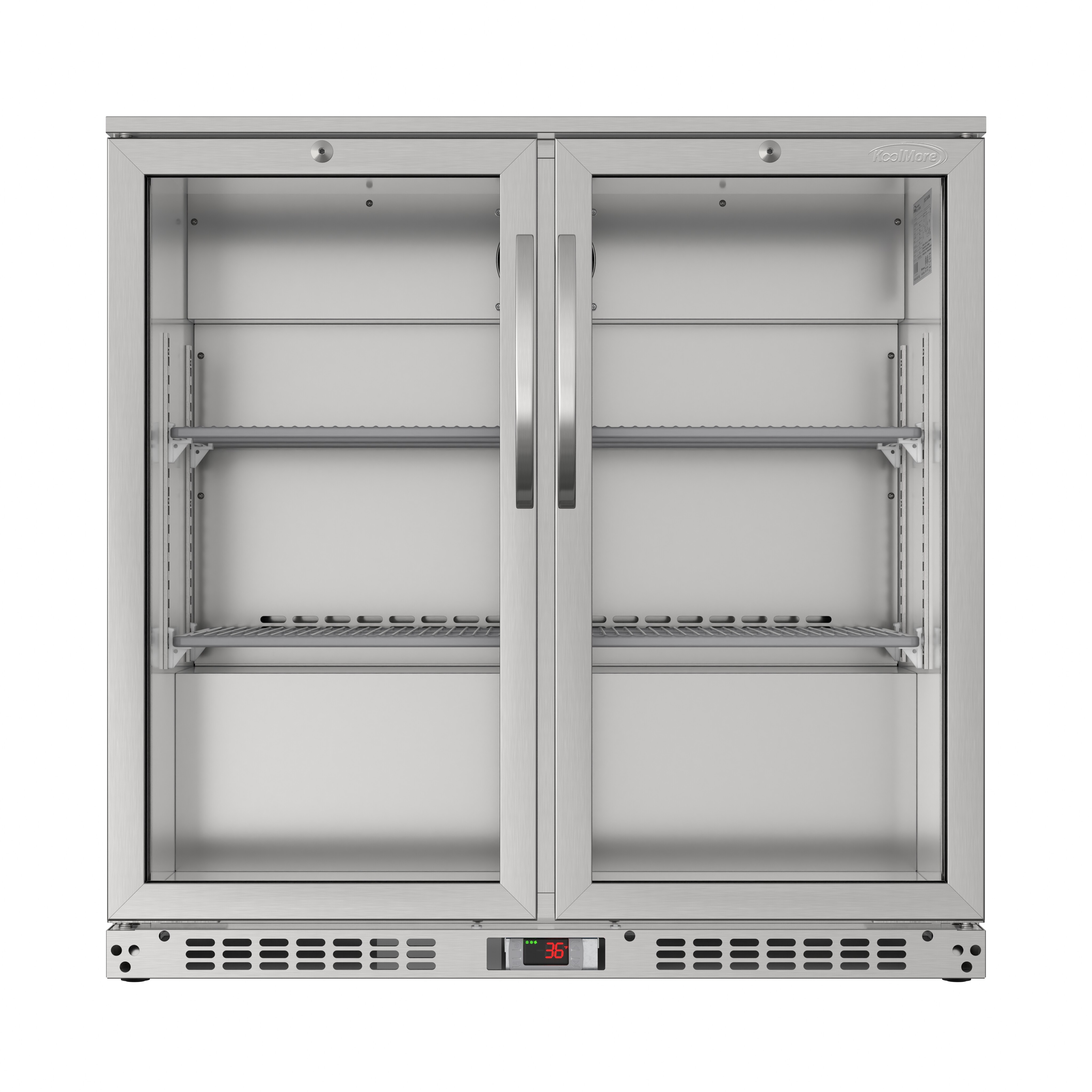
Freezing at 0°F (−18°C) slows bacterial growth, keeping food safe almost indefinitely.
Set the thermostat to 0°F for optimal food quality.
In the sections that follow, you’ll discover why a deep freezer earns a spot in your home, which items work best, how to pick the right size, and simple tips to keep it neat and running smoothly.
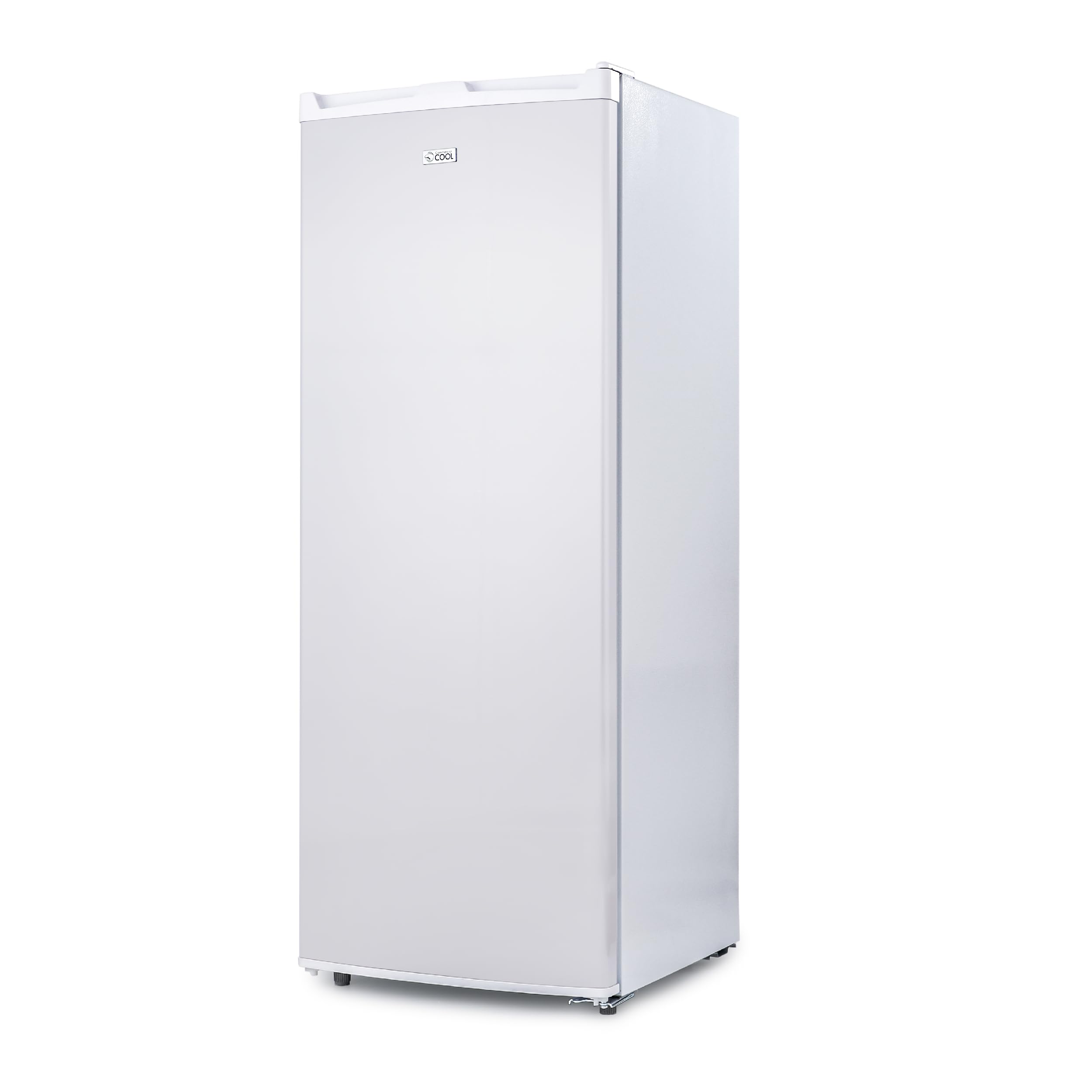
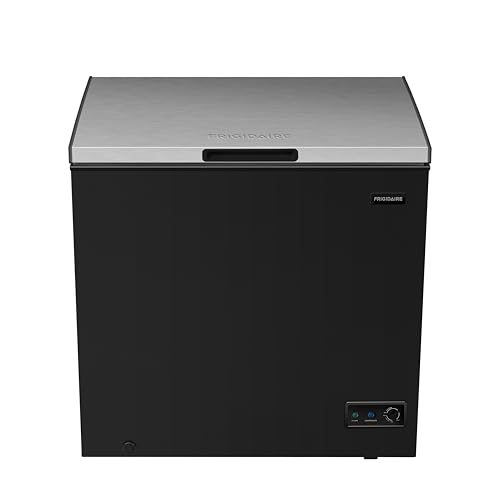
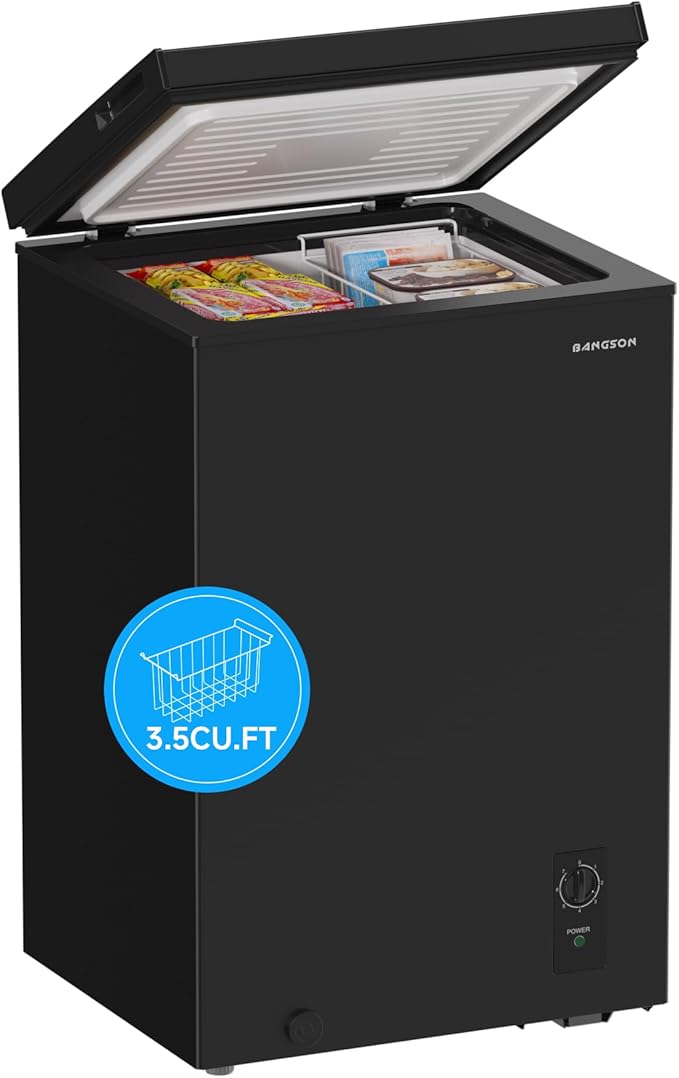
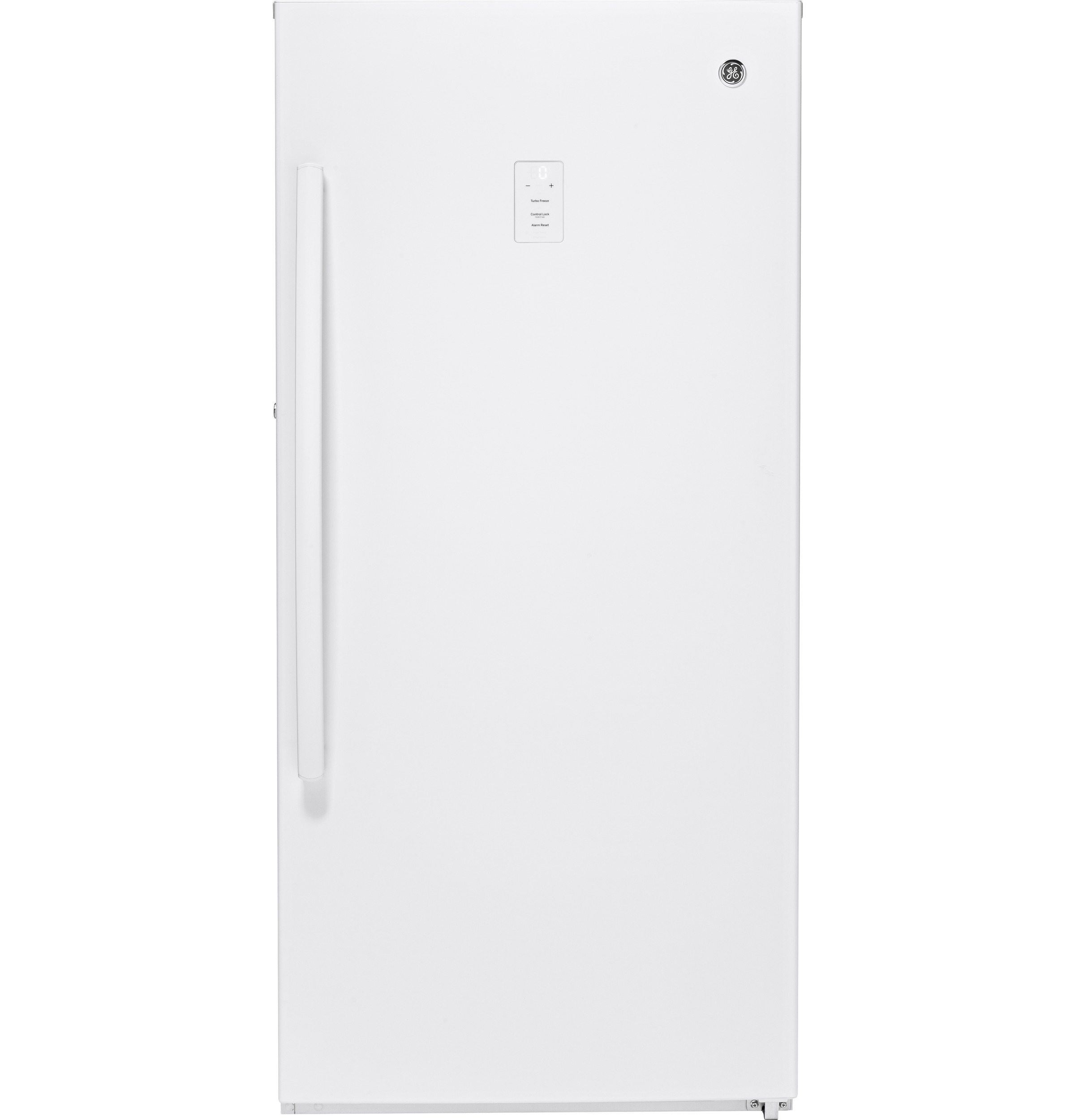
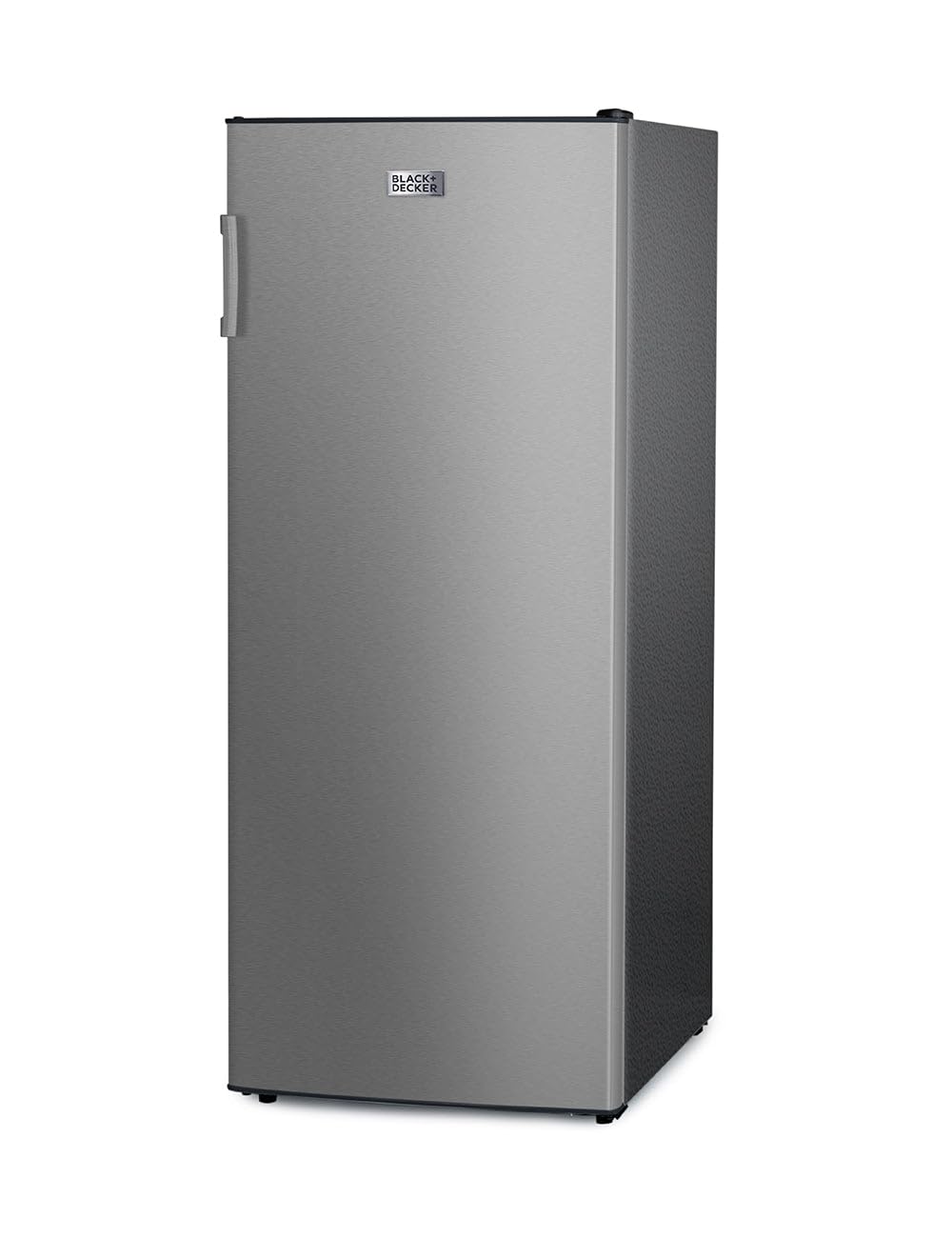
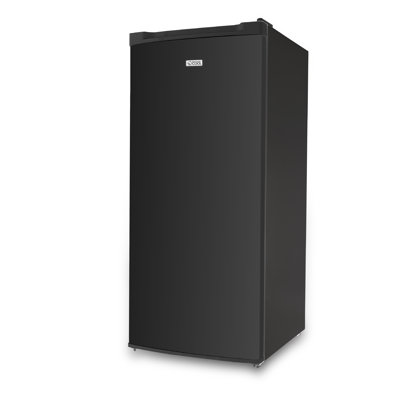
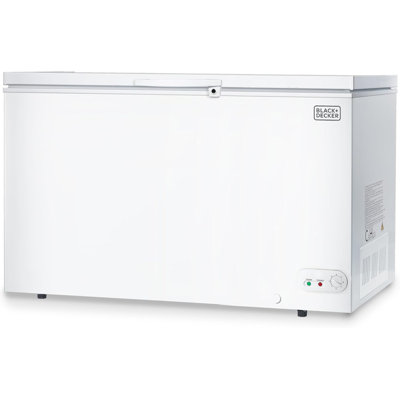
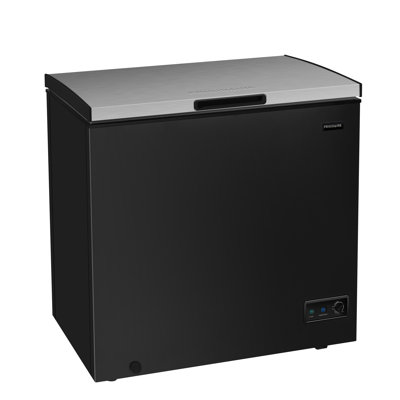
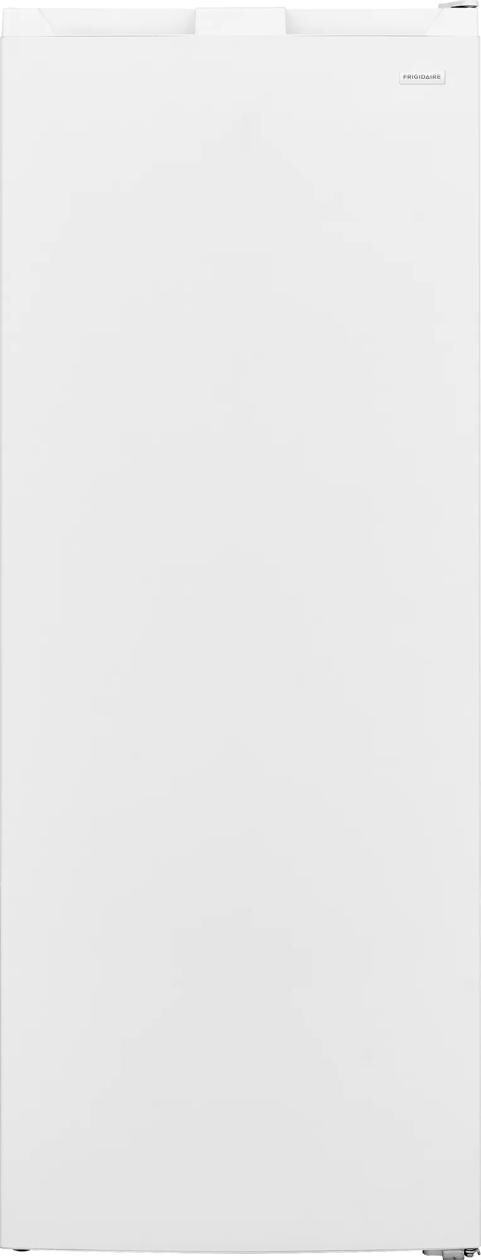
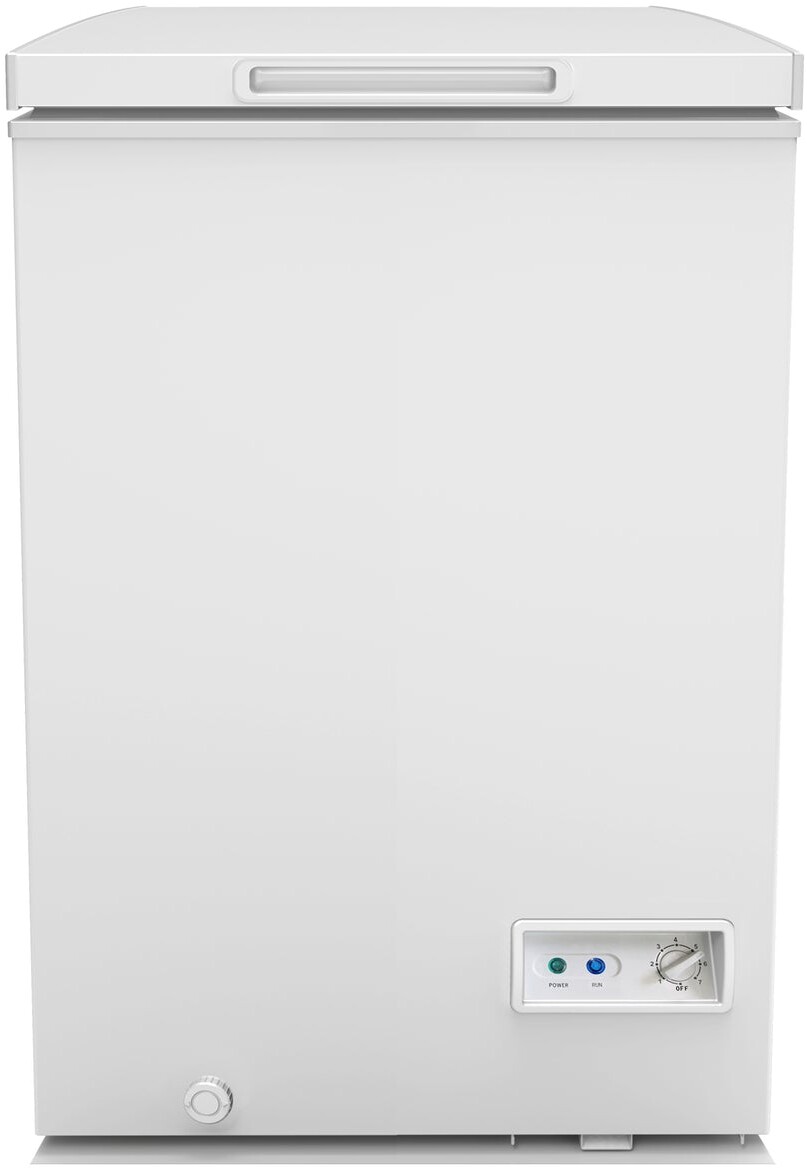
Freezers range from compact 5 cu ft units to massive 25 cu ft models.
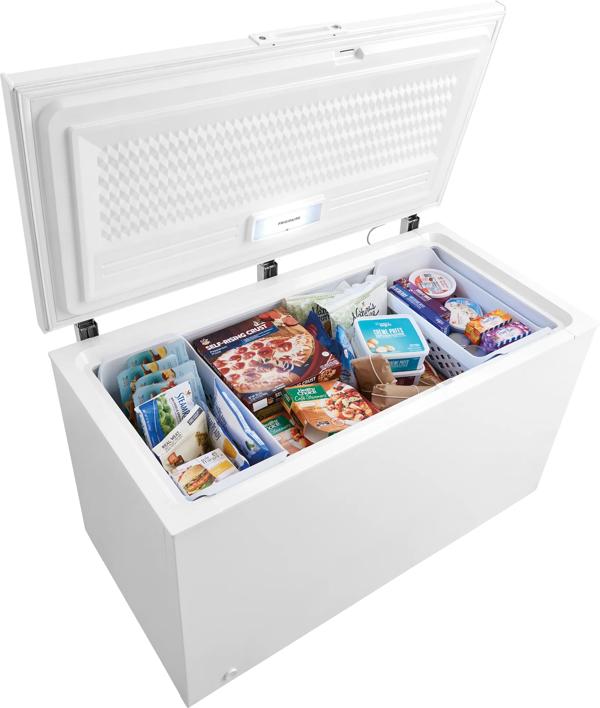
Nearly two-thirds of shoppers buy frozen foods in bulk, saving both time and money. Wondering what fits in a deep freezer? From whole turkeys to garden-fresh veggies, these standalone units open up new possibilities for meal planning and entertaining. In the sections that follow, you’ll discover why a deep freezer earns a spot in your home, which items work best, how to pick the right size, and simple tips to keep it neat and running smoothly.
Benefits of a deep freezer
A dedicated deep freezer gives you storage beyond your fridge’s small compartment. You can stock up on sale deals, preserve seasonal produce, and freeze ready-to-go meals for busy nights. Freezing at 0°F (−18°C) slows bacterial growth, keeping food safe almost indefinitely.
Compared with fridge-freezer combos, standalone units often maintain a more consistent temperature. That means less freezer burn (ice crystals on food) and better taste. You’ll waste fewer ingredients and pay less at the grocery store. If you host friends or family, a deep freezer can hold trays of appetizers, extra ice, even bottled drinks—so you’re always party-ready.
Different foods call for different storage strategies. Here’s what fits best in a deep freezer:
Meats and seafood
Whole chickens, turkeys, roasts, and ribs
Steaks, chops, ground meat (in 1- to 2-pound packages for easy thawing)
Fish fillets, shrimp, shellfish (ideally vacuum-sealed to cut freezer burn)
Fruits, vegetables, and herbs
Berries, mango chunks, sliced peaches (flash-freeze on a tray, then bag)
Blanched broccoli, carrots, green beans (longer shelf life and brighter color)
Chopped herbs in ice cube trays with water or oil (perfect for soups and sauces)
Prepared meals and staples
Casseroles, lasagnas, enchiladas (label with date and baking instructions)
Soups and stews in freezer-safe containers or heavy-duty bags
Bread, rolls, and pancake or waffle batter in portions you’d actually cook
Non-food items
Ice packs for coolers or lunch bags
Party trays of fruit, cheese, or dessert—ready to pull out at a moment’s notice
Emergency essentials like extra ice or pre-chilled water bottles
Choosing the right size
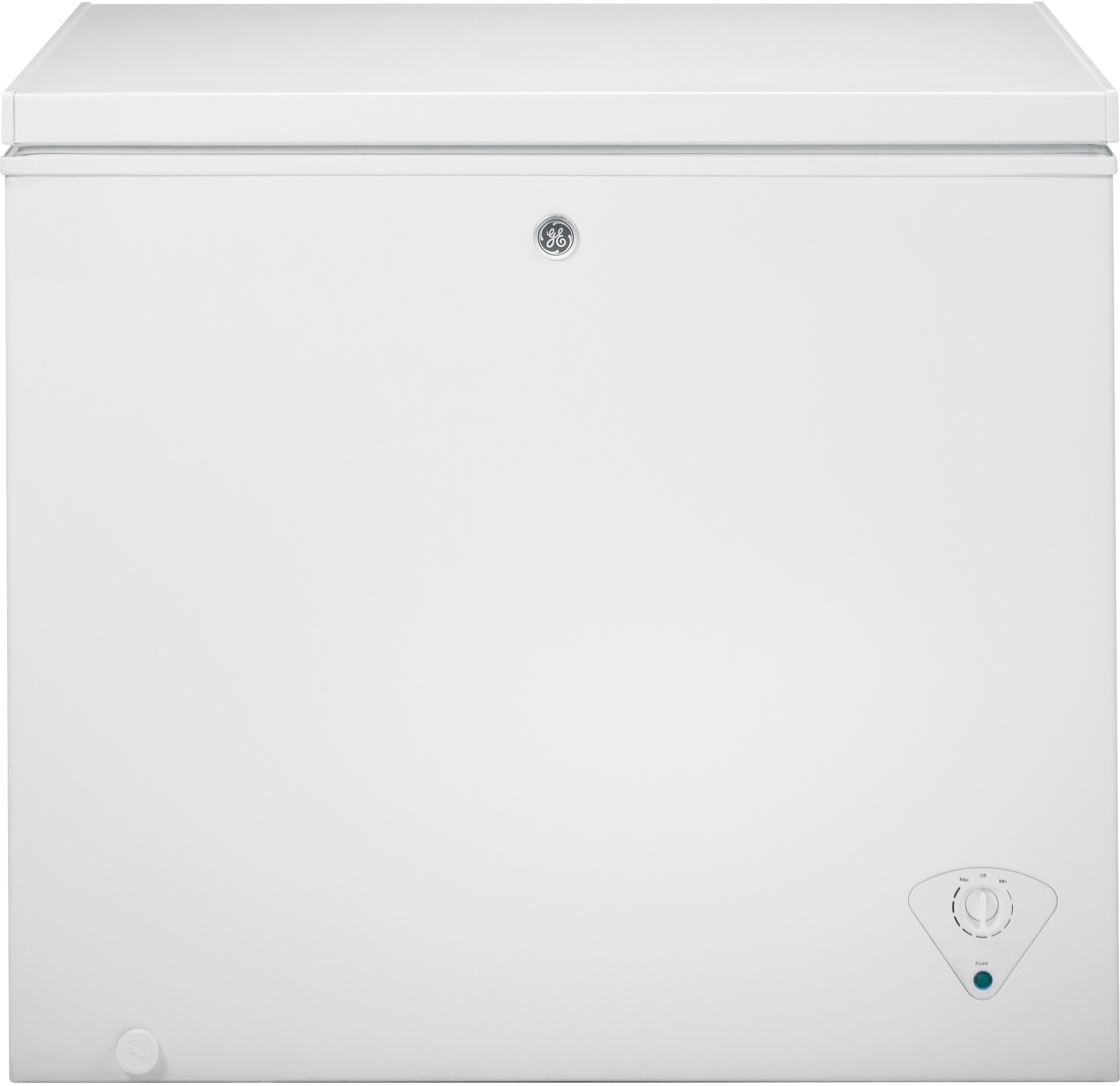
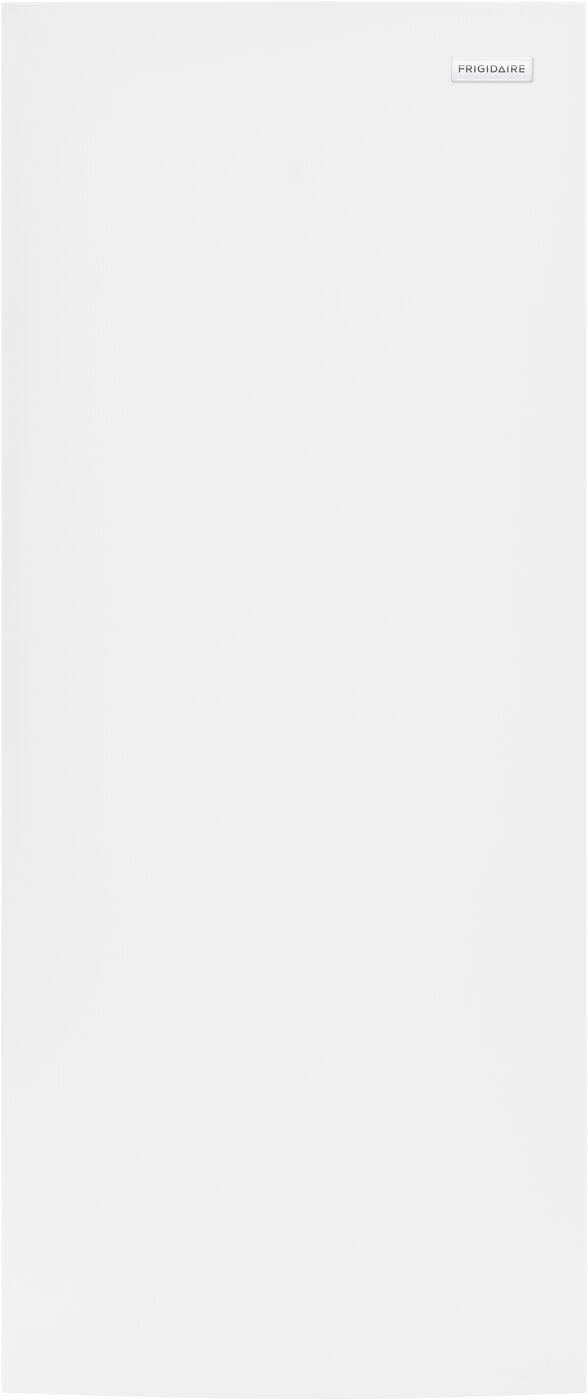
Freezers range from compact 5 cu ft units to massive 25 cu ft models. Pick a size that matches your shopping habits, household needs, and available space.
Capacity (cu ft)
Approx food load
Ideal for
5–7
~150 lbs
Singles, couples, small kitchens
8–12
~300 lbs
Families of 3–4
13–20
~500 lbs
Big families, meal preppers
21+
600 lbs+
Entertaining, bulk storage
If you shop sales on meat or freeze garden harvests, lean toward a larger size. When budget or space is tight, a compact model still holds a surprising amount. Ready to buy? Check out shop deep freezers: discounts for current offers.
A well-organized freezer saves time and cuts waste. Good news, it’s easier than it sounds.
Labeling and grouping
Use clear bins or baskets for meats, veggies, and prepared meals
Label each package with contents and date in large letters
Keep similar items together so you avoid digging around
Cleaning and defrosting
Over time ice can build up, reducing storage and efficiency. When you spot frost thicker than ¼ inch, plan a quick defrost. Unplug the unit, remove contents, and let the ice melt (place towels underneath). Once dry, wipe surfaces with a mild baking-soda solution. For step-by-step advice, see how to clean freezer coils.
Temperature and energy tips
Set the thermostat to 0°F for optimal food quality
Don’t overpack — air needs to circulate around items
Keep the exterior coils free of dust to help the compressor run smoothly