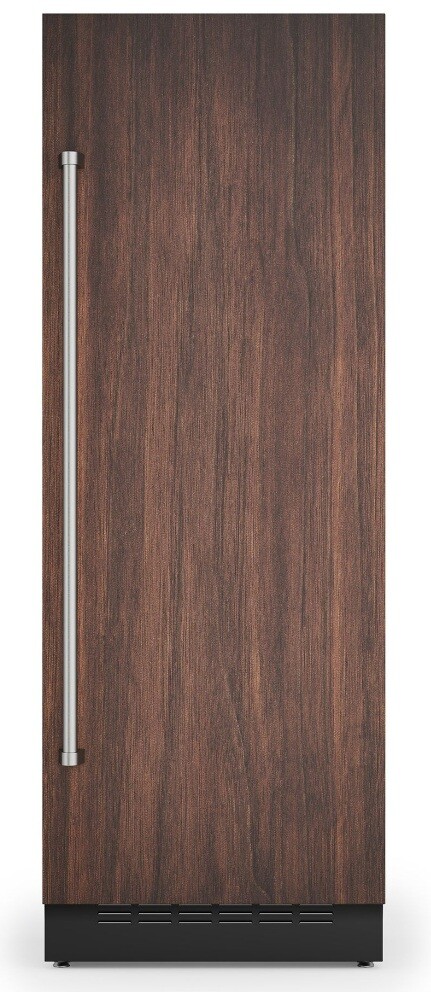
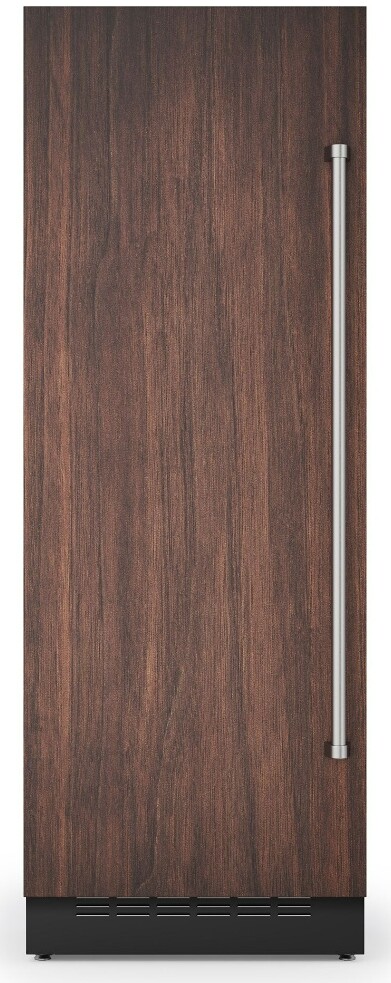
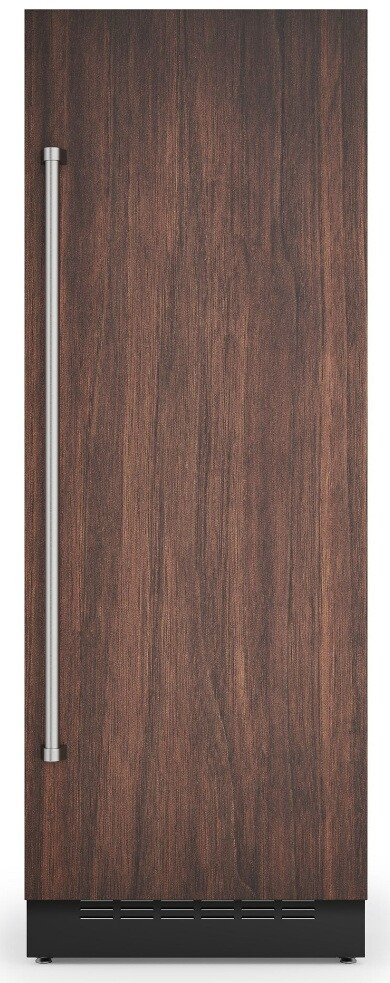
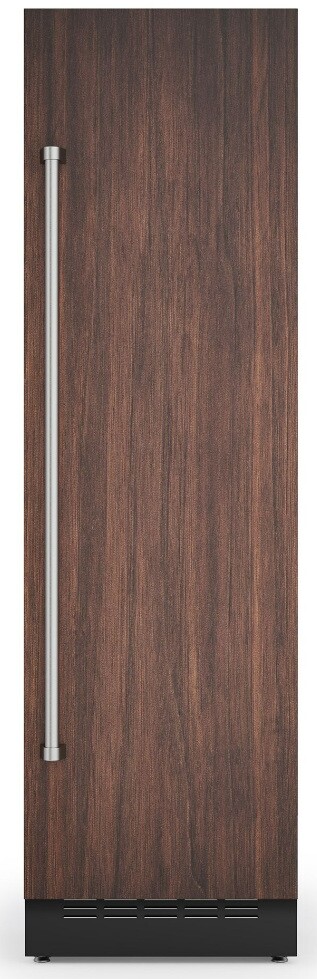
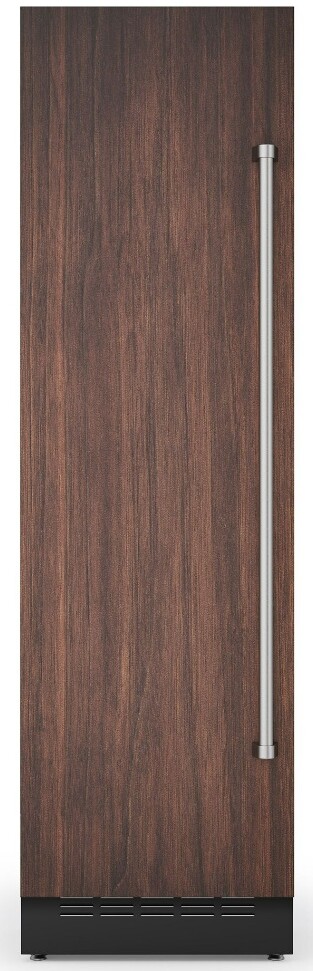
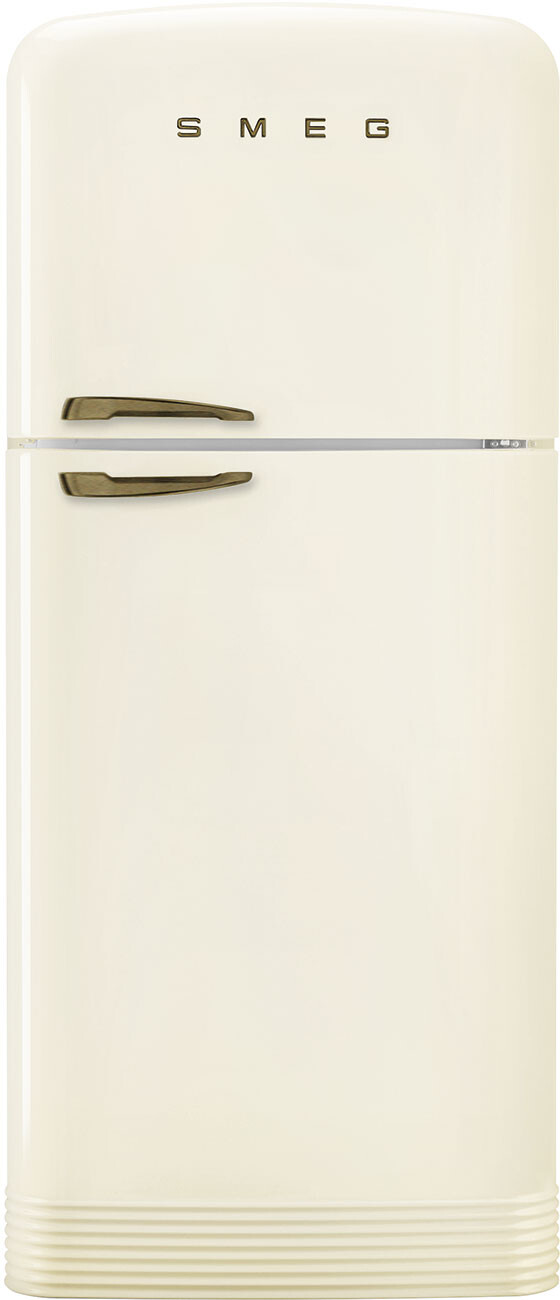
A dedicated ice maker produces ice fast — high-output models turn out up to 28 lbs per day — in a compact 15-20 inch tall unit that costs roughly $100-$500 and uses about 100-200 kWh per year.
Ice Production Rate: High-output models can produce up to 28 lbs of ice per day — ideal for parties, gatherings, or commercial use.
Affordability: Typically, top freezer refrigerators are more budget-friendly compared to other refrigerator types, usually $500-$1,500.
An ice maker typically runs $100-$500, plus ongoing costs for water filters and cleaning.
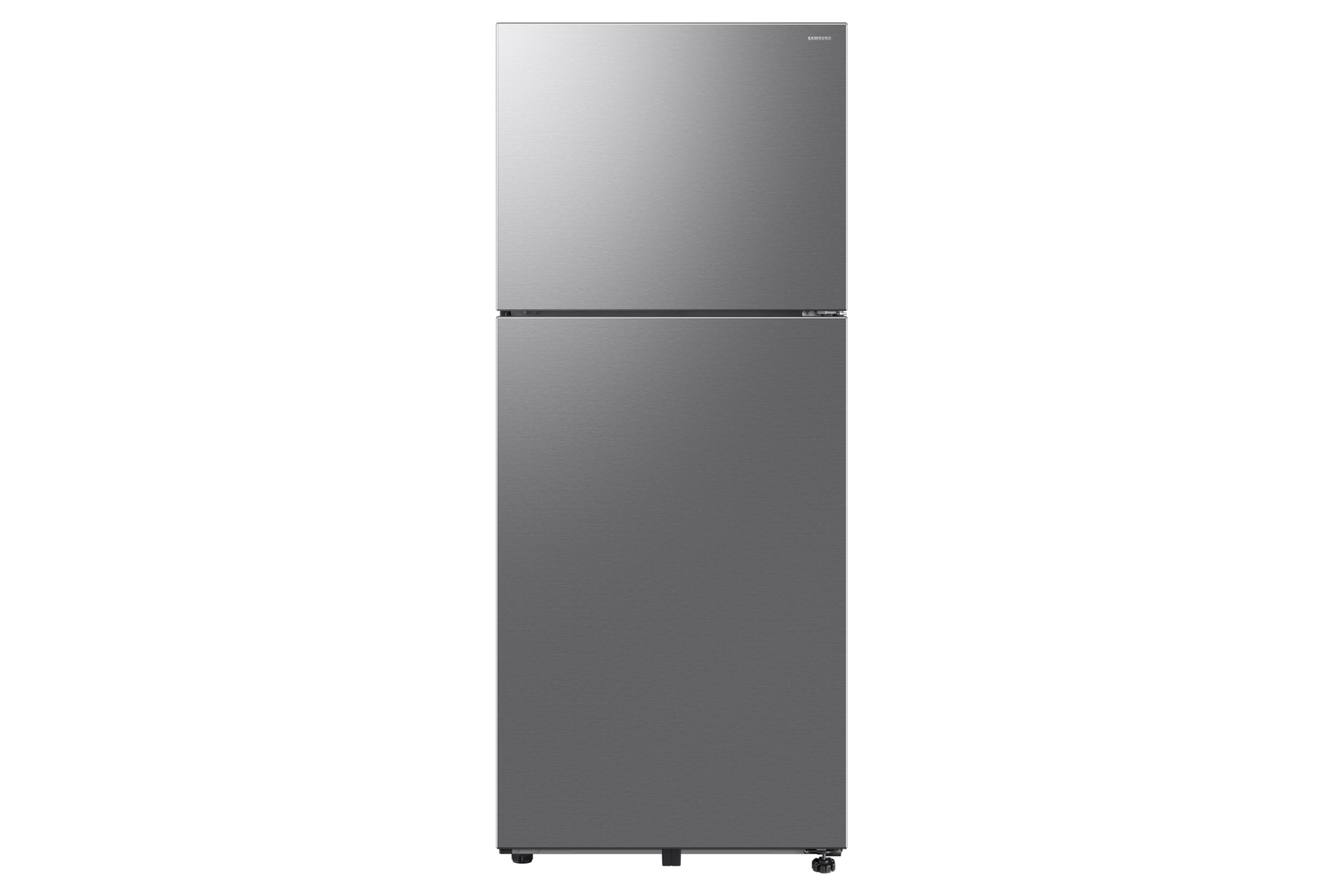
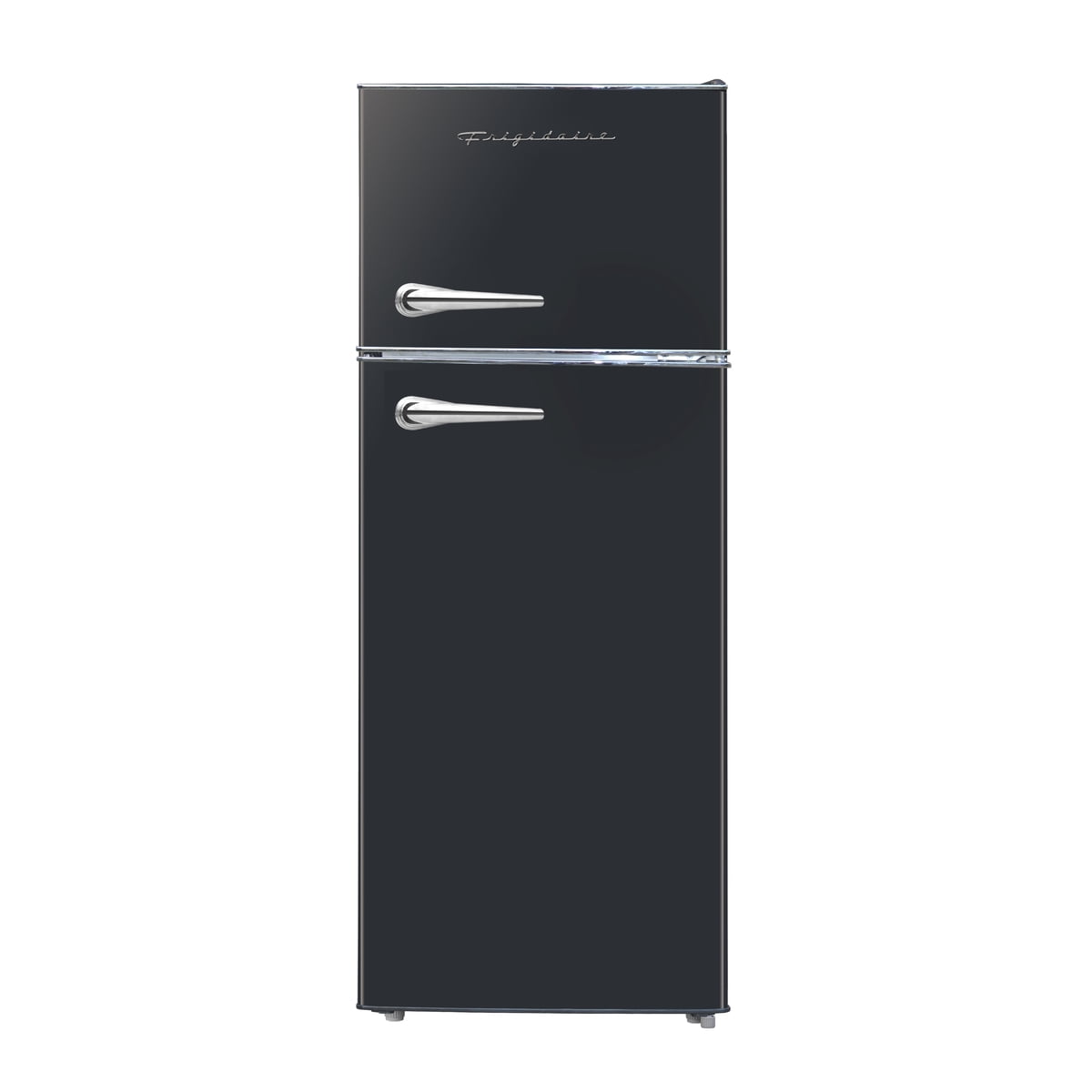
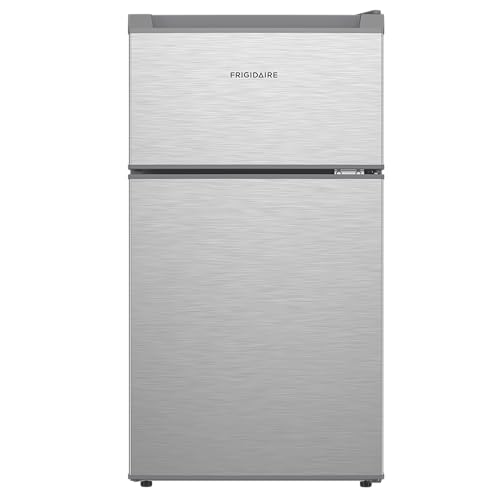
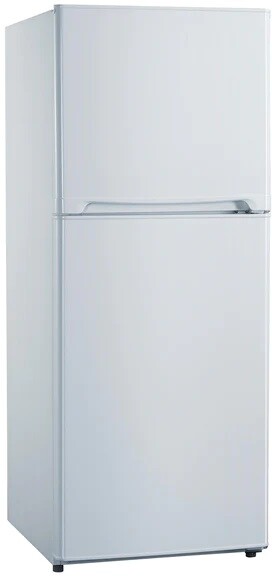
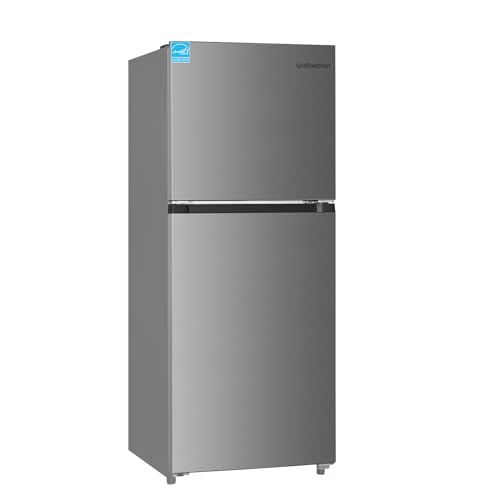
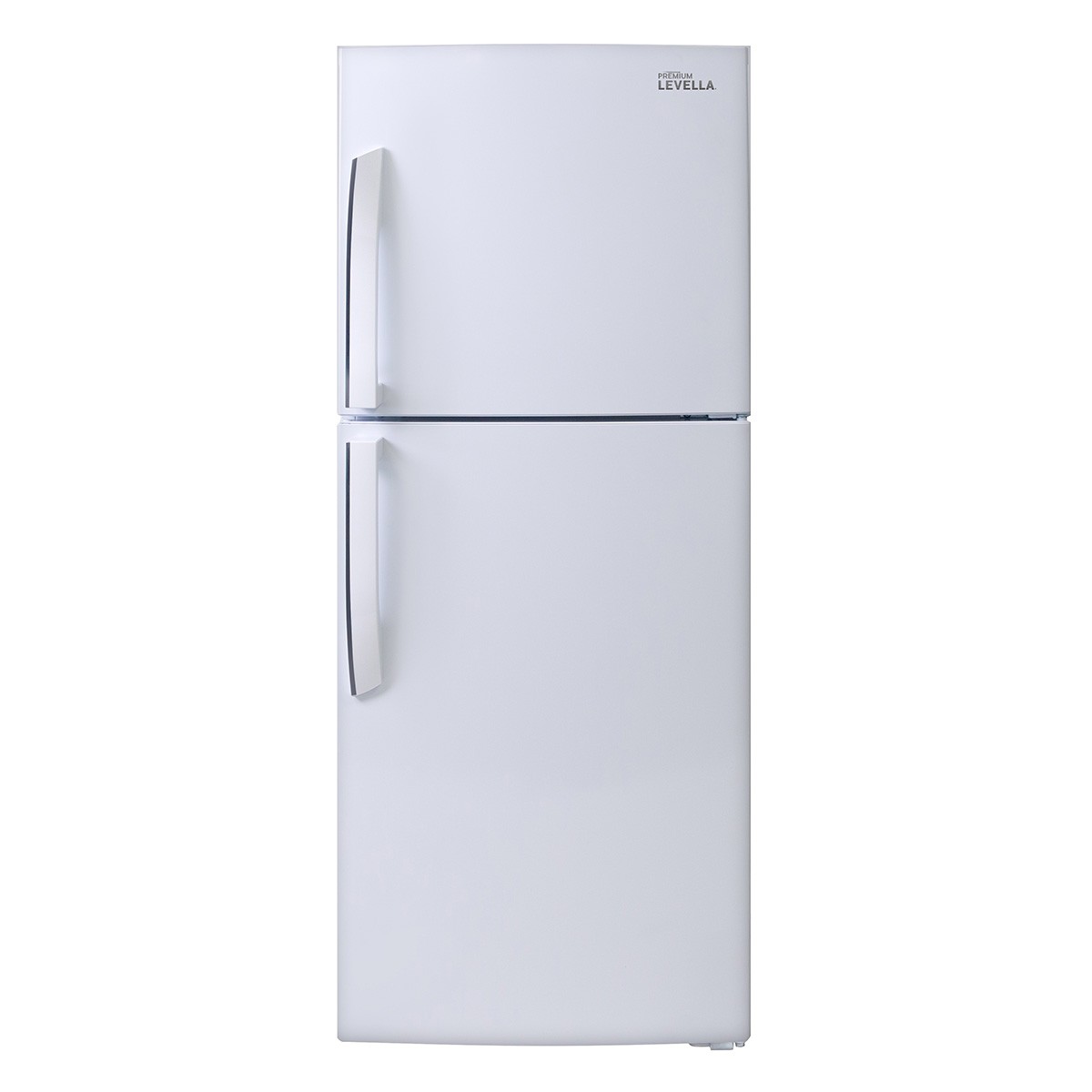
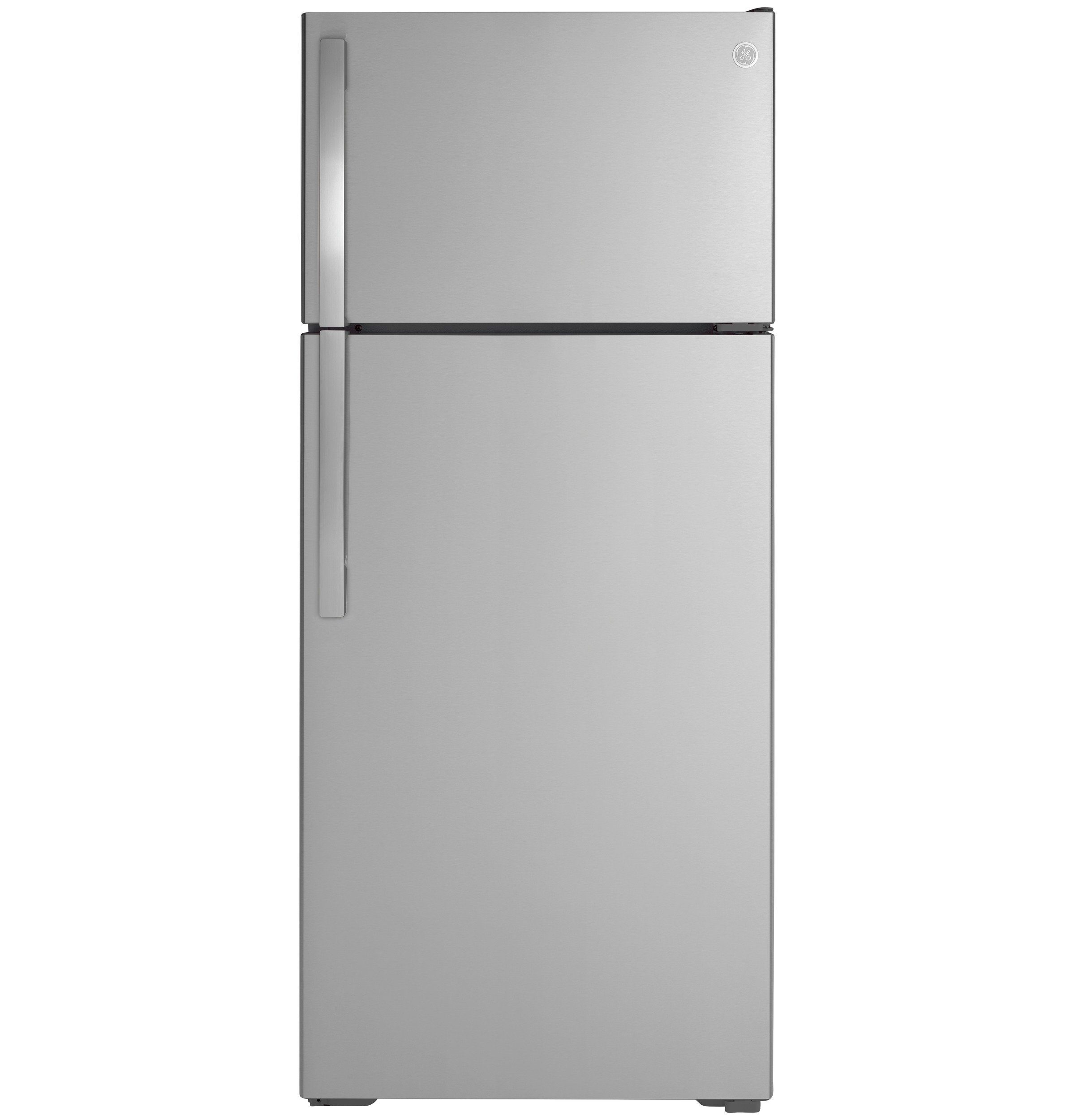
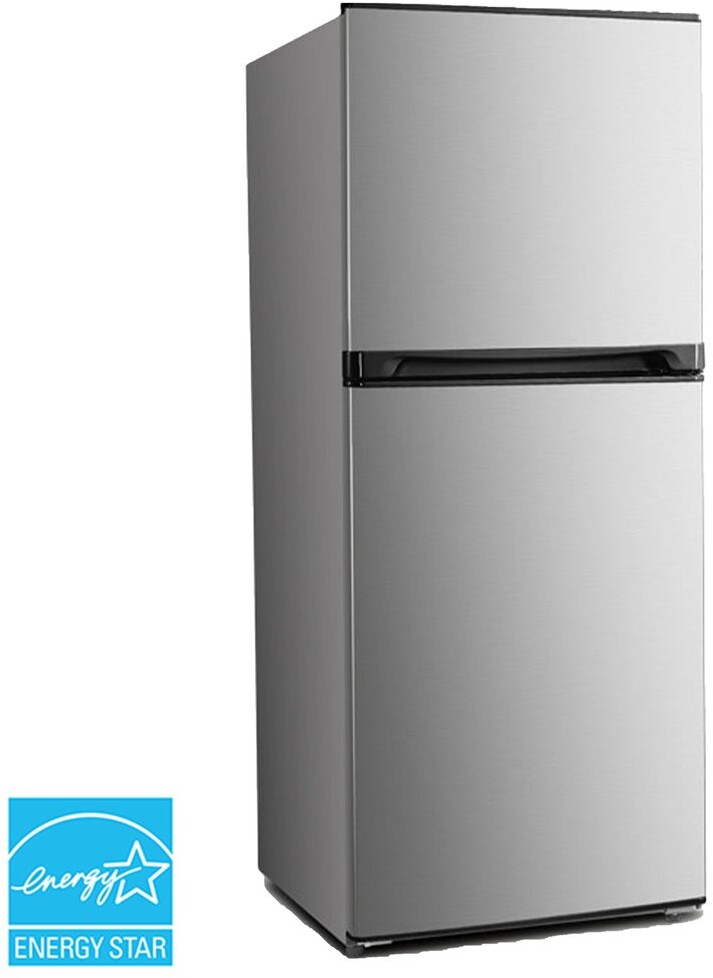
An ice maker and a top freezer refrigerator solve two different problems in the kitchen. A dedicated ice maker produces ice fast — high-output models turn out up to 28 lbs per day — in a compact 15-20 inch tall unit that costs roughly $100-$500 and uses about 100-200 kWh per year. A top freezer refrigerator handles all of your fresh and frozen food storage in one 60-70 inch tall appliance, typically costs $500-$1,500, and uses about 300-700 kWh per year — but most models make ice only with manual trays. Here is the full comparison: features, pros and cons, running costs, and how to get a top mount refrigerator with an ice maker if you want both.
Ice Maker and Top Freezer Refrigerator Comparison
Ice Maker
An ice maker is a dedicated appliance designed specifically to produce ice efficiently. It can be a standalone machine or integrated into another appliance, such as a refrigerator. Key features:
Ice Production Rate: High-output models can produce up to 28 lbs of ice per day — ideal for parties, gatherings, or commercial use.
Types of Ice: Many ice makers can produce different types of ice, such as cubes, nuggets, or crushed ice, catering to various preferences.
Storage Capacity: Built-in storage bins hold the ice after it is produced, ensuring a steady supply whenever you need it.
Water Supply: Depending on the model, an ice maker connects to a tap water line or runs from a manual-fill reservoir.
Feature
Ice Maker
Ice Production Rate
High — up to 28 lbs per day
Types of Ice
Cubes, Nuggets, Crushed
Storage Capacity
Moderate to Large
Water Supply
Tap water line or fill reservoir
Unit Size
Compact — countertop or built-in
Top Freezer Refrigerator
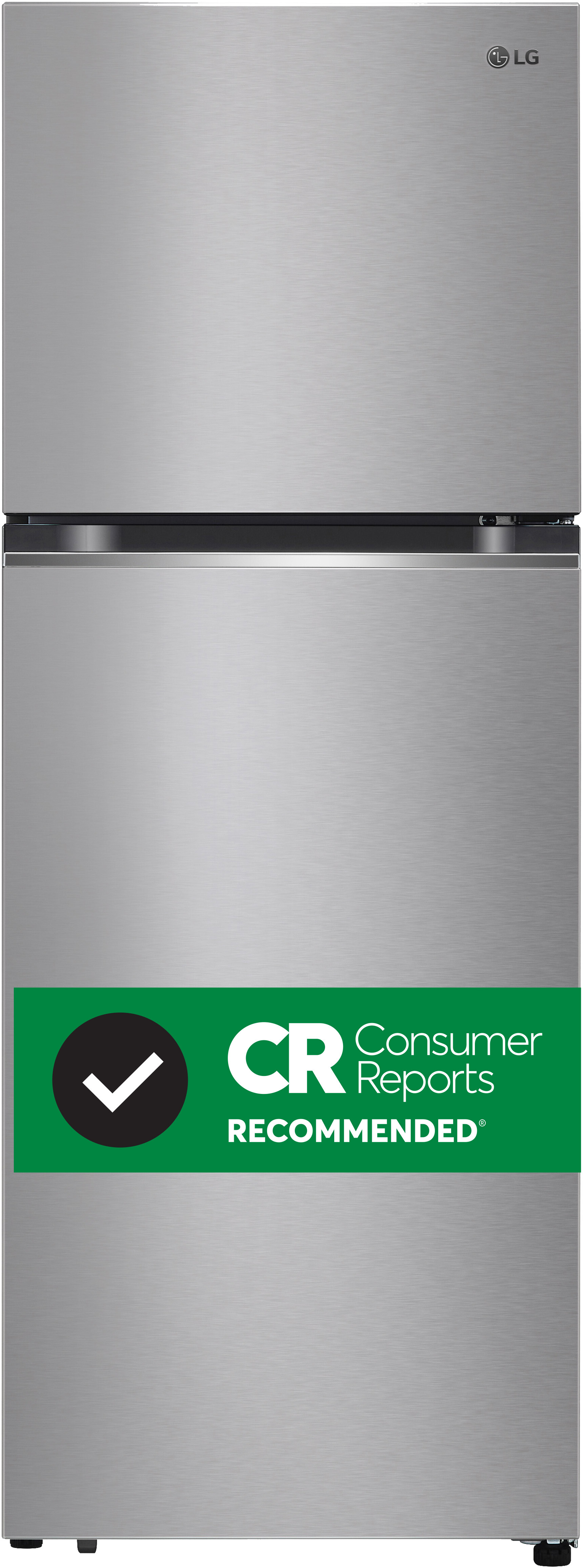
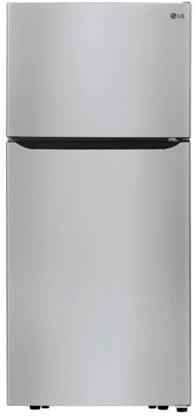
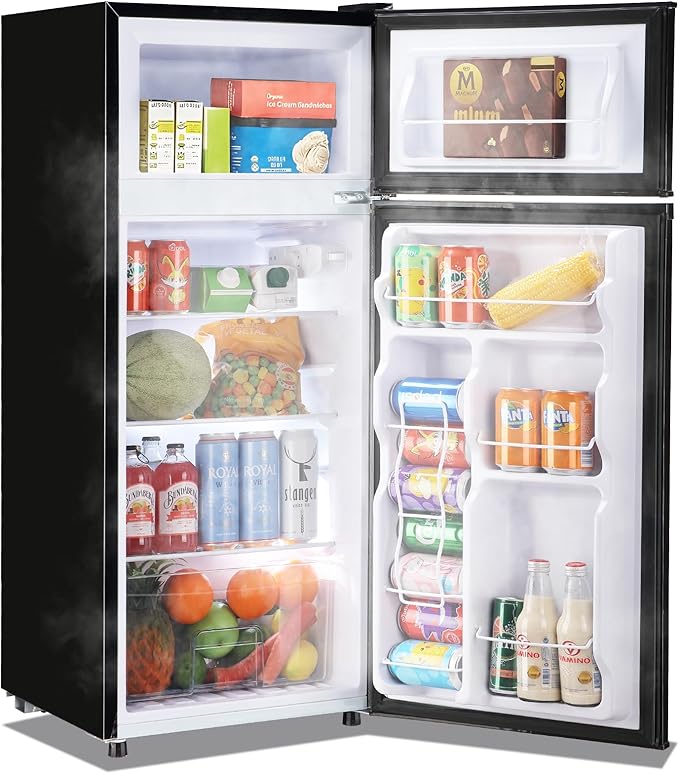
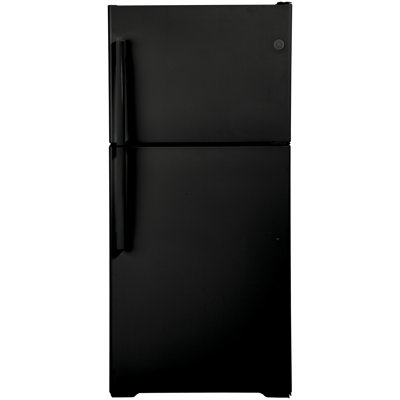
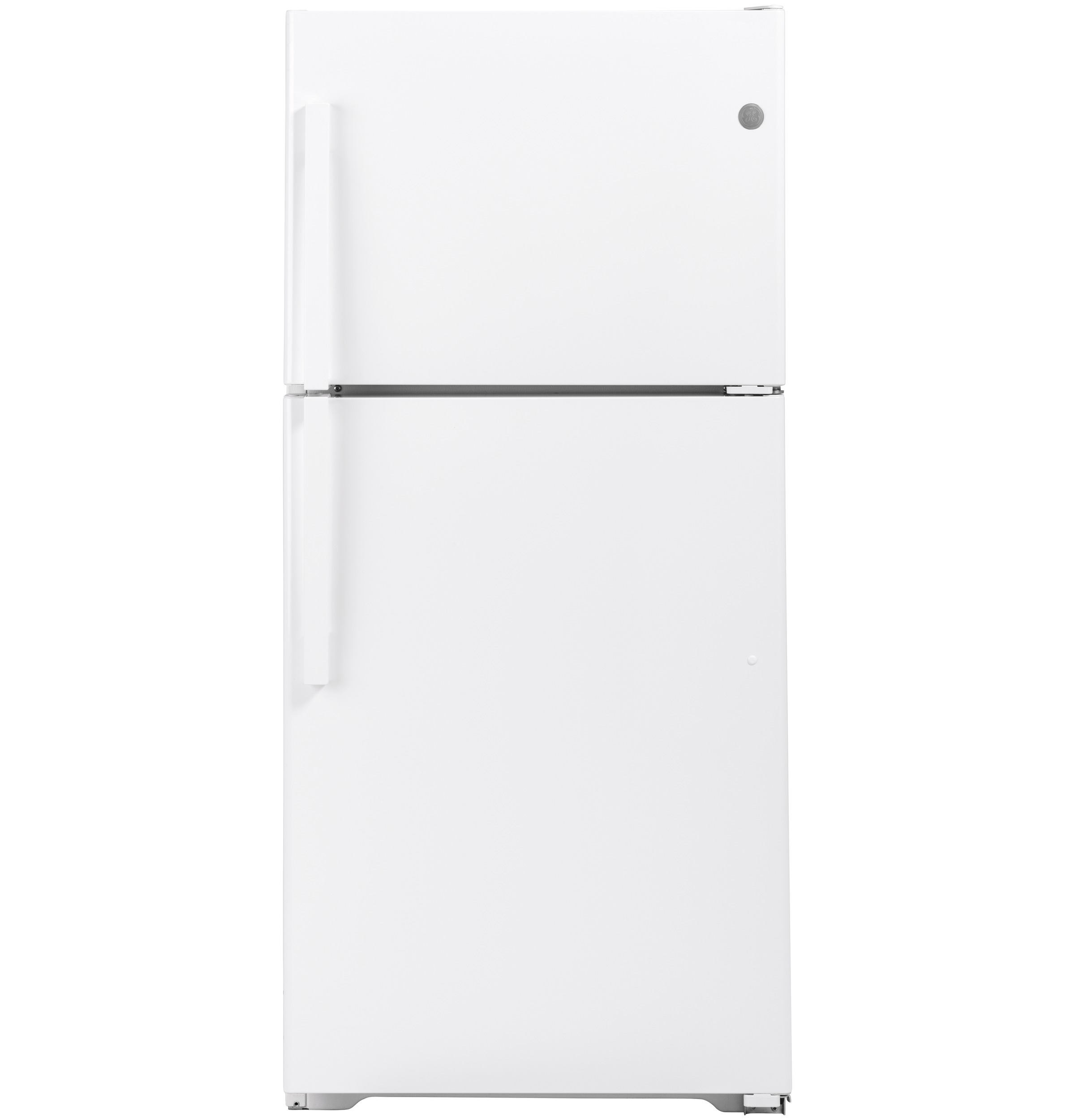
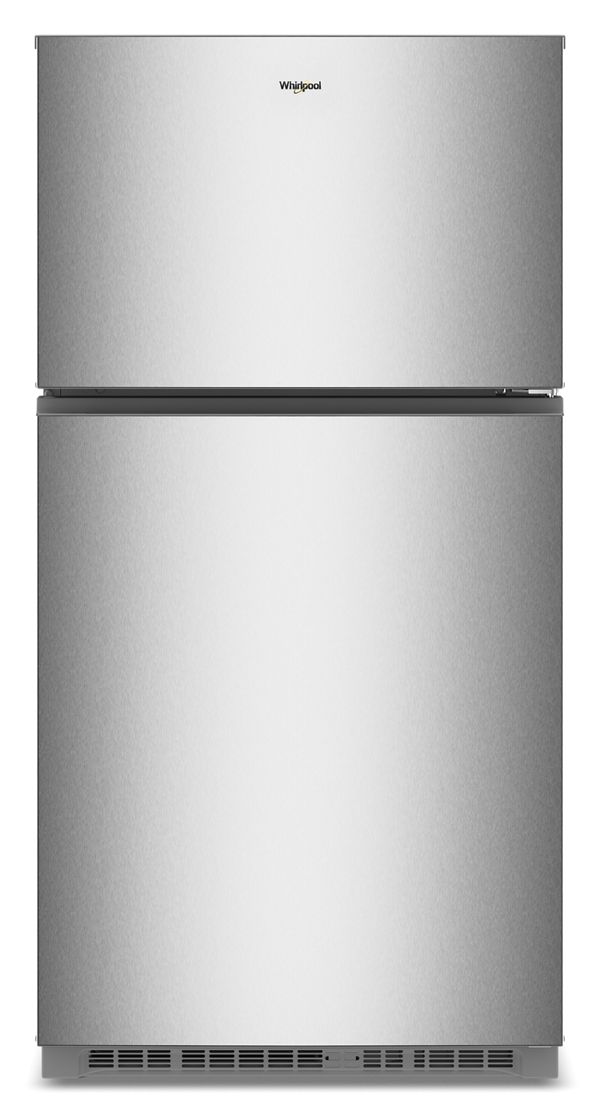
A top freezer refrigerator combines a refrigerator and a freezer in one unit, with the freezer compartment located above the refrigerator section. Key features:
Dual Functionality: This appliance offers both refrigeration and freezing capabilities, making it versatile for everyday food storage needs.
Freezer Space: The freezer compartment provides ample space for storing frozen foods, but the ice production capacity is typically less than a dedicated ice maker — most models rely on manual ice trays.
Energy Efficiency: Top freezer refrigerators are often more energy-efficient than other refrigerator types, which can help reduce electricity bills.
Affordability: Typically, top freezer refrigerators are more budget-friendly compared to other refrigerator types, usually $500-$1,500.
Energy Efficiency: These refrigerators often consume less power than other refrigerator styles — some carry Energy Star certification — helping you save on energy bills over time. For a deeper dive into energy-efficient options, check out Fridge.com comparison of drink fridge Vs. energy efficient refrigerator.
Storage Space: The design provides ample storage in both compartments. The top-mounted freezer puts frozen goods at eye level for easy access, while the lower refrigerator compartment is spacious for fresh foods.
Compact Design: Their compact design makes them suitable for smaller kitchens, apartments, and other limited-space environments. For more compact refrigerator options, visit Fridge.com comparison of narrow refrigerator Vs. outdoor freezer.
Reliability and Easy Repairs: Top freezer refrigerators are known for their durability, usually require less maintenance than other refrigerator types, and replacement parts are typically easier and cheaper to source.
Feature
Benefit
Affordability
Cost-effective for budget-conscious buyers
Storage Space
Ample room for fresh and frozen goods
Compact Design
Fits well in limited spaces
Reliability
Long-lasting and less maintenance
Repairability
Parts are easy and inexpensive to source
Limitations of a Top Freezer Refrigerator
Limited Features: Top freezer refrigerators often lack advanced features such as water dispensers, built-in ice makers, and digital controls.
Accessibility: The lower refrigerator compartment requires bending to reach items on the lower shelves, which can be cumbersome for individuals with mobility or back issues. Adjusting shelf heights can help.
Design Aesthetics: Top freezer refrigerators may not offer the sleek and modern look that some homeowners prefer. If aesthetics are a priority, consider exploring black stainless refrigerator Vs. large refrigerator for more stylish options.
Noise Levels: Some models may produce more noise compared to other types of refrigerators — a concern if the unit sits near a living area or bedroom.
Freezer Space: The freezer compartment, while easily accessible, can be smaller than in other refrigerator types, limiting frozen food storage; small baskets and containers help keep it organized.
Most top mount refrigerators do not include a built-in ice maker or water dispenser — the simpler design is part of what keeps their price and energy use low. If you want a top mount refrigerator with an ice maker, you have three practical options:
Pair a top freezer refrigerator with a standalone ice maker. A compact countertop unit keeps ice on tap — up to 28 lbs per day on high-output models — while the refrigerator handles all of your food storage.
Use manual ice trays in the top-mounted freezer compartment. There is no extra cost, but production is slow and trays occupy freezer shelf space.
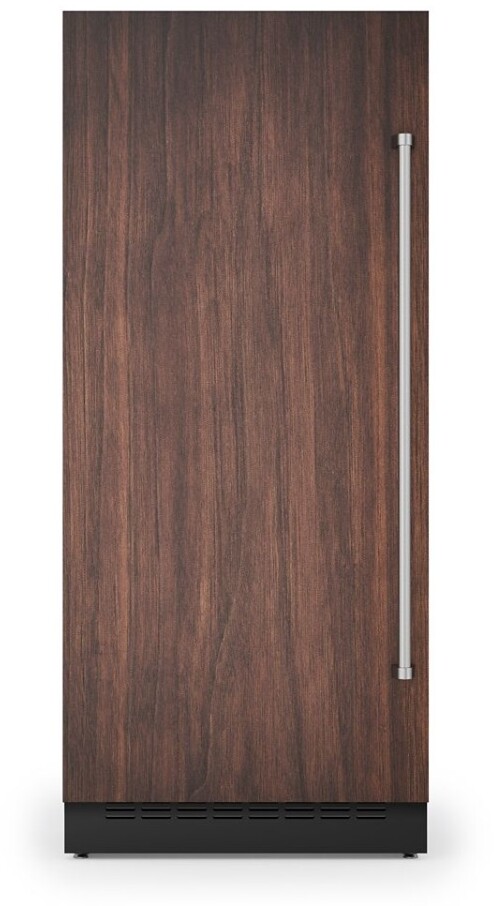
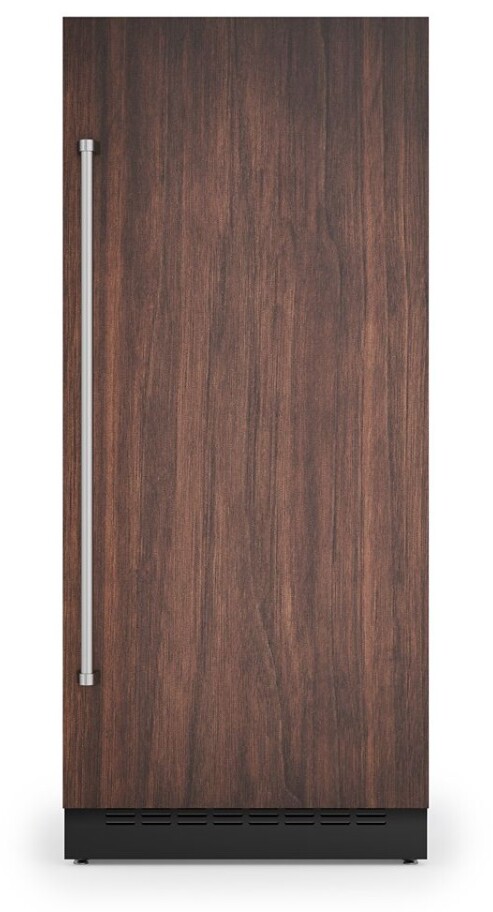
Ice makers are generally compact and can be placed on countertops or built into cabinets. They are ideal for smaller spaces or locations where you need a dedicated ice supply, like a bar or patio area.
Top freezer refrigerators require more space. They are typically taller and broader, making them suitable for kitchens or larger storage areas. Measure the available space and account for door swing clearance before making a purchase.
Factor
Ice Maker
Top Freezer Refrigerator
Average Height
15-20 inches
60-70 inches
Average Width
10-15 inches
28-32 inches
Ideal Placement
Countertop, built-in
Kitchen, large storage areas
Installation and Water Supply
Some ice makers need a steady water line, so fitting one in requires planning around your kitchen's existing plumbing. Reservoir-fed models skip the plumbing entirely — fill them by hand and place them anywhere with an outlet, including a bar cart, island, or patio. A top freezer refrigerator needs no water hookup at all for basic ice: floor space, an outlet, and door swing clearance are the only installation requirements, with ice coming from manual trays in the freezer compartment.
Energy Efficiency and Maintenance
Ice makers tend to consume less energy than top freezer refrigerators, as they are smaller and have a singular purpose. However, they require regular cleaning to prevent mold and mineral buildup, plus periodic water filter replacement.
Top freezer refrigerators are more energy-intensive due to their size and dual functionality. They require periodic maintenance, such as defrosting and cleaning the coils, to ensure optimal performance. For energy-smart options, browse our energy efficient refrigerators.
Factor
Ice Maker
Top Freezer Refrigerator
Maintenance Needs
Regular cleaning
Defrosting, coil cleaning
Cost and Budget Considerations
Ice makers are generally less expensive upfront but can incur additional costs for maintenance and water filters. They are an excellent option if you need a dedicated ice supply without a large outlay.
Top freezer refrigerators have a higher initial cost but offer more functionality, including ample storage for both frozen and fresh foods — long-term value for households needing comprehensive refrigeration.
Top freezer refrigerators have a classic, rectangular profile and come in a wide range of finishes — stainless steel, black, and white — so they coordinate with existing cabinets and counters and blend into almost any kitchen style, from sleek to country to traditional. Ice makers read as more modern: sleek housings, often with chrome or glass detailing, that suit contemporary or open-concept spaces. Standalone units can sit on a kitchen island or countertop as a visible feature rather than hiding along a wall.
Ideal for frequent gatherings; provides a constant supply of ice
May not meet high ice demands unless paired with an ice maker
Family Size
Suitable for smaller families or those who use ice frequently
Better for larger families needing ample freezer space
Cooking Habits
Useful for those who enjoy cold beverages and cocktails
More practical for those who cook and store frozen foods regularly
Space Availability
Requires less space; can be placed on countertops or under counters
Requires more space; typically installed in kitchens or larger areas
If your hosting style centers on cooking — appetizers, main courses, desserts stocked and ready — the top freezer refrigerator is the workhorse. If your gatherings lean toward iced drinks and finger foods, a steady ice supply from a dedicated ice maker keeps the night flowing without trips to refill trays.
Personal Preferences and Priorities
Preference
Ice Maker
Top Freezer Refrigerator
Convenience
Provides immediate ice at the push of a button
Offers both refrigeration and freezing but may not have instant ice access
Versatility
Primarily for making ice; limited additional functions
Multi-functional; can store a variety of foods and beverages
Maintenance
Generally easier to maintain; cleaning the ice bin and filters
Requires more maintenance; defrosting and cleaning both fridge and freezer sections
For those who prioritize convenience and frequent access to ice, an ice maker is the answer. If you need a versatile appliance that covers both refrigeration and freezing, a top freezer refrigerator is the better fit. For more detailed comparisons, explore Fridge.com articles on black slate refrigerator Vs. french door refrigerator and column refrigerator Vs. slate refrigerator.
Frequently Asked Questions
Do top freezer refrigerators come with an ice maker?
Most do not. Top freezer refrigerators typically lack built-in ice makers and water dispensers — ice comes from manual trays in the freezer compartment. If you need more ice, pair the refrigerator with a standalone ice maker or look at compact refrigerators with built-in ice production.
How much ice can an ice maker produce in a day?
High-output ice makers can produce up to 28 lbs of ice per day, and built-in storage bins keep the finished ice ready to use. Output varies by model, and many machines offer cube, nugget, or crushed styles.
Does an ice maker need a water line?
Some models require a dedicated tap water line, which means placing the unit near existing plumbing. Others run from a manual-fill reservoir and can sit anywhere with an outlet — countertop, bar, or patio.
Which uses less electricity — an ice maker or a top freezer refrigerator?
An ice maker uses roughly 100-200 kWh per year, while a top freezer refrigerator uses about 300-700 kWh per year. Keep in mind the refrigerator is doing two jobs — refrigeration and freezing — while the ice maker only makes ice.
Which is cheaper to buy?
An ice maker typically runs $100-$500, plus ongoing costs for water filters and cleaning. A top freezer refrigerator runs $500-$1,500, plus energy and maintenance costs, but replaces an entire food-storage setup rather than just supplying ice.
Which needs more maintenance?
Both need regular care, but of different kinds. Ice makers need routine cleaning to prevent mold and mineral buildup, plus filter changes. Top freezer refrigerators need periodic defrosting and coil cleaning — and if a repair is ever needed, their parts are usually easy and inexpensive to source.
Which is better for entertaining?
It depends on how you host. For drink-heavy gatherings, an ice maker's constant supply is the clear win. For cooking-centered hosting, the top freezer refrigerator's storage for appetizers, mains, and desserts matters more — and larger households get more day-to-day value from the combined fridge-freezer.
Compare prices on Fridge.com
Compare current prices and specifications on Fridge.com, then buy from the retailer you choose; delivery, installation and warranty terms are the retailer’s.
It also has tons of awesome articles about kitchen stuff and home news. Enhance your home, garage, backyard, patio, and office with the coolest essentials. With every necessary type of residential refrigerator or freezer in the collection, you're covered.
Frequently Asked Questions
Most top mount refrigerators do not include a built-in ice maker or water dispenser — the simpler design is part of what keeps their price and energy use low. If you want a top mount refrigerator with an ice maker, you have three practical options:. Pair a top freezer refrigerator with a standalone ice maker. A compact countertop unit keeps ice on tap — up to 28 lbs per day on high-output models — while the refrigerator handles all of your food storage. Use manual ice trays in the top-mounted freezer compartment. There is no extra cost, but production is slow and trays occupy freezer shelf space. Consider a compact refrigerator with built-in ice production — see how much are the small refrigerators that make ice? for models and pricing.