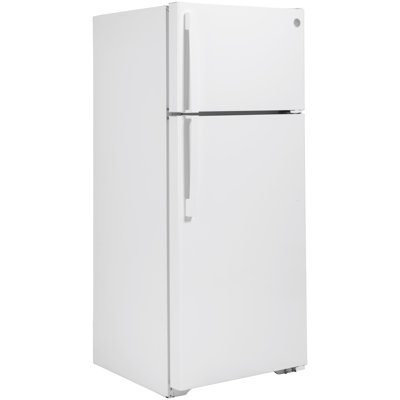
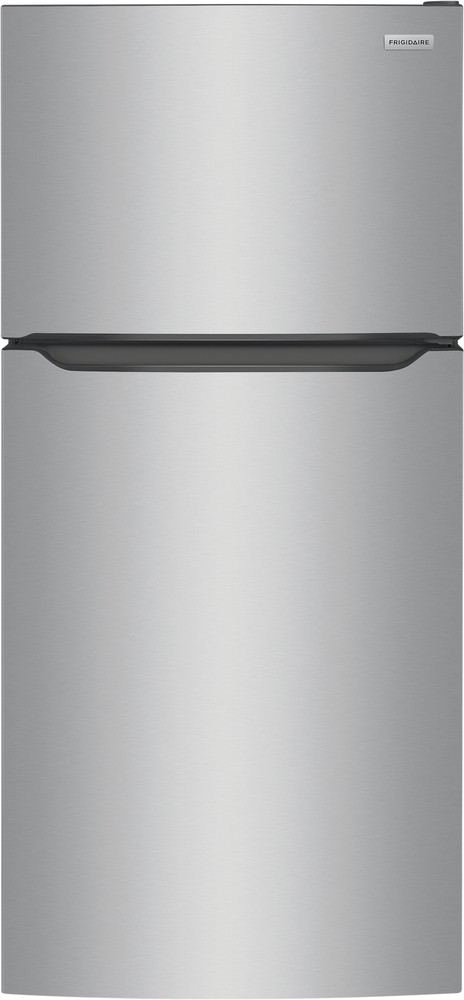
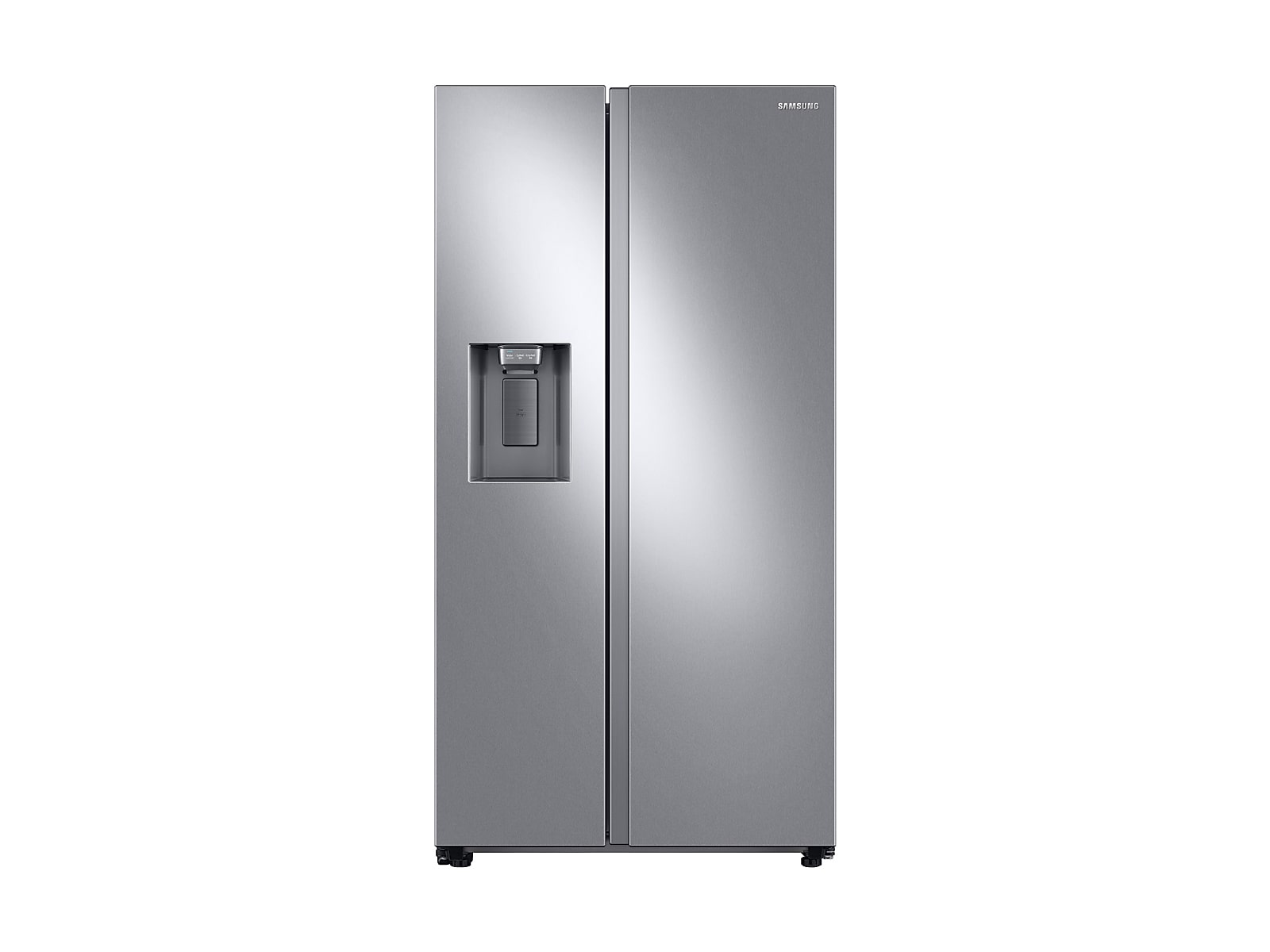
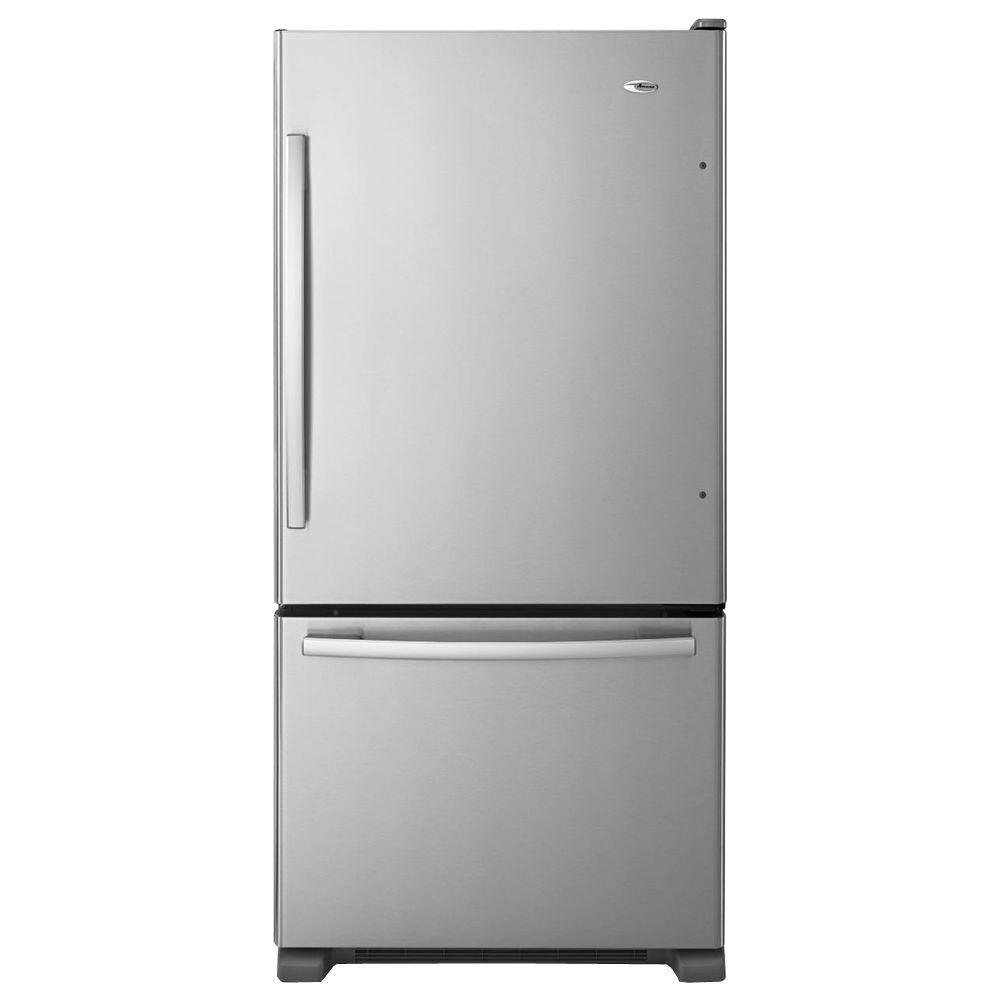
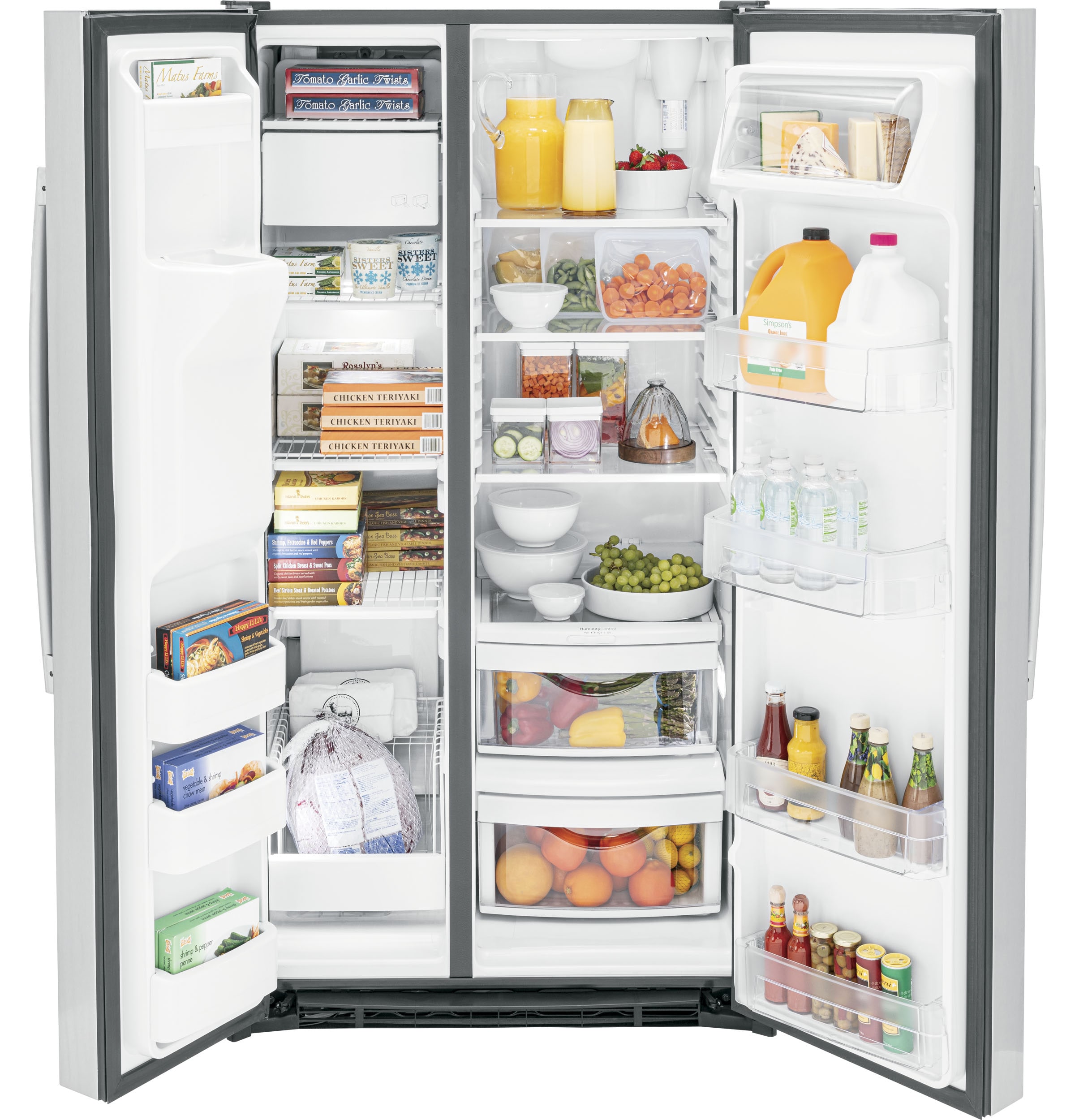
Designed for outdoor use, ideal for patios, backyards, and outdoor kitchens.
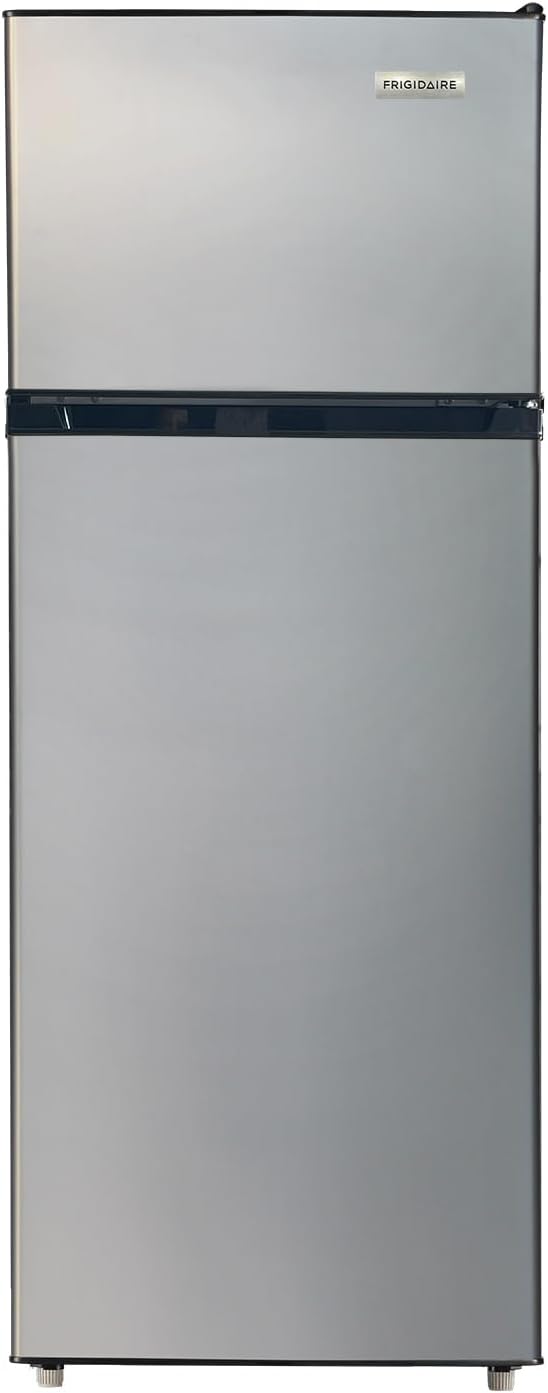
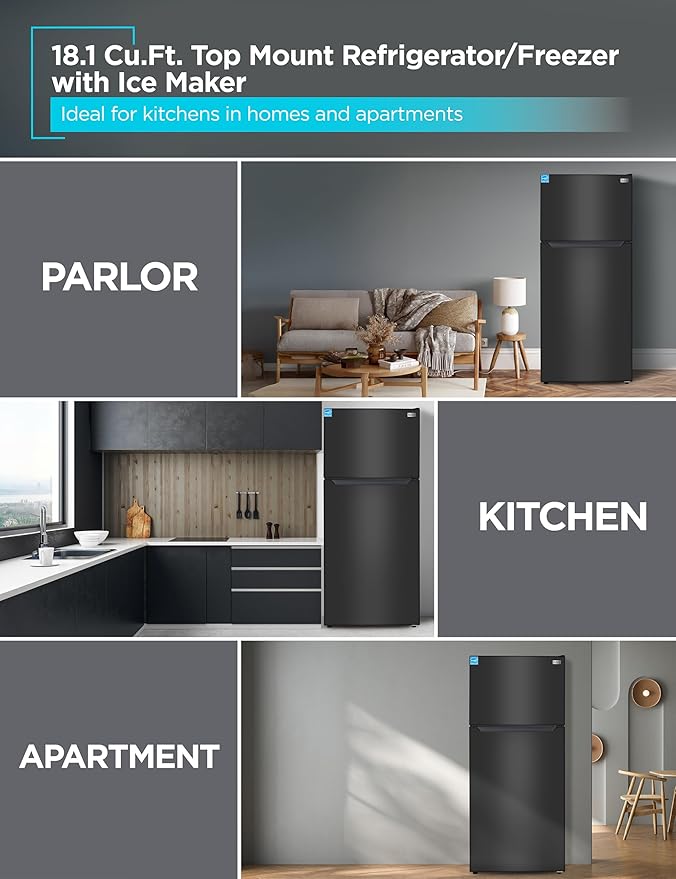
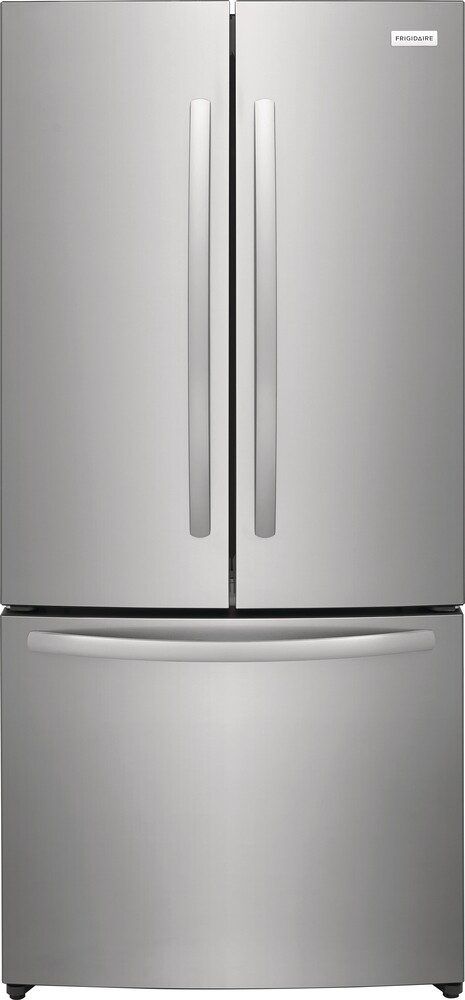
top freezer refrigerator and 3 door refrigerator Vs.
Outdoor refrigerators are designed to withstand various environmental conditions, making them ideal for outdoor spaces like patios, backyards, and poolside areas.
Built-in models require adequate airflow, while freestanding units should have space around them for air circulation.
Choosing the right refrigerator is crucial for ensuring the longevity of your food and beverages and enhancing your kitchen's functionality. Let’s delve into why selecting the appropriate refrigerator matters and provide an overview of outdoor and reach-in refrigerators.
Importance of Choosing the Right Refrigerator
Selecting the right refrigerator is essential for several reasons. It impacts food preservation, energy efficiency, and your overall kitchen experience. A suitable refrigerator can help you maintain the freshness of your groceries, reduce energy consumption, and provide convenient storage solutions.
Consider your lifestyle, space limitations, and specific needs when choosing between different types of refrigerators. For instance, homeowners with outdoor spaces might benefit from a specialized refrigerator designed for outdoor use, while commercial kitchens may prefer the accessibility and capacity of reach-in refrigerators.
Overview of Outdoor Refrigerators and Reach-In Refrigerators
Understanding the differences between outdoor refrigerators and reach-in refrigerators can help you make a more informed decision. Each type has unique features and benefits tailored to specific environments and usage scenarios.
Feature
Outdoor Refrigerators
Reach-In Refrigerators
Purpose
Designed for outdoor use, ideal for patios, backyards, and outdoor kitchens
Commonly used in commercial kitchens, restaurants, and large households
Temperature Control
Built to withstand varying outdoor temperatures, with robust insulation
Precise temperature control, typically used indoors with stable conditions
Durability
Constructed with weather-resistant materials to endure outdoor elements
Focused on accessibility and capacity, often with heavy-duty shelving and doors
Size and Capacity
Generally smaller, suitable for outdoor entertaining and limited space
Larger capacity, designed for high-volume storage and easy access
Outdoor refrigerators are perfect for those who love to entertain guests in their backyard or by the pool. They are built to withstand varying weather conditions and ensure your drinks and food stay cool. For more information on outdoor refrigeration options, see Fridge.com article on outdoor fridge Vs. pink fridge.
Reach-in refrigerators, on the other hand, are designed for environments where quick and easy access to stored items is essential. They are commonly found in commercial kitchens and large households where high storage capacity and organization are priorities. Learn more about how reach-in refrigerators compare to other types in Fridge.com article on fridge freezer combo Vs. reach in freezer.
By understanding the unique features and benefits of outdoor and reach-in refrigerators, you can make a well-informed decision that aligns with your specific needs and preferences. Explore other refrigerator comparisons in Fridge.com articles, such as ice maker Vs. top freezer refrigerator and 3 door refrigerator Vs. fridge freezer.
Outdoor Refrigerators
Features and Benefits of Outdoor Refrigerators
Outdoor refrigerators are designed to withstand various environmental conditions, making them ideal for outdoor spaces like patios, backyards, and poolside areas. Here are some key features and benefits:
Weather-Resistant Construction: Outdoor refrigerators come with robust, weather-resistant exteriors to protect against rain, snow, and extreme temperatures.
Enhanced Insulation: These refrigerators feature superior insulation to maintain consistent internal temperatures despite fluctuating outdoor conditions.
Stainless Steel Finish: Many outdoor fridges use stainless steel, which is not only durable but also resistant to rust and corrosion.
UV Protection: Some models include UV-resistant coatings to prevent sun damage and maintain the appliance's appearance over time.
Built-In and Freestanding Options: Outdoor refrigerators are available in both built-in and freestanding styles, providing flexibility depending on your space and design preferences.
Versatile Storage: They often come with adjustable shelves and ample storage space to accommodate various types of food and beverages.
Considerations for Outdoor Use
When selecting an outdoor refrigerator, there are several factors to keep in mind to ensure optimal performance and longevity:
Location: Place the refrigerator in a shaded area to minimize exposure to direct sunlight, which can affect its efficiency and increase energy consumption.
Ventilation: Ensure proper ventilation around the unit to prevent overheating. Built-in models require adequate airflow, while freestanding units should have space around them for air circulation.
Power Source: Outdoor refrigerators need a reliable power source. Verify that the electrical connection is suitable for outdoor use and consider using a GFCI (Ground Fault Circuit Interrupter) outlet for added safety.
Temperature Range: Check the refrigerator’s operating temperature range to ensure it can handle the climate in your area. Some models are designed for mild climates, while others can withstand more extreme temperatures.
Security: If you live in an area prone to theft or vandalism, consider a model with lockable doors to keep your items secure.
Maintenance: Regular maintenance is crucial for outdoor refrigerators. Clean the coils, check seals for wear and tear, and ensure the drainage system is functioning correctly.
A comparison of these factors can help you make an informed decision when choosing between an outdoor refrigerator and other options like a reach-in refrigerator.
Feature
Outdoor Refrigerator
Weather-Resistant
Yes
UV Protection
Yes
Placement
Outdoor
Ventilation Required
Yes
Temperature Range
Wide
Security Options
Available
For more details on different types of refrigerators and their uses, you can explore Fridge.com articles on 3 door refrigerator Vs. fridge freezer and outdoor freezer Vs. shallow depth refrigerator.
Reach-In Refrigerators
Features and Benefits of Reach-In Refrigerators
Reach-in refrigerators are designed for easy access and efficient storage, making them ideal for various environments. Here are some key features and benefits:
Space Efficiency: Reach-in refrigerators are compact yet spacious, allowing you to store a significant amount of food and beverages without occupying much floor space.
Accessibility: Their design ensures that items are within easy reach, making them convenient for busy kitchens or spaces where quick access is essential.
Adjustable Shelving: Most reach-in refrigerators come with adjustable shelves, providing flexibility to accommodate different sizes of containers and items.
Temperature Control: They often feature precise temperature control settings, ensuring your food and beverages are stored at optimal temperatures.
Energy Efficiency: Many reach-in refrigerators are designed to be energy-efficient, reducing your electricity consumption and saving on utility bills.
Durability: Built to withstand frequent use, these refrigerators are constructed from robust materials, ensuring long-lasting performance.
Feature
Benefit
Space Efficiency
Maximizes storage while minimizing footprint
Accessibility
Easy access to stored items
Adjustable Shelving
Customizable storage options
Temperature Control
Maintains optimal storage conditions
Durability
Long-lasting performance
Suitable Environments for Reach-In Refrigerators
Reach-in refrigerators are versatile and suitable for a variety of settings. Here are some environments where they excel:
Homes: Ideal for kitchens, basements, and garages, providing additional storage for groceries and beverages.
Offices: Perfect for office break rooms, offering convenient access to snacks and drinks for employees.
Restaurants and Cafes: Essential for commercial kitchens, ensuring quick access to ingredients and prepared meals.
Bars and Lounges: Keeps beverages chilled and easily accessible, enhancing service efficiency in busy establishments.
Outdoor Spaces: Suitable for covered patios or outdoor kitchens, providing convenient access to refreshments during outdoor gatherings.
For more information on choosing between different types of refrigerators, you can explore Fridge.com comparison articles like ice maker Vs. top freezer refrigerator and drink fridge Vs. reach in freezer.
By understanding the features and benefits of reach-in refrigerators, you can make an informed decision about whether they are the right choice for your specific needs and environment. Whether you're looking to enhance your kitchen's functionality or improve storage solutions in a commercial setting, reach-in refrigerators offer a practical and efficient option.
Comparing Outdoor and Reach-In Refrigerators
Choosing between an outdoor refrigerator and a reach-in refrigerator requires examining several factors. In this section, Fridge.com will compare these two types of refrigerators based on design and construction, temperature control and insulation, and maintenance and durability.
Design and Construction
Outdoor refrigerators are specifically designed to withstand varying weather conditions. They often feature stainless steel exteriors, which are rust-resistant and durable. These refrigerators are built to function efficiently in both hot and cold environments, making them suitable for backyards, patios, or outdoor kitchens.
Reach-in refrigerators, on the other hand, are designed for indoor use. They usually come with a variety of finishes, such as stainless steel, black, or white, and are intended to blend seamlessly with indoor kitchen decor. The design focuses on maximizing storage space with adjustable shelves and compartments.
Feature
Outdoor Refrigerator
Reach-In Refrigerator
Exterior Material
Stainless Steel
Various Finishes (Stainless Steel, Black, White)
Weather Resistance
High
Low
Intended Use
Outdoor
Indoor
Temperature Control and Insulation
Outdoor refrigerators come equipped with advanced temperature control systems to maintain consistent cooling despite fluctuating external temperatures. They often include heavy-duty insulation to keep the interior temperature stable, which is crucial for outdoor environments.
Reach-in refrigerators also offer precise temperature control but are optimized for stable indoor conditions. The insulation in reach-in models is designed to maintain efficiency in a controlled indoor climate, which means they may not perform as well in extreme temperatures.
Feature
Outdoor Refrigerator
Reach-In Refrigerator
Temperature Control
Advanced
Standard
Insulation
Heavy-Duty
Standard
Performance in Extreme Temperatures
High
Low
Maintenance and Durability
Outdoor refrigerators require more robust construction to endure outdoor elements, which generally makes them more durable. They are designed to resist corrosion, rust, and other damage caused by exposure to rain, sun, and wind. However, they may require more frequent maintenance to ensure optimal performance.
Reach-in refrigerators are built for indoor use and typically require less maintenance. The controlled indoor environment means they are less exposed to elements that could cause wear and tear. As a result, they usually last longer with minimal upkeep.
Feature
Outdoor Refrigerator
Reach-In Refrigerator
Durability
High
Moderate
Maintenance Frequency
Higher
Lower
Resistance to Elements
High
Low
Comparing these two types of refrigerators helps you understand their unique advantages and limitations. For more comparisons, you can explore Fridge.com articles on 3 door refrigerator Vs. fridge freezer and ice maker Vs. top freezer refrigerator.
Choosing the right refrigerator involves considering several factors that can impact its performance and suitability for your specific requirements.
Factors to Consider
When deciding between an outdoor refrigerator and a reach-in refrigerator, you need to evaluate various aspects to make an informed choice. Here are some key factors to consider:
Location and Environment: Assess where you plan to place the refrigerator. Outdoor refrigerators are designed to withstand varying weather conditions, making them ideal for backyards, patios, and near swimming pools. Reach-in refrigerators are better suited for indoor environments like kitchens, basements, and garages.
Temperature Range: Consider the temperature range your refrigerator will need to handle. Outdoor refrigerators are built to operate efficiently in a wider range of temperatures compared to reach-in refrigerators.
Capacity and Size: Evaluate the storage capacity you need. Outdoor refrigerators come in various sizes but generally offer less internal space compared to reach-in refrigerators, which are designed for larger storage needs.
Energy Efficiency: Check the energy consumption of each type. Outdoor refrigerators might consume more energy due to the need to maintain consistent cooling in fluctuating temperatures. Reach-in refrigerators typically have better energy efficiency ratings for indoor use.
Maintenance and Durability: Factor in the maintenance requirements and durability. Outdoor refrigerators are built to be robust and weather-resistant, requiring specific maintenance to handle external elements. Reach-in refrigerators, while durable, may require less frequent maintenance.
Factor
Outdoor Refrigerator
Reach-In Refrigerator
Location
Outdoors
Indoors
Temperature Range
Wide
Moderate
Capacity
Moderate
Large
Maintenance
Specific for Outdoors
Routine Indoor
Making the Best Decision for Your Space and Requirements
To make the best decision, align your choice with your specific needs:
For Home Entertaining: If you frequently host gatherings in your backyard or patio, an outdoor refrigerator is a practical choice. It ensures easy access to chilled beverages and snacks without needing to go indoors.
For Indoor Storage: If your primary need is additional refrigeration space for your kitchen, garage, or basement, a reach-in refrigerator offers ample storage and is designed for indoor use.
For Mixed Use: If you require both indoor and outdoor refrigeration, consider having one of each type. This allows you to enjoy the benefits of both, ensuring you have the right appliance for every scenario.
Consider these factors carefully to ensure you select a refrigerator that meets your needs and enhances your living or entertaining spaces. For more detailed comparisons, explore Fridge.com articles on outdoor freezer Vs. reach in refrigerator and drink fridge Vs. energy efficient refrigerator.
Compare prices on Fridge.com
Compare current prices and specifications on Fridge.com, then buy from the retailer you choose; delivery, installation and warranty terms are the retailer’s.
It also has tons of awesome articles about kitchen stuff and home news. Enhance your home, garage, backyard, patio, and office with the coolest essentials. With every necessary type of residential refrigerator or freezer in the collection, you're covered.
Free tool
Dorm Mini-Fridge Calculator
Free interactive tool from Fridge.com — get a quick answer while you read.