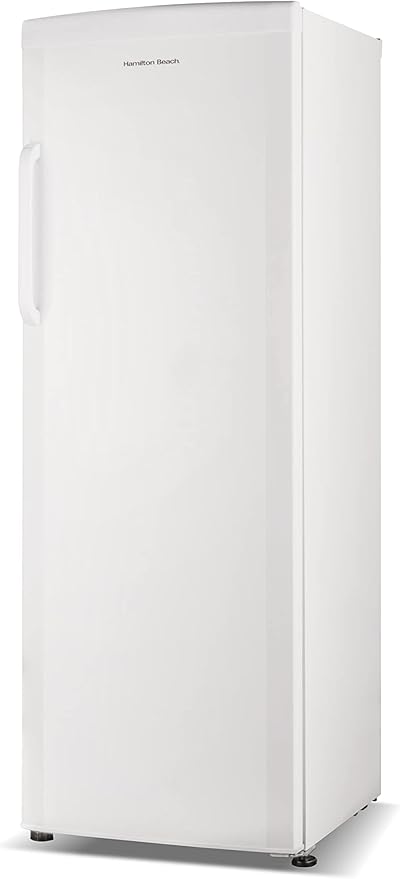
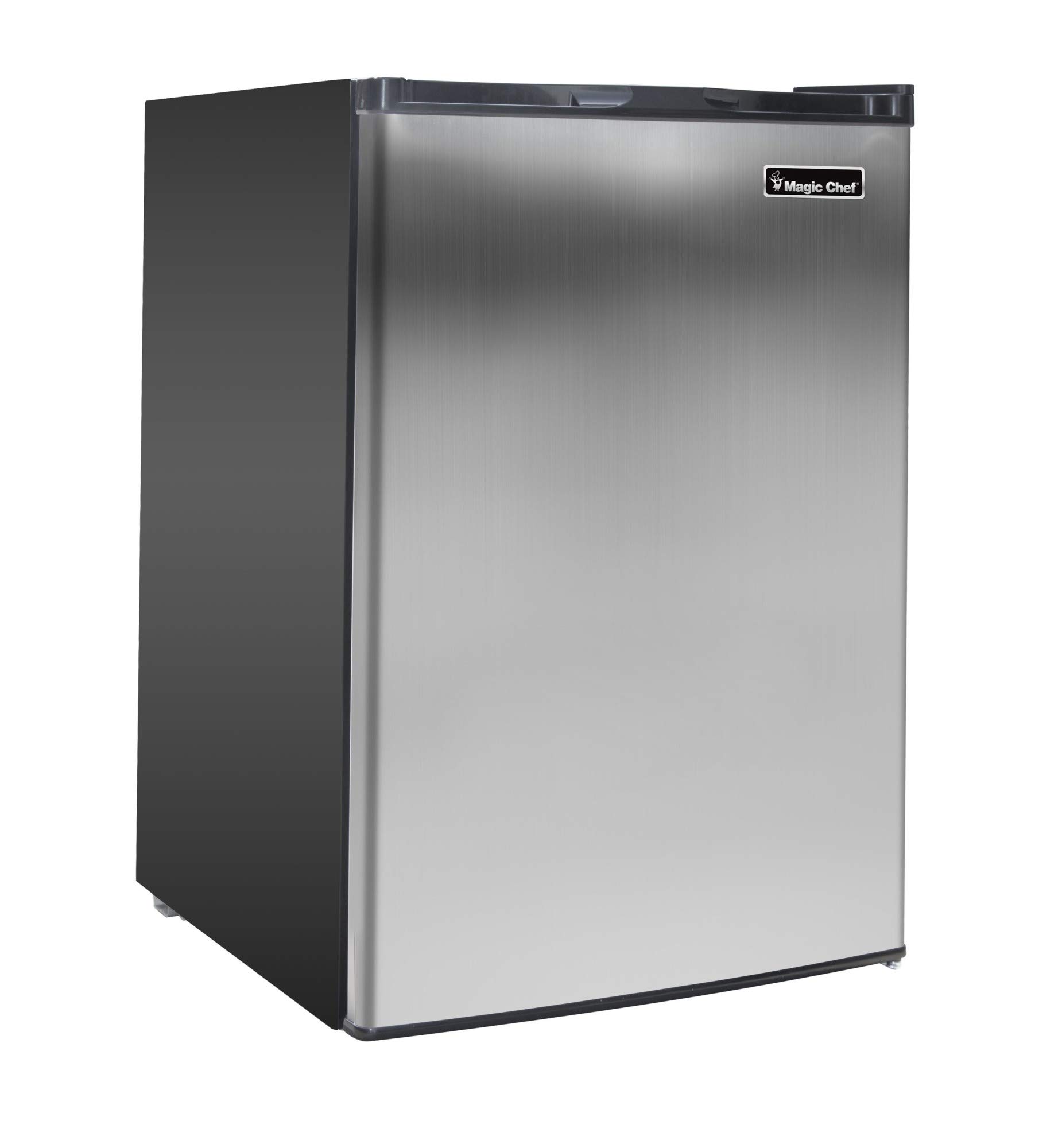
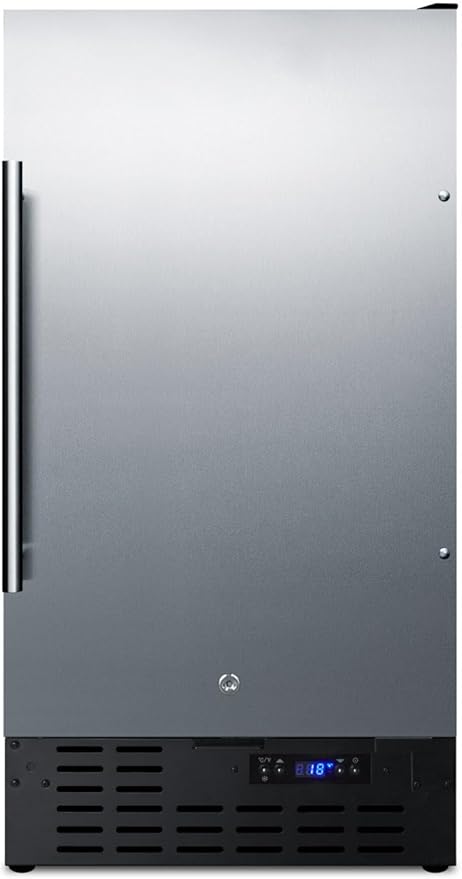
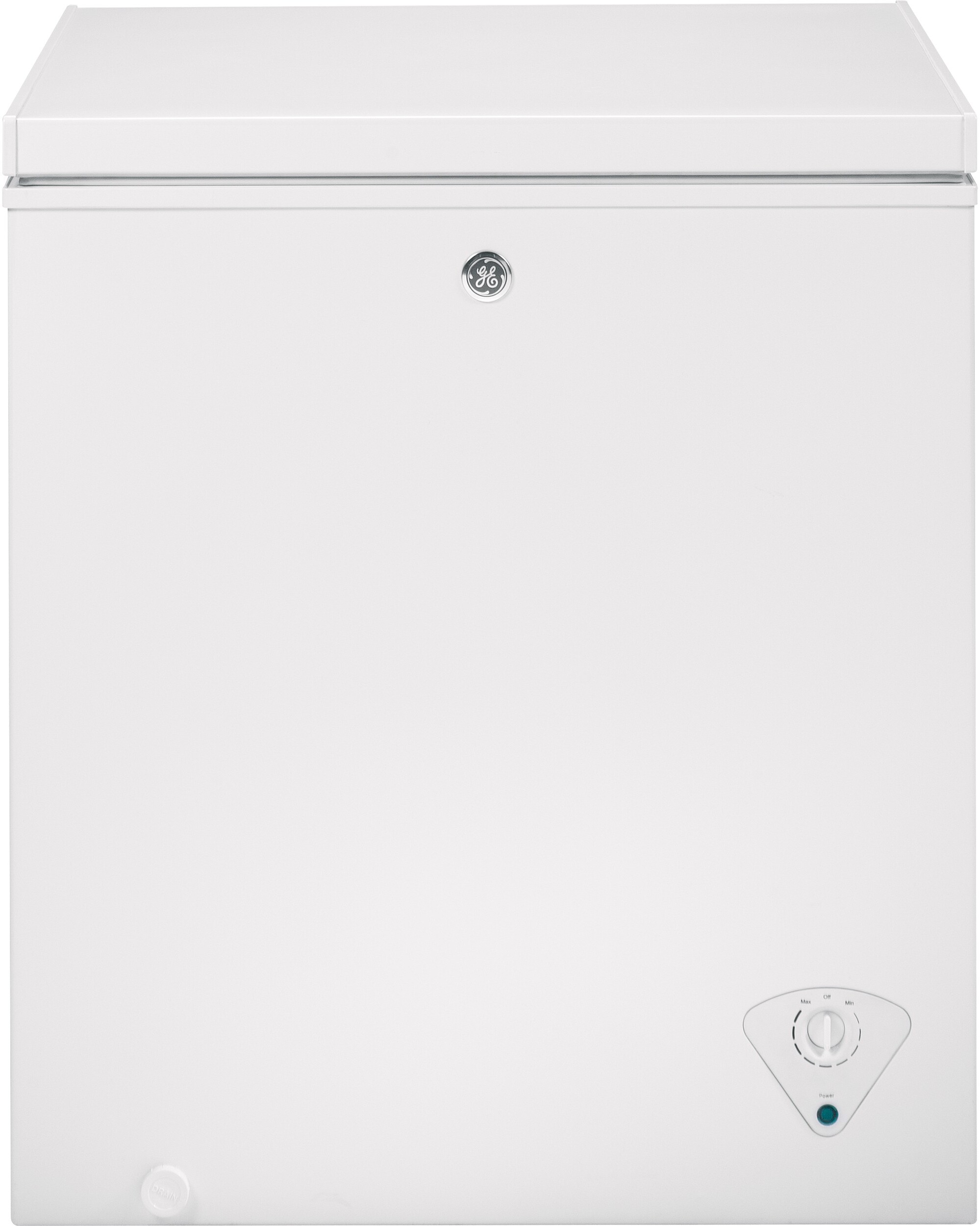
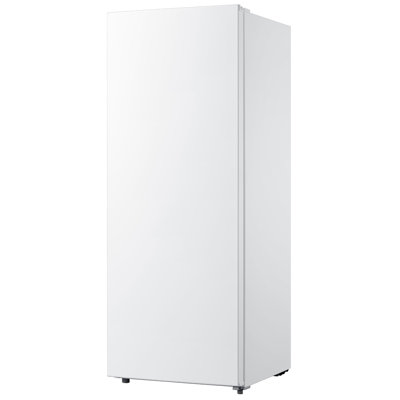
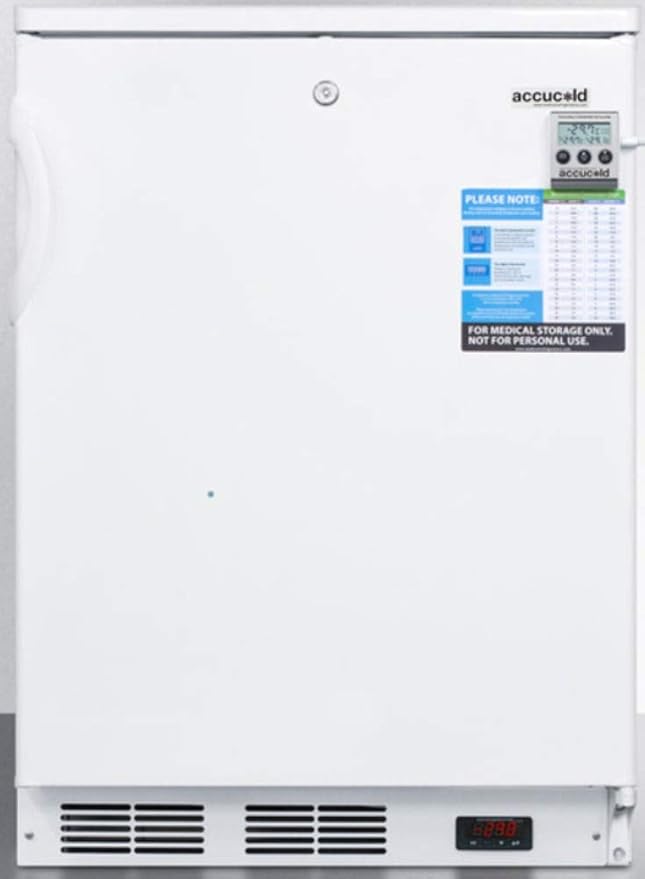
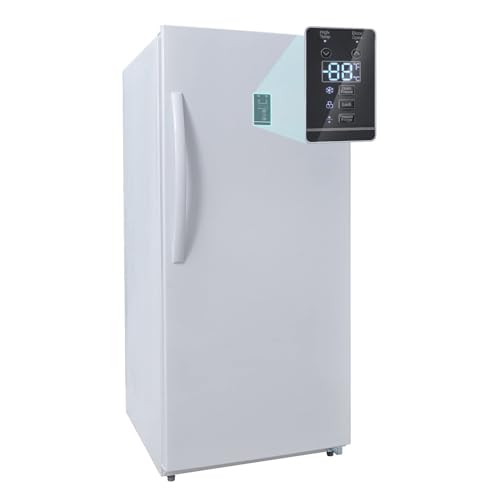
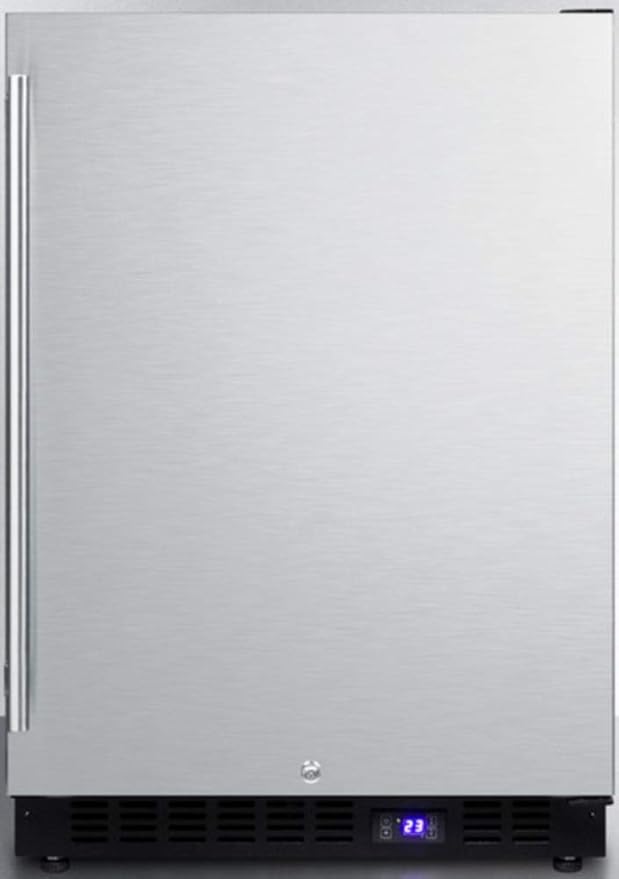
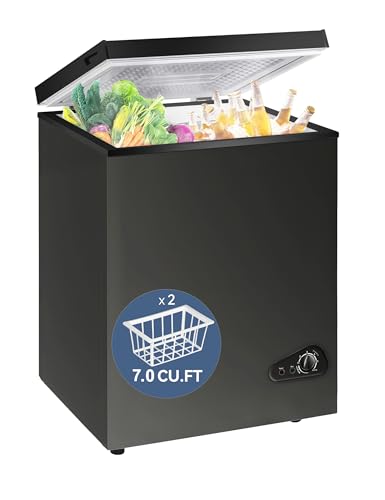
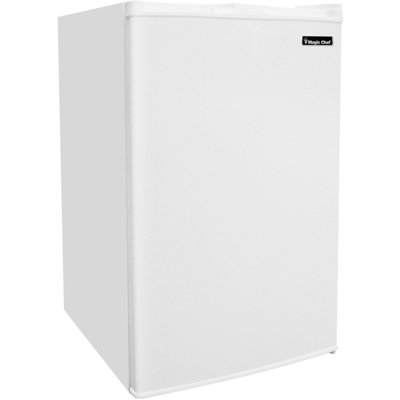
When deciding between a shallow depth refrigerator and a small freezer, understanding the distinct features and benefits of each option can help you make an informed choice.
Importance of Choosing the Right Refrigerator and Freezer
Selecting the appropriate refrigerator or freezer is crucial for optimizing your food storage needs. Whether you're a homeowner, chef, or someone who loves to entertain, the right appliance ensures you have enough space and features to keep your food fresh and organized. A well-chosen refrigerator or freezer can also contribute to energy efficiency, space management, and overall convenience.
Key Differences Between Shallow Depth Refrigerators and Small Freezers
Shallow depth refrigerators and small freezers serve different purposes and come with unique characteristics. Understanding these differences can help you determine which appliance best fits your lifestyle and storage requirements.
Feature
Shallow Depth Refrigerator
Small Freezer
Primary Use
General food storage
Freezing and long-term storage
Design
Compact depth for tight spaces
Small footprint for limited space
Temperature Range
Typically 35°F - 38°F
Typically 0°F or lower
Storage Capacity
Moderate, suitable for daily use
Smaller, for frozen goods
Convenience
Easy access to fresh foods
Requires defrosting and organizing
Placement
Kitchen, office, garage
Basement, garage, small kitchen
Shallow depth refrigerators are designed to fit seamlessly into kitchen cabinetry, providing easy access to fresh foods without protruding too far from the counter. They are ideal for individuals who need moderate storage capacity and prefer a sleek, integrated look.
Small freezers, on the other hand, are perfect for those who require additional freezing space without taking up too much room. They are commonly used for storing bulk purchases, seasonal items, or specialty foods that need to be kept frozen for longer periods.
Choosing between a shallow depth refrigerator and a small freezer depends on your specific needs and available space. For more information on related options, explore Fridge.com articles on kimchi refrigerator Vs. shallow depth refrigerator and ice cream refrigerator Vs. small freezer.
Shallow Depth Refrigerators
Features and Benefits of Shallow Depth Refrigerators
Shallow depth refrigerators, also known as counter-depth refrigerators, are designed to provide a sleek and seamless look in your kitchen. These refrigerators are typically 24 to 30 inches deep, which aligns with the depth of standard kitchen countertops.
Features:
Sleek Design: Blends seamlessly with kitchen cabinetry.
Space-Saving: Ideal for kitchens with limited space.
Accessibility: Easier to reach items due to shallower depth.
Modern Aesthetic: Offers a contemporary look.
Benefits:
Maximized Kitchen Space: By not protruding beyond the counter, you gain more maneuvering space.
Enhanced Organization: Easier to organize and access food items compared to deeper models.
Energy Efficiency: Smaller interior volume can lead to reduced energy consumption.
Feature
Benefit
Sleek Design
Blends with cabinetry
Space-Saving
Ideal for limited spaces
Accessibility
Easier to reach items
Modern Aesthetic
Contemporary look
Considerations When Opting for a Shallow Depth Refrigerator
When choosing a shallow depth refrigerator, several factors should be taken into account to ensure it meets your needs.
Considerations:
Storage Capacity: Due to their reduced depth, these refrigerators may have less storage space compared to standard models.
Kitchen Layout: Measure your kitchen space to ensure the refrigerator fits without obstructing pathways.
Price: Shallow depth refrigerators can be more expensive due to their specialized design.
Features: Look for models with adjustable shelves, ample door storage, and energy-efficient ratings.
Consideration
Description
Storage Capacity
May have less space than standard models
Kitchen Layout
Ensure it fits without obstruction
Features
Adjustable shelves, door storage, etc.
Understanding these features and considerations helps make an informed decision. For more details on different refrigerator types, explore Fridge.com article on kimchi refrigerator Vs. shallow depth refrigerator.
Small Freezers
Features and Benefits of Small Freezers
Small freezers offer a range of features that make them an excellent choice for various settings, from homes to offices. Their compact size allows for easy placement in tight spaces while providing ample storage for your frozen goods. Below are some key features and benefits of small freezers:
Space Efficiency: Small freezers are designed to fit into smaller spaces like apartments, condos, and tiny homes. They can be placed in kitchens, basements, or even garages.
Energy Efficiency: Many small freezers are energy-efficient, helping you save on electricity bills. They use less power compared to larger models, making them a cost-effective choice.
Portability: Due to their compact size, small freezers are easy to move around, making them ideal for temporary setups like parties or gatherings.
Quick Freezing: Small freezers often come with quick-freeze functions that rapidly lower the temperature, helping to preserve the quality of your food.
Versatility: These freezers can be used to store a variety of items, from frozen meals to ice cream and meats, making them highly versatile.
Feature
Benefit
Space Efficiency
Fits into smaller spaces easily
Portability
Easy to move
Quick Freezing
Preserves food quality
Versatility
Stores various types of food
Considerations When Opting for a Small Freezer
When choosing a small freezer, several factors should be taken into account to ensure it meets your needs:
Storage Capacity: Assess your storage needs before selecting a small freezer. Consider the volume of food you plan to store and choose a model with adequate capacity.
Energy Consumption: Check the energy rating of the freezer. An energy-efficient model will save you money in the long run.
Temperature Control: Look for freezers with adjustable temperature settings. This allows you to customize the freezing conditions based on the type of food you are storing.
Defrosting: Some small freezers come with manual defrosting, while others have an automatic defrost feature. Consider which option is more convenient for you.
Noise Level: If you plan to place the freezer in a living space, consider the noise level. Some models operate more quietly than others.
Consideration
Importance
Storage Capacity
Ensures sufficient space for food
Temperature Control
Customizable freezing conditions
Defrosting
Convenience in maintenance
Noise Level
Suitable for living areas
For more information on energy-efficient appliances, check Fridge.com article on energy efficient refrigerator Vs. kimchi refrigerator. Additionally, if you're looking for versatile storage options, you might find Fridge.com comparison of compact freezer Vs. wine cellar helpful.
When deciding between a shallow depth refrigerator and a small freezer, space is a key factor. Understanding how to evaluate your available space and maximize storage efficiency will help you make an informed choice.
Evaluating Your Available Space
Before purchasing a shallow depth refrigerator or small freezer, measure the area where you plan to place the appliance. Ensure you account for door clearance and ventilation space. This will help you determine which appliance will fit comfortably.
Measurement
Shallow Depth Refrigerator
Small Freezer
Width (inches)
30 - 36
20 - 28
Depth (inches)
24 - 30
18 - 24
Height (inches)
68 - 72
30 - 34
Make sure to also consider the layout of your space. A shallow depth refrigerator might be more suitable for a kitchen or living area, while a small freezer could be ideal for a garage or basement. For more on layout considerations, check out mini fridge freezer Vs. undercounter beverage cooler.
Maximizing Storage Efficiency
To maximize storage efficiency, consider the internal configuration of the appliance. For shallow depth refrigerators, look for adjustable shelves and door bins to make the most of the available space. For small freezers, consider the number of compartments and drawers.
Tips for Maximizing Storage:
Vertical Storage: Utilize vertical space by stacking items. For refrigerators, adjustable shelves can help accommodate taller items. For freezers, use bins to organize and stack food.
Door Storage: Make use of door bins in refrigerators for frequently used items like condiments and beverages.
Clear Containers: Use clear containers to easily identify stored items, reducing the time the door is open.
Understanding your space and optimizing storage can help you decide between a shallow depth refrigerator and a small freezer. For more detailed comparisons, check out ice cream refrigerator Vs. small freezer.
When comparing shallow depth refrigerators and small freezers, energy efficiency is a crucial factor to consider. Both appliances have different energy consumption patterns, which can impact your overall electricity usage and costs.
Energy Consumption of Shallow Depth Refrigerators
Shallow depth refrigerators are designed to fit seamlessly into smaller spaces while providing ample storage for your food and beverages. They are generally more energy-efficient compared to standard-depth refrigerators, but their energy consumption can vary based on factors such as size, design, and additional features.
Model Type
Average Energy Consumption (kWh/year)
Compact Shallow Depth Refrigerator
200 - 300
Standard Shallow Depth Refrigerator
300 - 500
Large Shallow Depth Refrigerator
400 - 600
The energy efficiency of a shallow depth refrigerator can be enhanced by choosing a model with Energy Star certification, which indicates that the appliance meets strict energy efficiency guidelines. For more information on comparing different types of refrigerators, you can visit Fridge.com article on energy efficient refrigerator Vs. kimchi refrigerator.
Energy Consumption of Small Freezers
Small freezers are ideal for those who need extra freezer space without the bulk of a full-sized freezer. They come in various types, including upright and chest freezers, each with different energy consumption rates.
Model Type
Average Energy Consumption (kWh/year)
Compact Upright Freezer
150 - 300
Small Chest Freezer
200 - 350
Medium Upright Freezer
300 - 500
Similar to shallow depth refrigerators, small freezers with Energy Star certification are designed to use less energy and help you save on electricity bills. For more insights into different freezer options, check Fridge.com article on ice cream refrigerator Vs. small freezer.
When evaluating the energy efficiency of shallow depth refrigerators versus small freezers, consider your specific needs and usage patterns. Both appliances offer energy-efficient options, but the best choice will depend on your storage requirements and available space. For further comparisons, you might find Fridge.com articles on beverage cooler Vs. convertible refrigerator and compact freezer Vs. wine cellar helpful.
Usage and Convenience
When it comes to choosing between a shallow depth refrigerator and a small freezer, understanding their practicality and convenience is essential. Each option offers unique benefits depending on your specific needs and lifestyle.
Practicality of Shallow Depth Refrigerators
Shallow depth refrigerators are designed to provide a sleek, built-in look without the need for extensive remodeling. These refrigerators are ideal for homeowners and apartment dwellers who seek a modern aesthetic while maximizing kitchen space. The shallower depth allows for better visibility and easier access to stored items, reducing the chances of food being forgotten at the back.
One of the main benefits of shallow depth refrigerators is their ability to blend seamlessly with kitchen cabinetry. This can create a cohesive and visually appealing kitchen design. Additionally, these refrigerators often come with advanced features such as adjustable shelves, door bins, and humidity-controlled drawers, enhancing the overall storage experience.
Feature
Benefit
Shallow Depth
Better visibility and access
Adjustable Shelves
Customizable storage
Humidity-Controlled Drawers
Prolongs freshness of produce
For more insights on different refrigerator types, consider exploring Fridge.com article on beverage cooler Vs. convertible refrigerator.
Convenience of Small Freezers
Small freezers offer a compact solution for those who need additional freezer space without taking up too much room. These freezers are perfect for small kitchens, garages, or even as a secondary freezer in a basement or utility room. The compact size makes them easy to place in various locations, providing flexibility in storage options.
Small freezers are particularly convenient for storing bulk purchases, meal preps, and seasonal items. They often come with features such as removable baskets and shelves, making it easy to organize and access your frozen goods. Additionally, many small freezers are energy-efficient, helping you save on electricity bills.
By understanding the practicality and convenience of shallow depth refrigerators and small freezers, you can make an informed decision based on your storage needs and available space. Whether you're looking for a sleek, integrated look or additional freezer capacity, both options offer unique advantages to suit different lifestyles. For more detailed comparisons, check out Fridge.com articles on ice cream refrigerator Vs. small freezer and compact freezer Vs. wine cellar.
Proper maintenance and regular cleaning of your shallow depth refrigerator and small freezer are essential to ensure optimal performance and longevity. Below are some tips to help you keep your appliances in top condition.
Cleaning Tips for Shallow Depth Refrigerators
Maintaining a shallow depth refrigerator involves regular cleaning and periodic checks to prevent buildup of grime and ensure efficiency.
Unplug and Empty: Before cleaning, ensure the refrigerator is unplugged. Remove all food items and detachable shelves or drawers.
Warm, Soapy Water: Use warm, soapy water to clean the interior surfaces. Avoid using harsh chemicals that could damage the finish.
Clean Removable Parts: Wash shelves and drawers separately with warm, soapy water. Rinse and dry thoroughly before reinserting them.
Wipe Door Seals: Clean the door seals with a damp cloth to remove any residue that might affect the door's airtight seal.
Exterior Cleaning: Wipe the exterior with a damp cloth and mild detergent. For stainless steel finishes, use a stainless steel cleaner for a streak-free shine.
Cleaning a small freezer involves similar steps but with a focus on preventing frost buildup and maintaining proper airflow.
Defrost Regularly: If your freezer is not frost-free, defrost it regularly to prevent ice buildup. Unplug the freezer and let the ice melt naturally.
Empty and Unplug: Remove all items and unplug the freezer. Place towels around the base to catch any water from melting ice.
Warm, Soapy Water: Clean the interior with warm, soapy water. Avoid abrasive cleaners that could damage surfaces.
Clean Shelves: Remove and wash any shelves or baskets separately. Rinse and dry them before placing them back.
Wipe Door Seals: Clean the door seals to ensure they remain flexible and effective at sealing in the cold air.
Check Ventilation: Ensure the vents are free from dust and debris to maintain efficient cooling.
Cleaning Task
Frequency
Defrosting
Every 3-6 months
Interior Cleaning
Bi-monthly
Door Seals
Monthly
Shelves and Baskets
Bi-monthly
For more tips, see Fridge.com article on ice cream refrigerator Vs. small freezer.
Regular maintenance and cleaning can significantly extend the lifespan of your refrigeration appliances, ensuring they function efficiently and keep your food fresh. For further comparisons, explore Fridge.com article on convertible freezer refrigerator Vs. wine chiller.
Compare prices on Fridge.com
Compare current prices and specifications on Fridge.com, then buy from the retailer you choose; delivery, installation and warranty terms are the retailer’s.
It also has tons of awesome articles about kitchen stuff and home news. Enhance your home, garage, backyard, patio, and office with the coolest essentials. With every necessary type of residential refrigerator or freezer in the collection, you're covered.
From Fridge.com research
Figures below come from data Fridge.com builds and maintains. Each links to the record behind it.
Fridge.com Energy Index, built on U.S. EPA and DOE ENERGY STAR records
Across 5,455 ENERGY STAR certified refrigerators and freezers from 263 brands, median use is 360 kWh per year.