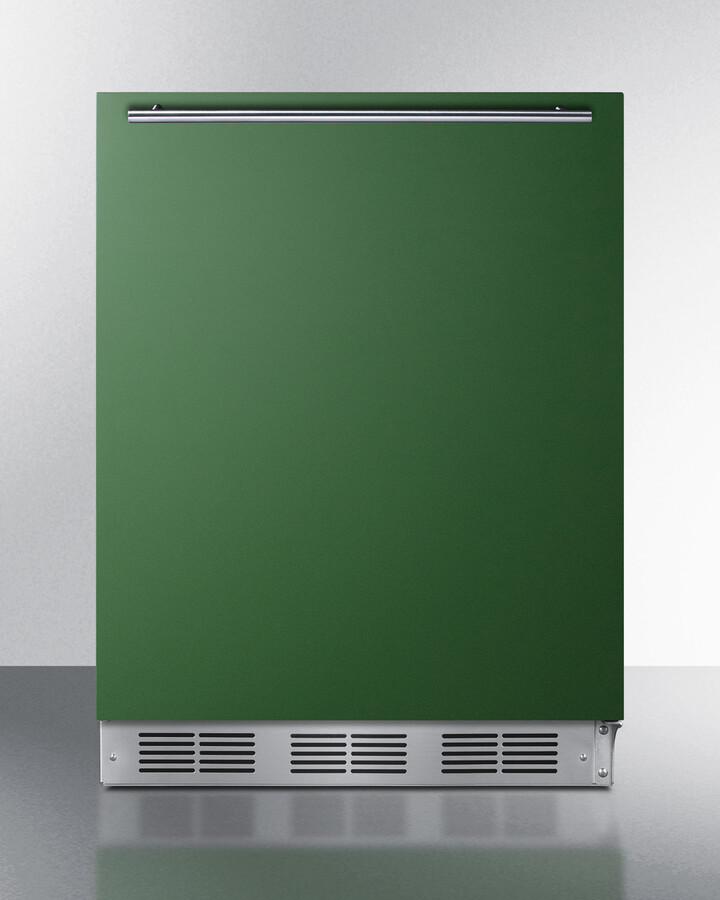
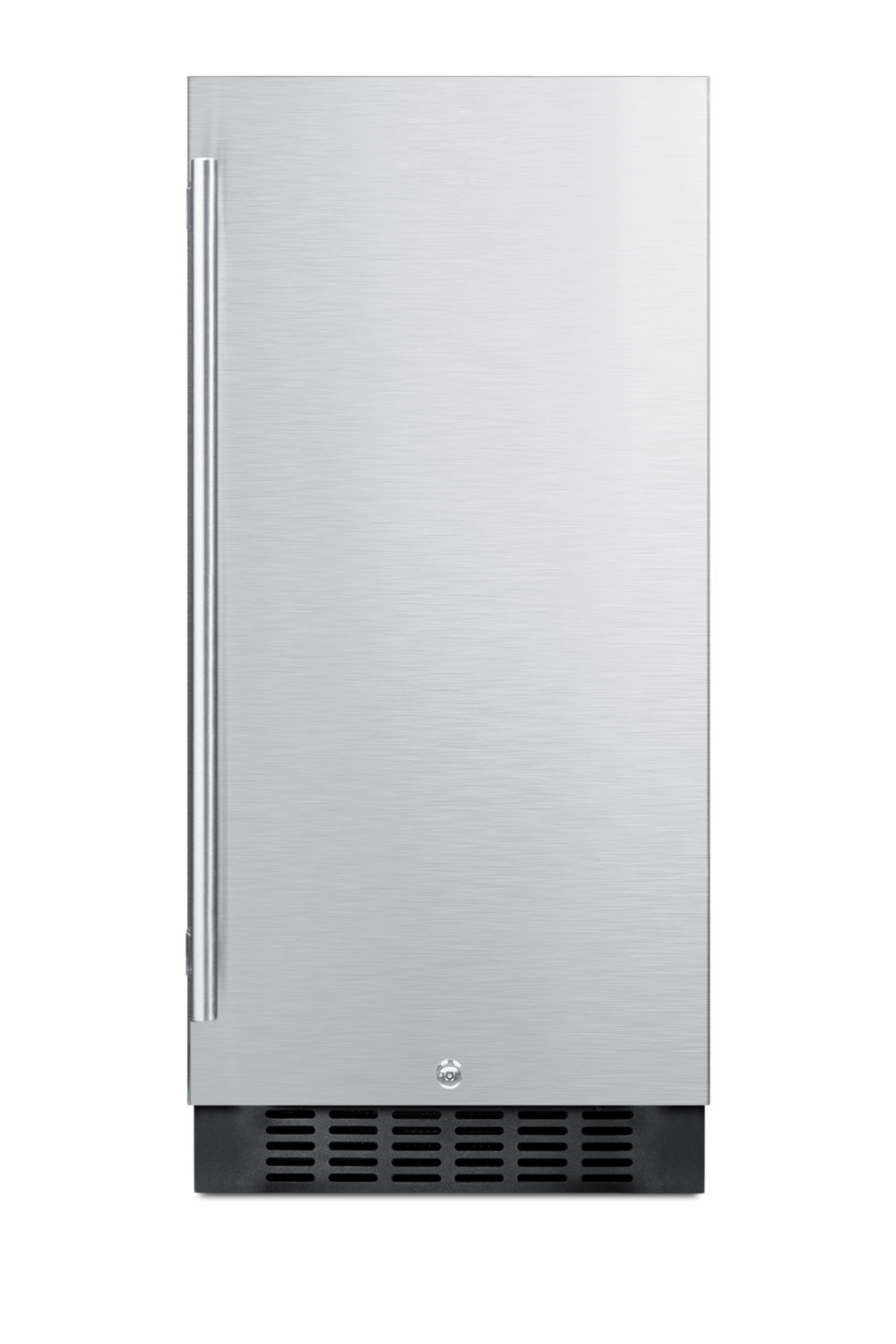
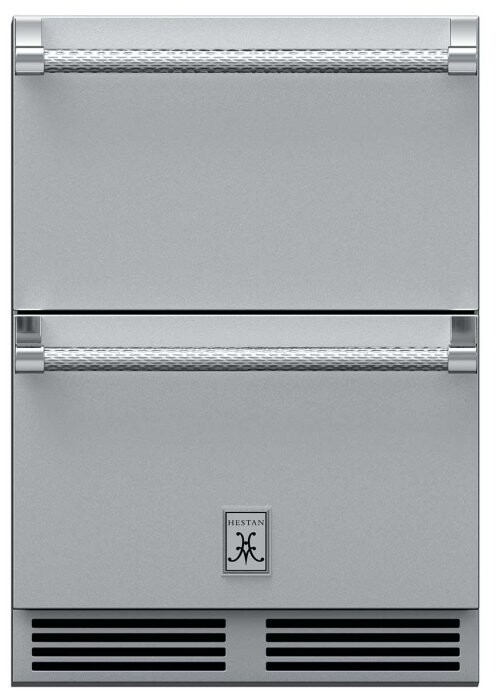
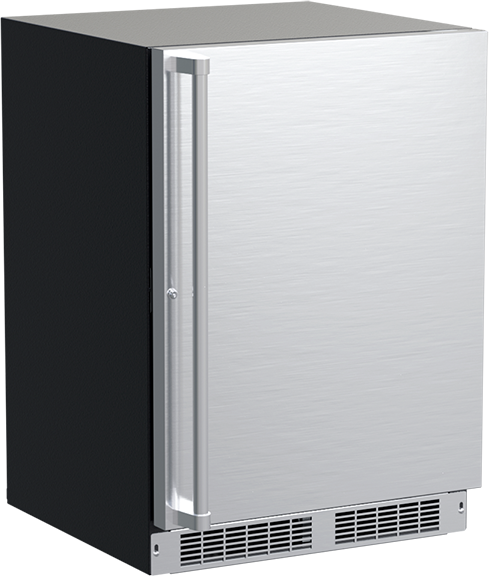
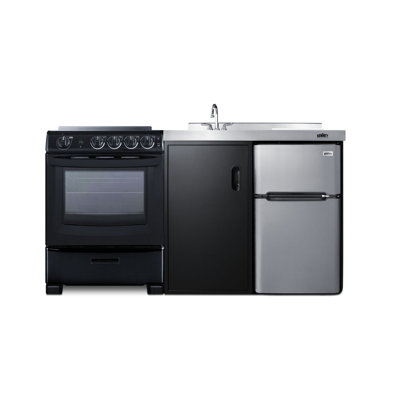
Mini Fridge Freezer Vs. Undercounter Beverage Cooler
When deciding between a mini fridge freezer and an undercounter beverage cooler, understanding your cooling needs and considering various factors is essential.
Understanding Your Cooling Needs
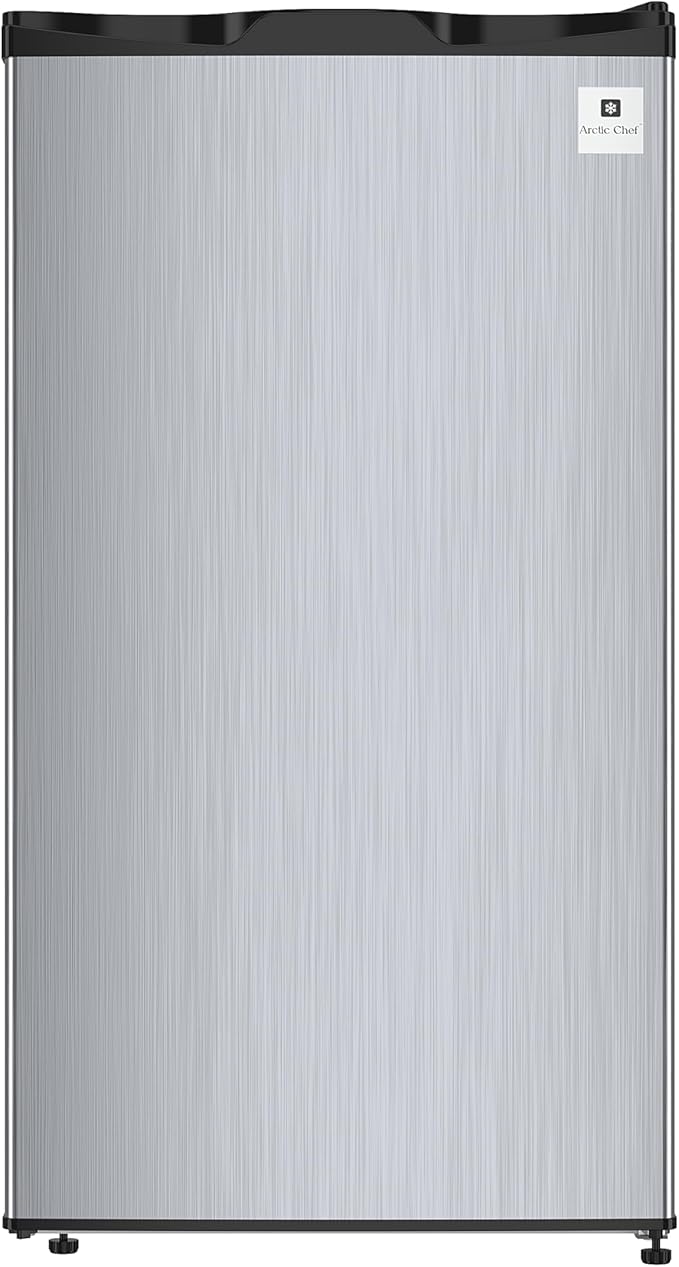
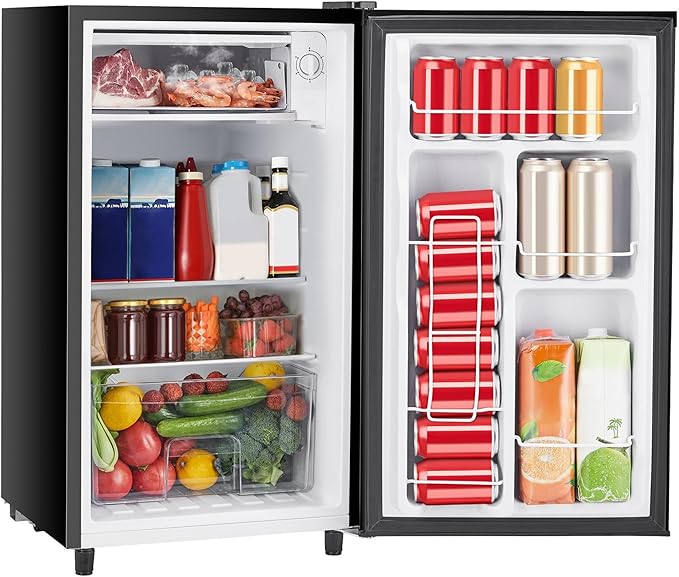
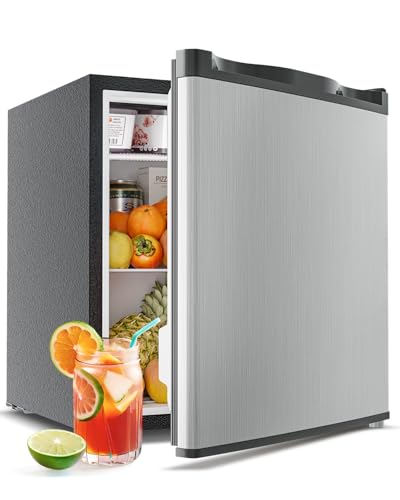
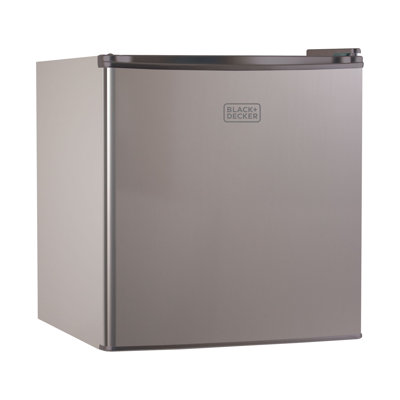
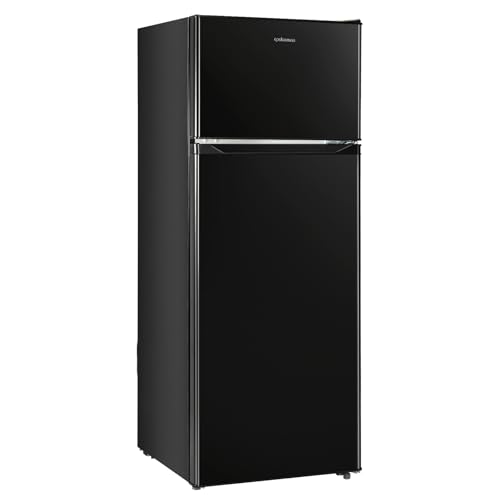
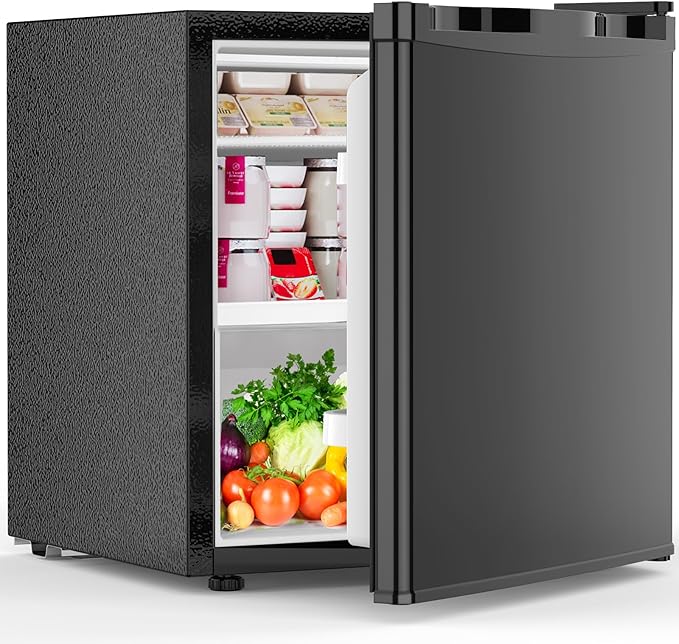
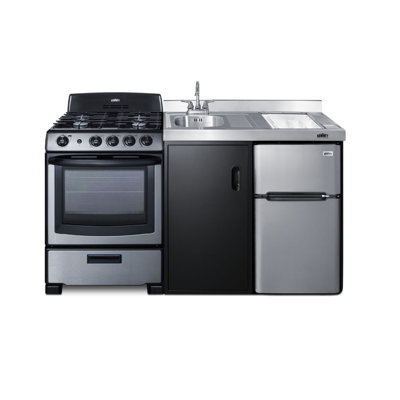
Your cooling needs will largely determine whether a mini fridge freezer or an undercounter beverage cooler is the right choice for you. A mini fridge freezer combines refrigeration and freezing capabilities in a compact unit, making it versatile for storing both food and beverages. This option is ideal for those who need a small, multifunctional appliance in spaces like dorm rooms, offices, or bedrooms.
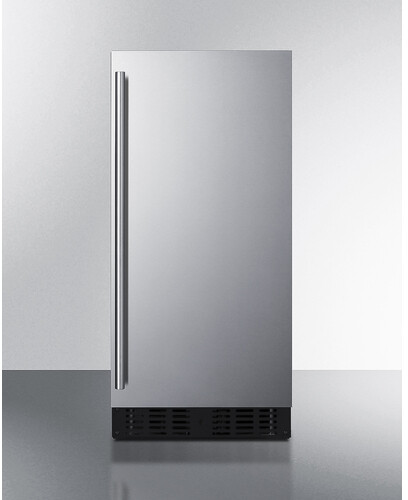
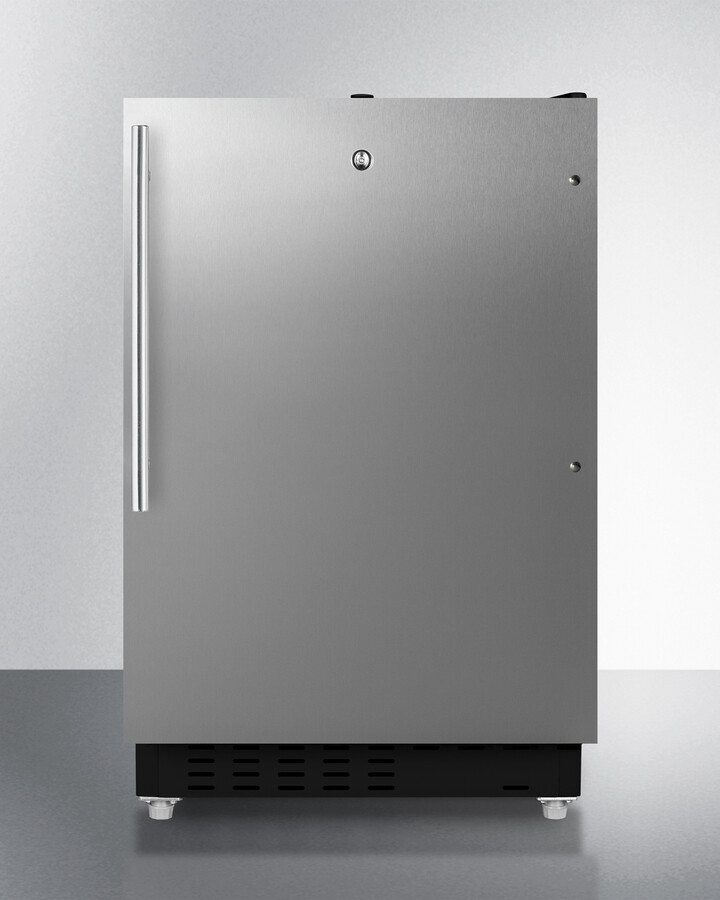
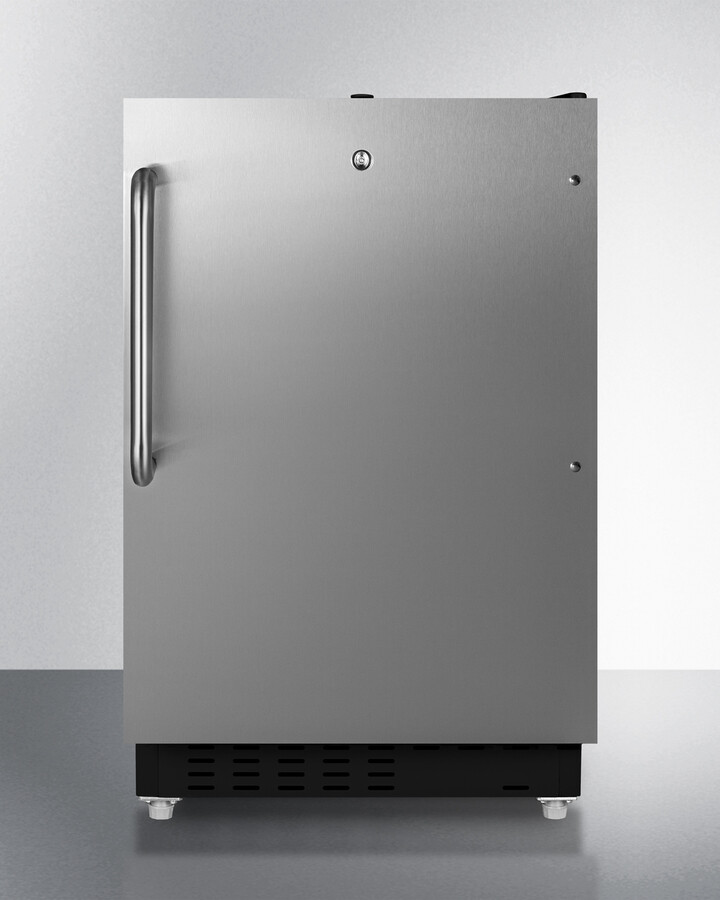
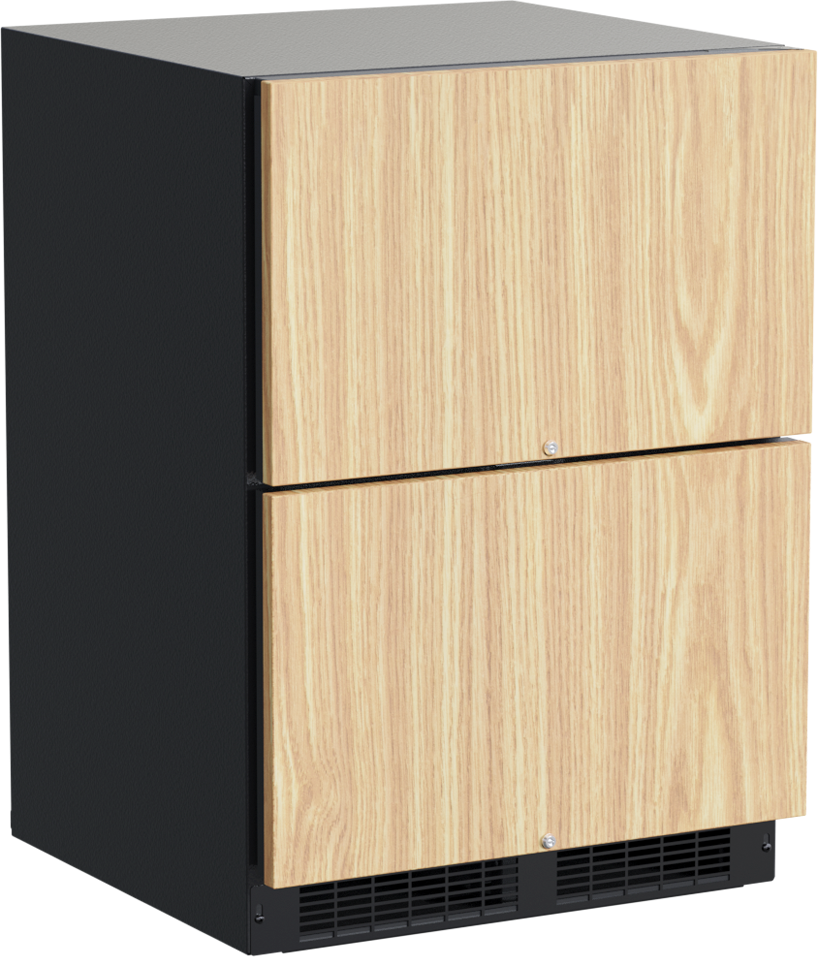
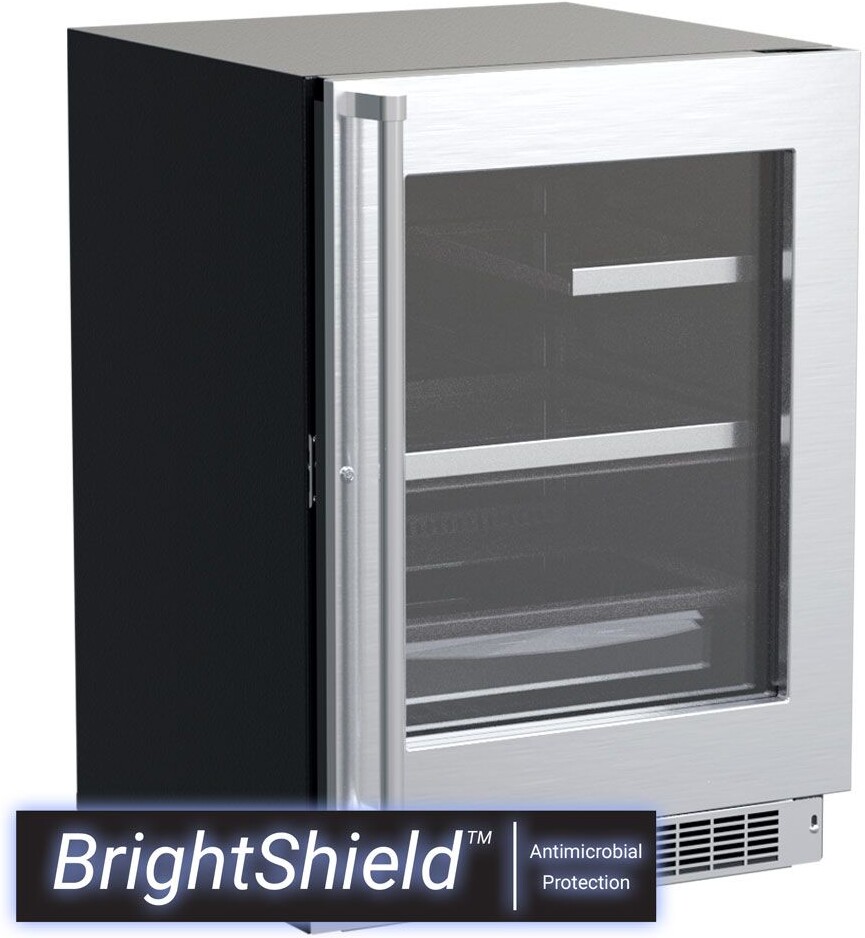
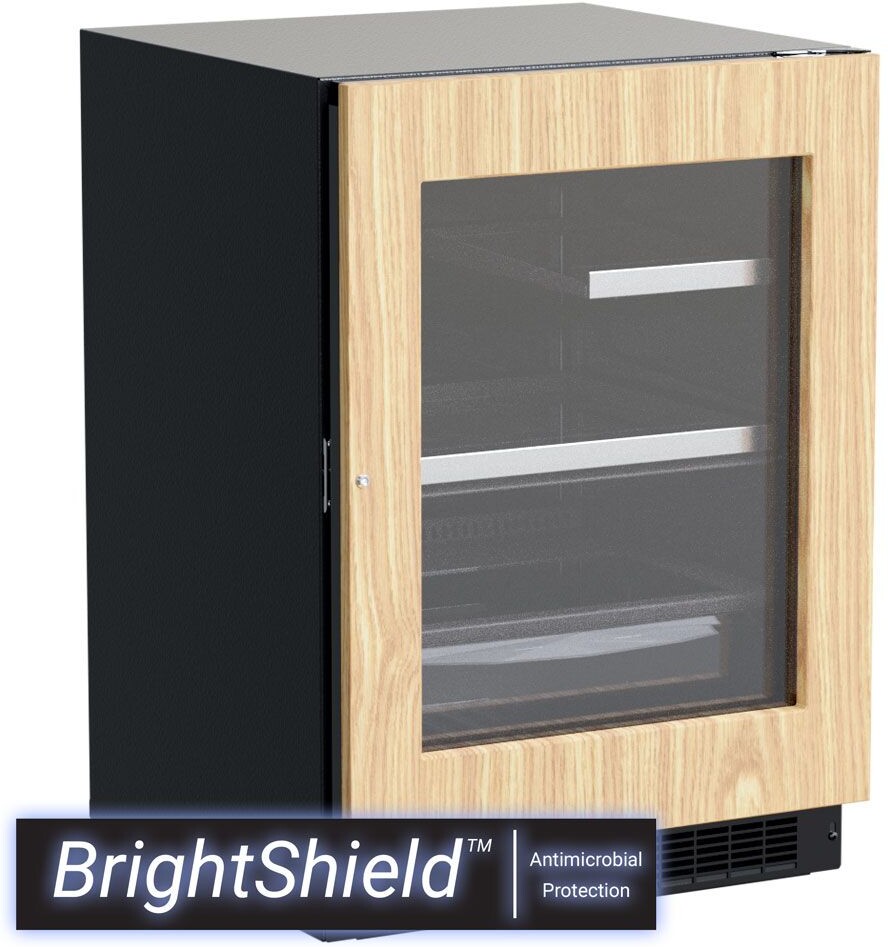
In contrast, an undercounter beverage cooler is specifically designed for chilling beverages. It fits seamlessly under countertops and is perfect for those who entertain frequently or need a dedicated space for drinks in kitchens, bars, or outdoor areas. Unlike a mini fridge freezer, it does not have a freezer compartment.
Feature
Mini Fridge Freezer
Undercounter Beverage Cooler
Primary Use
Food and Beverage Storage
Beverage Storage
Freezer Compartment
Yes
No
Placement
Flexible
Under Countertop
Ideal For
Dorms, Offices, Bedrooms
Kitchens, Bars, Outdoor Areas
Factors to Consider Before Choosing
Before making a decision, consider the following factors to determine which appliance best suits your lifestyle and requirements:
Space and Placement: Evaluate the available space and where you plan to place the unit. A mini fridge freezer offers more flexibility in placement, while an undercounter beverage cooler is designed to fit under countertops, saving floor space.
Storage Needs: Determine what you need to store. If you require both refrigeration and freezing capabilities, a mini fridge freezer is the better option. For beverage-only storage, an undercounter beverage cooler is more efficient.
Energy Efficiency: Consider the energy consumption of each appliance. Generally, mini fridge freezers may consume more energy due to their dual functionality, whereas undercounter beverage coolers may be more energy-efficient for beverage storage. For more information on energy-efficient appliances, visit Fridge.com article on energy efficient refrigerator Vs. kimchi refrigerator.
Design and Aesthetics: Both units come in various designs and finishes. Choose one that complements your interior decor. If aesthetics are a priority, an undercounter beverage cooler can offer a sleek, built-in look.
Temperature Control: Look for units with adjustable temperature settings to ensure optimal cooling. A mini fridge freezer typically has separate controls for the fridge and freezer sections, while an undercounter beverage cooler may offer more precise temperature control for beverages. For more insights, read Fridge.com article on temperature control and energy efficiency.
Maintenance and Cleaning: Consider the ease of cleaning and maintenance. Both appliances require regular cleaning, but their maintenance needs may differ. For detailed tips, refer to Fridge.com article on maintenance and cleaning.
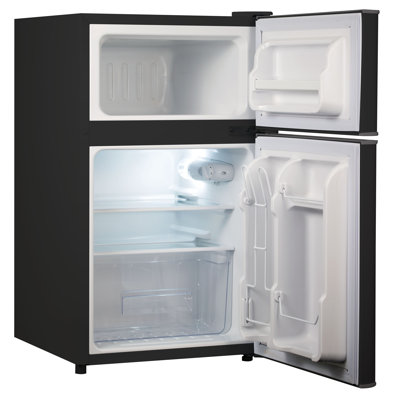
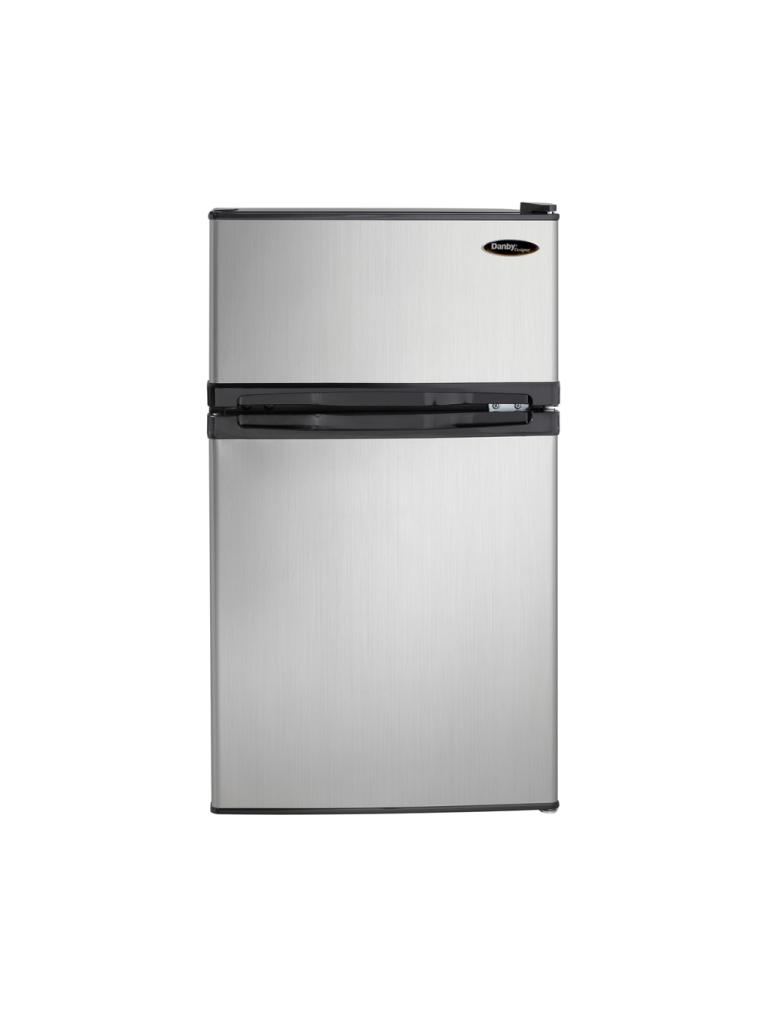
A mini fridge freezer is a compact appliance designed to fit in small spaces such as dorm rooms, offices, or apartments. It combines both refrigeration and freezing capabilities, offering a versatile solution for storing various food items and beverages. These units typically come with adjustable shelves, door storage, and a separate freezer compartment.
Feature
Description
Size
Compact, suitable for small spaces
Storage
Adjustable shelves and door storage
Freezer Compartment
Separate section for freezing items
Temperature Control
Adjustable thermostat for both fridge and freezer
Pros of Mini Fridge Freezers
Space-saving: Ideal for small living spaces, mini fridge freezers can fit in places where a full-sized fridge cannot.
Versatile Storage: With both refrigeration and freezing capabilities, you can store a wide range of items, from beverages to frozen foods.
Cost-effective: Generally more affordable than full-sized refrigerators, making them a budget-friendly option.
Portable: Easy to move, they can be relocated with minimal effort, perfect for transient living situations.
Energy Efficient: Consumes less power compared to larger refrigerators, reducing energy bills.
Cons of Mini Fridge Freezers
Limited Capacity: The compact size means less storage space, which may not be suitable for larger families or bulk storage needs.
Temperature Fluctuations: Smaller units may experience more significant temperature fluctuations, affecting the shelf life of stored items.
Freezer Space: The freezer compartment is usually small, limiting the amount of frozen food you can store.
Noise Levels: Some mini fridge freezers can be noisier than their larger counterparts, which could be disruptive in quiet environments.
Durability: May not be as long-lasting or durable as full-sized refrigerators, requiring more frequent replacements or repairs.
Undercounter beverage coolers are an excellent option for those who want to keep their drinks chilled and readily accessible in a sleek, space-efficient manner. They are designed to fit seamlessly under countertops, providing a dedicated space for beverages without taking up too much room.
Features and Functionality
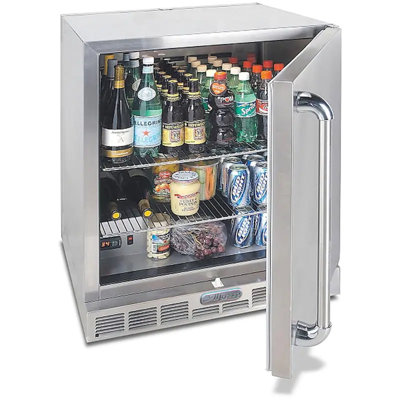
Undercounter beverage coolers come with various features that enhance their functionality. These coolers typically have adjustable shelves, allowing you to customize the interior storage to fit different sizes of bottles and cans. Many models also feature glass doors, which offer a clear view of the contents without opening the door, helping to maintain the internal temperature.
Temperature control is another crucial feature. Most undercounter beverage coolers come with digital temperature controls, enabling you to set the perfect cooling environment for your drinks. Some models even offer dual-zone cooling, allowing you to store different types of beverages at their optimal temperatures.
Feature
Description
Shelves
Adjustable, customizable
Doors
Glass, clear view
Temperature Control
Digital, precise settings
Dual-Zone Cooling
Separate zones for different beverages
Pros of Undercounter Beverage Coolers
Undercounter beverage coolers offer several advantages that make them a popular choice for beverage storage:
Space-Saving Design: These coolers fit neatly under countertops, making them ideal for kitchens, home bars, and entertainment areas.
Dedicated Beverage Storage: They provide a specific space for beverages, freeing up room in your main refrigerator.
Convenient Access: With beverages stored at a convenient height, you can easily grab a drink without bending or reaching.
Aesthetic Appeal: The sleek design and glass doors add a modern touch to any room, enhancing the overall aesthetic.
For more insights on how undercounter coolers compare to other refrigeration options, explore Fridge.com article on beverage cooler Vs. convertible refrigerator.
Cons of Undercounter Beverage Coolers
While undercounter beverage coolers have many benefits, there are also some drawbacks to consider:
Limited Storage: These coolers are designed specifically for beverages and may not offer enough space for other types of items.
Higher Cost: Undercounter models can be more expensive than traditional mini fridges due to their specialized features and design.
Installation Requirements: Proper installation is crucial, and it may require professional assistance to ensure a perfect fit and optimal performance.
Energy Consumption: Some models may consume more energy compared to other compact refrigeration options, impacting your utility bills.
To understand how energy efficiency varies among different cooling appliances, check out Fridge.com comparison of energy efficient refrigerator Vs. kimchi refrigerator.
By weighing the pros and cons, you can determine if an undercounter beverage cooler is the right choice for your cooling needs. For more information on various cooling solutions, visit Fridge.com articles on kegerator Vs. wine chiller and beverage cooler Vs. bottom freezer refrigerator.
When deciding between a mini fridge freezer and an undercounter beverage cooler, design and placement are key factors. These aspects influence not only the functionality but also the overall aesthetic of your space.
Size and Space Considerations
The size of your cooling appliance will determine where you can place it. A mini fridge freezer is typically compact, making it ideal for small spaces like dorm rooms, offices, or even bedrooms. They are generally portable and can be easily moved if needed.
An undercounter beverage cooler, on the other hand, is designed to fit under kitchen counters or bar areas. This makes them perfect for homeowners looking to maximize space while keeping beverages cool.
Appliance Type
Average Dimensions (WxHxD)
Ideal Placement
Mini Fridge Freezer
18-24 x 30-36 x 20-24 inches
Dorm room, Office, Bedroom
Undercounter Beverage Cooler
15-24 x 34-36 x 23-25 inches
Kitchen, Bar area
Aesthetics and Style
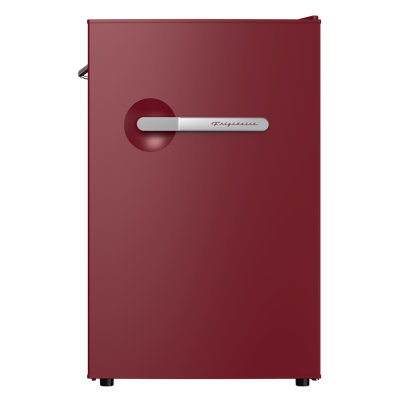
Both mini fridge freezers and undercounter beverage coolers come in a variety of styles and finishes to match your decor. Mini fridge freezers often have a more utilitarian look but are available in various colors and finishes, including stainless steel and retro designs.
Undercounter beverage coolers are usually more sleek and modern, designed to blend seamlessly with kitchen cabinets and countertops. Many models feature glass doors, allowing you to showcase your beverage collection.
Installation requirements differ significantly between the two appliance types. A mini fridge freezer typically requires minimal installation. You can simply plug it in and place it in your desired location.
An undercounter beverage cooler, however, may require more planning. These units often need to be installed by a professional to ensure proper ventilation and fit. It's important to measure your space accurately and consider any additional installation costs.
Appliance Type
Installation Requirements
Mini Fridge Freezer
Plug-and-play
Undercounter Beverage Cooler
Professional installation recommended
Understanding these design and placement considerations can help you make an informed choice between a mini fridge freezer and an undercounter beverage cooler. For further insights into similar appliance comparisons, check out Fridge.com article on convertible refrigerator Vs. freestanding beverage center.
Understanding temperature settings is crucial when deciding between a mini fridge freezer and an undercounter beverage cooler. Mini fridge freezers typically offer a wider range of temperature settings, allowing you to store both frozen and refrigerated items. These units can often reach temperatures as low as 0°F for the freezer compartment and 32°F for the refrigerator compartment.
Appliance Type
Freezer Temperature (°F)
Refrigerator Temperature (°F)
Mini Fridge Freezer
0
32 - 40
Undercounter Beverage Cooler
N/A
34 - 50
Undercounter beverage coolers, on the other hand, are designed specifically for chilling beverages. They generally have fewer temperature settings and do not include a freezer compartment. The temperature range for these coolers is usually between 34°F and 50°F, ideal for keeping drinks at a refreshing temperature.
Energy Consumption
Energy consumption is a key factor to consider when comparing these two appliances. Mini fridge freezers, due to their dual functionality, often consume more energy compared to undercounter beverage coolers. The energy usage is influenced by the frequency of door openings, the ambient temperature, and the specific model's efficiency.
Appliance Type
Average Energy Consumption (kWh/year)
Mini Fridge Freezer
200 - 400
Undercounter Beverage Cooler
100 - 250
Choosing an energy-efficient model can help reduce electricity costs and environmental impact. For more on energy-efficient appliances, check out Fridge.com article on energy efficient refrigerator Vs. kimchi refrigerator.
Environmental Impact
Environmental impact is another important consideration for eco-conscious consumers. Both mini fridge freezers and undercounter beverage coolers contribute to carbon emissions, but their impact varies based on energy consumption and refrigerant type. Mini fridge freezers generally have a larger environmental footprint due to higher energy use and the presence of a freezer compartment.
To minimize environmental impact, look for units with Energy Star certification or other eco-friendly features. Additionally, maintaining your appliance properly can extend its lifespan, reducing the need for frequent replacements and lowering overall environmental impact. For more on maintaining your appliances, visit Fridge.com article on maintenance and cleaning.
By understanding temperature settings, energy consumption, and environmental impact, you can make an informed choice between a mini fridge freezer and an undercounter beverage cooler. Whether you prioritize flexible temperature settings or energy efficiency, selecting the right appliance can enhance your kitchen or entertainment space while aligning with your sustainability goals.
Storage Capacity and Organization
When comparing a mini fridge freezer to an undercounter beverage cooler, it's essential to consider their storage capacity and organization options. The right choice depends on your specific needs, whether you require more space for food storage or a dedicated area for beverages.
Compartments and Shelves
Both mini fridge freezers and undercounter beverage coolers offer various compartments and shelves to help you organize your items effectively. Mini fridge freezers typically come with separate sections for the refrigerator and freezer, allowing you to store both perishable and frozen items. Shelves are often adjustable, providing flexibility in organizing different-sized items.
On the other hand, undercounter beverage coolers are designed primarily for storing drinks. They often feature adjustable racks that can accommodate various bottle sizes and cans. These coolers may also include specialized compartments for wine bottles or other beverages.
Feature
Mini Fridge Freezer
Undercounter Beverage Cooler
Compartments
Refrigerator and Freezer Sections
Beverage Racks
Shelves
Adjustable
Adjustable
Capacity for Food and Beverages
The capacity of a mini fridge freezer is generally measured in cubic feet and can vary significantly based on the model. These appliances are designed to store a variety of food items, from fresh produce to frozen meals, making them a versatile option for small kitchens, dorm rooms, or offices.
Undercounter beverage coolers, however, focus solely on drink storage. Their capacity is usually measured in terms of the number of bottles or cans they can hold. These coolers are ideal for those who entertain frequently or need a dedicated space for beverages.
Type
Capacity (Cubic Feet)
Capacity (Bottles/Cans)
Mini Fridge Freezer
2 - 4
N/A
Undercounter Beverage Cooler
N/A
50 - 150
Organization Options
Organization is key when it comes to maximizing the storage space in your mini fridge freezer or undercounter beverage cooler. Mini fridge freezers often include features like crisper drawers for fruits and vegetables, door bins for smaller items, and adjustable shelves to accommodate larger items.
Undercounter beverage coolers, on the other hand, offer specialized racks and compartments designed specifically for drinks. Some models include features like sliding shelves for easy access and temperature zones for storing different types of beverages at their optimal temperatures.
For more information on optimizing your refrigerator space, check out Fridge.com article on organization tips for refrigerators.
By understanding the differences in storage capacity and organization options between a mini fridge freezer and an undercounter beverage cooler, you can make an informed decision that best suits your needs. Whether you're looking to store a variety of food items or need a dedicated space for beverages, there is an option that will work for you.
Proper maintenance and cleaning are essential for ensuring the longevity and efficiency of your mini fridge freezer or undercounter beverage cooler. This section will guide you through the necessary steps for keeping your cooling appliances in top condition.
Cleaning and Sanitizing Tips
Regular cleaning and sanitizing are crucial to prevent the buildup of mold, bacteria, and unpleasant odors. Here are some tips to help you maintain a clean and hygienic appliance:
Unplug the Appliance: Always unplug your mini fridge freezer or undercounter beverage cooler before cleaning.
Remove All Contents: Take out all items from the appliance, including shelves and drawers.
Use Mild Cleaning Solutions: Clean the interior with a mixture of mild dish soap and warm water. Avoid using harsh chemicals that could damage the surfaces.
Sanitize with Vinegar: For an added layer of cleanliness, wipe down surfaces with a solution of equal parts water and white vinegar.
Dry Thoroughly: Make sure to dry all surfaces completely before plugging the appliance back in and restocking it.
Maintenance Requirements
Maintaining your mini fridge freezer or undercounter beverage cooler involves more than just cleaning. Here are some other key maintenance tasks:
Check the Door Seal: Ensure that the door seal is intact and free from cracks. A damaged seal can lead to inefficient cooling and higher energy consumption.
Defrost Regularly: If your mini fridge freezer is not frost-free, make sure to defrost it regularly to prevent ice buildup.
Clean the Condenser Coils: Dust and debris on the condenser coils can reduce efficiency. Clean them periodically with a vacuum or a brush.
Monitor Temperature Settings: Regularly check and adjust the temperature settings to ensure optimal cooling without overworking the appliance.
Longevity and Durability
The lifespan of your mini fridge freezer or undercounter beverage cooler can be extended by following proper maintenance routines. High-quality appliances, when well-maintained, can last many years, providing reliable service. Here is a table summarizing the average lifespan of these appliances:
Appliance Type
Average Lifespan (Years)
Mini Fridge Freezer
6 - 8
Undercounter Beverage Cooler
8 - 12
By adhering to these maintenance and cleaning tips, you can ensure that your mini fridge freezer or undercounter beverage cooler remains efficient and durable. For more information on how to choose the right cooling appliance, check out Fridge.com articles on beverage cooler Vs. bottom freezer refrigerator and compact freezer Vs. wine cellar.
Compare prices on Fridge.com
Compare current prices and specifications on Fridge.com, then buy from the retailer you choose; delivery, installation and warranty terms are the retailer’s.
It also has tons of awesome articles about kitchen stuff and home news. Enhance your home, garage, backyard, patio, and office with the coolest essentials. With every necessary type of residential refrigerator or freezer in the collection, you're covered.
From Fridge.com research
Figures below come from data Fridge.com builds and maintains. Each links to the record behind it.
Fridge.com Energy Index, built on U.S. EPA and DOE ENERGY STAR records
Across 1,728 ENERGY STAR certified compact refrigerator models, median use is 246 kWh per year — 11% better than the federal standard.