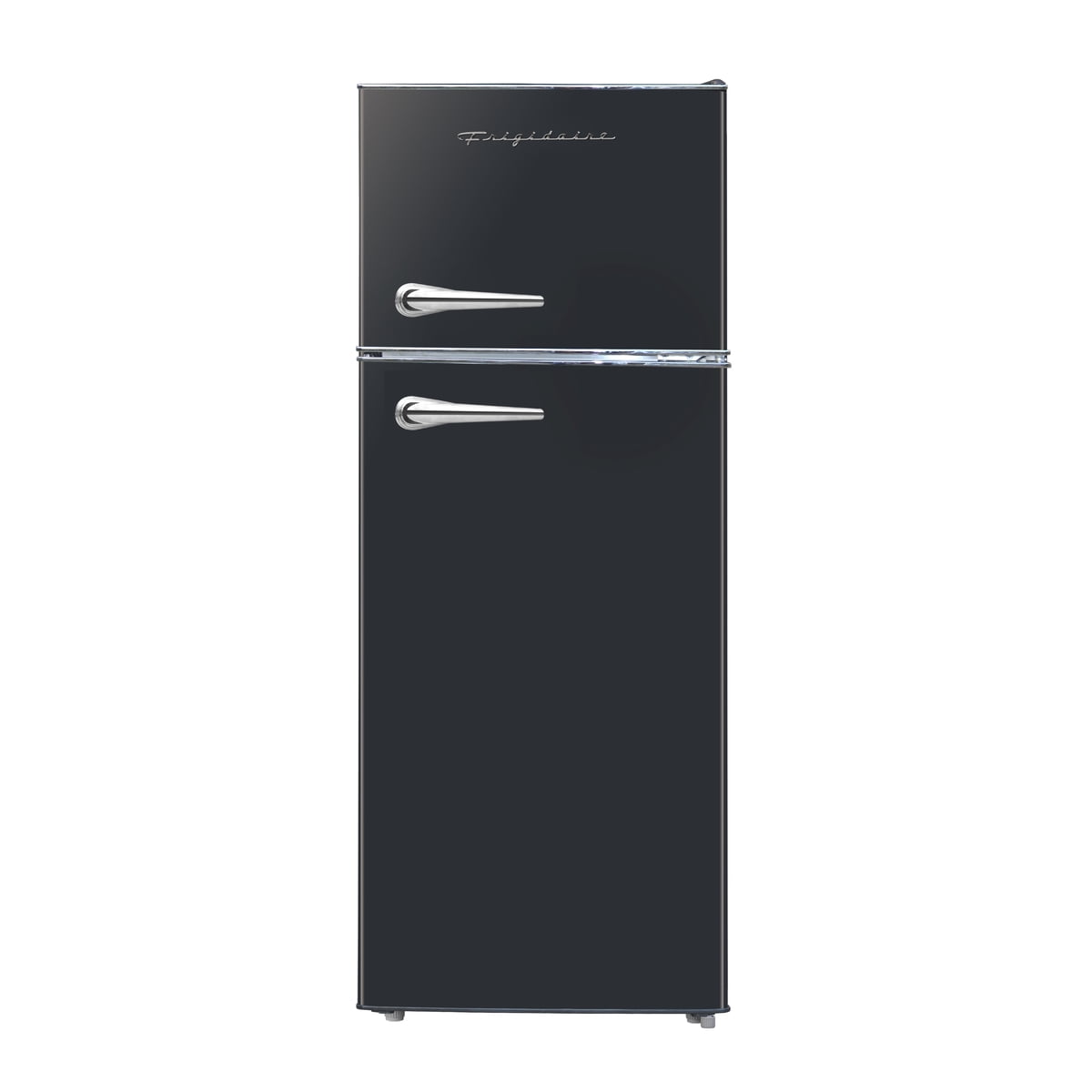
Picking out a refrigerator isn't just about grabbing the first shiny thing you see. It's all about making a choice that keeps your food fresh and your kitchen stylish. Here’s the lowdown on what to consider when you're in the market for this essential kitchen buddy.
Factors to Consider Before Buying
When you're eyeballing a new fridge, here’s what you gotta think about:
Thing to Think About
Why It Matters
Size
Measure your kitchen nook-this baby's gotta fit and you don't want the door knocking over your favorite mug every morning.
Capacity
How much food do you stash? Just feeding a couple of hungry mouths or stocking up for a clan? Bigger families eat more, naturally, so think ahead.
Style
What's gonna look sharp in your kitchen? Options are like fashion models—top freezer, bottom freezer, side-by-side, French door. Pick what winks at you.
Determining the Right Size for Your Needs
Getting the size right is key to keeping things organized and making sure it all fits like a dream. Depending on how many people are raiding the fridge, you'll want to think about these suggestions:
How Many Munchers
Size You Might Need (Cubic Feet)
Party of 1-2
10 - 12 cu ft
Crew of 2-4
14 - 18 cu ft
Band of 4 or More
18 - 22 cu ft
If you're always throwing parties or love a bulk buy deal, go big or go home. For those squeezed spaces, there's always the trusty mini fridge or a snug fit with a compact model. Make sure there’s a little breathing room around your fridge for it to run smoothly.
Choosing the right fridge can make your life easier or drive you up the wall. Here's the lowdown on four popular types that you might want to park in your kitchen.
Top Freezer Refrigerators
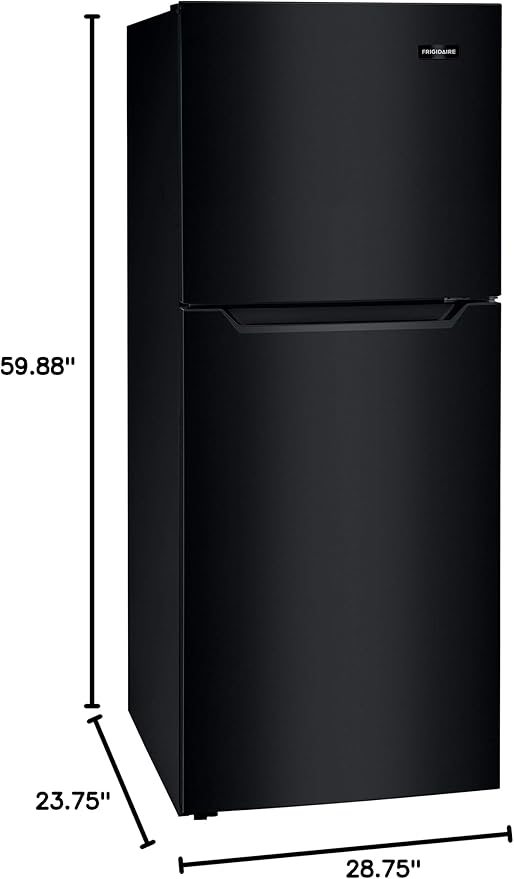
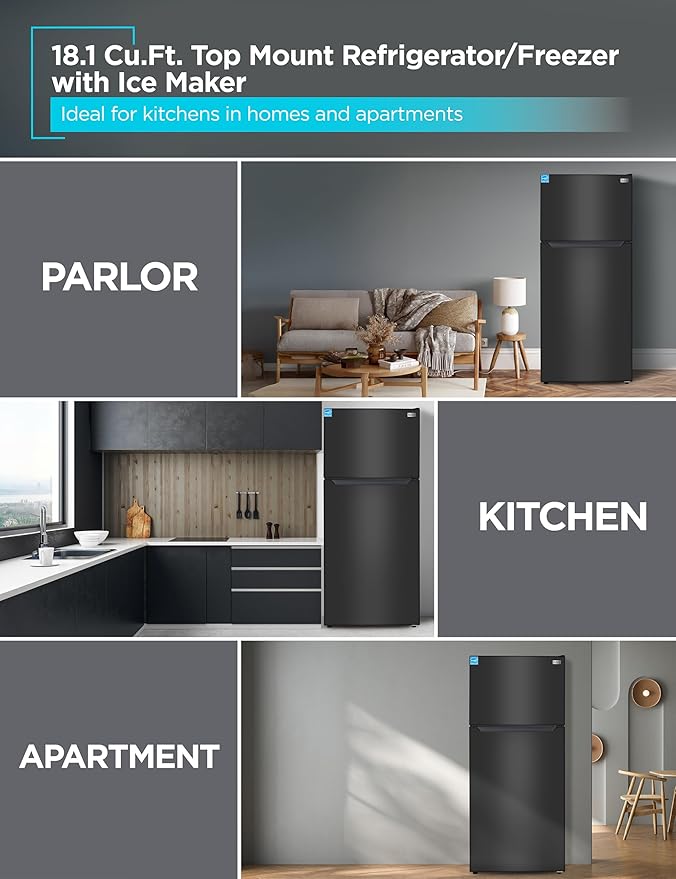
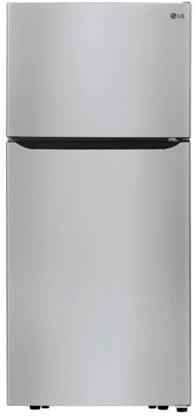
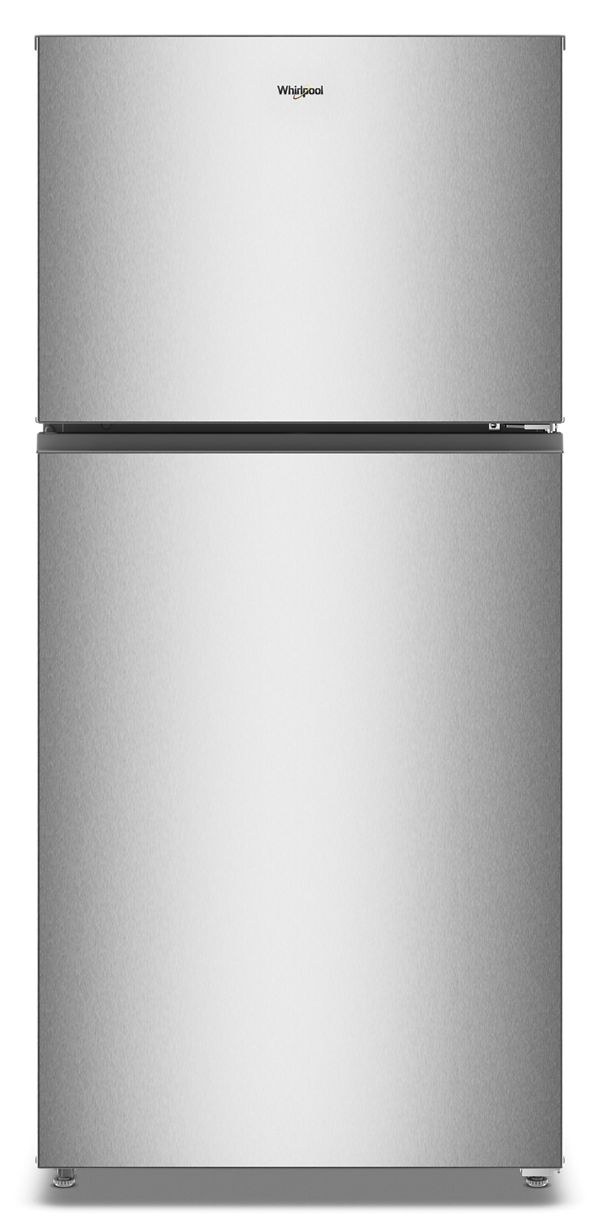
Think plain Jane but reliable when you think of top freezer fridges. They sport a freezer on top, with the cooling part below. Simple, and often easy on the wallet.
Feature
Description
Average Height
5.5 - 6.5 feet
Average Width
30 - 36 inches
Freezer Space Available
3 - 6 cubic feet
Cooling Technology
Static or Frost Free
These guys are great if you like your milk at eye level, and the energy bill won’t have you crying at night. Got roomies? You'll all get along just fine! Want more scoop? Take a peek at Fridge.com piece on best fridge freezers for college life.
Bottom Freezer Refrigerators
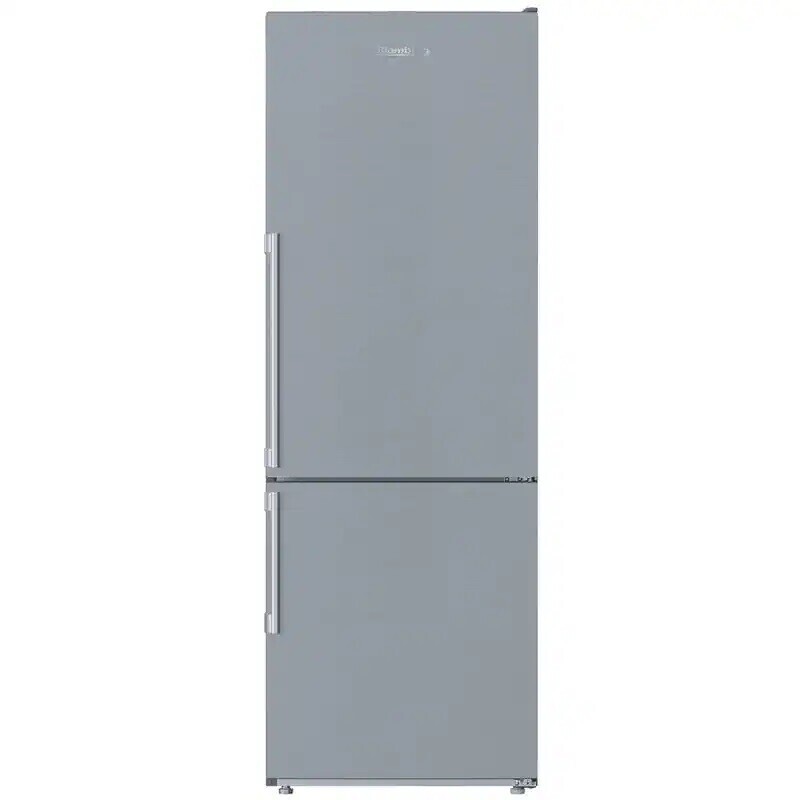
With a bottom freezer, you don’t have to squat like you’re back in gym class to grab a snack. The fridge bit is right where you want it—at your eyeballs.
Feature
Description
Average Height
5.5 - 6.5 feet
Average Width
30 - 36 inches
Freezer Space Available
4 - 7 cubic feet
Cooling Technology
Frost Free
Handy for anyone who’s in and out of the fridge a zillion times a day. Intrigued? Swing by Fridge.com page about order bottom freezer refrigerators: discounts for some sweet deals.
Side-by-Side Refrigerators
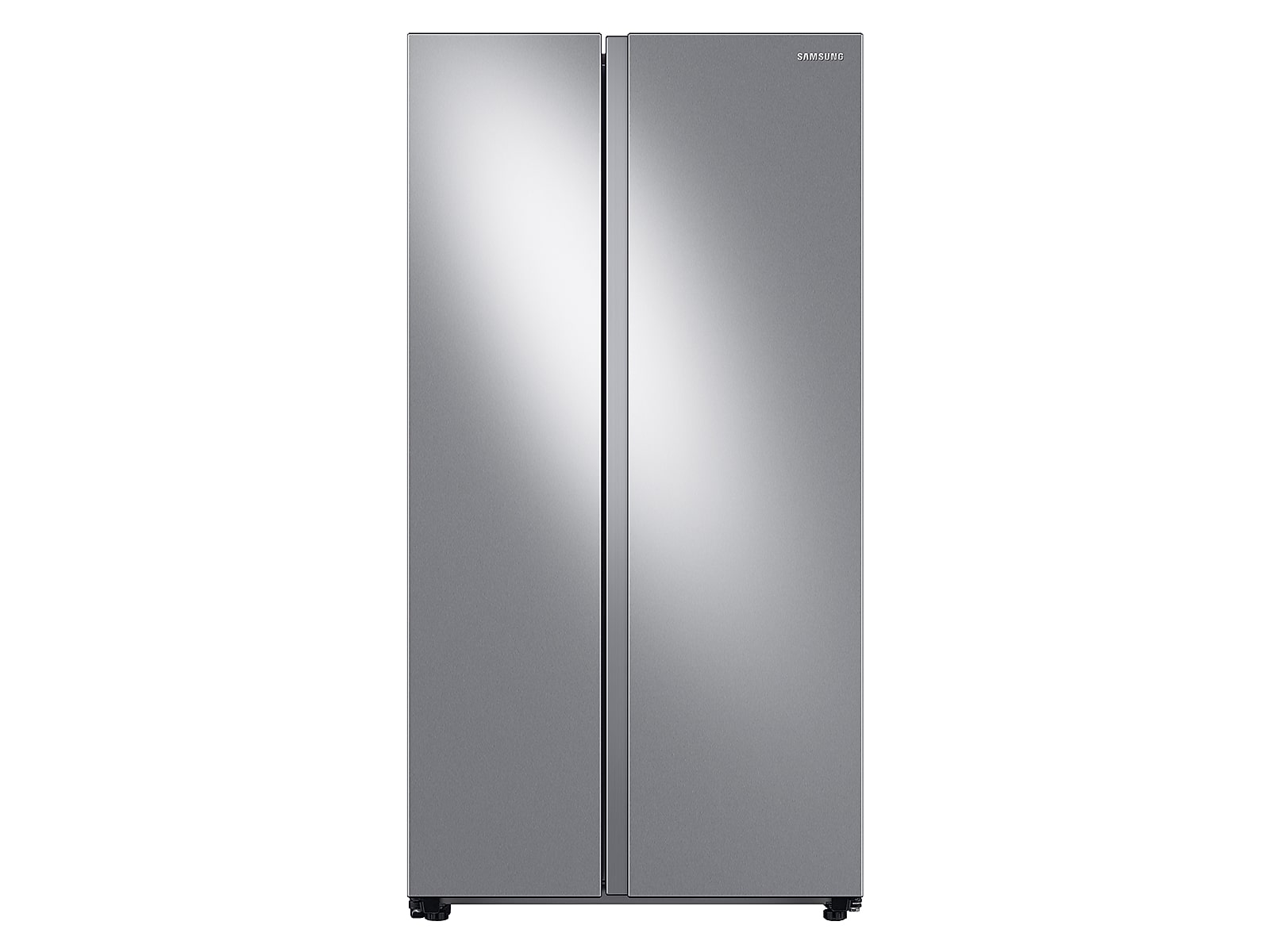
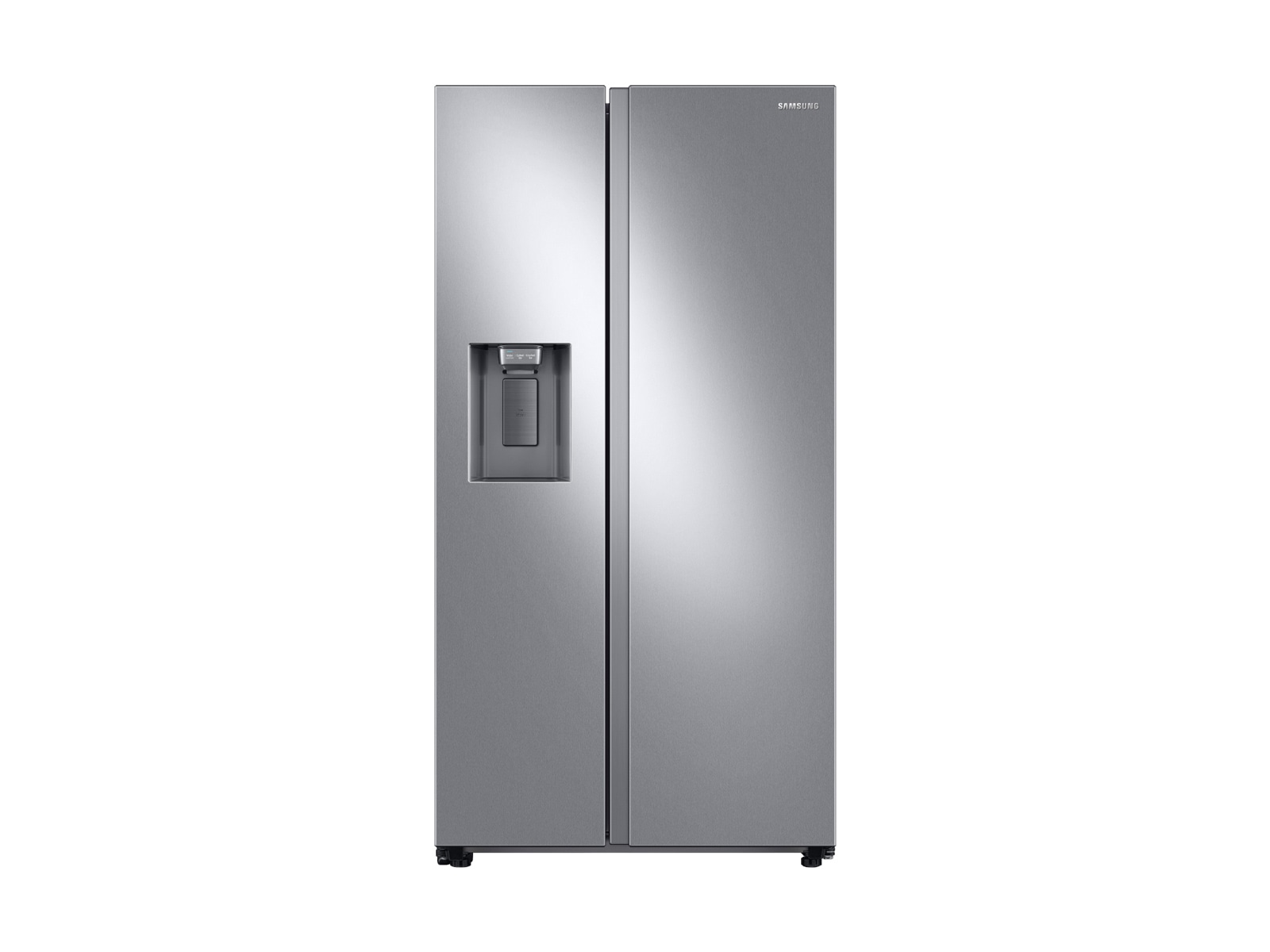
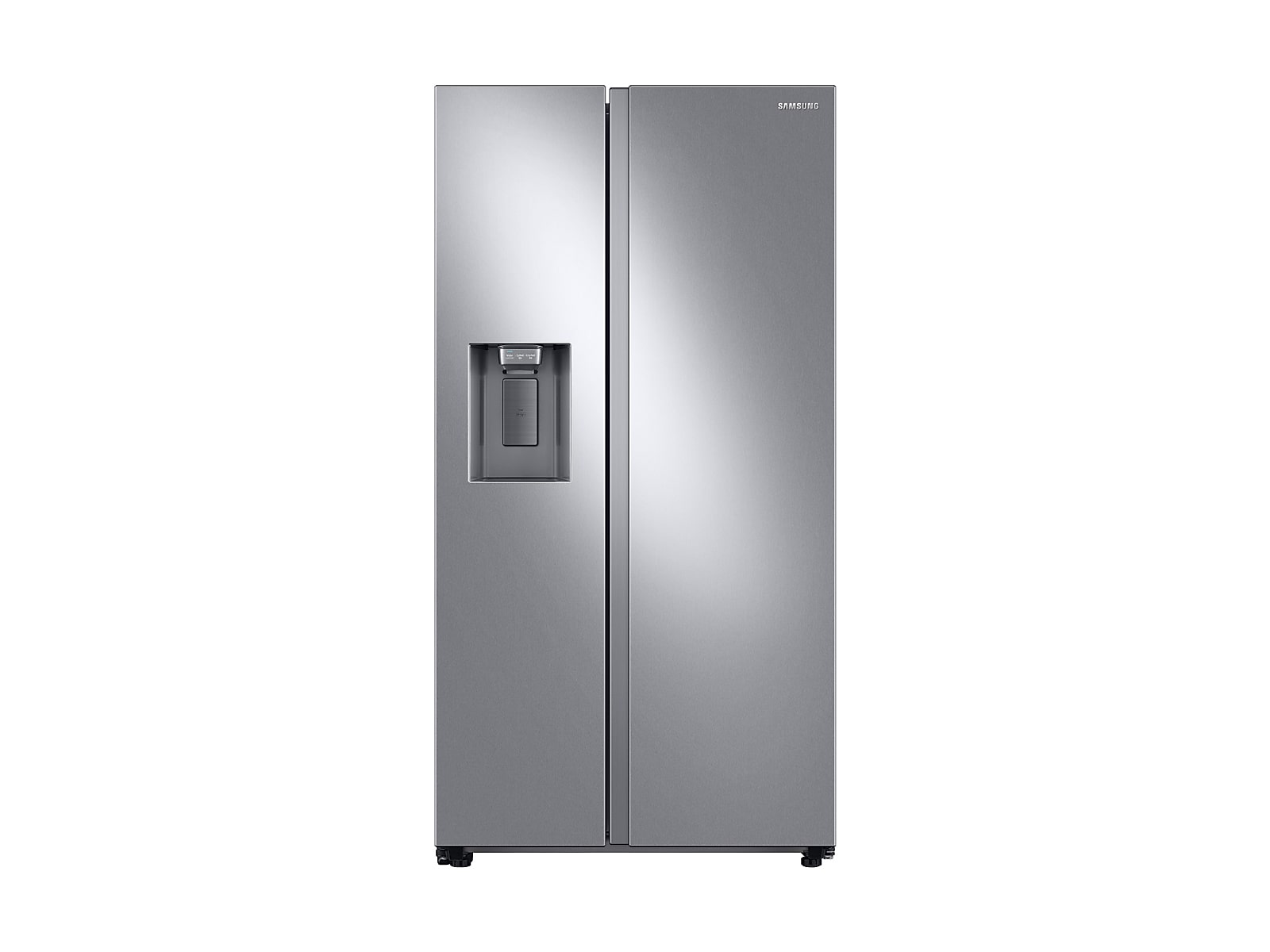
For a fridge that’s cool and knows it, the side-by-side is your go-to. It keeps your frozen pizzas as close as your fresh veggies.
Feature
Description
Average Height
5.5 - 6.5 feet
Average Width
30 - 36 inches
Freezer Space Available
3 - 5 cubic feet
Cooling Technology
Frost Free
These babies often come with built-in ice and water tricks that make life slick. Thinking of getting one? Check Fridge.com article on ice cream cooler Vs. ice maker to seal the deal.
French Door Refrigerators
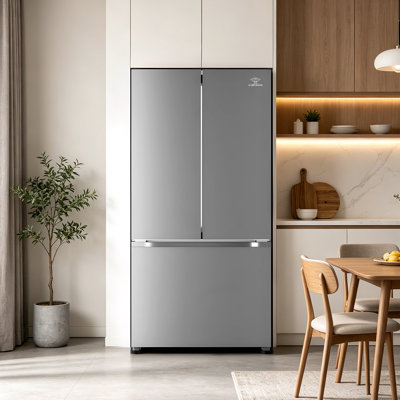
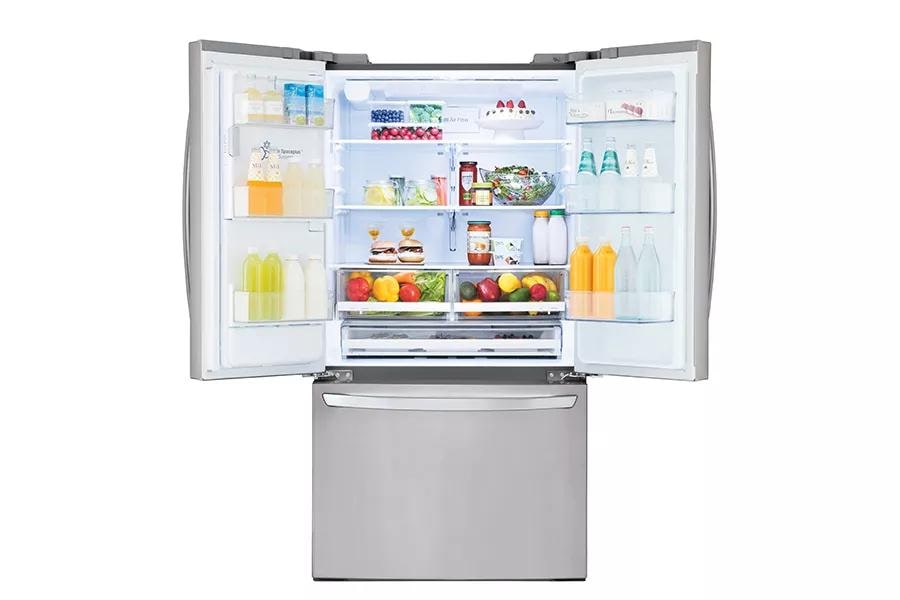
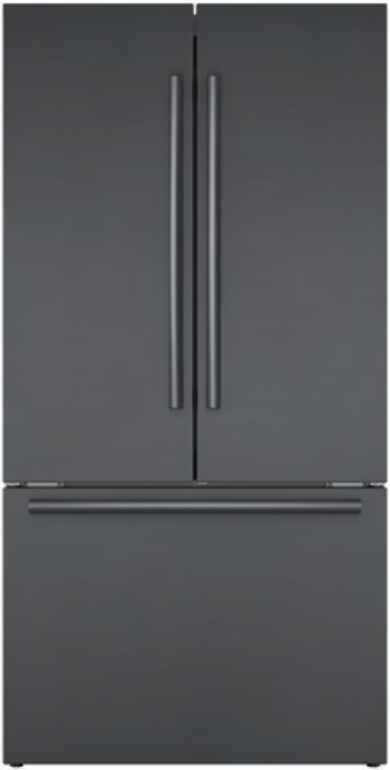
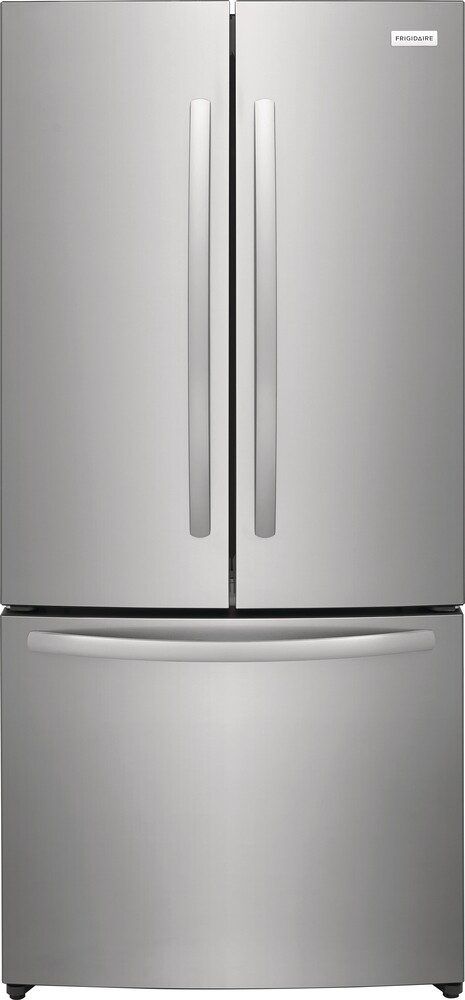
If you're aiming for modern chic, French door fridges might just be your new BFF. Twin doors for the fridge part, one big draw for the freezer.
Feature
Description
Average Height
5.5 - 6.5 feet
Average Width
30 - 36 inches
Freezer Space Available
4 - 8 cubic feet
Cooling Technology
Frost Free
They’re all about extra space and nifty settings like temperature zones. Want to explore further? Dive into Fridge.com article on best eco-friendly fridge for Cyber Monday.
Wrapping your head around these fridge styles can help you nail down the one that’ll make your kitchen—and life—a little more awesome.
Shopping for a fridge isn't just about finding a box that keeps your milk cold — it's about picking the perfect combination of features that make your kitchen life easier. Let’s break down some extras that can really up your fridge game:
Energy Efficiency Ratings
Who doesn't love saving a few bucks, especially when it comes to those pesky utility bills? Choosing an energy-efficient fridge is like getting free money back every month. Look for that snazzy little ENERGY STAR label — it’s the government's way of giving your fridge a thumbs up for being green and lean.
Here's a quick look at how their energy appetite stacks up:
Refrigerator Type
Annual Energy Use (kWh)
Estimated Annual Cost ($)
Top Freezer
400 - 600
50 - 75
Bottom Freezer
500 - 700
60 - 90
Side-by-Side
600 - 800
75 - 100
French Door
600 - 900
75 - 120
Ice and Water Dispenser Options
Imagine sipping on an ice-cold drink without lifting a finger. If that sounds like your kind of scene, think about getting a fridge with an ice maker or water dispenser. Just a heads up, though, these add-ons can hog a bit of space inside.
Feature
Pros
Cons
Ice Maker
Ice on tap, always
Needs babysitting now and then
Water Dispenser
Quick, chilled H2O access
Filter swaps might pop up
Combo Ice & Water
Super handy all-in-one
Eats into your storage room
Temperature Control and Monitoring Features
Proper temperature control is like having the secret sauce to food freshness. Scour for fridges offering temperature precision, like a thermostat but for your groceries. Some models are so smart, they’ll let you manage it all from your phone, because who wouldn’t want to play scientist?
Feature
Benefits
Perks to Ponder
Digital Thermostat
Set it and forget it
Might miss tinkering manually
LED Temp Display
Info with a glance
Could be slightly behind real-time
Smart Connectivity
Adjust from wherever you are
Needs Wi-Fi to keep you in control
Comparing these features will help you pick a fridge that gels with your lifestyle vibe. Whether you’re feeding a tribe or living solo, there's a fridge fit for you. And hey, if you're tight on space, buy a mini fridge to ensure everything stays chill without cramping your style.
Having your fridge neat and tidy isn't just about aesthetics. It's all about making every inch count, keeping your food fresh, and ensuring you're not playing hide-and-seek every time you need the ketchup. Check out these hacks to level up your fridge game:
Maximizing Space Inside Your Refrigerator
Want to fit in more goodies without sacrificing order? Try these simple tricks:
Organization Tip
What It Does for You
Go Clear
Transparent containers make everything visible at a glance, so nothing goes to waste.
Slap a Label On It
Mark those bins for ease and breeze. Everyone knows where stuff goes—no more chaotic hunts!
Stack 'Em Up
Vertical real estate is a gold mine. Stackable? Yes, please.
Shelves that Move
Shelves that you can adjust—because your needs change.
Proper Placement of Food Items
Put everything in its happy place, and you'll keep things fresh and safe. Here's how to arrange like a pro:
Section of Fridge
Perfect Spot For
Top Shelves
Treats like leftover pizza and drinks you can't wait to dig into.
Middle Shelves
Those egg cartons, milky stuff, and tomorrow's lunch.
Bottom Shelves
Raw meat, chicken, fish—all in sealed homes to avoid drippage.
Crisper Drawers
Split your greens and fruits between drawers for extra crunch.
Door Shelves
Easy grabs like sauces and juice that's your morning jam.
Cleaning doesn’t have to be a mega chore—spread it out and stay chill:
Quick Wipe for Spills: Don't let little messes grow up. Clean 'em when they happen to keep funk away.
Eyeball Expiry Dates: Chuck the old stuff when you stumble upon it. No nostalgia trips allowed!
Regular Thorough Clean: Every few months, give it the spa treatment. Shelves out, scrub, and dry.
Seal Check: Door seals cracked or worn? Replace 'em for airtight cooling.
Coil Care: Once a year, give the coils a vacuum session. Improves airflow, saves energy.
Got a classic fridge that needs special attention? Check out Fridge.com handy guide on how to clean an old refrigerator for some pointers.
Keep your refrigerator in shipshape and it'll be a breeze keeping your kitchen in order and your lifestyle healthy. Your fridge has your back; let these tips help you keep it that way.
Troubleshooting Common Issues
Refrigerators have their quirks, and every now and then, they might throw a curveball your way. But don’t worry, we’ve got you covered with some easy solutions. Let’s dive into those pesky problems like temperature rolling hills, moisture messes, and any unusual sounds your fridge might like to make from time to time.
Temperature Fluctuations
When you open your fridge and find things hotter or colder than they should be, it can feel a bit unsettling. Here are some usual suspects:
Thermostat Set Wrong: Make sure the dial's not gone rogue. Aim for that sweet spot of 37°F to 40°F for the main compartment.
Vents in Disguise: Ensure the vents don’t have a Tetris setup blocking air from mingling.
Thermostat Havoc: If you’ve got a sneaky feeling the thermostat is playing tricks, it might be time for a change.
Check this out for the cool guide to temperatures:
Section
Ideal Temperature (°F)
Refrigerator Compartment
37°F - 40°F
Freezer Compartment
0°F - 5°F
Condensation Problems
Finding water pooling can get annoying, with all the food drama that follows. Here’s what might be causing those wet floors:
Leaky Door Seal: Open sesame style isn’t cool. Check those seals for tears, or they’ll bring in a soggy mess.
Humidity Drama: If it’s like a sauna where you cook, your fridge might be feeling it too! Try getting some air moving around.
Door Olympics: Keep that door shut as much as possible to keep the fridge moisture low.
Keep things dry by keeping a wary eye on humidity and those door seals.
Strange Noises or Malfunctions
Fridges have a way of getting vocal. If your appliance is chatty, here's what it might be saying:
Hissy Fit: Hissing or gurgling sounds are often harmless. The refrigerant is just doing its thing, flowing away.
Buzzing or Clicking: This might be your fridge hinting at a problem, possibly with the compressor or something technical.
Never-ending Hum: If it seems your fridge doesn't believe in taking breaks, it might be blocked airflow or yet again, a rebellious thermostat.
When the fridge starts a concert, look and listen closely, and maybe call in the pros if it doesn’t quiet down.
Dealing with fridge woes isn’t fun, but a little DIY spirit can keep it running smoothly. For more handy tips and tricks, check out Fridge.com reads on buy mini fridge and how to clean an old refrigerator.
You're looking to be more environmentally friendly on your fridge journey. Here's how you can keep your refrigerator habits green, from usage to throwing out the old one.
Proper Disposal of Old Refrigerators
Dumping old fridges needs some thought. They contain stuff like refrigerants that can mess with the environment if you don’t handle them right. Make sure your old icebox gets to a certified recycling place. They'll safely take out and get rid of those nasty materials.
Disposal Method
Environmental Impact
Landfill
Nasty leaks into the air
Recycling Facility
Safe removal of nasty stuff
Before dumping, take out all the grub and give it a good clean. Reach out to your local trash team to figure out where to drop off or have them pick up old fridges. Want to know more about green fridge options? Check Fridge.com article on best eco friendly fridge for cyber monday.
Energy-Saving Tips for Refrigerator Use
Tweaking your fridge for max energy efficiency is not just good for the planet, it's easy on your wallet too. Check out these handy tips:
Energy-Saving Tip
Description
Set the Right Temperature
Stick around 35-38°F for the fridge, 0°F for the freezer.
Check Door Seals
Make sure the gaskets are clean and tight to keep in the chill.
Use Energy-Saving Mode
Hit that energy-saving button, if your fridge has it.
Limit Frequent Door Openings
Opening the door means losing cold; let it rest by minimizing this.
Keep it Full
Full fridges stay cold better; if it's bare, add some water-filled containers.
These tips can chop down your energy use. For more guidance on picking the perfect fridge size, take a peek at Fridge.com article what size fridge for 2 adults?.
Choosing Environmentally Friendly Refrigerants
Choosing a fridge that uses less harmful refrigerants cuts your carbon output. Old-school refrigerants, like HFCs, aren’t friends of the planet. Go for fridges with newer refrigerants like R-600A (isobutane) or R-290 (propane), which are kinder to Mother Nature.
Refrigerant Type
Global Warming Potential (GWP)
Ozone Depletion Potential (ODP)
HFCs
High (1,430)
0
R-600A (Isobutane)
Low (3)
0
R-290 (Propane)
Low (3)
0
Picking fridges with these greener refrigerants helps the Earth. Check out Fridge.com article on compare mini fridge to find more ideas on energy-wise options.
From Fridge.com research
Figures below come from data Fridge.com builds and maintains. Each links to the record behind it.
Fridge.com Energy Index, built on U.S. EPA and DOE ENERGY STAR records
Across 5,455 ENERGY STAR certified refrigerators and freezers from 263 brands, median use is 360 kWh per year.