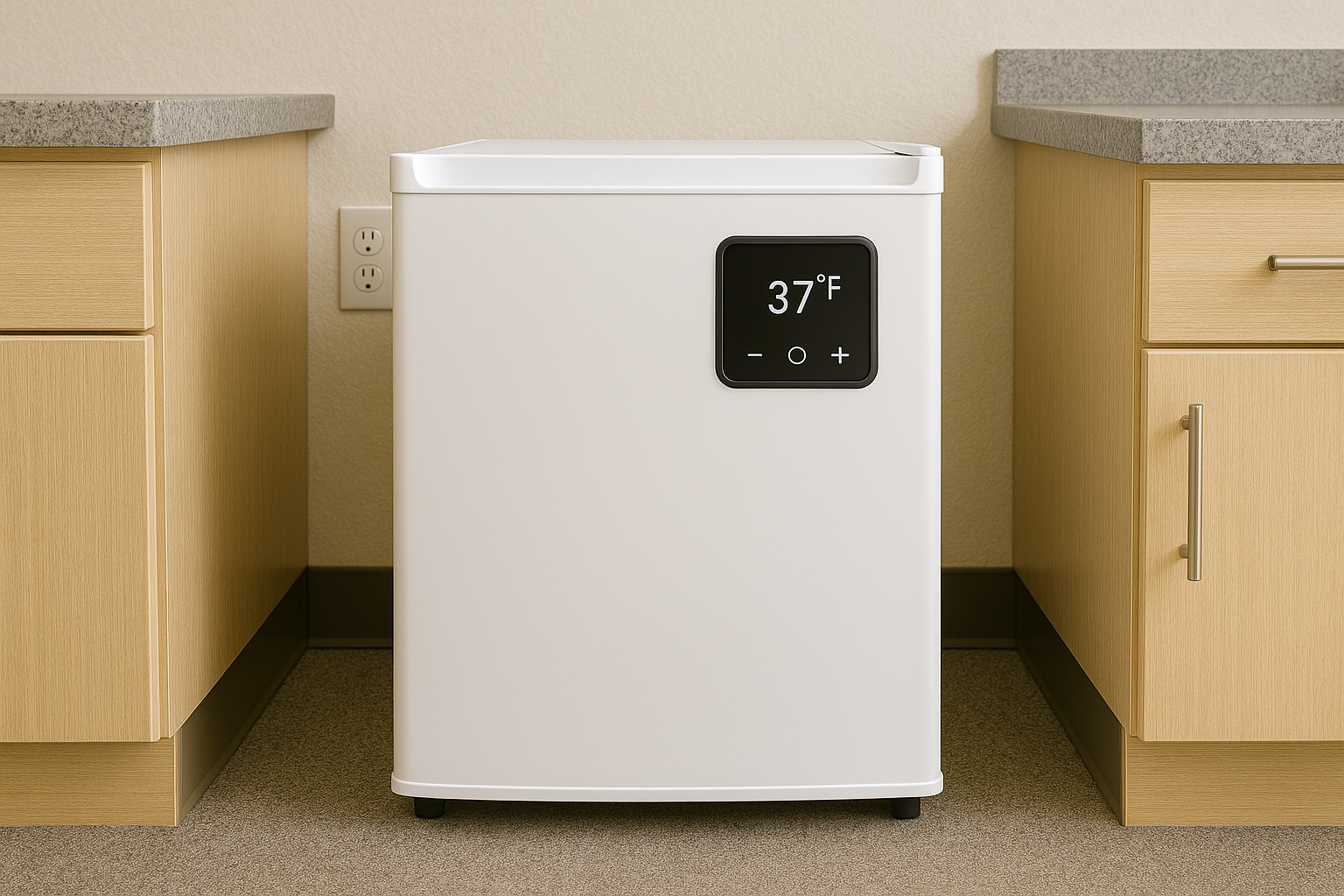
For energy savings, aim for your fridge to hang out between 35°F and 38°F.
Average Annual Power Use (kWh).
The ENERGY STAR badge tells you the appliance meets federal energy-saving standards, and opting for these can slice up to 15% off your energy costs compared to others lacking the starry approval.
Give your seals a regular check-up to make sure they’re in tip-top shape.
When choosing a fridge, keep energy smarts in mind. Not only does picking an energy-saving model slice your electricity bill, but it also shrinks your carbon footprint. These modern marvels know how to keep the power usage low while keeping the cool factor high. Whether you're feeding a hungry family or just stocking up on snacks, the right refrigerator can save you some serious cash in the long run.
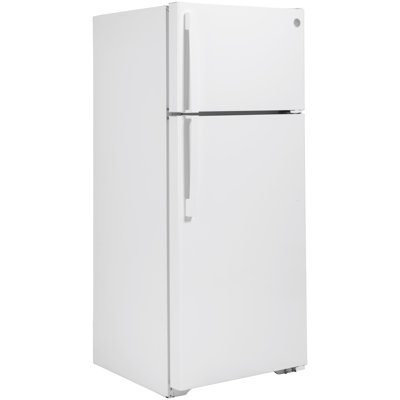
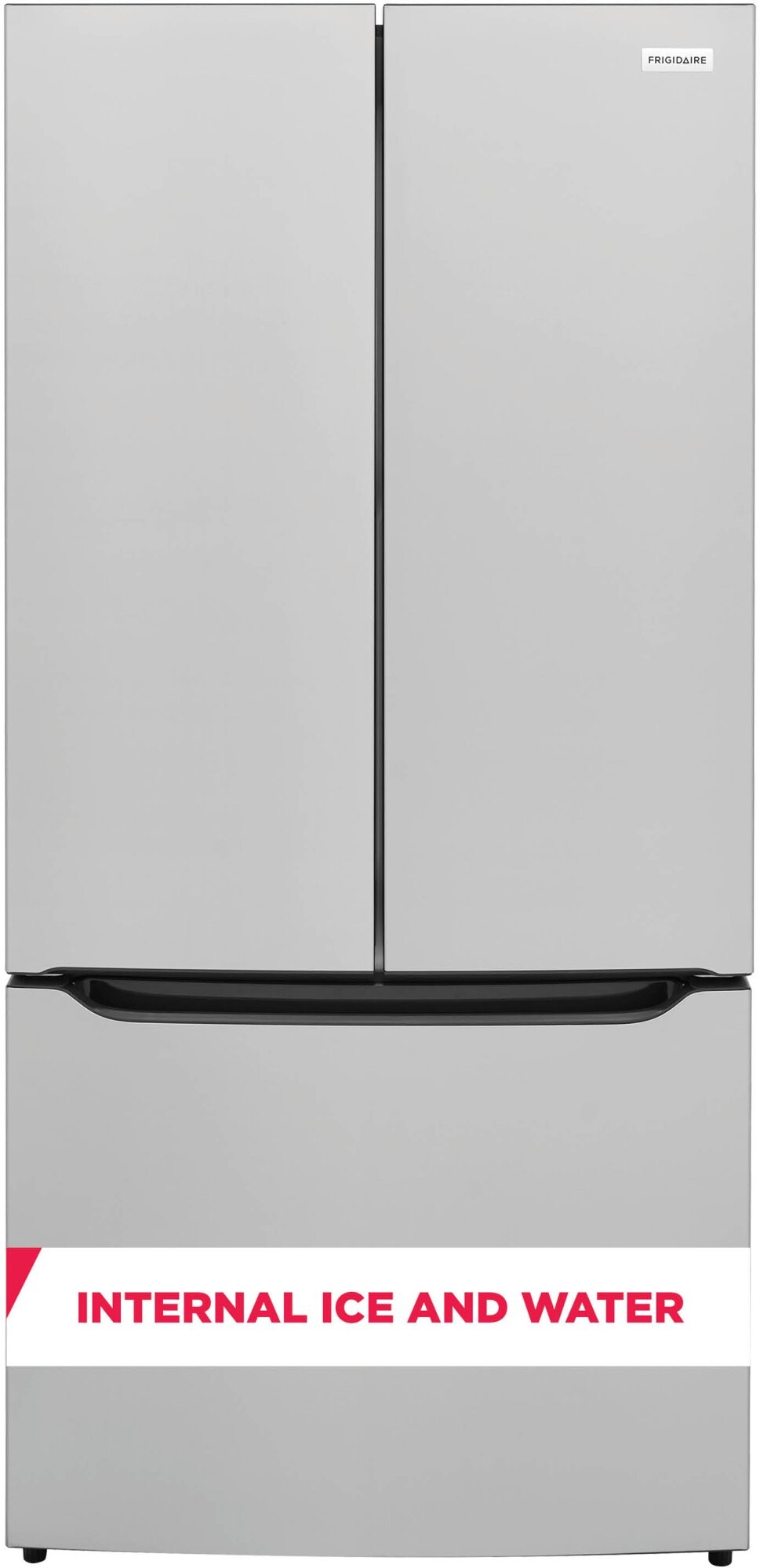
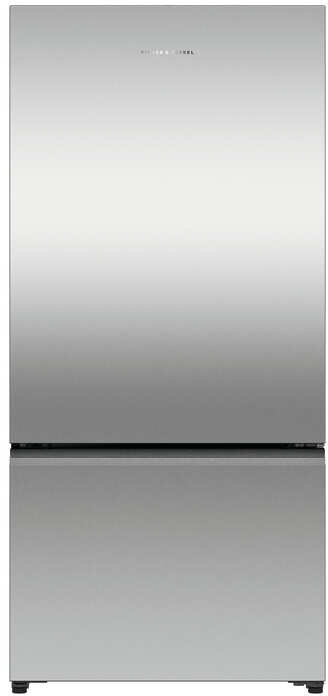
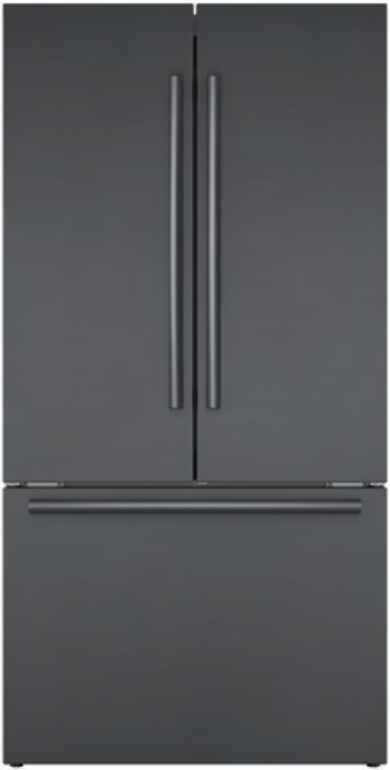
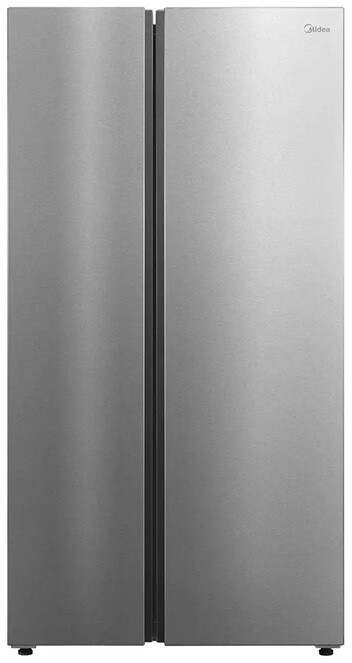
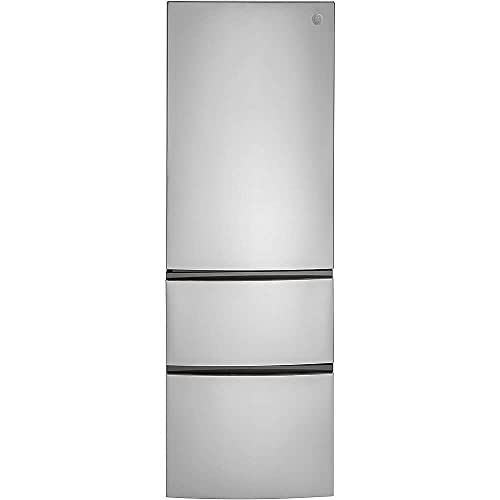
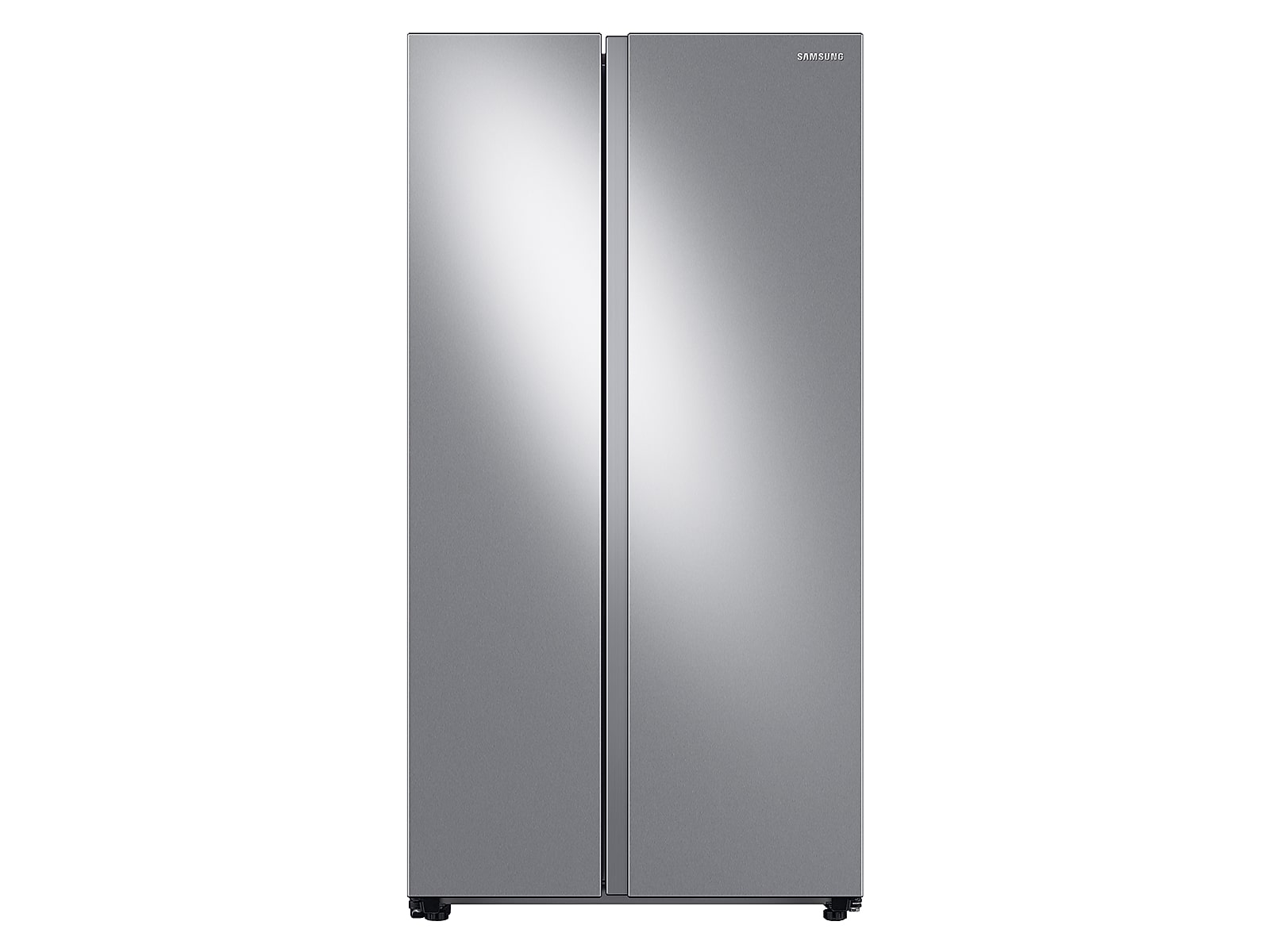
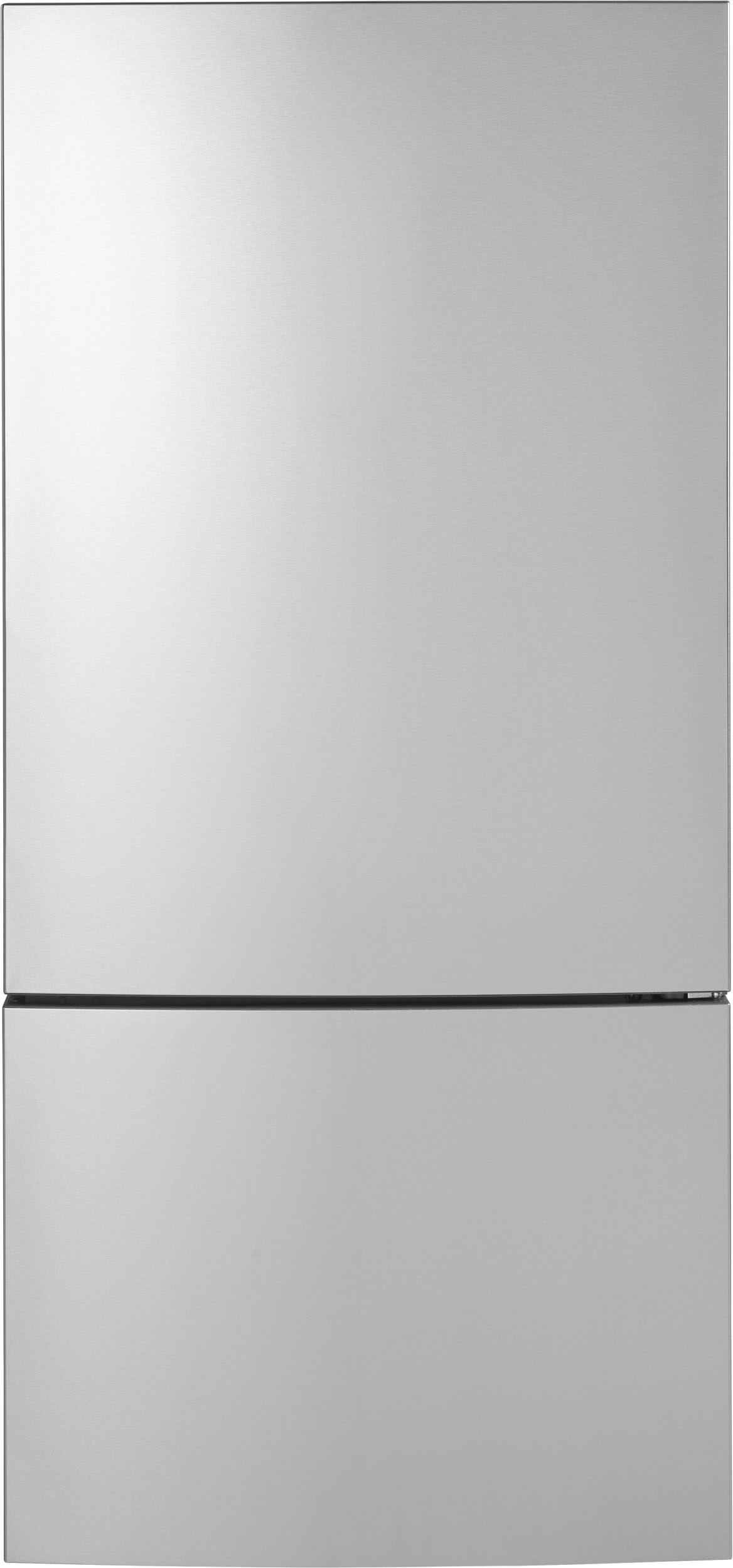
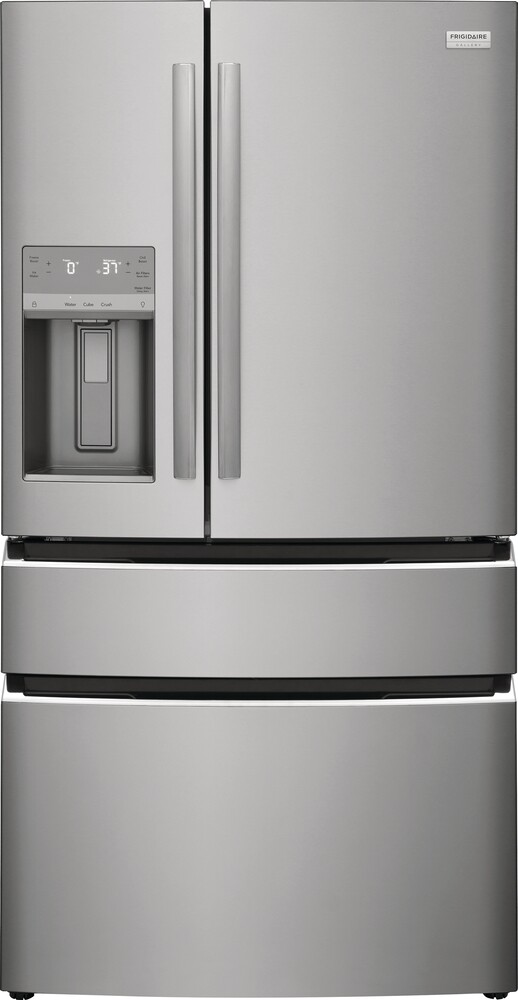
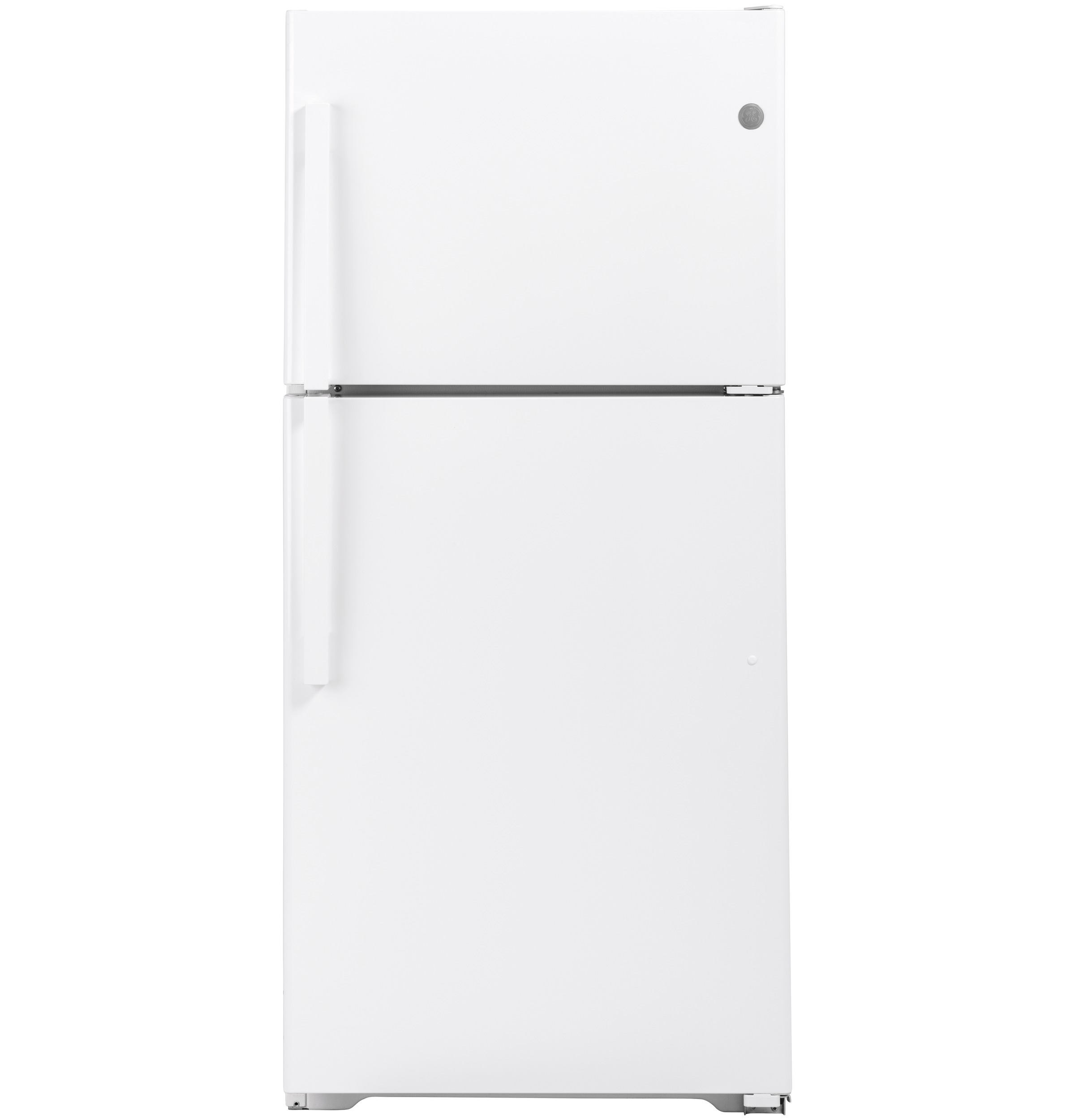
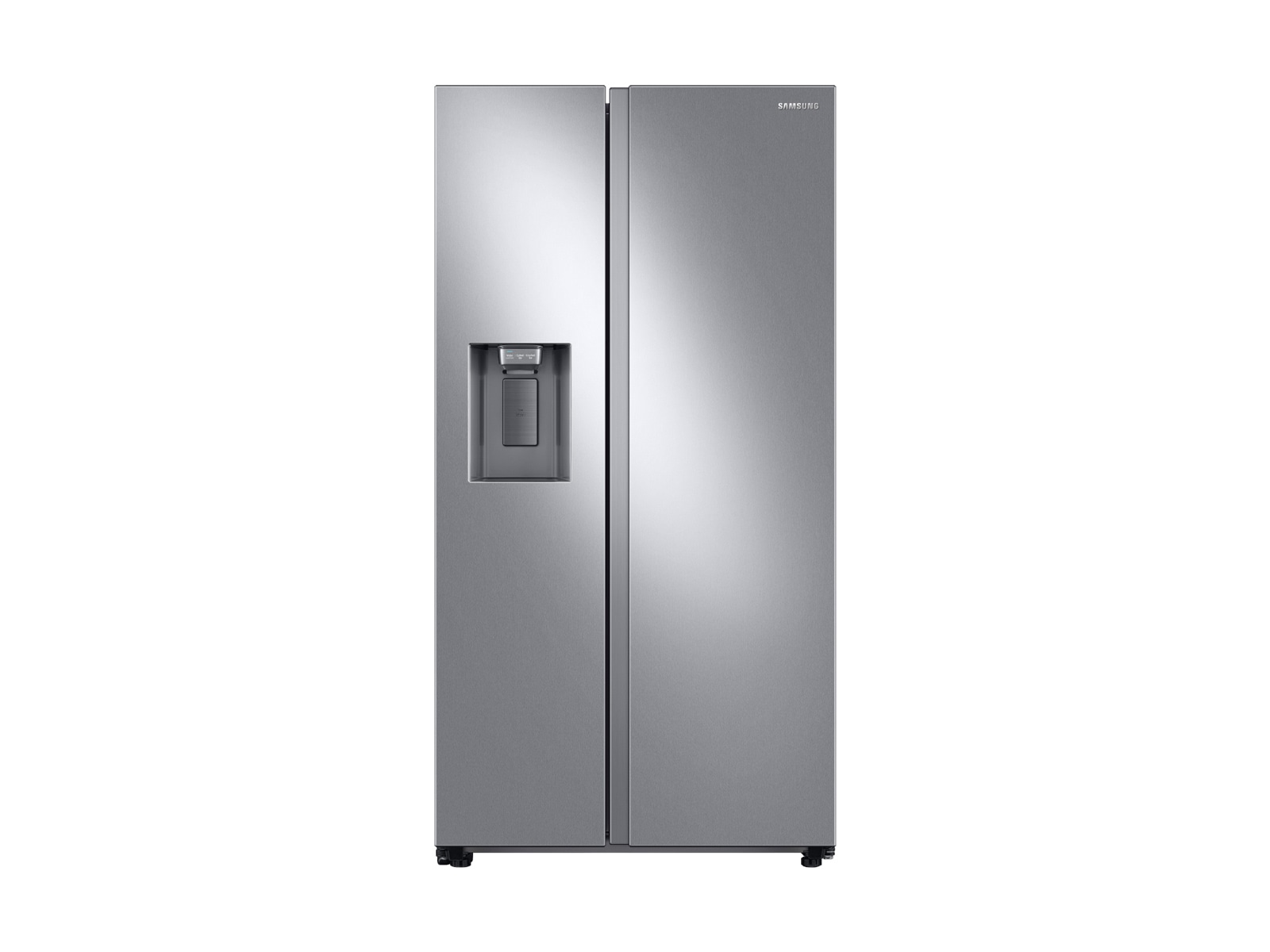
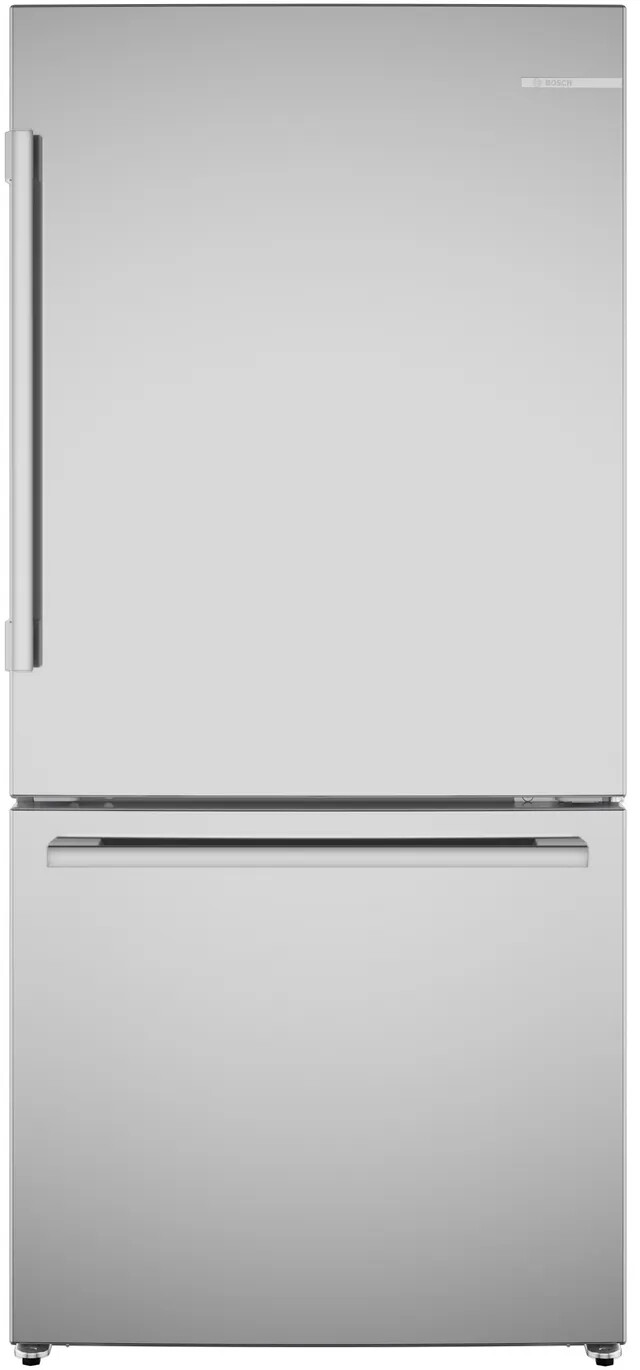
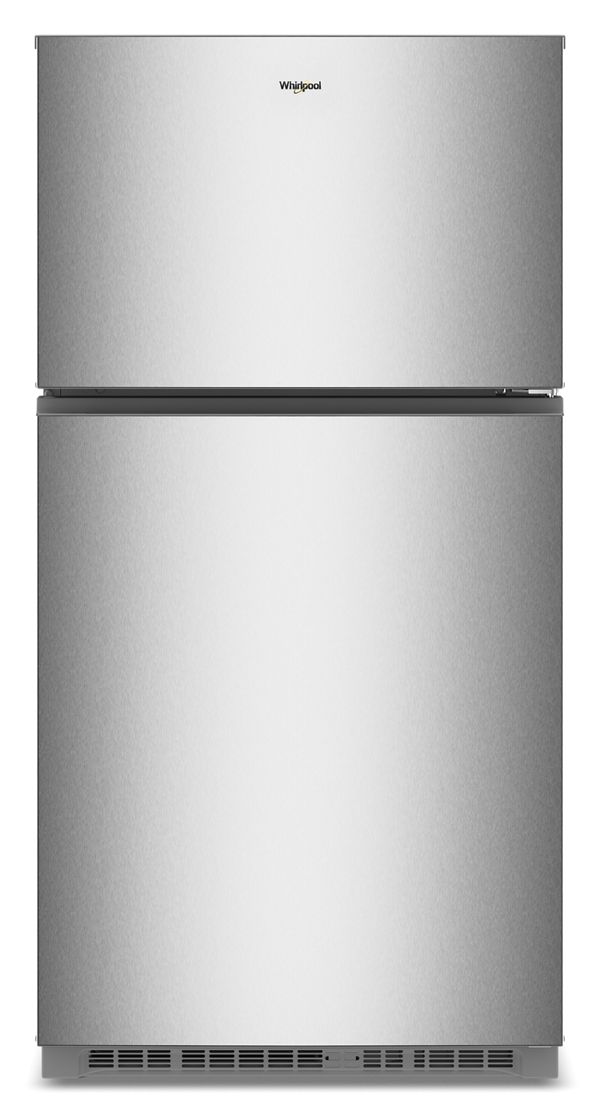
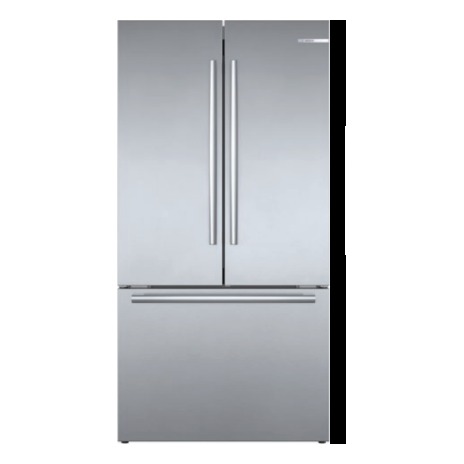
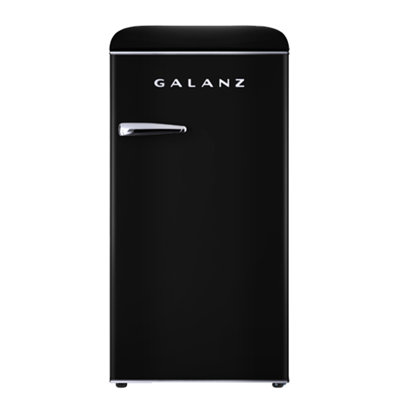
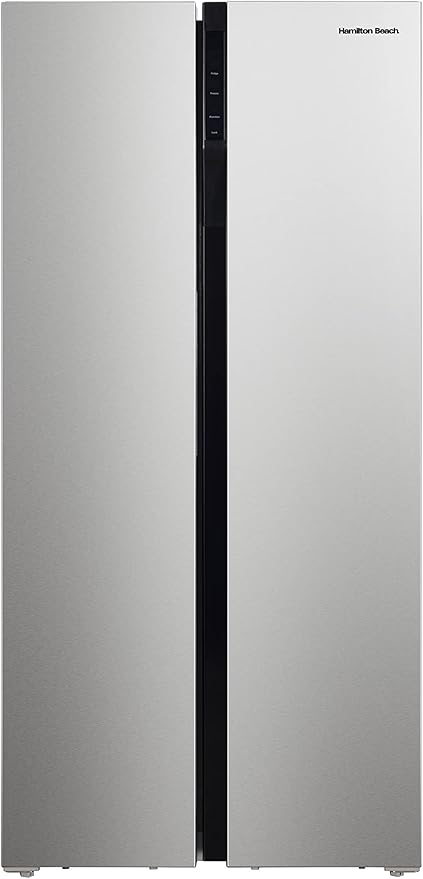
Check out how different fridge styles stack up in energy use:
Refrigerator Style
Average Annual Power Use (kWh)
Top Freezer
400 - 700
Bottom Freezer
500 - 800
Side-by-Side
600 - 950
French Door
500 - 900
Cracking the Code on Energy Efficiency Labels
Getting to grips with energy ratings is your ticket to understanding the true cost of a fridge. The ENERGY STAR badge tells you the appliance meets federal energy-saving standards, and opting for these can slice up to 15% off your energy costs compared to others lacking the starry approval.
Here’s the lowdown on labels you might spot:
Label
What It Means
Federal Energy Guide
Shows estimated yearly energy usage and costs.
LEED (Leadership in Energy and Environmental Design)
Highlights eco-friendly and sustainable appliance design.
Picking a fridge that plays nice with the environment and your wallet is smart shopping. Being clued-up about what to look for can make a big difference. If you’re curious about efficient cooling, dig into Fridge.com pieces on the best refrigerator brands to keep an eye on and energy-saving hacks to get the best chill for your bills.
When you’re on the hunt for a fridge that sips rather than guzzles electricity, some attributes can really make a difference. Let’s look at three that stand out:
LED Lighting
One of the coolest (pun absolutely intended) updates in fridge design is LED lighting. These little glowing champs are super energy-efficient and last way longer than those old-school bulbs. Plus, they don’t heat up much, which keeps your fridge way cooler without working overtime. This is great news if you've got a big fridge freezer and love your food clearly visible.
Feature
LED Lighting
Old School Bulbs
Lifespan
Up to 25,000 hours
About 1,000 hours
Heat Generation
Low
High
Temperature Controls and Settings
Today’s fridges are like little temperature wizards. They let you set the exact cooling you need thanks to some nifty digital displays. This precision makes sure you’re not wasting juice and keeps your grub fresh as a daisy. For energy savings, aim for your fridge to hang out between 35°F and 38°F.
Temperature Setting
What's Cool?
Fridge
35°F - 38°F
Freezer
0°F
Door Seal and Insulation
Keeping the cold inside is key, and that’s where a good door seal comes into play. If it’s all busted up, your fridge is going to burn through more energy. And let's not forget insulation; it’s your fridge’s secret weapon for staying energy efficient. Give your seals a regular check-up to make sure they’re in tip-top shape.
Feature
Why It Matters
Door Seal Integrity
Keeps cold air inside
Insulation Quality
Helps steady temperatures
Focusing on these features can help you snag a fridge that's easy on the power bill and fits your way of living. To go even further down the rabbit hole of energy efficiency, peek at our other stuff on additional energy-saving gizmos and tricks to up your efficiency game.
Want to keep your fridge working like a champ without blowing up your energy bill? Well, you're in luck! There are nifty features you can use for a big difference in how efficient your fridge plays the cool game. Let’s break down three of these cool cats: inverter tech, energy-saving modes, and some smart-as-a-whip features.
Inverter Technology
Alright, here’s the scoop on inverter tech. Instead of your fridge playing a game of freeze tag with its on/off compressor, it sneaks by in stealth mode, adjusting as needed to keep things frost-free. What's in it for you? Plenty!
Gadget Goodies
Perks
Quiet Operation
Keeps it down, perfect for peaceful Netflix nights.
Longer Life
Your compressor sticks around for the long haul.
Grab yourself an inverter fridge, and you’ll enjoy less noise and more quiet nights in the kitchen.
Energy-Saving Modes
Got a fridge that knows how to chill without wasting watts? Many modern ones do! These modes ease up energy usage when the fridge doesn't have humans raiding it at all hours. Here's the lowdown:
Mode
Trick
Vacation Mode
Cools things down when you’re off sipping poolside margaritas.
Eco Mode
Adjusts settings to save power when not much is happening.
By hitting up these modes, you’re keeping your food safe and your pocket happy, all while giving your local power plant a breather.
Smart Features for Optimal Energy Usage
Say you’re the boss of your fridge from anywhere: that's smart tech for you! With an app, you can keep tabs on how much energy it’s slurping, get nudged for check-ups, and even fine-tune settings when you're out grabbing groceries. Check this out:
Smart Stuff
What It Does
Temperature Alerts
Bing! Warns you if things get too toasty.
Remote Adjustment
Tweak settings anywhere your smartphone takes you.
These features allow you to maintain a lean, green, chilling machine without breaking a sweat—a dream come true for food lovers and home chefs alike.
So, when you bring these energy-saving superheroes into your kitchen, you’re looking at cutting down energy costs and giving Mother Earth a high five. It's all about keeping things cool, for your home and the planet!
Keeping your fridge running like a champ while saving money is something we all aim for. Here's how you can make sure your fridge stays cool without burning through cash.
Proper Placement and Air Circulation
Where you put your fridge can make a big difference. Give it some breathing room—two inches at the back and top, and one inch on each side. Steer clear of sunny spots or nearby ovens. Think of it like giving your fridge a cozy spot to chill without sweating it out.
Space for Airflow
How Wide?
At the Back
2 inches
On the Sides
1 inch
On Top
2 inches
Letting it breath is energy-saving gold.
Regular Maintenance and Cleaning
A bit of elbow grease can make your fridge more efficient. Dust loves to party on the condenser coils, making the fridge work overtime. Give those coils a wipe every six months, and check the door seals for gaps—‘cause nobody wants the cold air escaping.
Task
How Often?
Dust condenser coils
Twice a year
Check those seals
Monthly
Swap water filter
Every 6 months
These little tasks help keep your fridge healthy and sipping on energy.
Organizing Your Refrigerator for Efficiency
Rummaging through a messy fridge isn't fun, and it makes the fridge work harder. Keep it tidy—don’t overstuff it, and put the things you reach for often right up front. Less door opening means more savings.
Bins are your best friend—group similar foods, use clear ones so you can spot what you need fast, and don’t block the vents.
How to Organize
Why It Helps
Group similar stuff
Faster to grab
Use clear bins
See what's inside
Keep vents clear
Better airflow
These tips make your fridge more efficient and life easier, cutting down on waste and making meal prep a breeze.
Taking a little time to tweak how your refrigerator is set up can pay off in lower bills and a greener planet. Whether you're whipping up a feast or just storing leftovers, these pointers will help keep your food fresh and your wallet happy.
From Fridge.com research
Figures below come from data Fridge.com builds and maintains. Each links to the record behind it.
Fridge.com Energy Index, built on U.S. EPA and DOE ENERGY STAR records
Across 5,455 ENERGY STAR certified refrigerators and freezers from 263 brands, median use is 360 kWh per year.