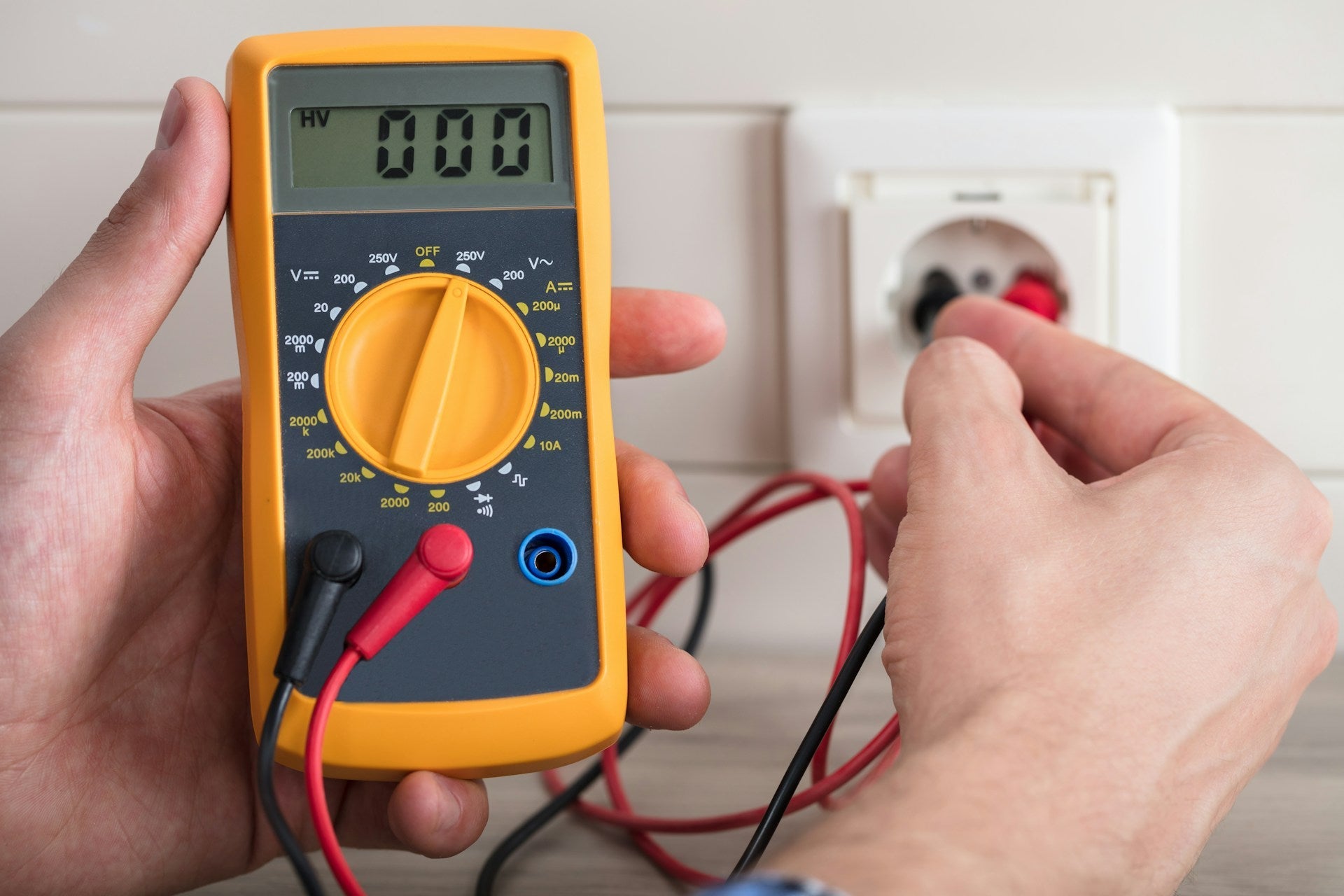
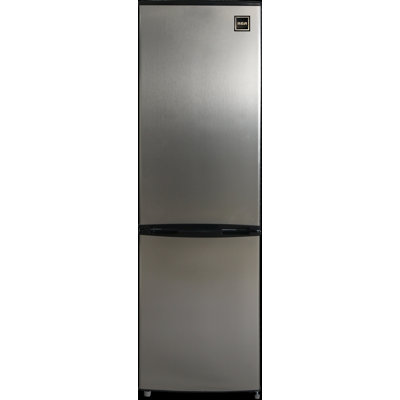
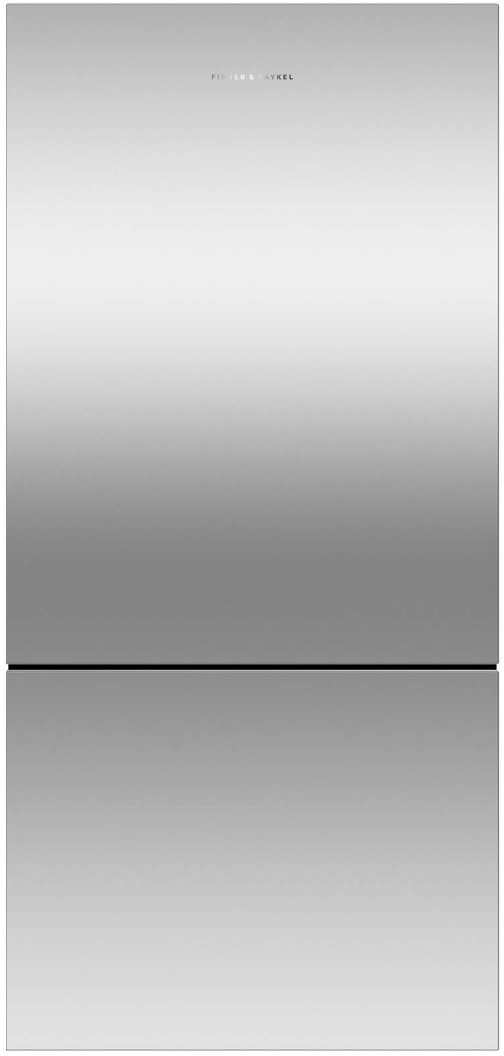
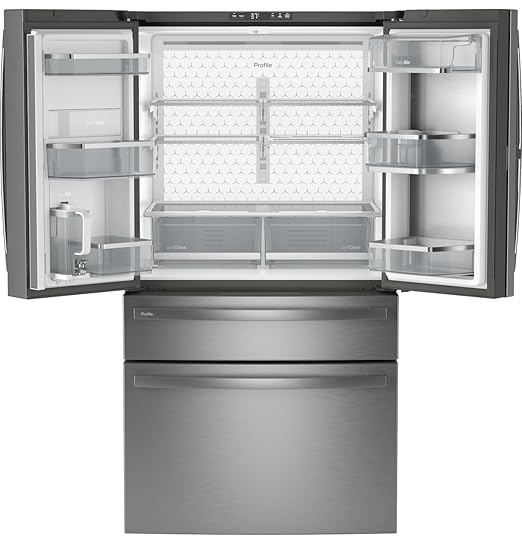
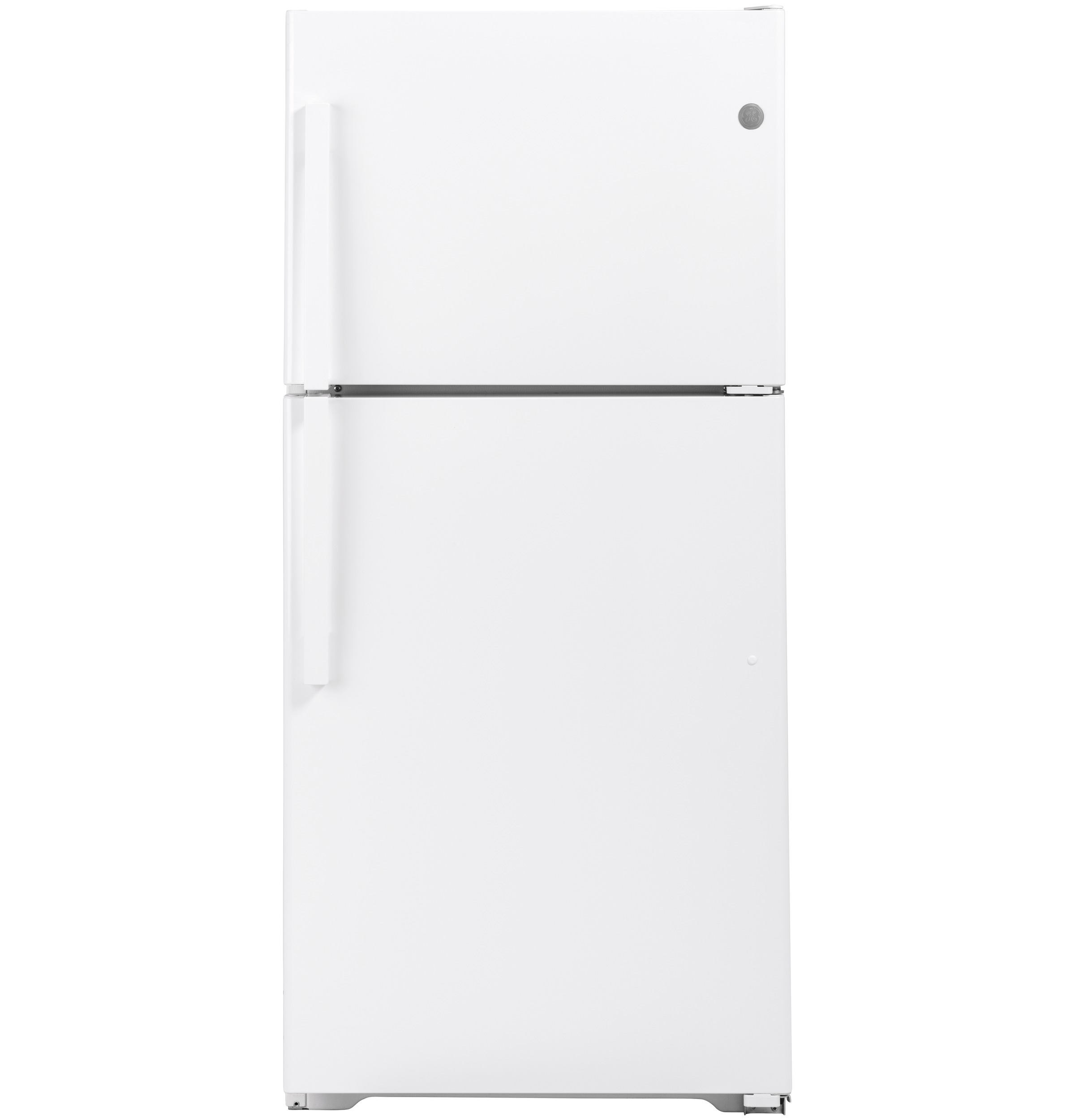
Ever since I was a kid, I’ve been fascinated by the magic happening inside those cool boxes we call refrigerators. As I matured (and my electric bills started landing on the kitchen table), I began quarterbacking a more practical curiosity: how much juice do these bad boys really slurp down? Armed with eco-friendly aspirations, I jumped into the nitty-gritty of saving bucks while saving the planet, all through understanding my fridge's energy appetite.
Knowing the tricks to keeping the fridge efficient can really shrink those energy bills. I've started to unravel the mystery behind energy efficiency ratings, and wow, did it turn into a learning party. Understanding these ratings not only keeps cash in my wallet but also polishes my savvy consumer badge.
Why Keeping Tabs on Refrigerator Energy is a Game Changer
If you've got a fridge, paying attention to its energy cravings is a no-brainer. Just like knowing how much fuel your car guzzles lets you plan road trips (or avoid them), tracking a fridge’s energy munch gives me a window into its performance. This lets me play it smart with how I use it, when it wants a bit of TLC through maintenance, or even when it’s time to say goodbye and swap it out for a new model.
Would you believe tiny tweaks can bring huge power savings? Setting the right fridge temp is a cool move on its own. Check out this eye-opener on how different chill settings can change the game:
Fridge Temp (°F)
Monthly Energy Use (kWh)
35
45
37
40
40
35
By chilling out in that sweet spot between 35 and 38°F, I’m not only keeping my grub safe but also dodging the energy vampires. And let’s be real—who doesn’t love cutting down on unnecessary expenses? Keeping the door shut when not needed and making sure those seals are tight turn out to be tiny heroes in this saga.
By snooping in on my fridge's energy habits, I get to flex my energy-saving muscles while living a greener lifestyle. For even more savvy tips, I've checked out tips for using your dorm smart fridge, always on the lookout for more tricks to shrink my energy footprint.
When I first dipped my toes into the world of fridge shopping, I stumbled upon the goldmine that is energy labels. Who knew those little stickers could hold the key to a savvy purchase? They're packed with info that can help me dodge high electricity bills and pick the fridge that's just right for me.
What the Energy Label Tells You
You'll usually spot the energy label slap-bang on the front or maybe the side of a fridge. Each label is like a mini dossier on a fridge's power habits, making it dead simple to compare different models. Here's what you can find on them:
Annual Energy Consumption: This is the total energy the fridge gulps down in a year, shown in kilowatt-hours (kWh).
Energy Efficiency Rating: This handy rating tells you how well a fridge turns energy into cold goodness. It goes from A+++ (super thrifty) to G (energy guzzler).
Estimated Cost: Some labels even estimate your yearly running costs based on energy use, so you won't be hit with unexpected bills down the line.
Knowing what each bit means helps me pick a fridge that's both a powerhouse for storage and gentle on my wallet.
Energy Info
What's It Mean?
Annual Energy Use (kWh)
Total power a year
Efficiency Rating
Ranges A+++ to G – how frugal it runs
Running Cost Forecast
Yearly cost to keep it humming
Interpreting Energy Consumption Ratings
Once I got my head around what those energy labels were saying, decoding the ratings felt like a breeze. The efficiency rating is basically a cheat sheet for understanding how lean a fridge runs. A sticker lush with A+++ means your wallet dances to the tune of lower energy costs and you're doing a bit for Mother Earth, too.
Here's a bit about what these ratings generally mean:
A+++: Frugal and fabulous – sips energy with the finest class.
A++: Also impressively thrifty, just a smidge more than its A+++ sibling.
A+: Does a decent job; keeps the balance between energy use and cost.
A to E: Kinda like your average Joe fridge, but watch out — the higher the letter, the more it demands from the grid.
F to G: These ones are a bit greedy, possibly hiking up those utility bills.
So by keeping a keen eye on these badges of energy use, I can zero in on a fridge that suits my needs without slaughtering my savings. Understanding these ratings has me pumped about making smarter, longer-term investments in my kitchen gear. Dive into more energy-friendly fridge tips by checking out this resource. Now, I'm all set to make a wise choice for my fridge – both for my pocket and the planet.
If you're anything like me, the question of how to keep your fridge running smoothly without skyrocketing your energy bill has probably crossed your mind. As someone who's spent a fair amount of time cracking this code, I’ve pinpointed the big three: the age of your fridge, its size, and its temp settings. Let's unpack these, shall we?
Age of the Refrigerator
Picture this: your old fridge. Yep, the one that's been around since the nineties—it’s hiding a dirty secret. Turns out, it guzzles energy like an old pickup truck on a road trip. Older models, especially those made before 2000, are not exactly the poster children for energy efficiency. They can suck up to 50% more juice than their snazzy new counterparts.
Age of Refrigerator
Average Annual Energy Consumption (kWh)
Pre-2000
800 - 1000
2000-2010
600 - 800
Post-2010
300 - 500
Swapping out that old clunker for a newer model can keep your wallet happy and your energy usage down. Need some guidance? Dive into our fridge factors: how to decide guide.
Size and Capacity
Let's talk size. Sometimes bigger isn't always better, especially when it comes to fridges. A jumbo refrigerator can chug energy, but efficiency mostly depends on its bells and whistles. It's all about picking what fits your life—not too big, not too small.
Size Category
Typical Energy Consumption (kWh/year)
Compact (up to 10 cu ft)
200 - 400
Medium (10 - 20 cu ft)
400 - 800
Large (over 20 cu ft)
800 - 1200
Before you make a move, think it over and decide what size matches your lifestyle. Interested in a specific size? Maybe Fridge.com take on a 7.5 cu ft refrigerator might just be up your alley.
Temperature Settings
Temperature settings may sound boring, but they're a big deal. Most fridges feel nice and comfy at 37°F (3°C), and freezers like it chilly at 0°F (-18°C). Too cold and you’re wasting energy. Too warm and, well, say goodbye to that leftover lasagna.
Recommended Temperature
Energy Consumption Effect
37°F (3°C) for Fridge
Optimized
0°F (-18°C) for Freezer
Optimized
Below 33°F (1°C)
Increased consumption
Above 40°F (4°C)
Food spoilage risk
With the right tweaks, your fridge will keep your grub safe and your power bill low. Curious about the perfect chill? Check Fridge.com article on what temperature should my fridge be?.
So, whether you’re babying an old fridge, buying a new one, or just fiddling with the dials, a little know-how goes a long way. You too can keep your fridge on the up-and-up, all while keeping energy use in check.
So, keeping my fridge in tiptop shape and my electric bill under control? Yeah, that’s the dream. Let me share a few tricks that help make my fridge as energy-efficient—and food-friendly—as possible.
Proper Maintenance and Cleaning
A little TLC for my fridge goes a long way. Here's what I do to keep things running smoothly:
Clean the Condenser Coils: Dust bunnies love these coils, which means my fridge has to huff and puff extra hard. I usually get rid of the grime twice a year.
Check Door Seals: If my fridge door seals aren't hugging tight, that's cool air slip-sliding away. I make sure they’re snug as a bug.
Defrost Regularly: For those like me with manual defrost fridges, it’s a watch-the-frost game. Too much frost is a no-go for efficiency.
To-Do With My Fridge
How Often I Do It
Clean Condenser Coils
Once every six months
Check Door Seals
Every 1-2 months
Defrost If Needed
When frost sneaks past 1/4 inch
Organizing Your Refrigerator Efficiently
You wouldn’t think organization equals energy-saving, but surprise, it does! Here’s how I keep things cool:
Don’t Overcrowd: Crowded spaces mean poor airflow, which means warm spots. Space equals chill.
Use See-Through Containers: Clear containers save me from endless fridge searches because I can see what’s what, quick and easy.
Strategic Food Placement: Keeping leftovers and drinks at eye-level cuts back on door-open time. Everything has its spot.
My Organization Tip
Why I Do It
Don’t Overcrowd
Keeps air flowing
Use See-Through Containers
Cuts down the hunt time
Strategic Food Placement
Limits how long door stays open
Utilizing Energy-Saving Features
My fridge has some cool built-in tricks, and I’m here for it:
Adjustable Temperature Controls: Somewhere around 37°F for my fridge and 0°F for the freezer, because it’s all about finding that energy sweet spot.
Energy-Saving Modes: If I’m outta town, that energy-saving mode is going to work.
LED Lighting: These little lights use less juice and keep things chill in more ways than one.
Feature
Why It’s Cool
Adjustable Temp Controls
Keeps energy use in check
LED Lighting
Saves energy, stays cooler
By sticking to these habits, my fridge stays efficient, and my food stays fresher and neater. For more handy tips, check out guides like how many watts is a mini fridge? or apartment size refrigerator energy efficiency.
Calculating Energy Costs
So, I got curious about how much cash my refrigerator was guzzling down in terms of energy. Turns out, figuring this out was quite the eye-opener! Let me spill the beans on how I tackled estimating annual energy use, crunching the numbers on costs, and picking up some nifty tricks for saving energy.
Estimating Annual Energy Consumption
The first step in calculating your fridge's energy usage is estimating its annual power consumption. Most fridges come with energy labels that provide this information in kilowatt-hours (kWh). If you need to calculate it manually, use this simple formula:
Annual Energy Consumption (kWh) = Wattage × Hours Used Per Day × 365
For example, if your fridge runs 24/7 and uses 150 watts:
What's What
Value
Wattage
150 watts
Hours Used Per Day
24 hours
Annual Consumption
150 × 24 × 365 = 1,314 kWh
So, in this case, your fridge consumes approximately 1,314 kWh per year.
Calculating Your Fridge's Annual Energy Costs
To figure out how much your fridge costs to run annually, you'll need to know your utility company's rate per kWh (kilowatt-hour). For example, if they charge $0.12 per kWh, here’s the formula to calculate your annual energy cost:
Annual Energy Cost = Annual Consumption (kWh) × Cost per kWh
Let’s plug in some sample numbers:
What's What
Value
Annual Consumption (kWh)
1,314 kWh
Cost per kWh
$0.12
Annual Energy Cost
1,314 × $0.12 = $157.68
So, in this example, your fridge costs $157.68 per year to operate.
Compare and Optimize
Now that I’ve got a handle on what my fridge is costing me, I can start comparing it with other models out there. Maybe it’s time to eye-up an energy-saving fridge, ‘cuz let’s face it, who doesn’t love trimming the bills, right? And simple fixes—like keeping my current fridge well-maintained or using those energy-saving buttons—can do wonders.
On top of that, keeping track of appliance specs, like wattage and run times, has been a game changer for future purchasing decisions. For a deeper dive into squeezing maximum efficiency from your fridge, check out fridge factors: how to decide for tips on slashing energy costs without sacrificing that cool performance!
So there I was, staring at my trusty old refrigerator, realizing it was sipping more electricity than a student downing coffee during finals. Made me think, upgrading to a fridge that doesn't treat electricity like an all-you-can-eat buffet could be a smart move for both my wallet and the planet. Swapping out my energy-hungry fridge isn't just practical; it feels like doing Mother Earth a solid.
Upgrading to Energy-Efficient Models
You wouldn't believe it, but energy-efficient fridges are like the Jedi knights of the refrigerator galaxy — powerful, but not power-hungry. These bad boys usually come stamped with an Energy Star badge, a nod from the EPA that they're top of their game in saving energy. When I decided it was time to level up my fridge, I looked at things like size, bells, whistles, and how much juice it guzzles.
Check this out — a little cheat sheet I cooked up to see the energy gobbled up by different fridges:
Refrigerator Type
Estimated Annual Energy Consumption (kWh)
Standard Refrigerator
600 - 800
Compact Refrigerator
200 - 400
This handy table gives you the scoop on how choosing an energy-efficient fridge can save ya money and dial back your carbon footprint. Makes the initial splurge feel like an investment and not just an expense.
Long-Term Benefits of Energy Efficiency
Switching to an earth-friendlier fridge? Best decision ever. Over time, my energy bills took a nosedive, and now I’ve got extra cash for more pressing matters — like my coffee addiction. Plus, these efficient appliances tend to stick around for longer, sparing me the hassle and coin on constant repairs.
Take a gander at how energy efficiency keeps things peachy for both me and the great outdoors:
Benefit
Description
Lower Energy Bills
Less electricity means saving more dough over time.
These slick models often come loaded with features that keep your food fresher longer.
Feels good knowing plain ol' me is making a difference both in keeping costs down and giving Mother Nature a high-five.
Making Informed Decisions
Whenever I'm in the market for a fridge, I always check out the energy labels and see just how power-hungry they are. I dig into different models, browsing online reviews and comparisons. Understanding the ABCs of energy use, size, and fancy features helps me pick the fridge that ticks all the right boxes.
I also ponder what my humble abode needs. If I'm throwing parties like a world-class entertainer, I might need a bigger fridge with room to spare. For more thoughts on how to choose smart, I scout around articles like fridge factors: how to decide.
When you get down to it, making the leap to energy efficiency doesn’t just fatten my wallet — it’s crucial for keeping our world in good nick. Upgrading to these savvy models and making thoughtful choices lets me revel in the convenience of modern tech while paving the way for a greener tomorrow.
From Fridge.com research
Figures below come from data Fridge.com builds and maintains. Each links to the record behind it.
Fridge.com Energy Index, built on U.S. EPA and DOE ENERGY STAR records
Across 5,455 ENERGY STAR certified refrigerators and freezers from 263 brands, median use is 360 kWh per year.