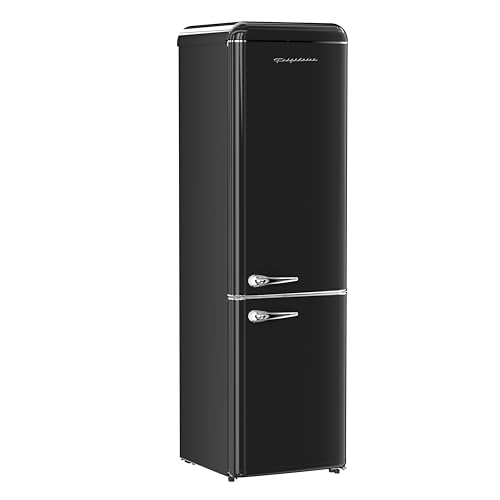
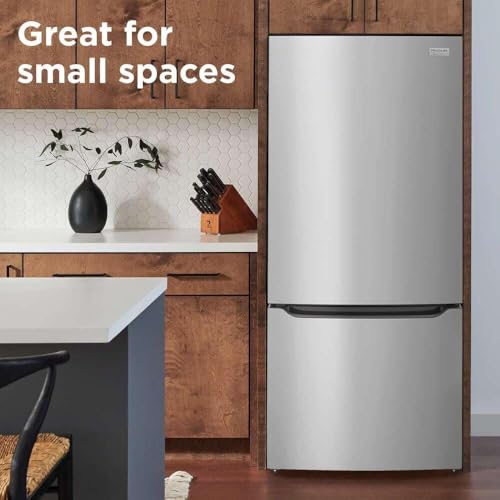
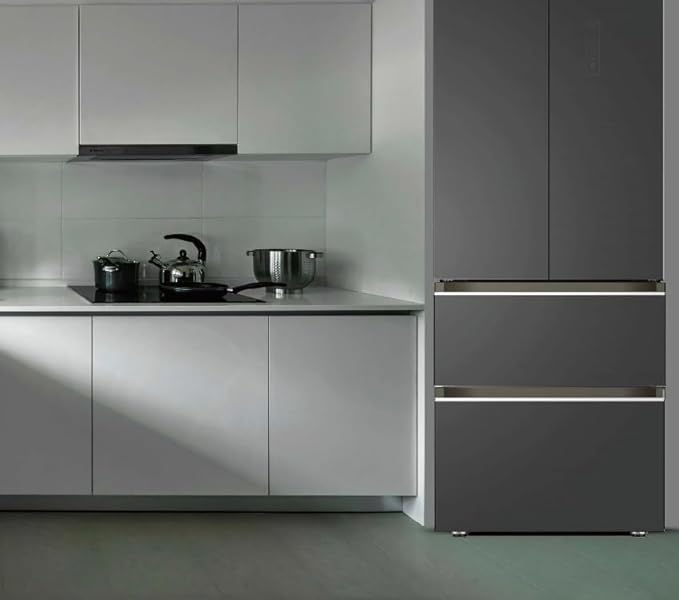
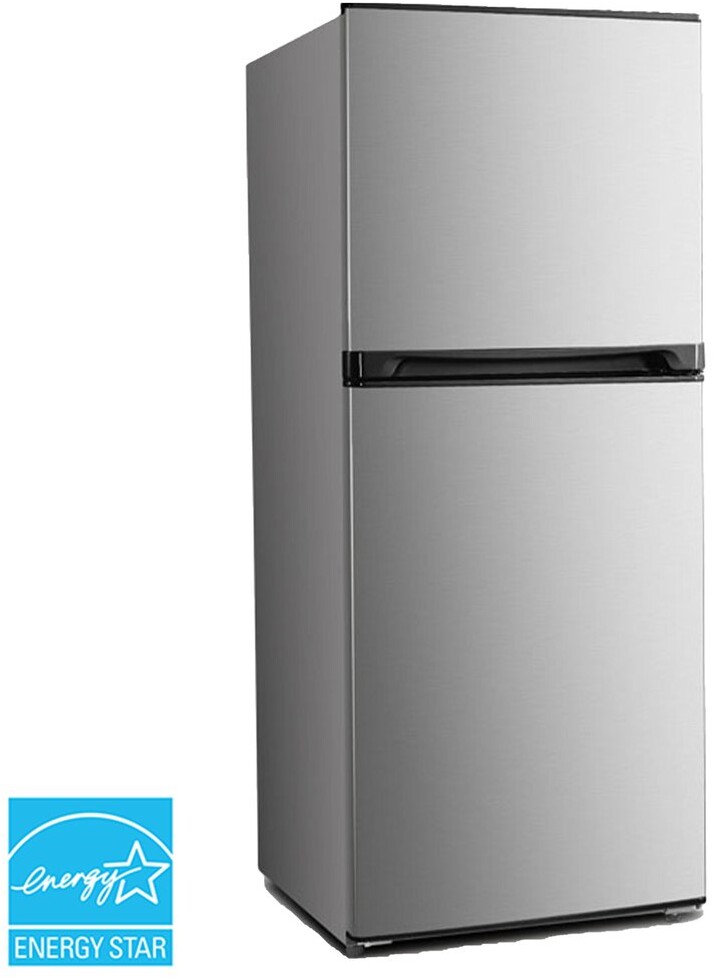
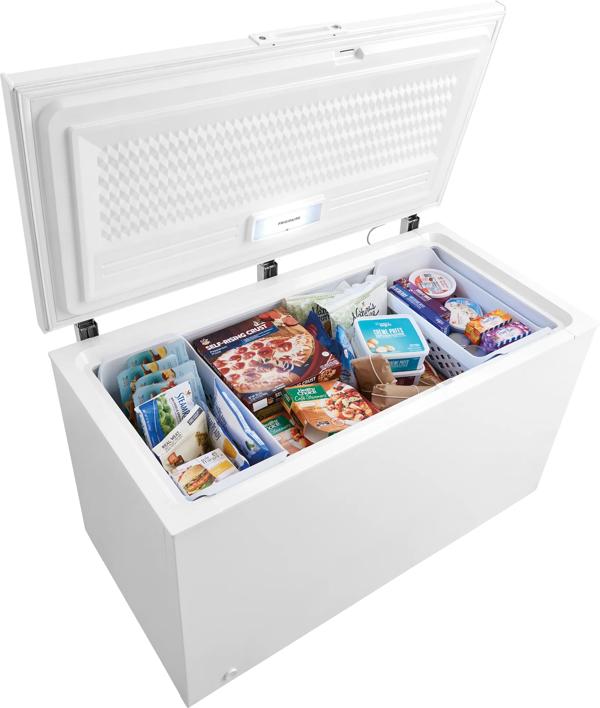
Refrigeration is a superhero in your day-to-day adventures, helping you stash away food, whip up meals, and keep your eating habits on point. Without it, your milk would turn into a science experiment, and leftovers would morph into compost fodder faster than you can say "expiration date." Your fridge is like a treasure chest of goodies, ready to provide ingredients that make cooking a breeze.
It's not just about keeping your veggies crisp! A chill helps stop food from turning into a health hazard. Cold temps slow down nasty bacteria—especially important for stuff like raw meat and dairy that can go bad on a whim.
What it Means for You
Why it Matters
Keeps Food Fresh
Extends time food stays edible, cutting down waste.
Keeps You Healthy
Stops harmful bacteria from spreading in your food.
Easy Access
Your meal-making sidekick, always ready with supplies.
Benefits of Proper Refrigeration
Pumping a bit of dough into a solid fridge setup? Smart move. There are tons of perks for your home sweet home and day-to-day life. Let's break it down:
Say Bye to Spoilage: Fridges keep your grub fresher for longer. Want that apple to last until next week? No problem.
Cash Saver: Less tossing expired groceries means you keep more cash. Hold onto those dollars for other fun stuff instead.
Master Meal Prep: Stock up and plan like a pro. Buy in bulk and avoid a daily dash to the store. Perfect for families or anyone diving into a new dish they've been dying to try.
Peace of Mind: Keeping your eats at just the right temp means less contamination. Sleep easy knowing your family's munchies are safe.
Room for Whatever: From big birthday bashes to weekly meal preps, a trusty fridge can handle all sorts of goodies.
Looking to get the most out of your fridge space? Check out Fridge.com guide on refrigerator organizer bins. Smart use of your cooling compadre can help you enjoy tasty and fresh meals and can save some time in the kitchen circus.
Types of Refrigerators
Picking the right fridge ain't just about keeping your ice cream chilled. You gotta know your options to snag the one that fits your kitchen vibe. Let’s break down the usual suspects in the fridge world.
Top Freezer Refrigerators
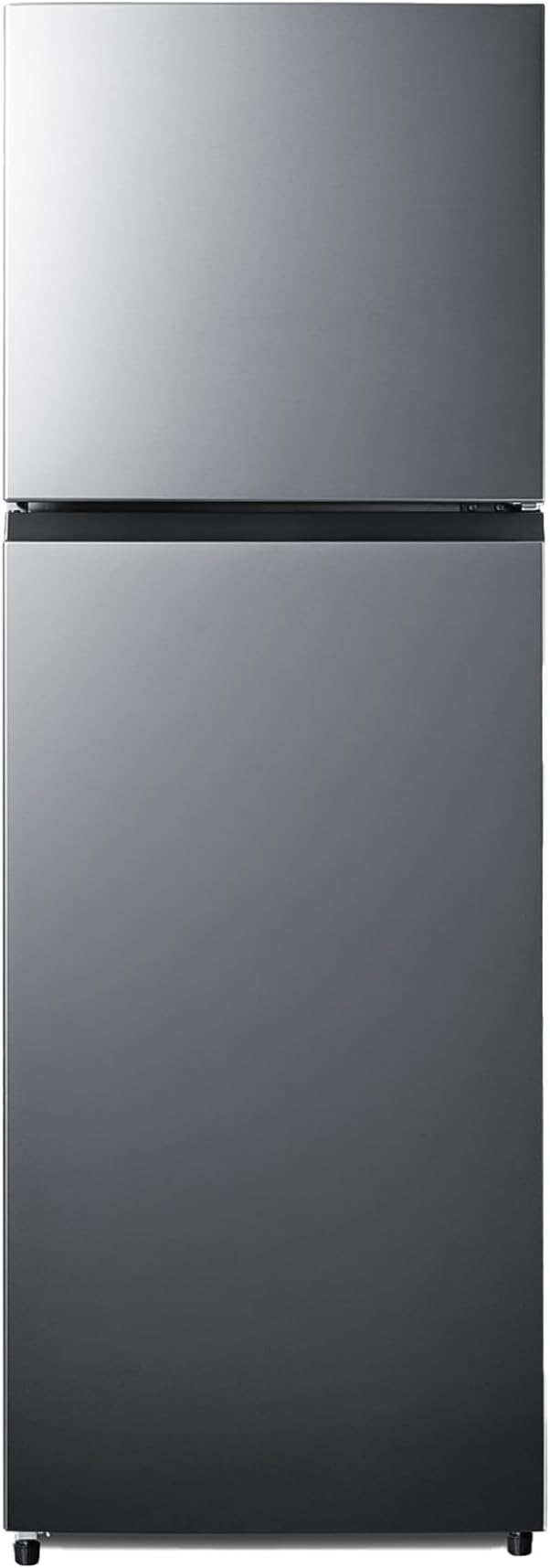
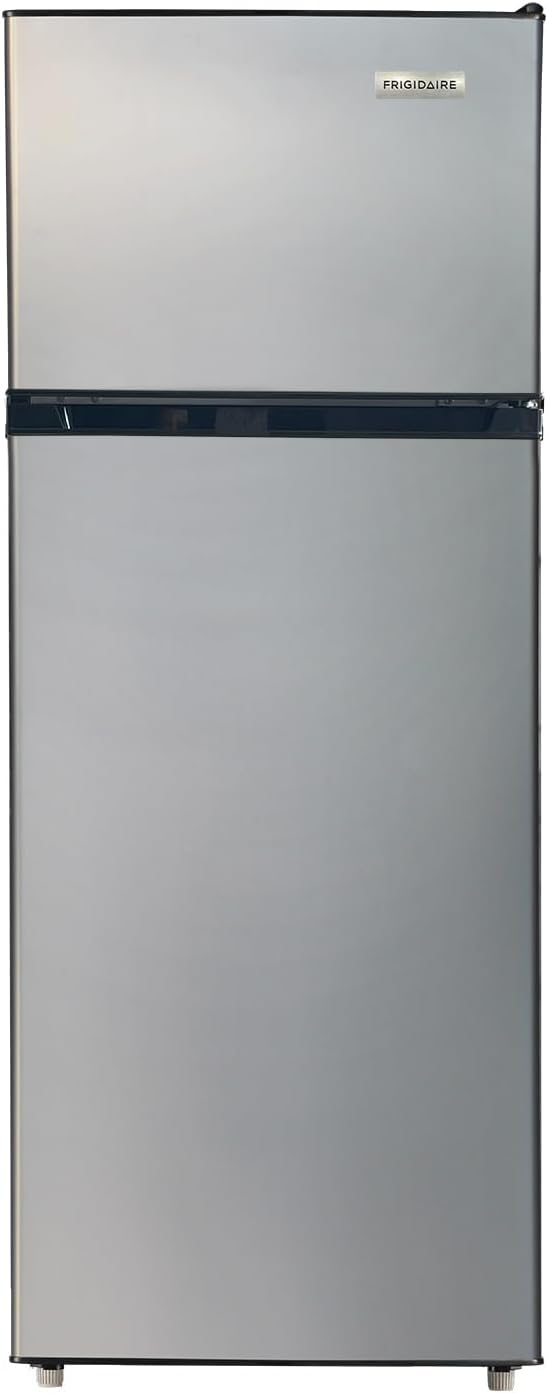
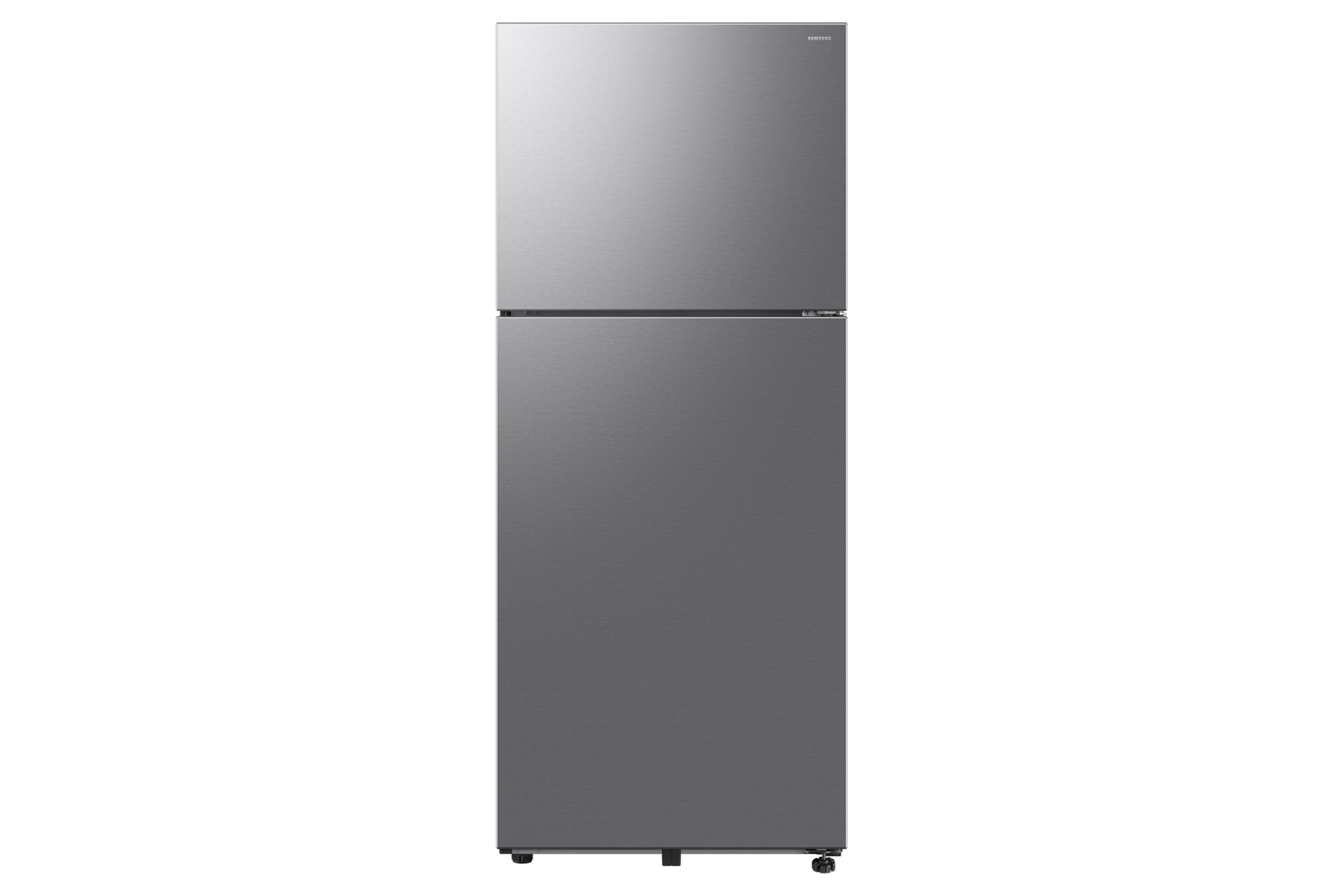
Going old-school with top freezer fridges, we find freezer living the high life above the fridge. It's the go-to choice for those who want more freezer room without breaking the bank. Plus, they come in all sorts of sizes to squeeze into your cozy kitchen nook.
Thing to Know
What it Means
Height Range
50 to 70 inches; room for tall bottled drinks
Width Range
Fits in those 24 to 36 inch spaces
Storage Size
Around 14 to 20 cubic feet to stash your goods
Bottom Freezer Refrigerators
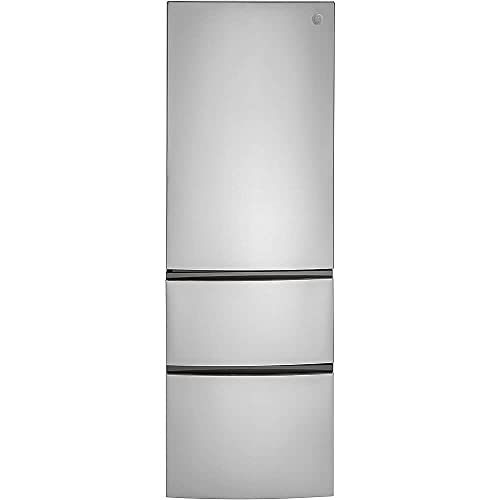
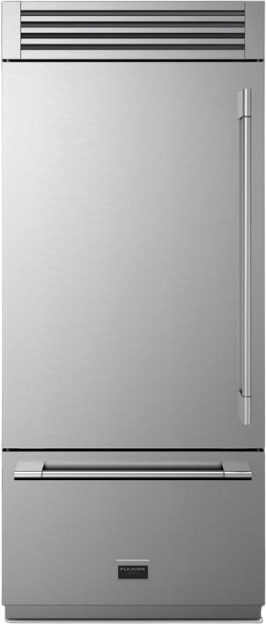
Flipping the script, these have freezers chilling down low, making it a breeze to grab fresh goodies you reach for daily. Perfect if bending over for milk isn't your morning jam.
Thing to Know
What it Means
Height Range
Fits rooms at 59 to 68 inches
Width Range
Slides into 24 to 36 inch spots
Storage Size
Holds about 18 to 25 cubic feet; stuff all the veggies in
Side-by-Side Refrigerators
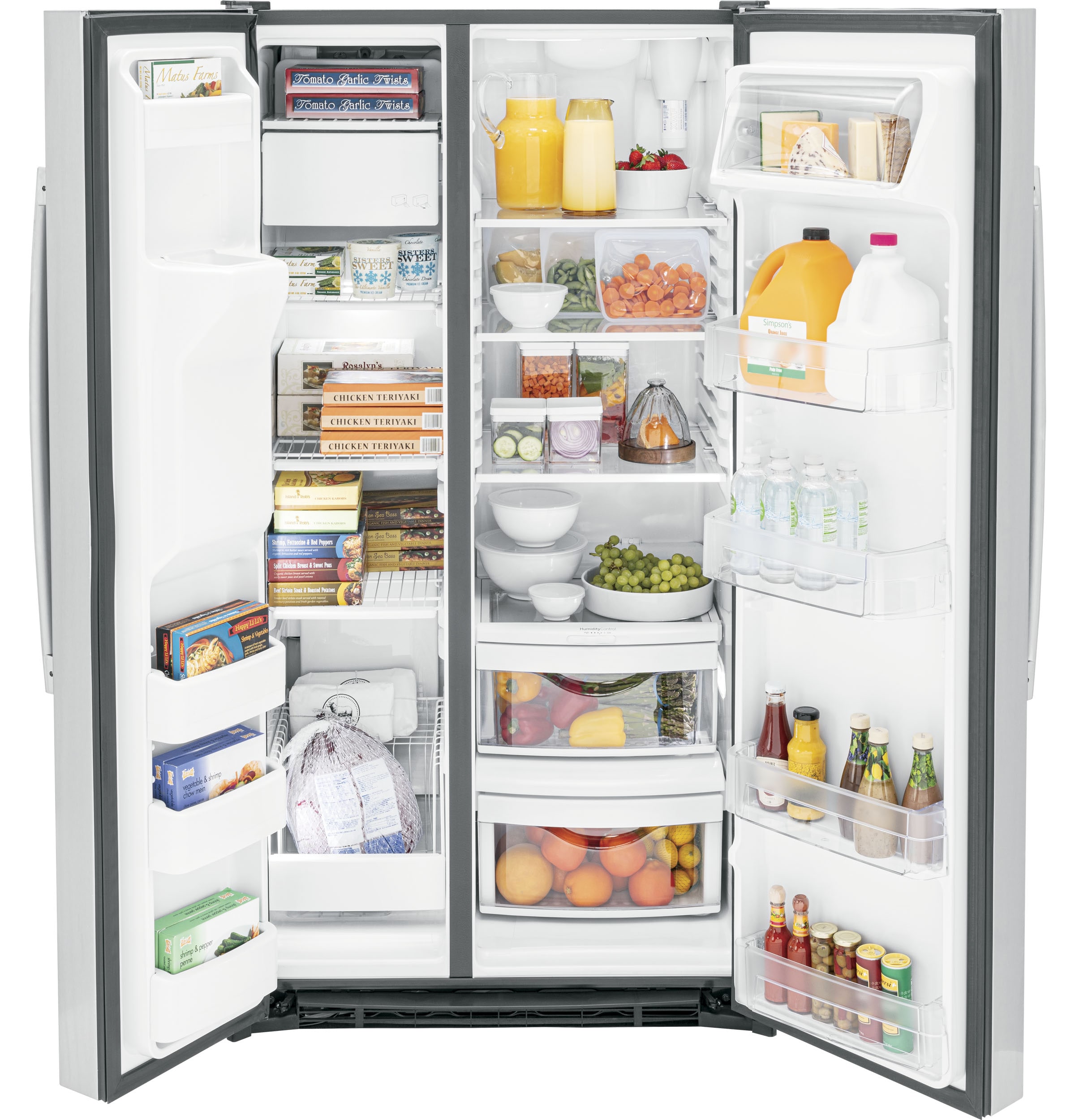
These fridges strut with a pair of vertical doors. Fridge on one side, freezer on the other—making everything a cinch to reach. Plus, enjoy a cold sip with built-in water and ice buffs.
Thing to Know
What it Means
Height Range
Stands tall at 60 to 72 inches
Width Range
Made for 30 to 36 inch spaces
Storage Size
Roomy 20 to 30 cubic feet for all your snack packs
French Door Refrigerators
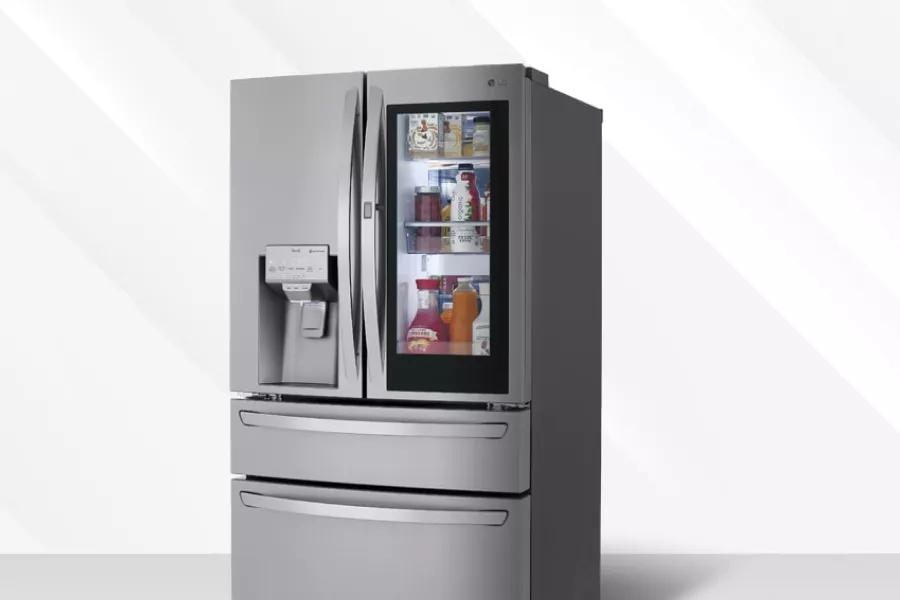
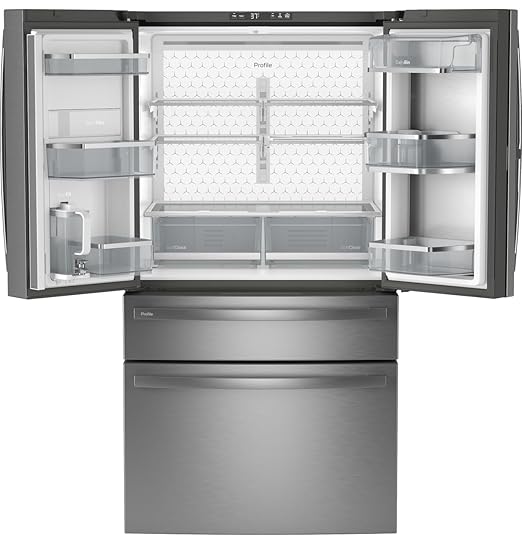
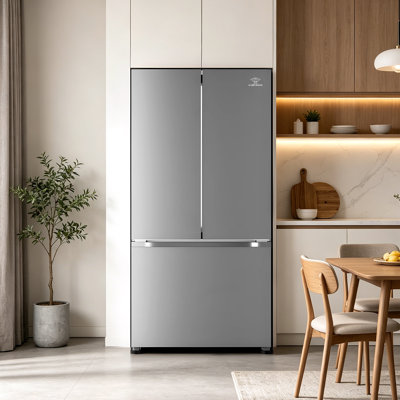
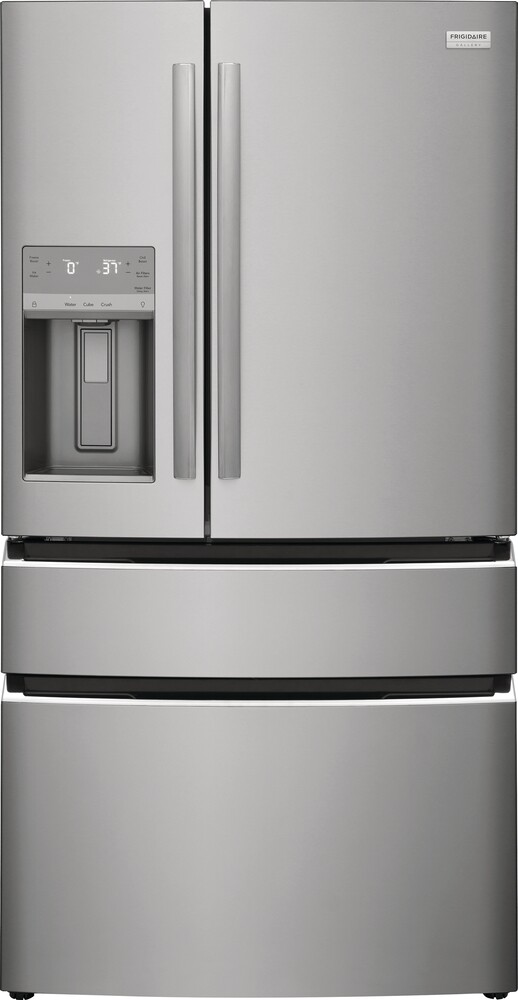
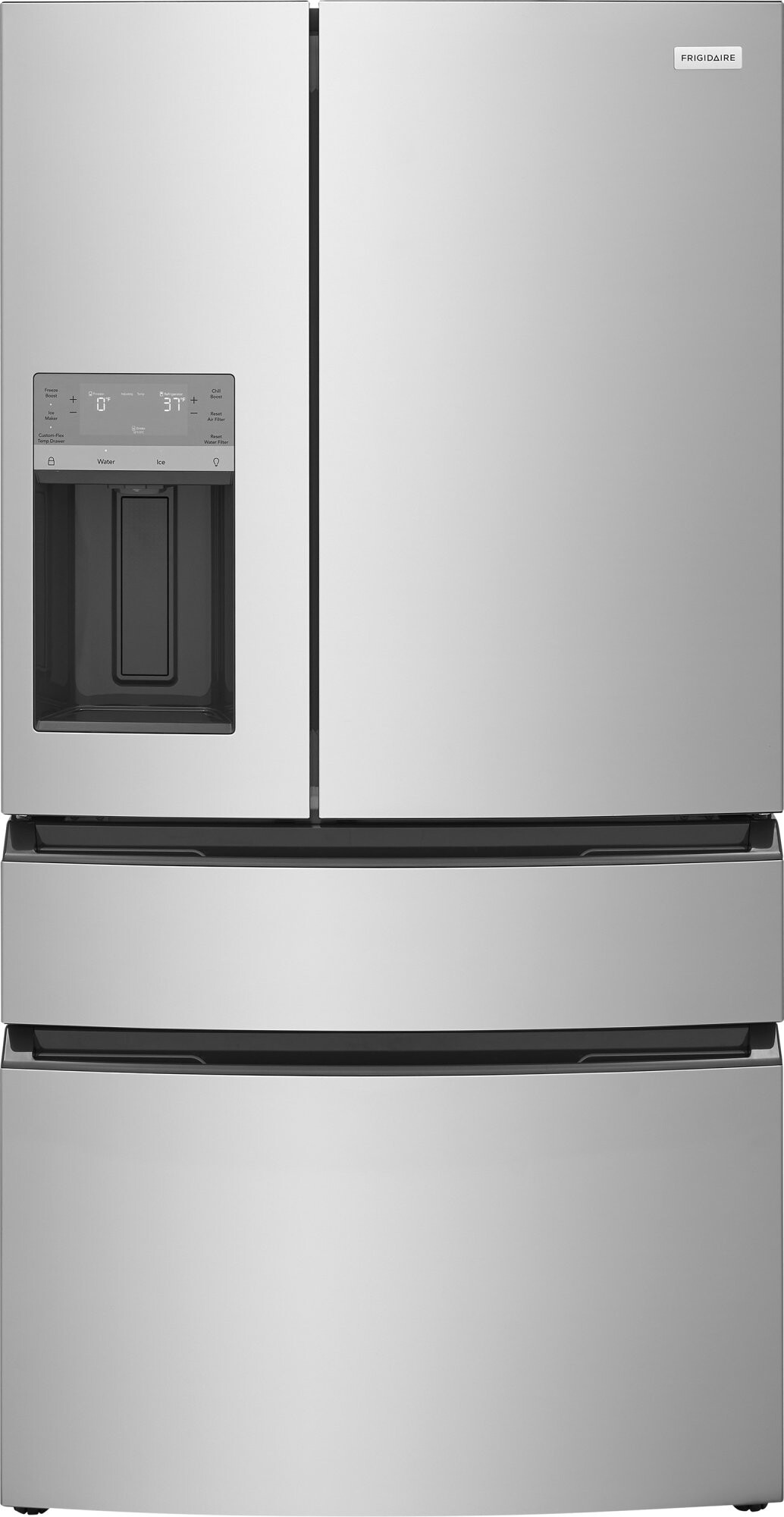
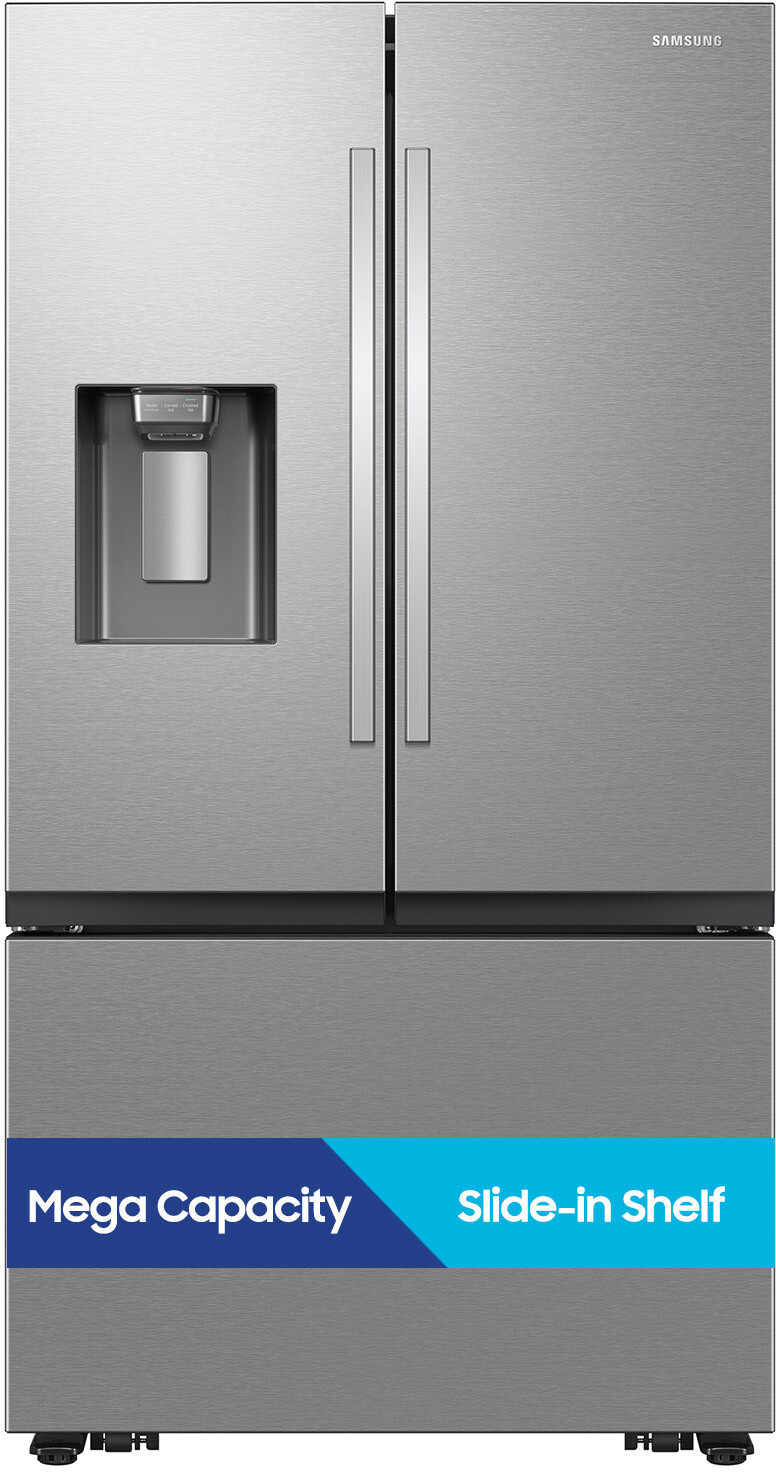
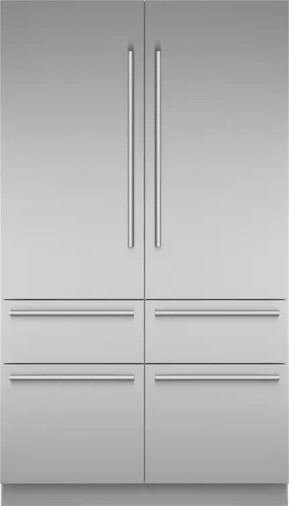
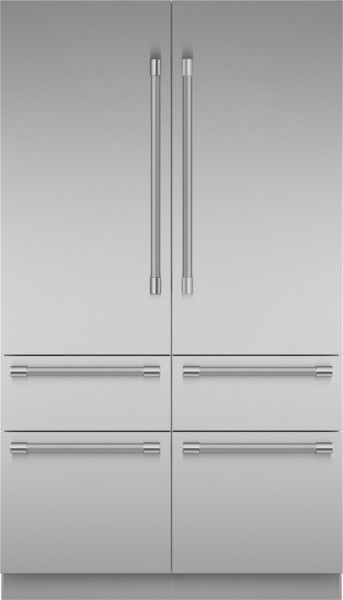
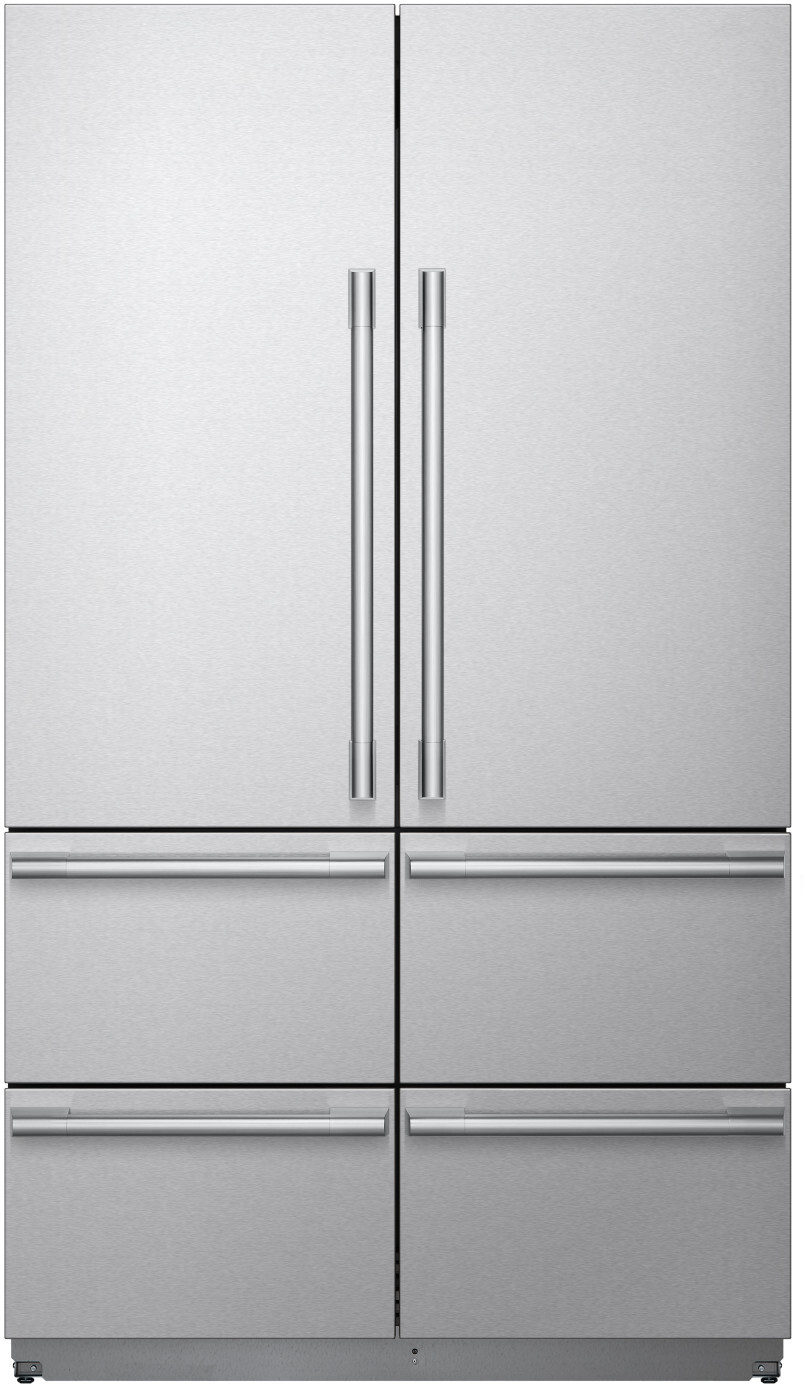
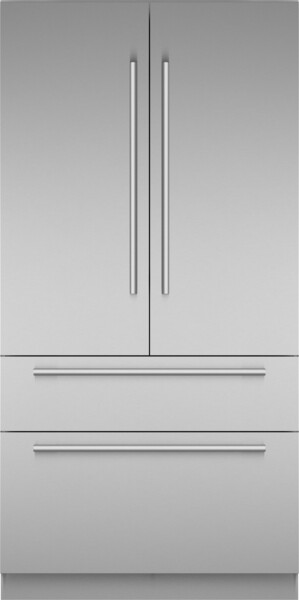
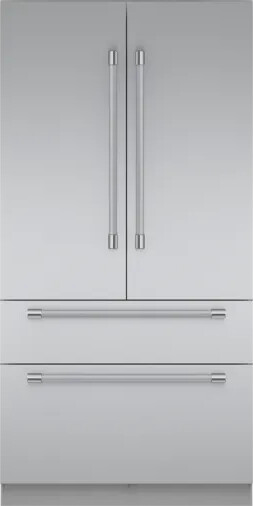
Think bottom-freezer luxury with some side-by-side flair on top. Fancy and functional, they mix a roomy fridge with a capacity-heavy freezer. Many models boast cool extras like double ice makers and tailored temp zones.
Thing to Know
What it Means
Height Range
Keeps it 68 to 72 inches
Width Range
Found from 30 to 36 inches wide
Storage Size
Everything fits in a 20 to 30 cubic feet paradise
Picking a fridge is about knowing what you need and making it work with your kitchen space. A little knowledge goes a long way in making life smoother in the icebox department. Want to up your fridge game? Check out Fridge.com guide on refrigerator organizer bins for more tips!
Picking out a fridge ain't as easy as grabbing a soda from the convenience store. You gotta think about what suits you, your style, and where it'll fit in your pad.
Things to Think About Before Buying
Before you swipe that card, chew over these points:
Your Lifestyle: Throw big parties often or into those meal preps? Your fridge needs to be your sidekick in freshness.
Room for It: Bust out the tape measurer. You need to know how much room you've got. Don’t forget, the doors gotta open all the way without knocking over Aunt Margie’s knickknacks.
The Moolah: Know your budget. Fridges come from bare-bones cheap to bells-and-whistles fancy.
Size and Capacity
Size matters. You need a fridge that not only slips into that kitchen slot but also juggles your grocery load. Here's a cheat sheet on fridge sizes and what they can hold:
Fridge Style
Width Range
Capacity (Cubic Feet)
Top Freezer
28-32 in
14-22
Bottom Freezer
28-36 in
17-28
Side-by-Side
30-36 in
20-30
French Door
30-36 in
20-30
Check your eating habits, too. If you're the type who cooks a week's worth of meals in one go, go big, or you might end up stuffing bags of frozen peas wherever they fit. For more details on sizing, ease yourself over to what size refrigerator do I need?.
Energy Efficiency
Watch your wallet and the planet by eyeing up energy-friendly fridges. Find those with the ENERGY STAR label; they’re like your eco-friendly pals saving you on bills and guilt. Peep at this table for some typical numbers:
Fridge Style
Energy Use (kWh/Year)
Cost/Year ($0.12/kWh)
Top Freezer
300-500
$36-$60
Bottom Freezer
400-600
$48-$72
Side-by-Side
500-800
$60-$96
French Door
600-900
$72-$108
Pick a fridge that clicks with your "save-the-Earth" vibe and fits your needs. Make a smart pick now so your fridge remains your loyal kitchen buddy for years. For more organizing hacks once you’re all set, meander over to refrigerator organizer bins.
Organizing Your Refrigerator
Getting your fridge in order doesn't just cut down on food waste—it also makes whipping up meals a breeze. Let's explore some handy tricks to keep your fridge running smoothly.
Best Practices for Food Placement
Putting stuff in the right spot keeps things fresh and safe. Here's the lowdown:
Top Shelves: This is prime real estate for ready-to-eat goodies like leftovers, drinks, and herbs. These are the "pop it and eat it" types.
Middle Shelves: A dream spot for dairy lovers. Milk, cheese, yogurt—this is where you wanna keep 'em. It’s chill ’n steady here.
Lower Shelves: If your fridge were a winter coat, this’d be the coldest part. Perfect for stashing raw meat, poultry, and fish, keeping them far from other foods just in case they decide to drip.
Crisper Drawers: Fruits and veggies find their home here. Some drawers are all about that humidity control to keep your greens in tip-top shape.
Door Shelves: Not the Antarctic of the fridge, more like a balmy beach. Perfect for those mustard bottles and juice cartons that won’t whine about the warmth.
Shelf Location
Recommended Items
Top Shelves
Leftovers, drinks, herbs
Middle Shelves
Dairy products (milk, cheese, yogurt)
Lower Shelves
Raw meat, poultry, fish
Crisper Drawers
Fruits and vegetables
Door Shelves
Condiments, juices
Maximizing Storage Space
Running outta space in the fridge? Here’s how to fit it all in without the Tetris headache:
Use Bins and Baskets: Stash stuff in bins to keep your fridge clutter-free. Check out refrigerator organizer bins for options.
Label Containers: Write what’s inside on containers, saves time—and if you have kids, maybe keep the "don't eat this" labels handy too!
Adjust Shelves: See if you can tweak shelf heights. Not all bottles have the decency to be short.
Keep Items Visible: New at the back, old at front. Easy-peasy way to not forget what you already have!
Tips for Maintaining Freshness
Want your food to stick around longer? Here’s how you do it:
Check Expiration Dates: Once in a while, do a quick scan and toss anything that's past its prime.
Seal Items Properly: An open bag is like an open can of soda—flat and flavorless. Make sure you close things up nicely to lock in freshness.
Store Properly: Watch out for those spoiled-rotten partners. Some fruits exhale a nasty gas that spoils others, so give 'em some solo space if they need it.
Temperature Management: Keep the fridge chillin’ between 34°F and 40°F and everyone’s happy.
Follow these tips and not only will your fridge look great—but you’ll make cooking a whole lot smoother.
Maintaining Your Refrigerator
Keeping your fridge happy doesn't just stretch its life; it also keeps your grub fresh and your tummy safe. Here's the scoop on cleaning, keeping it cool, and fixing the usual hiccups.
Cleaning and Odor Control
Nobody likes a stinky fridge, right? A little upkeep goes a long way. Here's how to keep your fridge spick-and-span:
Empty and Clean on the Regular: Every month or two, give your fridge a makeover. Chuck out the old stuff, clean those shelves till they shine.
Mix It Up: Mild soap and water do the trick for basic cleaning. Got some funkier smells? Baking soda’s your buddy.
Odor Busters: Keep things fresh with an open box of baking soda. Or grab a fancy fridge deodorizer if you're feeling it.
Ever wondered how we got from iceboxes to our modern-day smart fridges? Well, it all kicked off with Oliver Evans in 1805 when he cooked up the idea for the first "fridge," though back then, it resembled more of a complex vapor compression contraption. Fast forward to the 18th century, icehouses started popping up everywhere which were essentially giant sandboxes filled with ice to keep stuff cold. The real game-changer? The 20th-century breakthrough when fridges boldly stepped into homes and changed how dinner was stored forever.
Year
Milestone
1805
Oliver Evans dreams up the first fridge machine.
1850s
Icehouses become all the rage for food storage.
1920s
Action-packed fridges finally arrive in homes.
1940s
Freon becomes the go-to chill factor in refrigerators.
Interesting Technologies in Modern Refrigerators
Today's fridges are like little tech wizards in your kitchen. Imagine your fridge tattling on you when your milk's about to go bad, thanks to its smart tech. You can tweak the temp just by tapping on your phone. Energy-efficient gizmos help slash those pesky power bills, while advanced cooling ensures your leftovers stay just right, not too chilly, yet perfect.
Technology
Description
Smart Connectivity
Your fridge talks to you via your smartphone. Sassy, right?
Multi-Zone Cooling
You get a custom chill for each shelf or drawer.
Advanced Water Filtration
Enjoy top-notch water and ice with built-in filters.
Fun and Quirky Refrigerator Facts
Think fridges are just sitting there, keeping your soda cold? Think again. The average fridge actually sticks around for about 14 years before saying goodbye. Remember the 1950s? Well, maaaaybe not first-hand, but fridges were like little rainbow boxes back then, all bright colors and wacky designs!
Here’s some trivia to tickle your brain:
The world's biggest fridge maker churns out more than 10 million pieces annually.
One out of every five homes still hangs onto trusty iceboxes.
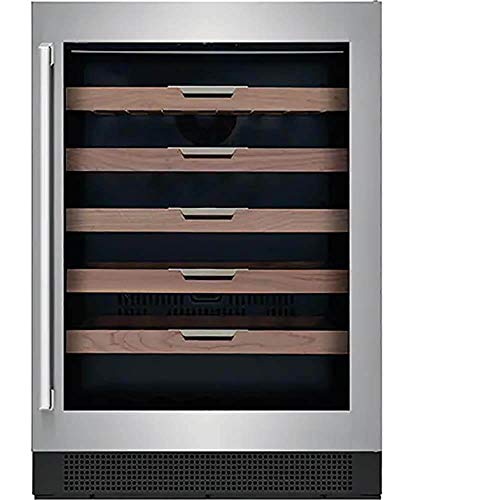
There are fridges made just for vino, keeping your whites and reds at their happy temps.
Go ahead, give that trusty fridge a nod of appreciation next time you grab a midnight snack. And if you're into keeping it all neat and tidy, check out our handy refrigerator organizer bins for some space-saving magic!
From Fridge.com research
Figures below come from data Fridge.com builds and maintains. Each links to the record behind it.
Fridge.com Energy Index, built on U.S. EPA and DOE ENERGY STAR records
Across 5,455 ENERGY STAR certified refrigerators and freezers from 263 brands, median use is 360 kWh per year.