You need between 11 and 31 cubic feet for one to six people: about 11 for one person, 15 for two, 19 for three, 23 for four, 27 for five and 31 for six when you cook daily and shop weekly, per the Fridge.com size calculator. Run the refrigerator size calculator with your own habits; the guide below covers what to weigh, the main refrigerator types and how to measure.
Evaluating Your Refrigeration Needs
Kicking off the fridge hunt? Start by looking at what you stash inside it and how you live. This way, you'll snag the right size that suits your crew.
Assessing Your Storage Needs
Before diving in, think about the kind of stuff you usually buy. Are you stocking up for a little village or just for you? Here's what the Fridge.com size calculator recommends for households that cook daily and shop weekly:
Household Size
Recommended Refrigerator Size
1-2 People
About 11–15 cubic feet
2-4 People
About 15–23 cubic feet
4+ People
About 23 cubic feet and up
If you're the party master with loads of pizza or big trays, go big! Or if you love your cold drinks or goodies, maybe a mini fridge or a backup fridge is up your alley.
Considering Your Lifestyle Habits
Your life's rhythm is a biggie in this fridge game. Think about this:
How often's the kitchen busy with cooking?
Are you into prepping meals ahead of time?
Love hosting friends and family?
How often do you hit the grocery store?
All these shake up how much space you'll need. If you're the chef of fancy dishes or the snack magician at parties, a fridge with plenty of room and smart spots for snacks, drinks, and prep stuff will do wonders.
Not hitting the store often or digging takeout more? A smaller fridge might be just right. If you swoop up loads of fresh stuff like produce, check out extras like storage bins to make the most of your space.
Taking a good, hard look at what you tuck away in your fridge and how you live your life will help answer the burning question, "What size refrigerator do I need?"
Picking the right fridge ain't just about keeping your milk cold. You need the right size for your kitchen to keep things running smoothly. Check out these standard sizes to help you make it work.
Standard Refrigerator Dimensions
Refrigerators usually come in standard styles with typical measurements. Here's a rundown of what you might bump into:
Type of Refrigerator
Width (inches)
Depth (inches)
Height (inches)
Top-Freezer
28 - 32
29 - 34
62 - 66
Bottom-Freezer
28 - 36
29 - 34
67 - 70
Side-by-Side
32 - 36
30 - 34
66 - 70
French Door
30 - 36
30 - 34
68 - 72
Sizes can shift depending on the model, so it's always smart to double-check the specs. Make sure your new fridge slides in like it belongs there and keeps the air flowing. You don't want a space where you can't fling open the doors comfortably.
Factors Affecting Size Choice
So, what size fridge do you get? Think about these things:
Family Size: More people equals more milk, more eggs, and more leftovers. A bigger family often demands a bigger fridge.
Cooking Habits: If you're the chef type, buying ingredients in bulk, you're gonna need the space.
Available Space: Grab that tape measure! Know where it's going and think about door swings. You don't want fridge doors that act like bumper cars with your walls.
Lifestyle Choices: If you're always throwing parties or have a unique way of eating, you might need extra spots for drinks or greens.
Specialized Needs: Got a need for storing tall bottles or lots of casserole dishes? Go for a unit with adjustable shelves or bins that work with your life.
By thinking through these points, you'll nail down the perfect fridge size. If fancy storage tips are your thing, take a gander at Fridge.com articles on refrigerator organizer bins and mini refrigerators.
Picking the perfect fridge isn't just about chilling your groceries—it's about matching your lifestyle and kitchen vibes too. Fridge.com will break down four cool choices for you: the reliable top-freezer, the handy bottom-freezer, the space-saving side-by-side, and the super-spacious French door. Let's dive into the details and help you zero in on your ideal fridge style.
Top-Freezer Refrigerators
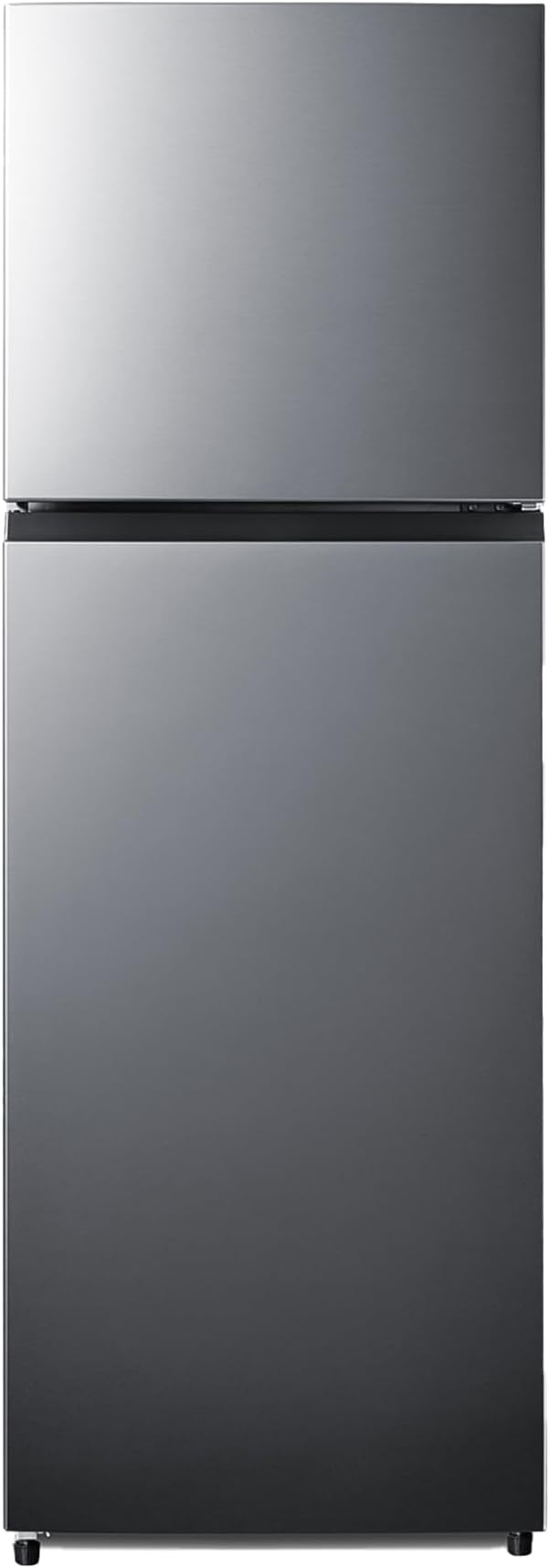
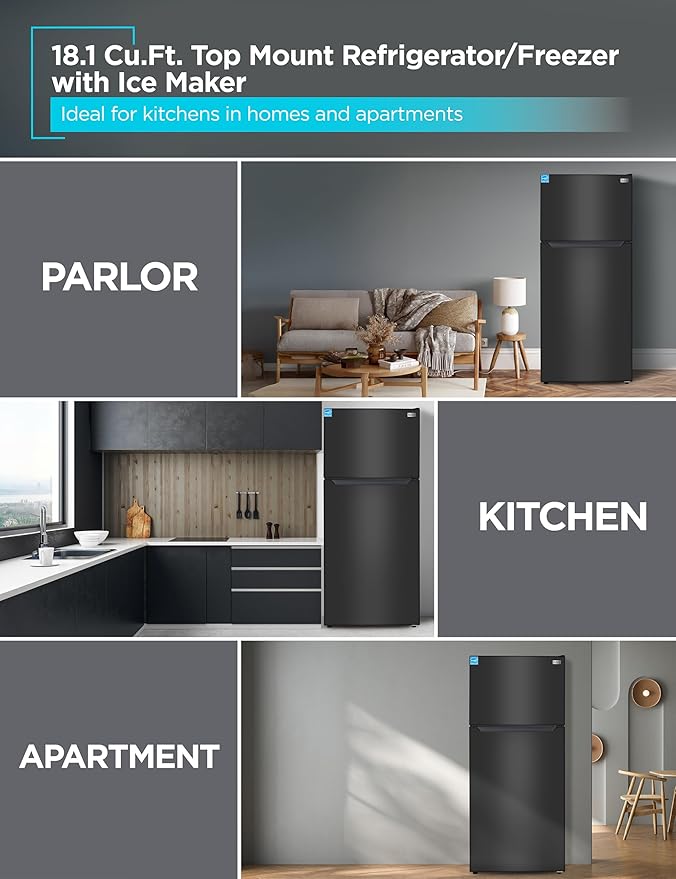
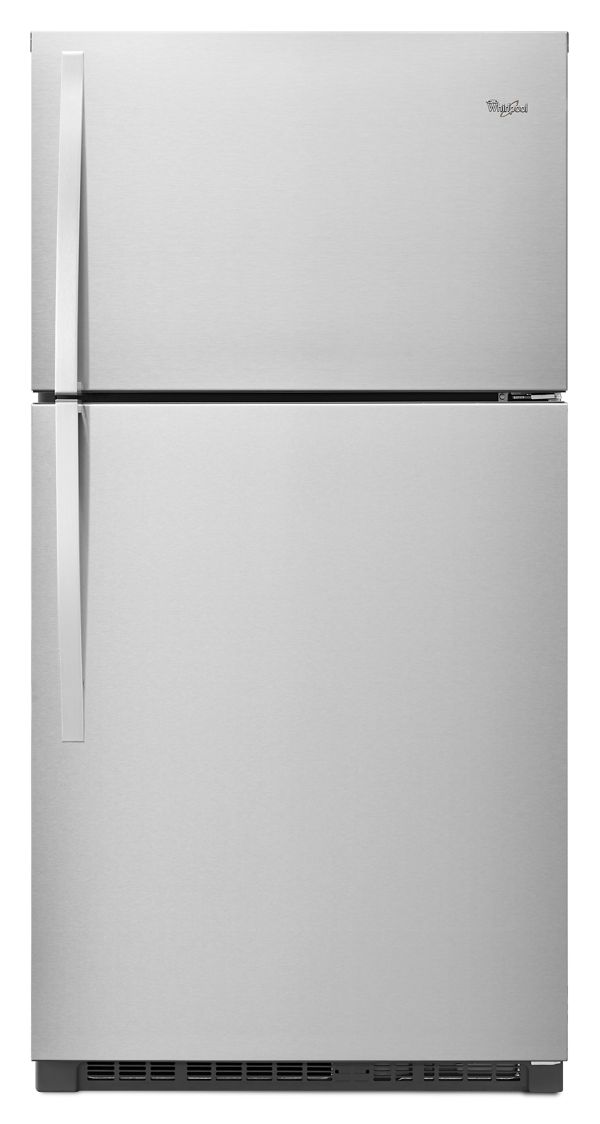
This one's a blast from the past! The top-freezer fridge has your fresh stuff smack dab at eye level, with the freezer up top. It won't break the bank and has plenty of room for your goodies. If your kitchen's on the petite side or you don't dig into frozen goods too often, this could be your match.
Size (Height x Width x Depth)
Usual Capacity
60" x 30" x 34"
14 - 22 cubic feet
Bottom-Freezer Refrigerators
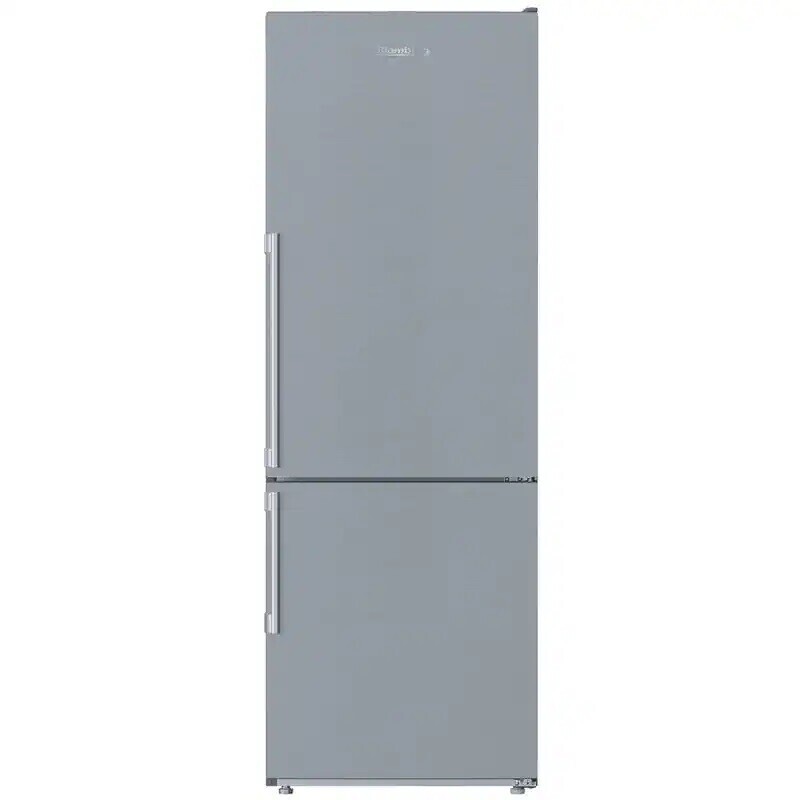
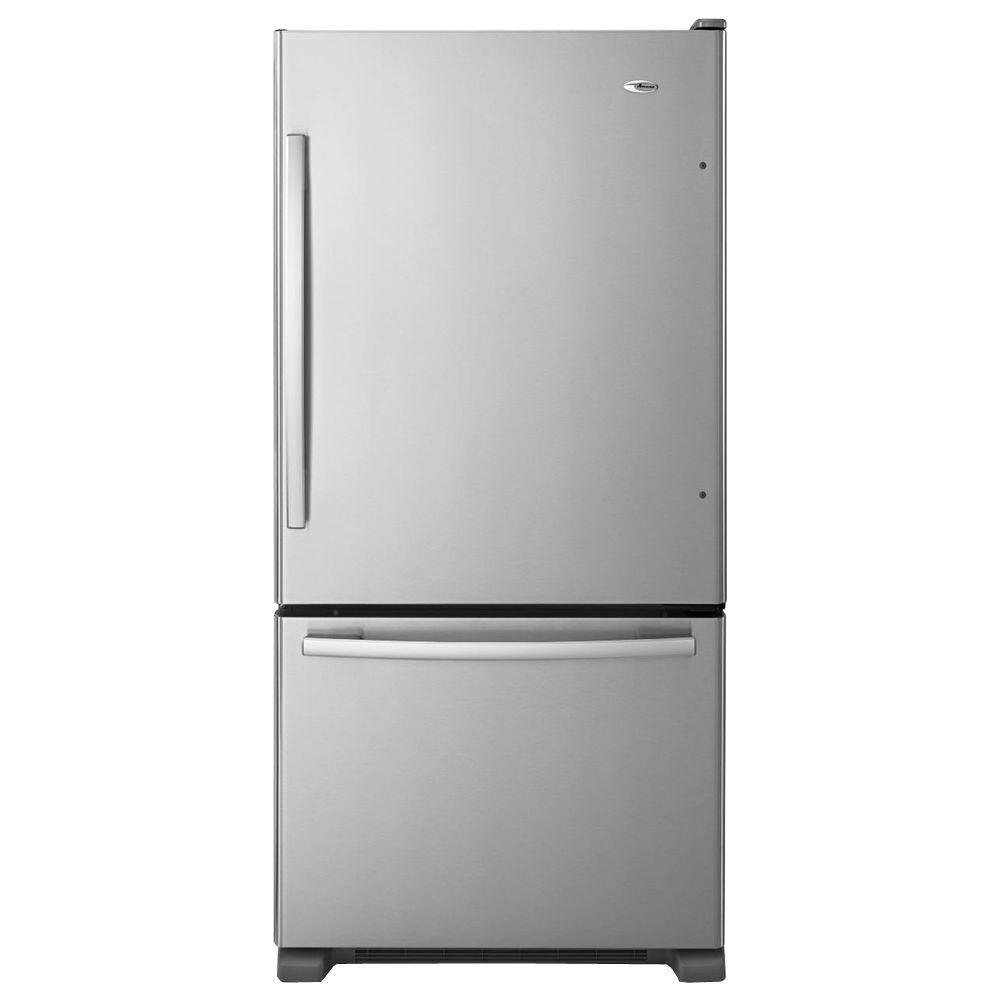
Tired of bending like a pretzel for your veggies? The bottom-freezer fridge has got you covered. With the fresh stuff where you can actually see it and frozen goods below, say goodbye to fridge yoga. Bonus: those pull-out drawers and bins make grabbing your ice cream a breeze.
Size (Height x Width x Depth)
Usual Capacity
67" x 30" x 30"
16 - 24 cubic feet
Side-by-Side Refrigerators
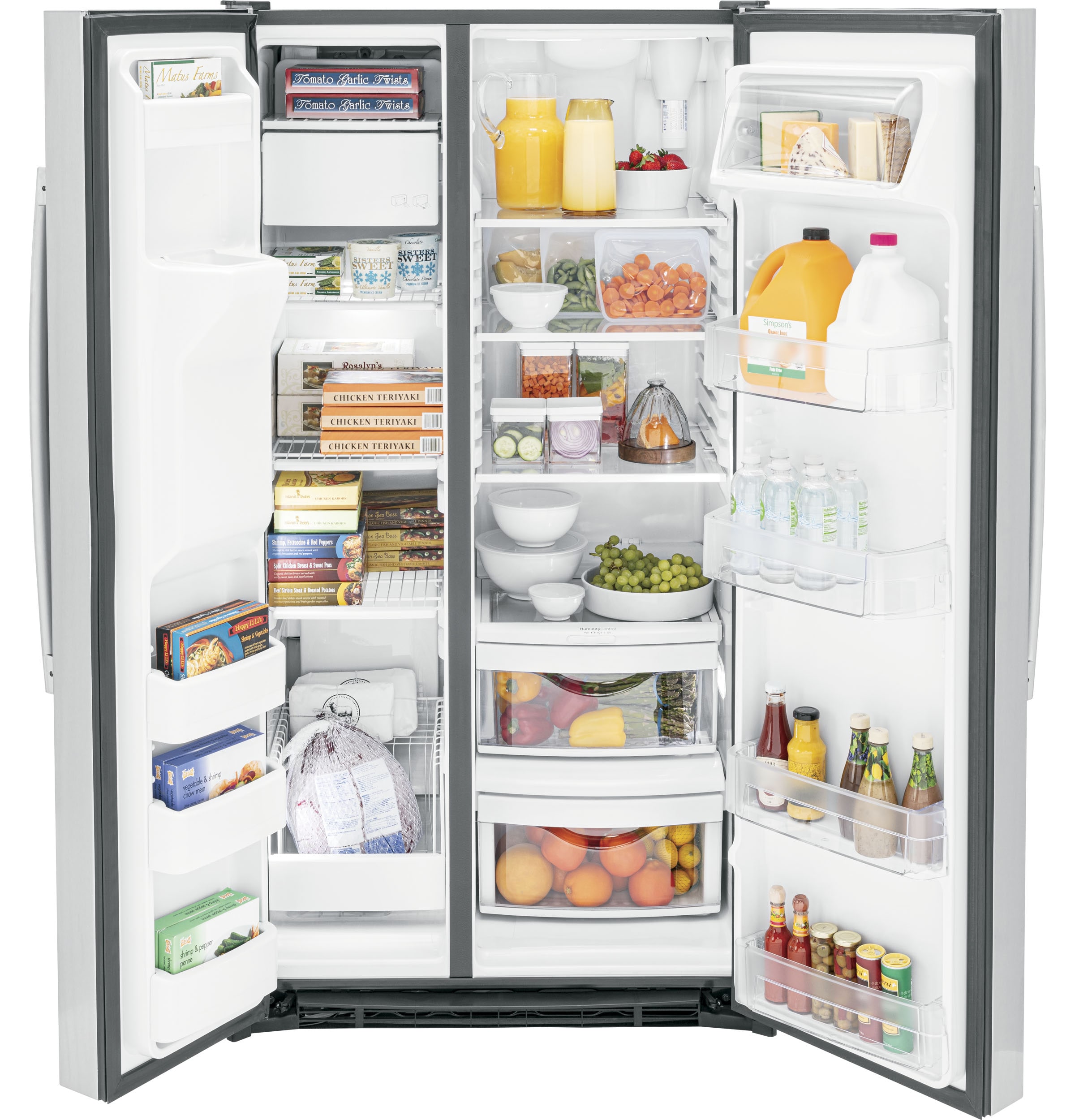
Side-by-side fridges offer a neat setup with the freezer and fresh food snuggled next to each other. Ideal for tighter spaces, they let you grab ice cream and a soda without shuffling things around. Many models also hook you up with a water and ice dispenser for instant refreshment.
Size (Height x Width x Depth)
Usual Capacity
66" x 36" x 33"
20 - 30 cubic feet
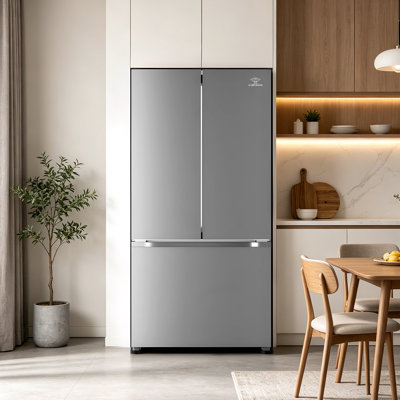
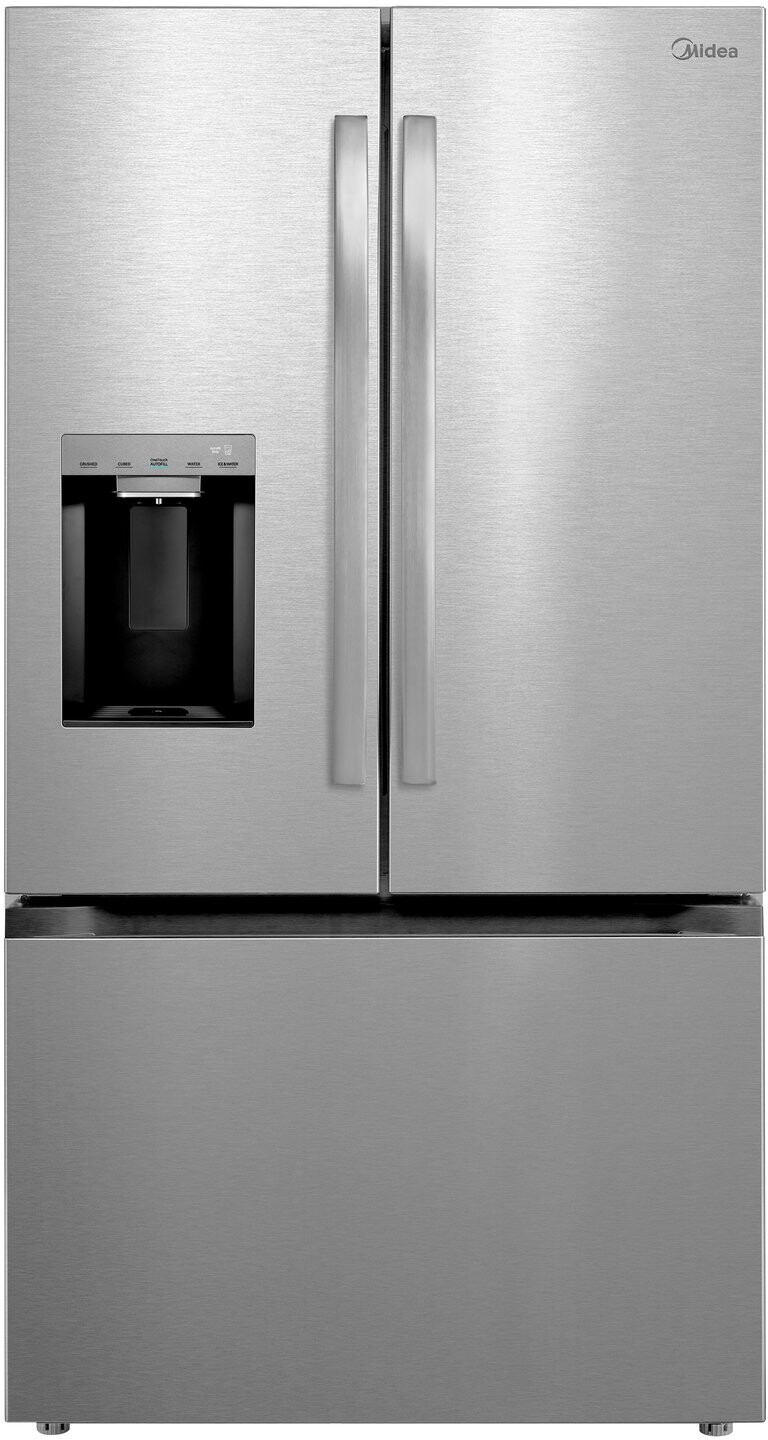
French Door Refrigerators
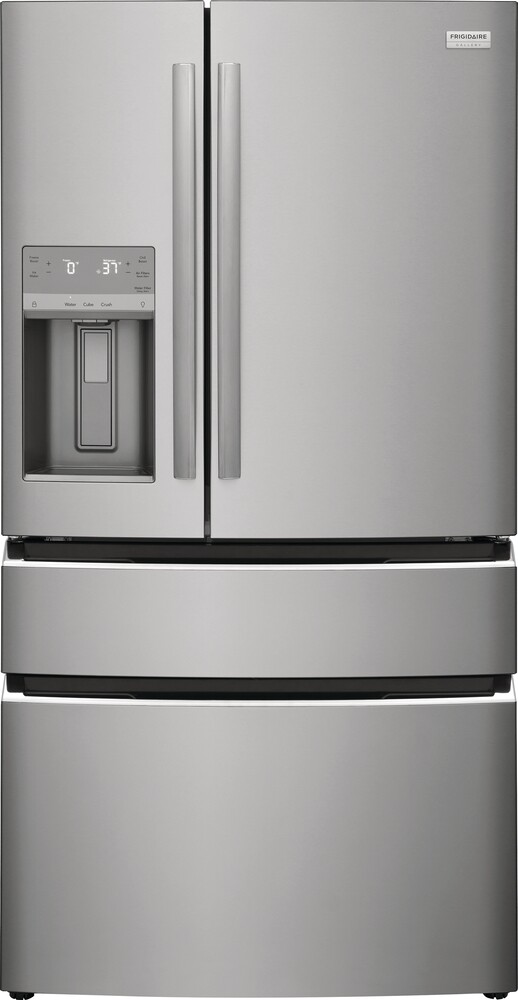
Now, if you're looking for the Cadillac of fridges, the French door is your ride. With two doors swinging open to your fresh delights and a roomy bottom-freezer, this beast handles big families and hefty shopping hauls with ease. Look for options with extra bells and whistles, like clever crispers and energy-saving modes.
Size (Height x Width x Depth)
Usual Capacity
70" x 36" x 32"
22 - 30 cubic feet
Knowing these fridge types means you're a step closer to nailing the perfect pick for your kitchen and lifestyle needs. Want to make sure you snag the right size too? Keep reading to sort out just how much fridge space you'll need to keep things chill.
Figuring out what size fridge works for you comes down to a couple of things: how many folks you got at home and just how you roll with cooking and grocery shopping. These will help you nail down just the right refrigerator size and setup.
Family Size and Composition
Who's living under your roof and what they usually munch on can make a big difference in picking the right fridge. Bigger families usually need more room for all those snacks and drinks, while smaller households might be okay with less.
Here's what the Fridge.com size calculator recommends for a family that cooks daily and shops weekly:
Family Size
Recommended Capacity (Cubic Feet)
1-2 people
About 11–15 cu ft
3-4 people
About 19–23 cu ft
5+ people
About 27 cu ft and up
If you're the kind of folks who love throwing parties or cooking up a storm, aim for the bigger sizes. Got some unique food needs or favorites? Think about the extra room you might need for those.
Cooking and Grocery Shopping Habits
How often you cook and hit the grocery store also plays a big part in fridge size. If you're whipping up meals left and right, keep space in mind for fresh stuff like veggies, meat, and dairy.
If bulk buying is more your style or you love those pre-packed goodies, aim for a fridge with all those fancy shelves and compartments to keep stuff neat and tidy.
Shopping less often means stocking more. For a family of four that cooks daily, the Fridge.com size calculator recommends:
Shopping Habits
Recommended Capacity (Cubic Feet)
Weekly
About 23 cu ft
Bi-weekly
About 26 cu ft
Monthly
About 30 cu ft
For those who like stocking up to avoid frequent shopping, a bigger fridge might be just the ticket. Consider grabbing some fridge bins to keep everything in order.
By looking at your household size and your cooking/shopping habits, you can figure out the fridge size that suits how you live. This way, you’ll end up with a fridge that works just right, making life a tad easier and more efficient.
Space Considerations
Picking the right refrigerator size can make or break the vibe of your kitchen. Not only does it need to work like a dream, but it should also look right at home with your other appliances. So, how do you nail this? You've got to know your kitchen's nooks and crannies and give that fridge a little breathing room.
Measuring Your Kitchen Space
Alright, here's where we grab that trusty tape measure. You want to jot down the height, width, and depth of the spot you're turning into Fridge Central. Precision is your pal here, so measure twice, cut once, as they say. Check out the table below to see what standard fridge sizes look like and make sure you got room to spare.
Dimension
Standard Size (inches)
Height
65 - 72
Width
30 - 36
Depth
28 - 34
After you've got your numbers, give your fridge specs a once-over to make sure everything gels. Maybe you’ve got your eye on a mini refrigerator—those sizes are a whole different ball game. And don't forget those sneaky cabinets or appliances that might get in the way!
Clearance Requirements
Now that you’re a measuring pro, think about the space your fridge needs to breathe easy and open its doors without a hitch. A bit of wiggle room around the fridge means good airflow and a happy kitchen life. Here’s a quick tip: try for at least this much wiggle room:
Clearance Requirement
Recommended Space (inches)
Top
1 - 2
Sides
1 - 2
Back
2 - 3
Got tight spots or funky kitchen layouts? Don’t worry, these clearances might need a tweak. Better to check the fridge's manual for the pro tips from the manufacturer.
Got your space sorted but still want more savvy? Check out Fridge.com piece on refrigerator organizer bins for a little extra cleverness. With the right measuring and clearance planning, you’re on track to score the perfect fridge for your kitchen paradise!
When you're in the market for a new fridge, it's not just about picking the right size. You gotta think about how much energy it's gonna suck up and whether it’ll burn a hole in your wallet. Knowing these nuggets can save you some bucks and keep you from going broke.
Energy Star Ratings
Energy Star ratings are like the golden seal when checking out how energy-efficient a fridge is. If it's got this nifty label, it means the fridge meets strict guidelines laid out by the U.S. Environmental Protection Agency. Translation: it'll consume less juice than regular models, helping you slash those utility bills. Here’s a quick look at what you can save:
Energy Star Rating
Estimated Annual Energy Use
Cash Saved (compared to non-rated models)
Regular Joe Fridges
700 - 1,000 kWh
N/A
Opting for one of these star-studded appliances means you're not just saving dough but also doing Mother Earth a solid. Wanna dive deeper into this topic? Check out Fridge.com scoop on fridge reviews.
Cost Considerations
The fridge game isn't just about the upfront sticker shock. You also gotta think about what it'll cost to keep that baby running over time. That means factoring in the buying price, the juice it’ll use, how often it'll need a tune-up, and what it might need if it breaks down.
Here's how the costs stack up:
Cost Stuff
What It'll Set You Back
Buying the Fridge
$500 - $2,000
Saxing up on Energy Bills
$200 - $400 per year
Tune-ups Every 5 Years
$100 - $300
Oopsie Repairs
$50 - $150
Before you jump at the low-cost option, think about whether spending a bit more now might save you piles in the future. Sometimes, shelling out a little extra for an efficient model pays off as you rack up savings down the road.
For some cash-smart tips and tricks on appliance costs, check out other gems like Fridge.com article on office water dispenser. Making sure your fridge is energy-efficient and budget-friendly will have you grinning every time you open it to grab a midnight snack.
Frequently Asked Questions
Fridge.com | Blog. You need between 11 and 31 cubic feet for one to six people: about 11 for one person, 15 for two, 19 for three, 23 for four, 27 for five and 31 for six when you cook daily and shop weekly, per the Fridge.com size calculator. Run the refrigerator size calculator with your own habits; the guide below covers what to weigh, the main refrigerator types and how to measure.