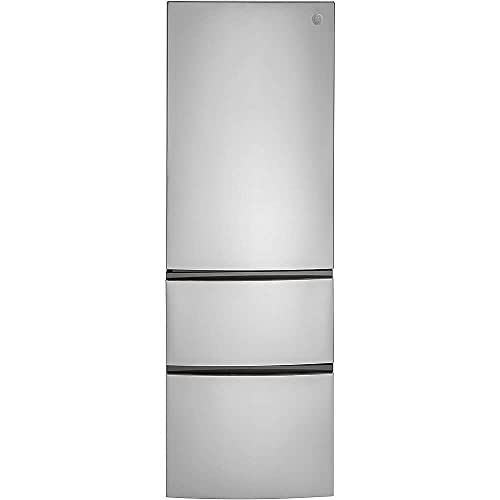
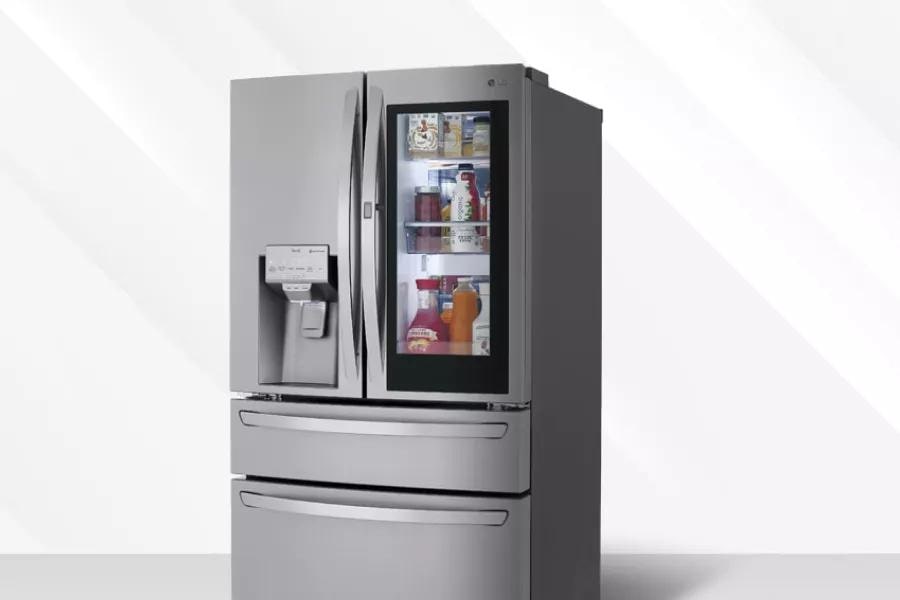
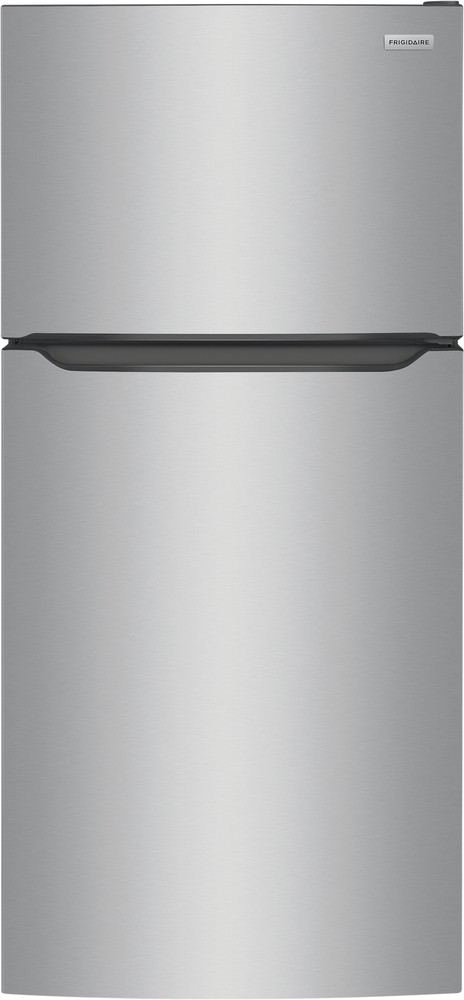
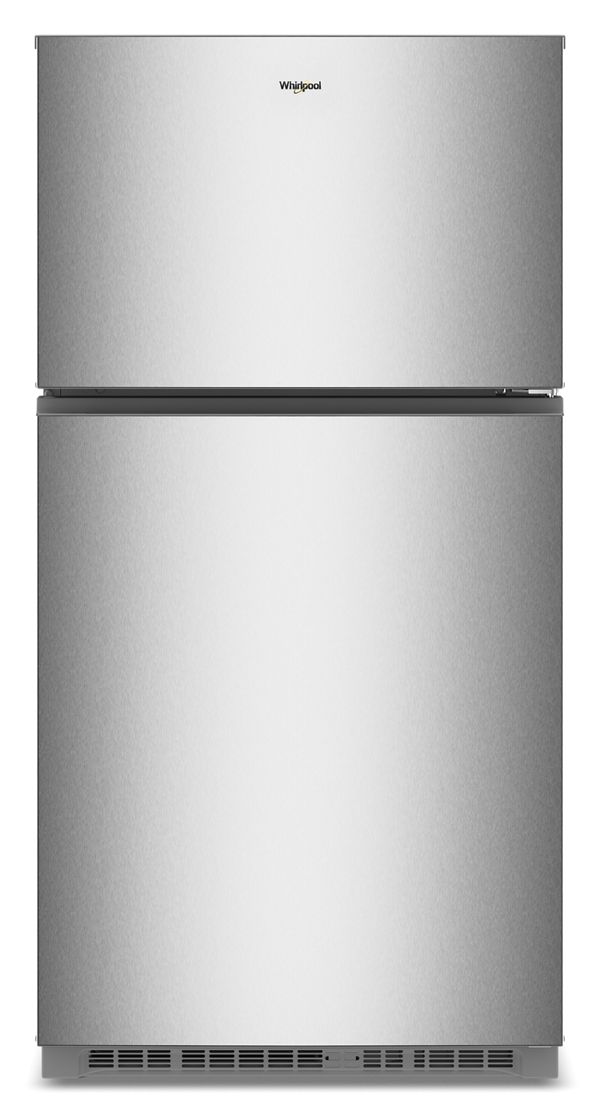
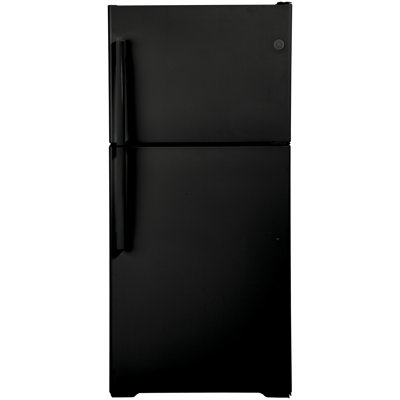
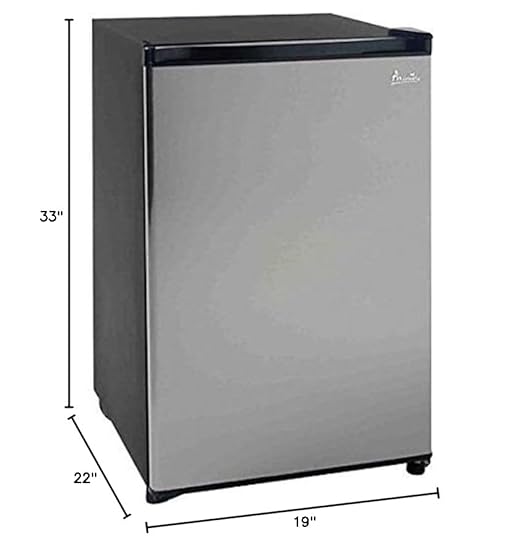
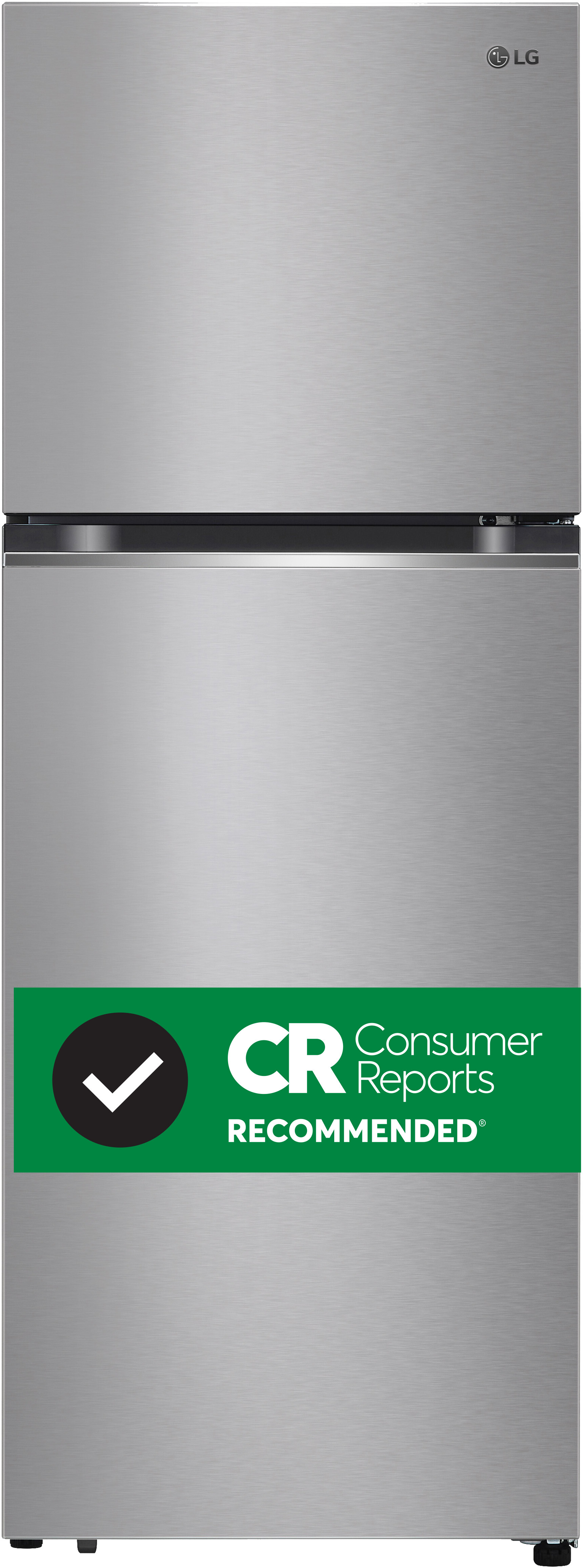
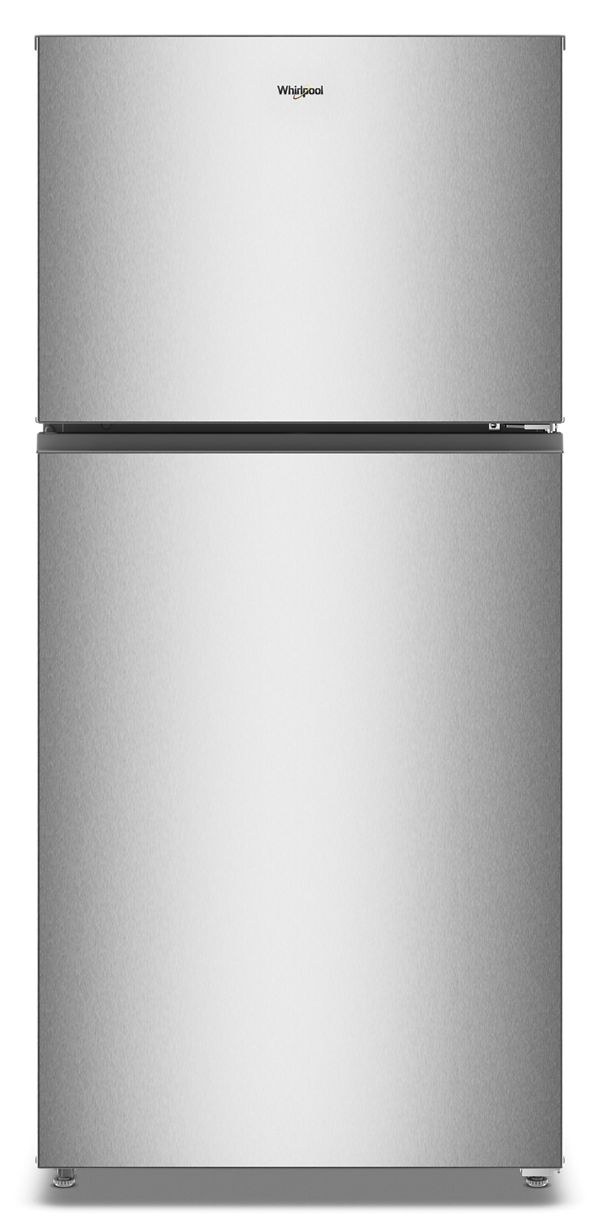
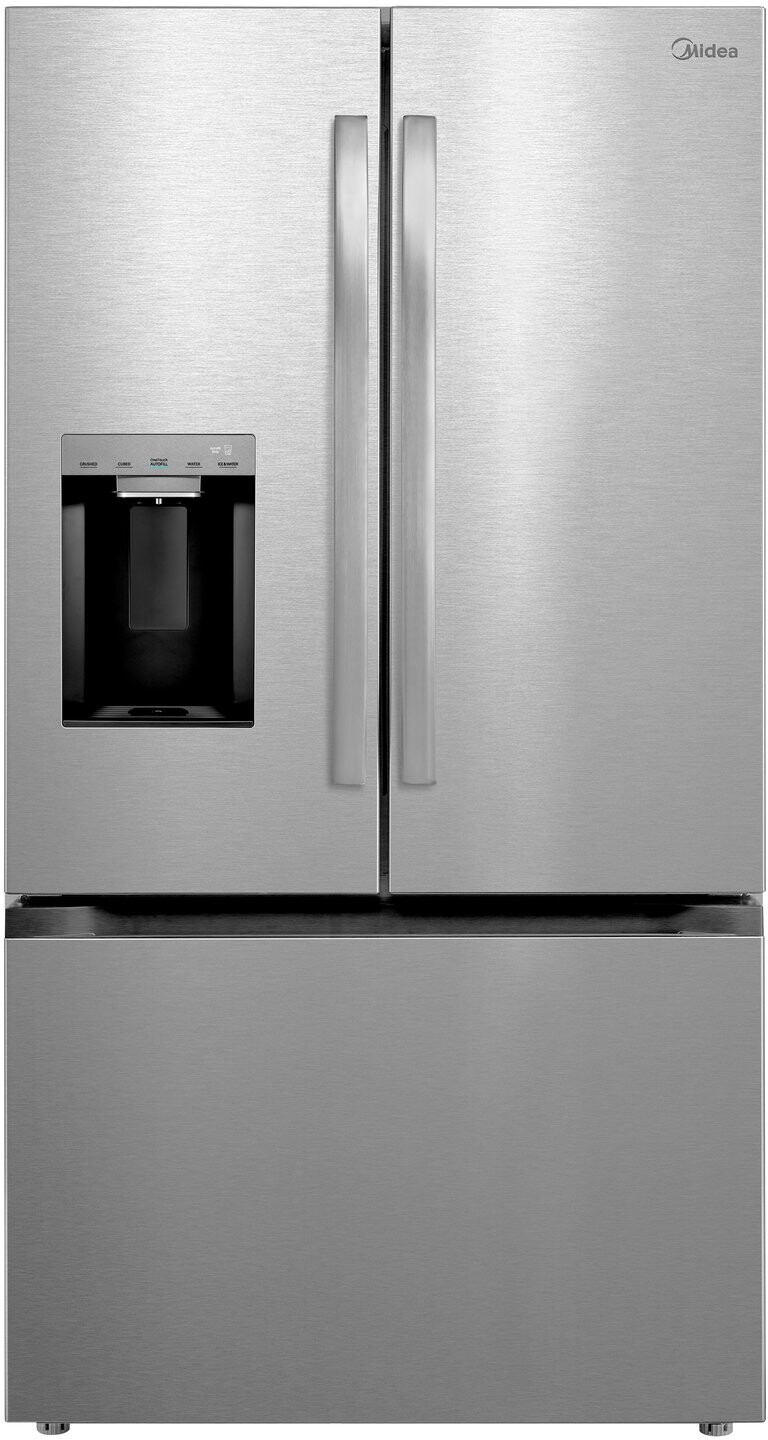
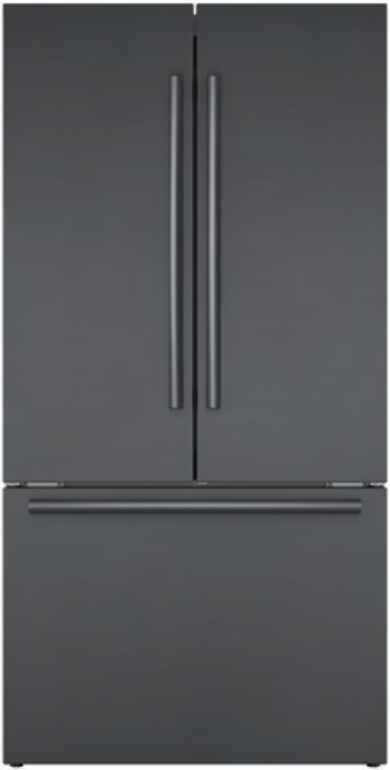
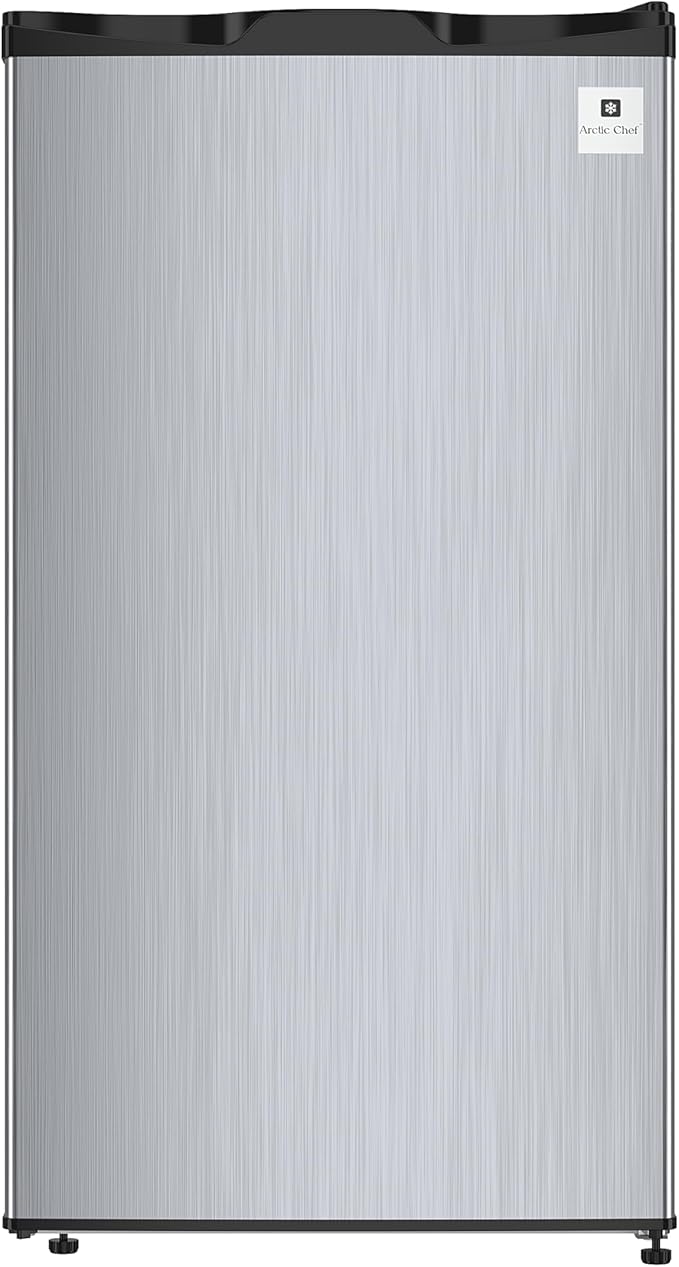
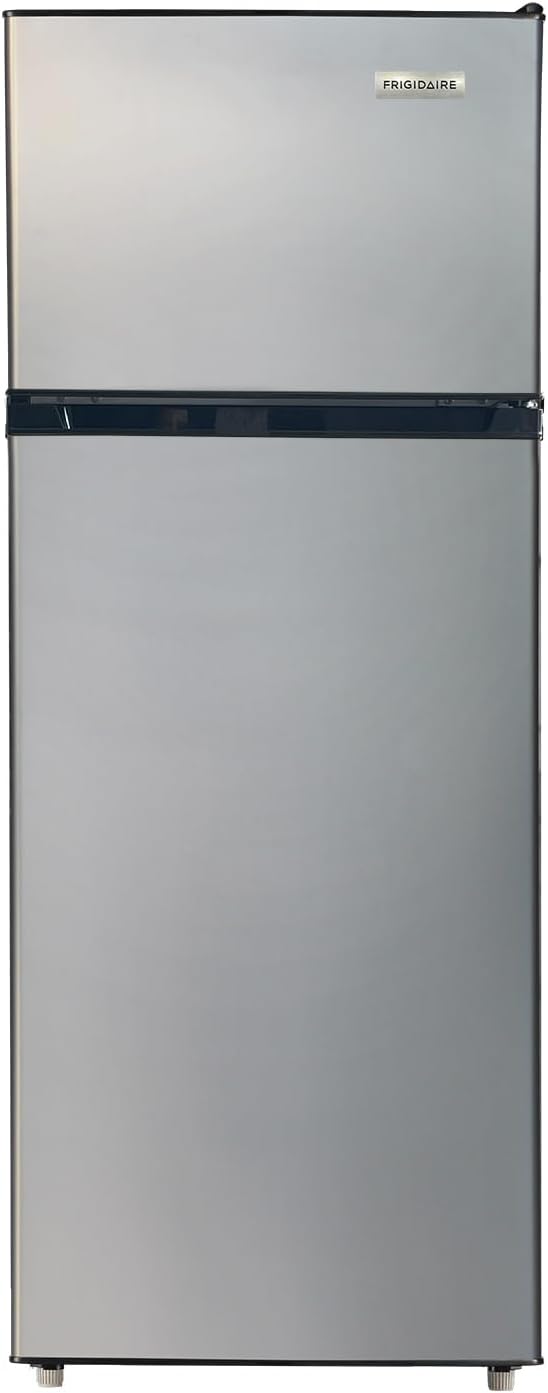
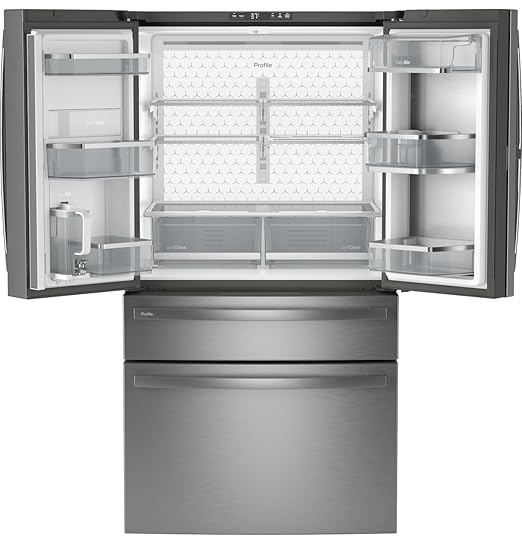
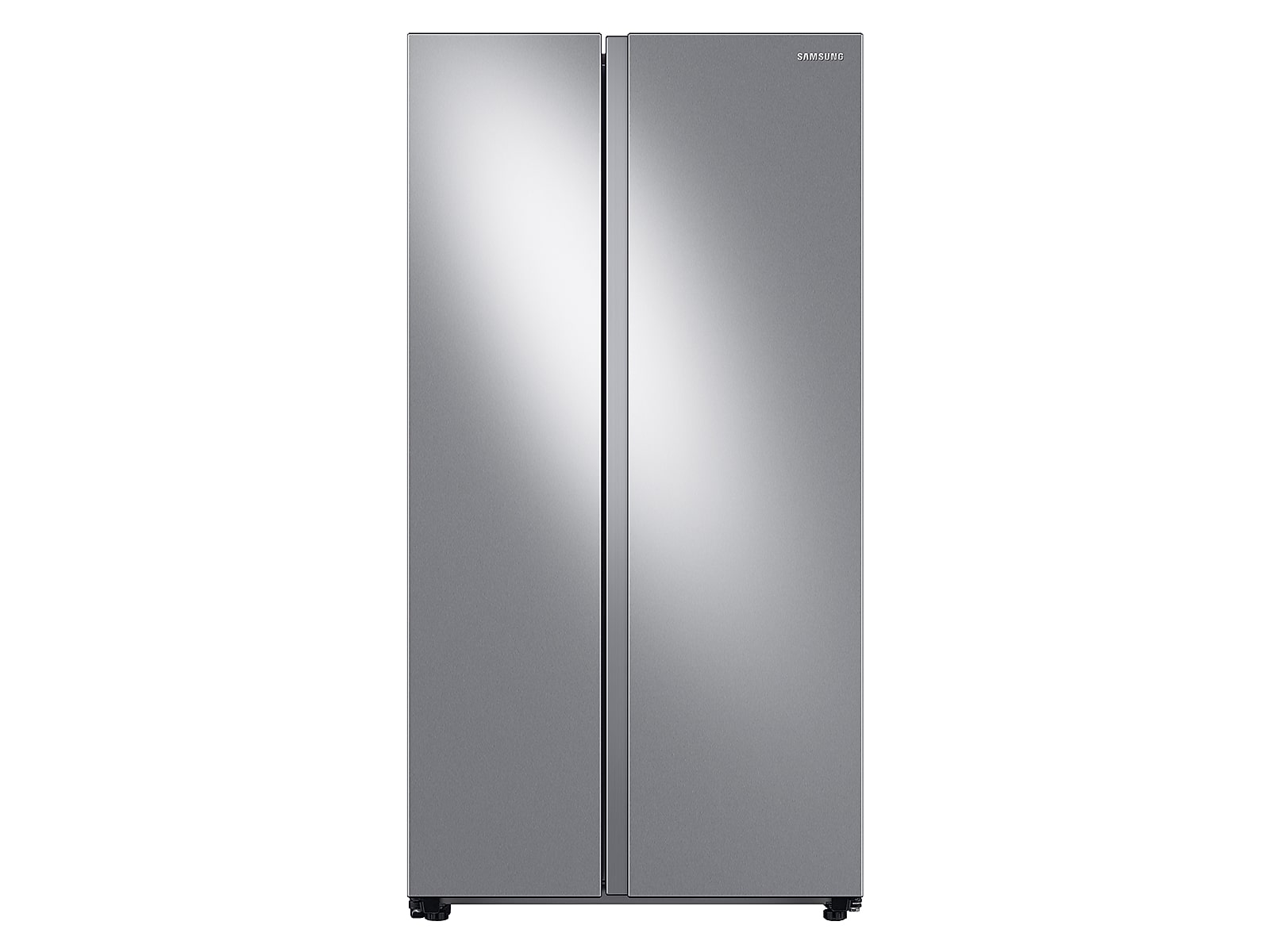
A reach-in built-in refrigerator is designed to be seamlessly integrated into your kitchen cabinetry, providing a sleek and cohesive look. Unlike standalone refrigerators, these models are installed within the cabinetry, giving a custom, high-end appearance. These refrigerators are ideal for homeowners looking to maximize kitchen space and maintain a uniform design.
Feature
Description
Installation
Built into kitchen cabinetry
Appearance
Seamless, custom look
Space Utilization
Efficient use of kitchen space
Benefits of a Reach-In Built-In Refrigerator
Opting for a reach-in built-in refrigerator offers several advantages. Firstly, the integrated design enhances the aesthetic appeal of your kitchen, creating a streamlined and sophisticated look. Secondly, these refrigerators are known for their space-saving benefits, making them perfect for kitchens with limited space.
Another benefit is the enhanced organization and storage options. Many models come with customizable shelving and compartments, allowing you to efficiently organize your food items. Additionally, built-in refrigerators often feature advanced cooling technologies that help maintain optimal temperatures, ensuring your food stays fresh longer.
Understanding the key features and benefits of reach-in built-in refrigerators can help you make an informed decision, ensuring that your kitchen is both functional and stylish. For more detailed information on specific models and installation tips, visit Fridge.com article on reach in built in refrigerator.
When considering a reach-in built-in refrigerator, understanding its design and features can help you make an informed decision. This section will cover size and capacity considerations as well as interior layout and storage options.
Size and Capacity Considerations
Reach-in built-in refrigerators come in various sizes and capacities to fit different spaces and meet diverse needs. The size you choose will depend on the available space in your home and your storage requirements.
Refrigerator Type
Width (inches)
Height (inches)
Depth (inches)
Capacity (cubic feet)
Compact
24 - 30
60 - 68
24 - 28
10 - 15
Standard
30 - 36
68 - 72
24 - 30
15 - 25
Large
36 - 48
72 - 84
30 - 36
25 - 30+
Compact models are ideal for smaller spaces like apartments or offices. Standard models offer a balance between size and capacity, making them suitable for most homes. Large models provide ample storage for bigger households or those who frequently entertain.
The interior layout of a reach-in built-in refrigerator can significantly impact its usability. Key features to consider include adjustable shelves, door bins, and drawers.
Adjustable Shelves: These allow you to customize the interior space to accommodate items of varying sizes. Shelves can be moved up or down to create more room for tall bottles or bulky items.
Door Bins: Often used for storing condiments, beverages, and small items. Adjustable door bins can be repositioned to optimize space.
Drawers: These include crisper drawers for fruits and vegetables and meat drawers for storing meat and deli items at the optimal temperature.
Feature
Description
Adjustable Shelves
Customizable to fit different sizes of items
Door Bins
Ideal for condiments, beverages, and small items
Crisper Drawers
Keeps fruits and vegetables fresh
Meat Drawer
Maintains optimal temperature for meats and deli items
Consider how you plan to use your refrigerator and choose a model with an interior layout that suits your needs. For beverage enthusiasts, you might want to look at Fridge.com article on reach-in beverage cooler.
By carefully evaluating the size, capacity, and interior layout, you can select a reach-in built-in refrigerator that meets your storage needs and fits seamlessly into your home. For additional features and customization options, check out Fridge.com guide on reach-in built-in refrigerator.
Installation and Placement
Installing a reach-in built-in refrigerator requires careful planning to ensure it fits seamlessly into your space and functions efficiently. The two main options are built-in and standalone units, each with distinct advantages and considerations.
Built-In Vs. Standalone Options
Built-In Refrigerators
Built-in refrigerators are designed to be integrated into your kitchen cabinetry for a sleek, seamless look. They are often counter-depth, meaning they align with the edge of your counters, providing a more streamlined appearance. These refrigerators are ideal for modern kitchen designs where aesthetics and space optimization are paramount.
Standalone Refrigerators
Standalone refrigerators, on the other hand, are freestanding units that can be placed anywhere in your kitchen or other areas like a garage or basement. They typically offer more flexibility in terms of placement and can be moved if needed. Although they may not provide the same seamless look as built-in models, they are often less expensive and easier to install.
Feature
Built-In Refrigerator
Standalone Refrigerator
Installation
Integrated into cabinetry
Freestanding
Aesthetic
Seamless, modern look
Visible, varied designs
Mobility
Fixed position
Moveable
Cost
Typically higher
Generally lower
Depth
Counter-depth
Varies
Ventilation Requirements
Proper ventilation is crucial for the efficient operation of your reach-in built-in refrigerator. Without adequate airflow, the compressor may overheat, leading to reduced efficiency or potential damage.
Front Ventilation
Many built-in refrigerators feature front ventilation, allowing the heat generated by the compressor to escape through vents located at the bottom or top of the unit. This design is ideal for tight spaces where side or back ventilation is not feasible.
Rear and Side Ventilation
Some models may require rear or side ventilation. For these units, it's important to leave sufficient space around the refrigerator to ensure proper airflow. Typically, at least one inch of clearance on all sides is recommended.
Ventilation Requirements Table
Ventilation Type
Description
Clearance Required
Front Ventilation
Vents located at front, bottom, or top
Minimal
Rear Ventilation
Vents located at the back
~1 inch
Side Ventilation
Vents located on the sides
~1 inch
When planning the installation of your reach-in built-in refrigerator, consider the available space, aesthetic preferences, and ventilation needs. Whether you choose a built-in or standalone model, proper placement and airflow will ensure your refrigerator operates efficiently for years to come. For more details on refrigerator options, check out Fridge.com articles on reach in apartment size refrigerator and reach in compact refrigerator.
When selecting a reach-in built-in refrigerator, energy efficiency is a crucial aspect to consider. Energy Star ratings provide a reliable measure of how energy-efficient an appliance is compared to standard models. These ratings are awarded by the Environmental Protection Agency (EPA) and help you identify appliances that use less energy, save money on utility bills, and reduce your carbon footprint.
Energy Star-rated refrigerators must meet strict energy efficiency guidelines set by the EPA. These guidelines ensure that the appliance uses 10-15% less energy than non-rated models. Understanding these ratings can help you choose the most efficient refrigerator for your needs.
Feature
Energy Star Requirement
Annual Energy Usage
Typically below 400 kWh/year
Environmental Impact
Reduced greenhouse gas emissions
Tips for Energy-Efficient Use
Maximizing the energy efficiency of your reach-in built-in refrigerator involves more than just selecting an Energy Star-rated model. Here are some practical tips to ensure your appliance operates as efficiently as possible:
Optimal Temperature Settings: Set your refrigerator to 37-40 degrees Fahrenheit and your freezer to 0 degrees Fahrenheit. These temperatures ensure food safety while minimizing energy use.
Regular Maintenance: Regularly clean the condenser coils and check door seals to ensure they are airtight. This maintenance helps the refrigerator run efficiently.
Proper Placement: Place your refrigerator away from heat sources like ovens and direct sunlight. Proper ventilation is crucial for efficient operation.
Efficient Organization: Keep your refrigerator organized to allow air to circulate freely. Avoid overloading it, as this can make the compressor work harder.
Energy-Saving Mode: Use any available energy-saving settings or modes on your refrigerator. These features can reduce energy consumption during periods of low use.
Defrost Regularly: If your refrigerator is not a frost-free model, defrost it regularly to maintain efficiency.
Keep it Full: A full refrigerator retains cold better than an empty one. If you have extra space, consider storing bottles of water to help maintain temperature.
Applying these tips can significantly enhance the energy efficiency of your reach-in built-in refrigerator, saving you money and contributing to a more sustainable environment. For more information on different types of refrigerators, you can visit Fridge.com articles on reach in fridge and reach in built in freezer.
Proper maintenance and regular cleaning of your reach-in built-in refrigerator are essential to ensure its longevity and efficiency. This section covers the basics of regular cleaning and defrosting, as well as troubleshooting common issues.
Regular Cleaning and Defrosting
Regular cleaning and defrosting of your reach-in built-in refrigerator help maintain its performance and hygiene. Follow these steps for effective cleaning:
Unplug the Refrigerator: Ensure safety by disconnecting the refrigerator from the power source.
Remove All Contents: Take out all food items and store them in a cooler or another refrigerator temporarily.
Clean Removable Parts: Remove shelves, drawers, and other detachable components. Clean them with warm, soapy water and let them dry completely.
Clean Interior Surfaces: Wipe down the inside of the refrigerator with a mixture of baking soda and water. This helps remove odors and stains.
Defrost the Freezer: If your refrigerator has a manual defrost freezer, allow the ice to melt completely. Use towels to soak up excess water.
Clean Gaskets and Seals: Pay special attention to door gaskets and seals, as dirt buildup can affect their efficiency. Clean them with a mild detergent.
Reassemble and Restock: Once everything is dry, reassemble the components and restock your refrigerator.
Task
Frequency
Interior Cleaning
Monthly
Defrosting Freezer
Semi-Annually
Gasket Cleaning
Quarterly
Troubleshooting Common Issues
Even with regular maintenance, you may encounter issues with your reach-in built-in refrigerator. Here are some common problems and solutions:
Refrigerator Not Cooling:
Check Power: Ensure the refrigerator is plugged in and the outlet is functioning.
Thermostat Settings: Verify that the thermostat is set to the correct temperature.
Condenser Coils: Clean the condenser coils, as dirty coils can prevent proper cooling.
Unusual Noises:
Leveling: Ensure the refrigerator is level. Uneven surfaces can cause vibrations and noise.
Fan Issues: Check if the internal fan is obstructed or needs replacement.
Water Leaks:
Drain Blockage: Inspect the drain pan and drainage system for blockages.
Door Seals: Ensure door seals are tight and not allowing warm air inside.
Frost Buildup:
Door Closure: Make sure the door is closing properly and not left ajar.
Defrost Timer: Check if the defrost timer is functioning correctly.
For more detailed troubleshooting, you can refer to Fridge.com guides on reach in refrigerator and reach in built in freezer.
Regular maintenance and timely troubleshooting can significantly enhance the performance of your reach-in built-in refrigerator, ensuring it serves you efficiently for years to come. For further tips on maximizing refrigerator efficiency, visit Fridge.com article on reach in counter depth refrigerator.
Organization and Storage Tips
Organizing your reach-in built-in refrigerator efficiently can make a significant difference in how you store and access your food items. Here are some tips to help you maximize space and keep your refrigerator well-organized.
Maximizing Space Efficiency
To make the most of the space in your reach-in built-in refrigerator, consider the following strategies:
Adjustable Shelving: Utilize adjustable shelves to accommodate different sizes of items. This flexibility allows you to store tall bottles and bulky containers without wasting space.
Door Storage: Use door compartments for frequently used items like condiments, beverages, and dairy products. This keeps them easily accessible and frees up shelf space.
Drawer Utilization: Store fruits and vegetables in designated crisper drawers. These drawers often have humidity controls to keep produce fresh for longer.
Stackable Containers: Opt for stackable storage containers to save space. Clear containers help you see what's inside without having to open them.
Labeling: Label shelves and containers to quickly identify contents, reducing the time spent searching for items.
Food Placement and Organization Strategies
Proper food placement within your reach-in built-in refrigerator ensures optimal cooling and extends the shelf life of your groceries. Here are some organization strategies:
Top Shelves: Store leftovers, ready-to-eat foods, and beverages on the top shelves. These items do not require as cold temperatures as raw meat or dairy products.
Middle Shelves: Place dairy products, eggs, and deli meats on the middle shelves. These items need consistent, moderate cooling.
Bottom Shelves: Reserve the bottom shelves for raw meat, poultry, and seafood. These areas are usually the coldest, reducing the risk of cross-contamination.
Drawers: Use crisper drawers for fruits and vegetables. Some refrigerators have separate drawers for high and low humidity settings, ideal for different types of produce.
Door Storage: Store condiments, juice, and other items that can tolerate slight temperature fluctuations in the door compartments.
Shelf Location
Recommended Items
Top Shelves
Leftovers, Beverages, Ready-to-Eat Foods
Middle Shelves
Dairy Products, Eggs, Deli Meats
Bottom Shelves
Raw Meat, Poultry, Seafood
Drawers
Fruits, Vegetables
Door Storage
Condiments, Juice
By using these organization and storage tips, you can make the most of your reach-in built-in refrigerator. Proper organization not only helps in maintaining freshness but also makes it easier to find what you need quickly. For more related tips, visit Fridge.com articles on reach in fridge and reach in compact refrigerator.
When considering a reach-in built-in refrigerator, customization can play a significant role in matching your kitchen's aesthetic and enhancing functionality. Here are some key customization options that can make your built-in fridge a perfect fit for your needs.
Custom Panel Integration
Custom panel integration allows you to seamlessly blend your refrigerator with the surrounding cabinetry. This option is perfect for those who want a cohesive look in their kitchen. By opting for custom panels, you can match the fridge to your existing cabinets, creating a unified and elegant appearance.
Custom Panel Type
Description
Wood Panels
Match the fridge to wood cabinetry for a traditional look.
Stainless Steel Panels
Ideal for modern and sleek kitchens.
Color-Matched Panels
Perfect for a cohesive color scheme.
Custom panel integration not only enhances the visual appeal but also adds a touch of sophistication to your kitchen. For more ideas on integrating appliances seamlessly, check out Fridge.com article on reach in counter depth refrigerator.
Additional Accessories and Features
Beyond panel integration, there are various additional accessories and features that can elevate the functionality and convenience of your reach-in built-in refrigerator.
Adjustable Shelves: These allow you to customize the interior layout to accommodate different sizes of food items.
Temperature Zones: Separate temperature zones help you store different types of food at their optimal temperatures.
Wi-Fi Connectivity: Modern features like Wi-Fi connectivity enable you to monitor and control your fridge remotely using a smartphone app. For more on smart features, visit our reach in smart fridge article.
Water and Ice Dispensers: Integrated dispensers provide easy access to filtered water and ice without opening the fridge door.
Feature
Benefit
Adjustable Shelves
Customize storage for various items.
Temperature Zones
Store different foods at optimal temperatures.
Wi-Fi Connectivity
Monitor and control remotely.
Water/Ice Dispensers
Easy access to filtered water and ice.
These additional features can significantly enhance your refrigerator's usability and efficiency, making it a valuable addition to your kitchen. For more storage tips, check out Fridge.com guide on reach in beverage cooler.
By considering these customization options, you can ensure your reach-in built-in refrigerator not only meets your functional needs but also complements your kitchen's design.
Compare refrigerator prices on Fridge.com
Compare current prices and specifications on Fridge.com, then buy from the retailer you choose; delivery, installation and warranty terms are the retailer’s.
It also has tons of awesome articles about kitchen stuff and home news. Enhance your home, garage, backyard, patio, and office with the coolest essentials. With every necessary type of residential refrigerator or freezer in the collection, you're covered.
Frequently Asked Questions
A reach-in built-in refrigerator is designed to be seamlessly integrated into your kitchen cabinetry, providing a sleek and cohesive look. Unlike standalone refrigerators, these models are installed within the cabinetry, giving a custom, high-end appearance. These refrigerators are ideal for homeowners looking to maximize kitchen space and maintain a uniform design. Feature.
Description.
.
Installation.
Built into kitchen cabinetry.
.
Appearance.
Seamless, custom look.
.
Space Utilization.
Efficient use of kitchen space.
.