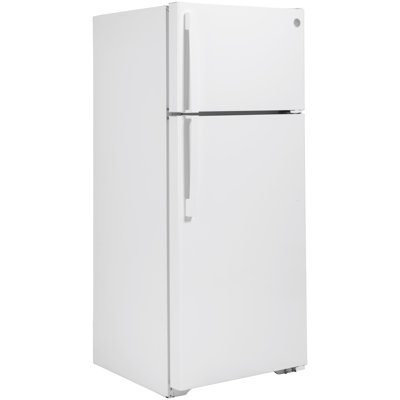
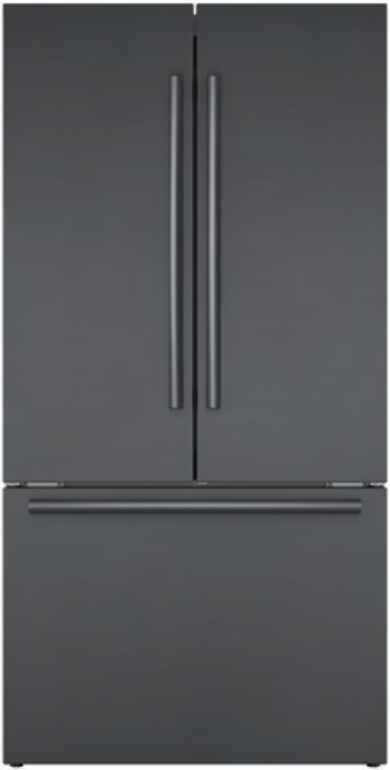
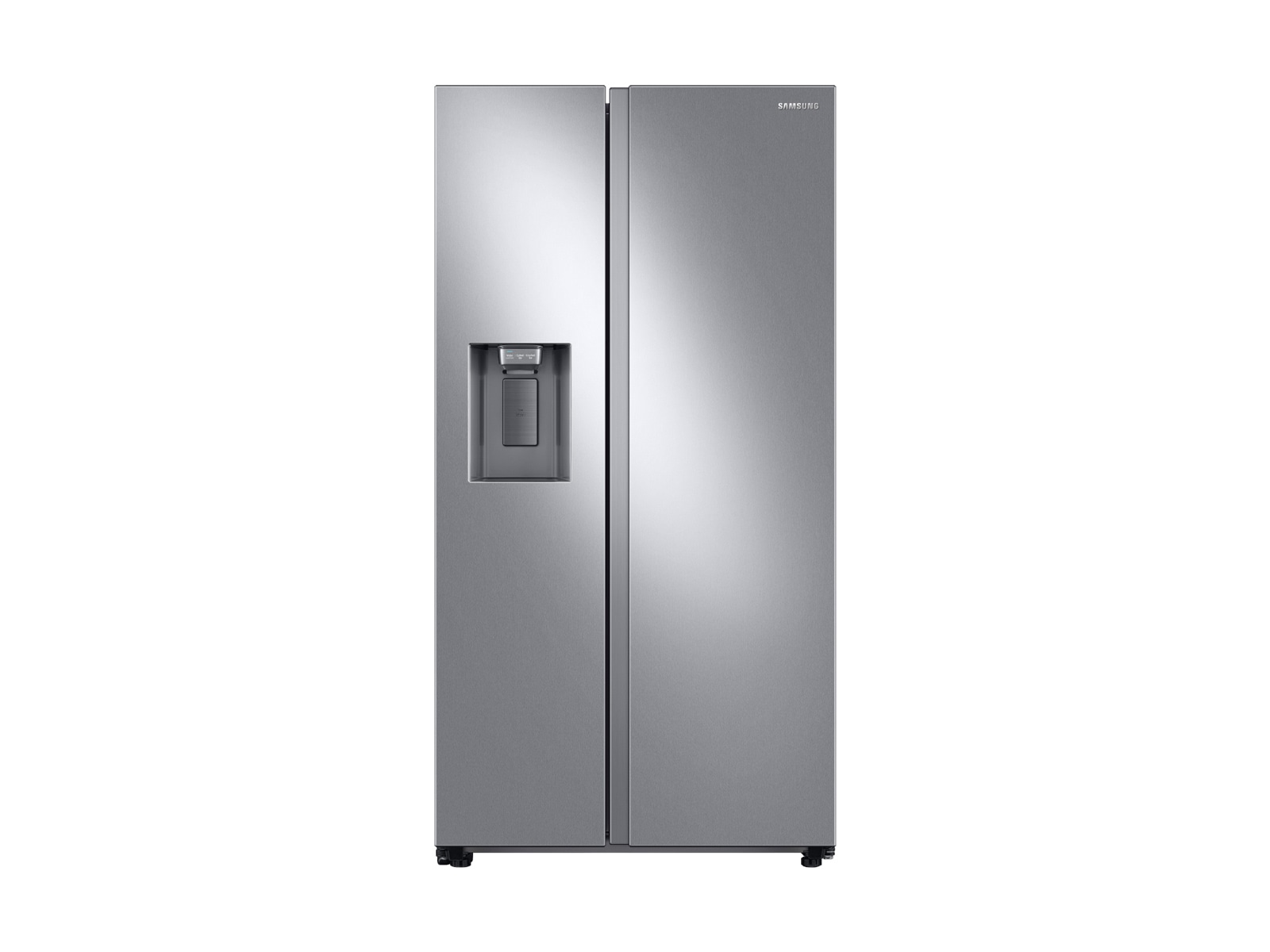
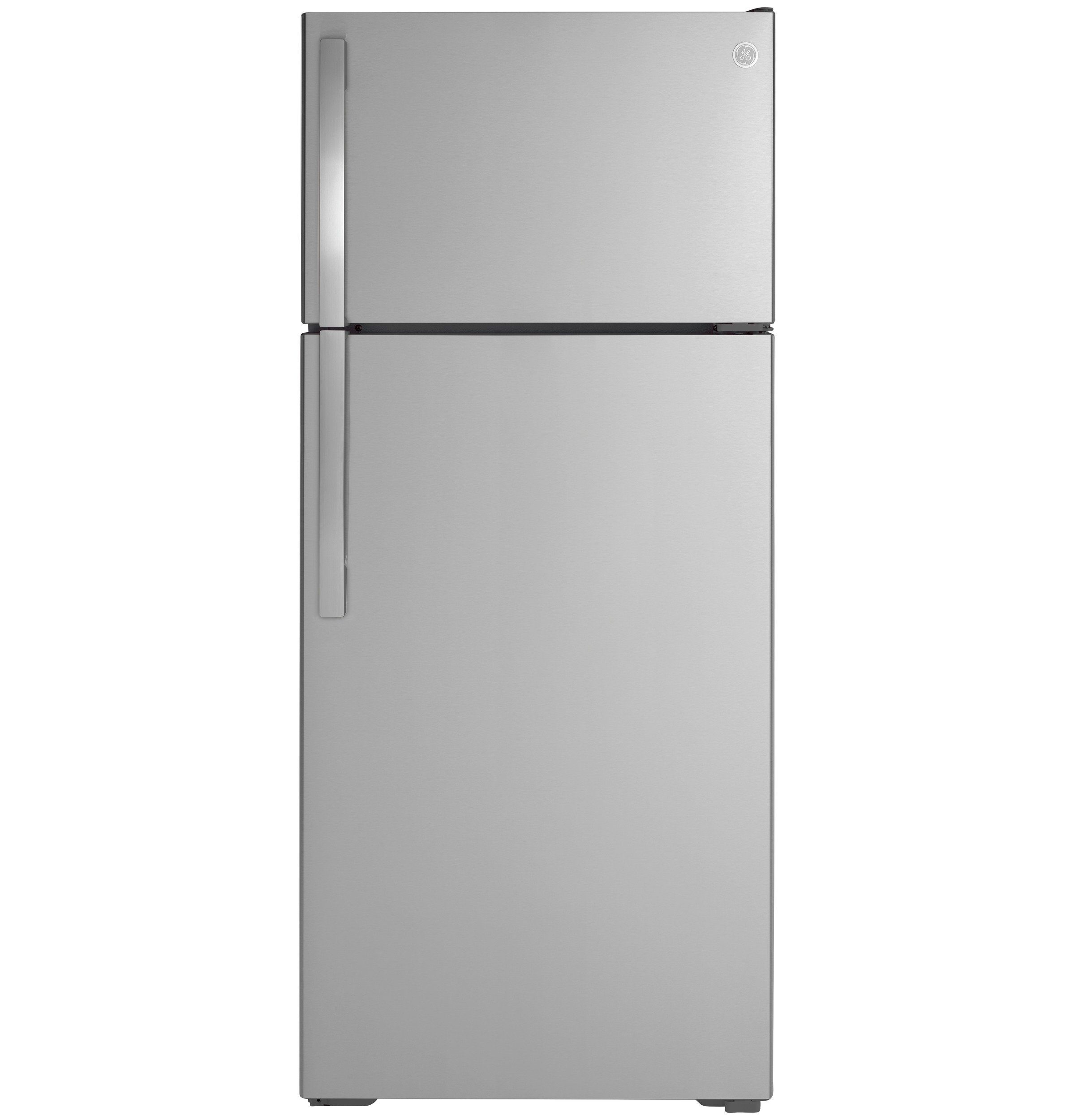
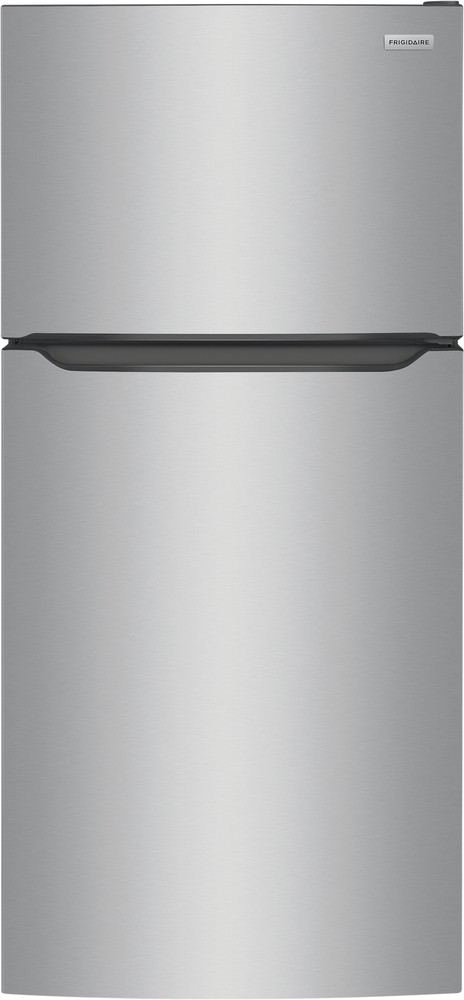
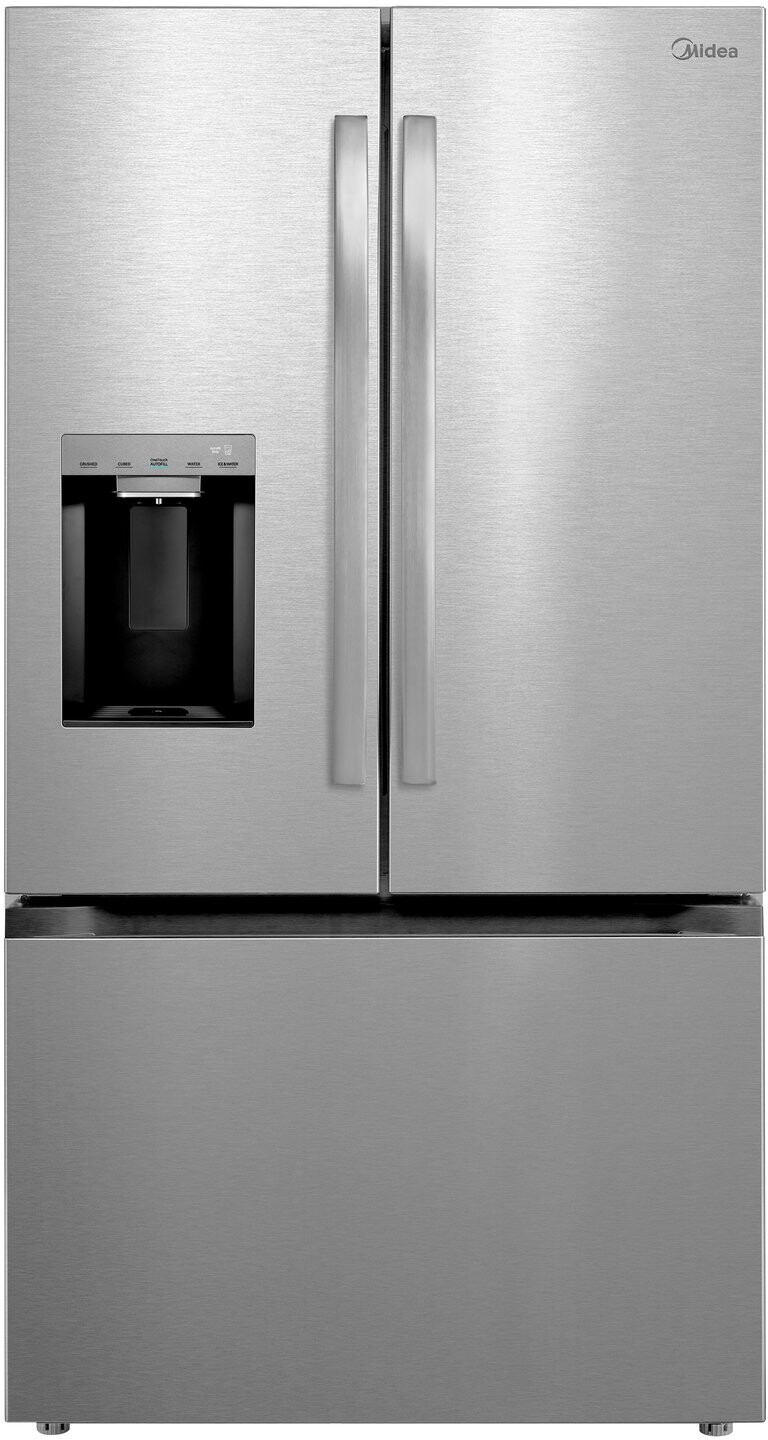
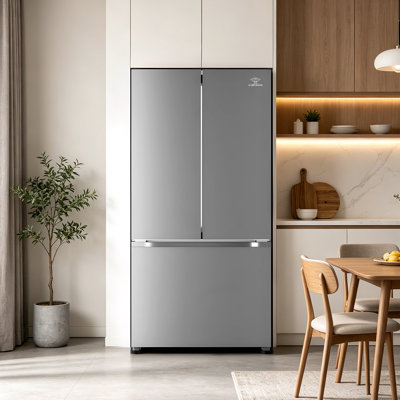
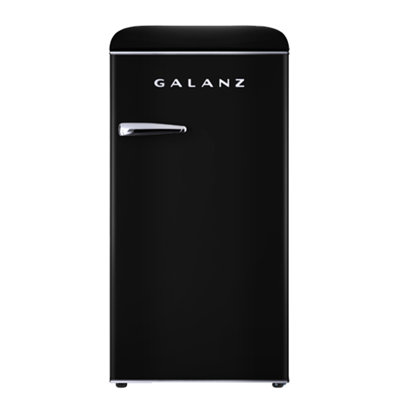
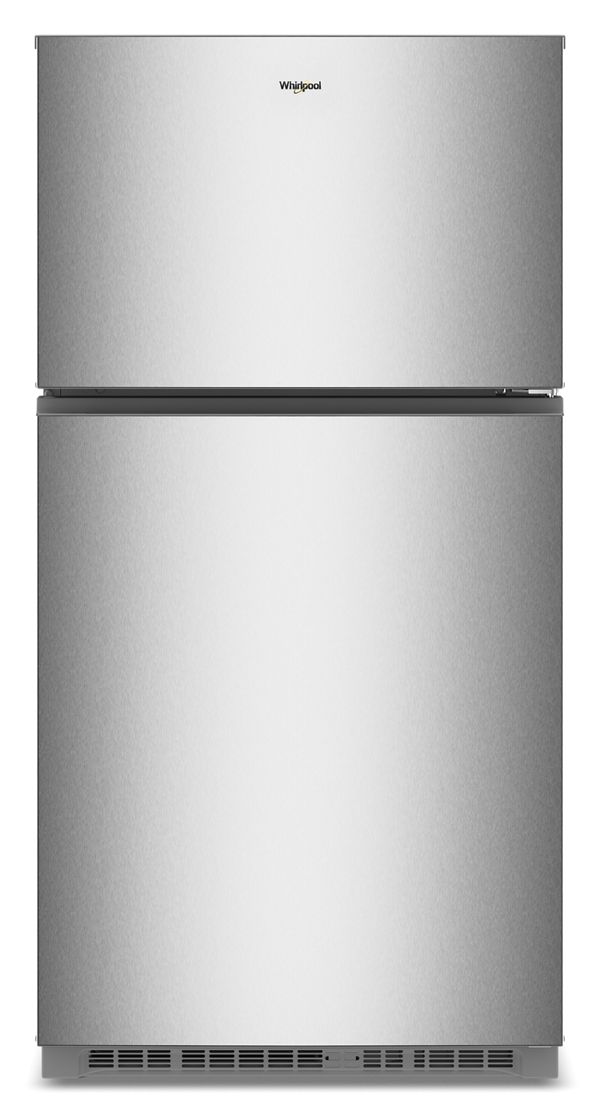
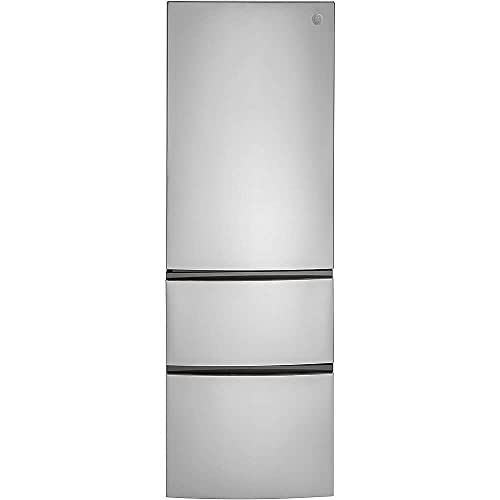
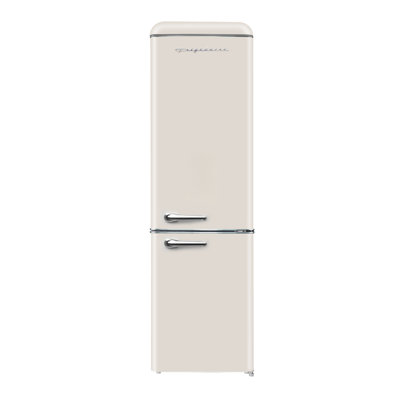
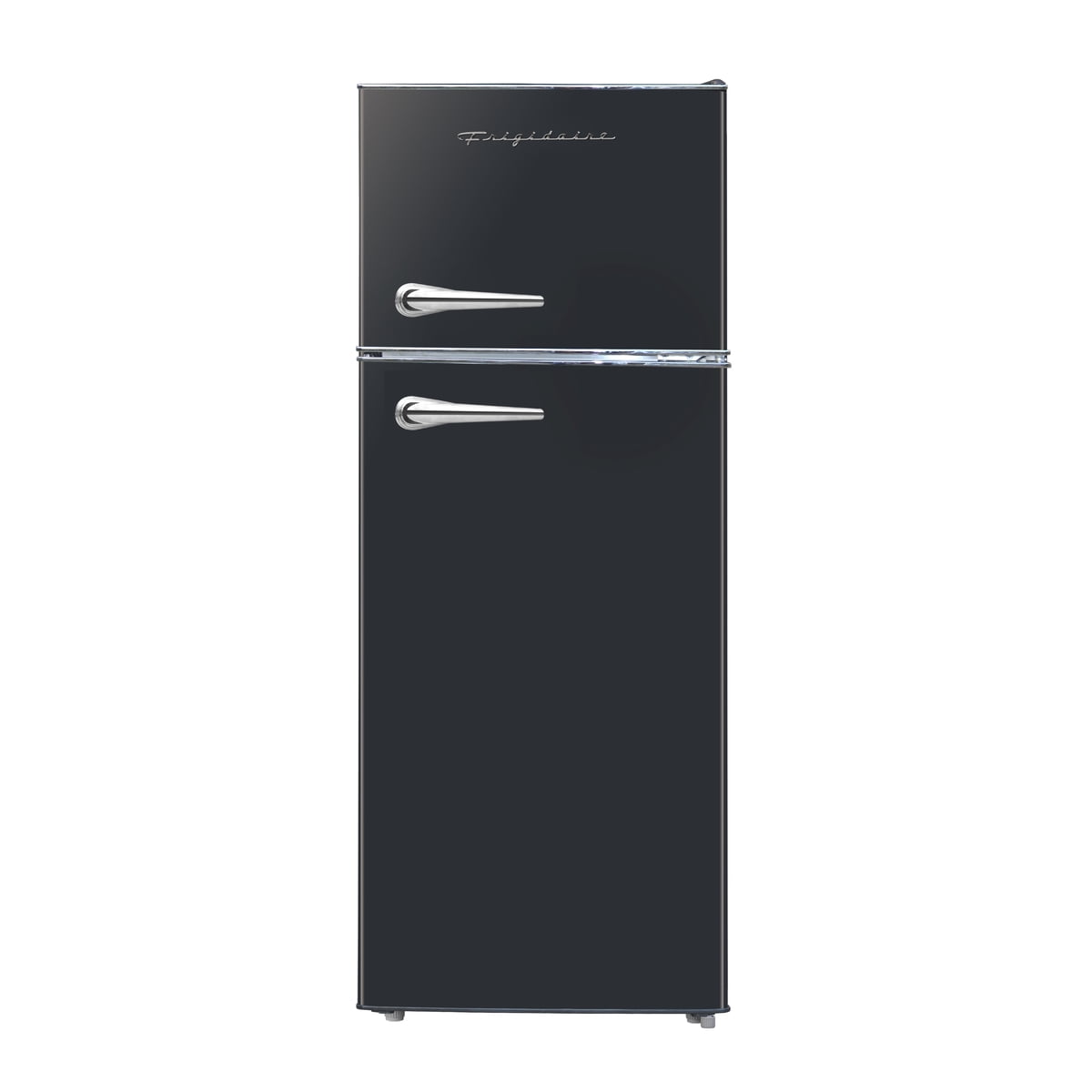
A reach-in garage refrigerator is a cooling appliance specifically designed to function efficiently in your garage. Unlike standard kitchen refrigerators, these units are built to withstand the varying temperatures and conditions that a garage environment presents. Whether you live in a region with extreme heat or cold, a reach-in garage refrigerator maintains a consistent temperature to keep your food and beverages fresh.
Benefits of Having a Reach-In Garage Refrigerator
Having a reach-in garage refrigerator offers numerous advantages, especially for homeowners and food enthusiasts. Here are some key benefits:
Additional Storage Space: It provides extra room for storing groceries, beverages, and bulk items, freeing up space in your kitchen refrigerator.
Temperature Stability: Designed to handle fluctuating garage temperatures, these refrigerators ensure your food stays at a safe, consistent temperature.
Convenience: Ideal for entertaining, a garage refrigerator allows you to keep drinks and snacks easily accessible during gatherings.
Energy Efficiency: Many models are built with energy-saving features, reducing your overall energy consumption.
When shopping for a reach-in garage refrigerator, there are several factors you should consider to ensure you make the best choice for your needs.
Size and Capacity
The size and capacity of a reach-in garage refrigerator are crucial factors to consider. You need to determine the amount of space available in your garage and how much storage you require. Measure the area where you plan to place the refrigerator to ensure it fits comfortably.
Size Category
Capacity (Cubic Feet)
Suitable For
Compact
3 - 5
Small families, singles, apartments
Medium
10 - 15
Average-sized families
Large
18 - 25+
Large families, entertaining
For more information on compact options, take a look at Fridge.com article on reach in compact refrigerator.
Energy Efficiency
Energy efficiency is another important consideration. An energy-efficient reach-in garage refrigerator can save you money on utility bills and is better for the environment. Look for models with the Energy Star certification, which indicates they meet energy efficiency guidelines set by the EPA.
Model Type
Energy Usage (kWh/year)
Energy Star Certified
Standard
400 - 600
No
For more energy-efficient options, you can explore Fridge.com guide on reach in smart fridge.
Temperature Control
Temperature control is essential for maintaining the freshness and quality of your food items. A good reach-in garage refrigerator should have adjustable temperature settings to cater to different types of food storage needs. Some models come with separate compartments for different types of items, allowing for more precise temperature management.
Feature
Benefit
Adjustable Thermostat
Customizes temperature settings
Dual Cooling Systems
Maintains separate temperatures for fridge and freezer
By considering these factors before purchasing a reach-in garage refrigerator, you can ensure that you select a model that fits your needs, is energy-efficient, and provides optimal temperature control for your food storage requirements.
Installation and Placement Tips
Proper installation and placement of your reach-in garage refrigerator are critical to ensuring its efficiency and longevity. Here are some essential tips to guide you.
Proper Ventilation
Proper ventilation is crucial for your reach-in garage refrigerator to function efficiently. Ensure there is enough space around the refrigerator to allow for adequate airflow. This helps in dissipating heat and prevents the compressor from overheating.
Area
Recommended Clearance
Top
2 inches
Sides
1 inch
Back
1 inch
Location Considerations
The location of your reach-in garage refrigerator significantly impacts its performance. Choose a spot that is dry and away from direct sunlight. Excessive heat can cause the refrigerator to work harder, leading to higher energy consumption and potential malfunctions.
Consider the following when deciding on the location:
Proximity to Power Outlets: Ensure the refrigerator is close to an electrical outlet to avoid the use of extension cords.
Stable Surface: Place the refrigerator on a level and stable surface to prevent vibrations and noise.
Accessibility: Ensure the refrigerator is easily accessible for regular use and maintenance.
Leveling your reach-in garage refrigerator is essential for optimal performance. An unlevel refrigerator can cause issues such as door misalignment, improper sealing, and inefficient cooling. Use a leveling tool to ensure the refrigerator is balanced.
Steps to level your refrigerator:
Locate the Adjustable Legs: Most refrigerators have adjustable legs at the front.
Use a Leveling Tool: Place a leveling tool on top of the refrigerator.
Adjust the Legs: Turn the adjustable legs until the bubble in the leveling tool is centered.
Regularly inspecting the level of your refrigerator can prevent many common issues such as condensation build-up.
By following these installation and placement tips, you can ensure that your reach-in garage refrigerator operates efficiently and lasts longer. For more insights, you can also read Fridge.com article on reach in refrigerator.
Proper maintenance and cleaning of your reach-in garage refrigerator ensure its longevity and optimal performance. Below are some essential tips to keep your appliance in top shape.
Regular Cleaning Routine
Maintaining a regular cleaning routine is crucial for the efficiency of your reach-in garage refrigerator. Here's a simple yet effective cleaning schedule:
Weekly: Wipe down the interior surfaces with a damp cloth to remove spills and crumbs. This helps prevent odors and mold growth.
Monthly: Remove and clean all shelves and bins using warm soapy water. Dry them thoroughly before placing them back.
Quarterly: Clean the exterior, including the door seals, with a mild detergent. Check the back of the refrigerator for dust buildup on the coils and vacuum them if needed.
Defrosting the Freezer
Defrosting is essential to maintain the efficiency of your freezer. Frost buildup can impede the unit's performance and reduce its storage capacity. Follow these steps for defrosting:
Turn Off the Freezer: Unplug the refrigerator or switch off the freezer compartment.
Remove Contents: Take out all food items and place them in a cooler or another refrigerator.
Allow Frost to Melt: Let the frost melt naturally. You can place a bowl of hot water inside to speed up the process.
Clean and Dry: Once the frost has melted, wipe down the interior with a cloth, cleaning any residual water or ice.
Restart the Freezer: Plug the unit back in and wait for it to reach the desired temperature before returning the food items.
Inspecting Seals and Gaskets
Seals and gaskets play a crucial role in maintaining the internal temperature of your reach-in garage refrigerator. Regular inspection helps ensure they are in good condition:
Visual Inspection: Look for any signs of wear, cracks, or tears in the door seals and gaskets.
Tightness Test: Close the door on a piece of paper and try to pull it out. If it slides out easily, the seal may need replacement.
Cleaning: Wipe the seals and gaskets with a mild detergent and water. This prevents dirt buildup, which can cause the seals to wear out faster.
Replacement: If you notice significant damage or the paper test fails, consider replacing the seals to maintain optimal efficiency.
Regularly maintaining and cleaning your reach-in garage refrigerator will enhance its performance and extend its lifespan. For more information on different types of refrigerators and freezers, check out Fridge.com articles on reach in refrigerator and reach in deep freezer.
Organizing Your Reach-In Garage Refrigerator
A well-organized reach-in garage refrigerator can help you maximize space, keep your food fresh, and make everything easily accessible. Here are some practical tips for organizing your fridge.
Utilizing Shelf Space
Effective use of shelf space is essential in a reach-in garage refrigerator. Start by arranging items based on their size and usage frequency. Place taller items like milk and juice cartons on the top shelves where they are easy to see and grab. Store smaller items such as condiments and jars on middle shelves to keep them within reach.
Shelf Level
Ideal Items
Top Shelf
Milk, Juice, Tall Bottles
Middle Shelf
Condiments, Jars, Leftovers
Bottom Shelf
Raw Meat, Fish (in containers)
Using Storage Bins and Baskets
Storage bins and baskets are invaluable for keeping your refrigerator organized. They help group similar items together, making it easier to find what you need. Use clear, stackable bins to maximize vertical space and visibility.
Produce Bins: Store fruits and vegetables in separate bins to avoid cross-contamination.
Snack Baskets: Keep snacks like cheese sticks, yogurts, and deli meats in a designated basket for quick access.
Meat Bins: Use a dedicated bin for raw meats to prevent juices from contaminating other foods.
Categorizing Food Items
Categorizing food items helps maintain an organized reach-in garage refrigerator. Group similar items together and designate specific areas for different food categories. This not only makes it easier to find items but also helps maintain a clean and orderly fridge.
Dairy Products: Store all dairy items like milk, cheese, and yogurt in one section.
Beverages: Keep beverages such as soda, beer, and water bottles together.
Leftovers: Designate a shelf or bin specifically for leftovers to ensure they are consumed in a timely manner.
For more storage solutions, check out Fridge.com article on reach in fridge.
With these tips, you can keep your reach-in garage refrigerator organized and efficient, making it easier to find what you need and keeping your food fresh. For more information on various types of refrigerators, explore Fridge.com articles on reach in compact refrigerator and reach in beverage cooler.
Troubleshooting Common Issues
When using a reach-in garage refrigerator, you might encounter several common issues. Understanding and addressing these problems can ensure your refrigerator operates efficiently.
Temperature Fluctuations
Temperature fluctuations in your reach-in garage refrigerator can affect the freshness and longevity of your stored items. Here are some potential causes and solutions:
Cause: Door not sealing properly.
Solution: Inspect the door seals and gaskets for any damage or wear. Replace if necessary. See Fridge.com guide on inspecting seals and gaskets.
Cause: Overloading the refrigerator.
Solution: Ensure there is enough space for air circulation. Do not block the air vents.
Cause: Incorrect temperature settings.
Solution: Check the temperature settings. The ideal temperature for a refrigerator is between 35°F and 38°F (1.7°C and 3.3°C).
Temperature Range
Ideal Temperature
Refrigerator
35°F - 38°F (1.7°C - 3.3°C)
Freezer
0°F (-18°C)
Strange Noises
Strange noises from your reach-in garage refrigerator can be concerning. Identifying the source of the noise can help in resolving the issue.
Cause: Vibration against a surface.
Solution: Ensure the refrigerator is level and not touching any surfaces that could cause vibrations. Refer to Fridge.com section on leveling the refrigerator.
Cause: Fan or motor issues.
Solution: Check the fan or motor for any obstructions or wear. Clean and lubricate if necessary.
Cause: Ice build-up.
Solution: Defrost the freezer regularly to prevent ice build-up. See Fridge.com guide on defrosting the freezer.
Condensation Build-Up
Condensation build-up inside your reach-in garage refrigerator can lead to mold and spoilage of food items. Here’s how to address this issue:
Cause: High humidity levels.
Solution: Use a dehumidifier in the garage to reduce humidity levels.
Cause: Frequent door openings.
Solution: Minimize the number of times the refrigerator door is opened. Ensure the door is closed properly.
Cause: Faulty door seals.
Solution: Inspect and replace any damaged door seals as needed. Refer to Fridge.com section on inspecting seals and gaskets.
By understanding these common issues and their solutions, you can ensure your reach-in garage refrigerator operates smoothly. For more detailed information on maintaining and troubleshooting your refrigerator, explore Fridge.com related articles on reach in fridge and reach in freezer.
Ensuring the safety of your reach-in garage refrigerator is paramount. Here are key safety measures to consider:
Electrical Safety
Proper electrical safety is vital when operating a reach-in garage refrigerator. Here are some tips:
Grounding: Ensure the refrigerator is properly grounded to prevent electrical shocks. Use a dedicated, grounded outlet.
Power Cord: Regularly inspect the power cord for any damage. Do not use the appliance if the cord is frayed or damaged.
Extension Cords: Avoid using extension cords as they can overheat and cause a fire hazard. If necessary, use a heavy-duty extension cord rated for appliance use.
Safety Measure
Description
Grounding
Use a dedicated, grounded outlet.
Power Cord Inspection
Regularly check for frays or damage.
Extension Cords
Avoid or use heavy-duty, rated for appliances.
Handling Refrigerant
Refrigerants are essential for the cooling function of your refrigerator but must be handled carefully:
Professional Servicing: Always hire a certified technician for repairs involving refrigerant.
Leak Detection: Be alert for signs of refrigerant leaks, such as an unusual smell or hissing sound.
Disposal: Follow local regulations for the proper disposal of old refrigerators to ensure safe handling of refrigerants.
Childproofing the Refrigerator
Childproofing your reach-in garage refrigerator is crucial to prevent accidents:
Locks: Install childproof locks on the refrigerator doors to prevent children from accessing the contents.
Stability: Ensure the refrigerator is stable and cannot tip over by securing it to the wall if necessary.
Education: Teach children about the dangers of playing with or inside the refrigerator.
For more information on different types of refrigerators and their safety features, you can explore articles on reach in apartment size refrigerator, reach in beer fridge, and reach in beverage cooler.
By following these safety precautions, you can ensure that your reach-in garage refrigerator remains a safe and efficient appliance in your home.
Compare refrigerator prices on Fridge.com
Compare current prices and specifications on Fridge.com, then buy from the retailer you choose; delivery, installation and warranty terms are the retailer’s.
It also has tons of awesome articles about kitchen stuff and home news. Enhance your home, garage, backyard, patio, and office with the coolest essentials. With every necessary type of residential refrigerator or freezer in the collection, you're covered.
Frequently Asked Questions
A reach-in garage refrigerator is a cooling appliance specifically designed to function efficiently in your garage. Unlike standard kitchen refrigerators, these units are built to withstand the varying temperatures and conditions that a garage environment presents. Whether you live in a region with extreme heat or cold, a reach-in garage refrigerator maintains a consistent temperature to keep your food and beverages fresh.