Most reach-in built-in freezers operate efficiently at temperatures between 0°F and -10°F.
Here are some key tips to ensure you get the most out of your appliance.
Space Efficiency: These freezers save valuable floor space by being integrated into cabinetry or walls, making them ideal for smaller kitchens, apartments, and tiny homes.
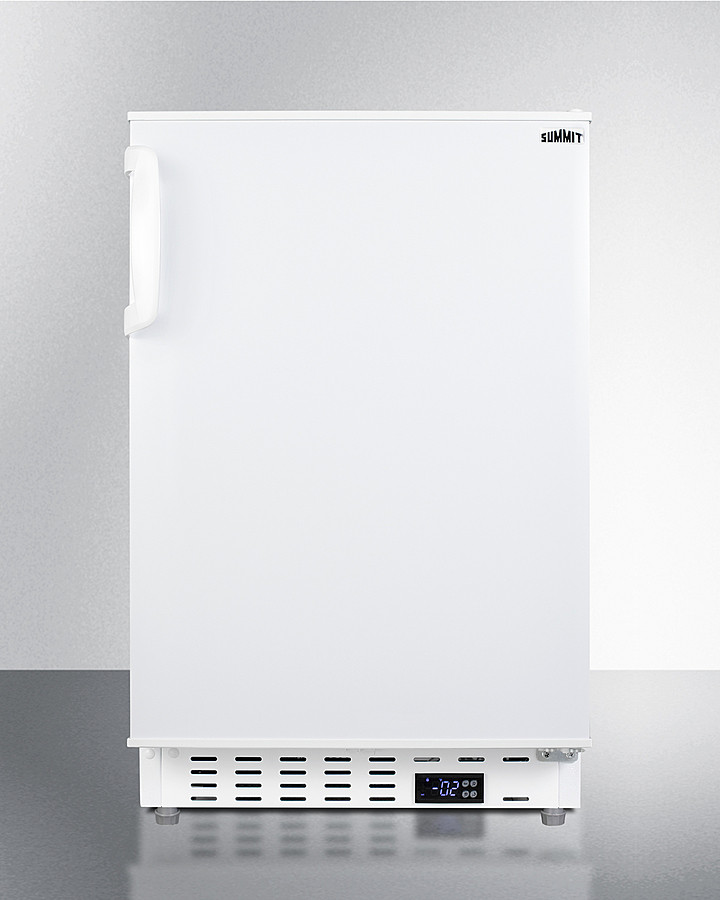
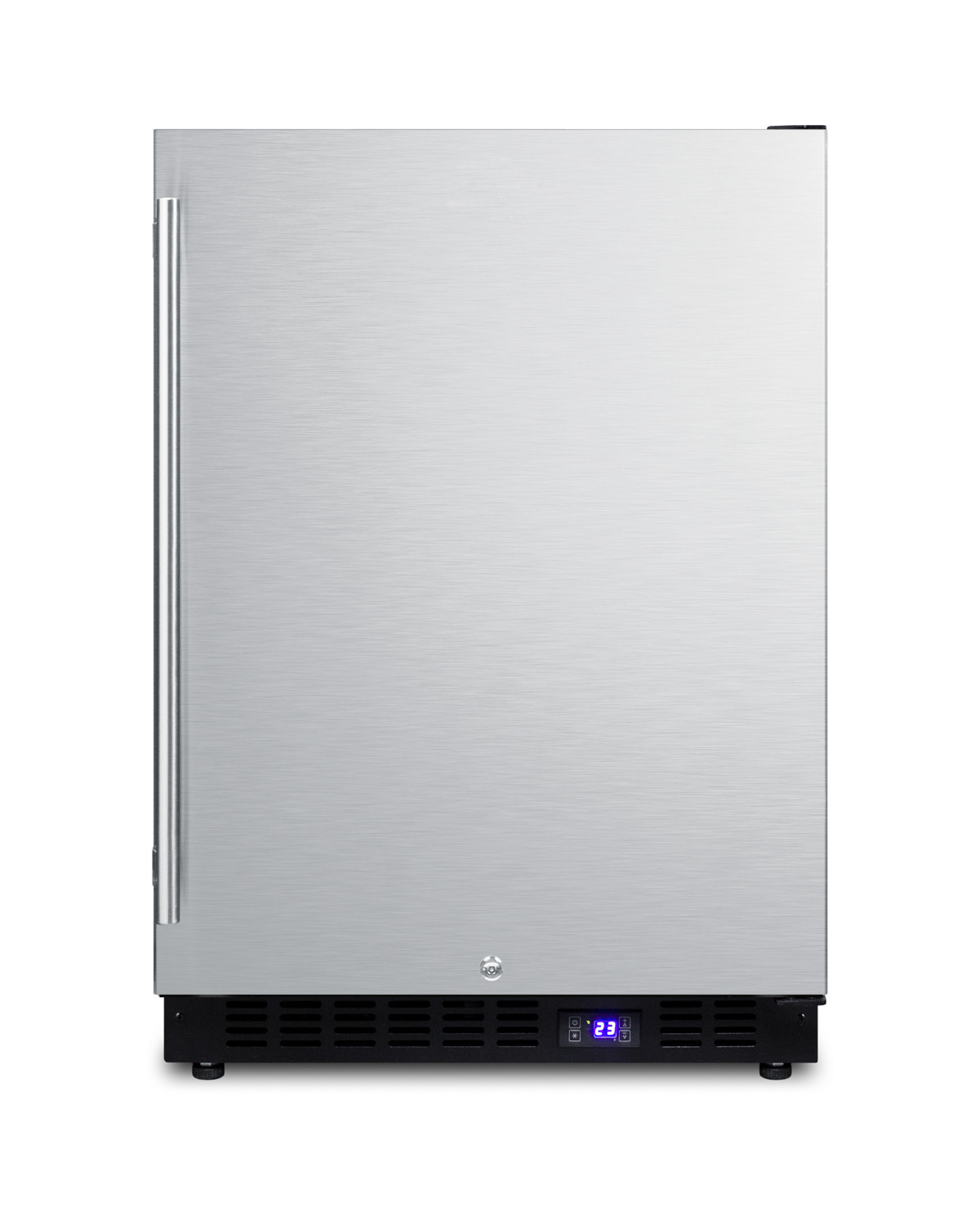
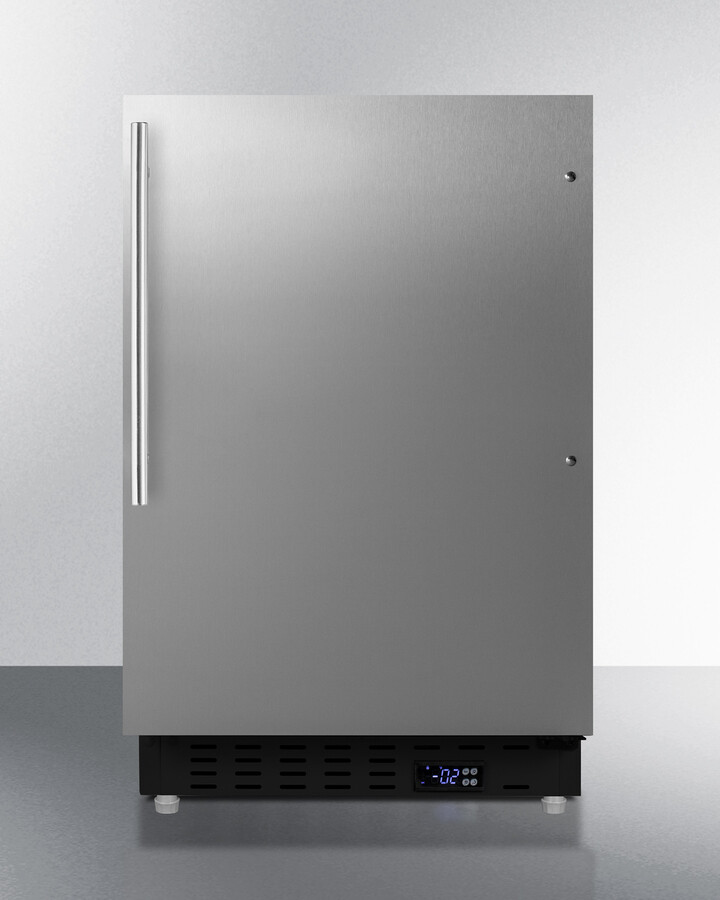
A reach-in built-in freezer is a type of freezer designed to be integrated seamlessly into your kitchen or other living spaces. Unlike standalone freezers, these units are built into cabinetry or walls, providing a streamlined and aesthetically pleasing look. They offer easy access to frozen goods, making them convenient for daily use.
Benefits of Having a Reach-In Built-In Freezer
Having a reach-in built-in freezer comes with various advantages. Here are some key benefits:
Space Efficiency: These freezers save valuable floor space by being integrated into cabinetry or walls, making them ideal for smaller kitchens, apartments, and tiny homes.
Aesthetic Appeal: Built-in freezers offer a sleek, modern look that blends seamlessly with your kitchen design. They can match other appliances for a cohesive appearance.
Convenience: The reach-in design allows for easy access to frozen items, reducing the need to bend down or dig through layers of food. This is particularly useful in busy kitchens and for chefs who need quick access to ingredients.
Customization: Many built-in freezers come with customizable shelving and compartments, allowing you to organize your frozen goods efficiently. Learn more about organizing your freezer in Fridge.com section on maximizing storage space.
Energy Efficiency: Modern reach-in built-in freezers are designed to be energy-efficient, helping you save on electricity bills while keeping your food properly frozen. For more information on energy-efficient appliances, visit Fridge.com guide on energy-efficient reach-in refrigerators.
When considering a reach-in built-in freezer, it's important to understand the different types available. This section will explore the two primary categories: standalone reach-in freezers and built-in reach-in freezers.
Standalone Reach-In Freezers
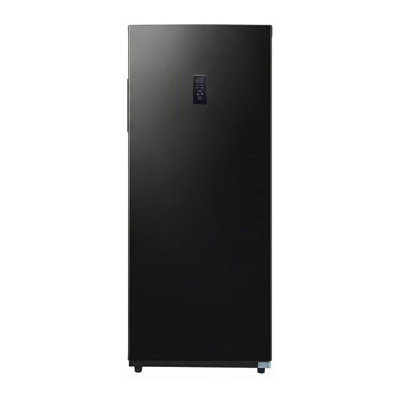
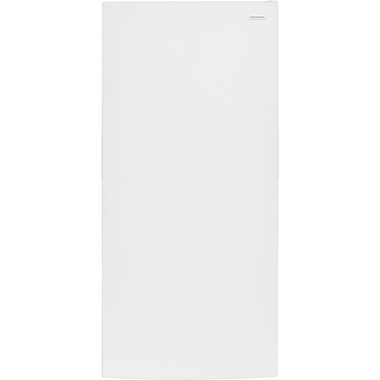
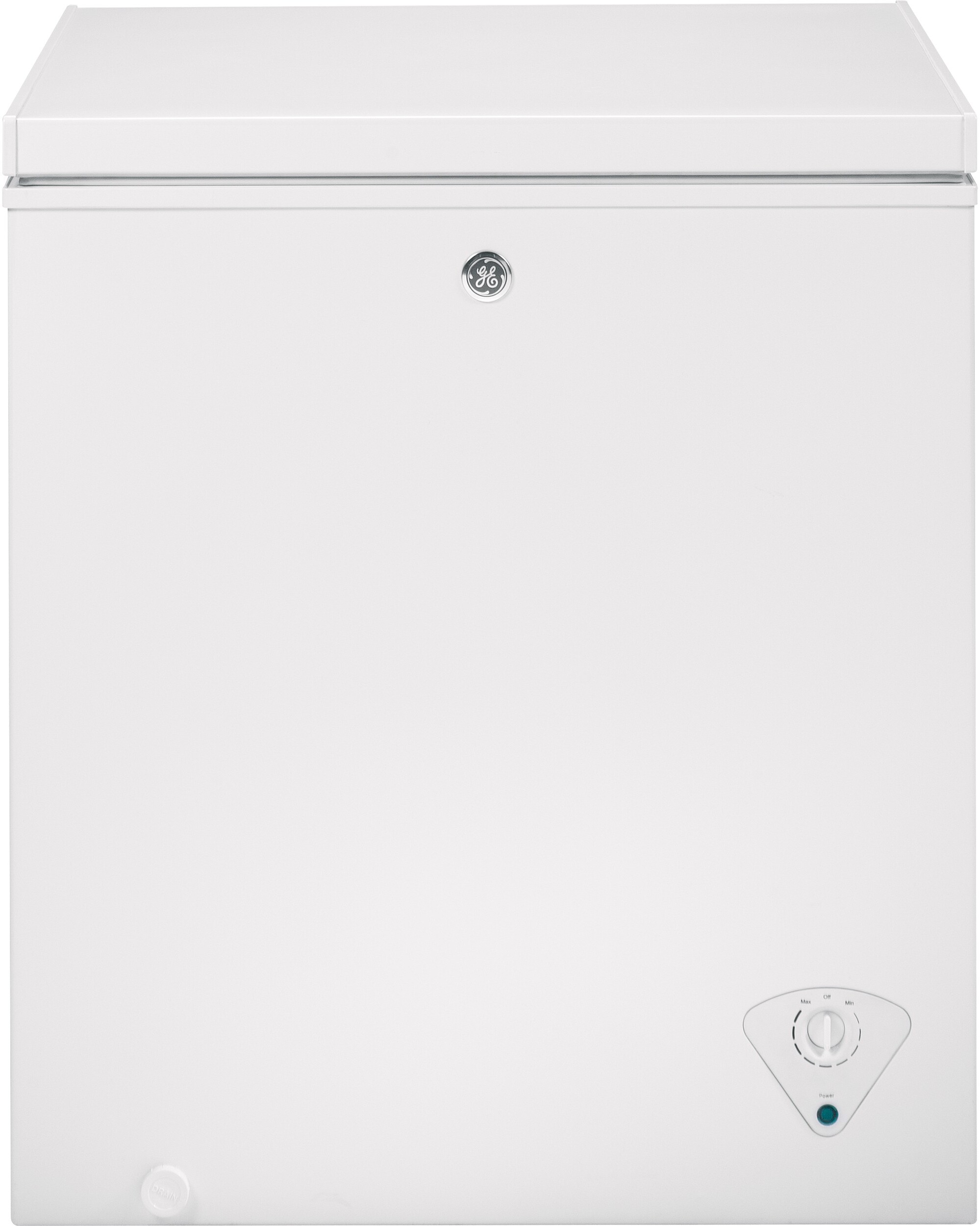
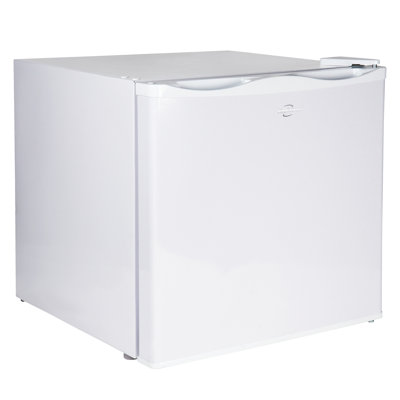
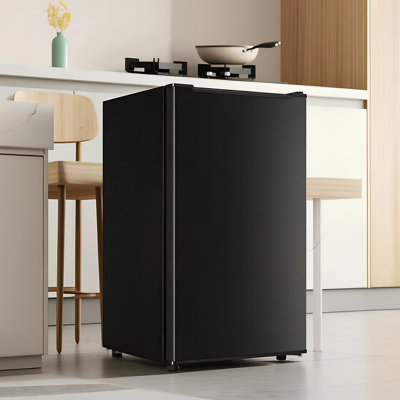
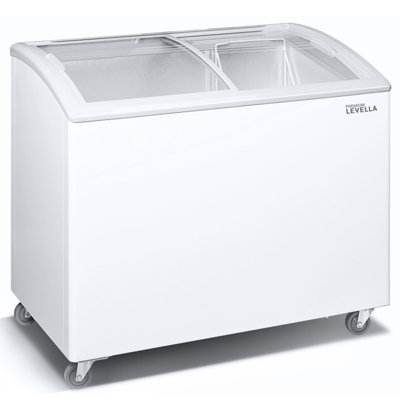
Standalone reach-in freezers are versatile units that can be placed anywhere in your home, garage, or office. These freezers are designed to function independently, meaning they do not need to be integrated into existing cabinetry or countertops. Standalone models are ideal if you need additional freezer space without modifying your current kitchen setup.
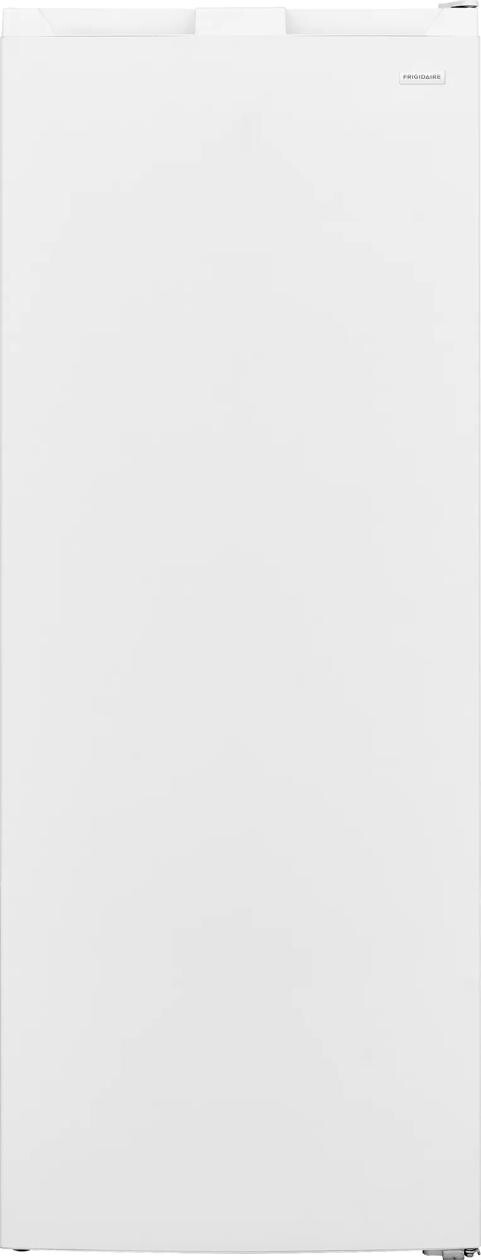
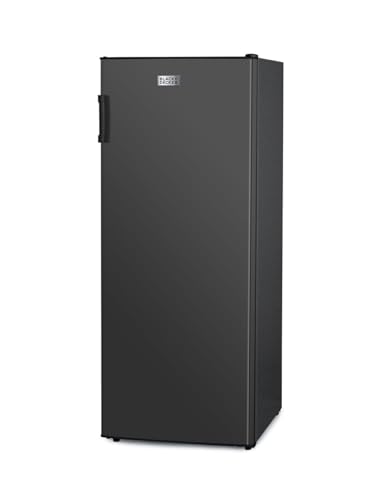
Standalone reach-in freezers come in various sizes and capacities, making it easy to find one that fits your needs. These freezers often feature easy-to-use controls, adjustable shelving, and ample storage space for all types of frozen goods. They are also known for their portability, allowing you to relocate them as needed.
Feature
Description
Location Flexibility
Can be placed anywhere in the home, garage, or office
Sizes Available
From compact to large capacities
Portability
Easy to relocate as needed
For more information on standalone freezer options, you may want to explore reach in upright freezer or reach in deep freezer.
Built-In Reach-In Freezers
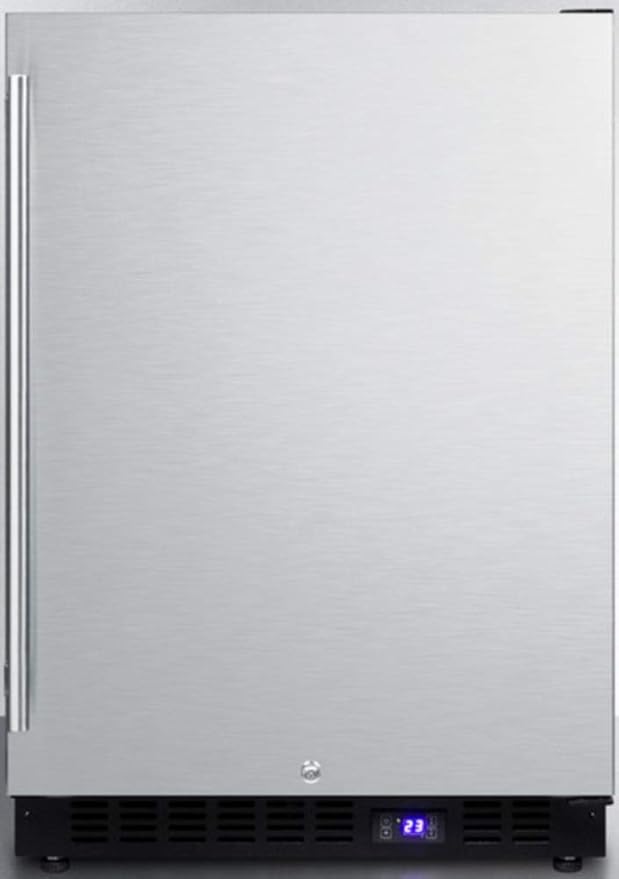
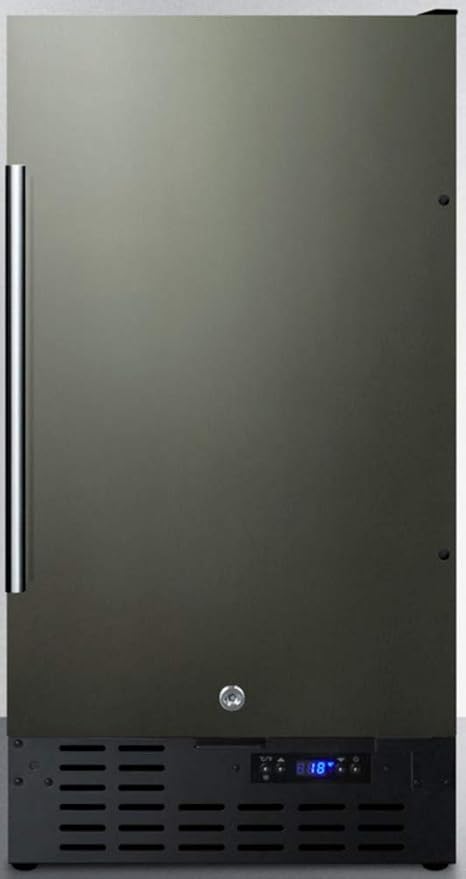
Built-in reach-in freezers are designed to seamlessly integrate into your kitchen or designated space. These units are installed within cabinetry or under countertops, providing a sleek and cohesive look. Built-in models are perfect for those who want a more streamlined kitchen design without sacrificing freezer space.
Built-in freezers often come with advanced features such as precise temperature control, frost-free operation, and customizable shelving. These units are typically more energy-efficient compared to standalone models, as they are designed to fit snugly within a specific area, reducing energy loss.
Feature
Description
Integration
Installed within cabinetry or under countertops
Advanced Features
Precise temperature control, frost-free operation
For those interested in built-in options, you might consider looking into reach in built in refrigerator for complementary kitchen appliances.
Understanding the differences between standalone and built-in reach-in freezers can help you make an informed decision based on your specific needs and preferences. Whether you prioritize flexibility and portability or a seamless, integrated look, there is a reach-in freezer that will suit your requirements.
Selecting the perfect reach-in built-in freezer involves several important factors to ensure it meets your needs and fits seamlessly into your space.
Size and Capacity
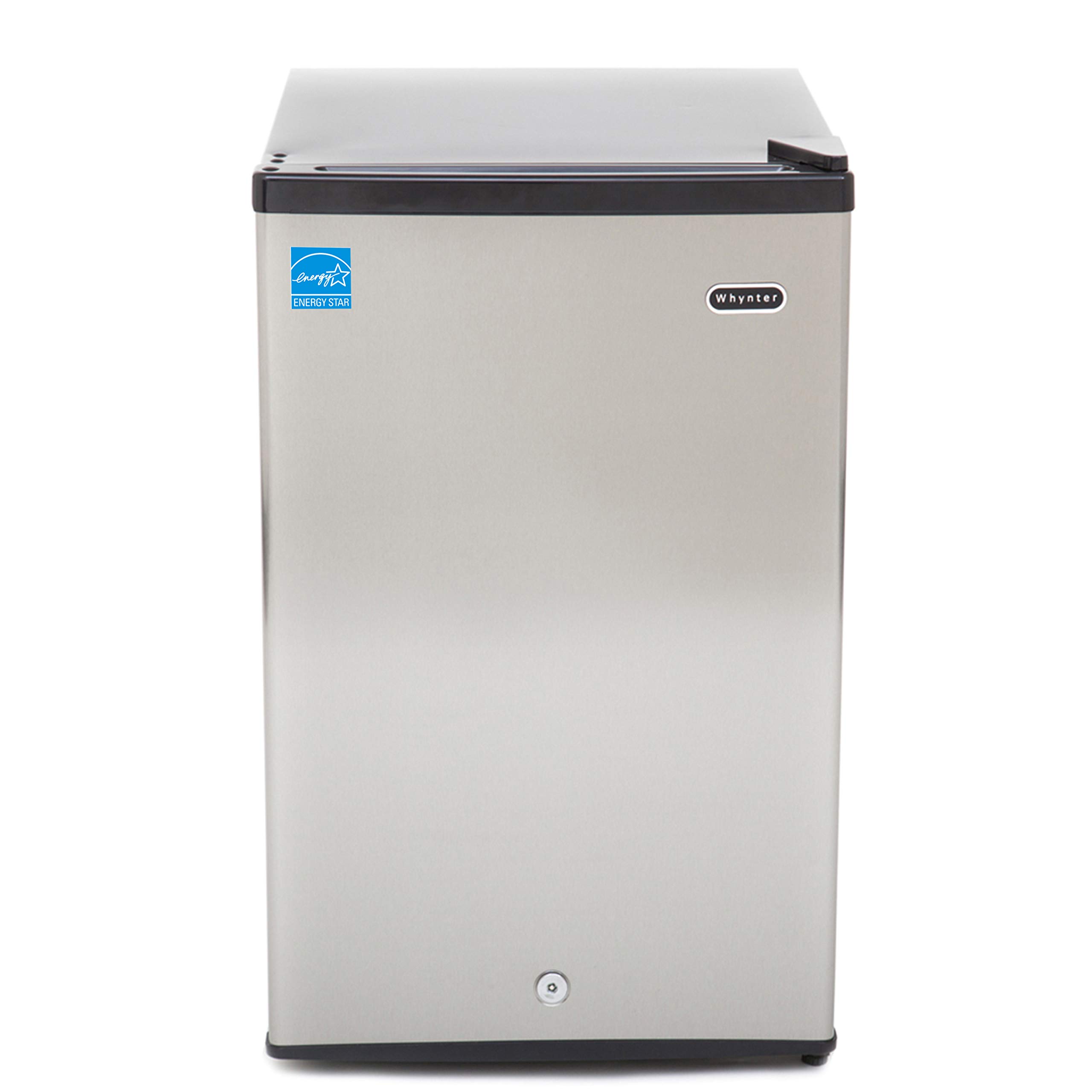
When choosing a reach-in built-in freezer, size and capacity are crucial considerations. The size determines whether the freezer will fit in your designated space, while capacity ensures it can hold all your stored items.
Freezer Type
Dimensions (inches)
Capacity (cubic feet)
Compact
24 x 24 x 34
3 - 5
Medium
30 x 30 x 70
15 - 20
Large
36 x 36 x 72
20 - 30
Ensure you measure the space where the freezer will be installed and compare it with the freezer's dimensions. Also, consider your storage needs—larger families or those who entertain frequently may require more capacity.
Energy Efficiency
Energy efficiency is another important factor. An energy-efficient reach-in built-in freezer can save you money on utility bills and is better for the environment. Look for freezers with the ENERGY STAR® label, indicating that they meet energy efficiency guidelines.
Freezer Type
Energy Consumption (kWh/year)
ENERGY STAR® Certified
Compact
200 - 300
Yes
Medium
400 - 600
Yes
Large
600 - 800
Yes
Choosing an energy-efficient freezer not only reduces your carbon footprint but also can lead to significant savings over time.
Design and Installation Options
Design and installation options are key to ensuring the freezer fits your kitchen's aesthetic and functional needs. Built-in freezers can be integrated seamlessly with existing cabinetry, providing a streamlined look.
Consider the following design and installation aspects:
Finish Options: Stainless steel, custom panel-ready, or classic white.
Door Type: Swing door or French door.
Installation Type: Under-counter, side-by-side, or standalone.
For more on integrating appliances in your kitchen, see Fridge.com articles on reach in built in refrigerator and reach in compact refrigerator.
By considering size, energy efficiency, and design options, you can choose the best reach-in built-in freezer to fit your lifestyle and kitchen layout. For additional guidance, check out Fridge.com article on reach in fridge.
Installation and Placement Tips
Correct installation and placement of your reach-in built-in freezer are crucial for optimal performance and longevity. Here are some key tips to ensure you get the most out of your appliance.
Choosing the Right Location
Selecting the right location for your reach-in built-in freezer is essential for both functionality and convenience. Consider the following factors:
Proximity to Kitchen Work Areas: Place the freezer near food preparation areas for easy access to frozen ingredients.
Avoid Direct Sunlight: Exposure to direct sunlight can cause the freezer to work harder, increasing energy consumption.
Accessibility: Ensure the location allows easy access to the freezer door and drawers.
Proper Ventilation Requirements
Proper ventilation is vital for the efficient operation of your reach-in built-in freezer. Inadequate ventilation can lead to overheating and reduced performance. Follow these guidelines:
Leave Space Around the Freezer: Ensure there is enough space around the freezer for air circulation. Refer to the manufacturer's guidelines for specific clearance requirements.
Ventilation Grilles: Make sure the ventilation grilles are not obstructed by walls or other appliances.
Regular Cleaning: Keep the ventilation grilles clean to prevent dust buildup, which can hinder airflow.
Ventilation Area
Recommended Clearance
Back
2 inches
Sides
1-2 inches
Top
2-3 inches
Integration with Existing Kitchen Appliances
Integrating your reach-in built-in freezer with existing kitchen appliances can enhance the overall efficiency and aesthetics of your kitchen. Consider the following tips:
Align with Other Appliances: Align the freezer with other built-in appliances, such as ovens or reach-in built-in refrigerators, for a seamless look.
Custom Cabinetry: Use custom cabinetry to enclose the freezer, ensuring it blends well with the kitchen decor.
Electrical Outlets: Ensure there are accessible electrical outlets near the installation site. Avoid using extension cords as they can pose safety risks.
By following these installation and placement tips, you can ensure your reach-in built-in freezer operates efficiently and integrates seamlessly into your kitchen environment. For more information on related appliances, check out Fridge.com articles on reach-in fridge and reach-in compact refrigerator.
Maintenance and Care
Proper maintenance and care of your reach-in built-in freezer ensure its longevity and efficiency. Regular cleaning, temperature regulation, and troubleshooting common issues can help keep your appliance in top condition.
Cleaning and Defrosting
Regular cleaning and defrosting are crucial for maintaining your reach-in built-in freezer. Periodic cleaning prevents the buildup of frost, which can affect the freezer's efficiency.
Steps for Cleaning:
Unplug the freezer and remove all contents.
Use a mild detergent and warm water to clean the interior surfaces.
Wipe down shelves, drawers, and door seals.
Dry all surfaces thoroughly before plugging the freezer back in.
Defrosting Guidelines:
Unplug the freezer.
Remove all contents and place them in a cooler.
Allow the ice to melt naturally or use a bowl of hot water to speed up the process.
Once defrosted, clean the interior as described above.
Temperature Regulation
Maintaining the correct temperature is essential for preserving the quality and safety of your stored food. Most reach-in built-in freezers operate efficiently at temperatures between 0°F and -10°F.
Freezer Type
Recommended Temperature
Reach-In Built-In Freezer
0°F to -10°F
Reach-In Chest Freezer
-10°F to -20°F
Reach-In Upright Freezer
0°F to -10°F
Ensure that the temperature is checked regularly using a reliable freezer thermometer. If you notice fluctuations, it may be necessary to adjust the thermostat or inspect the door seals for any gaps or damage.
Troubleshooting Common Issues
Even with regular maintenance, you may encounter common issues with your reach-in built-in freezer. Here are some troubleshooting tips:
Issue: Freezer Not Cooling Properly
Check the Thermostat: Ensure it is set to the correct temperature.
Inspect Door Seals: Look for any gaps or damages that may cause air leaks.
Clean Condenser Coils: Dust and debris on the coils can reduce efficiency. Clean them regularly.
Issue: Excessive Frost Build-Up
Door Seal Check: Ensure the door seals are intact and the door closes tightly.
Defrost Regularly: Schedule regular defrosting to prevent frost accumulation.
Issue: Unusual Noises
Level the Freezer: Ensure the freezer is placed on a flat, stable surface.
Inspect Fans and Motors: Listen for any unusual sounds from the fans or compressor, which may indicate a need for professional inspection.
Regular maintenance and care not only extend the life of your reach-in built-in freezer but also ensure it operates efficiently. For more information on integrating your freezer with other appliances, check out Fridge.com article on reach-in built-in refrigerator. If you encounter issues beyond basic troubleshooting, it may be time to consult a professional technician to diagnose and repair your appliance.
Proper organization of your reach-in built-in freezer can make a significant difference in how efficiently you use the available space. Here, Fridge.com discusses tips for maximizing storage space and properly storing different food types.
Maximizing Storage Space
To make the most of your reach-in built-in freezer, you need to utilize every inch of space effectively. Here are some strategies:
Use Clear Storage Bins: Clear bins help you see what’s inside without having to rummage through everything.
Label Everything: Labeling helps you quickly find what you need and keeps things organized.
Shelf Dividers: Use shelf dividers to create sections for different types of food.
Vacuum Sealed Bags: These save space by reducing the volume of the food items.
Storage Solution
Description
Clear Storage Bins
Transparent bins that allow you to see contents easily
Labels
Tags or stickers that identify the contents of bins and shelves
Shelf Dividers
Tools that create individual sections within a shelf
Vacuum Sealed Bags
Bags that remove air to save space and keep food fresh longer
Properly Storing Different Food Types
Different food items require different storage conditions to maintain their quality. Here’s how you can store various types effectively:
Meat and Seafood: Store in the coldest part of the freezer, usually at the bottom. Use vacuum-sealed bags to prevent freezer burn.
Vegetables and Fruits: Blanch vegetables before freezing to maintain their color and nutrients. Use airtight containers.
Baked Goods: Wrap tightly in plastic wrap and then in aluminum foil to prevent moisture loss.
Prepared Meals: Portion meals into individual servings using airtight containers or vacuum-sealed bags.
Food Type
Storage Method
Meat and Seafood
Coldest part of freezer, vacuum-sealed bags
Vegetables and Fruits
Blanch before freezing, airtight containers
Baked Goods
Plastic wrap and aluminum foil
Prepared Meals
Individual servings in airtight containers or vacuum-sealed bags
By following these tips, you can ensure that your reach-in built-in freezer is organized effectively, making it easier to find and access your food items. For more information on different types of freezers and their features, explore Fridge.com articles on reach in upright freezer and reach in chest freezer.
Compare freezer prices on Fridge.com
Compare current prices and specifications on Fridge.com, then buy from the retailer you choose; delivery, installation and warranty terms are the retailer’s.
It also has tons of awesome articles about kitchen stuff and home news. Enhance your home, garage, backyard, patio, and office with the coolest essentials. With every necessary type of residential refrigerator or freezer in the collection, you're covered.
Frequently Asked Questions
A reach-in built-in freezer is a type of freezer designed to be integrated seamlessly into your kitchen or other living spaces. Unlike standalone freezers, these units are built into cabinetry or walls, providing a streamlined and aesthetically pleasing look. They offer easy access to frozen goods, making them convenient for daily use.