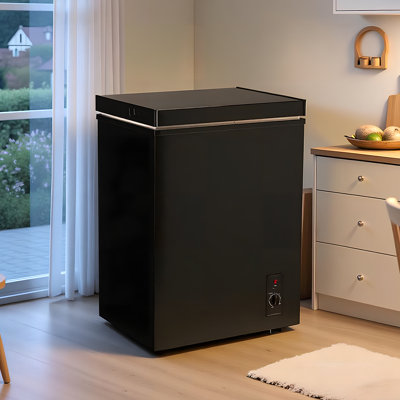
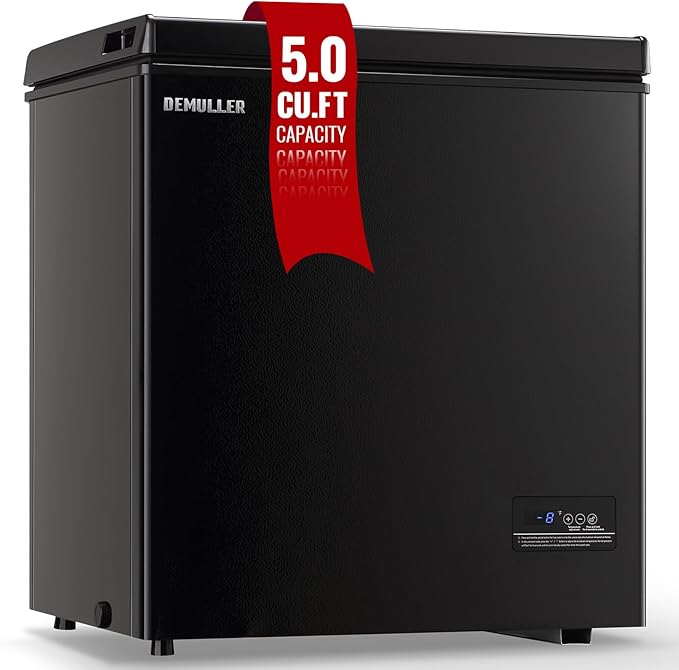
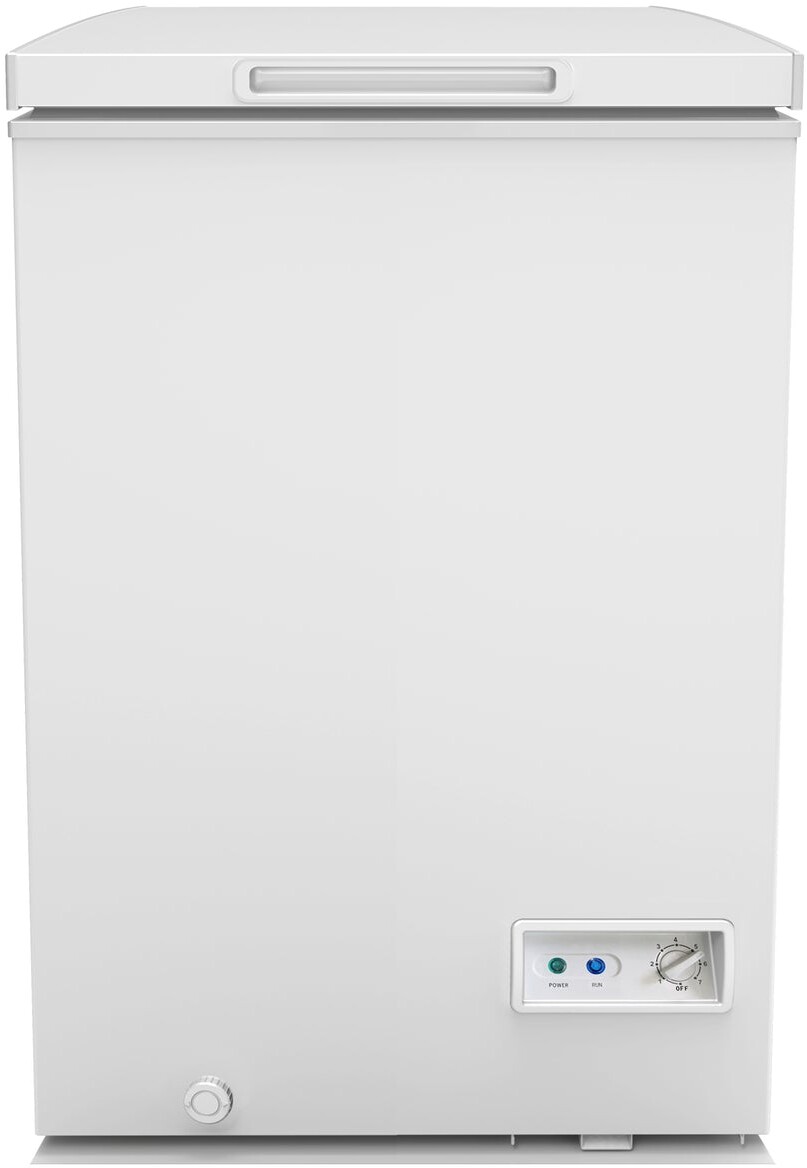
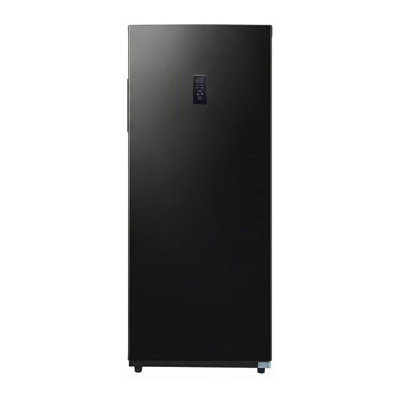
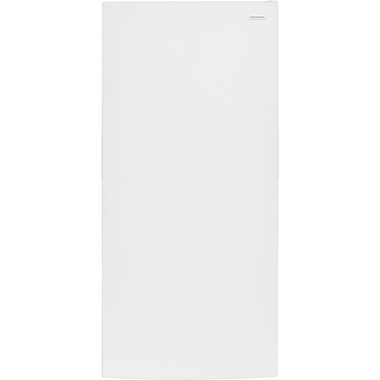
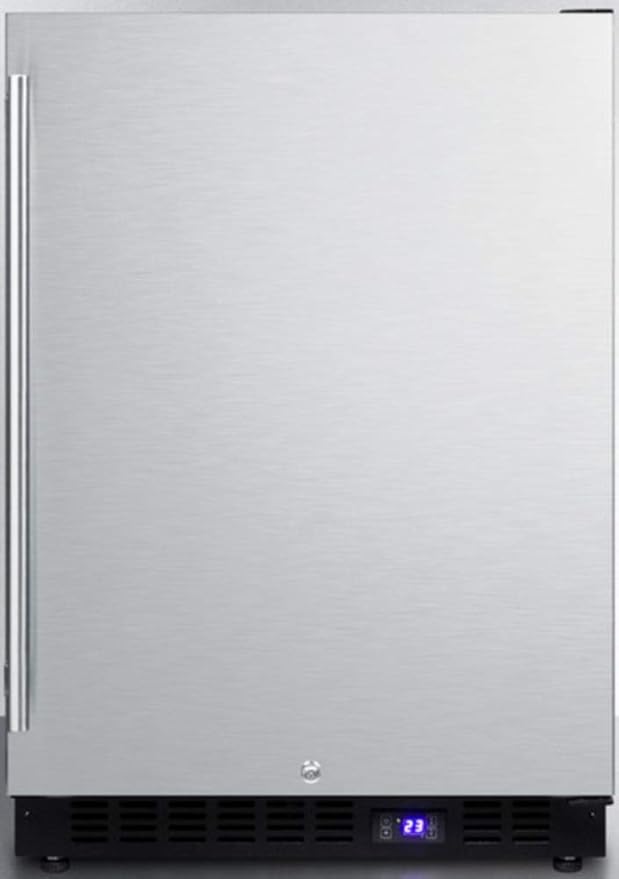
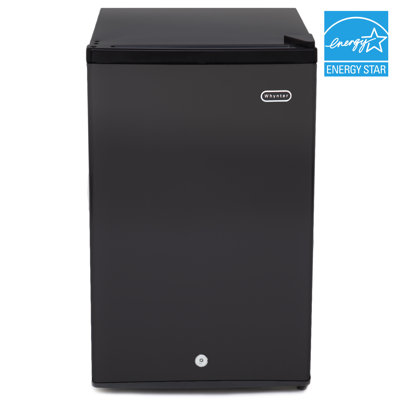
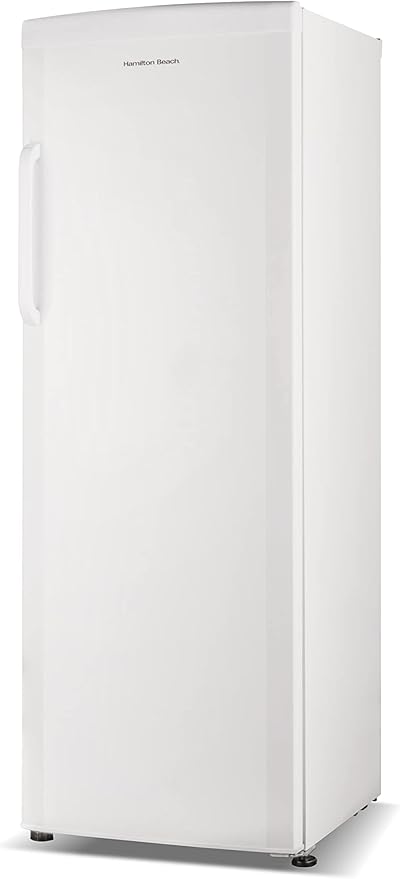
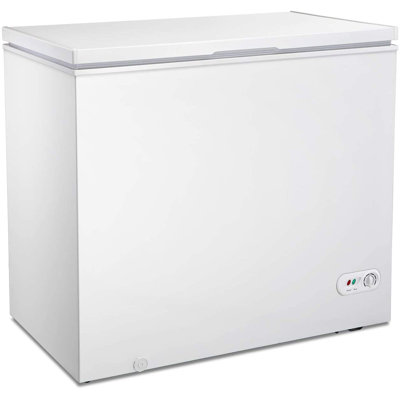
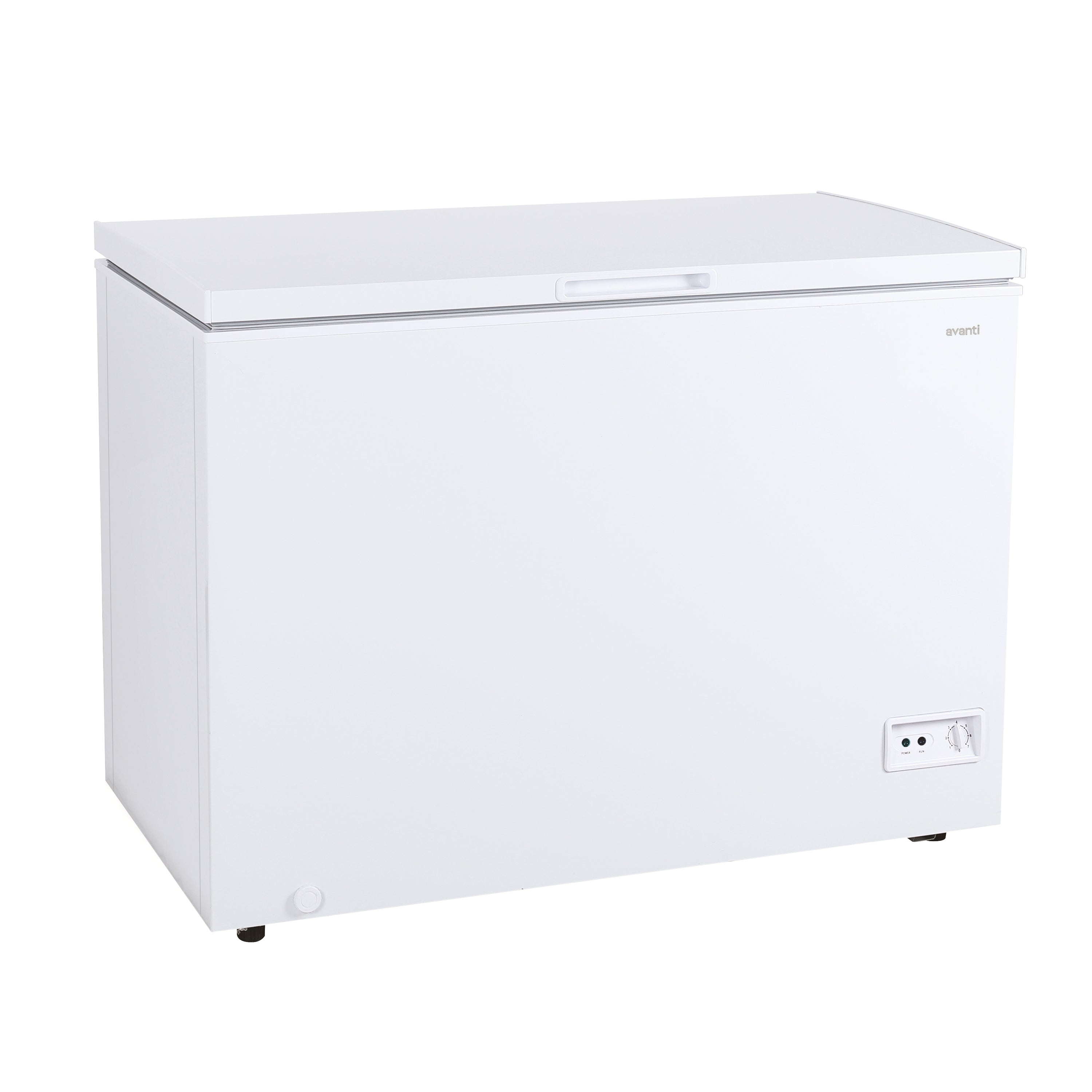
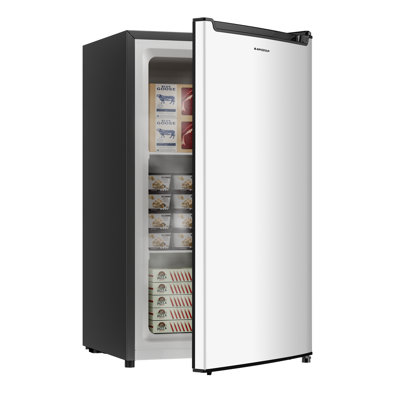
It typically has a larger capacity and is optimized for maintaining the ideal temperature for frozen treats.
Mini freezers are ideal for apartments, dorm rooms, or as supplementary storage in homes with limited space.
Its spacious interior allows for bulk storage, making it ideal for parties, gatherings, or even commercial use.
When considering the performance of ice cream freezers and mini freezers, it is important to evaluate how effectively each type maintains low temperatures.
When it comes to choosing between an ice cream freezer chest and a mini freezer, understanding their distinct features can help you make an informed decision. Both options serve the purpose of freezing food, but they differ in design, functionality, and suitability for various needs.
Ice Cream Freezer Chest:
This type of freezer is specifically designed for storing ice cream and frozen desserts. It typically has a larger capacity and is optimized for maintaining the ideal temperature for frozen treats. These freezers usually feature a horizontal design, which allows for easy access to stored items. They are perfect for those who entertain frequently or run a small business that sells ice cream.
Mini Freezer:
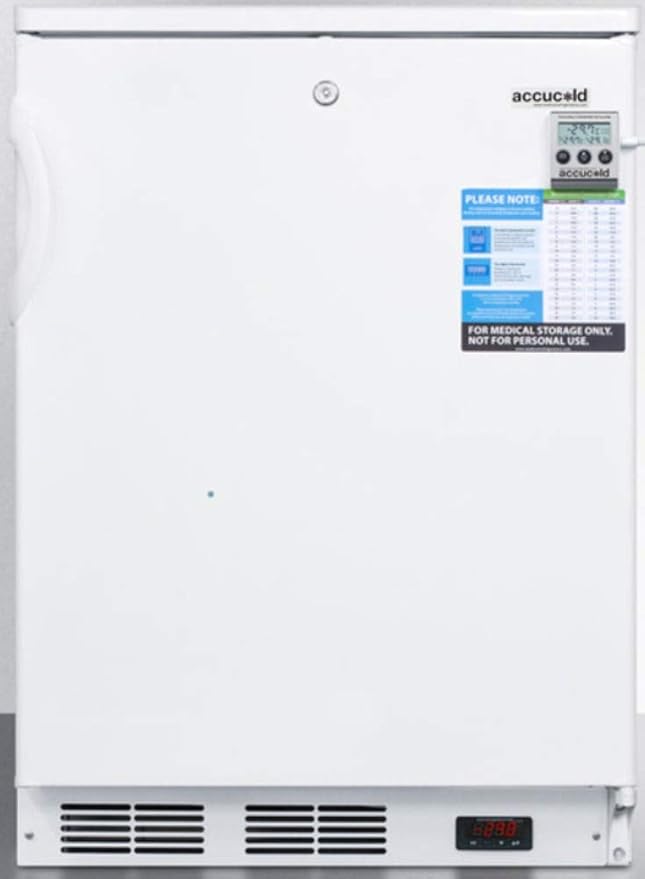
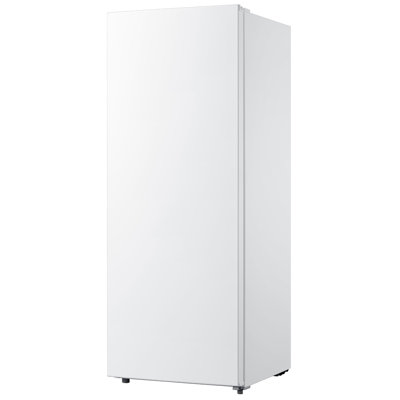
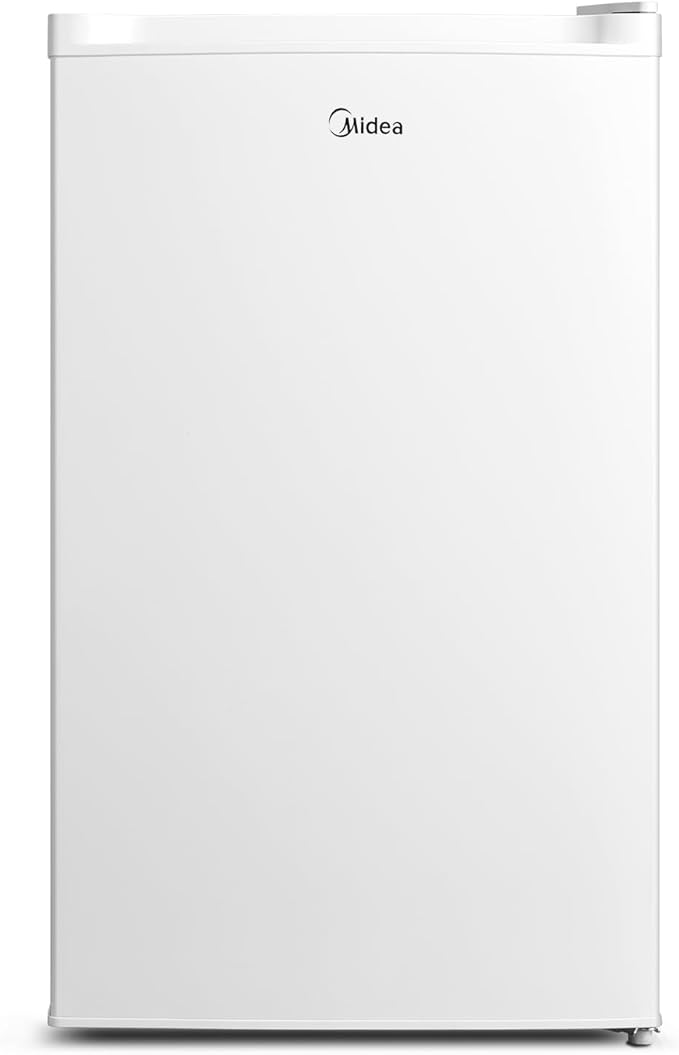
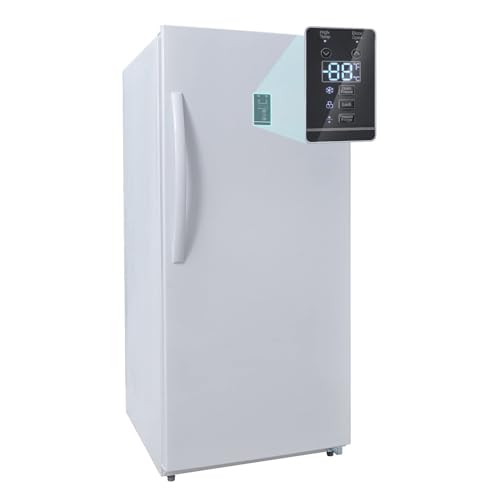
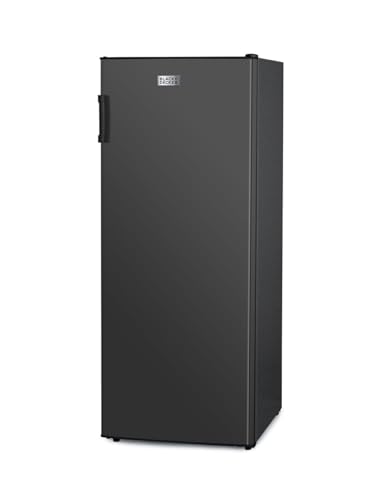
On the other hand, a mini freezer is a compact option that can fit in smaller spaces. It's suitable for storing a variety of frozen foods, including leftovers, frozen fruits, and vegetables. Mini freezers are ideal for apartments, dorm rooms, or as supplementary storage in homes with limited space. Their vertical design makes them easier to fit into tight areas but may not provide the same level of temperature stability as a chest freezer.
Key Differences
Feature
Ice Cream Freezer Chest
Mini Freezer
Design
Horizontal
Vertical
Capacity
Larger
Smaller
Ideal for
Ice cream storage
General frozen food
Temperature Maintenance
More stable
Less stable
Space Requirement
Requires more floor space
Fits in smaller areas
Understanding these differences can help you determine which freezer best suits your needs. If you primarily focus on ice cream and frozen desserts, an ice cream freezer chest may be the better choice. However, if you need a versatile option for various frozen items, a mini freezer might be more appropriate. For more insights on different freezer types, consider reading about chest freezer Vs. freezer cooler.
When deciding between an ice cream freezer chest and a mini freezer, understanding the capacity and size of each option is crucial. Here’s how they compare.
Ice Cream Freezer Chest
An ice cream freezer chest is specifically designed to hold larger quantities of ice cream and frozen treats. Its spacious interior allows for bulk storage, making it ideal for parties, gatherings, or even commercial use.
Feature
Description
Average Capacity
3 to 18 cubic feet
Typical Dimensions
24 to 36 inches in width
Usable Space
Optimized for ice cream containers
Ideal for
Large families, businesses, events
Mini Freezer
A mini freezer, while smaller in size, offers convenience and flexibility. It is perfect for those with limited space or for individuals who need extra storage for frozen foods without the bulk of a larger unit.
Feature
Description
Average Capacity
1.5 to 5 cubic feet
Typical Dimensions
18 to 24 inches in width
Usable Space
Suitable for smaller items
Ideal for
Apartments, offices, dorms
Both options have their advantages depending on your needs. If you often entertain or have a large household, an ice cream freezer chest may be the best choice for you. However, if you are limited on space or require additional storage without a large footprint, a mini freezer could be more appropriate. Explore the differences further to find what fits your lifestyle best. For additional insights on freezer types, check out Fridge.com article on chest freezer Vs. freezer cooler.
When considering the performance of ice cream freezers and mini freezers, it is important to evaluate how effectively each type maintains low temperatures. This is crucial for preserving the quality of frozen goods, especially ice cream.
Ice Cream Freezer Chest
Ice cream freezer chests are specifically designed to maintain consistently low temperatures ideal for storing ice cream. They typically feature powerful compressors and thick insulation, which help to keep the interior cold, even under frequent usage.
The following table illustrates the average cooling performance of ice cream freezer chests:
Feature
Average Performance
Temperature Range
-10°F to -20°F
Cooling Time (for ice cream)
30-45 minutes
Insulation Thickness
2-4 inches
The design of these freezers allows for a significant amount of air circulation, preventing frost build-up and ensuring that ice cream remains smooth and creamy.
Mini Freezer
Mini freezers, on the other hand, are versatile and can be used for a variety of frozen foods, not just ice cream. While they do provide adequate cooling, their performance may not be as specialized as that of ice cream freezers.
The table below summarizes the average cooling performance of mini freezers:
Feature
Average Performance
Temperature Range
0°F to -10°F
Cooling Time (for ice cream)
1-2 hours
Insulation Thickness
1-2 inches
Mini freezers generally take longer to reach optimal temperatures for ice cream, and they may not maintain as low a temperature as chest freezers due to less effective insulation. As a result, ice cream stored in a mini freezer might be more susceptible to freezer burn if not consumed quickly.
In summary, while both ice cream freezer chests and mini freezers offer cooling capabilities, ice cream freezers excel in maintaining lower temperatures essential for preserving the quality of ice cream. If you prioritize optimal storage for ice cream, a dedicated ice cream freezer chest might be the better choice. For a broader understanding of freezer options, you may find Fridge.com article on chest style freezer helpful.
When considering the best option for your frozen treats, it's essential to look at the storage features of both an ice cream freezer chest and a mini freezer. Each has unique characteristics that cater to different needs.
Ice Cream Freezer Chest
Ice cream freezer chests are specifically designed for frozen desserts and often come with features that optimize storage for ice cream. Here are some key points about their storage capabilities:
Feature
Description
Organization
Typically includes removable bins or baskets to keep different flavors separate.
Temperature Control
Maintains a stable temperature ideal for preserving the texture and flavor of ice cream.
Accessibility
Lid design allows for easy access to items at the bottom while keeping the cold air inside.
Size Options
Available in various sizes, accommodating large quantities for gatherings or commercial use.
Mini Freezer
Mini freezers are more versatile and can be used for a variety of frozen goods, not just ice cream. Here are the notable storage features of mini freezers:
Feature
Description
Compartmentalization
Often includes shelves and compartments for organizing a range of food items, from ice cream to frozen meals.
Adjustable Shelves
Shelves can be rearranged or removed to create space for larger items, making it flexible for different storage needs.
Compact Size
Designed for small spaces, making it suitable for apartments, offices, or mobile homes.
Temperature Settings
Some models offer adjustable temperature controls, allowing for customization based on stored items.
Both the ice cream freezer chest and the mini freezer have distinct storage features that cater to different needs. If you primarily store ice cream and want optimal conditions for it, an ice cream freezer chest may be the best fit. However, if you require versatility for various frozen foods, a mini freezer could be the ideal choice. For more tips on how to maximize your storage, consider checking out Fridge.com article on best ways to store kukuri melon seeds in the fridge.
Energy Efficiency
When considering an ice cream freezer chest Vs. mini freezer, energy efficiency is an important factor to keep in mind. Different models come with varying energy consumption rates, which can significantly affect your electricity bill over time.
Ice Cream Freezer Chest
Ice cream freezer chests are designed for optimal energy efficiency while maintaining low temperatures. They typically feature thicker insulation and a more airtight seal, which can help reduce energy usage. Here’s a breakdown of the average energy consumption for ice cream freezer chests:
Model Type
Average Energy Consumption (kWh/year)
Standard Chest
300 - 600
Mini Freezer
Mini freezers tend to consume less energy overall due to their smaller size and capacity. However, their efficiency can vary widely based on design and features. Here's an overview of the average energy consumption for mini freezers:
Model Type
Average Energy Consumption (kWh/year)
Standard Mini
150 - 300
Both options have their advantages regarding energy efficiency. Ice cream freezer chests are ideal for high-volume storage with more consistent temperatures, while mini freezers can be more economical for smaller spaces and lower overall usage. Assess your storage needs and consider checking out Fridge.com article on chest freezer Vs. freezer cooler for more information on options that best suit your lifestyle.
When considering an ice cream freezer chest versus a mini freezer, placement and usage are key factors that can influence your decision. Each type of freezer has its own advantages depending on your specific needs and the space available.
Ice Cream Freezer Chest
An ice cream freezer chest is typically larger and designed specifically for storing ice cream and frozen desserts at optimal temperatures. This type of freezer can be placed in various locations, including:
Basement: Ideal for long-term storage and often has ample space.
Garage: Convenient for easy access, especially during gatherings.
Outdoor Areas: Great for backyard events or near a home pool.
Cabins or Tiny Homes: Useful for storing ice cream without taking up too much space indoors.
The usage of an ice cream freezer chest generally revolves around larger quantities and frequent access during parties or family gatherings. It maintains a constant temperature, ensuring that your ice cream remains frozen solid.
Mini Freezer
A mini freezer, on the other hand, is compact and versatile, making it suitable for various placements:
Apartment or Condo: Perfect for smaller living spaces where every square foot counts.
Office: Convenient for storing snacks and frozen meals without needing a full-size freezer.
Flat or Townhouse: Fits well in kitchens with limited space.
Mobile Homes: Offers additional freezing capacity without taking up too much room.
Usage of a mini freezer is typically for quick access to frozen foods, snacks, or meals. It can be used as a secondary freezer to complement your primary fridge freezer. This is particularly useful for foodies who enjoy meal prepping or storing frozen homemade meals, like homemade freezer fries.
Summary Table
Feature
Ice Cream Freezer Chest
Mini Freezer
Size
Larger
Compact
Ideal Locations
Basement, garage, outdoors
Apartment, office, mobile home
Usage
Long-term storage, gatherings
Quick access, meal prepping
Temperature Maintenance
Constant, optimal for ice cream
Variable, good for general use
Understanding the placement and usage of both an ice cream freezer chest and a mini freezer can help you make an informed decision tailored to your lifestyle and storage needs. If you're considering extra features or specific models, explore articles on chest style freezer to find what suits you best.
Compare prices on Fridge.com
Compare current prices and specifications on Fridge.com, then buy from the retailer you choose; delivery, installation and warranty terms are the retailer’s.
It also has tons of awesome articles about kitchen stuff and home news. Enhance your home, garage, backyard, patio, and office with the coolest essentials. With every necessary type of residential refrigerator or freezer in the collection, you're covered.
From Fridge.com research
Figures below come from data Fridge.com builds and maintains. Each links to the record behind it.
Fridge.com Energy Index, built on U.S. EPA and DOE ENERGY STAR records
Across 5,455 ENERGY STAR certified refrigerators and freezers from 263 brands, median use is 360 kWh per year.