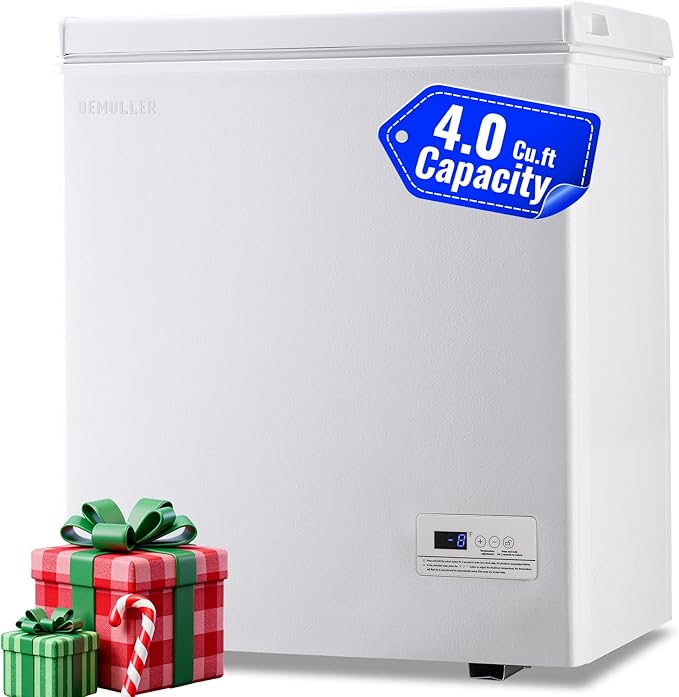
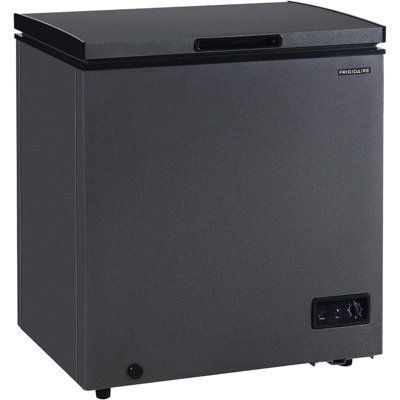
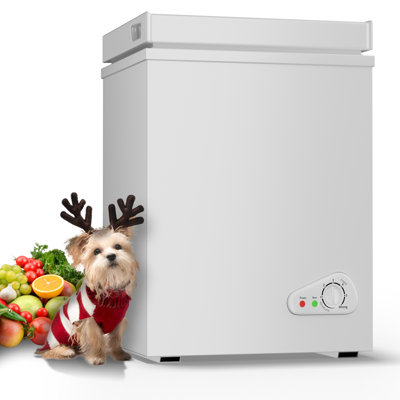
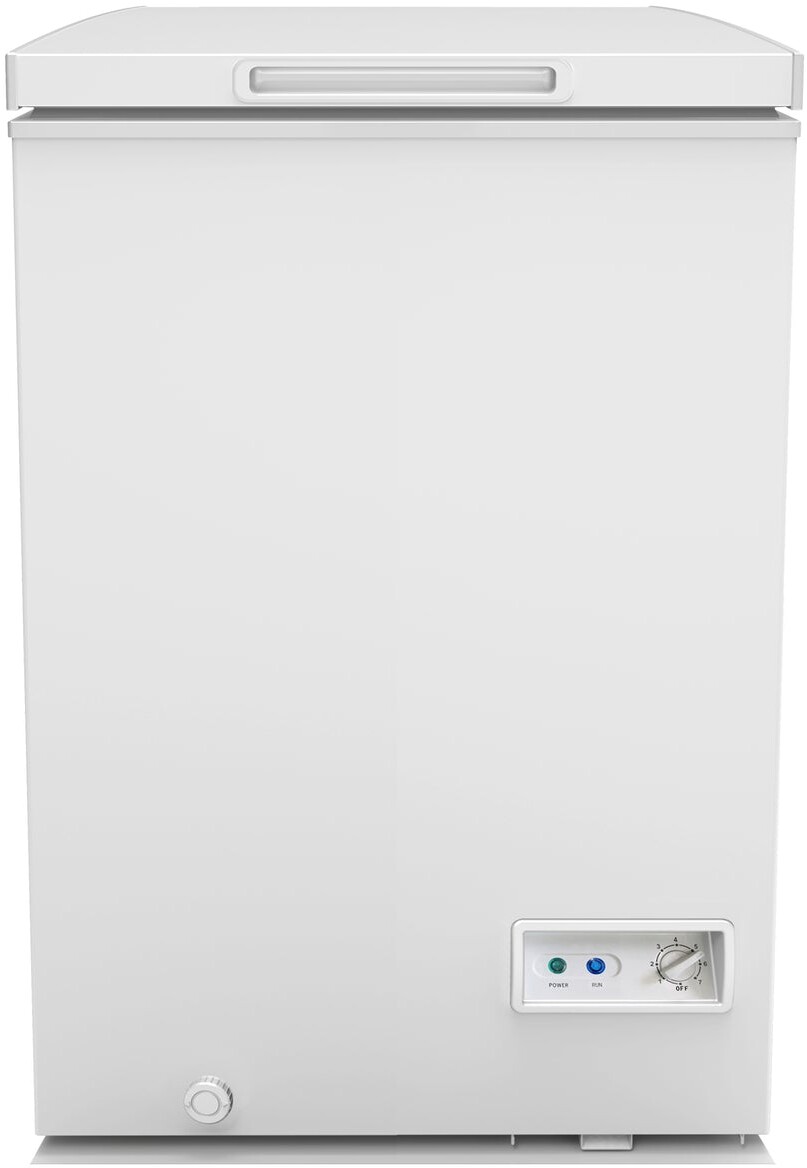
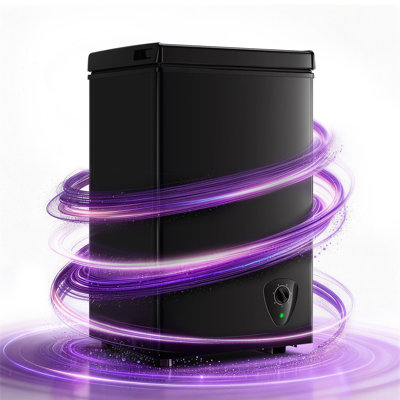
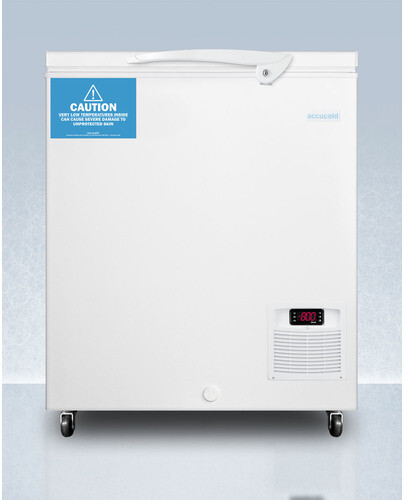
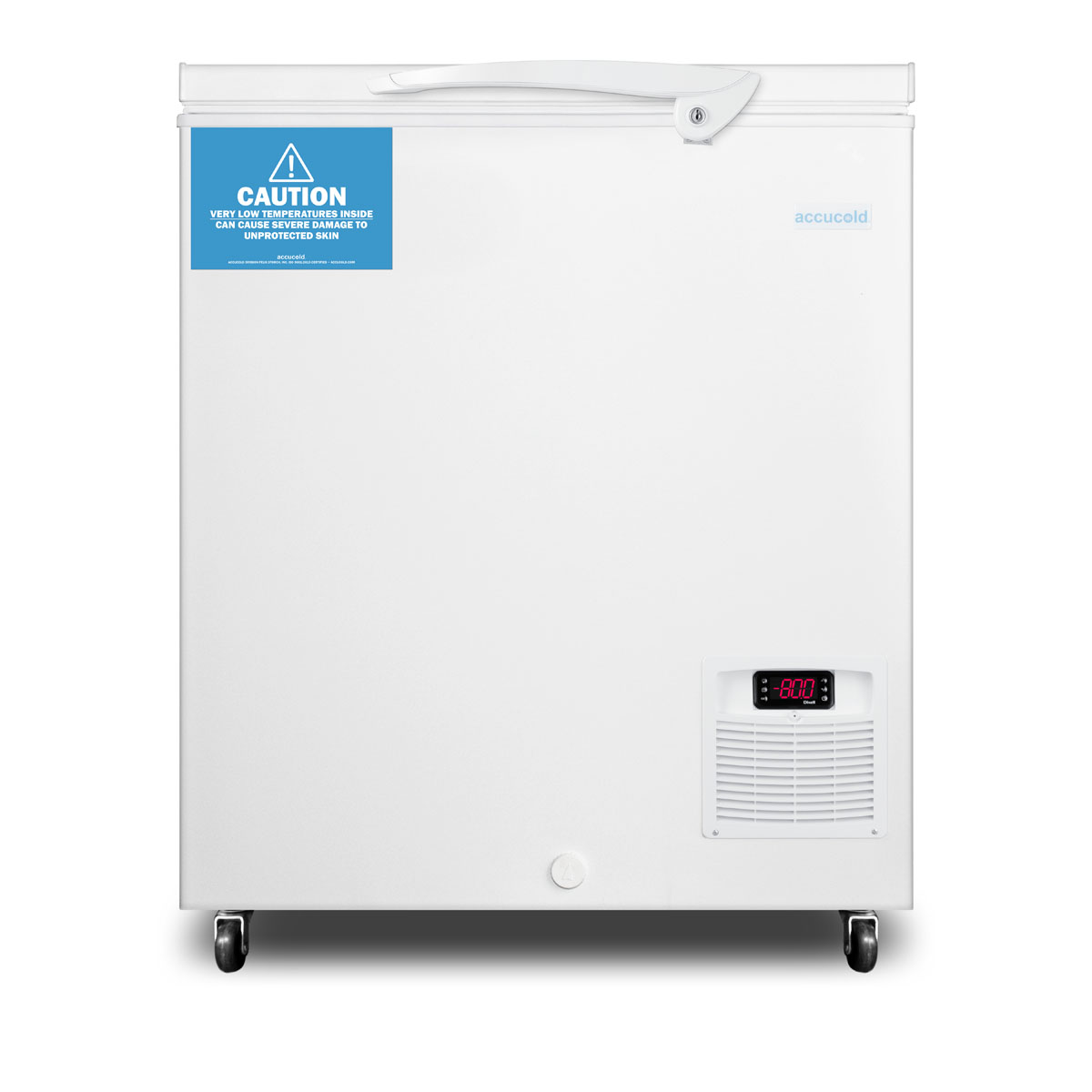
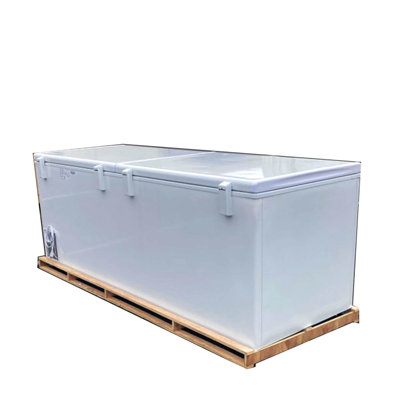
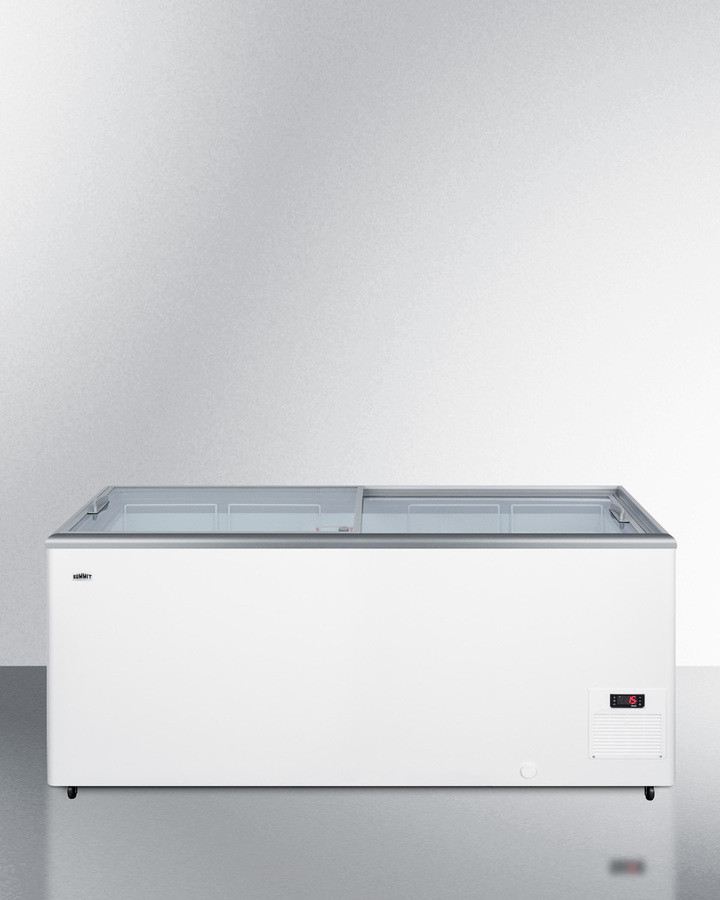
When it comes to freezing food, you have a couple of popular choices: chest freezers and freezer coolers. Each option has its own unique advantages and features, catering to different needs and lifestyles.
Exploring Chest Freezers
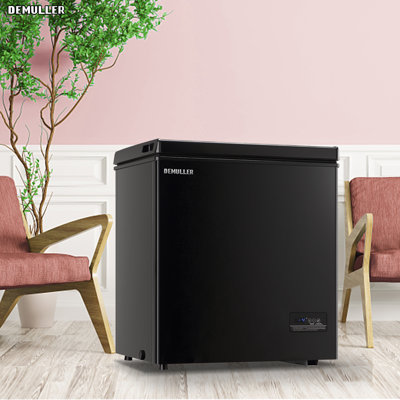
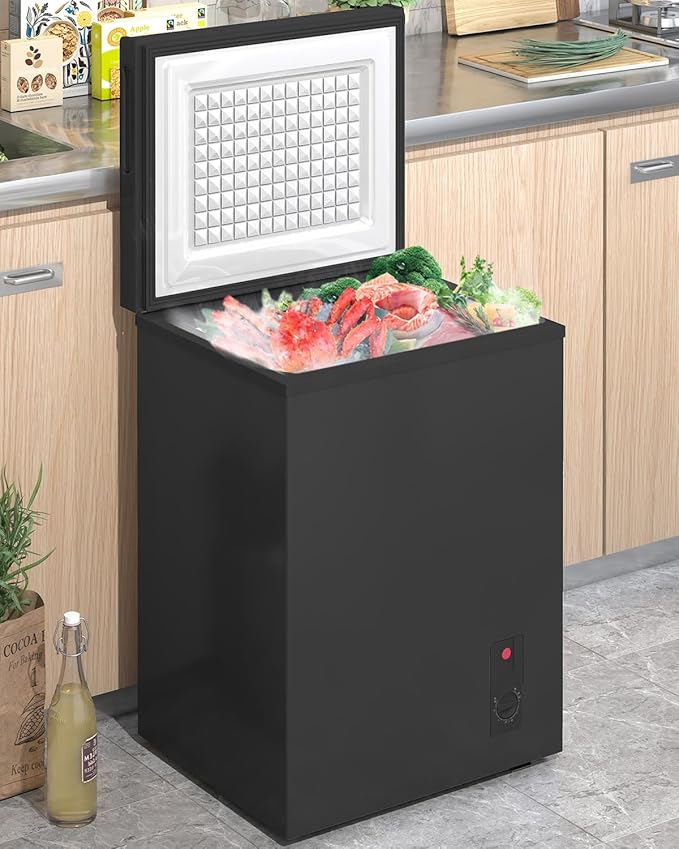
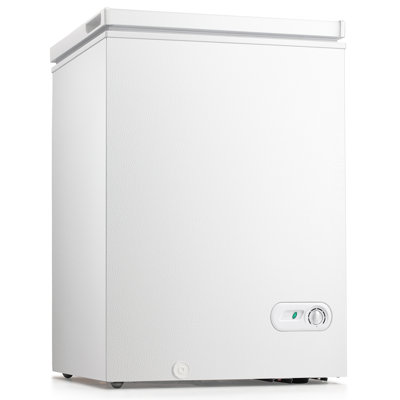
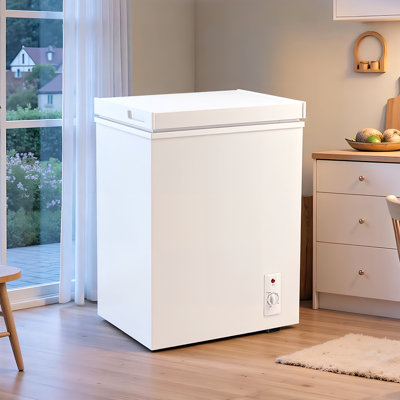
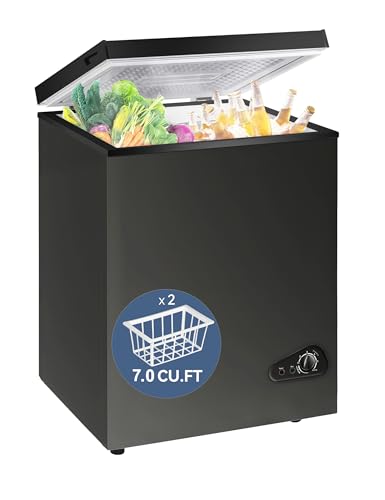
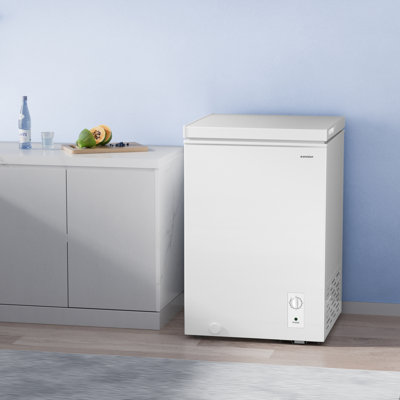
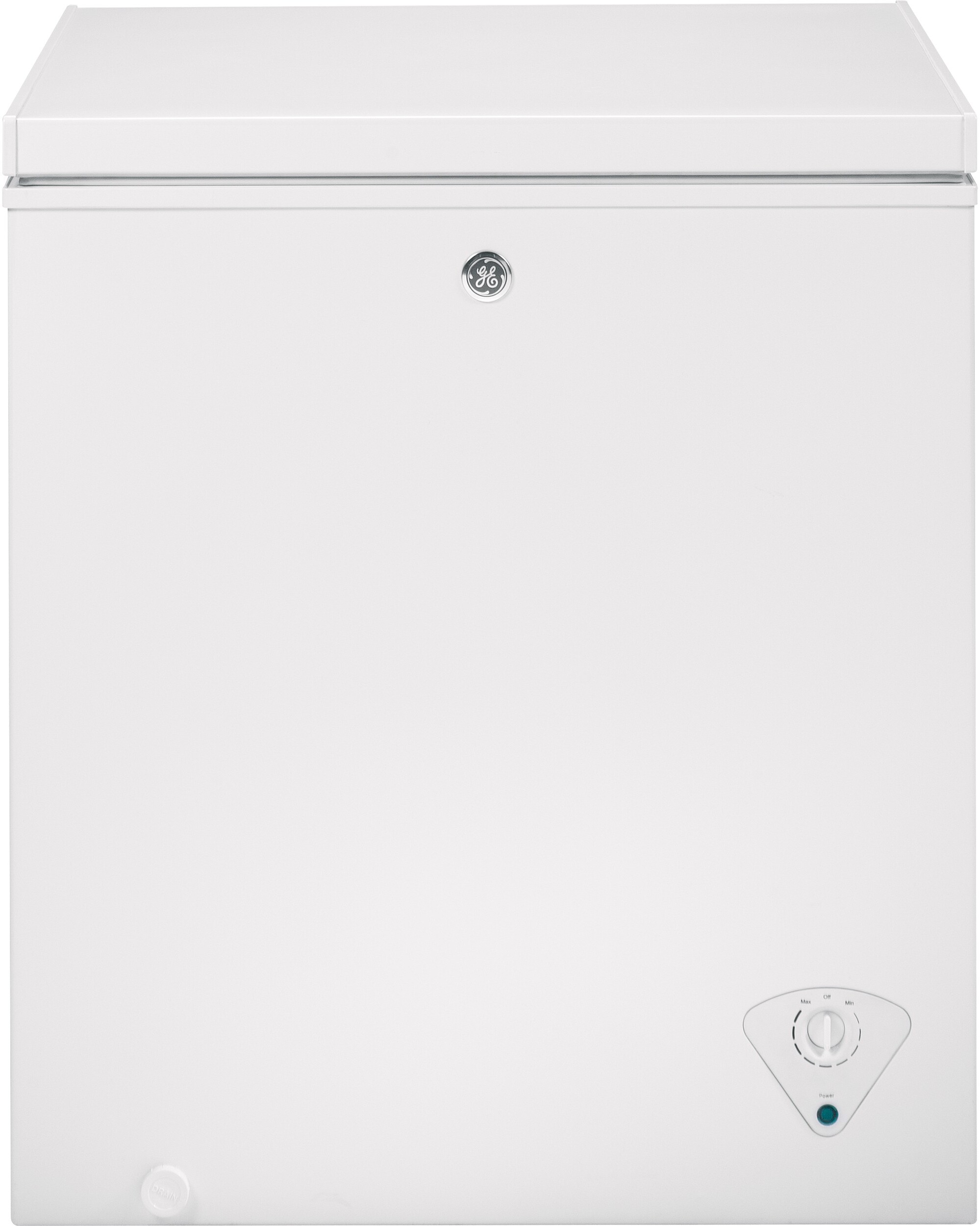
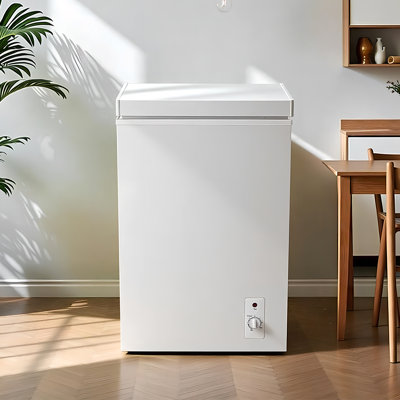
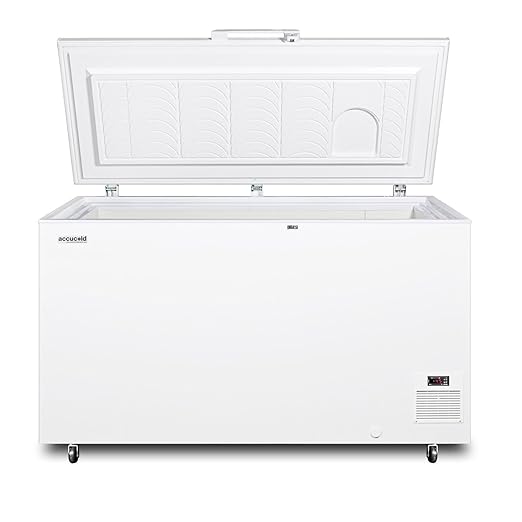
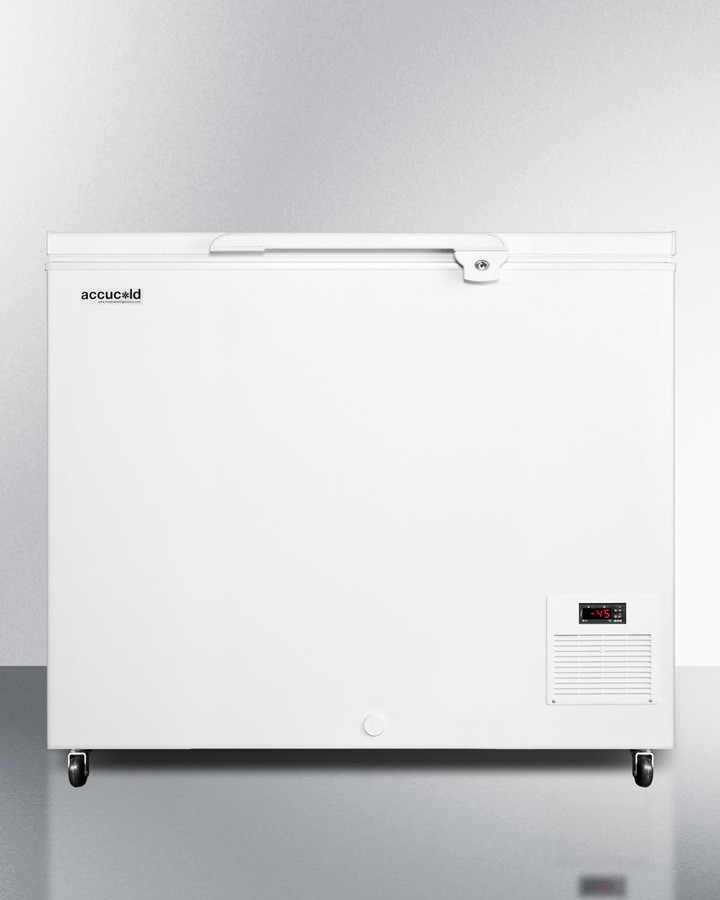
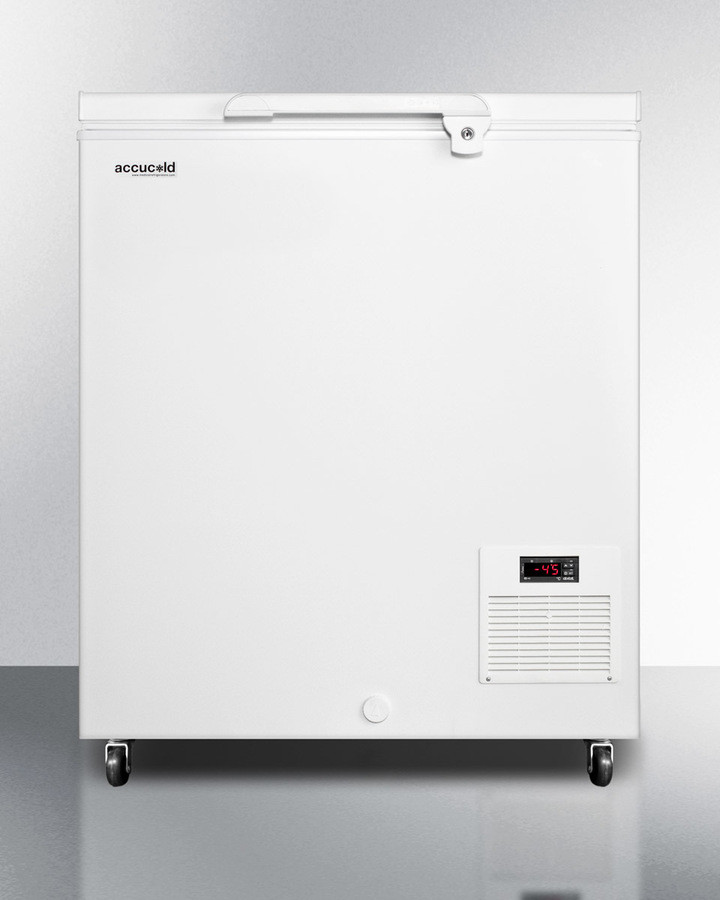
Chest freezers are designed for bulk storage, offering ample space for large quantities of food. Their design allows for deep storage, which is ideal if you often purchase food in bulk or want to preserve seasonal produce. The top-opening lid provides easy access, making it convenient to store and retrieve items.
One of the main benefits of chest freezers is their energy efficiency. They typically consume less electricity compared to upright freezers, which can lead to lower energy bills over time. Additionally, the insulation in chest freezers helps maintain a consistent temperature, ensuring your food remains frozen for longer during power outages.
Feature
Description
Capacity
Ranges from 5 to 30 cubic feet
Temperature Maintenance
Better insulation for long-term storage
For more information on storage options, you might want to check out Fridge.com article on chest style freezer.
Delving into Freezer Coolers
Freezer coolers, often referred to as portable freezers or cooler boxes, provide a versatile solution for freezing food on the go. They are perfect for picnics, camping trips, or outdoor events. Many models come with wheels and handles for easy transport, and they can be powered by a car battery or standard electrical outlet.
These coolers are generally smaller than chest freezers, making them suitable for limited spaces or temporary storage needs. Some models even offer dual-zone capabilities, allowing you to keep some items frozen while others are chilled. This flexibility can be beneficial for various occasions.
Feature
Description
Capacity
Typically 1 to 5 cubic feet
Portability
Lightweight and easy to transport
Dual-Zone Options
Some allow for freezing and chilling simultaneously
In summary, both chest freezers and freezer coolers serve distinct purposes. Understanding their features can help you make the best choice for your food storage needs.
When considering freezer options, it's important to evaluate capacity and size to ensure you select the right unit for your needs. Both chest freezers and freezer coolers offer different advantages based on their dimensions and storage capabilities.
Chest Freezers: Capacity and Size Considerations
Chest freezers are known for their spacious interiors, making them ideal for bulk storage. They typically have a larger capacity compared to traditional freezers, which is beneficial for families, food enthusiasts, or anyone who enjoys meal prepping.
Chest Freezer Size
Capacity (Cubic Feet)
Best For
Small
5 - 7
Apartments, small families
Medium
7 - 14
Medium-sized families, meal prep
Large
14 - 25+
Large families, bulk buying
The design of chest freezers allows for efficient use of space, enabling you to store a variety of items, from frozen meats to homemade freezer fries. Their larger footprint may require more floor space, so consider your available area before purchasing.
Freezer Coolers: Capacity and Size Considerations
Freezer coolers, on the other hand, are often more compact and portable. They are designed for versatility, making them suitable for outdoor use, small living spaces, or as additional storage in garages or basements.
Freezer Cooler Size
Capacity (Cubic Feet)
Best For
Small
1 - 3
Dorm rooms, small offices
Medium
3 - 5
Small families, camping trips
Large
5 - 10
Outdoor entertaining, larger gatherings
Freezer coolers can be particularly useful for events where mobility is essential, such as tailgating or camping. Their smaller size allows for easy transport and placement, but you may need to manage space efficiently for optimal organization.
Understanding the capacity and size of both chest freezers and freezer coolers will help you make an informed decision based on your storage needs. For additional insights on freezer options, consider exploring articles like chest style freezer or beverage cellar Vs. upright freezer.
Temperature control is a vital aspect when comparing a chest freezer and a freezer cooler. Each option has unique features that determine how well they maintain cold temperatures and their overall energy efficiency.
Chest Freezers: Temperature Control Features
Chest freezers are designed to provide robust temperature control. They typically come with manual or digital thermostats that allow you to set and monitor the internal temperature. This feature is crucial for preserving perishable items effectively.
Feature
Description
Thermostat Type
Manual or Digital
Temperature Range
Typically -10°F to 0°F
Chest freezers maintain a consistent temperature, which helps in minimizing fluctuations that could lead to spoilage. They are also known for their energy efficiency compared to upright models, making them a practical choice for long-term storage.
Freezer Coolers: Temperature Control Features
Freezer coolers, often used for outdoor events or temporary storage, come with their own set of temperature control features. These units typically include adjustable temperature settings that allow you to select the desired cooling level.
Feature
Description
Thermostat Type
Adjustable
Temperature Range
Usually 0°F to 32°F
While freezer coolers may not maintain temperatures as consistently as chest freezers, they are versatile and can be suitable for short-term use. They often have a lower energy consumption when not in constant use, making them efficient for occasional cooling needs.
Understanding the temperature control features of each option will help you make an informed decision based on your specific requirements. For additional considerations on maintaining optimal temperatures in your appliances, explore Fridge.com article on best temperature control for fridge fermentation.
When considering whether to choose a chest freezer or a freezer cooler, storage options and organization features are essential factors to evaluate. Both options have unique characteristics that can impact how you store and access your food items.
Chest Freezers: Storage Options
Chest freezers offer a spacious storage solution, allowing you to stockpile a variety of foods. Their design provides ample room for bulk items, making them ideal for families or individuals who shop in larger quantities. The layout of a chest freezer typically includes:
Feature
Description
Deep Storage
Accommodates large items such as whole turkeys or big bags of frozen vegetables.
Removable Baskets
Allows for organization of smaller items, making it easier to find specific products.
Adjustable Shelves
Some models offer shelves that can be adjusted or removed to create more space for larger items.
Chest freezers are known for their energy efficiency, which can be beneficial if you plan to keep them stocked for extended periods. For more information on organizing your food storage, consider reading about best ways to store homemade freezer fries.
Freezer Coolers: Organization Features
Freezer coolers, on the other hand, are designed with portability and convenience in mind. They often come with features that enhance organization and accessibility, making them suitable for outdoor events, picnics, or small living spaces. Key features include:
Feature
Description
Dividers
Many models include dividers to separate different types of food, helping you keep everything organized.
Clear Lids
Some cooler models come with transparent lids, allowing you to see the contents without opening the cooler.
Compact Design
Smaller footprint makes them easy to fit in tight spaces or take on the go.
Freezer coolers are perfect for outdoor activities where easy access to food and drinks is essential. For tips on maximizing your space, you might find interest in Fridge.com article on beverage cellar Vs. upright freezer.
Choosing between a chest freezer and a freezer cooler ultimately depends on your specific storage needs and how you plan to use them. Evaluating the storage options and organization features will help you determine which type best suits your lifestyle.
Installation and Maintenance
Chest Freezers: Installation Tips
Installing a chest freezer requires careful planning to ensure optimal performance and longevity. Here are some essential tips for installation:
Location: Choose a dry, well-ventilated area away from direct sunlight and heat sources. A basement, garage, or utility room often works well.
Level Surface: Place the freezer on a flat and stable surface. This ensures proper operation and prevents vibrations.
Space for Airflow: Allow at least a few inches of space around the freezer for airflow. This helps maintain efficient cooling.
Electrical Supply: Ensure an appropriate electrical outlet is available. Avoid using extension cords, as they can be a fire hazard.
Temperature Considerations: Ideally, the ambient temperature should be between 0°F and 110°F for optimal performance.
Installation Consideration
Recommendation
Location
Dry and ventilated area
Surface
Level and stable surface
Airflow
Minimum of 2 inches around
Electrical Supply
Dedicated outlet
Ambient Temperature
0°F to 110°F
Freezer Coolers: Maintenance Guidelines
Maintaining a freezer cooler is essential for ensuring its efficiency and longevity. Here are some guidelines to follow:
Regular Cleaning: Clean the interior and exterior of the cooler regularly. Use mild soap and water, and avoid abrasive cleaners that could damage the surface.
Defrosting: If your freezer cooler accumulates frost, defrost it regularly. This helps maintain efficiency and storage capacity.
Check Seals: Inspect the door seals for wear and tear. Dirty or damaged seals can lead to energy loss. Clean them with warm, soapy water and replace if necessary.
Temperature Monitoring: Regularly check the temperature settings. Keeping the cooler at the right temperature helps preserve food quality.
Avoid Overloading: Do not overload the cooler, as this can obstruct airflow and reduce cooling efficiency. Follow the manufacturer's guidelines for maximum capacity.
Maintenance Task
Frequency
Interior Cleaning
Monthly
Defrosting
As needed
Seal Inspection
Every 3 months
Temperature Check
Weekly
Capacity Monitoring
Always
By following these installation and maintenance tips, you can ensure your chest freezer or freezer cooler operates efficiently, allowing you to enjoy your food storage solutions to the fullest. For more information on comparisons, consider exploring chest freezer Vs. freezer cooler.
When considering whether to choose a chest freezer or a freezer cooler, it's essential to weigh the pros and cons of each option. Here's a breakdown to help you make an informed choice.
Feature
Chest Freezer
Freezer Cooler
Storage Capacity
Generally larger capacity, ideal for bulk storage
Typically smaller, suitable for short-term use
Temperature Consistency
Maintains a stable temperature
Can fluctuate more due to frequent access
Accessibility
Items may be harder to access; requires bending
Easier access to items, often arranged in shelves
Cost
Generally more affordable for larger units
May have a higher price per cubic foot for smaller units
Making an Informed Decision
Choosing between a chest freezer and a freezer cooler depends on your specific needs and circumstances. If you require ample storage for bulk items and prioritize energy efficiency, a chest freezer may be the better option. On the other hand, if you prefer easy access to frozen goods and need a versatile unit for smaller spaces, a freezer cooler might fit your lifestyle better.
Consider where you plan to install the unit, the amount of food you typically store, and how often you'll access it. For instance, if you frequently entertain and need quick access to frozen treats, a freezer cooler could be more convenient. For long-term storage of items like homemade freezer fries, a chest freezer would be beneficial.
Ultimately, your choice should align with your lifestyle, space availability, and food storage habits.
Compare prices on Fridge.com
Compare current prices and specifications on Fridge.com, then buy from the retailer you choose; delivery, installation and warranty terms are the retailer’s.
It also has tons of awesome articles about kitchen stuff and home news. Enhance your home, garage, backyard, patio, and office with the coolest essentials. With every necessary type of residential refrigerator or freezer in the collection, you're covered.
Free tool
Freezer BTU Calculator
Free interactive tool from Fridge.com — get a quick answer while you read.