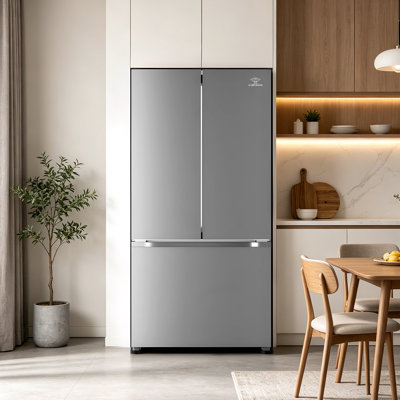
You’ve sized up capacity, scrolled through specs, and now you’re asking yourself: how narrow is a 15 cu ft frost free upright? Whether you’re squeezing into a studio apartment, fitting undercounter space, or planning for a garage setup, knowing the exact width—and planning for clearance—is key. In this guide you’ll get friendly, practical tips on measuring, comparing, and installing that 15-cubic-foot workhorse without guesswork or stress.
Understanding upright fridge sizes
What does 15 cu ft mean?
Refrigerator capacity, measured in cubic feet, reflects the total interior volume you can fill. A 15 cu ft upright fridge offers roughly 425 liters of storage—big enough for a week’s worth of groceries for a small family or plenty of craft-beer and meal-prep containers. It’s a sweet spot if you need storage but don’t want a massive 20-cu-ft beast hogging your floorplan.

Frost free upright overview
“Frost free” means you won’t be chipping away ice every few months. Built-in defrost heaters and fans circulate air to prevent frost buildup. That convenience adds a bit of bulk behind the panels (and sometimes width from insulation), but it also keeps things hassle-free once installed. Most 15-cu-ft frost free uprights strike a balance between insulation, shelving, and door-bin space, making them a go-to for chefs, parents, and kegerator aficionados alike.

Measuring fridge width
Typical width ranges
While every model varies, 15 cu ft frost free uprights usually span:
- Narrow end: 27 to 28 inches (68.6–71.1 cm)
- Mid-range: 29 to 30 inches (73.7–76.2 cm)
- Wider designs: up to 32 inches (81.3 cm)
Those extra inches often come from door seals, thicker insulation, or larger door-bin capacity. Before you buy, check the spec sheet for “width with door” and “width without hinge.” That tells you how snugly it’ll slip into your niche.
How narrow is 15 cu ft
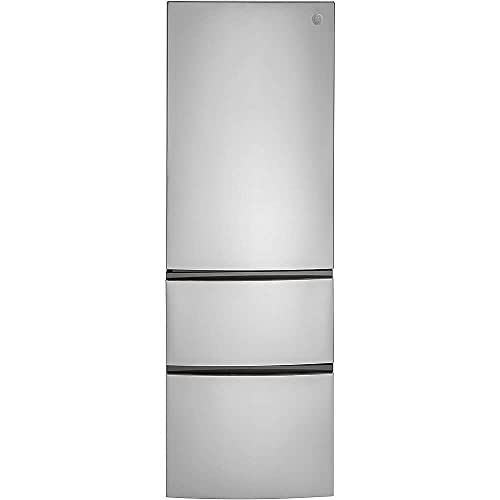
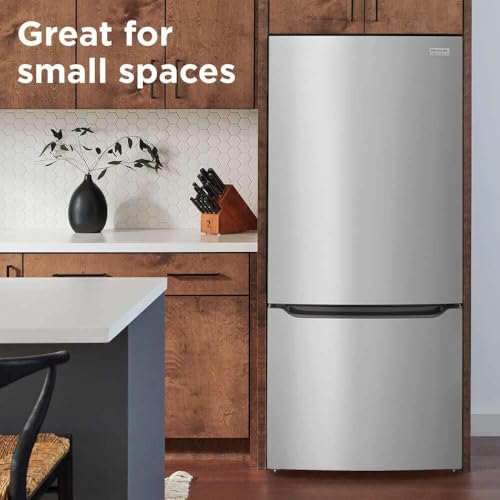
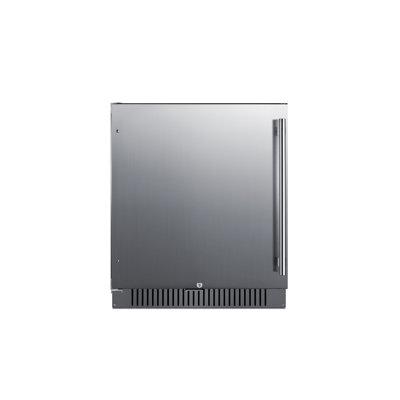
If you really need slim, look for models marketed as “counter-depth” or “slim profile.” Some brands shave off an inch or two by using space-efficient compressors and thinner walls. In practice, a true narrow 15 cu ft frost free upright can be as little as 27 inches wide. But plan on 28 to 30 inches for most mainstream models.
| Feature | Narrow model | Mid-range model | Wider model |
|---|---|---|---|
| Width (inches) | 27–28 | 29–30 | 31–32 |
| Depth (door-to-wall) | 28–30 | 31–33 | 34–36 |
| Height (floor-to-top) | 65–68 | 68–70 | 70–72 |
| Typical price range (USD) | $$ | $$$ | $$$–$$$$ |
You’ll spot these dimensions listed under product specs. Jot them down alongside your kitchen measurements to avoid surprise fits—or misfits.
Fitting your space
Checking installation area
Grab a tape measure and note:
- Available width at floor level
- Height under cabinets or low beams
- Depth from wall to cabinet face
- Floor levelness
Write down the narrowest width you measured (often at floor molding or toe kicks). Always build in at least 1 inch of wiggle room on each side, so you’re not wrestling the fridge through a tight gap.
Allowing for door swing
An upright needs elbow room. Open the door fully and confirm it won’t hit walls, cabinets, or other appliances. If space is scarce, consider placing the fridge at the end of a counter run or near a wall corner. That way you can swing the door without a full 90-degree clearance on both sides.
Comparing fridge types
Upright vs French door
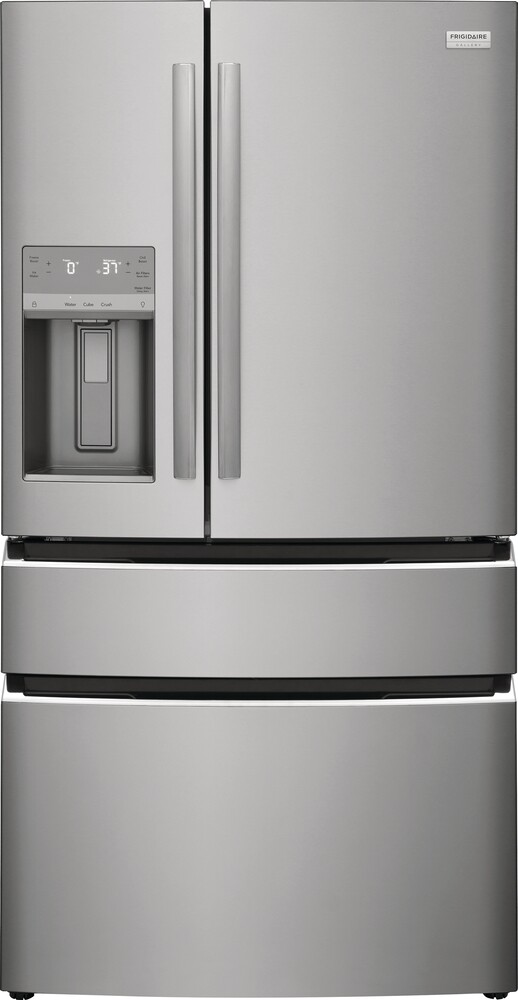
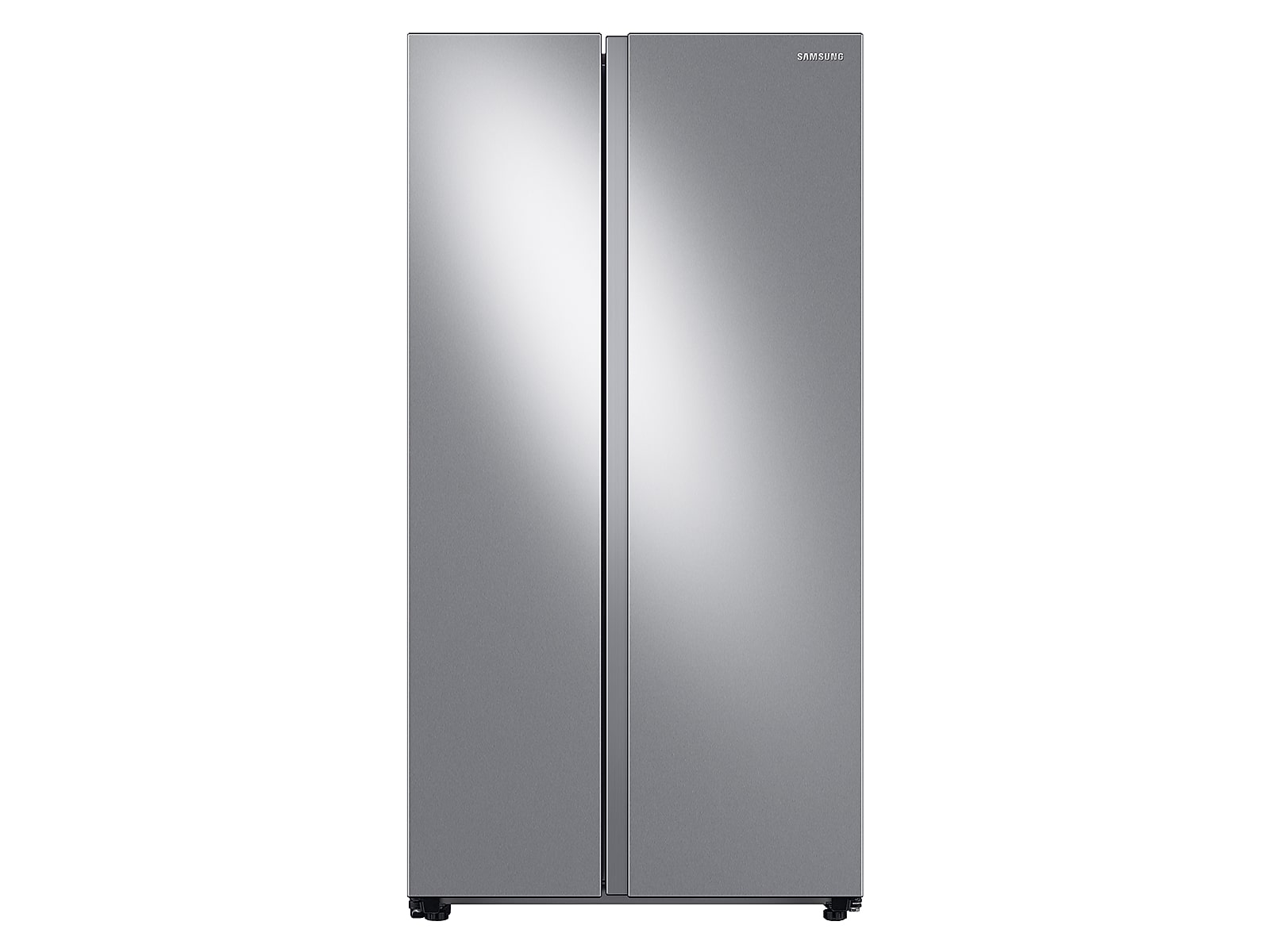
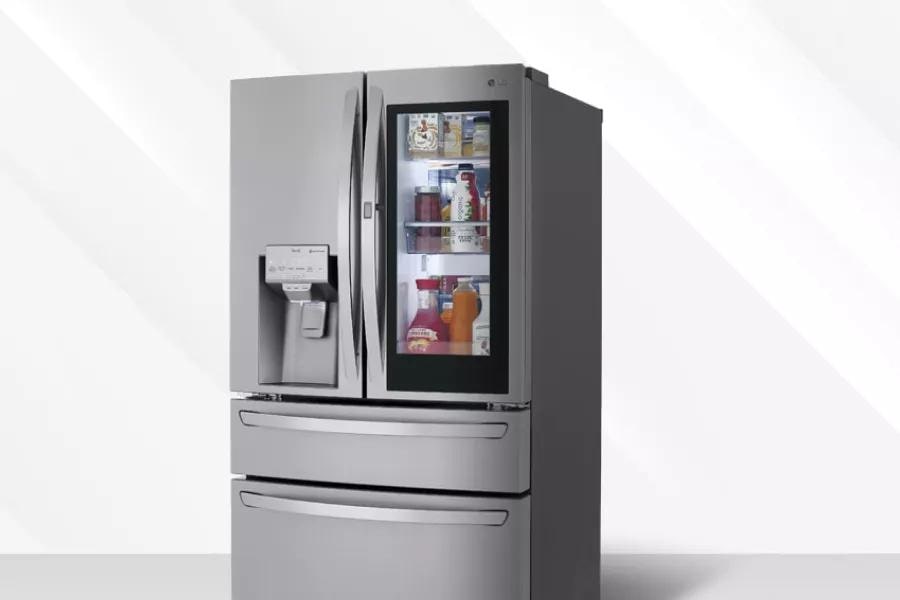
Upright models use a single door, while French door fridges split the top section into two doors and usually add a bottom freezer drawer. French doors often require wider clearance overall, despite a similar capacity. If slim width is your priority, an upright fridge may be the better pick. Curious how storage differs? Check out what fits in a French door refrigerator?(/what-fits-in-a-french-door-refrigerator) for insights.
Capacity vs footprint
It’s tempting to chase capacity, but square footage matters more when you’re tight on real estate. A 15 cu ft upright packs solid storage into a smaller footprint than many 18 cu ft models. For a broader view of similar sizes, see our roundup of 11.6 - 18 cubic feet refrigerator. Focus on usable space—adjustable shelves, door bins, and drawers—rather than headline numbers alone.
Maximizing interior space
Adjustable shelving features
Most uprights let you shift shelves by an inch or two to fit tall items. Look for glass shelves (easy to wipe clean) and full-width options. If you love growlers or large bottles, consider adding a rack that supports large growler bottles upright so you don’t lose a shelf slot.
Storing tall items
Don’t overlook door bins: many are deep enough for gallon jugs, wine bottles, and upright milk cartons. When you adjust interior shelves, slide a pitcher or cake stand in back and tall jars up front. A bit of Tetris here can free up shelf feet for flat items like pizza boxes or sheet pans.
Installation and placement tips
Ensuring proper ventilation
Frost free fridges need space for heat exchange. Leave 1 to 2 inches on both sides, plus at least 1 inch at the back. If you cram it flush against a wall, the compressor works harder, raising energy bills and noise. Check your manual for exact vent clearance specifications.
Reversing door hinges
Some kitchens demand a left-swing or right-swing setup. Many upright models let you reverse the hinge in minutes—no special toolkit required. If you’re not sure, read Do people reverse their fridge doors?(/do-people-reverse-their-fridge-doors) or watch the quick-swap section in your owner’s manual. Proper hinge placement ensures the door doesn’t bump into walls or block pathways.
Maintenance and care
Cleaning auto-defrost systems
One of the joys of frost free is minimal manual defrosting. Still, every few months:
- Wipe down interior walls with mild soap
- Check and clear the drain pan/drain hole
- Vacuum dust from the condenser coils
Clean coils keep the compressor cool and efficient. A little upkeep extends your fridge’s life and keeps it running quietly.
Optimizing airflow
Keep vents inside the fridge and freezer unobstructed. Don’t overload the top shelf or block the back wall vents. Proper airflow maintains consistent temperatures and prevents cold spots or frost buildup. When reorganizing groceries, allow a few inches between items for that air circulation to do its job.
Wrapping up key insights
Knowing how narrow a 15 cu ft frost free upright can be—and planning for installation—lets you choose a fridge that fits perfectly without sacrificing storage. Remember to:
- Measure twice—width, height, depth, plus wiggle room
- Compare spec sheets: door-to-wall width vs body width
- Account for door swing and ventilation space
- Use adjustable shelves and door bins to maximize capacity
- Perform light maintenance to keep frost-free systems humming
With these steps you’ll breeze through your purchase and installation, and enjoy hassle-free chilling for years. Whether you’re stocking family meals, craft beer, or meal-prep containers, that slim 15-cu-ft upright will feel like a custom-fit solution—no sweat included.