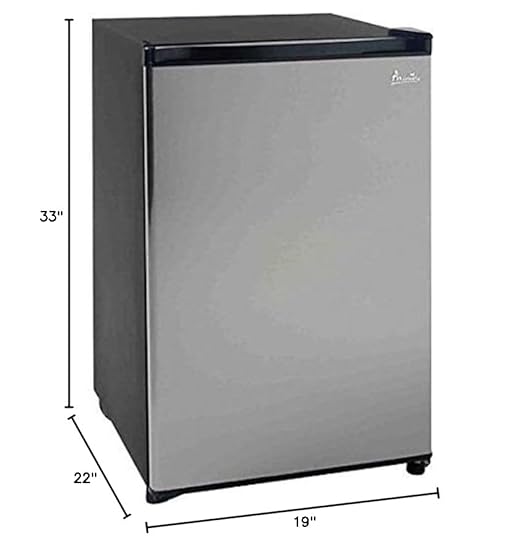
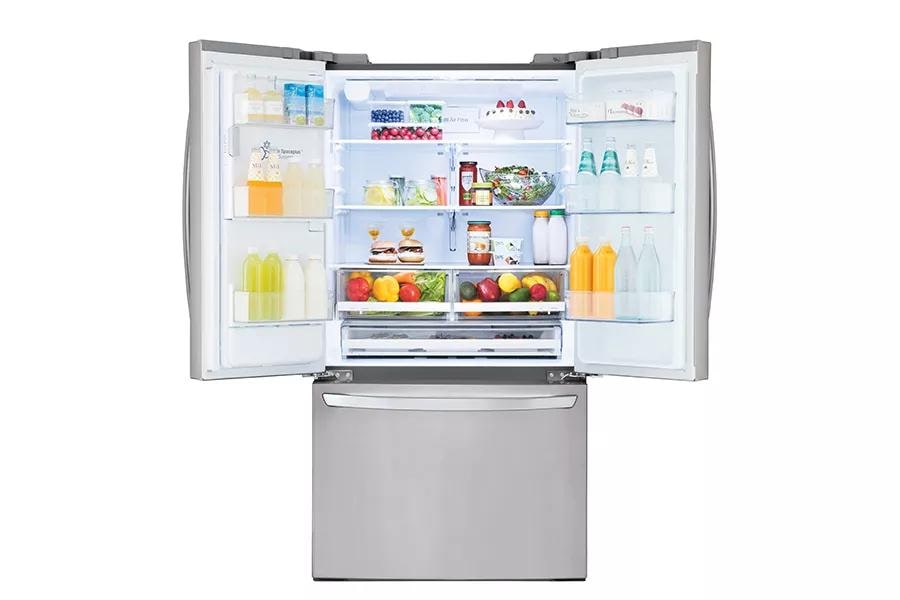
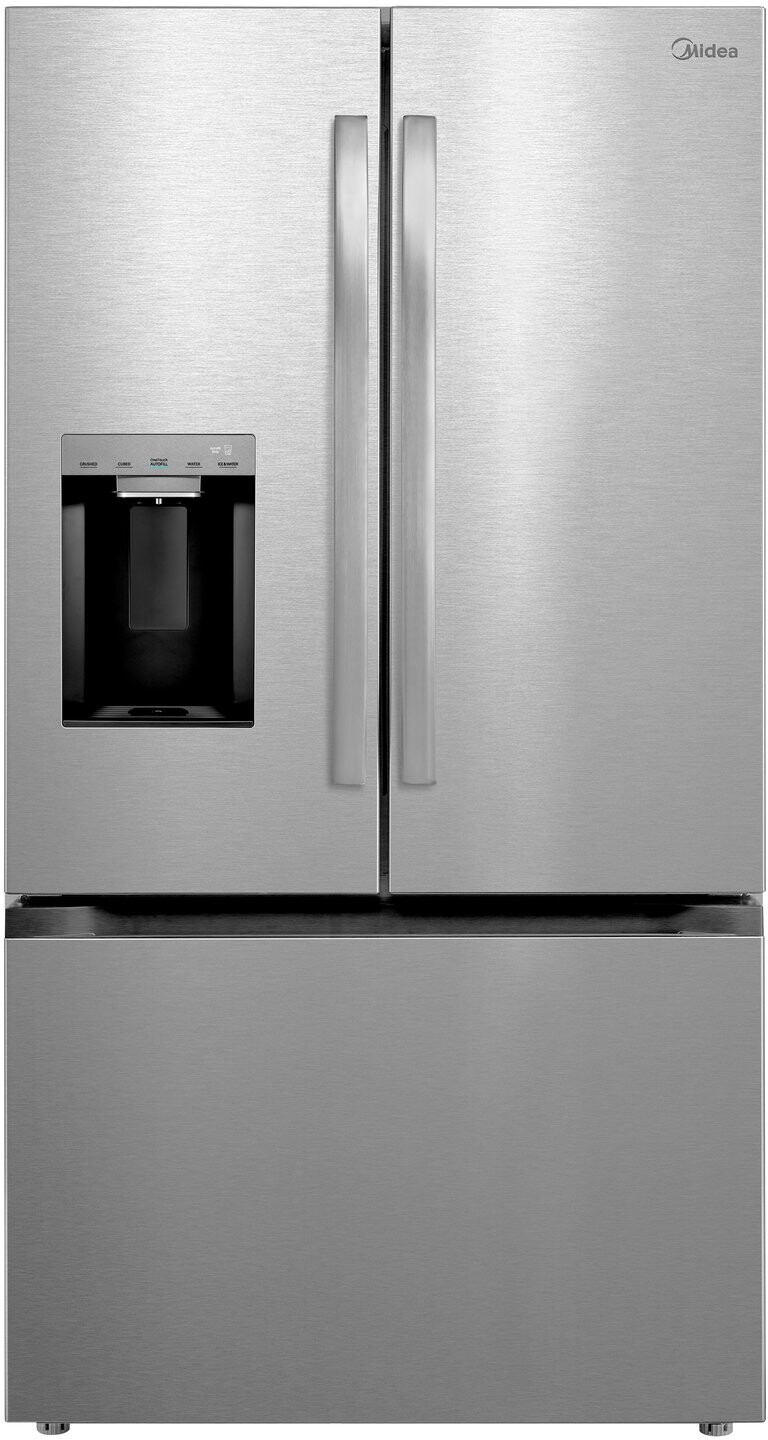
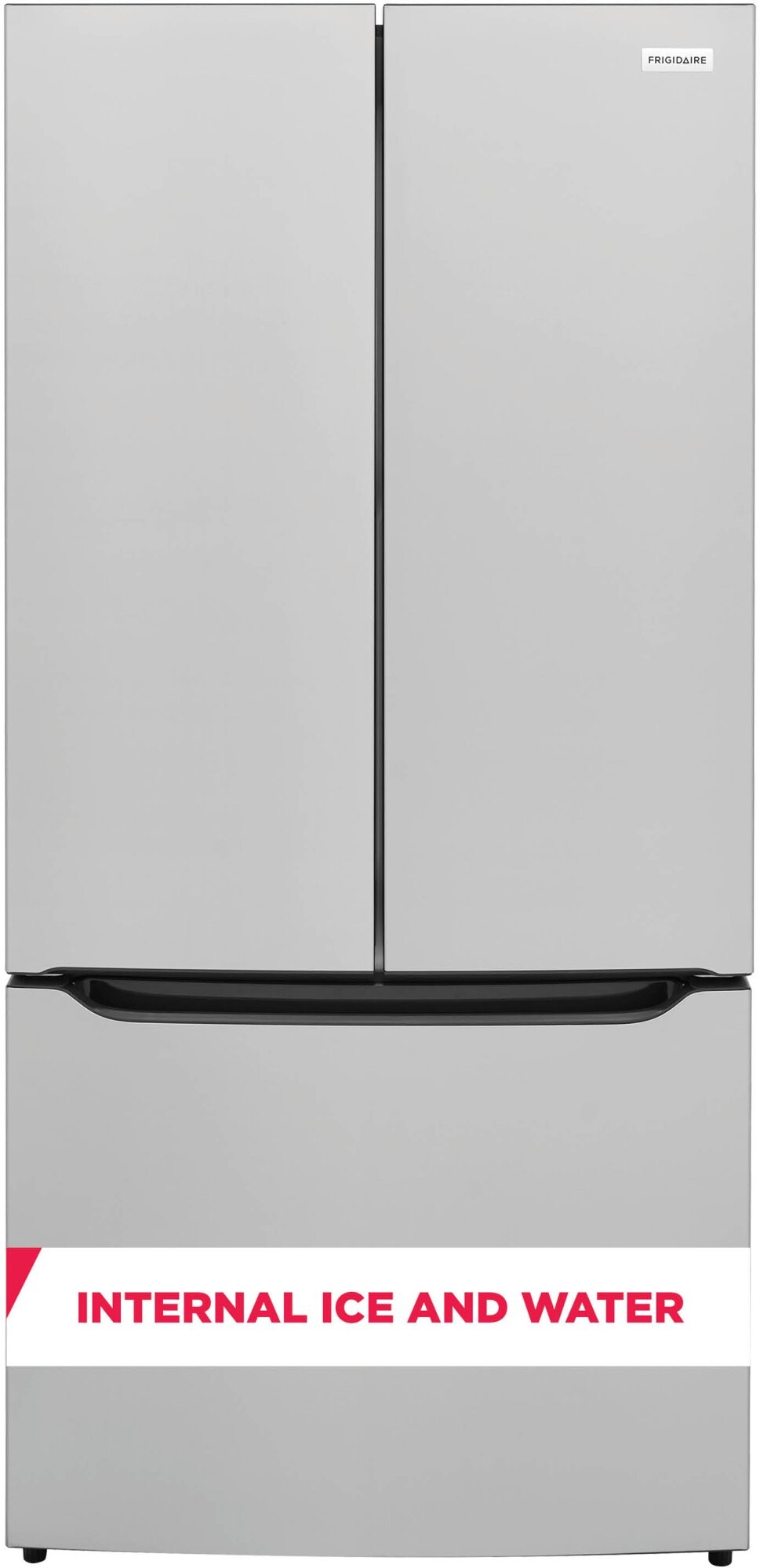
Edamame lasts about 5 to 7 days in the fridge when the pods are fresh, roughly 3 to 5 days once it has been cooked or boiled, and up to 6 to 12 months in the freezer. Because it is a perishable, protein-rich vegetable, edamame should be refrigerated promptly rather than left sitting out, since refrigeration is what slows the bacteria and mold that cause spoilage. Edamame is simply young soybeans harvested before they harden. The guide below covers exact storage times, whether cooked edamame needs to be refrigerated, how to tell when edamame has gone bad, and how to freeze it without losing flavor. For a refrigerator that holds a steady 40°F (4°C), compare our current refrigerators.
Edamame
Refrigerator (below 40°F/4°C)
Freezer
Fresh, in pods
5 to 7 days
6 to 12 months (blanched)
Fresh, shelled beans
2 to 3 days
6 to 12 months (blanched)
Cooked / boiled
3 to 5 days
Best not frozen (quality suffers)
How Long Does Edamame Last in the Fridge?
How long edamame stays good depends on whether it is fresh in the pod, shelled, or already cooked. Keep the fridge at or below 40°F (4°C) in every case, and use an airtight container so the beans do not dry out or absorb other odors.
Fresh Edamame
Fresh edamame still in its pods keeps for 5 to 7 days in the refrigerator. For the best flavor and that vibrant green color, use it within the first few days. Store it in the crisper drawer, which holds a slightly higher humidity that suits vegetables.
Storage Condition
Shelf Life
Fresh edamame in pods (refrigerated)
5 to 7 days
Fresh shelled edamame beans (refrigerated)
2 to 3 days
Shelled beans that have been popped out of the pod lose moisture faster and dry out sooner, so plan to eat them within 2 to 3 days. For more tips on storing vegetables, read how long does celery last in the fridge?.
Cooked Edamame
Cooked or boiled edamame has a shorter shelf life than fresh. Refrigerate it promptly in an airtight container after cooking and eat it within 3 to 5 days. Let it cool before sealing so trapped steam does not turn to moisture that speeds spoilage.
Edamame is perishable, so the safe approach is to keep it refrigerated rather than leave it sitting out. Both fresh and cooked edamame depend on refrigeration to slow the bacteria and mold that cause spoilage, so a cooked batch should go back in the fridge promptly instead of staying on the counter.
Does cooked edamame need to be refrigerated? Yes. Once it has cooled, refrigerate it in an airtight container rather than leaving it out. Edamame left out overnight should be discarded to avoid potential health risks, even if it looks and smells fine — spoiled edamame can harbor harmful bacteria such as E. coli or Salmonella.
Situation
What to Do
Cooked edamame just served
Refrigerate promptly once it cools; do not leave it sitting out
Fresh pods on the counter
Move them to the fridge; the cold slows spoilage
Left out overnight
Discard — refrigeration is what keeps edamame safe
Keeping edamame crisp comes down to the right container, the right temperature, and the right spot in the fridge.
Proper Storage Containers
Use airtight containers or resealable bags: These prevent moisture loss and keep the beans from picking up other fridge odors. Press out excess air before sealing a bag; a vacuum-sealed bag protects freshness best of all.
Control moisture: Excess water encourages mold. Line the container with a paper towel or pat fresh pods dry before storing.
Label with the date: Note the storage date so you are not guessing how long the edamame has been in there.
Storage Option
Why It Works
Airtight container
Keeps edamame fresh; ideal for pods with skin on
Resealable plastic bag
Quick to seal and easy to grab a handful
Vacuum-sealed bag
Removes the most air; best for longest freshness
Refrigerator Temperature and Placement
Set the refrigerator between 32°F and 40°F (0°C to 4°C) to hold edamame in its prime. Where you put it matters too:
Placement
Why
Crisper drawer
Higher humidity suits fresh pods; the best spot for uncooked edamame
Middle shelf
Consistently cool; good for cooked edamame in a sealed container
Avoid the door
Temperature swings every time it opens; not for perishables
Freezing is the best way to keep edamame for the long haul. Blanched and frozen, it holds its best quality for 6 to 12 months and stays safe to eat beyond that, though flavor and texture slowly decline. Blanching before freezing is the key step: it halts the enzyme activity that would otherwise dull the color, taste, and nutrients.
Freezing Fresh Edamame
Rinse: Wash the pods under cold water to remove dirt.
Blanch: Boil a large pot of water and add the edamame for 2 to 3 minutes to lock in color and nutrients.
Ice bath: Transfer the pods straight into ice water to stop the cooking and preserve their bite. Let them cool a few minutes.
Drain and dry: Drain well and pat dry with a clean towel so ice crystals do not form.
Freeze: Spread the pods in a single layer on a baking sheet and freeze until solid, then transfer to an airtight freezer bag or container. Freezing them flat first keeps them from clumping.
Best Practices for Freezing
Practice
Description
Containers
Airtight freezer bags or containers to prevent freezer burn; press out as much air as possible
Portion sizes
Freeze in meal-size portions so you defrost only what you need
Labeling
Write the freezing date so you can track age at a glance
Duration
Best quality within 6 to 12 months
Thawing and Using Frozen Edamame
Thaw in the refrigerator: Move the frozen edamame to the fridge and let it thaw overnight (about 8 to 12 hours).
Quick thaw: In a hurry, place it in a bowl of cold water for about 30 minutes, or steam it straight from frozen.
Cook and enjoy: Steam or boil the thawed edamame and season to taste.
Method
Steps
Time Required
Blanching and freezing
1. Boil 2-3 mins2. Ice water bath3. Drain and dry4. Freeze on baking sheet
30 mins
Thawing in refrigerator
Place in fridge overnight
8-12 hours
Quick thaw
Place in cold water
30 mins
Extending the Shelf Life
A few habits keep edamame fresh as long as possible:
Keep it cool: Refrigerate promptly and hold the fridge below 40°F to slow bacterial growth. Refrigeration also protects the beans' nutritional value and taste.
Seal out air: Airtight containers or resealable bags minimize the air exposure that dries and spoils edamame.
Manage moisture: Pat pods dry and use a paper towel to absorb excess water before sealing.
Cull spoiled pieces: Check regularly and remove any pod showing off smells or discoloration before it affects the rest.
Freeze for the long term: If you cannot use fresh edamame within a week, blanch and freeze it.
Fresh edamame in the pod keeps 5 to 7 days in the fridge, shelled beans 2 to 3 days, and cooked or boiled edamame 3 to 5 days. Frozen, blanched edamame holds its best quality for 6 to 12 months.
How long can edamame sit out at room temperature?
Edamame is perishable, so it is best not to leave it sitting out — refrigerate it promptly instead. Refrigeration is what slows the bacteria and mold that cause spoilage, so cooked edamame in particular should go back in the fridge rather than staying on the counter.
Can cooked edamame be left out or left out overnight?
It is best not to leave cooked edamame out; refrigerate it promptly once it cools. Edamame left out overnight should be discarded to avoid potential health risks, even if it looks and smells fine.
Does cooked edamame need to be refrigerated?
Yes. Cooked edamame is perishable. Refrigerate it in an airtight container promptly after it cools and eat it within 3 to 5 days.
How long does shelled edamame last in the fridge?
Shelled fresh edamame beans dry out faster than pods, so use them within 2 to 3 days. Cooked shelled edamame lasts the same 3 to 5 days as cooked edamame in the pod.
Can you eat edamame after the use-by date? Does edamame expire?
A use-by or best-by date is a quality guide, not a hard safety cutoff. Frozen edamame kept solidly frozen is usually fine to eat past its date, though quality declines. Fresh or cooked edamame does expire on the fridge timelines above — always judge by color, smell, and texture, and discard anything sour, slimy, or moldy regardless of the printed date.
What does bad or spoiled edamame smell like?
Fresh edamame smells mild and grassy. Spoiled edamame smells sour, rancid, or unpleasant. A pungent or off odor, along with yellowing, sliminess, or mold, means the edamame has gone bad and should be thrown out.
How long is frozen edamame good for?
Blanched edamame holds its best quality in the freezer for 6 to 12 months and stays safe to eat beyond that, though flavor and texture slowly decline. Cooked edamame is best not frozen, as its texture suffers.
Compare prices on Fridge.com
Compare current prices and specifications on Fridge.com, then buy from the retailer you choose; delivery, installation and warranty terms are the retailer’s.
It also has tons of awesome articles about kitchen stuff and home news. Enhance your home, garage, backyard, patio, and office with the coolest essentials. With every necessary type of residential refrigerator or freezer in the collection, you're covered.
Frequently Asked Questions
How long edamame stays good depends on whether it is fresh in the pod, shelled, or already cooked. Keep the fridge at or below 40°F (4°C) in every case, and use an airtight container so the beans do not dry out or absorb other odors.