Ever popped open your fridge only to find wilted lettuce or lukewarm beverages? Fridge temperature regulation and adjustment isn’t just jargon for appliance manuals, it’s the key to keeping your food fresh, your drinks perfectly chilled and your energy bills in check. Whether you’re meal-prepping for the week, storing craft beer for your next gathering or keeping baby food safe, dialing in your fridge’s temperature can feel like a small tweak with big payoff.
In this guide, you’ll get friendly, second-person tips on how to master your refrigerator’s settings, use its different zones wisely and troubleshoot common hiccups. We’ll cover everything from ideal temperature ranges and thermostat tweaks to airflow hacks and seasonal adjustments. By the end, you’ll know exactly how to balance safety, flavor and efficiency in any fridge or freezer, from a compact dorm-room unit to a professional kitchen workhorse.
Ready to turn that cold box into a precision tool? Let’s jump in.
Understand ideal temperatures
Before you adjust any knobs, it helps to know where you want your fridge and freezer to sit temperature-wise. Aim too warm and you risk food spoilage, go too cold and you’ll freeze produce and waste energy. Here’s a quick reference:
Compartment
Ideal temp (°F)
Ideal temp (°C)
Refrigerator
37–40 °F
3–4 °C
Freezer
0 °F or below
–18 °C or below
Know temperature ranges for safety
Food safety agencies agree that keeping your fridge between 37 and 40 °F slows bacterial growth and helps preserve freshness. If you’re storing baby food, marinated meats or perishables like dairy, this window is non-negotiable. Anything above 41 °F for extended periods is a risk zone.
Consider freezer settings
Your freezer should sit at 0 °F or colder for long-term storage. At that level, enzymatic activity and microbial growth practically stop, so meats, veggies and ice cream stay at peak quality. If you notice frost buildup or ice crystals, you might be running colder than necessary, which wastes energy.
Most fridges let you fine-tune the temperature with a dial or digital panel. Getting to the right setting can be as simple as turning a knob, but a few pointers will save you trial-and-error frustration.
Locate the control dial or panel
Your fridge’s temperature control is usually inside the main compartment, above or below the top shelf. In older models you’ll see a numbered dial, while newer units often have a touchpad with digital readouts. Consult your manual if you’re not sure where to look.
Set according to manufacturer
Dial numbers don’t always map to exact temperatures. For example, a setting of “4” on one model might hit 38 °F, while on another it runs at 34 °F. As a rule of thumb:
Start at the manufacturer’s midpoint (often “3” or “4”)
Wait 24 hours for the fridge to stabilize
Check with an appliance thermometer and adjust up or down as needed
If you overshoot and your veggies freeze, nudge the dial toward a warmer setting. If milk still feels lukewarm, go colder.
Not all spots in your fridge are created equal. Temperature varies from shelf to shelf, so organizing your items strategically will help them last longer.
Top shelf vs bottom shelf
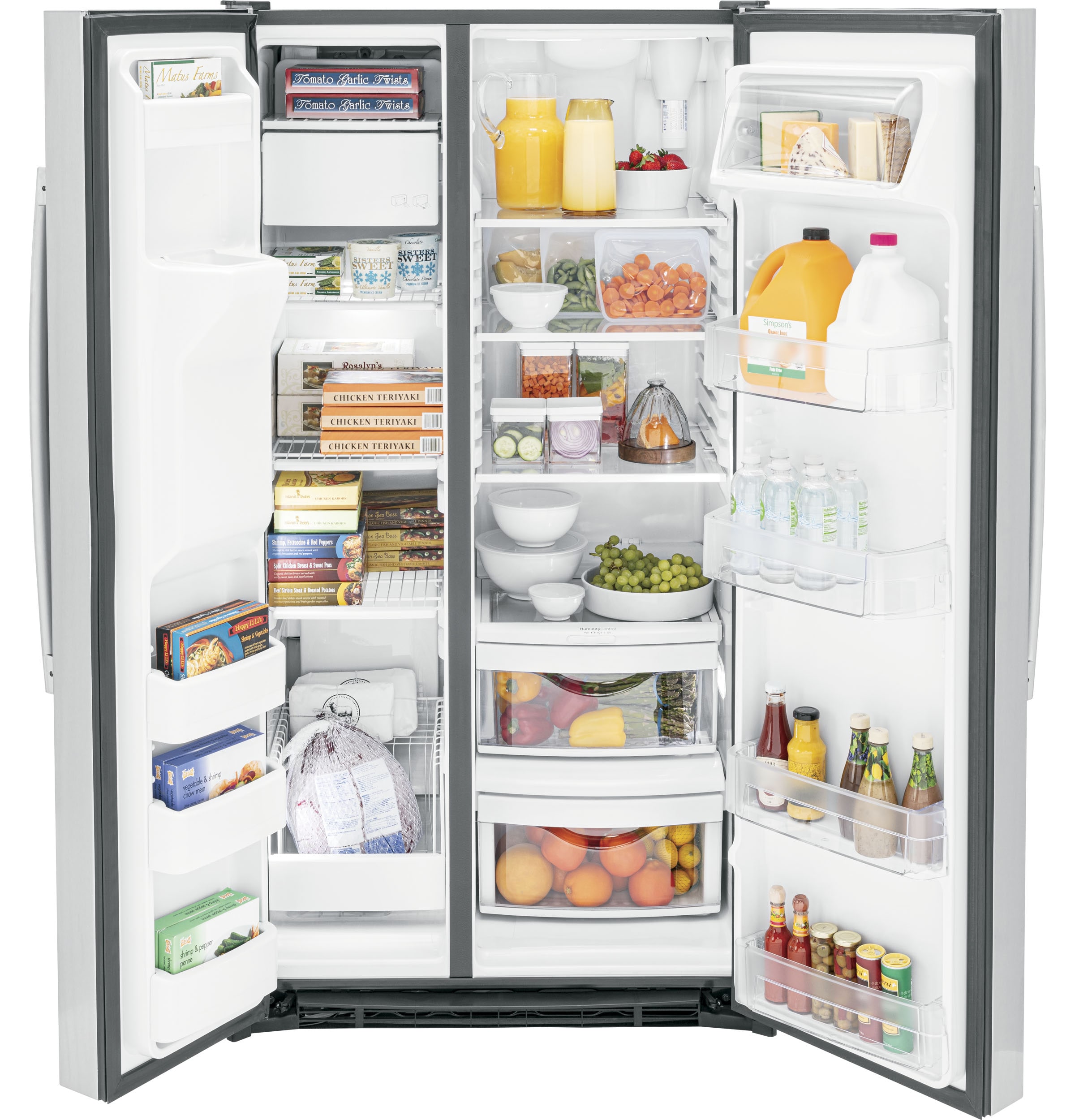
Top shelf: tends to be the most consistent temperature, ideal for ready-to-eat foods like leftovers, drinks and deli meats.
Middle shelves: good for dairy, eggs and packaged snacks.
Bottom shelf: the coldest zone, perfect for raw meats and fish, but always store those on a tray to catch any drips.
Crisper drawers and door bins
Crisper drawers are designed to maintain higher humidity, keeping leafy greens crisp. Meanwhile door bins are the warmest spots, so save those for condiments, juices and soft drinks.
Twin-zone dividers
If your fridge supports multiple drawer zones, you can adjust humidity panels or add a divider to create separate crispers. That way you keep veggies in one drawer and fruits in another without flavor crossover. For a closer look at dividers, check out what divider splits crisper drawer into twin zones?(/what-divider-splits-crisper-drawer-into-twin-zones).
Monitor temperature effectively
Even the best settings need regular verification. Monitoring helps you catch fluctuations before they spoil your stash.
Use fridge thermometers
A simple dial or digital thermometer placed on a middle shelf gives you an instant read on interior temps. For the freezer, pick a model rated for sub-zero conditions.
Smart monitoring solutions
If you want real-time alerts, consider Wi-Fi or Bluetooth sensors that send notifications to your phone when temps stray outside your preset range. These devices are great if you travel often or use your fridge for long-term storage.
Integrate with smart home
Pair your temperature sensors with a smart home hub to automate HVAC controls or send you voice alerts via your smart speaker. That extra layer of intelligence can save you from coming home to a fridge full of spoiled groceries.
A well-ventilated fridge with proper accessories runs more efficiently and maintains stable temperatures.
Ensure proper airflow
Keep at least a few inches of clearance on all sides of your fridge so air can circulate. Inside, don’t cram items against the back wall or block air vents. Unrestricted airflow means your compressor doesn’t have to work overtime.
Avoid overstuffing
A jam-packed fridge prevents cold air from circulating and causes cold spots and warm pockets. Leave some breathing room between containers so that each part of the interior gets evenly cooled.
Add cooling accessories
Insert metal or glass cooling plates to help rebound temps after opening the door. These plates act as thermal buffers, absorbing cold and releasing it back into the fridge. For high-performance chill recovery, see which metal cooling plate speeds chill recovery?(/which-metal-cooling-plate-speeds-chill-recovery).
Every time you open the door, cold air spills out and warm air rushes in. A few mindful habits can keep that to a minimum.
Minimize open-door time
Plan your fridge visits. Take out everything you need at once instead of making multiple trips. If you’re cooking, gather all ingredients on the counter before opening the door.
Organize for easy access
Arrange your fridge so that frequently used items are up front on eye-level shelves or in door bins. Less-frequently accessed goods can live on lower shelves or in the back. This reduces hunting time and temperature swings.
Your fridge needs a little TLC when the seasons shift, especially in spaces where ambient temps vary wildly.
Adjust settings for summer
When kitchen temperatures climb above 75 °F, your fridge may struggle to maintain cool. Turn your thermostat one notch colder, but don’t overshoot. Monitor with your thermometer and readjust as needed.
Tweak for winter
In an unheated garage or patio kitchen, cold ambient temps can cause fridges to overcool or cycle improperly. Some models have a “garage” or “winter” mode that prevents the compressor from shutting off too soon. If yours doesn’t, move your unit to a warmer spot or cover it with an insulating blanket designed for appliances.
Maintain your fridge regularly
Clean, inspect and tune up your fridge to keep temperature regulation smooth and efficient.
Clean coils and interior
Dusty coils make your compressor work harder. Vacuum the coils under or behind your fridge every six months. Wipe interior surfaces and shelves with mild soap, then rinse and dry. For a full deep-clean guide, see how to clean your fridge inside and out](/how-to-clean-your-fridge-inside-and-out).
Check door seals
A torn or loose gasket lets cold air escape. Wipe seals with warm soapy water, then inspect for cracks or gaps. If you see light peeking through when the door is closed, replace the gasket or call a pro.
Defrost when needed
Manual-defrost freezers rely on you to chip away ice build-up. Excess frost raises freezer temps and reduces capacity. Plan a defrost once you spot over 1/4 inch of buildup.
Even with all these best practices, you might hit a snag. Here’s how to diagnose three frequent headaches:
Fridge too warm
Cause: Blocked vents, overstuffed interior, dirty coils or a faulty thermostat
Fix: Clear vents by rearranging items, clean coils, adjust thermostat, or replace the control if it’s unresponsive
Fridge too cold
Cause: Thermostat set too low, malfunctioning sensor or stuck compressor
Fix: Raise the temperature setting, test the thermistor with a multimeter, or call a technician if the compressor never cycles off
Inconsistent temperatures
Cause: Frequent door openings, no airflow, or uneven placement of items
Fix: Limit door time, reorganize for airflow, and distribute items by size so cold air can circulate
With these strategies in your toolbox, you’ll be well on your way to mastering fridge temperature regulation and adjustment. You’ll save money, reduce food waste and enjoy perfectly chilled drinks and crisp veggies every day. If you’re shopping for a new unit, remember to look for features like twin-zone drawers, smart sensors and powerful compressors to make your life even easier—after all, a little planning today means fresher meals tomorrow.
Free tool
Recipe Serving Size Adjuster
Free interactive tool from Fridge.com — get a quick answer while you read.