You might be asking, can I keep eggplant parmesan pizza in the freezer? The short answer is yes, you can freeze that cheesy, veggie-packed slice for later enjoyment, as long as you follow a few simple steps to preserve flavor, texture, and safety. Whether you’re meal-prepping for busy weeknights, stocking up for dorm-room dinners, or just want to save leftovers from your last homemade feast, freezing eggplant parmesan pizza can be a real game-changer in your kitchen routine.
In this guide you’ll learn how to assess your freezer’s readiness, prepare and package your pizza properly, freeze it without sacrificing quality, thaw and reheat for best results, troubleshoot common storage issues, and even extend your pizza’s freezer shelf life. Let’s dive in.
Assess your freezer readiness
Before you tuck pizza away, it helps to know if your freezer is up to the task. Freezing isn’t just about cramming slices in there and hoping for the best — you need the right conditions and enough space.
Suitable freezer types
Not all freezers are created equal. Here are the main options you might have:
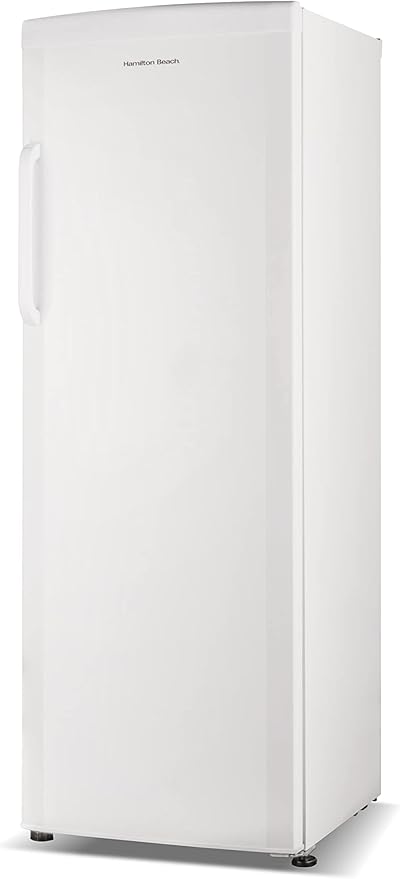
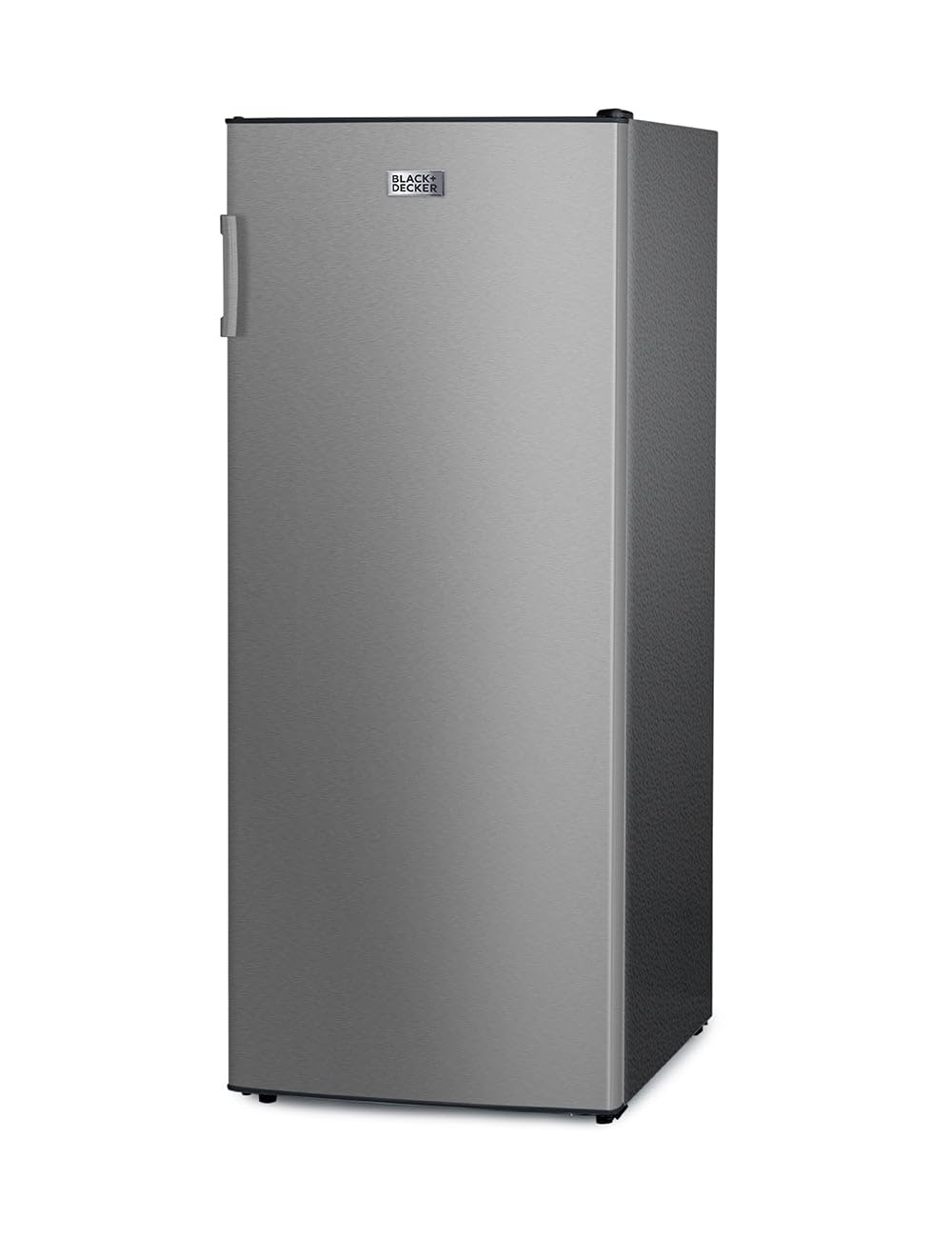
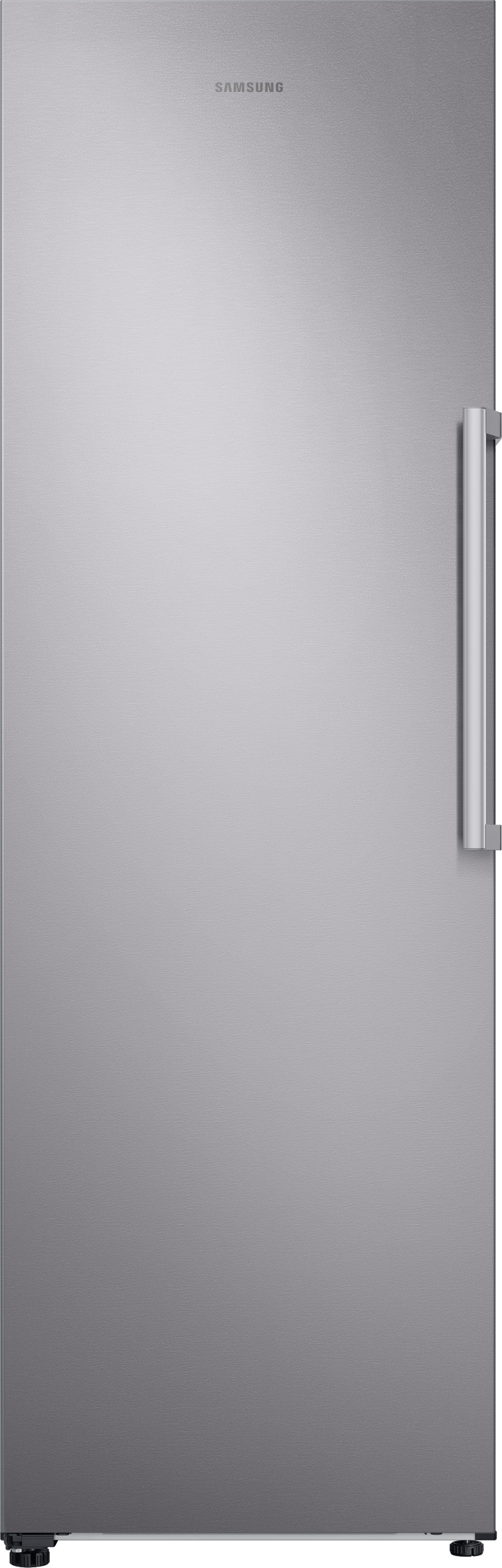
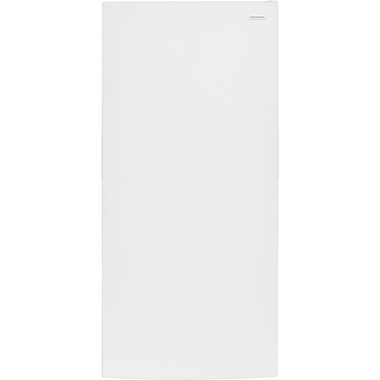
Upright freezer: Common in kitchens, with shelves that make organizing slices easy.
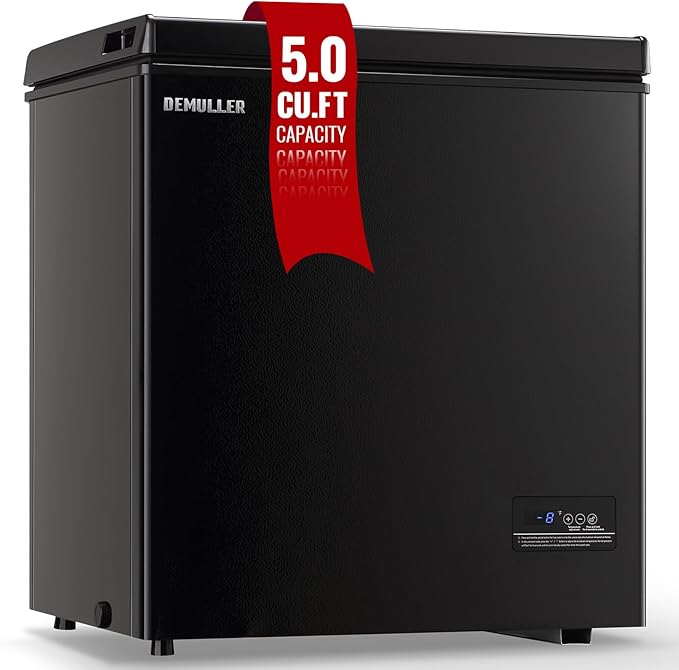
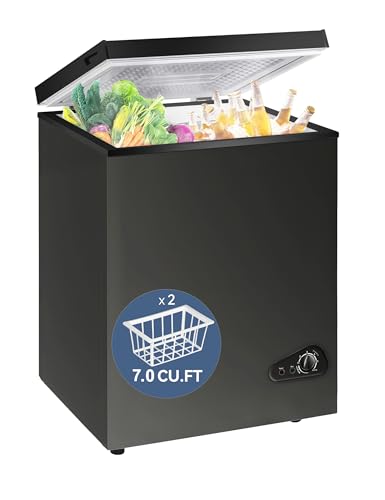
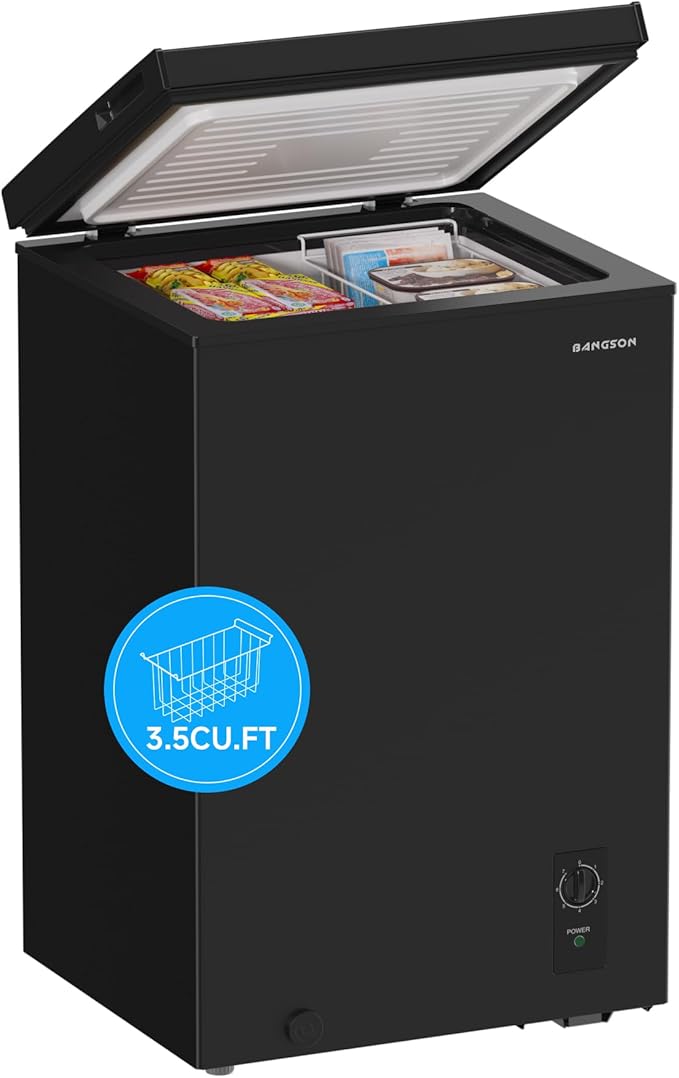
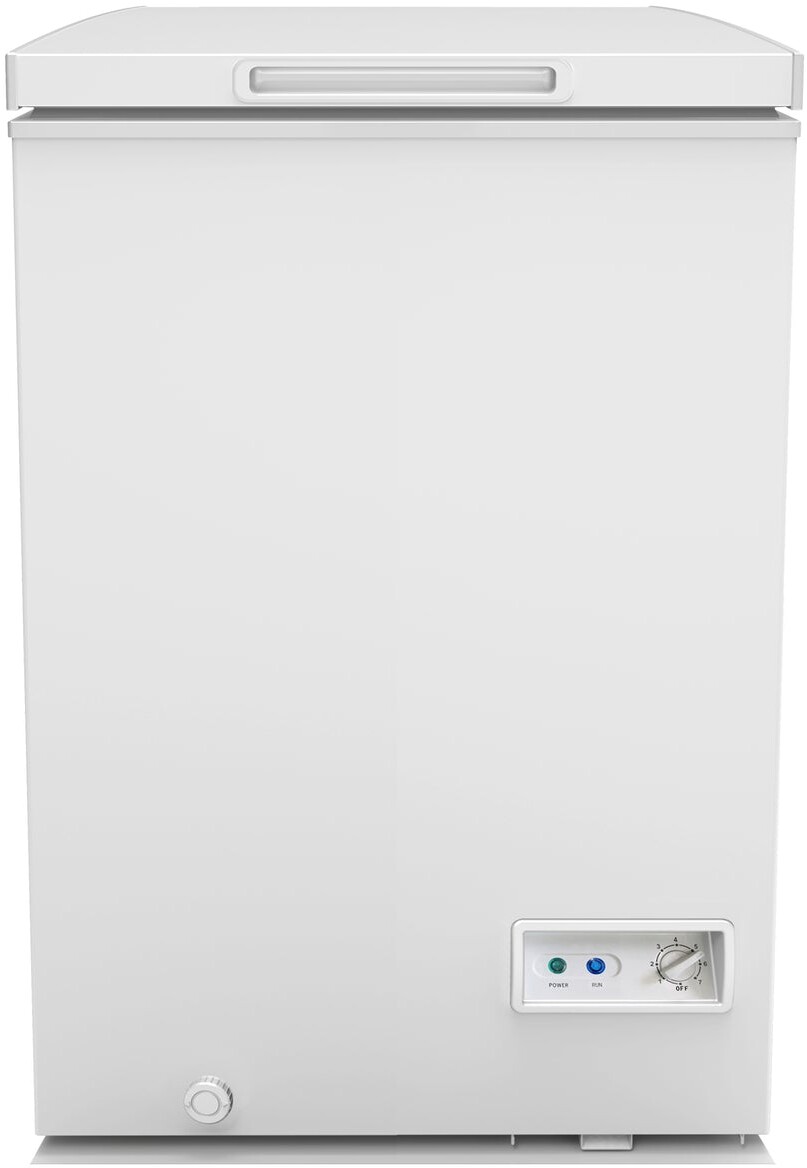
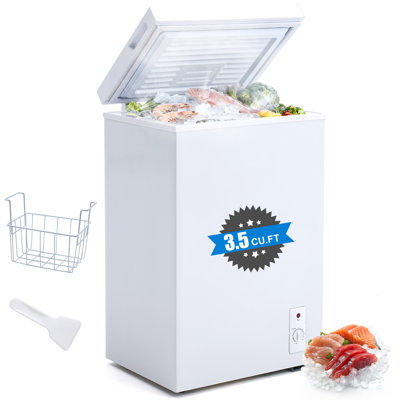
Chest freezer: Great for bulk storage, deeper compartments, and often better temperature stability. Check out best chest freezer for high fiber diet if you want a model that pulls double duty for pizzas and healthy meal prep.
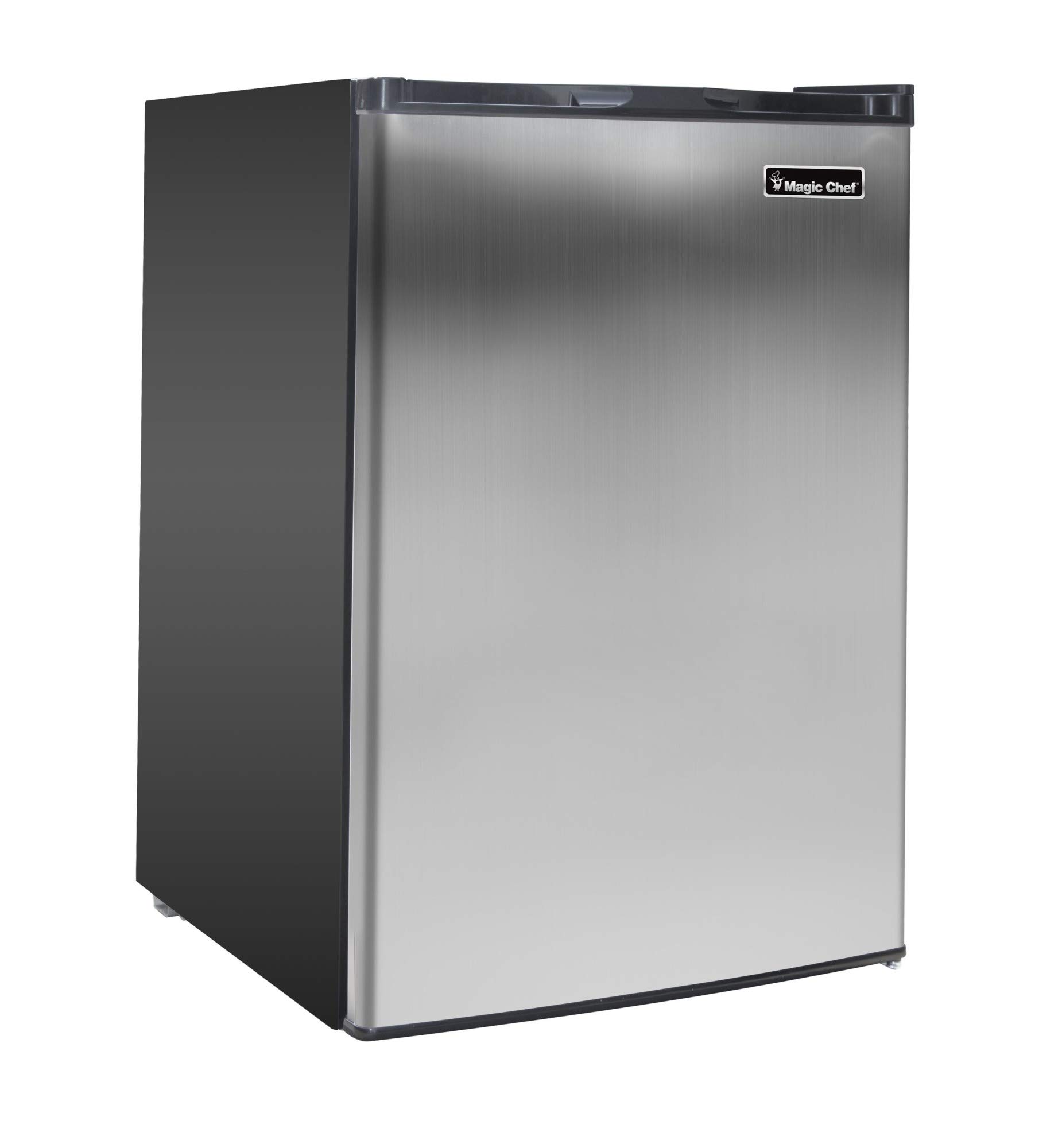
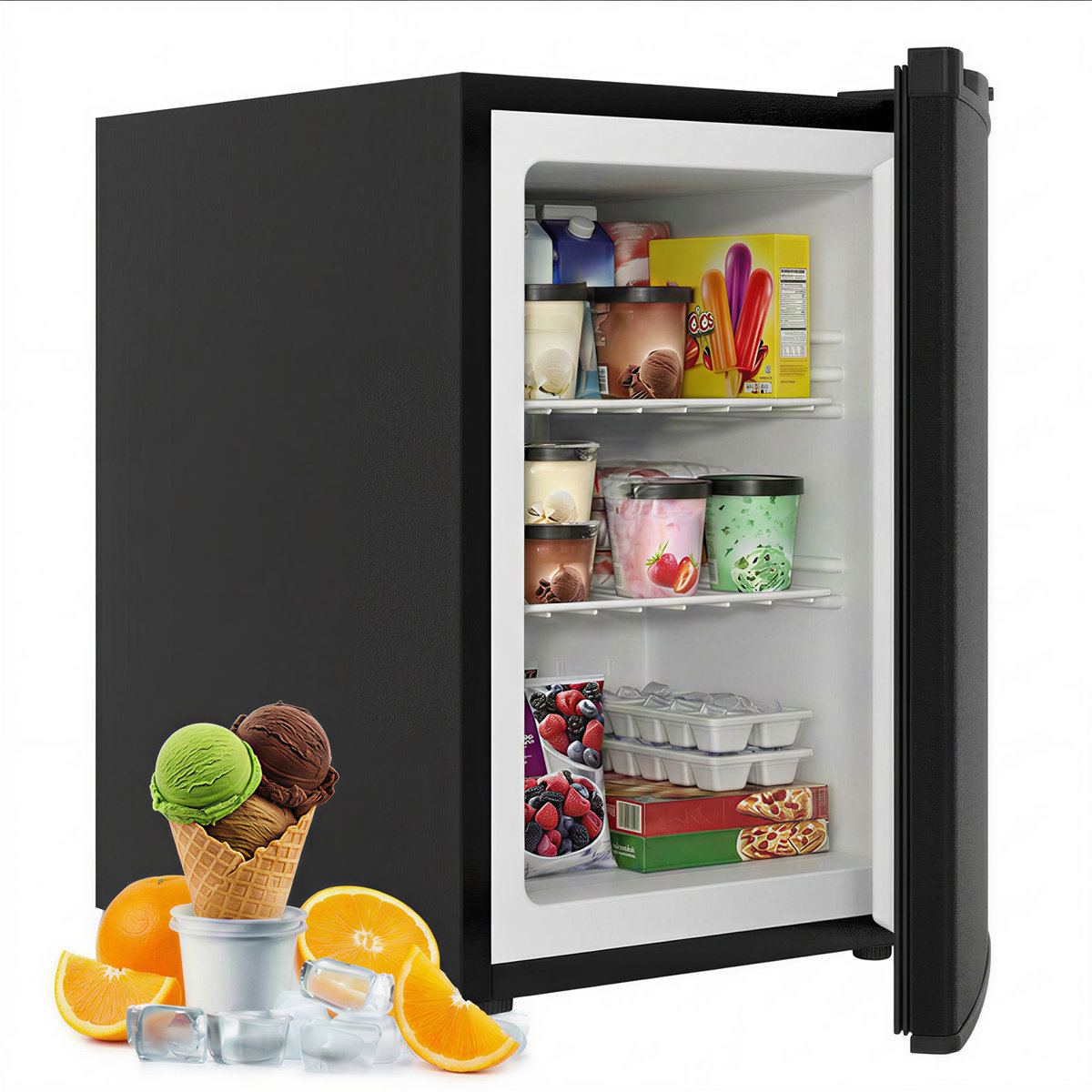
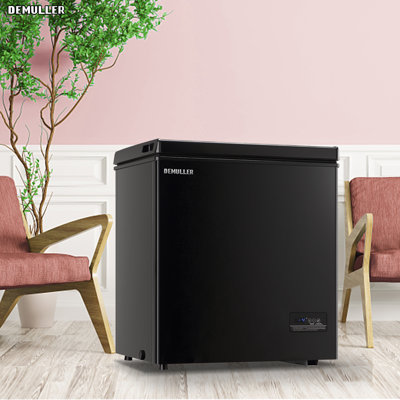
Compact or mini freezer: Ideal for dorm rooms, studio apartments, or RV trips. If space is tight, see our roundup of best apartment deep freezer for options that fit small footprints.
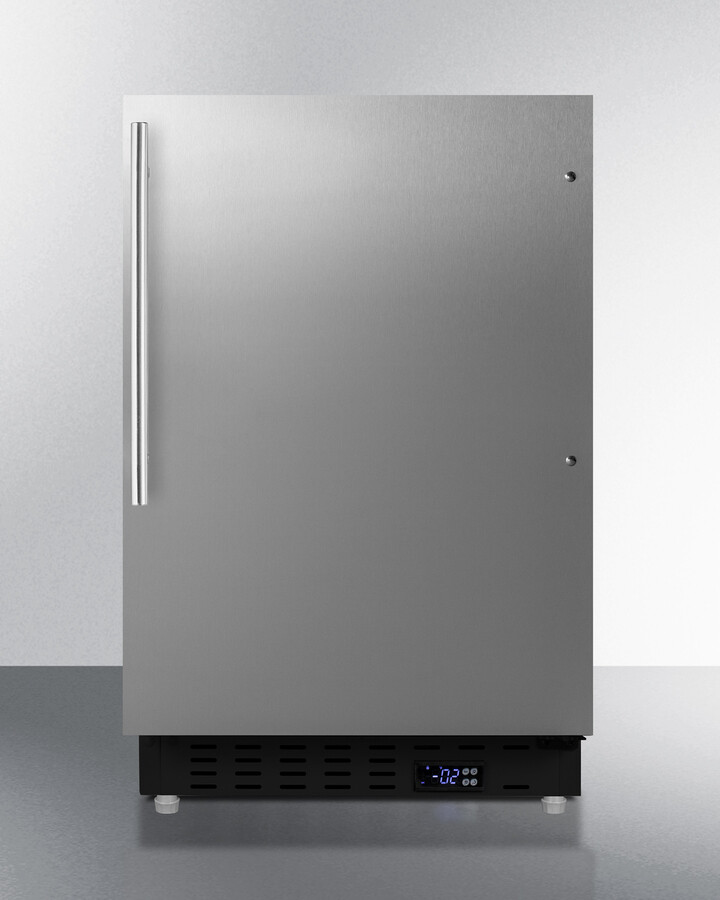
Drawer freezer: Built into bottom of some refrigerators, easy access but limited depth for large pizza slices.
Ideal temperature settings
Freezer temperature matters more than you might think. Aim for 0°F (-18°C) or colder. That keeps food safely frozen without forming excessive ice crystals that lead to freezer burn. Use a standalone freezer thermometer if your unit doesn’t display accurate temps.
Organizing freezer space
A cluttered freezer slows cold air circulation and can cause uneven temperatures. To prepare:
Clear a dedicated pizza zone so slices lay flat.
Keep similar-sized items together for easier rotation.
Label shelves or bins (for example, “pizza,” “veggies,” “meals”) so you grab the right item without digging around.
Prepare pizza for freezing
How you get your pizza ready makes all the difference in taste and texture after thawing. Follow these steps to lock in that eggplant parmesan goodness.
Choose fresh ingredients
Start with high-quality pizza. If you’re making it from scratch, ensure:
Eggplant is sliced, salted, and roasted to remove excess moisture.
Tomato sauce is well-seasoned and not overly watery.
Cheese blend (mozzarella, parmesan, or provolone) is shredded fresh for even melting.
If you’ve got leftover slices from a local pizzeria or a homemade bake, cool them fully before freezing.
Cook pizza partially
Partially baking your pizza before freezing helps it hold shape and prevents soggy crust on reheating. Bake until the crust is just set and the cheese is melted but not browning. That might be:
8–10 minutes at 425°F (220°C) for a thin crust
10–12 minutes for a thicker, home-made style
Let it rest while you prepare your packaging station.
Cool pizza completely
Never freeze hot or warm slices. Cooling prevents condensation inside packaging, which leads to ice crystals and freezer burn. Transfer slices to a wire rack and let them reach room temperature, about 20–30 minutes.
Proper wrapping and packaging is your pizza’s armor against freezer burn and flavor loss. Here’s how to suit up each slice.
Best wrapping materials
Use a combination of barrier layers for maximum protection:
Parchment paper: Place between slices to keep them from sticking.
Plastic wrap: Wrap each slice snugly to seal out air.
Aluminum foil or freezer paper: Add a second wrap for a more airtight barrier.
Heavy-duty freezer bags or rigid containers: Slide wrapped slices into a bag or container, squeeze out air, and seal.
Portioning pizza slices
Decide how you’ll use frozen pizza. If you often reheat one or two slices, wrap each individually. If you entertain and serve multiple at once, batch-wrap groups of 4–6 slices.
Labeling best practices
Label each package clearly with:
Pizza name (for example, “eggplant parmesan pizza”)
Freeze date
Number of slices
Any special notes (gluten-free crust, extra cheese, etc.)
Use a permanent marker on freezer tape or directly on the bag.
Knowing how to bring frozen pizza back to life is just as important as freezing it. You want a crisp crust, melty cheese, and vibrant eggplant flavor.
Thawing methods
You have options depending on your timeline:
Overnight in refrigerator: Move slices from freezer to fridge 8–12 hours before reheating. Best texture and safety.
Room temperature: Let a slice sit 20–30 minutes before reheating if you’re short on time. Keep it covered to avoid drying.
Direct reheat from frozen: You can skip thawing if you adjust cook times (see below), but be careful of uneven heating.
Reheating techniques
Here’s how to revive your eggplant parmesan pizza with a satisfying crunch:
Oven
Preheat to 375°F (190°C).
Place slices on a baking sheet lined with parchment.
Bake for 8–10 minutes (thawed) or 12–15 minutes (frozen), until cheese bubbles and edges crisp.
Toaster oven
Similar temp, but watch closely — smaller space heats faster.
6–8 minutes for thawed, 10–12 minutes for frozen.
Air fryer
Preheat to 350°F (175°C).
Arrange slices in a single layer.
Air fry 5–7 minutes for thawed, 8–10 minutes for frozen.
Avoid microwaving if you care about a crispy crust, though it works in a pinch for a softer slice.
Maintaining crust crunch
Use a preheated baking surface (pizza stone, cast iron) for the best bottom-up crisp.
Avoid foil directly under the pizza, which can trap moisture.
Finish under the broiler for 1–2 minutes if you want extra cheese browning.
Troubleshoot freezer storage issues
Even with the best prep, you may run into hiccups in the freezer. Here’s how to diagnose and fix them.
Dealing with freezer burn
Signs: white or gray dry spots, leathery texture, off-flavor. To minimize:
Trim away affected areas before reheating.
Rewrap remaining slices using fresh barrier materials.
Check your freezer temperature and reduce door openings.
Signs of spoilage
Although freezing halts bacterial growth, poor packaging or thaw-refreeze cycles can lead to issues:
Ice crystals inside packaging
Musty or sour odor
Discoloration beyond normal cheese browning
When in doubt, toss it out to avoid foodborne illness.
When to discard pizza
As a guideline, use frozen pizza within 2–3 months for optimal taste and safety. After that, quality diminishes even if it’s technically safe a bit longer.
Freezing eggplant parmesan pizza is a simple way to enjoy your favorite slice on demand, reduce waste, and simplify mealtime planning. By assessing your freezer setup, preparing and packaging slices thoughtfully, mastering freeze-thaw techniques, and following smart storage practices, you’ll preserve flavor and texture slice after slice.
Next time you whip up or pick up that saucy, cheesy pizza, you can confidently stash extras in the freezer, knowing they’ll reheat beautifully whenever hunger strikes. Happy freezing, and enjoy every perfectly crisp bite.
Free tool
Food Storage Calculator
Free interactive tool from Fridge.com — get a quick answer while you read.