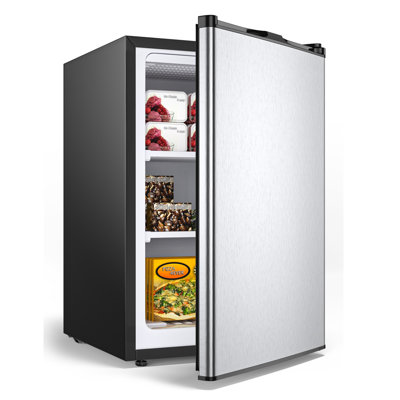
Ever wondered how long does it take liquid to freeze? Whether you’re chilling water for ice cubes, prepping soups for later, or freezing fruit juice for smoothies, knowing how quickly liquids solidify helps you plan cooking, entertaining, and meal prep. The answer isn’t one-size-fits-all. It depends on freezer temperature, liquid composition, container shape, and more. In this guide you’ll learn the basics of freezing liquids, discover typical freeze times for popular drinks and ingredients, and pick up pro tips to speed up the process. Let’s dive in.
Understand freezing basics
Freezing point and phase change
Every liquid has a temperature at which it turns from liquid to solid—its freezing point. Pure water, for instance, freezes at 32°F (0°C). But most household liquids—juices, broths, alcoholic drinks—contain sugars, salts, or alcohol that lower or raise that point. To freeze, a liquid must shed enough heat energy to overcome its latent heat of fusion, the energy required to change phase without temperature change.
Latent heat of fusion
Imagine cooling water from room temperature down to 32°F, then needing a final “push” to start ice crystals. That extra energy removal is the latent heat of fusion. Liquids high in water content require roughly the same latent heat per mass—about 80 calories per gram for water. But additives like sugar and alcohol change the math, so those syrups and cocktails take longer per ounce to freeze solid.
Cooling curves in your freezer
A home freezer set to 0°F (–18°C) cools items in stages. First the liquid cools toward its freezing point, then it releases latent heat as it solidifies, then it cools further below its freezing point if you leave it long enough. You’ll often see a plateau in temperature when the liquid is crystallizing—the freezer is busy extracting that latent heat.
Explore affecting factors
Freezer temperature setting
A colder setting speeds freezing. Dropping your freezer from 0°F to –10°F can cut freeze times by 20 to 30 percent. Just be sure you’re not freezing things too hard—you might risk freezer burn or overly brittle ice cubes.
Liquid composition
Pure water freezes fastest.
Sugary or salty liquids take longer because solutes lower the freezing point.
Alcoholic drinks can remain slushy at 32°F; stronger spirits may need to dip below 0°F to form ice crystals.
Container size and shape
Smaller volumes freeze quicker. A shot glass of water might solidify in 30 minutes, while a quart jug could take several hours. Flat, wide containers expose more surface area to cold air and speed freezing. Think ice cube trays over bulky bottles.
Metal versus plastic
Metal containers conduct heat faster than plastic, shaving off additional freezing time. If you need ice in a hurry, switch to stainless steel trays or shallow metal tins.
Air circulation and load
Your freezer is a mini cold-air factory. If it’s packed tight, air can’t circulate, and your liquid takes longer to freeze. Avoid overstuffing. And if you’re curious how to boost airflow with accessories, check out which bar fridge turbo fan halves cooling time?(/which-bar-fridge-turbo-fan-halves-cooling-time)
Additives and solutes
Even a pinch of salt delays freezing. Sugar, gelatin, alcohol, and fats all interfere with ice crystal formation. That’s why simply chilling sugary lemonade or an alcoholic cocktail often leaves you with a slushy rather than a rock-solid block.
Compare liquid freezing times
Different liquids hit the solid state at different speeds. The table below outlines typical freeze times for 4-ounce portions in a home freezer set to 0°F (–18°C):
Liquid type
Approximate freeze time
Freezing point
Pure water
2–3 hours
32°F (0°C)
Fruit juice (no pulp)
3–4 hours
28–30°F (−2 to −1°C)
Broth and soups
4–6 hours
29–31°F (−1 to 0°C)
Dairy (milk, cream)
3–5 hours
30–32°F (−1 to 0°C)
Sugary syrups
5–8 hours
20–28°F (−7 to −2°C)
Alcoholic beverages (10%)
6–12 hours
15–28°F (−9 to −2°C)
Oils and fats
8–12 hours
Variable (20–40°F)
Why times vary
Volume: Larger batches can take twice as long.
Container: A metal ice cube tray freezes faster than a plastic container.
Starting temperature: Liquids straight from the fridge freeze sooner than room-temperature ones.
Keep these estimates in mind as rough guides. For bigger volumes, multiply time by 1.5 to 2.
Pop your water, broth, or juice in the fridge for a few hours before transferring to the freezer. Dropping a 50°F (10°C) liquid into a 0°F freezer takes longer than a 40°F (4°C) chilled batch.
Use ice cube trays or slim containers
Shallow wells freeze far quicker than deep ones. Ice cube trays, silicone molds, and muffin tins are your best friends when you need cubes or small portions in under two hours.
Spread liquids thinly
Pour liquids into zip-top bags, press flat, and freeze on a sheet pan. You’ll get thin, puck-like sheets in an hour or two, perfect for smoothies or sauces.
Choose metal where possible
A stainless steel ice tray or shallow metal pan conducts cold much faster than plastic. That can reduce freezing time by up to 30 percent.
Avoid frequent opening
Every time you crack the door, warm air rushes in and delays freezing. Plan ahead, load multiple items at once, then keep the door shut.
Optimize freezer usage
Maintain consistent temperature
Aim for 0°F (−18°C). Too warm and liquids may never fully solidify, too cold and you risk freezer burn. Use a reliable fridge/freezer thermometer to keep tabs.
Organize your load
Group similar items together. Keep liquids on one shelf to minimize time spent retrieving them. And remember, a fuller freezer can actually maintain temperature better—just don’t overpack. For tips on when full is better, read does a fridge freezer work better full or empty?(/does-a-fridge-freezer-work-better-full-or-empty)
Defrost frost buildup
A frost-clogged freezer slows airflow and lengthens freeze times. If you’re still rocking a manual-defrost unit, aim to defrost when frost exceeds a quarter inch.
Shop smart for deep freezers
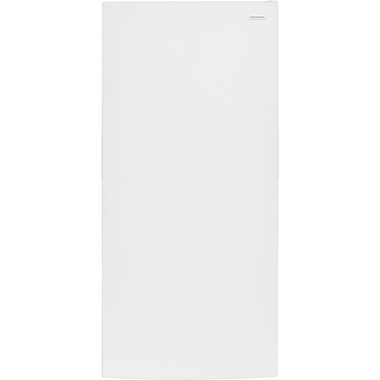
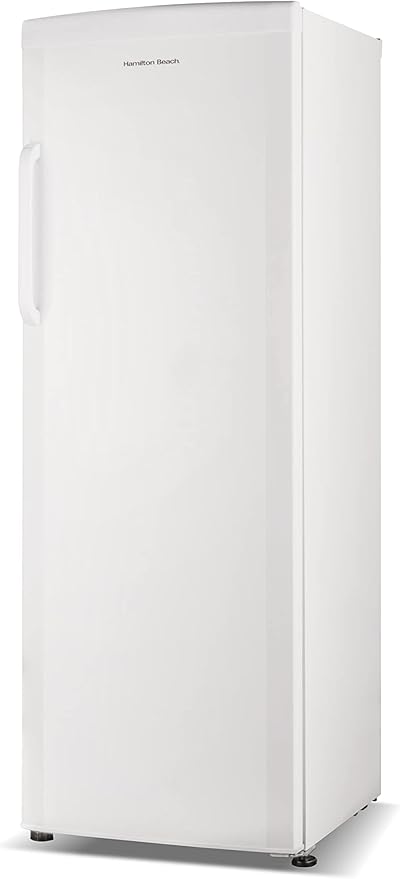
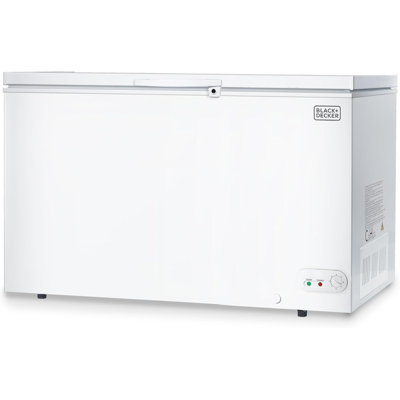
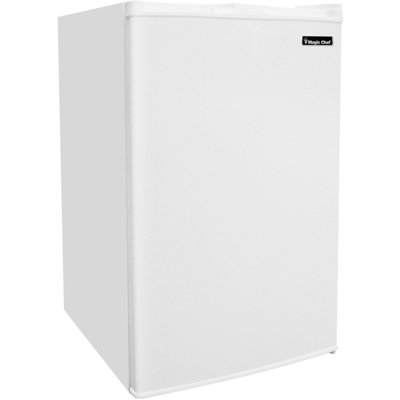
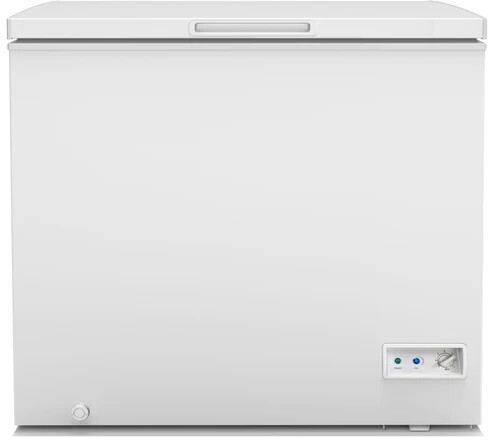
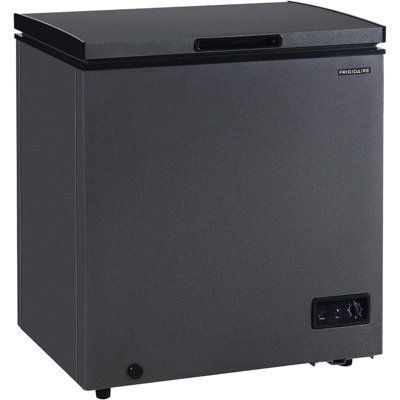
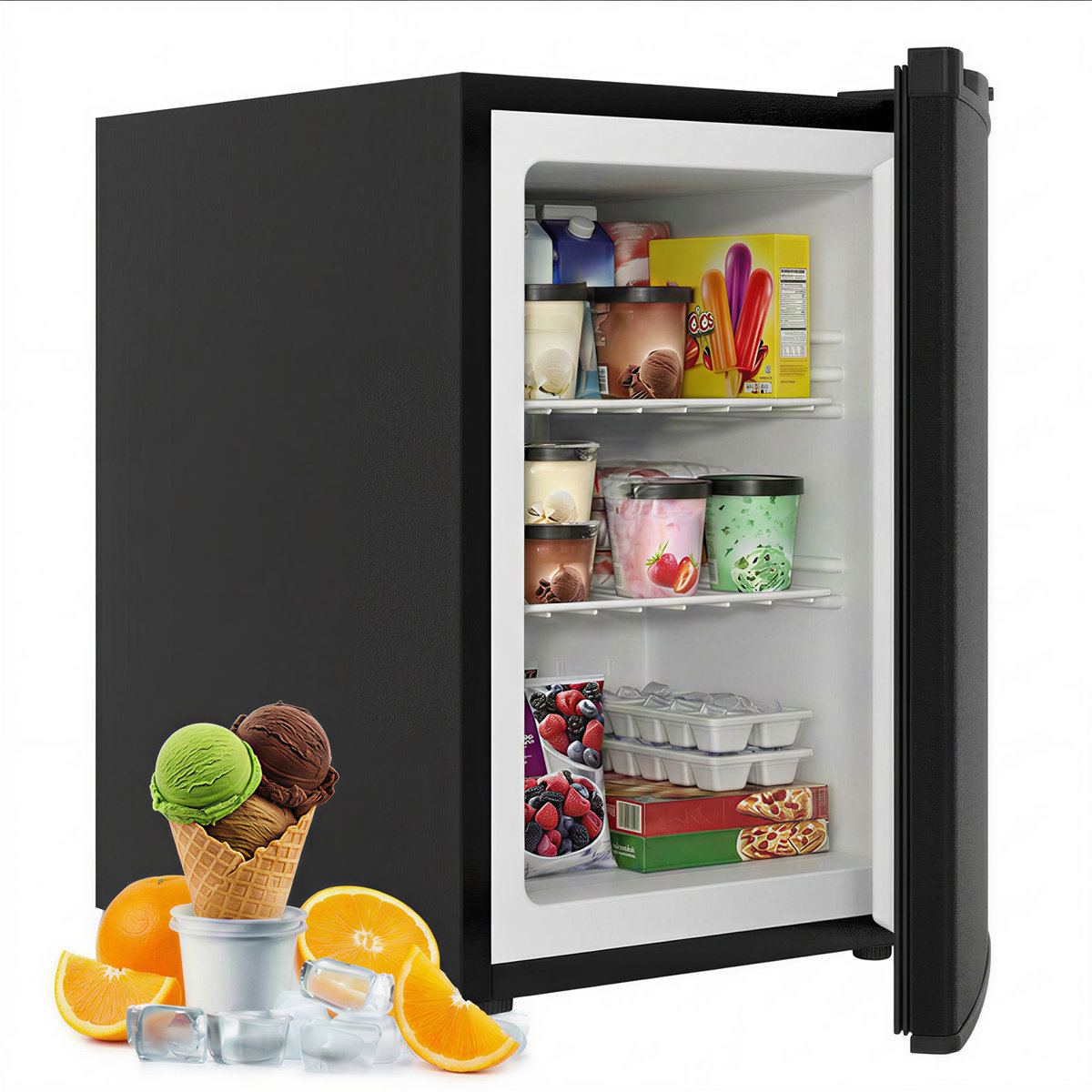
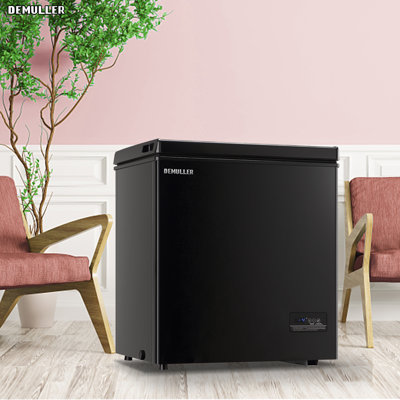
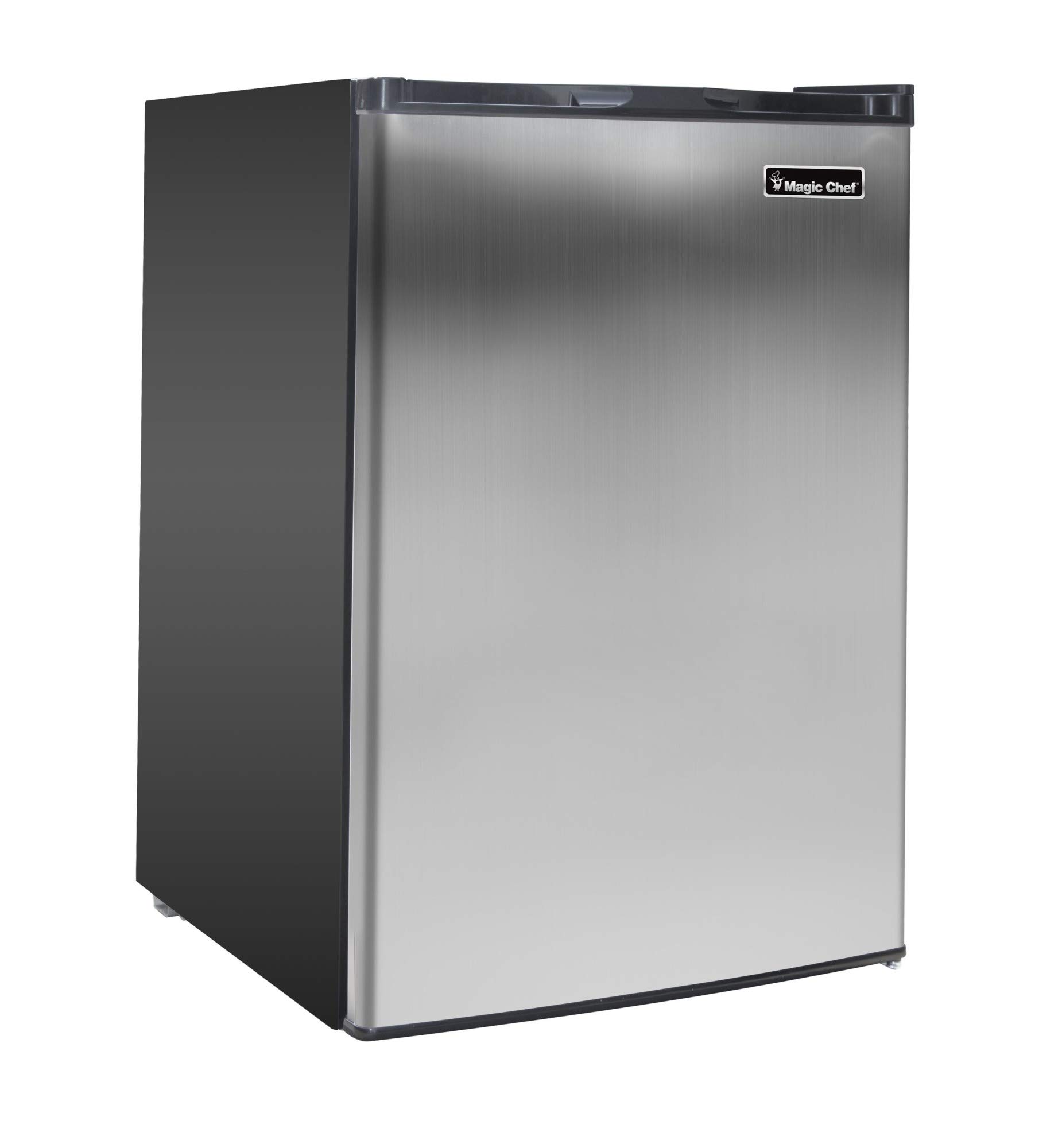
If you freeze large volumes regularly—batch-cooked meals, garden produce, or party supplies—a standalone deep freezer serves you better than a fridge-freezer combo. You can shop deep freezers: best prices at Fridge.com to find energy-efficient models with rapid-cool features.
Troubleshoot freezing issues
Liquid never solidifies
If your water or juice stays slushy after 24 hours, check your thermostat and adjust it to 0°F. Confirm the door seal is tight and there’s no frost blocking vents. If the problem persists, you might have a cooling fault—consider professional service.
Uneven freezing
One side solid, the other slushy? You may have items blocking airflow or your freezer’s cooling coils might be dirty. Clear obstructions, clean coils, and give the freezer space around it for proper ventilation.
Frost buildup
Excess frost can indicate a worn door gasket or frequent door opening. Replace gaskets and minimize open-door time to speed up future freezes.
Off odors or tastes
Liquids can pick up freezer smells. Always cover or seal containers, and consider placing an open box of baking soda inside to absorb odors.
Write the contents and freeze date on every container or bag. That way you’ll know at a glance when to use your frozen liquids before quality degrades.
Avoid freezer burn
Air is the enemy. Squeeze air out of bags, use airtight containers, and consider double-wrapping items you plan to store for more than a month.
Follow storage guidelines
Most liquids keep quality for 2–6 months. Dairy and broths tend to lose texture faster, while pure water and oils can stay rock-hard and usable for up to a year.
Thaw safely
Plan ahead and move frozen liquids to the fridge overnight. For faster thawing, submerge sealed containers in cold water, changing the water every 30 minutes until fully thawed.
Final thoughts
Freezing liquids is both art and science. By understanding freezing points, optimizing your freezer, and using the right containers, you can predict—and even accelerate—freeze times for water, juices, soups, and beyond. Next time someone asks how long does it take liquid to freeze? you’ll have the answer, plus insider tips to shave hours off your process.
Ready to upgrade your freezer or find the perfect ice-making setup?Compare current prices and specifications on Fridge.com, then buy from the retailer you choose; delivery, installation and warranty terms are the retailer’s. Whether you’re stocking up for a big gathering, meal-prepping like a pro, or just love perfectly chilling cocktails, a smart freezer setup makes all the difference.
Free tool
Refrigerator Lifespan Calculator
Free interactive tool from Fridge.com — get a quick answer while you read.