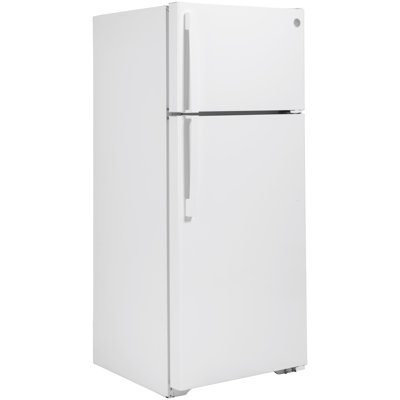
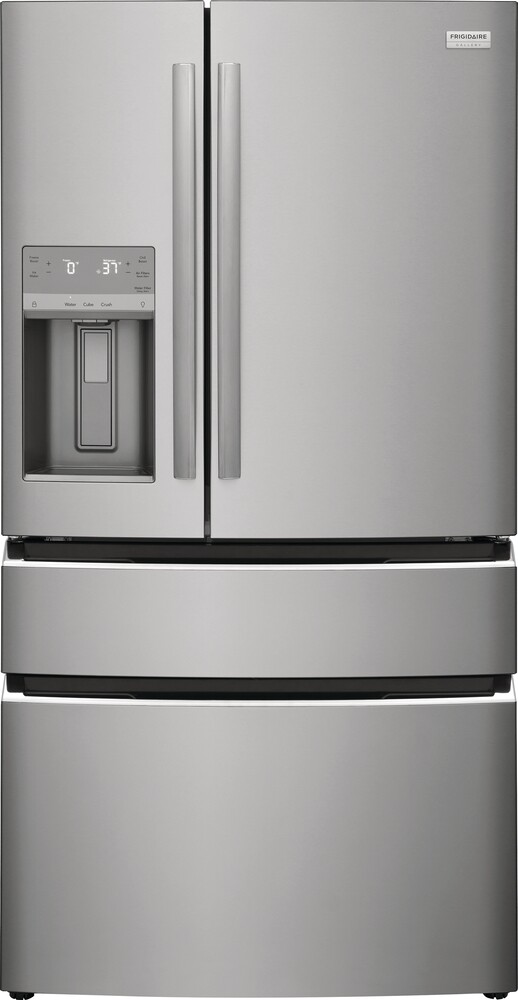
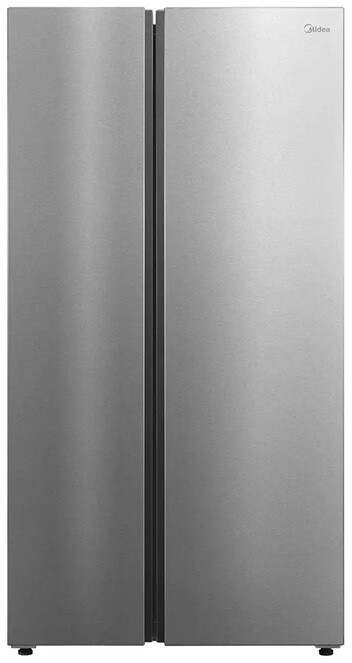
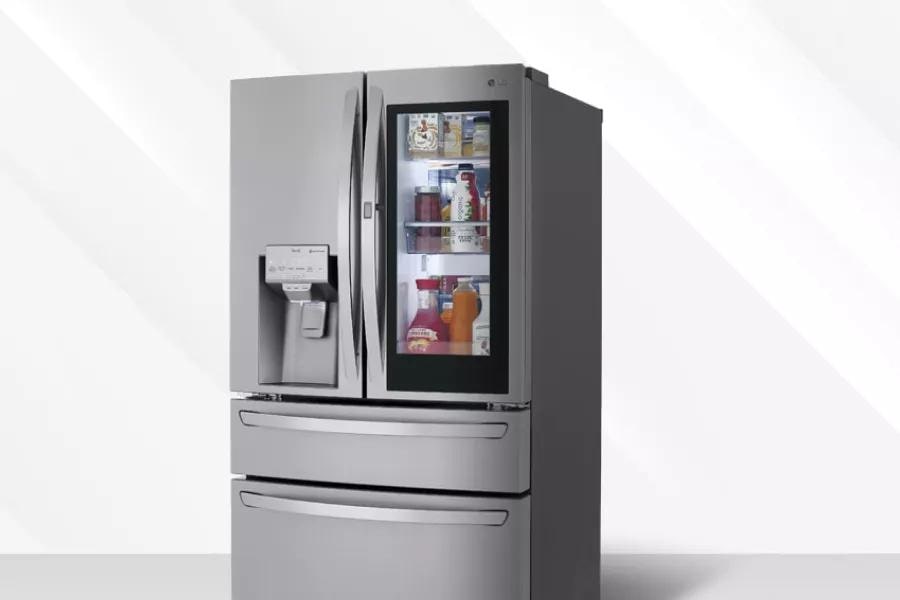
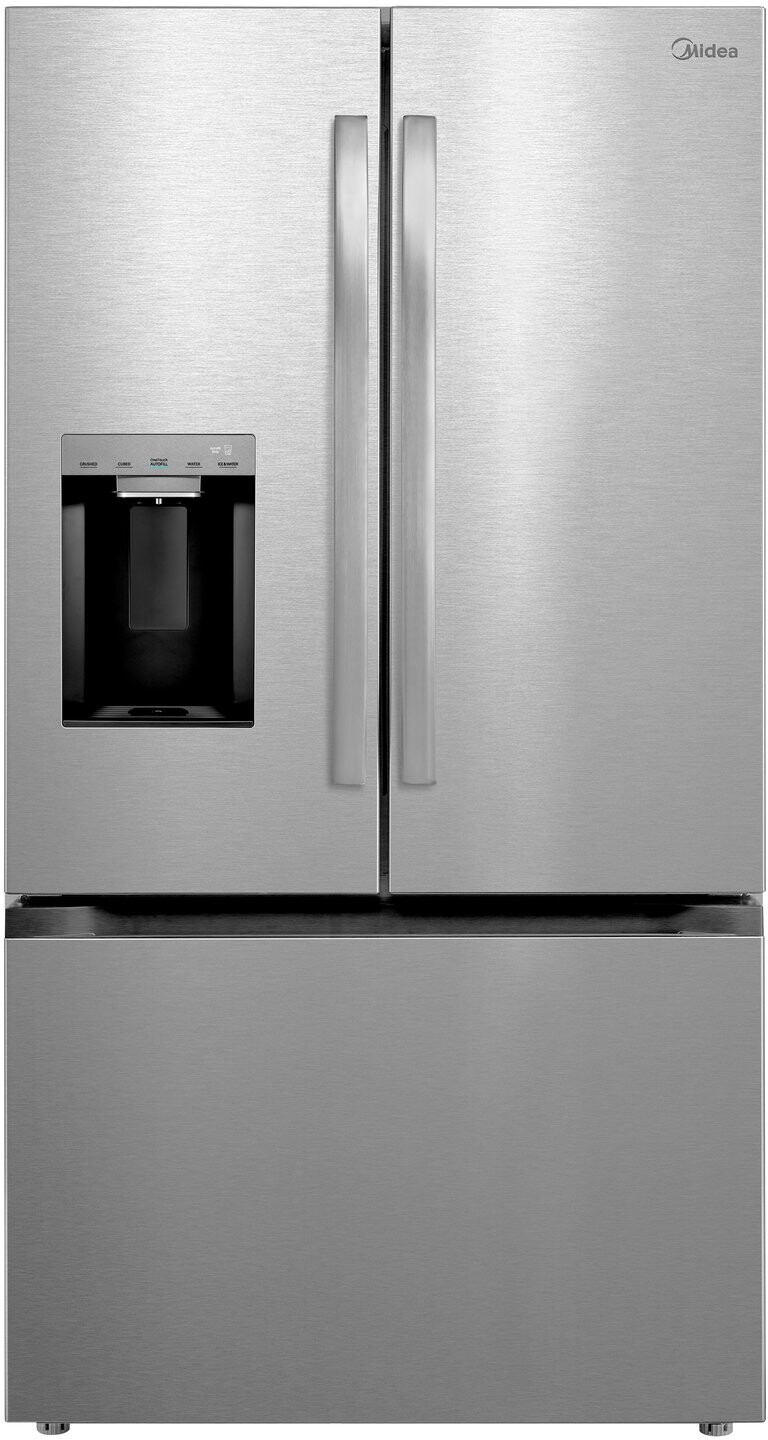
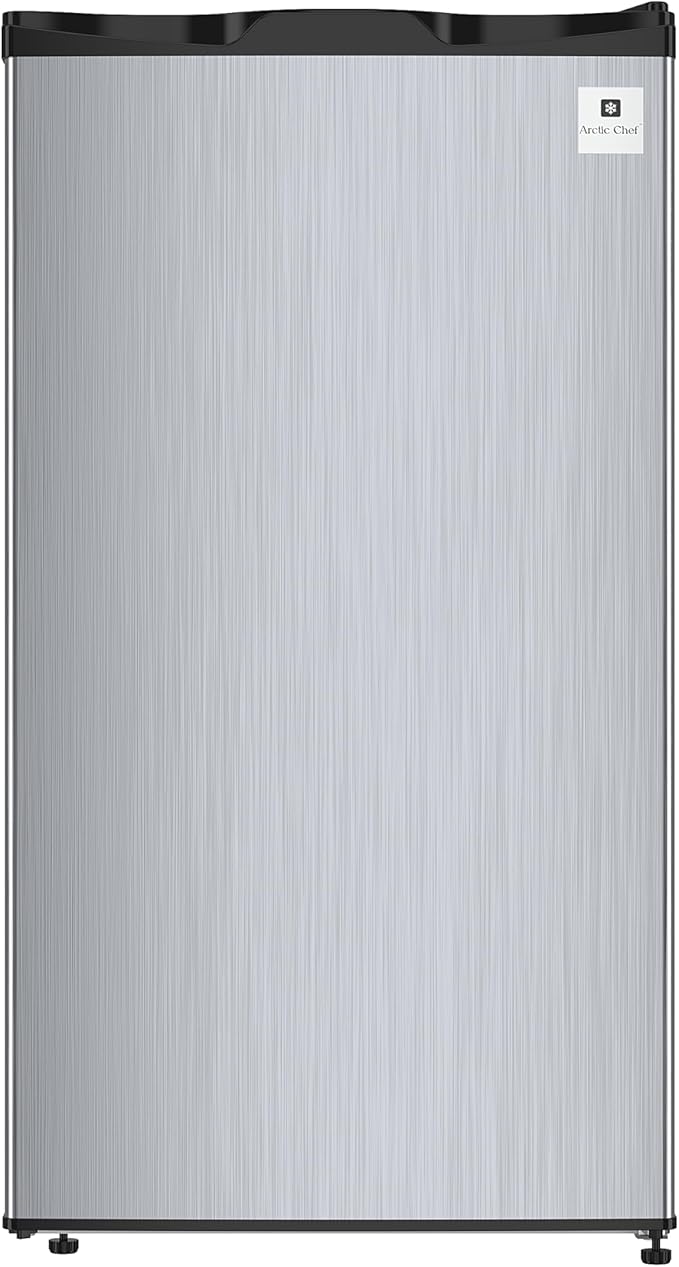
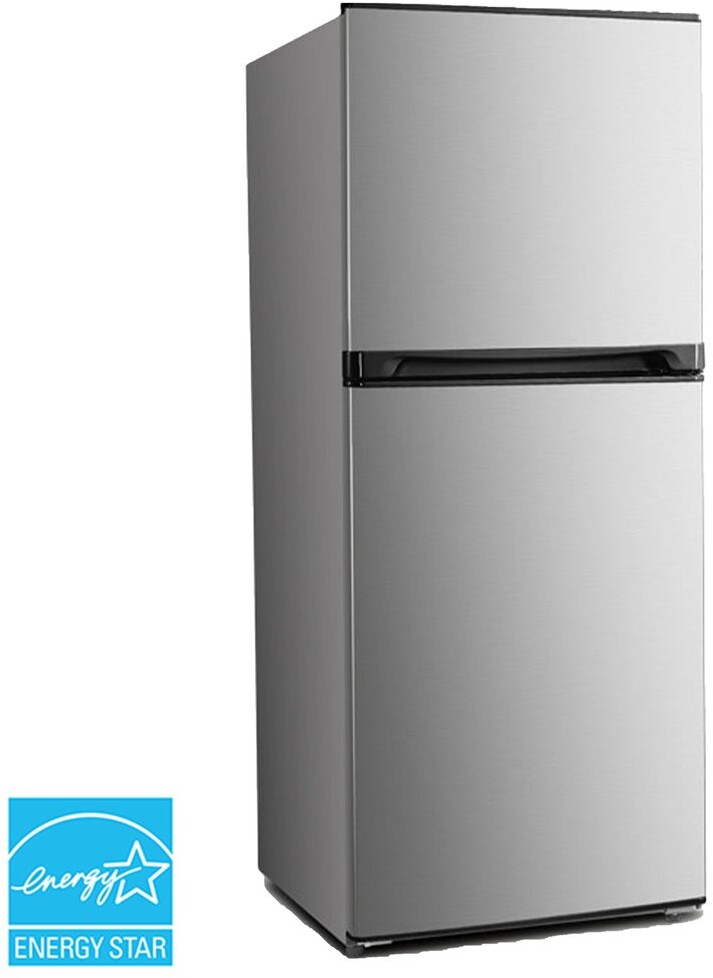
About 12 years is the planning figure. ENERGY STAR uses a 12-year refrigerator lifetime in its savings comparison; that is a planning assumption, not a prediction of when your refrigerator will fail. How long yours actually runs depends on the kind of refrigerator it is, how hard it works and how well it is looked after — cleaning the condenser coils every six months and holding the fresh-food compartment at the normal refrigerator temperature of 37°F to 40°F are two of the simplest habits that help. To weigh a repair against a replacement for your own unit, use the refrigerator lifespan calculator; to find out how old it is, decode the serial number with the refrigerator age calculator. Below you'll find what makes one refrigerator outlast another, the warning signs that a fridge is failing, a repair-versus-replace cost rule, warranty basics, and the maintenance schedule that keeps a fridge running.
How Long Does a Refrigerator Last?
No single number holds for every refrigerator. A useful figure for planning is the one ENERGY STAR uses when it compares the running cost of an old refrigerator with a new one: a 12-year lifetime. Treat it as a planning horizon — a sensible point to start budgeting for a replacement — not as the date your unit will stop. Plenty of refrigerators keep running well past it, and some fail much sooner.
Certain categories sit outside the usual pattern: a deep freezer has a simpler job and can outlast a refrigerator, while a compact mini fridge freezer usually does not. For a deeper dive into how various refrigerator and freezer types differ, visit the Fridge.com guide on refrigerator and freezer options, or see how long do mini fridges last? for compact units.
Factors Affecting the Lifespan of a Refrigerator
The lifespan of a refrigerator is driven by the quality of the unit, the environment it runs in, and how well it is maintained:
-
Model and Type: Different types of refrigerators, such as double door fridges, a single door fridge, or compact mini fridges, hold up differently because of their design and features.
-
Usage: The frequency with which you open and close your fridge, as well as the amount of food stored, can affect its longevity.
-
Build Quality: You get what you pay for — a sturdier, better-built fridge is usually in for the long haul.
-
Maintenance: Regular cleaning and maintenance, such as vacuuming the coils and checking door seals, can extend your fridge's life. Learn more about proper care from Fridge.com articles on refrigerator depth and fridge organisers.
-
Temperature Settings: Keeping your fridge at the normal refrigerator temperature helps prevent overworking the appliance.
-
Placement and Environment: Hot kitchens and spots with poor airflow force the compressor to work harder. Keep the unit out of direct sunlight and ensure adequate ventilation around the appliance.
-
Repairs: How quickly and effectively you manage repairs, including troubleshooting common problems, plays a role in the overall lifespan.
These factors apply whether you run a full-sized american fridge in the kitchen or a beauty fridge in the bathroom. Curious how the cooling system itself works? Read how a refrigerator works.
Signs Your Refrigerator May Need Replacement
For maintenance guidance on specific models, such as a 33 inch wide refrigerator or a fridge double door, visit Fridge.com detailed guides on fridge care.
Troubleshooting and Repairs
When you encounter issues, troubleshoot promptly to avoid further damage:
-
Not Cooling Adequately: Check the thermostat to ensure it's set correctly. If the problem persists, it may be due to blocked vents or a malfunctioning component that requires professional attention.
-
Unusual Noises: Strange sounds may indicate a problem with the evaporator fan or condenser fan. Inspect these parts for blockages or damage.
-
Water Leakage: Leaks can be caused by a clogged defrost drain or damaged water supply lines. Clearing the drain or replacing the lines often resolves this.
-
Frost Buildup: A defective door seal or a faulty defrost sensor can lead to excessive frost. Examine and replace these components as necessary.
Call a qualified technician for anything involving the sealed system — the compressor, condenser, evaporator and refrigerant lines. Those repairs need certified handling of the refrigerant, and an early diagnosis is cheaper than a failure.
Warranties: What Is Usually Covered
Most refrigerator warranties cover parts and labor for the first year, and many manufacturers add longer coverage for the sealed system. Check your warranty card or the manufacturer's site before paying for a compressor repair, and keep the receipt together with the model and serial number. Before buying an extended plan, the extended warranty break-even calculator shows what the plan would have to save to pay for itself.
When to Repair Vs. When to Replace
Energy Efficiency Considerations
Older refrigerators consume noticeably more power than current models. If your monthly electric bill keeps climbing, an aging fridge is a common culprit — newer units meeting or exceeding ENERGY STAR® standards can cut that consumption substantially. Compare options among energy-efficient apartment refrigerators to see the potential savings.
Upgrading Your Refrigerator
Modern Features and Efficiency
The latest refrigerators offer energy-saving settings, advanced cooling technologies, and smart home integration that lets you control and monitor the appliance remotely. Features that contribute to efficiency include:
- Programmable temperature controls
- High-efficiency compressors
- Improved insulation methods
- Dual evaporators
When comparing configurations, the best french door refrigerators balance size and convenience for most households.
Considerations for Replacement
-
Age of the Refrigerator: Once a refrigerator nears the 12-year planning lifetime ENERGY STAR uses, start budgeting for a replacement, even while it still runs.
-
Performance: Frequent breakdowns or a decline in cooling performance indicate it's time to look for a new model.
-
Size and Capacity: As your household grows or changes, you might need a larger fridge or one with different features — whether a 33 inch wide refrigerator or a small refrigerator for office use.
-
Energy Consumption: Older models are less energy-efficient; upgrading reduces energy use and costs.
-
Repair Costs: If the cost of repair approaches or exceeds half the cost of replacement, a new refrigerator is the more practical choice.
-
Design and Features: Modern designs offer water dispensers, ice makers, and smart technology. Consider what suits your lifestyle, from a beauty fridge for cosmetics to a beer fridge for entertainment spaces — or explore a built-in wine cellar buying guide if wine storage is the goal.
-
Resale and Deals: Keep an eye on a refrigerators sale or deals on a double door fridge for sale to get the best value for your upgrade.
Recycling Your Old Refrigerator
Environmental Impact of Refrigerator Disposal
Refrigerators contain refrigerants and insulating foams that can include ozone-depleting substances (ODS) and potent greenhouse gases (GHGs). Improper disposal releases these substances into the atmosphere, contributing to climate change and depleting the ozone layer. Refrigerators also contain plastics, metals, and glass, all of which can be recycled and repurposed. Learn more about refrigeration and its environmental considerations.
Proper Disposal and Recycling Methods
-
Find a Responsible Recycler: Contact local waste management authorities or use the Environmental Protection Agency's (EPA) Responsible Appliance Disposal (RAD) program to find a certified recycler.
-
Utility Company Programs: Some utility companies offer take-back programs where they collect your old refrigerator, often at no cost, and ensure it is recycled responsibly.
-
Retailer Take-back: When purchasing a new refrigerator, ask if the retailer offers a take-back program — many will remove the old unit when delivering the new one. Some manufacturers also run their own take-back programs.
-
Municipal Collection: Check whether your local municipality offers special collection days or drop-off locations for appliances.
-
Donate: If your refrigerator is still in working condition, donate it to a charity, local organization, or someone who needs it.
-
Sell or Give Away: Use online marketplaces or community boards to sell or give away your old refrigerator.
Recycling recovers real material value: metals cut down on new mining, recycled plastics keep waste out of landfills, and reclaimed glass saves the energy of producing new glass. Before recycling, clean the refrigerator thoroughly and remove all perishables. When choosing the replacement, ENERGY STAR-labeled models with recyclable materials and eco-friendly refrigerants shrink both your energy bills and your environmental footprint. For sustainable food storage practices, see how should dried food be stored?
Frequently Asked Questions About Refrigerator Lifespan
How long does a refrigerator last on average?
ENERGY STAR uses a 12-year refrigerator lifetime in its savings comparison; that is a planning assumption, not a prediction of when your refrigerator will fail. The type of refrigerator, how hard it works and how well it is maintained decide how long a particular unit runs.
How long should a fridge freezer last?
A fridge freezer is a refrigerator with a freezer compartment, so the same 12-year planning figure applies. A stand-alone deep freezer has a simpler job and can outlast it, while a compact mini fridge freezer usually does not.
How long do modern refrigerators last?
Modern refrigerators use far less electricity than older models — AHAM reports that the average refrigerator built today uses nearly 58% less energy than those built in 1980 — but features such as ice makers, dispensers and electronic controls add parts that can need service. Simpler layouts have less to repair, which is why a basic top-freezer is often the easiest refrigerator to keep running.
How can I tell how old my refrigerator is?
The serial number on the rating label, usually inside the fresh-food compartment, encodes the build date. Enter the brand and serial number in the refrigerator age calculator to decode it.
Is it worth repairing an older refrigerator?
It depends on the repair. A worn door gasket, thermostat or fan motor is usually worth fixing; a sealed-system repair such as a compressor replacement can cost a large share of a new unit. If the estimate is more than half the price of a comparable new refrigerator, replacing is usually the better buy.
How long does a refrigerator's gas (refrigerant) last?
Refrigerant circulates in a sealed system and does not get consumed during normal operation. If the fridge stops cooling adequately even though the thermostat is set correctly and the vents are clear, a failing component or leak requires professional attention — and at end of life, the refrigerant must be recovered by a certified recycler because it can harm the ozone layer if released.
When should I replace a refrigerator instead of repairing it?
Replace when the repair estimate exceeds half the cost of a comparable new unit, when breakdowns become frequent, or when the fridge is already past the 12-year planning lifetime and energy bills are climbing.
How do I make my refrigerator last longer?
Clean the condenser coils every six months, inspect door seals and alignment every three months, wipe down the interior monthly, hold the fridge at 37°F to 40°F and the freezer at 0°F, keep it stocked, give it ventilation away from direct sunlight, and fix small problems — worn seals, clogged defrost drains — before they strain the compressor.
Compare prices on Fridge.com
Compare current prices and specifications on Fridge.com, then buy from the retailer you choose; delivery, installation and warranty terms are the retailer’s.
It also has tons of awesome articles about kitchen stuff and home news. Enhance your home, garage, backyard, patio, and office with the coolest essentials. With every necessary type of residential refrigerator or freezer in the collection, you're covered.