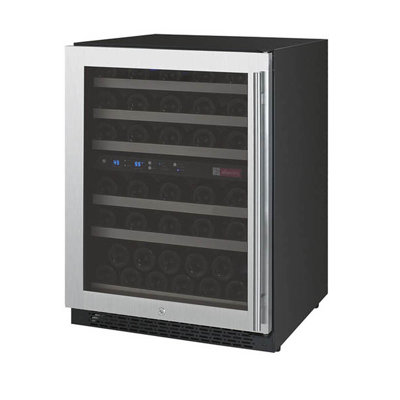
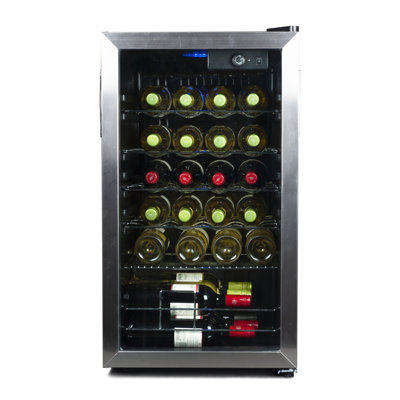
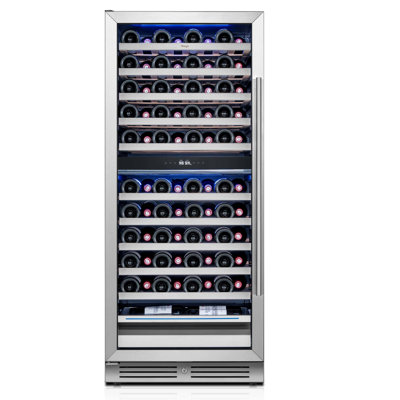
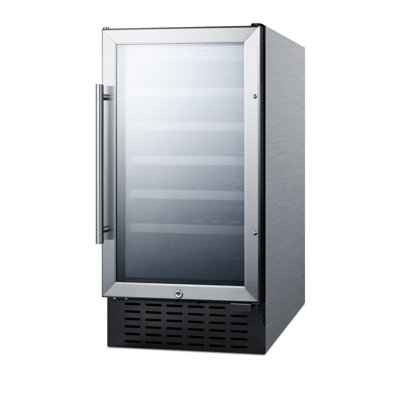
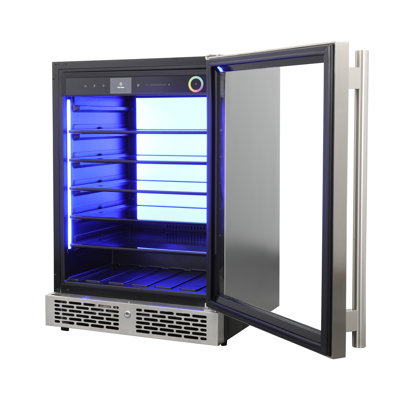
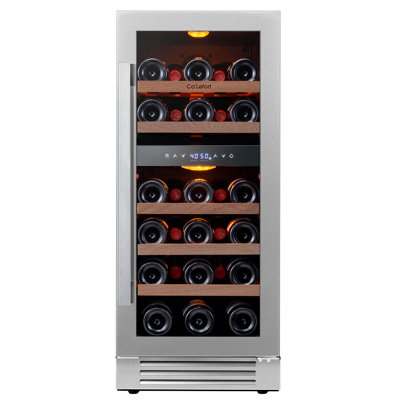
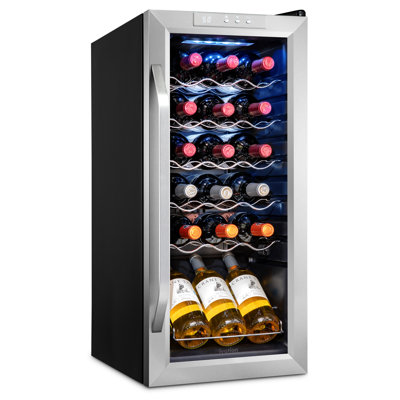
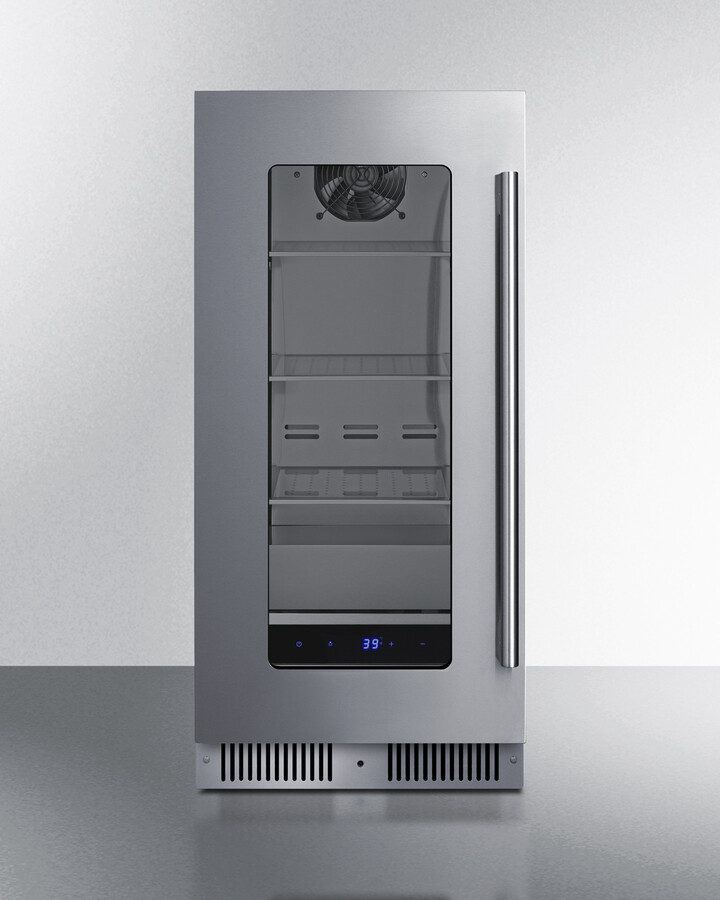
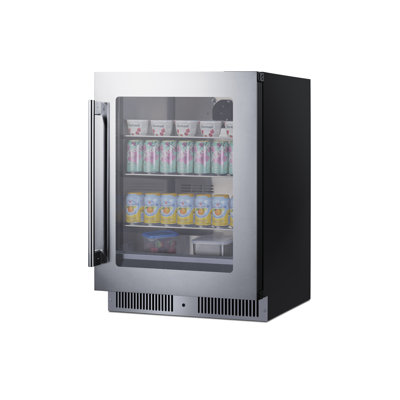
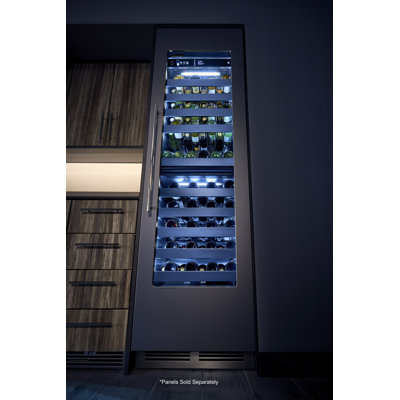
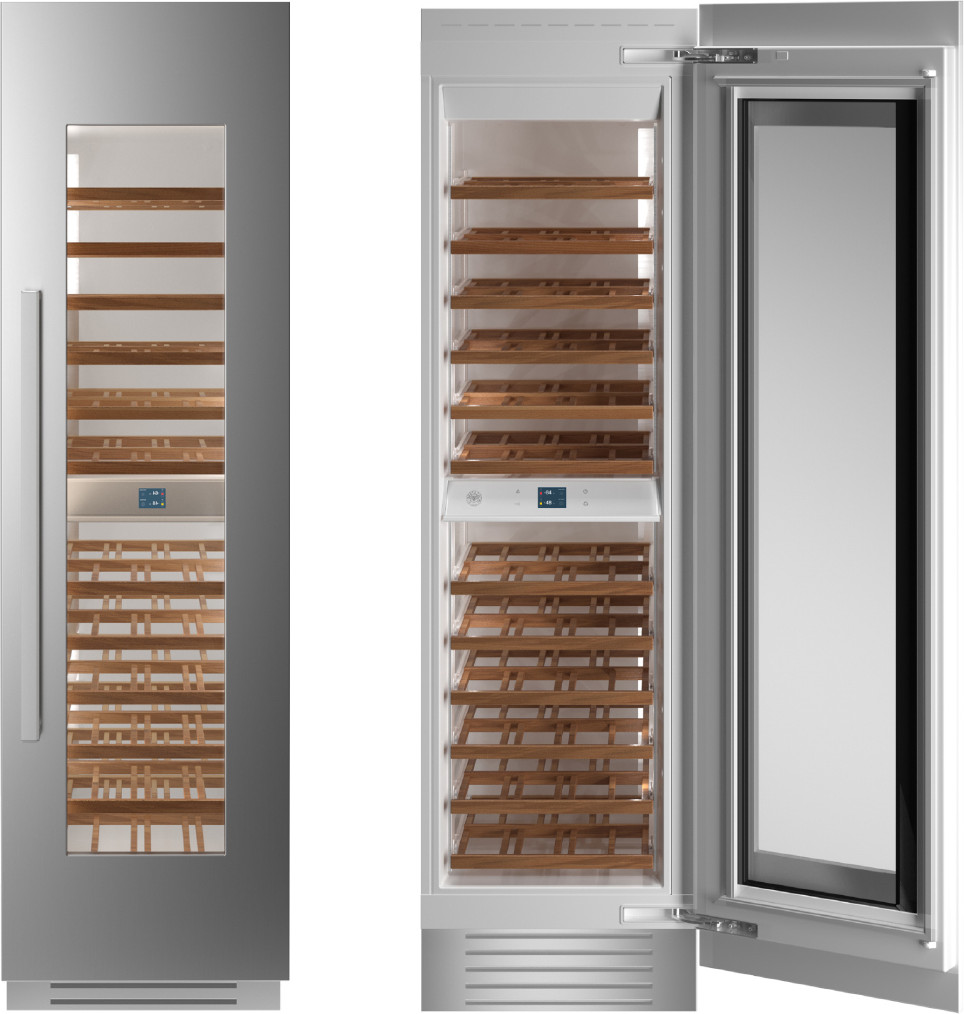
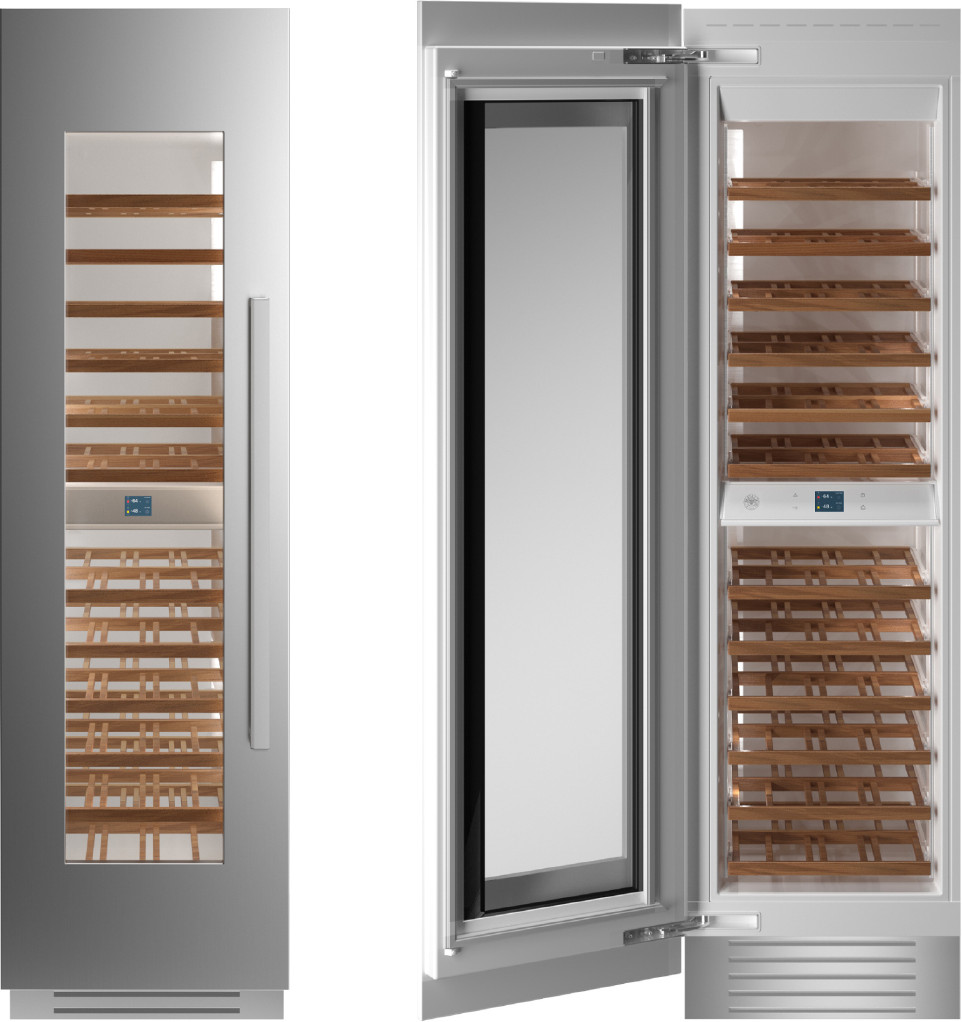
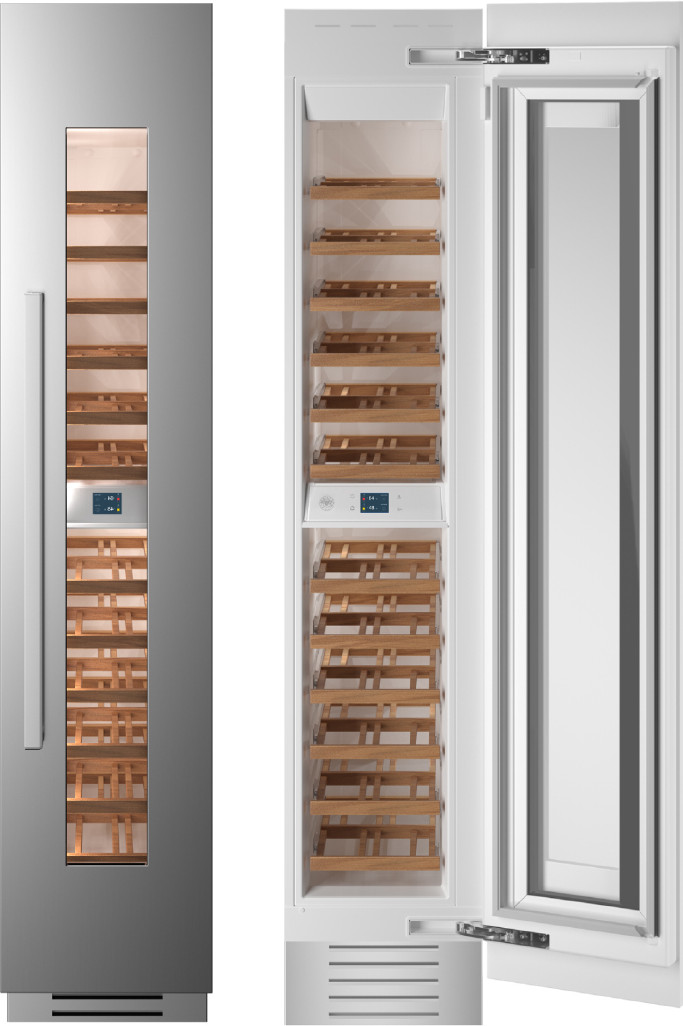
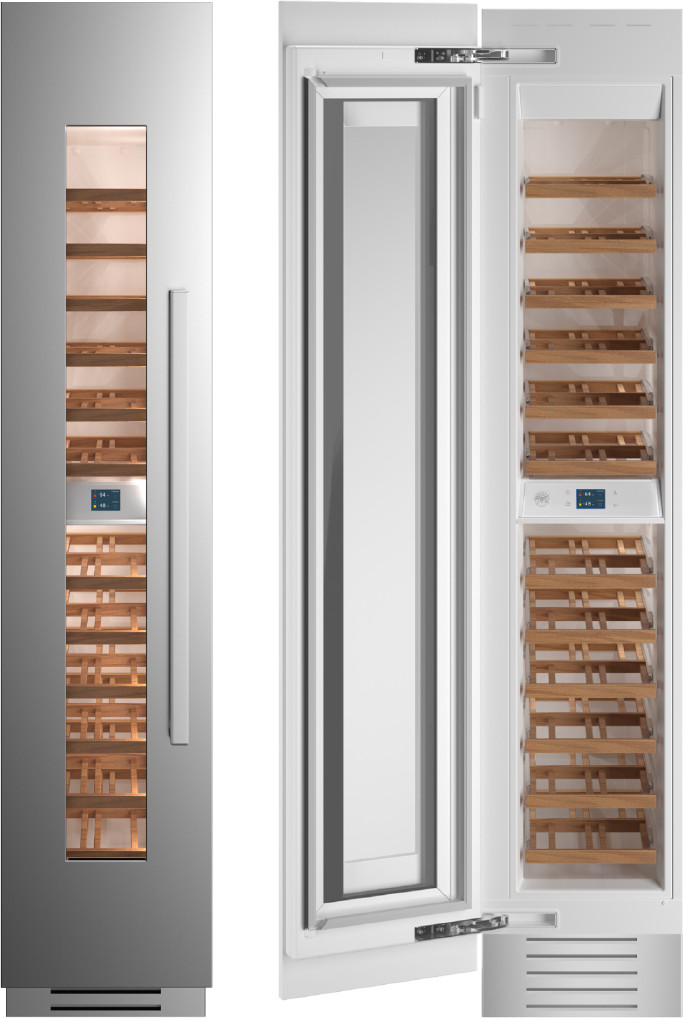
Deciding to splash out on a built-in wine cellar could take my wine adventures to another level. The trick, of course, is figuring out if it fits my groove and lifestyle.
Assessing Your Wine Storage Needs
Before taking the plunge, I need to know the lay of the land regarding my wine stash. It helps to ask myself some probing questions. I mean, am I sipping through bottles or stashing them for a rainy day? That tells me if I'm ready to go big or start small with my wine cellar ambitions.
Some questions on my mind:
How often do I buy wine?
Am I into the fresh stuff or the aged varieties?
Need to make room for other drinks too?
Wine Collection Estimate
Ideal Cellar Capacity
Less than 25 bottles
12-24 bottle cooler
25-50 bottles
50-100 bottle cooler
50-100 bottles
100-300 bottle cooler
Over 100 bottles
Custom built cellar
Benefits of a Built-In Wine Cellar
These built-in magic boxes offer loads of perks, making wine life a whole lot sweeter.
Temperature Control: These wonders keep everything cool, just the way wine likes it. Perfect for letting those bottles age like a fine cheese.
Humidity Management: They manage humidity like a pro, so those corks don't dry out and spoil my vintage goodies.
Space Efficiency: Built right into my home, it's like a secret hideaway for my treasured bottles, stashed within reach but in style.
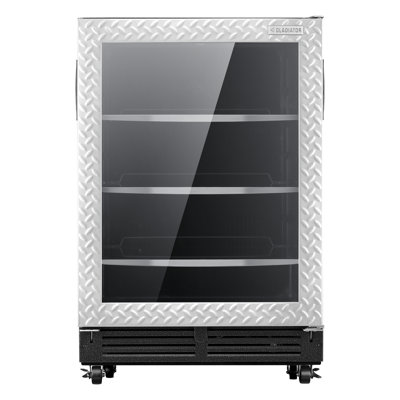
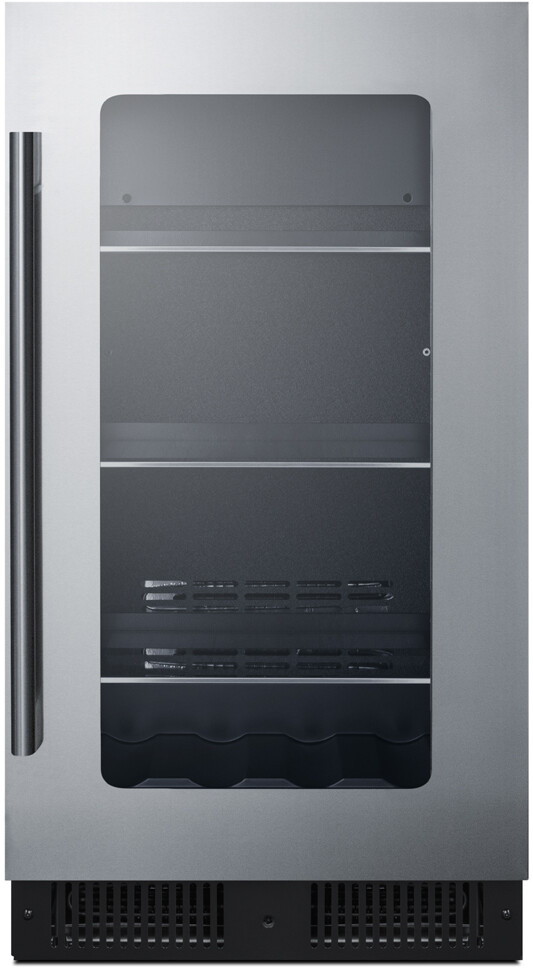
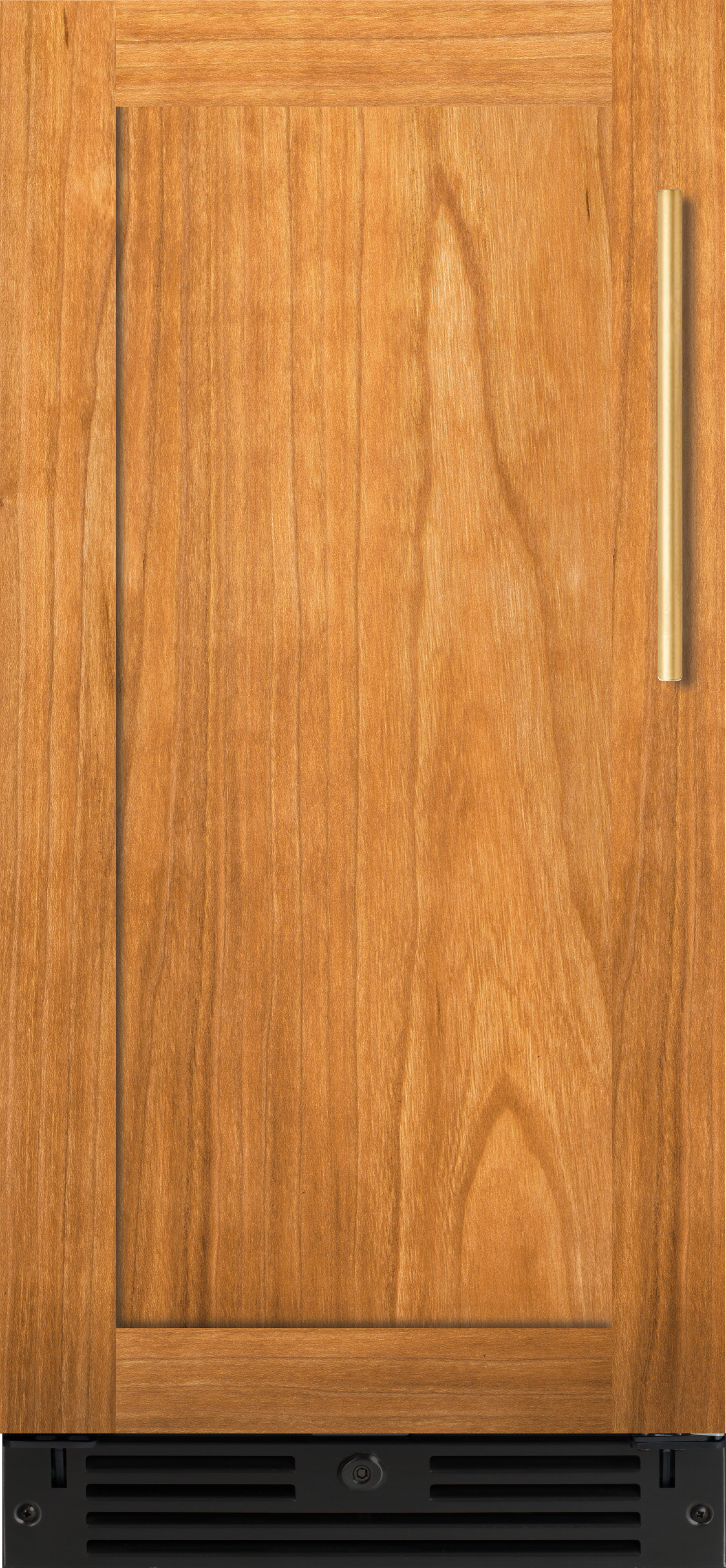
Aesthetic Appeal: Whether it’s sleek glass doors or a bit of oak finish, they can up the game in home decor.
Protecting My Investment: No more worrying about wild temperature swings ruining my stash. It’s like a safeguard for my liquid assets.
By really sizing up my needs and getting the lowdown on the perks, I can make a smart choice about whether a built-in wine cellar fits into my life seamlessly. For those looking to pour more wisdom into choosing the right wine crib, jump over to our built-in wine cellar buying guide.
So, I'm thinking about getting myself a built-in wine cellar—that's super exciting! But, before diving in, there's a bunch of stuff I need to mull over to make sure it suits my needs and nestles comfortably into my humble abode.
Size and Capacity
First up, let's talk volume. Do I plan to stash a grand collection or just a few special bottles? The size of the wine cellar will determine how crowned my collection can get. Here’s a down-to-earth idea of the typical sizes and their bottle-eating capabilities:
Size Category
How Many Bottles It Can Hold
Compact
12 to 24 bottles
Medium
25 to 50 bottles
Large
51 to 100 bottles
Extra Large
Over 100 bottles
These categories are gonna guide me in picking out the perfect crib for my vino buddies.
Installation Requirements
Now, let's gab about where this wine wonderland's gonna live. I'll need to suss out the dimensions of the intended spot—including its height, width, and depth. Some things I can't neglect:
Ventilation: Gotta have space for the air to do its thing, keeping temps just right.
Power Source: Oughta check for a handy electrical outlet nearby.
Accessibility: I haven’t got time for adventures every time I want a Pinot. It needs to be easy for me to reach.
By pondering these setup needs, I’ll make sure I snag a wine cellar that plays well with my pad.
Temperature and Humidity Control
Lastly, let’s chat about keeping my wine happy. The fancy folks say most wines like chillin' between 45°F and 65°F, with humidity hovering around 50%-70%. My wine cellar should have cool features like:
Feature
Why It Matters
Adjustable Temperature Control
Lets me set the perfect coolness
Humidity Control System
Stops corks from becoming useless
These perks will ensure my wine stays as fine as I'd like it to be. Understanding these basics will lighten my load when making the big choice and ensures my precious liquids stay snug. If I'm itching for more deets about safeguarding my wine stash, I can check out wine storage options.
When I start thinking about getting my very own built-in wine cellar, picking the right one is key to making sure my wine stash is stored just right. There's a few ways to go, each bringing its own perks to the table. Below, I’m going to chat about the three main types: single-zone wine coolers, dual-zone wine coolers, and built-in wine fridges with humidity control.
Single-Zone Wine Coolers
Single-zone wine coolers are like the one-size-fits-all solution for those who want to keep their favorite type of wine chilled at a stable temperature. They're no fuss, simple to use, and great if I mostly sip on red or just white—no mix and match here!
Feature
What's Cool About It
Temperature Range
Usually from 40°F to 65°F
Capacity
Fits 12 to 50 bottles
Ideal For
Folks who stick to one wine type
These coolers are often kinder on the wallet and a cinch to set up since they just got that one cooling spot. If my wine world revolves around one kind, this is where my dreams might come true.
Dual-Zone Wine Coolers
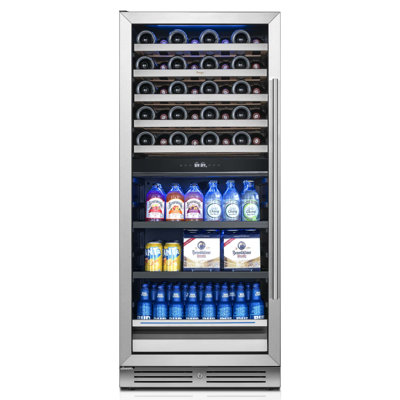
Dual-zone wine coolers let me enjoy the best of both worlds—keeping reds and whites perfectly cozy in their own compartments, each with its own temperature dance.
Feature
What's Cool About It
Temperature Range
Top zone: 45°F to 55°F Bottom zone: 50°F to 65°F
Capacity
Holds 20 to 80 bottles
Ideal For
Wine lovers who like a mixed bag
These coolers hand me the reins to cater to different tastes at home. It’s perfect if I like to play host and impress friends with a wine selection.
Built-In Wine Fridges with Humidity Control
These wine fridges are the guardians of corks, keeping humidity levels just right so those corks don’t dry out and do a Houdini act on your wine. That's crucial for when you're in it for the long run.
Feature
What's Cool About It
Humidity Control
Holds steady between 50% to 70% humidity
Temperature Range
Runs from 40°F to 65°F
Ideal For
Die-hard collectors with wines that age like fine art
These fridges ensure my precious wine goodies stay shipshape for ages. If my collection's got some serious street cred, splashing out on a fridge with humidity control might be my best bet.
Choosing the right type of built-in wine cellar suits my sip style and protects my liquid treasures. Savvy wine habits and how much space I got will help me figure out the best setup for my cozy corner. Fancy diving further into the art of wine stashing? Check out these handy guides on how to store wine properly or pick up some tips for managing wine collections.
So, you're diving into the world of built-in wine cellars, huh? You betcha, getting the design and features just right can ramp up both the functionality and looks of your collection's home sweet home. Personally, I reckon it’s all about being picky with stuff like door choices, shelving layouts, along with that all-important UV protection and even insulation — ‘cause, y’know, we don't want to cook the vino.
Door Options and Finishes
First impressions last, right? The door is the first thing anyone’ll notice about a wine cellar — and I’m all for doors that show off your collection while doing their job. Here are some options that could catch your eye:
Door Type
Description
Glass Doors
On display, with a side of UV armor.
Solid Doors
Lock it down tight but keep it stylish.
Dual-Pane Glass
Best of both worlds: guard against UV and show it off.
When mucking about with finishes, keep it snappy. I’m a sucker for stainless steel or a nice woody touch, even black matte for that classy vibe. It’s gotta mesh with your digs, though, or might end up sticking out like a sore thumb.
Shelving and Storage Configuration
Here’s the thing — how you stack your wine does matter. I'm all about built-in cellars where the shelves are as flexible as a contortionist. Check out some neat shelf styles:
Shelf Type
Benefits
Wood Shelves
Charmingly old-school; keeping that cork nice and spry.
Metal Racks
Good for space and easy customizing.
Solid Shelves
Bulk bottle friendly and rock solid.
Being able to jiggle the shelves around means you can store everything from a wee half-bottle to those big, fancy vintages. Some setups even let you go horizontal — perfect to stop those corks from getting cranky.
UV Protection and Insulation
Sunshine isn't your wine's friend, so I'm always on the lookout for cellars with UV protection like a hawk. Think tinted glass and snug solid doors to keep those rays out.
Insulation? Well, it’s just as big of a deal. Basically, you need your wine comfy and undisturbed by the weather outside. Good insulation keeps things cozy inside, and it should mean the unit ain't guzzling power like there’s no tomorrow. If you’re up for learning more, hit up how a refrigerator works, for some pro tips.
Trust me, it's about sussing out those features that fit right with what you need and what looks good in your pad. My goal? Makin’ sure my wine sanctuary is rockin’ style and grace.
Maintenance and Care Tips
Keeping my built-in wine cellar in tip-top shape ensures that every bottle is preserved just right, ready to pop and savor whenever the mood strikes. Here’s my low-down on maintaining it like a pro.
Cleaning and Sanitizing
Giving my wine cellar a regular scrub-down isn't just about appearances; it helps keep the wine's environment healthy and safe. Here’s my cleaning routine:
Cleaning Task
Frequency
Wipe down shelves and surfaces
Monthly
Clean door seals
Monthly
Dust off ventilation grilles
Every 6 months
Sanitize inside with mild stuff
Every 6 months
I stick with gentle solutions like water and vinegar mix for surfaces because harsh chemicals and good wine are like oil and water—they don’t mix.
Temperature Monitoring and Regulation
To keep my wine at its finest, I make sure the cellar’s temp dances between 45°F and 65°F (7°C to 18°C). I’ve got a trusty digital thermometer to keep an eye on things.
If my wine cellar has its own temp-monitoring wizardry, I double-check it's set between the golden ranges. A few degrees can turn a lush red into something more like vinegar, so I keep a steady watch.
Ideal Temperature Range
Red Wine
White Wine
Recommended Range
55°F - 65°F (13°C - 18°C)
45°F - 55°F (7°C - 13°C)
Troubleshooting Common Issues
Now and then, my wine cellar throws me a curveball. Knowing the usual culprits helps me nip problems in the bud. Here’s my cheat sheet for quick fixes:
Issue
Possible Cause
Solution
Temperature’s too toasty
Power’s out or compressor’s out cold
Check the plug—cross your fingers it’s just that. If lights are still out, might need a techie.
Funky odors
Maybe some wine turned or grime
Time for a clean sweep and to play detective with the bottle lineup.
Frosty build-up
Humidity’s off-kilter
Tweak those settings, or maybe invite the dehumidifier over for a stay.
When problems crop up, jumping on them fast keeps my wine haven running smooth, ensuring it’s always ready for the next impromptu gathering or quiet night in. For more tips on fridge maintenance, swing by Fridge.com articles how long should a refrigerator last? and how a refrigerator works.
Thinking about getting a built-in wine cellar? Let's chat about the money stuff, like what it'll cost you upfront, the running expenses, and what you might get back from making such an investment.
Initial Costs and Installation
Starting out, the cost can be all over the place depending on how big you want to go, the bells and whistles, and how tricky it is to install. Here's a rough idea of what you're looking at:
Item
Average Cost Range
Wine Cellar Unit
$1,000 - $5,000
Installation
$500 - $2,000
Extras (like LED lights)
$100 - $500
So all in, you're looking at spending between $1,600 and $7,500. I'd say it's smart to plan for both the unit and installation because a pro setup means it runs safely and smoothly.
Operating Costs and Energy Efficiency
Once it's up and running, you'll have some ongoing costs mainly from powering it. How energy-friendly your cellar is matters here. Newer wine cellars are good at keeping energy use low while still keeping your wine cozy.
Energy Efficiency Rating
Average Monthly Cost
Standard Units
$25 - $40
Going for an Energy Star-rated model might keep a few extra bucks in my wallet over time. Keeping everything at the right temp and humidity also means my wines stay in tip-top shape.
Long-Term Investment Benefits
Think of a built-in wine cellar as more than just a buy; it's an investment for the long haul in my home. Here's what I might get out of it:
Boosting Home Value: Potential homebuyers might swoon over a wine cellar, giving my property a nice bump in value.
Wine Quality: Keeping wine in primo condition means I get to sip it at its best, which fuels my love for great wine.
Extra Convenience: Having a cellar right there means I can easily grab a bottle, making me the host with the most.
As I weigh these points, I see how a well-thought-out built-in wine cellar can bring joy and maybe even some financial perks down the road. Curious about more fridge options? Dive into the refrigerator buying guides.
Frequently Asked Questions
Deciding to splash out on a built-in wine cellar could take my wine adventures to another level. The trick, of course, is figuring out if it fits my groove and lifestyle.