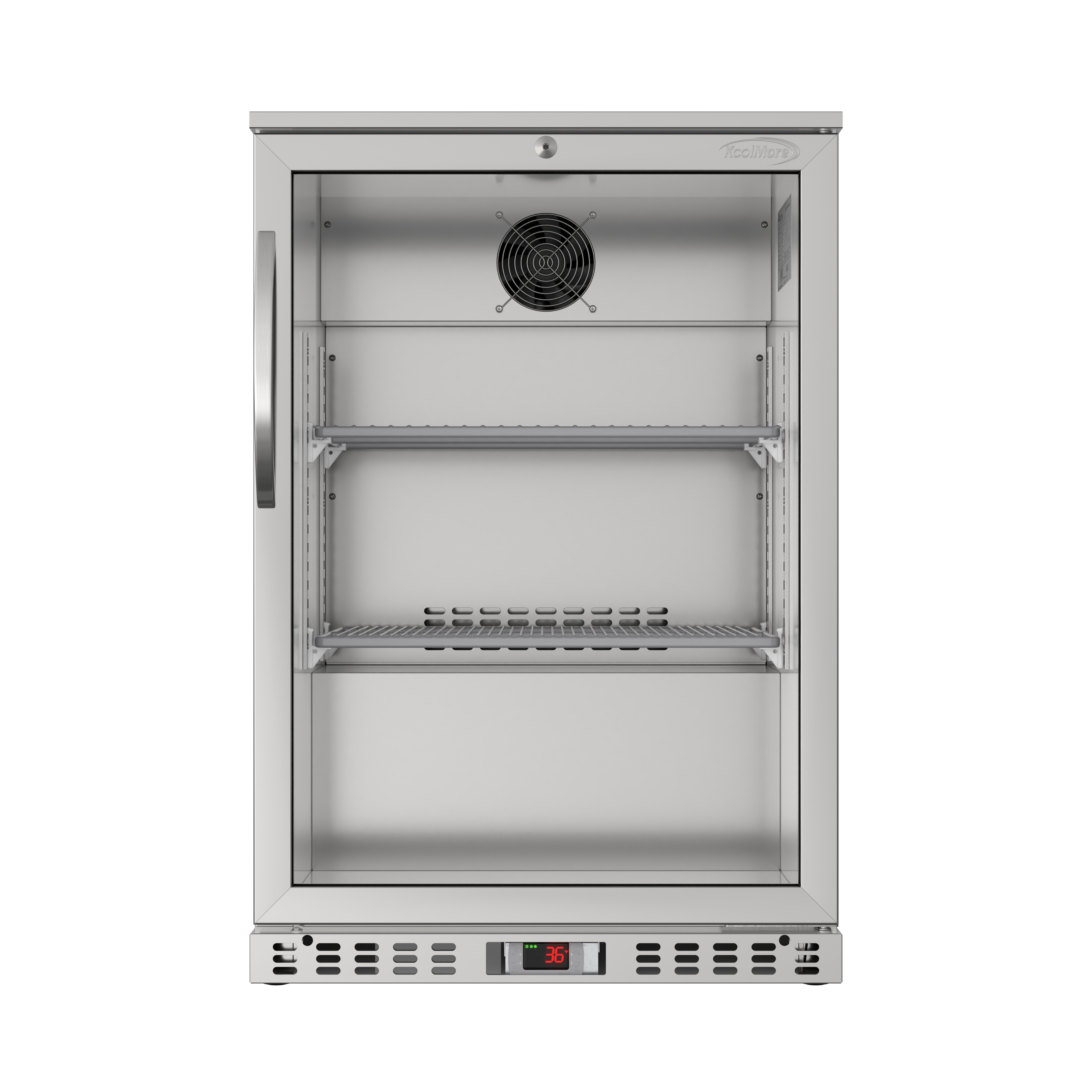
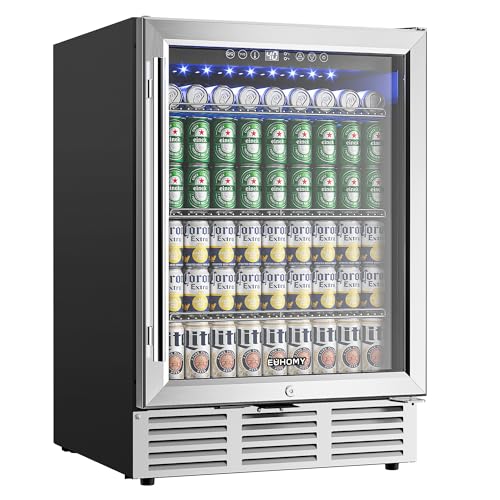
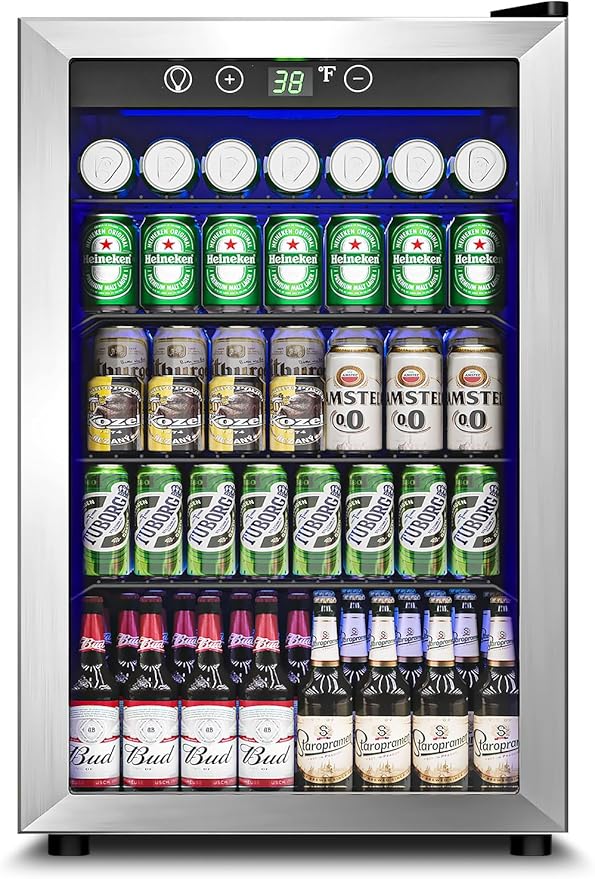
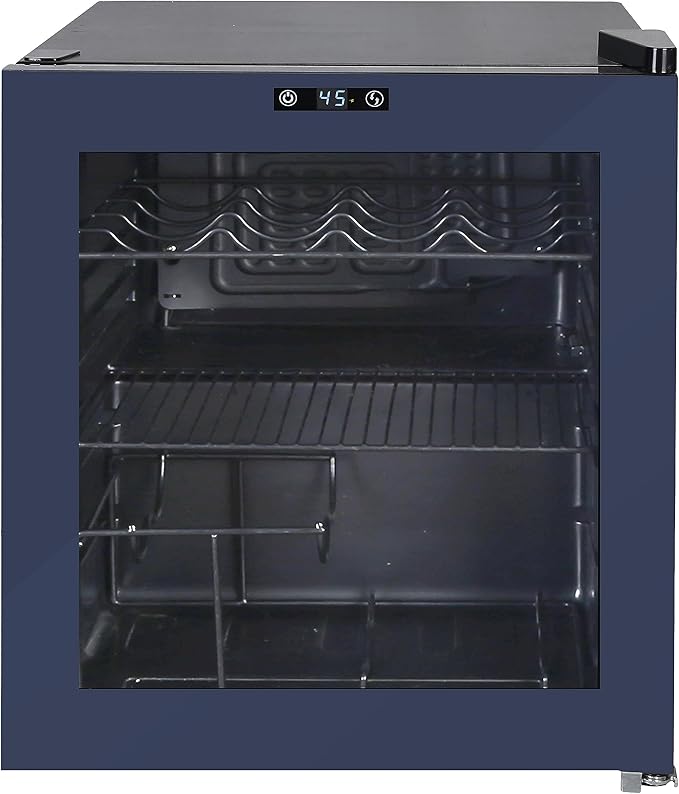
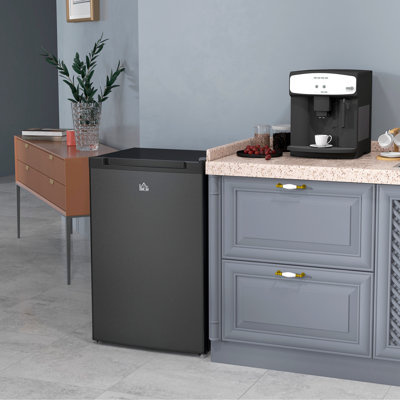
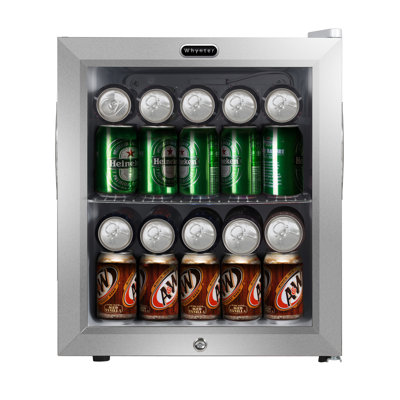
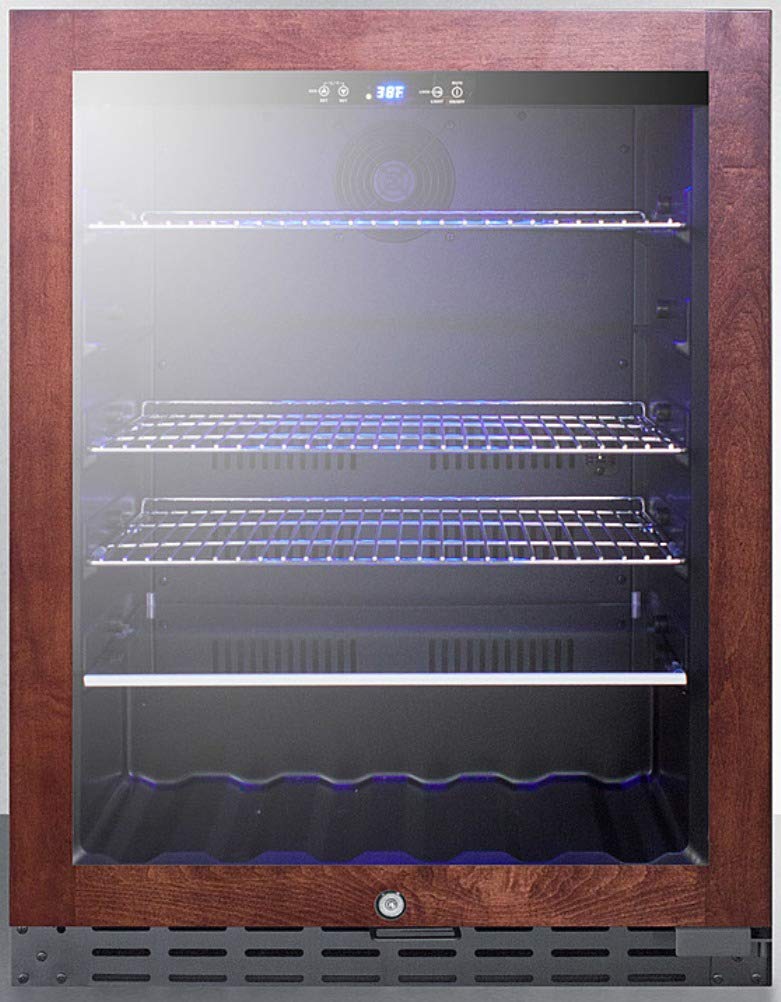
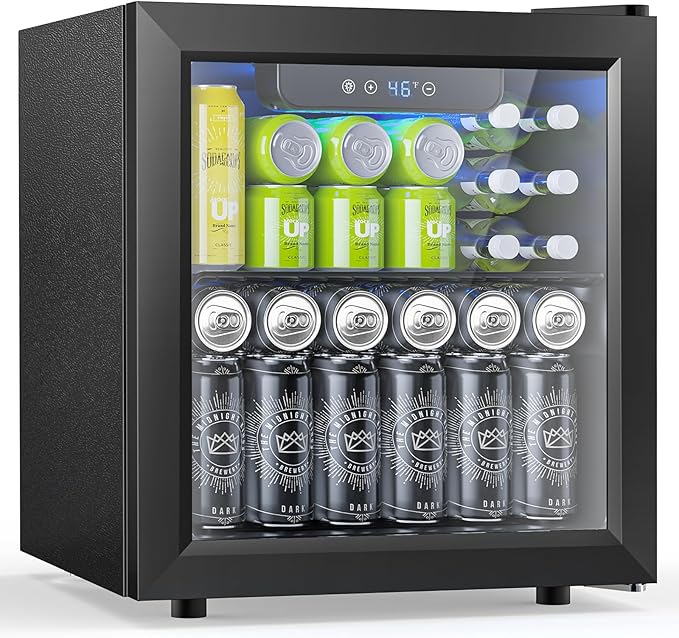
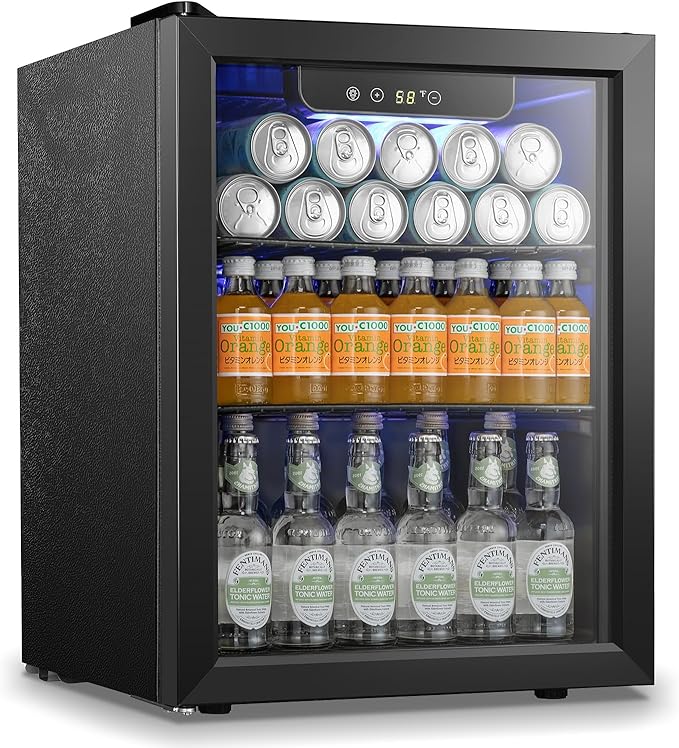
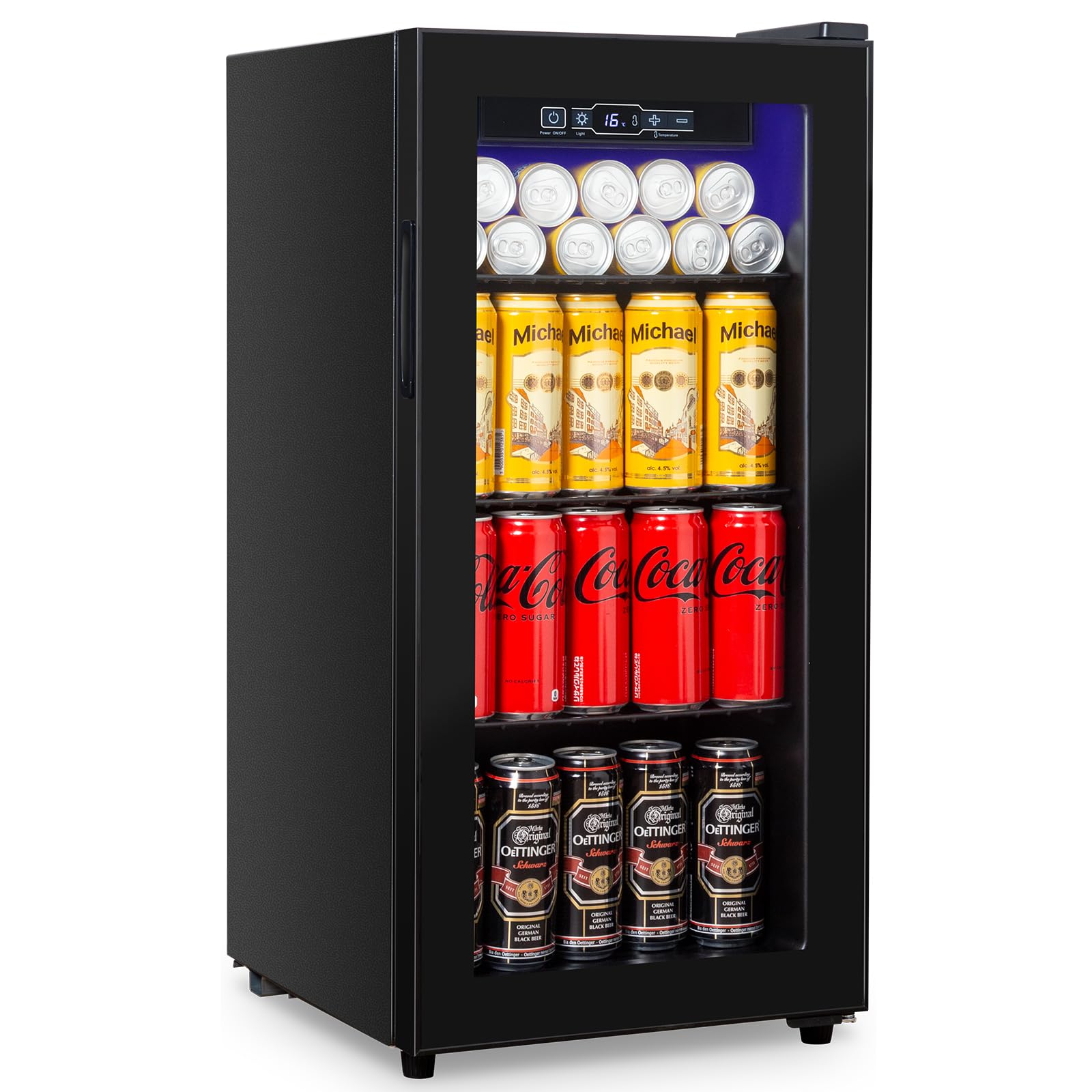
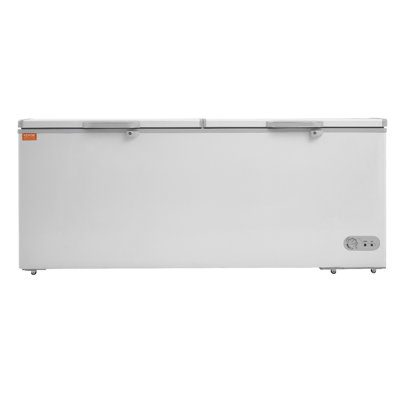
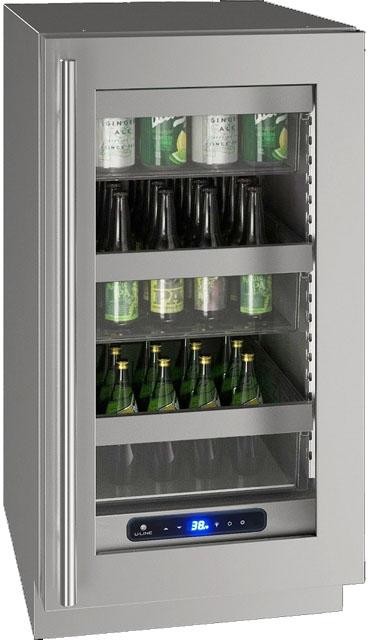
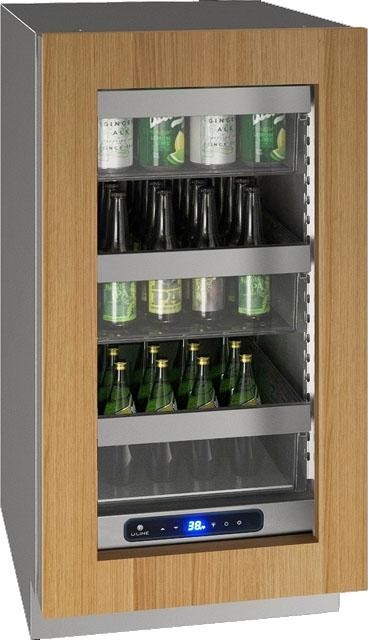
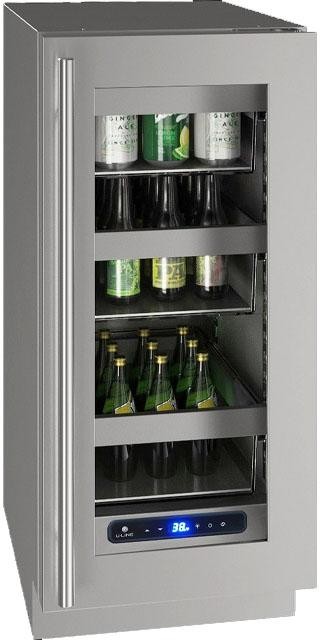
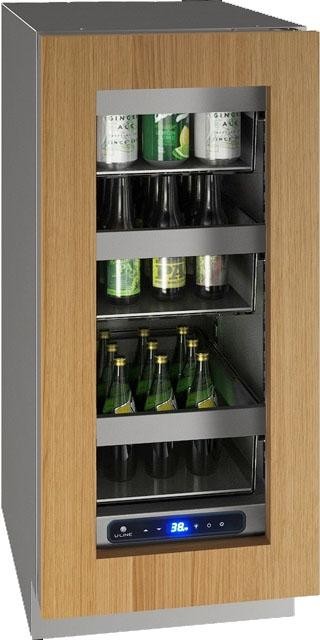
Garage refrigerators are designed to accommodate larger storage needs, making them ideal for homeowners who require extra space for bulk items, beverages, and frozen goods.
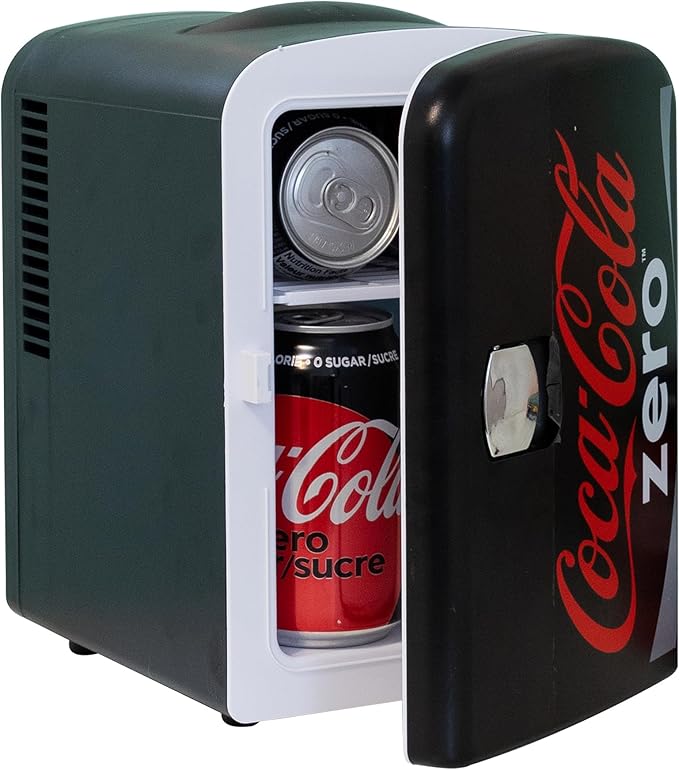
Ideal for those who may need to relocate the refrigerator frequently.
Compressor-based Cooling: Provides powerful and efficient cooling, ideal for maintaining low temperatures.
Garage Refrigerator Vs. Undercounter Beverage Cooler
Introduction to Refrigeration Options
Choosing the right refrigeration option can greatly enhance the convenience and functionality of your space, whether it’s a garage, kitchen, or entertainment area. Two popular choices among homeowners are garage refrigerators and undercounter beverage coolers. Each offers distinct benefits and features tailored to different needs and environments. Understanding these options will help you make an informed decision.
Overview of Garage Refrigerators and Undercounter Beverage Coolers
Garage Refrigerators: Designed to function effectively in varying temperature conditions, garage refrigerators are ideal for storing extra groceries, beverages, and even frozen goods in non-climate-controlled spaces. They typically offer a larger capacity compared to undercounter coolers, making them suitable for families or those who require additional storage.
Feature
Garage Refrigerator
Capacity
Large (up to 20+ cu. ft.)
Temperature Range
Wide (32°F to 50°F)
Installation
Freestanding or built-in
Ideal Usage
Groceries, beverages, frozen goods
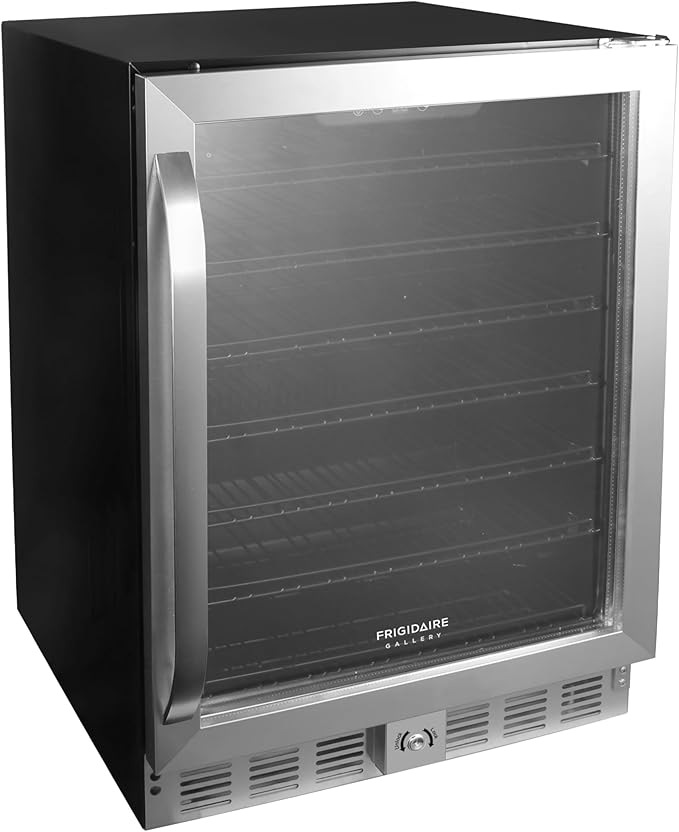
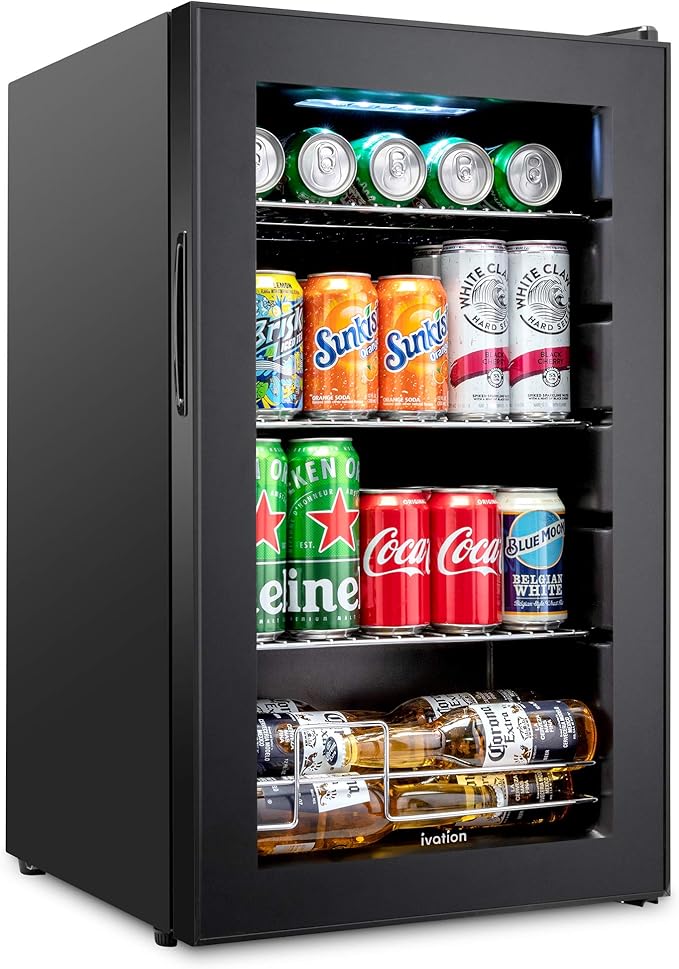
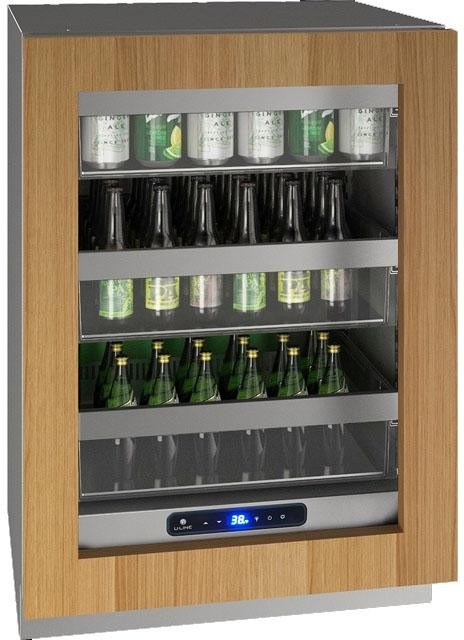
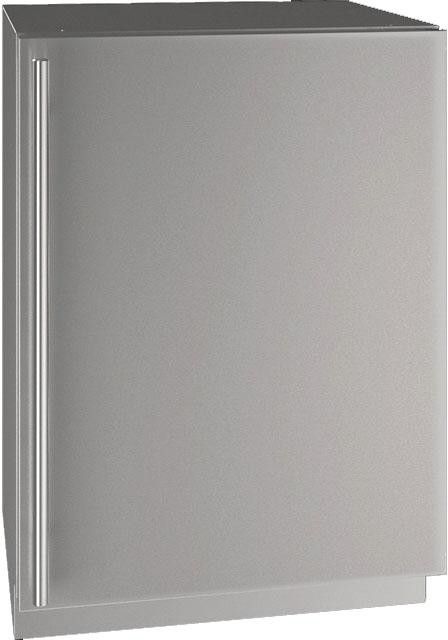
Undercounter Beverage Coolers: These are compact, stylish units specifically designed for chilling drinks. They fit seamlessly under countertops, making them perfect for kitchens, bars, or entertainment areas. With a focus on design and aesthetics, undercounter coolers offer precise temperature control to keep beverages at optimal serving conditions.
Garage refrigerators are designed to accommodate larger storage needs, making them ideal for homeowners who require extra space for bulk items, beverages, and frozen goods. They come in various sizes and capacities, often larger than standard kitchen refrigerators. Here is a table summarizing typical sizes and capacities:
Refrigerator Type
Height (in)
Width (in)
Depth (in)
Capacity (cu. ft.)
Compact
33 - 36
18 - 24
19 - 24
3 - 6
Standard
65 - 70
28 - 36
30 - 34
18 - 22
Large
70 - 75
36 - 40
34 - 36
22 - 30
Temperature Control and Settings
Garage refrigerators often feature advanced temperature control and settings to maintain the optimal storage environment for various food items. They are designed to handle fluctuating temperatures commonly found in garages. Key features include:
Adjustable Thermostats: Allows you to set the temperature precisely to suit different food storage needs.
Dual Temperature Zones: Some models offer separate compartments with individual temperature controls for refrigeration and freezing.
Auto Defrost: Helps prevent ice build-up and maintains consistent cooling performance.
Garage refrigerators offer flexible installation options to suit various spaces and needs. They can be freestanding or built-in, depending on your preference and available space.
Freestanding Installation: Easy to move and place anywhere in the garage. Ideal for those who may need to relocate the refrigerator frequently.
Built-in Installation: Provides a seamless, custom look by integrating the refrigerator into existing cabinetry or shelving units. Requires professional installation for optimal results.
By understanding the features of garage refrigerators, you can make an informed decision that best suits your storage needs and space requirements. For more detailed guidance, check out Fridge.com article on best garage refrigerator for a fly in house.
When considering the best refrigeration options for your space, an undercounter beverage cooler offers a blend of functionality and style. Here, Fridge.com will explore the design and aesthetics, cooling technology, and placement considerations for undercounter beverage coolers.
Design and Aesthetics
Undercounter beverage coolers are designed to seamlessly integrate into your kitchen or bar area. They come in various styles and finishes, allowing you to choose one that matches your interior decor. Common finishes include stainless steel, black, and glass-front designs, each providing a sleek and modern look.
Some of the aesthetic features to consider include:
Door Style: Glass doors offer visibility to the contents, while solid doors provide a more uniform look.
Lighting: Interior LED lighting enhances the display of beverages and adds a touch of elegance.
Shelving: Adjustable and removable shelves allow for flexible storage options to accommodate different bottle sizes.
Cooling Technology
The cooling technology in undercounter beverage coolers ensures that your drinks are kept at the optimal temperature. These coolers use advanced cooling systems to maintain consistent temperatures and preserve the quality of your beverages.
Some key features include:
Compressor-based Cooling: Provides powerful and efficient cooling, ideal for maintaining low temperatures.
Thermoelectric Cooling: Quieter and more energy-efficient, suitable for smaller spaces.
Dual-zone Cooling: Allows for different temperature settings in separate compartments, perfect for storing both wine and soft drinks.
Feature
Compressor-based Cooling
Thermoelectric Cooling
Dual-zone Cooling
Efficiency
High
Moderate
High
Noise Level
Moderate
Low
Moderate
Temperature Range
Wide
Moderate
Variable
Placement and Space Considerations
Undercounter beverage coolers are designed to fit seamlessly under countertops, making them a space-saving solution for your home or office. When considering the placement of your cooler, keep the following points in mind:
Dimensions: Measure the available space to ensure the cooler fits comfortably. Standard widths are typically 15 to 24 inches.
Ventilation: Proper ventilation is crucial for the efficient operation of the cooler. Ensure there is sufficient space around the unit for airflow.
Accessibility: Position the cooler in a convenient location for easy access to beverages, such as near the kitchen, bar, or entertainment area.
For more information on choosing the right appliance for your needs, check out Fridge.com articles on built in ice maker Vs. refrigerator cooler and convertible freezer refrigerator Vs. reach in refrigerator.
By understanding the features of undercounter beverage coolers, you can make an informed decision that enhances both the functionality and aesthetics of your space.
When comparing a garage refrigerator and an undercounter beverage cooler, it's important to consider their functionality and versatility in various settings.
Usage Scenarios for Garage Refrigerators
Garage refrigerators are designed to handle a wide range of temperatures and provide extra storage space for your food and beverages. They are versatile and can be used in different scenarios:
Extra Storage: Ideal for families needing additional storage for bulk food purchases, seasonal items, or overflow from the kitchen refrigerator.
Outdoor Entertaining: Excellent for keeping drinks and snacks cold during outdoor gatherings, barbecues, or pool parties.
Specialty Foods: Useful for storing items that may not fit in your main refrigerator, such as large cuts of meat or extra beverages for events.
Backup Appliance: Acts as a reliable backup in case your primary refrigerator fails.
For more tips on choosing the best garage refrigerator, check out Fridge.com article on the best garage refrigerator for a fly in house.
Usage Scenario
Benefits
Extra Storage
More space for bulk items and overflow
Outdoor Entertaining
Convenient for keeping drinks cold
Specialty Foods
Accommodates large or specialty items
Backup Appliance
Provides a reliable backup option
Usage Scenarios for Undercounter Beverage Coolers
Undercounter beverage coolers are designed for convenience and aesthetics, fitting seamlessly into various spaces. They are perfect for:
Home Bars: Great for storing a variety of beverages, making it easy to entertain guests with cold drinks.
Kitchens: Conveniently fits under countertops to save space while providing easy access to chilled beverages.
Offices: Keeps drinks cool and readily accessible for employees and visitors.
Entertainment Rooms: Ideal for media rooms or game rooms, ensuring cold drinks are always within reach.
Outdoor Kitchens: Suitable for outdoor kitchen setups, offering easy access to beverages during cookouts and gatherings.
Both garage refrigerators and undercounter beverage coolers offer unique benefits depending on your needs and lifestyle. By understanding their functionality and versatility, you can make an informed decision that best suits your requirements. For further guidance, consider reading Fridge.com articles on best fridge for national pumpkin seed day and best fridge for national bacon day.
Energy Efficiency and Maintenance
Energy Consumption Comparison
When choosing between a garage refrigerator and an undercounter beverage cooler, energy efficiency is a key consideration. Both appliances have different energy requirements based on their design and usage.
Appliance Type
Average Energy Consumption (kWh/year)
Garage Refrigerator
400 - 700
Undercounter Beverage Cooler
150 - 300
Garage refrigerators generally consume more energy due to their larger size and higher cooling capacity. On the other hand, undercounter beverage coolers are designed to be more energy-efficient, particularly because they often focus on cooling a smaller space.
To minimize energy consumption, look for appliances with energy-saving features such as Energy Star certification. This indicates that the appliance meets or exceeds energy efficiency guidelines set by regulatory agencies. For more information on energy-efficient appliances, refer to Fridge.com article on built in freezer Vs. garage freezer.
Maintenance Tips for Longevity
Proper maintenance is essential to ensure the longevity and optimal performance of your refrigeration appliances. Here are some maintenance tips for both garage refrigerators and undercounter beverage coolers:
Regular Cleaning: Clean the interior and exterior surfaces regularly to prevent the buildup of dirt and grime. Use a mild detergent and water for cleaning.
Defrosting: If your appliance is not frost-free, manually defrost it periodically to prevent ice buildup, which can affect cooling efficiency. For detailed defrosting instructions, check out Fridge.com guide on how to an defrost upright freezer.
Check Seals and Gaskets: Inspect door seals and gaskets for any signs of wear or damage. Replace them if necessary to ensure a proper airtight seal, which helps maintain the appliance's cooling efficiency.
Temperature Settings: Adjust the temperature settings according to the manufacturer's recommendations. Keeping the temperature too low can increase energy consumption unnecessarily.
Ventilation: Ensure proper ventilation around the appliance. For garage refrigerators, leave sufficient space around the unit to allow for adequate air circulation. For undercounter beverage coolers, make sure the vents are not blocked.
Condenser Coils: Clean the condenser coils at least twice a year. Dust and debris can accumulate on the coils, reducing the appliance's efficiency. Use a vacuum cleaner or a brush to remove any buildup.
Professional Servicing: Schedule regular professional servicing to identify and address any potential issues before they become major problems. This can extend the lifespan of your appliance.
By following these maintenance tips, you can ensure your garage refrigerator or undercounter beverage cooler operates efficiently for years to come. For more insights on maintaining different types of refrigerators, visit Fridge.com article on freestanding refrigerator Vs. wine cellar.
When deciding between a garage refrigerator and an undercounter beverage cooler, consider various factors to ensure you make the best choice for your needs. Here are some key considerations:
Space Availability: Assess the available space in your garage or kitchen. A garage refrigerator typically requires more space than an undercounter beverage cooler.
Capacity Needs: Determine the volume of items you plan to store. A garage refrigerator offers more capacity for bulkier items, while an undercounter beverage cooler is ideal for drinks.
Temperature Control: Examine the temperature settings. Garage refrigerators often provide broader temperature ranges, suitable for diverse storage needs.
Energy Efficiency: Compare the energy consumption of both options. An energy-efficient model can save on utility bills.
Aesthetics: Consider the design and how it fits with your existing decor. An undercounter beverage cooler blends seamlessly into a kitchen, while a garage refrigerator may prioritize function over form.
Usage Scenarios: Identify how you intend to use the appliance. For frequent entertaining, an undercounter cooler might be more convenient. For general storage, a garage refrigerator could be more versatile.
Matching the Appliance to Your Needs
Matching the right appliance to your needs involves understanding your specific requirements and lifestyle. Below is a comparative table to help you decide:
Feature
Garage Refrigerator
Undercounter Beverage Cooler
Space Requirements
Larger footprint, needs ample garage space
Compact, fits under kitchen counters
Capacity
High capacity, suitable for bulk and variety storage
Limited capacity, ideal for drinks and small items
Temperature Control
Broad temperature range, suitable for varied storage
Optimized for beverage cooling, precise temperature control
Design and Aesthetics
Functional design, less focus on aesthetics
Sleek, modern design, integrates well into kitchen decor
Usage Scenarios
General food storage, overflow from main fridge, bulk storage
Beverage storage, entertaining, quick access to drinks
Installation
Freestanding, requires proper ventilation
Built-in or freestanding, easy to install under counters
For more detailed guidance on choosing between various refrigeration options, you might find Fridge.com articles on best garage refrigerator for a fly in house and built in beverage center Vs. drawer freezer helpful.
By carefully considering these factors, you can make an informed decision that perfectly matches your storage needs and lifestyle. Whether you choose a garage refrigerator or an undercounter beverage cooler, ensuring it aligns with your specific requirements will enhance your overall satisfaction.
Compare prices on Fridge.com
Compare current prices and specifications on Fridge.com, then buy from the retailer you choose; delivery, installation and warranty terms are the retailer’s.
It also has tons of awesome articles about kitchen stuff and home news. Enhance your home, garage, backyard, patio, and office with the coolest essentials. With every necessary type of residential refrigerator or freezer in the collection, you're covered.
From Fridge.com research
Figures below come from data Fridge.com builds and maintains. Each links to the record behind it.
Fridge.com Energy Index, built on U.S. EPA and DOE ENERGY STAR records
Across 122 ENERGY STAR certified compact cooler models, median use is 134 kWh per year — 32% better than the federal standard.