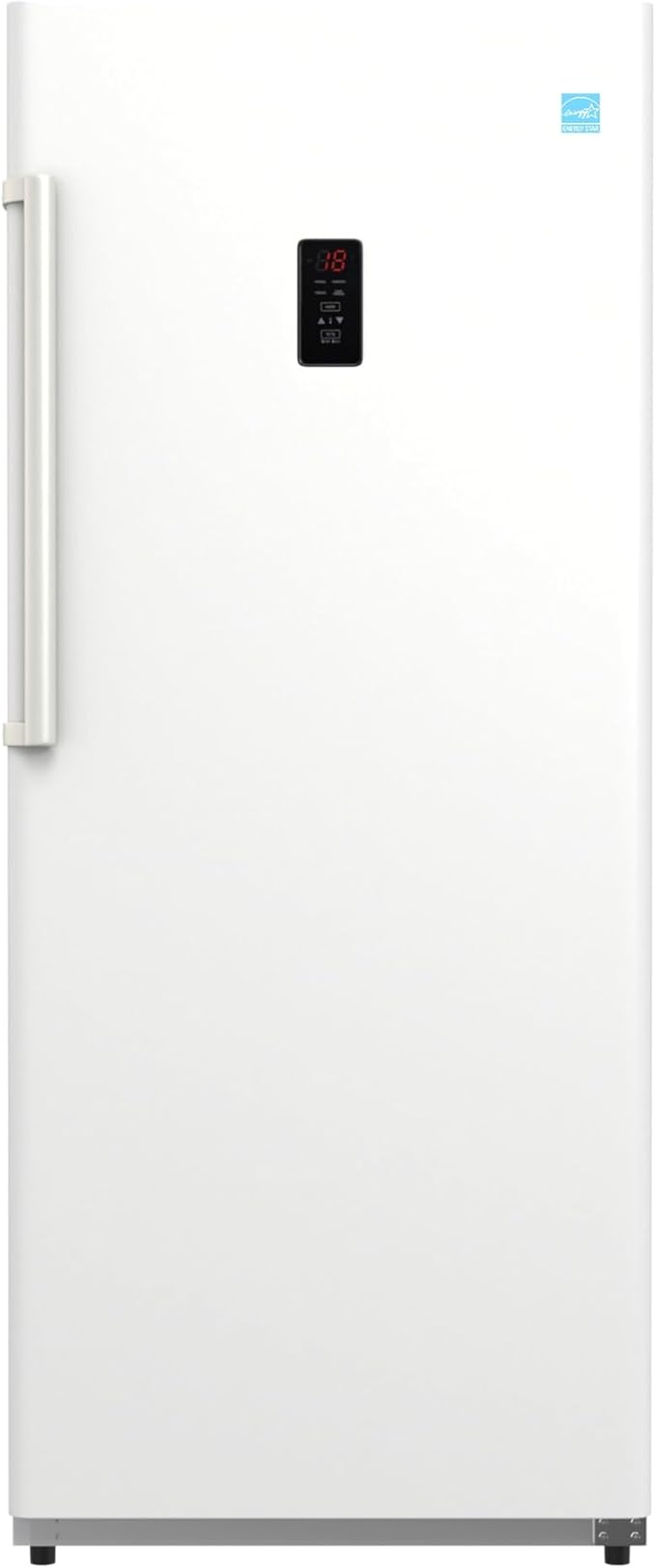
When deciding between a fridge freezer and an undercounter refrigerator, it's essential to understand the unique features and benefits of each option. Both appliances serve distinct functions and cater to different needs.
Overview of Fridge Freezers and Undercounter Refrigerators
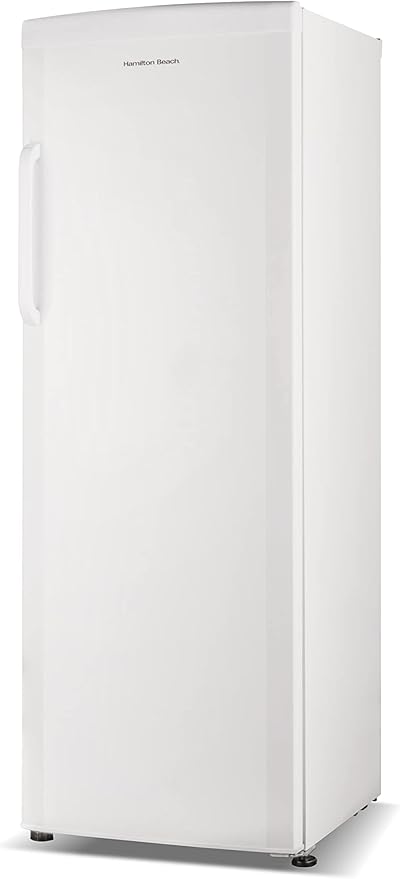
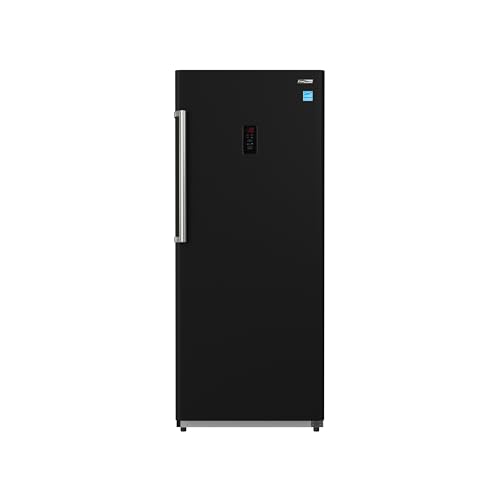
Fridge Freezers: These appliances combine a refrigerator and a freezer in one unit, offering both cooling and freezing capabilities. They come in various sizes and configurations, including top-freezer, bottom-freezer, and side-by-side models. Fridge freezers are typically larger, making them suitable for families and those who need ample storage space for both fresh and frozen foods.
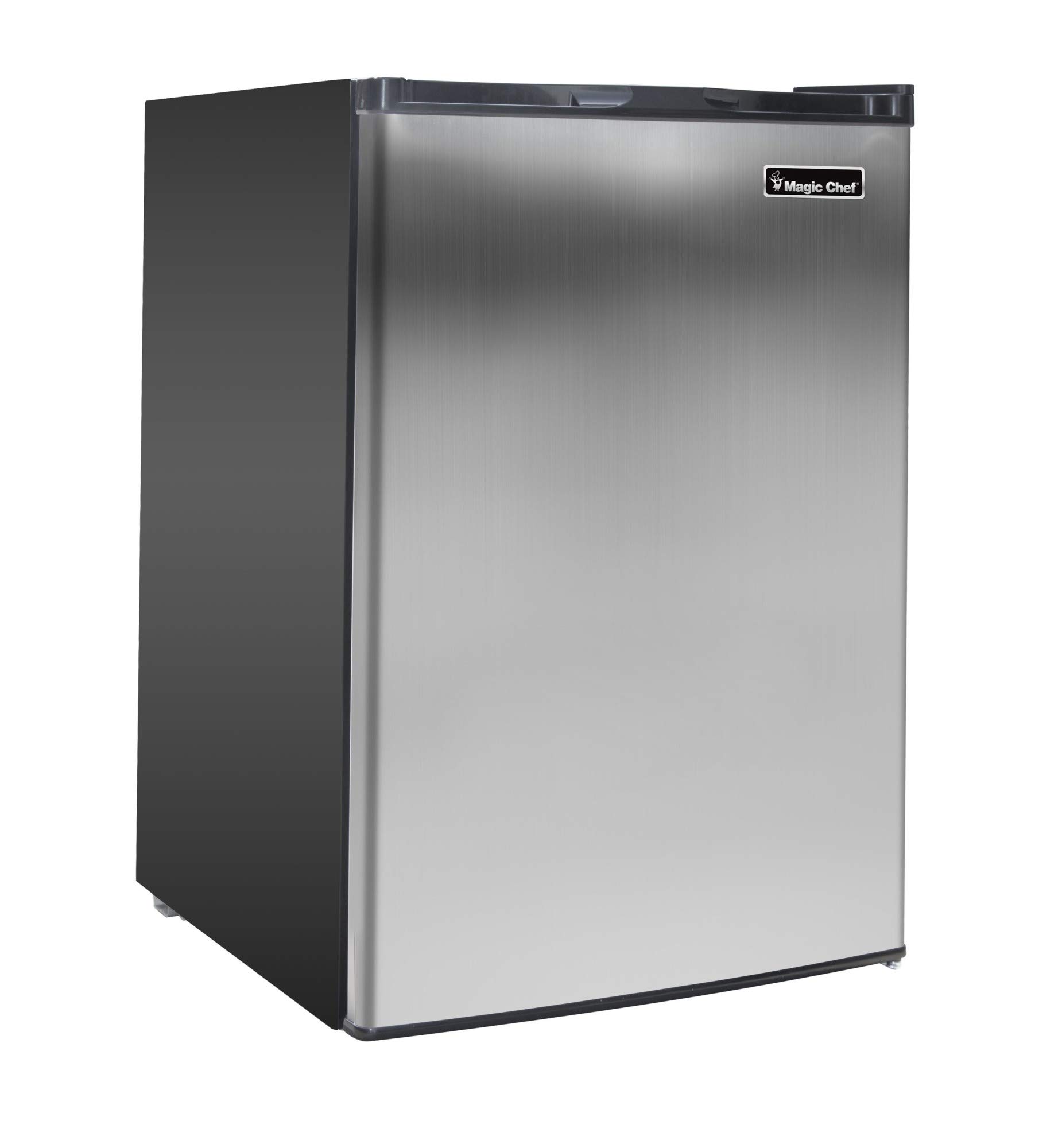
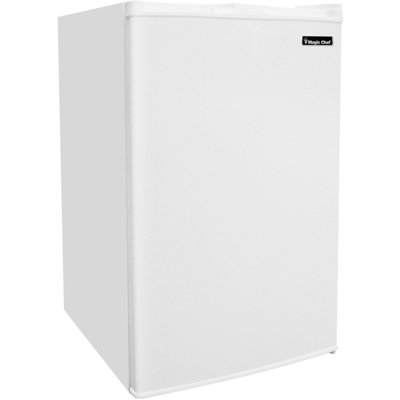
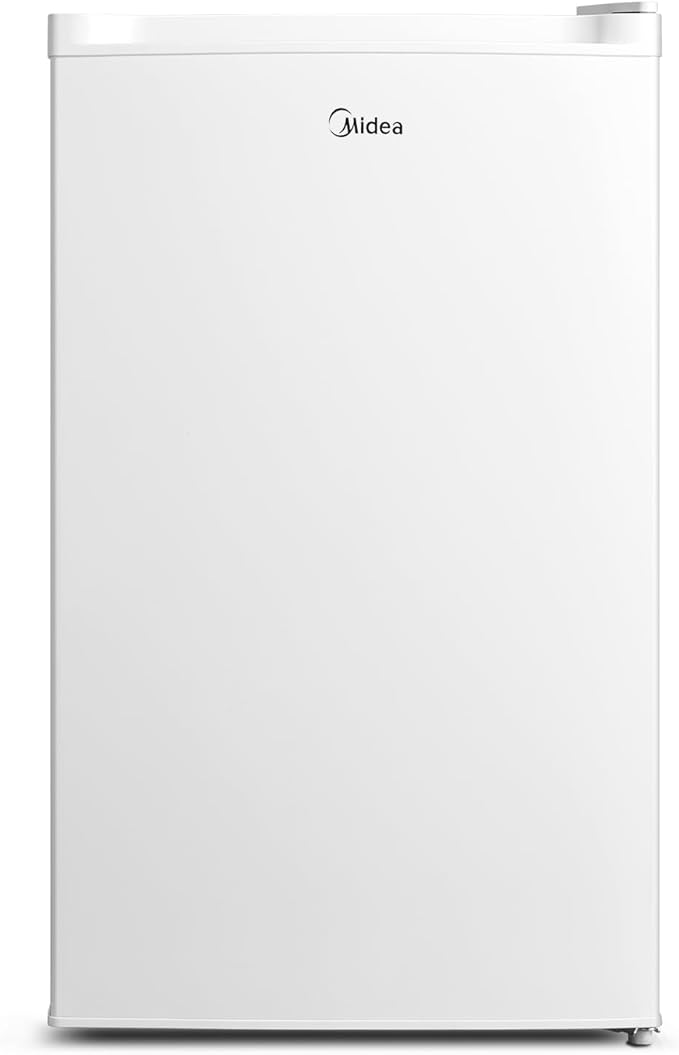
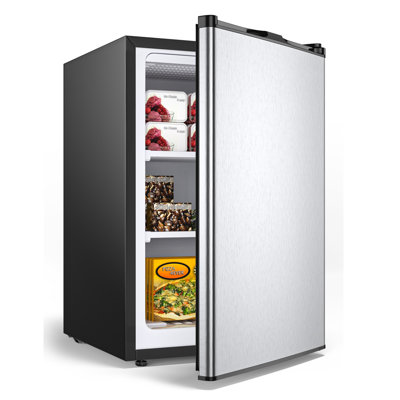
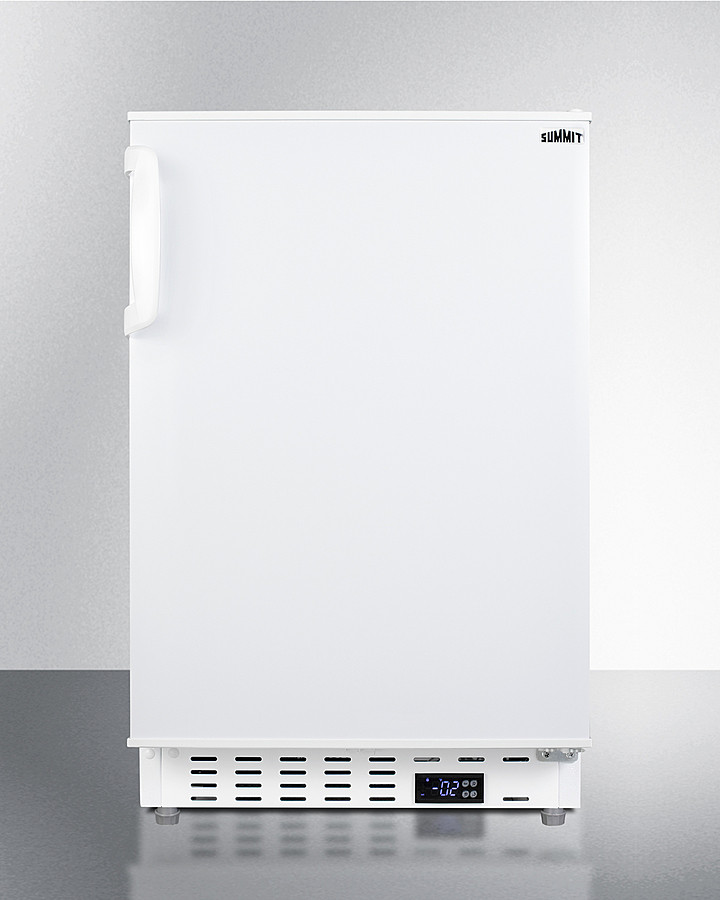
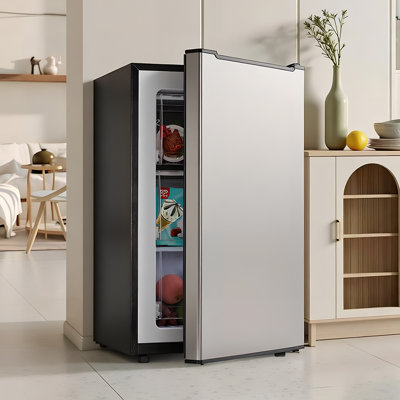
Undercounter Refrigerators: These compact units are designed to fit seamlessly under countertops, providing convenient access to chilled items without taking up much space. They are ideal for small kitchens, offices, or entertainment areas where space is limited. Undercounter refrigerators primarily offer cooling capabilities and usually do not include a freezer compartment.
Factors to Consider When Choosing Between the Two
When deciding between a fridge freezer and an undercounter refrigerator, several factors should be considered:
Space and Placement: Evaluate the available space in your kitchen or designated area. A fridge freezer requires more room, while an undercounter refrigerator can fit snugly under countertops.
Storage Needs: Consider your storage requirements. If you need substantial space for both fresh and frozen foods, a fridge freezer is the better option. For smaller storage needs or additional cooling space, an undercounter refrigerator may suffice.
Usage Frequency: Think about how often you use your refrigerator and freezer. For frequent use, a fridge freezer provides the convenience of having both compartments in one unit. An undercounter refrigerator is suitable for occasional use or as a secondary cooling appliance.
Energy Efficiency: Check the energy consumption of both options. Fridge freezers typically consume more energy due to their larger size and dual functionality. Undercounter refrigerators, being smaller, are generally more energy-efficient.
Design and Aesthetics: Consider the design and style that best fits your space. Fridge freezers come in various designs, including stainless steel and custom panel options. Undercounter refrigerators offer a sleek and integrated look, ideal for modern kitchens and entertainment areas.
Maintenance: Assess the maintenance requirements of each appliance. Fridge freezers may require more maintenance due to their larger size and dual functionality. Undercounter refrigerators are generally easier to maintain and clean.
When deciding between a fridge freezer and an undercounter refrigerator, it's important to consider the size and space requirements of each option.
Fridge Freezer Size and Capacity
Fridge freezers are typically larger units that combine both refrigeration and freezing capabilities. These appliances are designed to accommodate a significant amount of food and beverages, making them ideal for families or those who entertain frequently. The capacity of fridge freezers can vary widely, with some models offering up to 30 cubic feet of storage space.
Fridge Freezer Type
Average Capacity (cubic feet)
Typical Dimensions (H x W x D, inches)
Top-Freezer
14 - 22
65 - 69 x 30 - 33 x 29 - 34
Bottom-Freezer
18 - 25
67 - 70 x 29 - 36 x 29 - 34
Side-by-Side
20 - 30
67 - 70 x 32 - 36 x 29 - 34
French Door
20 - 30
67 - 70 x 30 - 36 x 29 - 34
Fridge freezers are best suited for kitchens with ample space or large households that require extensive storage capacity. For more comparisons on refrigerator types, check out Fridge.com article on standard refrigerator size Vs. wine cellar.
Undercounter Refrigerator Size and Placement Options
Undercounter refrigerators are compact units designed to fit beneath countertops, making them a great choice for smaller spaces. They are commonly used in apartments, offices, and secondary kitchens. The capacity of undercounter refrigerators is generally smaller, ranging from 3 to 6 cubic feet.
Undercounter Refrigerator Type
Average Capacity (cubic feet)
Typical Dimensions (H x W x D, inches)
Standard Undercounter
3 - 6
32 - 34 x 23 - 24 x 22 - 24
Beverage Center
2 - 6
32 - 34 x 23 - 24 x 22 - 24
Drawer Refrigerator
3 - 5
32 - 34 x 23 - 24 x 22 - 24
Undercounter refrigerators offer flexible placement options and can be seamlessly integrated into existing cabinetry. This makes them ideal for maximizing space in smaller kitchens or as an additional cooling solution in larger homes. For more on undercounter options, see Fridge.com article on undercounter refrigerator Vs. wine chiller.
Choosing between a fridge freezer and an undercounter refrigerator depends on your specific needs and space constraints. Consider the size, capacity, and placement options to determine which appliance best fits your lifestyle and kitchen layout. For a broader comparison, you may also explore mini fridge Vs. small upright freezer to find the right cooling solution.
Fridge freezers offer a combination of cooling and freezing capabilities, making them ideal for households requiring versatile storage solutions. They feature separate compartments for refrigeration and freezing, maintaining distinct temperature zones for each. This ensures that your perishables stay fresh while frozen items remain solid.
Fridge freezers typically come with adjustable thermostats, allowing you to set the optimal temperature for both the fridge and freezer sections. The cooling performance is often enhanced by advanced technologies such as frost-free systems and multi-airflow systems, which help maintain consistent temperatures and reduce frost build-up.
Feature
Fridge Freezer
Temperature Range (Fridge)
35°F - 38°F
Temperature Range (Freezer)
0°F - 5°F
Cooling Technology
Multi-airflow, Frost-free
Thermostat
Adjustable
For more on how cooling and freezing technologies vary between different fridge models, check out Fridge.com article on mini fridge Vs. small upright freezer.
Undercounter Refrigerator Cooling Features
Undercounter refrigerators are designed primarily for cooling, making them suitable for spaces where freezing is not a priority. These compact units fit seamlessly under kitchen countertops, providing easy access to beverages and perishables.
Undercounter refrigerators usually have adjustable shelving and precise temperature controls to keep your items chilled to your preference. They often feature auto-defrost systems, which help reduce maintenance by preventing ice build-up. Some models also come with built-in fans to ensure even air distribution, maintaining a consistent temperature throughout the unit.
Feature
Undercounter Refrigerator
Temperature Range
35°F - 40°F
Cooling Technology
Auto-defrost, Built-in fans
Thermostat
Adjustable
Placement
Under-counter
For more on how undercounter refrigerators compare with other compact cooling solutions, visit Fridge.com article on undercounter refrigerator Vs. wine chiller.
Considering the cooling and freezing capabilities of fridge freezers versus undercounter refrigerators can help you determine which appliance best suits your needs. Whether you require versatile storage with freezing options or a compact cooling unit, understanding these features is key to making an informed decision.
When selecting between a fridge freezer and an undercounter refrigerator, design and aesthetics play a crucial role. Each option offers unique features and styles that can complement your home's decor and fit your specific needs.
Fridge Freezer Design and Style Options
Fridge freezers are available in a variety of designs and styles, making it easy to find one that matches your kitchen's aesthetic. These appliances often come in standard, counter-depth, and built-in designs, providing flexibility in terms of placement and integration.
Standard Fridge Freezers: These models are typically freestanding and come in various finishes, including stainless steel, black, and white. They often feature side-by-side or top-and-bottom configurations.
Counter-Depth Fridge Freezers: Designed to align with your kitchen countertops, these models offer a seamless look. They are slightly shallower than standard models but provide a sleek and modern appearance.
Built-In Fridge Freezers: These are designed to be integrated into your cabinetry for a customized, high-end look. They often include panel-ready options, allowing you to match them with your existing cabinets.
Undercounter Refrigerator Integration and Appearance
Undercounter refrigerators are designed to fit seamlessly under your kitchen counter, making them an excellent choice for those with limited space or looking to maintain a clean, uncluttered look. These refrigerators are available in various styles and can be easily integrated into different settings, including kitchens, bars, and outdoor areas.
Compact and Sleek Design: Undercounter refrigerators are typically compact, making them perfect for small spaces. They are available in various finishes, such as stainless steel and black, to match your kitchen decor.
Customizable Options: Many undercounter refrigerators come with customizable door panels, allowing you to match them with your cabinetry for a cohesive look. This feature is especially useful for maintaining a uniform appearance in your kitchen.
Versatile Placement: These refrigerators can be placed in various locations, such as under kitchen counters, in home bars, or even in outdoor kitchens. Their versatility makes them a popular choice for homeowners looking to maximize space.
Comparison Table: Fridge Freezer Vs. Undercounter Refrigerator
When comparing a fridge freezer to an undercounter refrigerator, energy efficiency and maintenance are key considerations.
Fridge Freezer Energy Consumption
Fridge freezers are generally larger and consume more energy than undercounter refrigerators. However, modern fridge freezers are designed with energy efficiency in mind, often featuring advanced insulation and energy-saving modes. These features can help to lower your overall energy consumption.
To get a sense of energy usage, consider the following table:
Undercounter refrigerators require regular maintenance to ensure optimal performance. Because they are smaller, they often need more frequent cleaning and defrosting to prevent ice buildup and ensure efficient cooling. Maintenance tasks may include:
Cleaning: Wiping down surfaces and removing any spills to prevent mold and bacteria.
Defrosting: Manual defrosting to remove ice buildup.
Checking Seals: Inspecting door seals to ensure they are airtight.
By keeping up with these maintenance tasks, you can extend the lifespan of your undercounter refrigerator and maintain its efficiency. For a deeper dive into other appliances, visit Fridge.com article on undercounter refrigerator Vs. wine chiller.
Understanding the energy efficiency and maintenance requirements of both fridge freezers and undercounter refrigerators can help you make an informed decision. For more comparisons, you might find Fridge.com articles on mini fridge freezer Vs. outdoor freezer and see through refrigerator Vs. upright freezer useful.
When deciding between a fridge freezer and an undercounter refrigerator, cost is a significant factor to consider. This section will break down the initial costs associated with each type of appliance.
Initial Cost of Fridge Freezers
Fridge freezers generally have a higher initial cost due to their dual functionality and larger size. They combine both refrigeration and freezing capabilities, making them a versatile choice for many households. The price can vary based on features, capacity, and design.
Feature
Cost Range ($)
Basic Model
500 - 1,000
Mid-Range Model
1,000 - 1,500
High-End Model
1,500 - 3,000
Given the diverse options, you may find it useful to compare fridge freezers to other types of appliances, such as mini fridge freezers Vs. outdoor freezers.
Initial Cost of Undercounter Refrigerators
Undercounter refrigerators are typically more affordable than fridge freezers. They are designed to fit under countertops, making them a popular choice for smaller spaces like apartments, offices, or additional storage in larger kitchens.
Feature
Cost Range ($)
Basic Model
300 - 700
Mid-Range Model
700 - 1,200
High-End Model
1,200 - 2,000
For those comparing different types of undercounter appliances, you might find it helpful to look at comparisons such as undercounter refrigerators Vs. wine chillers.
When considering the initial cost, it's important to weigh these prices against other factors like energy efficiency, maintenance, and the specific needs of your household. For a broader comparison, you can explore other articles like beverage centers Vs. slate refrigerators or garage refrigerators Vs. glass door mini fridges.
Compare prices on Fridge.com
Compare current prices and specifications on Fridge.com, then buy from the retailer you choose; delivery, installation and warranty terms are the retailer’s.
It also has tons of awesome articles about kitchen stuff and home news. Enhance your home, garage, backyard, patio, and office with the coolest essentials. With every necessary type of residential refrigerator or freezer in the collection, you're covered.
Free tool
Food Storage Calculator
Free interactive tool from Fridge.com — get a quick answer while you read.