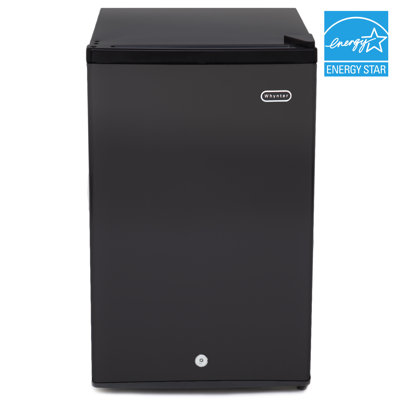
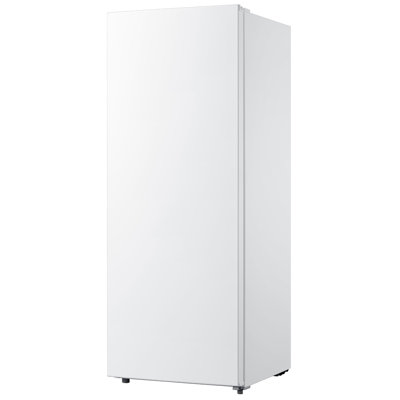
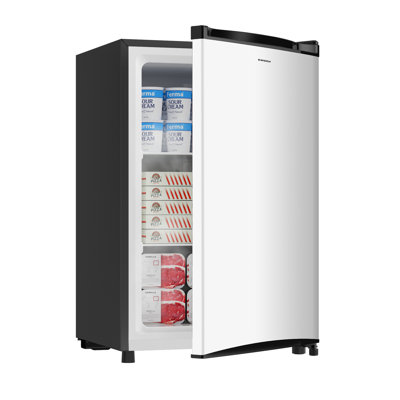
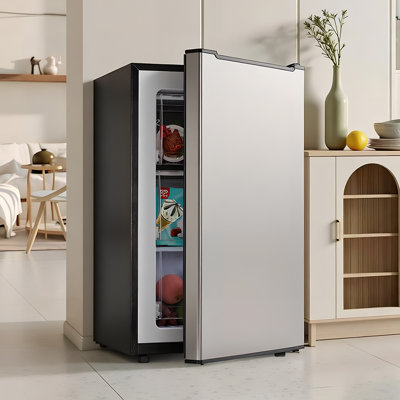
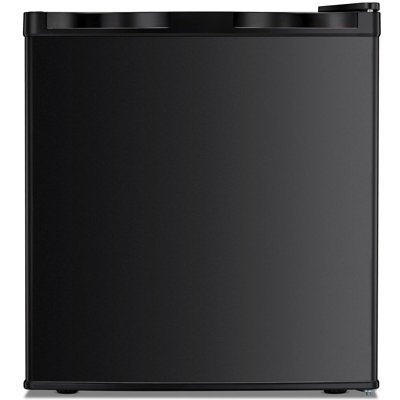
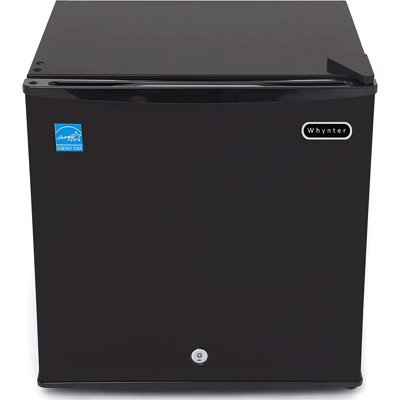
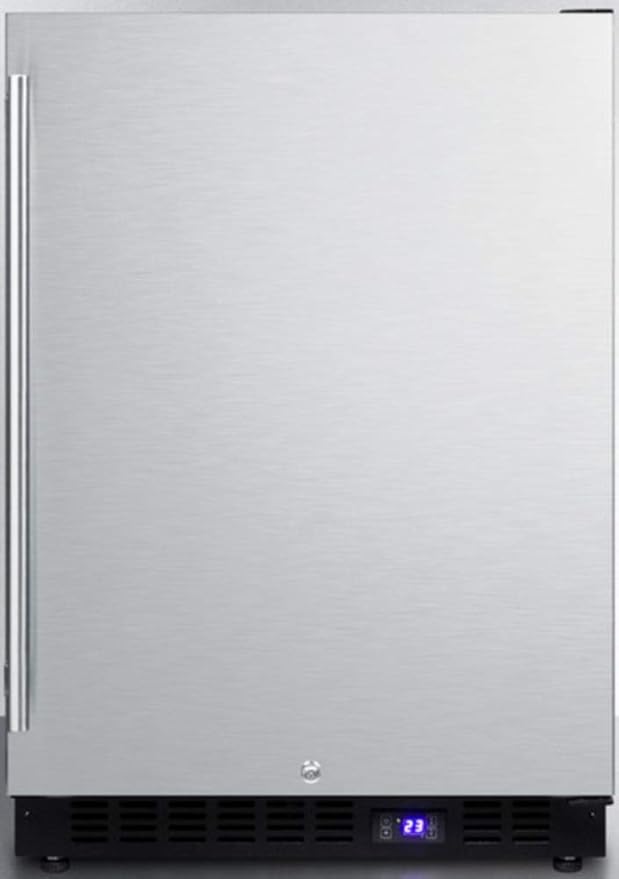
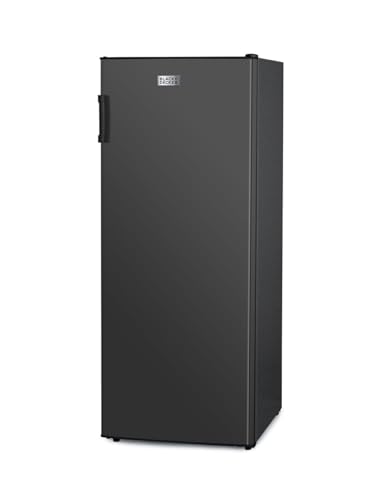
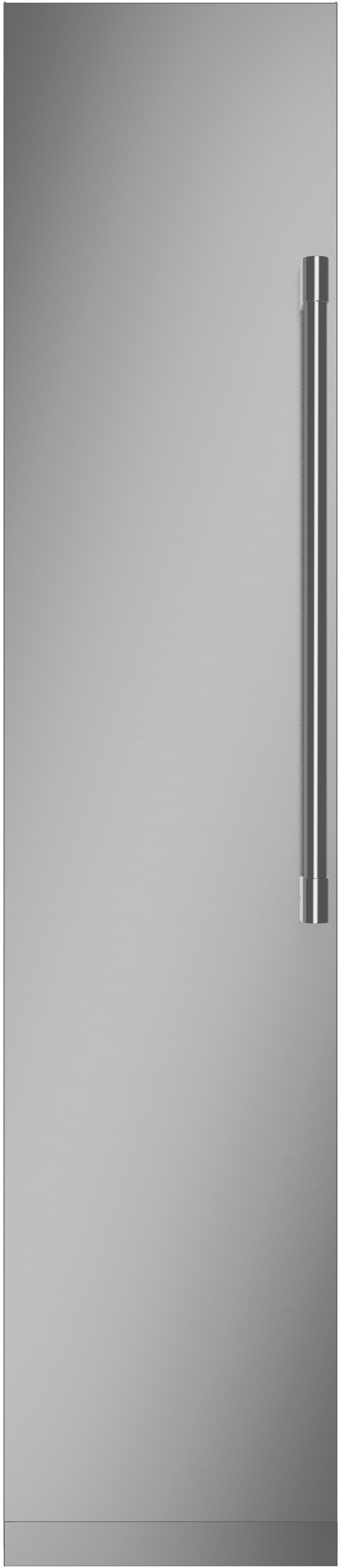
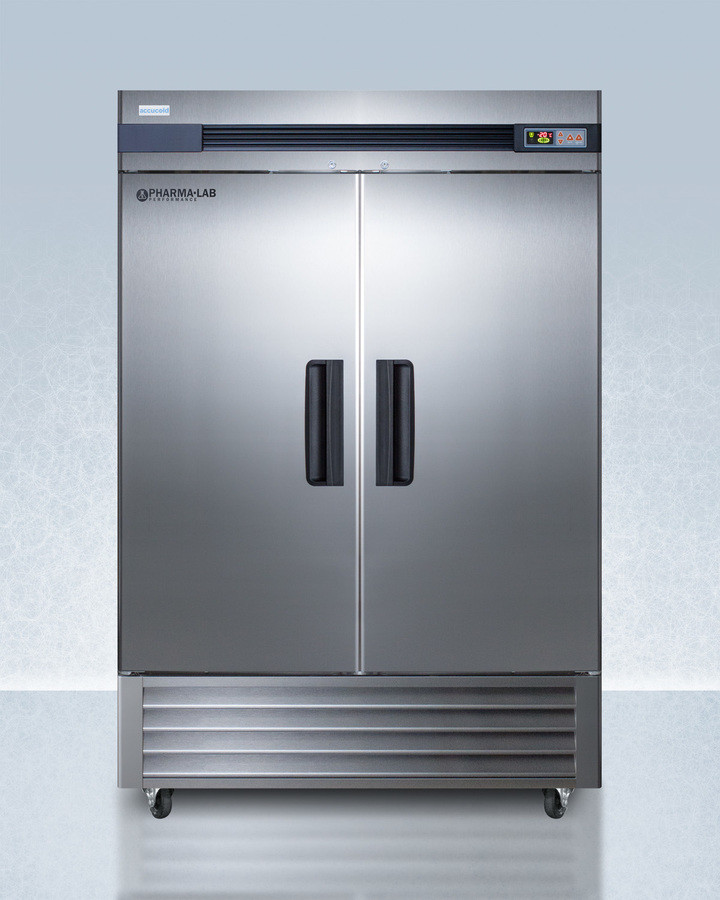
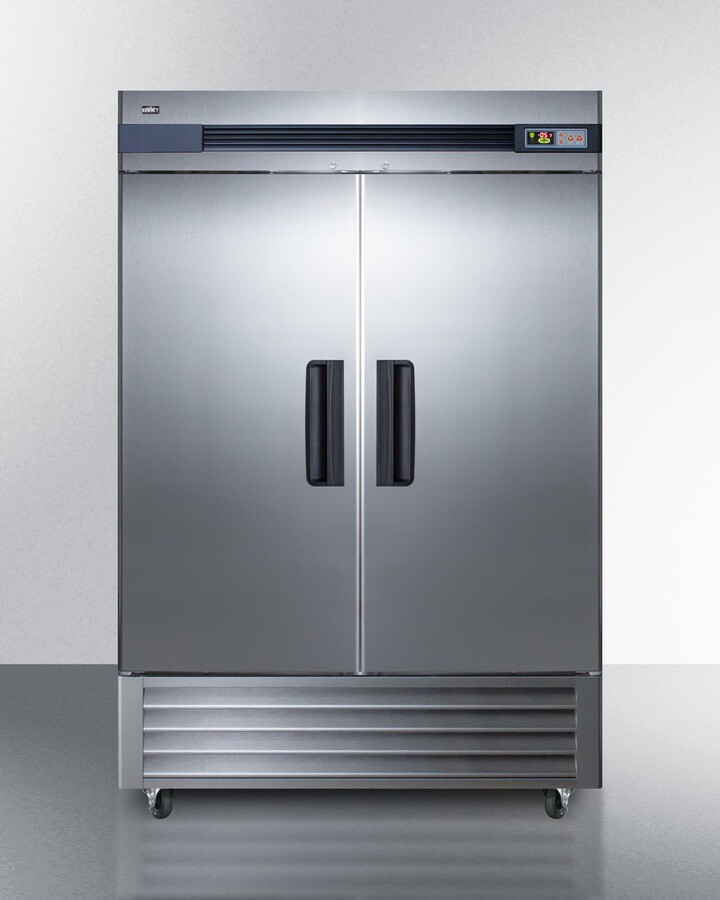
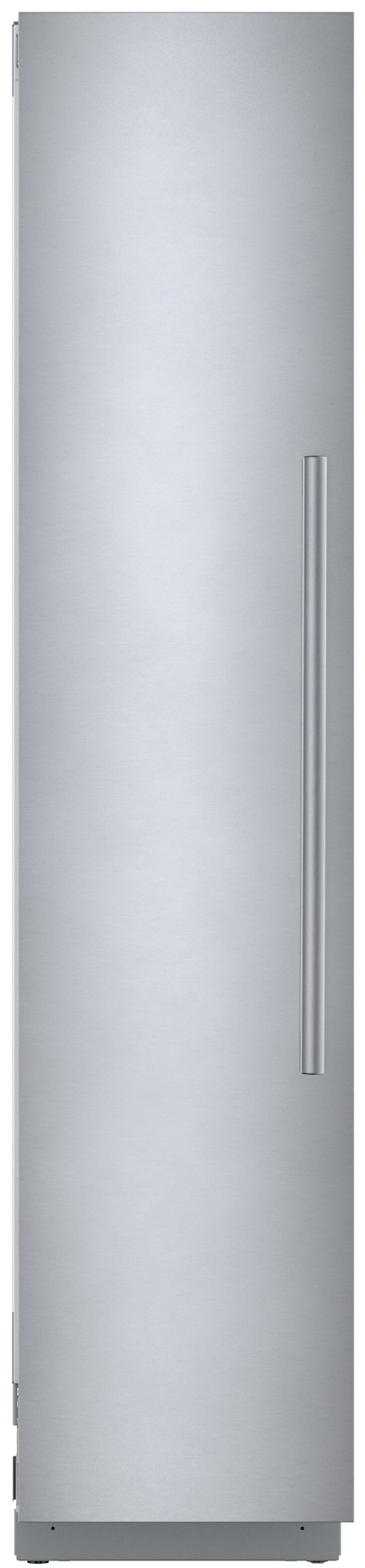
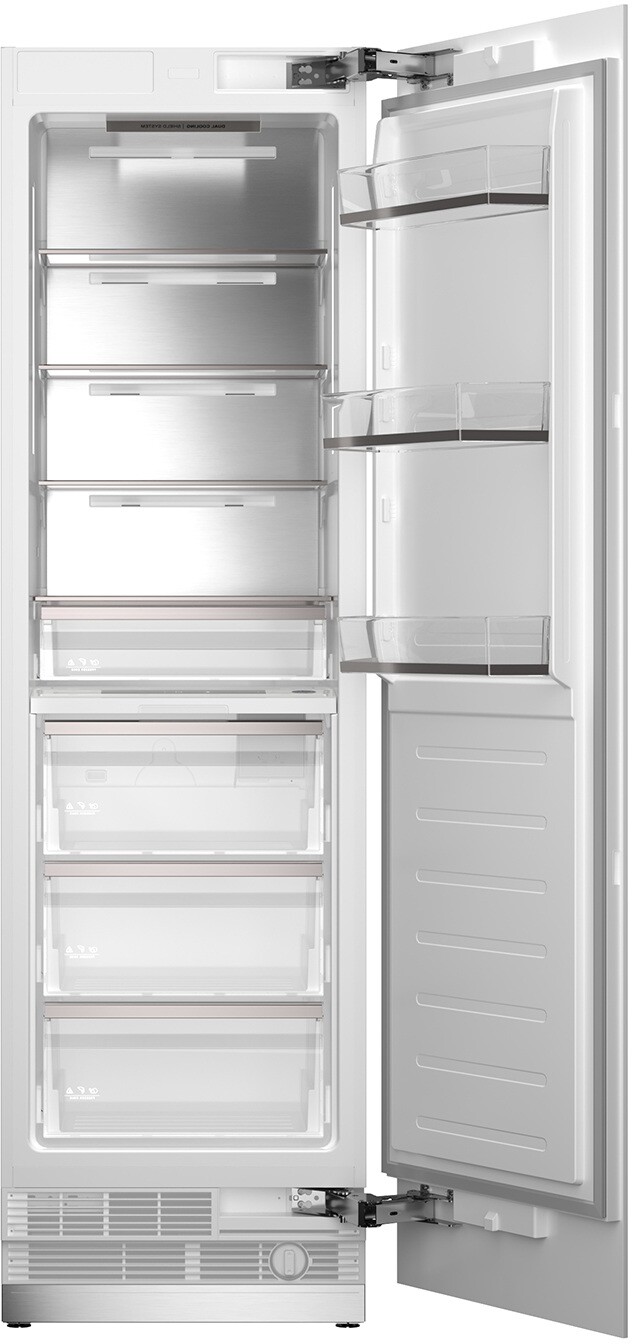
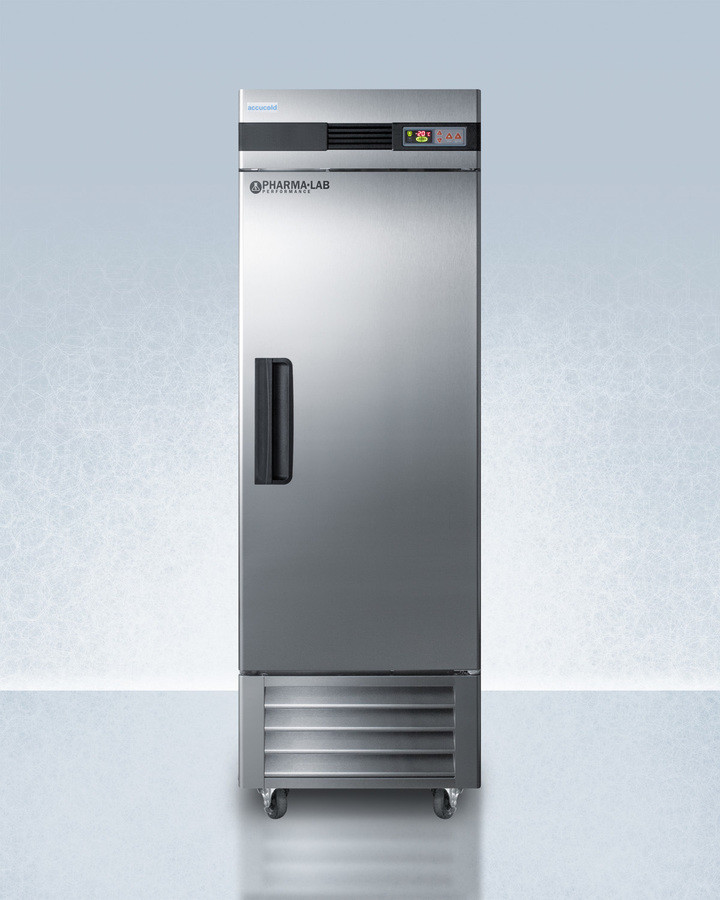
Defrosting your upright freezer is essential for maintaining its efficiency and longevity. Over time, frost can build up on the freezer walls and coils, reducing the appliance's ability to maintain a consistent temperature. This makes the compressor work harder, leading to increased energy consumption and potential wear and tear on the unit.
Regular defrosting helps prevent these issues, ensuring your freezer runs smoothly and efficiently. Additionally, removing frost buildup allows for more storage space, making it easier to organize and access your frozen items. For more tips on maintaining your freezer, visit Fridge.com article on built in freezer Vs. garage freezer.
Signs That Your Upright Freezer Needs Defrosting
Recognizing when your upright freezer needs defrosting is crucial for optimal performance. Here are some common signs to look out for:
Thick Frost Layer: If you notice a thick layer of frost (over 1/4 inch) on the walls or shelves, it's time to defrost.
Difficulty Closing the Door: Excessive frost can prevent the door from sealing properly, leading to temperature fluctuations.
Reduced Storage Space: Frost buildup reduces available storage space, making it harder to organize your items.
Increased Energy Bills: Your freezer may consume more energy if the compressor is working harder due to frost buildup.
Sign
Indicator
Thick Frost Layer
Frost over 1/4 inch thick
Difficulty Closing the Door
Door does not seal properly
Reduced Storage Space
Less room for items
Increased Energy Bills
Higher electricity consumption
If you observe any of these signs, it's time to defrost your freezer. For more information on freezer maintenance, check out Fridge.com article on is a chest freezer or upright freezer better.
Understanding the importance of defrosting and recognizing the signs that indicate your freezer needs attention can help you maintain its efficiency and prolong its lifespan. For additional tips on managing your appliances, visit our best fridge for national coquito day article.
Before you start the defrosting process, proper preparation is key. This ensures that the process goes smoothly and efficiently.
Emptying the Freezer
The first step in defrosting your upright freezer is to empty its contents. Remove all food items and place them in a cooler or another freezer to keep them cold during the defrosting process. This step is essential to prevent food spoilage and to give you full access to the freezer's interior.
Organize your food items to keep track of what needs to be used first once the defrosting is complete. Consider grouping items by type or expiration date.
Once the freezer is empty, the next step is to turn it off. Unplug the unit from the electrical outlet to ensure it is completely powered down. This is crucial for safety and to allow the ice to melt naturally.
If your freezer has an internal light, make sure it is off to confirm that the unit is no longer receiving power. Consult your freezer's manual for specific instructions on turning off and unplugging the unit.
For more information on the differences between various types of freezers, visit Fridge.com article on built in freezer Vs. garage freezer.
By following these steps, you are well on your way to a successful defrosting process, ensuring your upright freezer remains in optimal condition. For further details on defrosting methods, check out Fridge.com guide on how to an defrost upright freezer.
Defrosting Process
Defrosting your upright freezer is an essential maintenance task to ensure it operates efficiently. Here, Fridge.com explores two methods for defrosting: the natural defrosting method and speeding up defrosting safely.
Natural Defrosting Method
The natural defrosting method involves allowing the ice to melt on its own. This method is straightforward and doesn't require any additional tools or equipment.
Unplug the Freezer
Unplug the freezer from the power source to ensure safety during the defrosting process.
Open the Freezer Door
Leave the freezer door open to allow warm air to enter and melt the ice.
Absorb Water with Towels
Place towels at the bottom of the freezer and on the floor to absorb the melting ice water.
Wait for Ice to Melt
Allow the ice to melt naturally. This process can take several hours, depending on the amount of ice buildup.
Remove Large Chunks of Ice
As the ice begins to melt, you can gently remove large chunks with a plastic scraper. Avoid using sharp objects to prevent damage to the freezer.
Speeding Up Defrosting Safely
If you need to defrost your upright freezer more quickly, there are safe methods to expedite the process.
Use a Fan
Position a fan near the freezer door to blow warm air inside. This helps to speed up the melting process.
Warm Water Method
Place containers of hot water inside the freezer to accelerate the melting of ice. Be sure to use heat-resistant containers and handle them with care.
Hairdryer Technique
Use a hairdryer on a low heat setting to blow warm air over the ice. Keep the hairdryer at a safe distance to avoid any electrical hazards and ensure you don't overheat any plastic parts.
Method
Time to Defrost (Approx)
Safety Tips
Natural Defrosting
4 - 24 hours
No risk, ensure towels are in place
Fan Method
2 - 6 hours
Ensure fan is stable and safe
Warm Water
1 - 3 hours
Use heat-resistant containers
Hairdryer
1 - 3 hours
Use low heat setting, keep distance
For those who need more tips on maintaining their freezer, check out Fridge.com article on built in freezer Vs. garage freezer. Additionally, if you're interested in the best freezer options for various needs, explore best mini freezer for a nomad house
.
By following these methods, you can effectively defrost your upright freezer, ensuring it continues to operate efficiently. Always remember safety first, and never use sharp objects or excessive heat that could damage your appliance. For more freezer maintenance tips, read Fridge.com article on how long can you keep frozen shrimp in the freezer?.
Once you have successfully defrosted your upright freezer, it's crucial to clean and dry it thoroughly before restarting. This ensures a fresh and hygienic environment for your food items.
Cleaning the Interior
After defrosting, the interior of your freezer will likely be damp and may contain residual water and ice. To clean the interior:
Remove Shelves and Drawers: Take out all removable parts, such as shelves and drawers, for separate cleaning.
Prepare Cleaning Solution: Use a mixture of warm water and mild detergent. Avoid harsh chemicals which can leave harmful residues.
Wipe Down Surfaces: Using a soft cloth or sponge, wipe down the interior walls, shelves, and drawers. Pay special attention to corners and crevices where food particles can accumulate.
Rinse and Dry: Wipe the surfaces again with a cloth dampened with clean water to remove any soap residue. Then, use a dry towel to thoroughly dry all areas.
Properly drying your freezer is just as important as cleaning. Moisture left inside can lead to mold growth and unpleasant odors.
Use Towels: After cleaning, use dry towels to absorb any remaining moisture from the interior surfaces.
Leave the Door Open: Prop the freezer door open for a few hours to air dry completely. This helps to ensure that any hidden moisture evaporates.
Check Seals: Make sure the door seals are dry to prevent mildew.
Step
Description
1
Use towels to absorb moisture
2
Leave the door open
3
Check seals
For more information on maintaining your freezer, check out Fridge.com article on built in freezer Vs. garage freezer.
By following these steps, you can ensure your upright freezer is clean, dry, and ready to be restocked. For tips on organizing your freezer, see Fridge.com guide on restocking and organizing the freezer.
After successfully defrosting and cleaning your upright freezer, it's time to restart it and organize the contents efficiently.
Turning the Freezer Back On
To turn your freezer back on, follow these simple steps:
Reconnect to Power: Plug the freezer back into the electrical outlet.
Power On: Turn the freezer on using the power switch or control panel.
Set Temperature: Adjust the thermostat to the desired temperature. For optimal freezing, set the temperature to 0°F (-18°C).
Step
Action
1
Plug in the freezer
2
Turn on the power
3
Set the temperature to 0°F (-18°C)
Allow the freezer to run for a few hours to reach the set temperature before restocking it with food. This ensures that the internal environment is cold enough to preserve the food items properly.
Restocking and Organizing the Freezer
Once the freezer has reached the desired temperature, it's time to restock and organize it. Here are some tips to help you efficiently organize your freezer:
Sort Food Items: Group similar items together. For example, keep meats in one section, vegetables in another, and frozen meals in yet another.
Label and Date: Use labels to mark the contents and date of freezing. This helps in keeping track of the freshness of each item.
Use Storage Bins: Utilize storage bins or containers to keep smaller items organized and easily accessible.
Maintain Airflow: Avoid overloading the freezer. Ensure there is enough space for air to circulate, which helps in maintaining an even temperature throughout.
For more tips on organizing your freezer, check out Fridge.com article on built in freezer Vs. garage freezer.
By following these steps, you can ensure that your upright freezer runs efficiently and your food stays well-preserved. For more information on freezer maintenance and related topics, visit Fridge.com articles on how long can you keep frozen shrimp in the freezer? and things frozen in the fridge.
Compare upright freezer prices on Fridge.com
Compare current prices and specifications on Fridge.com, then buy from the retailer you choose; delivery, installation and warranty terms are the retailer’s.
It also has tons of awesome articles about kitchen stuff and home news. Enhance your home, garage, backyard, patio, and office with the coolest essentials. With every necessary type of residential refrigerator or freezer in the collection, you're covered.
Free tool
Freezer BTU Calculator
Free interactive tool from Fridge.com — get a quick answer while you read.