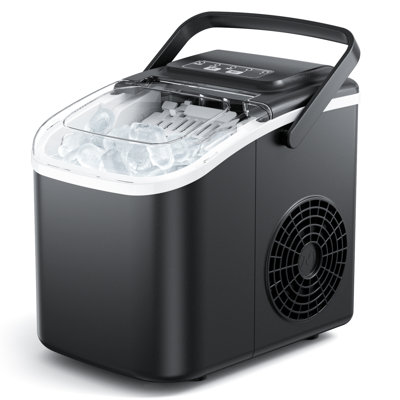
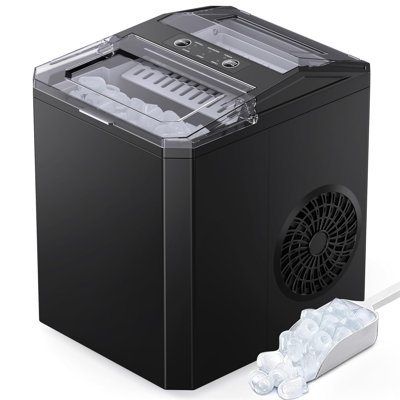
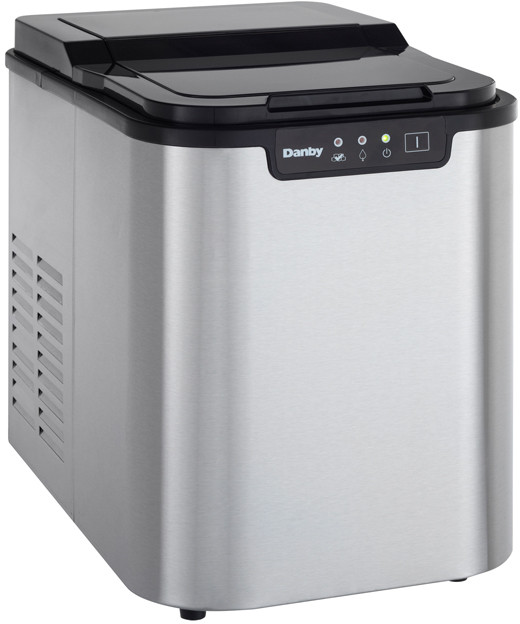
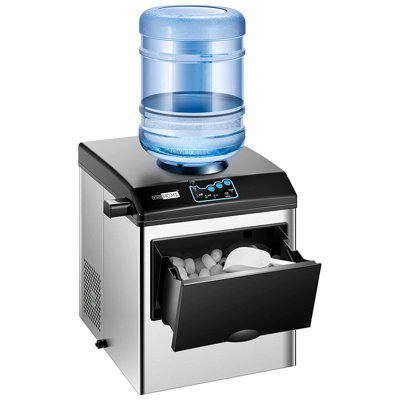
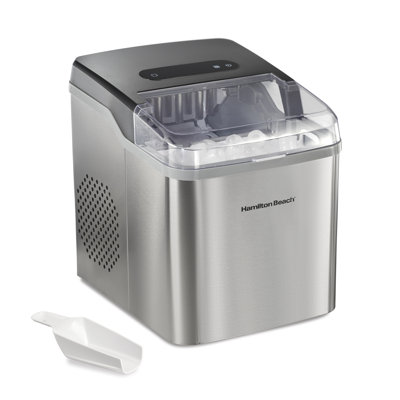
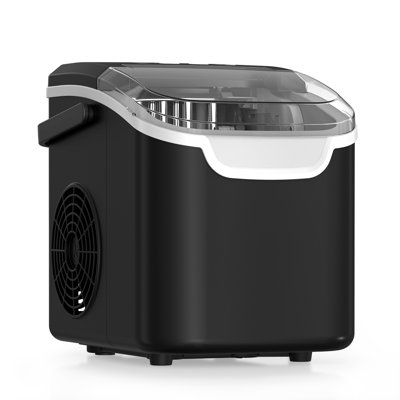
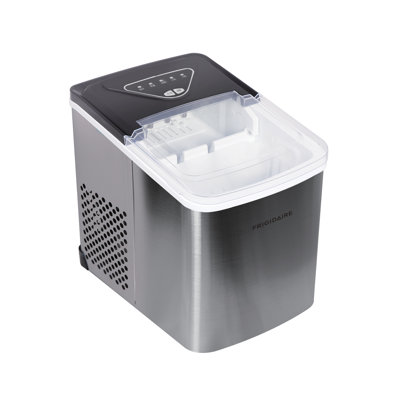
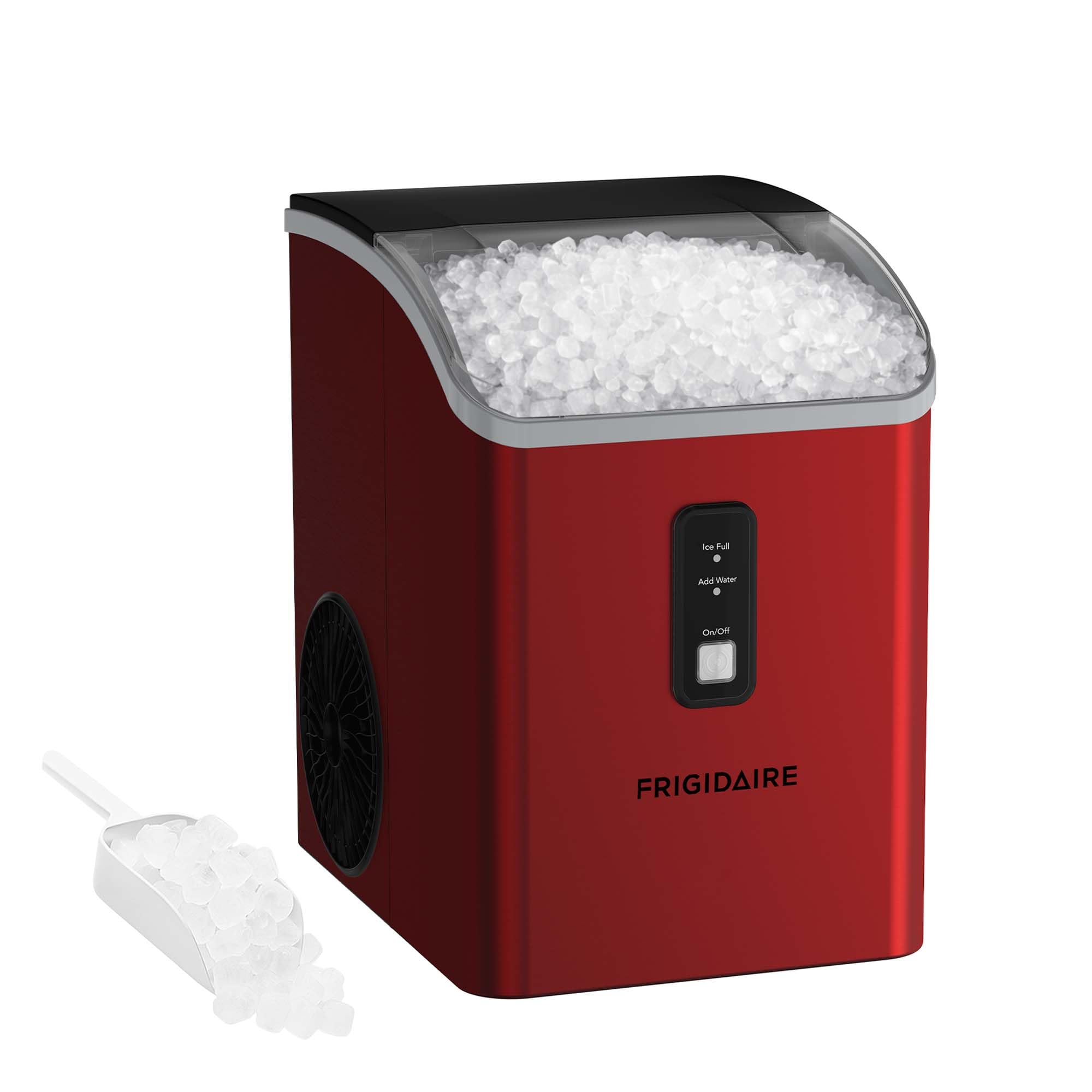
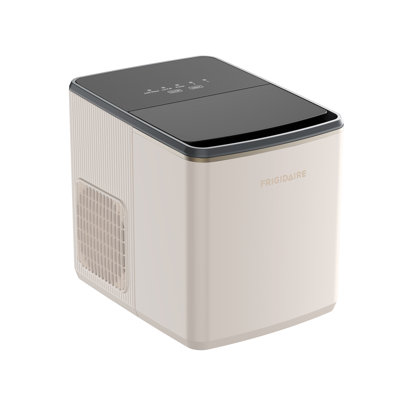
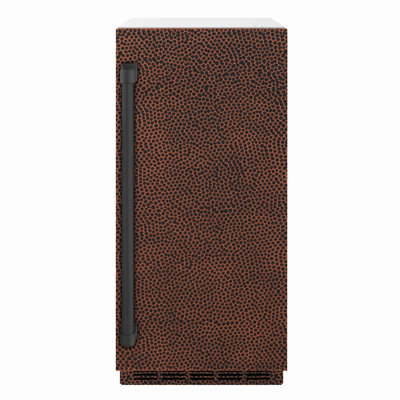
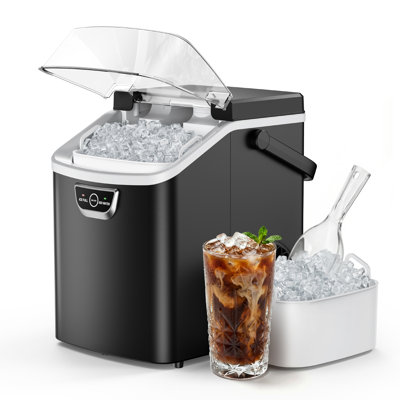
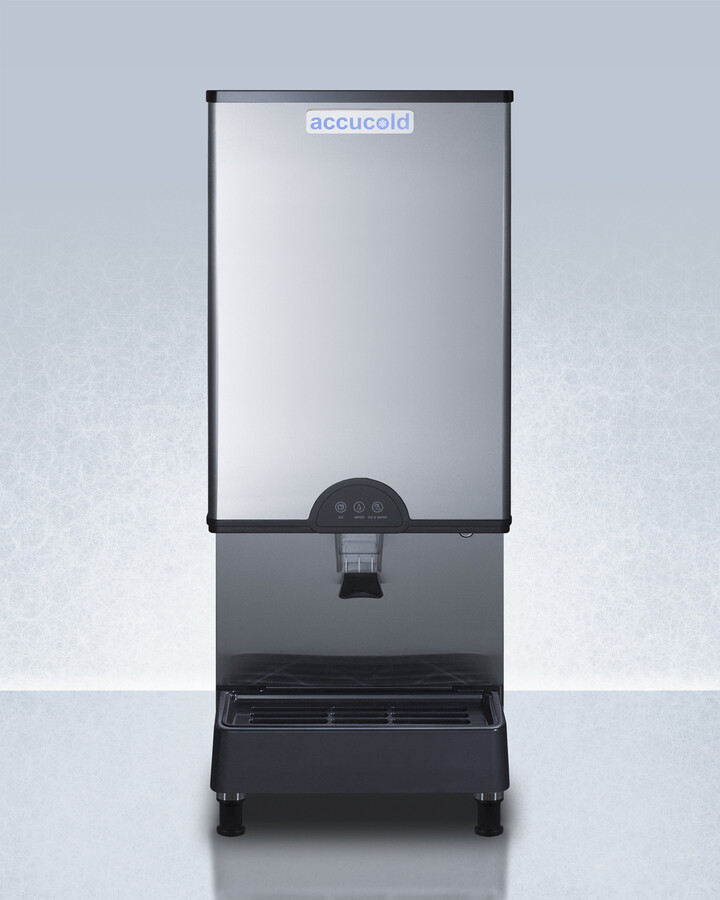
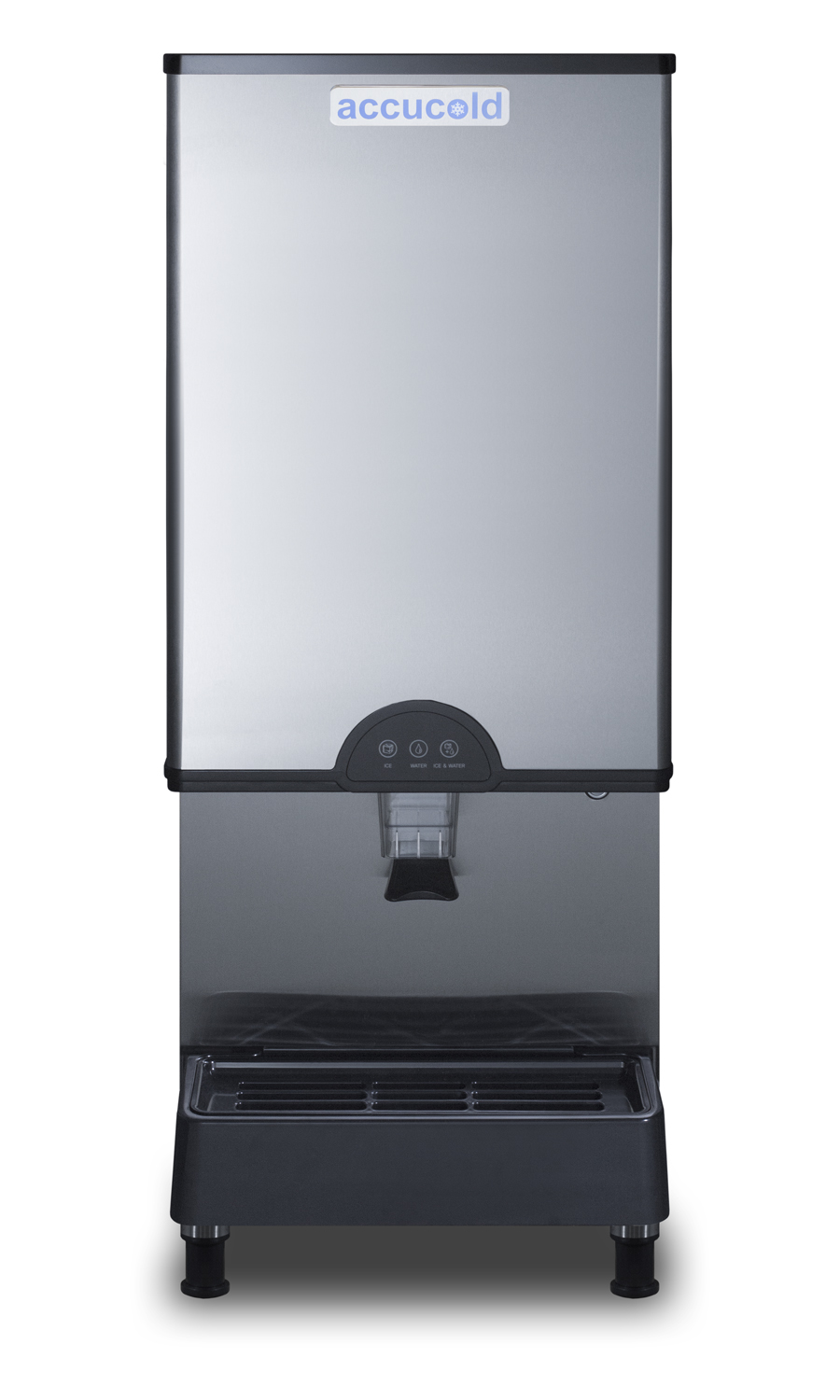
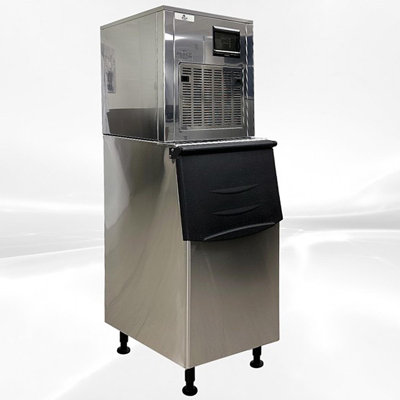
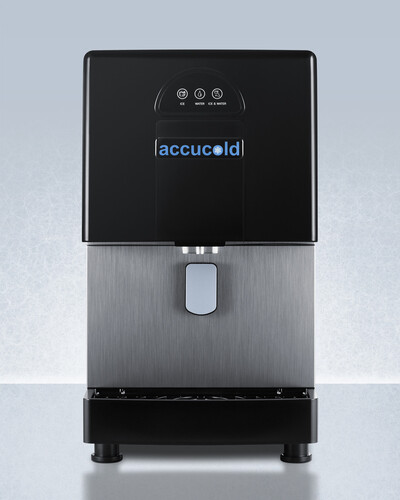
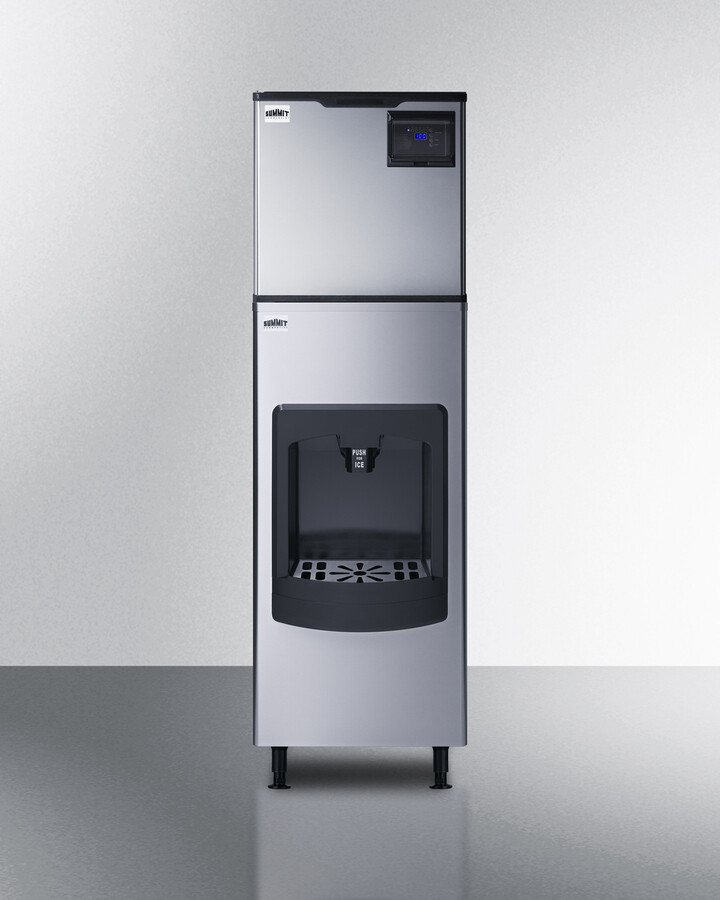
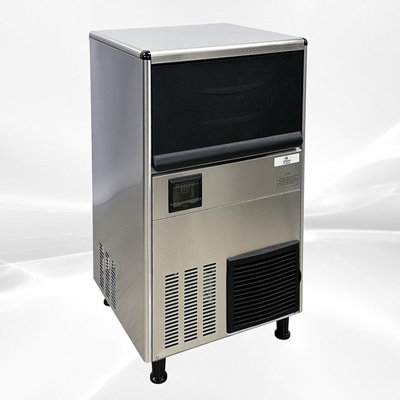
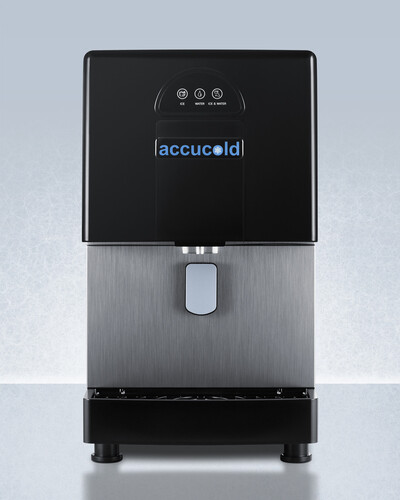
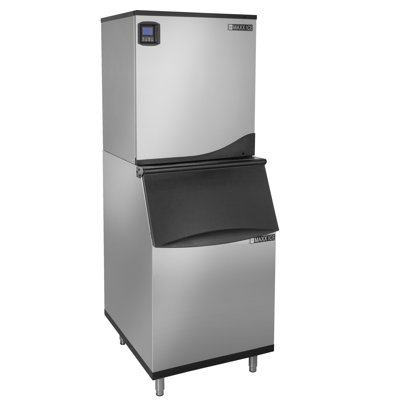
When it comes to choosing between a built-in ice maker and a refrigerator cooler, it's important to understand the key differences. Each appliance serves a distinct purpose and offers unique benefits depending on your needs.
Feature
Built-In Ice Maker
Refrigerator Cooler
Primary Function
Produces ice
Cools and stores food and beverages
Installation
Integrated into cabinetry
Standalone or built-in
Ice Production
High capacity
Limited ice-making capability
Storage
Ice bin
Shelves and compartments
Maintenance
Requires regular cleaning
Less frequent maintenance needed
A built-in ice maker is specifically designed to produce a large quantity of ice. It is typically integrated into your kitchen cabinetry or bar area, providing a seamless look. This appliance is ideal for those who frequently entertain or need a steady supply of ice.
On the other hand, a refrigerator cooler primarily cools and stores food and beverages. While some refrigerator coolers come with an ice maker feature, their ice production capacity is generally lower compared to dedicated ice makers. Refrigerator coolers are versatile and can be used in various settings, including homes, offices, and outdoor spaces.
For more information on choosing the best appliance for your needs, check out Fridge.com articles on built in wine cooler Vs. freezer cooler and freestanding refrigerator Vs. wine cellar.
Understanding these fundamental differences will help you make an informed decision when comparing a built in ice maker Vs. refrigerator cooler for your home or commercial space.
Built-in ice makers are designed to be installed within your cabinetry or under your countertop, providing a seamless and integrated look. They are connected directly to your water line, ensuring a continuous supply of ice without the need for manual refills. These units can produce a significant amount of ice daily, making them ideal for households that frequently entertain or have a high demand for ice.
Built-in ice makers come with various features to enhance their functionality:
Automatic Shut-Off: This feature prevents the ice maker from overfilling by stopping ice production once the storage bin is full.
Ice Shape Options: Some models allow you to choose between different ice shapes, such as cubes, nuggets, or crushed ice.
Self-Cleaning Function: Many built-in ice makers have a self-cleaning cycle, making maintenance easier.
Insulated Storage Bin: Keeps the ice cold and slows down melting.
Refrigerator coolers are versatile appliances designed to keep your food and beverages at optimal temperatures. They come in various sizes and styles, making them suitable for different settings, from homes to offices and even outdoor spaces.
Features and Functionality
Refrigerator coolers offer a range of features that contribute to their functionality. Here are some key aspects:
Temperature Control: Most refrigerator coolers come with adjustable temperature settings, allowing you to customize the cooling level based on your needs.
Storage Capacity: These coolers are available in various capacities, from compact models suitable for small spaces to larger units that can accommodate more items.
Energy Efficiency: Many modern refrigerator coolers are designed to be energy-efficient, helping you save on electricity bills.
Design and Aesthetics: Refrigerator coolers come in different designs, including freestanding and built-in models, to complement your space's decor.
Additional Features: Some models include features like adjustable shelves, door bins, and LED lighting for enhanced visibility.
Feature
Description
Temperature Control
Adjustable settings for customized cooling
Storage Capacity
Various sizes available
Design
Freestanding and built-in options
Additional Features
Adjustable shelves, door bins, LED lighting
Pros and Cons of Refrigerator Coolers
Understanding the advantages and disadvantages of refrigerator coolers can help you make an informed decision.
Pros:
Versatility: Suitable for various settings, including homes, offices, and outdoor spaces.
Temperature Control: Allows you to maintain optimal cooling for different types of food and beverages.
Energy Efficiency: Energy-saving features contribute to lower electricity bills.
Storage Options: Multiple sizes and configurations to fit your needs.
Design Flexibility: Available in various styles to match your decor.
Cons:
Initial Cost: Some models can be expensive, especially those with advanced features.
Space Requirements: Larger units may require significant space, which could be a limitation in smaller areas.
Maintenance: Regular cleaning and maintenance are necessary to ensure optimal performance.
For more insights on choosing the right refrigerator cooler for specific occasions, check out Fridge.com article on the best fridge for national coquito day or best fridge for national mason jar day.
Understanding the features and weighing the pros and cons will guide you in selecting the best refrigerator cooler for your needs. Whether you're looking for a unit for your home, garage, or outdoor space, there's a refrigerator cooler that fits your requirements. For more information on different types of refrigeration options, visit Fridge.com section on freestanding drawer freezer Vs. stainless steel refrigerator.
When deciding between a built-in ice maker and a refrigerator cooler, several factors need to be considered to ensure you make the right choice for your needs.
Space and Installation Requirements
Space and installation are crucial when choosing between a built-in ice maker and a refrigerator cooler. Built-in ice makers require dedicated space and specific installation requirements. They are typically installed under countertops or within cabinetry, making them a permanent fixture in your kitchen or bar area.
In contrast, refrigerator coolers are more versatile in terms of placement. They can be freestanding or integrated into existing kitchen layouts, making them suitable for various settings, from homes to offices. If you have limited space, a refrigerator cooler may be the more flexible option.
Factor
Built-In Ice Maker
Refrigerator Cooler
Installation
Permanent
Flexible
Space
Requires dedicated space
Versatile placement
Mobility
Fixed
Can be moved
Ice Production Capacity
Ice production capacity is another important consideration. Built-in ice makers generally have a higher ice production capacity compared to refrigerator coolers. They are designed to produce large quantities of ice, making them ideal for households or commercial settings that require a constant supply of ice.
Refrigerator coolers, on the other hand, typically have a lower ice production capacity. They are more suitable for moderate ice needs, such as family gatherings or small parties. If you frequently host events or require a substantial amount of ice, a built-in ice maker may be the better option.
Factor
Built-In Ice Maker
Refrigerator Cooler
Ice Production
High
Moderate
Ideal Use
Large gatherings, commercial
Family use, small parties
Maintenance and Cleaning
Maintenance and cleaning are essential to ensure the longevity and efficiency of both built-in ice makers and refrigerator coolers. Built-in ice makers often require more frequent maintenance and cleaning due to their higher ice production and complex mechanisms.
Regular cleaning of the ice-making components and water lines is necessary to prevent scale buildup and ensure the quality of the ice. Refrigerator coolers, while still requiring maintenance, are generally easier to clean. They have fewer components involved in ice production, making the cleaning process simpler.
Factor
Built-In Ice Maker
Refrigerator Cooler
Maintenance Frequency
High
Moderate
Cleaning Complexity
Complex
Simple
Understanding these factors can help you make an informed decision on whether a built-in ice maker or a refrigerator cooler is the best fit for your needs. For more insights on different types of refrigerators and coolers, check out Fridge.com articles on best garage refrigerator for a fly in house and best fridge for national bacon day.
When deciding between a built-in ice maker and a refrigerator cooler, it's essential to consider the setting where it will be used. Each appliance has unique advantages and limitations depending on the environment.
Home Use
For home settings, both built-in ice makers and refrigerator coolers can be valuable additions. Built-in ice makers are ideal for those who entertain frequently or have large families. They provide a steady supply of ice without taking up valuable freezer space. On the other hand, refrigerator coolers offer versatility, allowing you to store beverages and food alongside ice.
Feature
Built-In Ice Maker
Refrigerator Cooler
Ice Production
High
Moderate
Storage Capacity
Ice only
Food and beverages
Space Requirements
Requires installation
Freestanding or built-in
Outdoor Use
For outdoor use, such as in backyards, patios, or near pools, the choice between a built-in ice maker and a refrigerator cooler depends on specific requirements. Built-in ice makers can be installed in outdoor kitchens or bars, providing a constant supply of ice for drinks and cooling. Refrigerator coolers, however, offer the flexibility to store both ice and refreshments, making them suitable for outdoor gatherings and events.
For more outdoor appliance options, see Fridge.com article on the best garage refrigerator for a fly in house.
Feature
Built-In Ice Maker
Refrigerator Cooler
Ice Production
High
Moderate
Storage Capacity
Ice only
Food and beverages
Weather Resistance
High
Varies
Commercial Use
In commercial settings, such as restaurants, cafes, and bars, the choice between a built-in ice maker and a refrigerator cooler is often dictated by the volume of ice required and available space. Built-in ice makers are essential for establishments that need large quantities of ice quickly. Refrigerator coolers can serve a dual purpose, providing ice and additional storage for food and beverages.
For more information on commercial refrigerator options, check out Fridge.com article on the convertible freezer refrigerator Vs. reach in refrigerator.
Feature
Built-In Ice Maker
Refrigerator Cooler
Ice Production
Very high
High
Storage Capacity
Ice only
Food and beverages
Space Requirements
Requires installation
Freestanding or built-in
Understanding the suitability of built-in ice makers and refrigerator coolers for different settings helps you make an informed decision. For more details on selecting the best appliances, explore Fridge.com related articles on freestanding refrigerator Vs. wine cellar and garage refrigerator Vs. undercounter beverage cooler.
Compare prices on Fridge.com
Compare current prices and specifications on Fridge.com, then buy from the retailer you choose; delivery, installation and warranty terms are the retailer’s.
It also has tons of awesome articles about kitchen stuff and home news. Enhance your home, garage, backyard, patio, and office with the coolest essentials. With every necessary type of residential refrigerator or freezer in the collection, you're covered.
Free tool
Beverage Cooler Size Calculator
Free interactive tool from Fridge.com — get a quick answer while you read.