When choosing between a drawer refrigerator and an undercounter refrigerator, understanding their unique features is key. Both types offer specific advantages depending on your needs and space.
Introduction to Drawer Refrigerators
Drawer refrigerators are designed with convenience in mind. These units typically feature pull-out drawers that allow easy access to your stored items. Ideal for those who value organization, drawer refrigerators help you keep food items separated and easily accessible.
Drawer refrigerators are often installed at waist or counter height, making them particularly useful in kitchens, home bars, or entertainment areas. They provide a seamless look and can be integrated into existing cabinetry for a sleek, modern appearance. For more information on different refrigerator types, check out Fridge.com article on column refrigerator Vs. refrigerator drawer.
Introduction to Undercounter Refrigerators
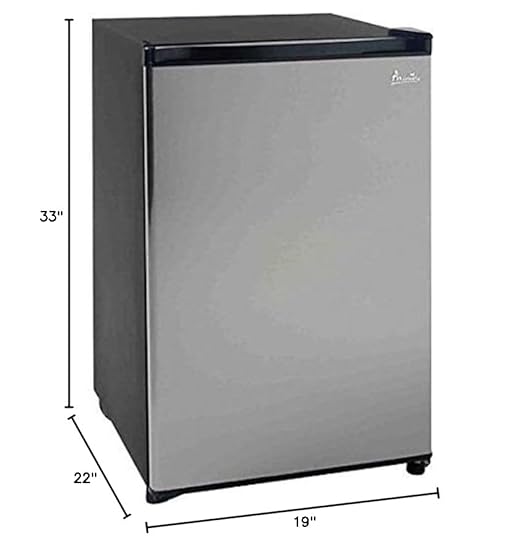
Undercounter refrigerators are compact units designed to fit beneath countertops, making them a perfect choice for smaller spaces. These refrigerators are versatile and can be used in a variety of settings, such as kitchens, offices, and outdoor areas.
Undercounter refrigerators typically have a front-opening door, similar to traditional refrigerators, but in a smaller size. They offer ample storage space while maintaining a low profile, allowing you to maximize your available space. For a comparison with other refrigerator types, see Fridge.com article on column freezer Vs. undercounter beverage cooler.
Feature
Drawer Refrigerators
Undercounter Refrigerators
Installation Height
Waist/Counter Height
Beneath Countertops
Accessibility
Pull-Out Drawers
Front-Opening Door
Ideal Use
Kitchens, Home Bars, Entertainment Areas
Kitchens, Offices, Outdoor Areas
Integration
Seamless Cabinetry Integration
Low Profile
Understanding these key differences can help you decide which type of refrigerator best suits your needs and lifestyle. Whether you prioritize convenience and organization or compactness and versatility, both drawer and undercounter refrigerators have unique benefits to offer.
When deciding between drawer refrigerators and undercounter refrigerators, it's essential to understand their design features and installation requirements. Each type offers unique benefits tailored to different needs and preferences.
Drawer Refrigerators Features
Drawer refrigerators are designed to blend seamlessly into your kitchen cabinetry, offering a sleek and modern look. These refrigerators open horizontally, similar to kitchen drawers, making them convenient for storing and accessing items.
Key Features:
Accessibility: Easy to open and close, providing quick access to stored items.
Organization: Drawers can be compartmentalized, allowing for organized storage of various food items.
Integration: Can be fully integrated into kitchen design, maintaining the aesthetic flow.
Ergonomics: No need to bend down, making it easier to reach items, especially for those with mobility issues.
Customizable: Often come with adjustable dividers and temperature zones, offering flexibility in storage.
Feature
Description
Accessibility
Easy horizontal opening
Organization
Compartmentalized storage
Integration
Blends with kitchen cabinetry
Ergonomics
Reduces need to bend down
Customizable
Adjustable dividers and temperature
Undercounter Refrigerators Features
Undercounter refrigerators are compact units designed to fit under kitchen counters or islands. These refrigerators typically open with a standard door mechanism, similar to full-sized refrigerators.
Key Features:
Space-Saving: Ideal for small kitchens, apartments, or areas with limited space.
Versatility: Suitable for various settings, including kitchens, bars, and outdoor areas.
Capacity: Offers substantial storage despite compact size, with different shelving options.
Installation: Requires proper ventilation and space planning for installation.
Flexibility: Can function as a primary or secondary refrigerator, depending on needs.
When deciding between a drawer refrigerator and an undercounter refrigerator, understanding the pros and cons of each type can help you make an informed choice that fits your needs.
Drawer Refrigerators Pros and Cons
Drawer refrigerators offer a unique blend of accessibility and style. Here are some of the advantages and disadvantages:
Pros
Cons
Easy access to stored items
Limited storage capacity
Can be installed at ergonomic heights
Generally more expensive
Sleek, modern design
May require custom cabinetry
Ideal for specific storage needs (e.g., snacks, beverages)
Less versatile for large items
Drawer refrigerators are particularly useful in settings where quick and easy access to certain items is important, such as in a kitchen island or an outdoor kitchen setup. For more insights on outdoor refrigeration options, check out Fridge.com article on outdoor refrigerator Vs. reach in refrigerator.
Undercounter Refrigerators Pros and Cons
Undercounter refrigerators are a versatile and space-saving option. Here are the key pros and cons:
Pros
Cons
Larger storage capacity compared to drawer refrigerators
Harder to access items at the back
Generally more affordable
May not blend seamlessly with cabinetry
Flexible installation options
Less specialized storage compartments
Good for storing a variety of items
Can be noisier than drawer units
Undercounter refrigerators are often used in home bars, office break rooms, and garage workshops. For additional comparisons, you might find Fridge.com article on ice maker Vs. top freezer refrigerator helpful.
By weighing the pros and cons of drawer refrigerators and undercounter refrigerators, you can choose the one that best aligns with your lifestyle and storage needs. For more detailed comparisons on various refrigerator types, visit Fridge.com article on 3 door refrigerator Vs. fridge freezer.
Drawer refrigerators are designed to maximize space utilization efficiently. They typically feature multiple drawers that can be independently accessed, making it easy to organize and retrieve your items. This design is particularly useful in smaller kitchens or spaces where vertical space is limited.
Drawer refrigerators come in various sizes, allowing you to choose one that fits your available space and storage needs. The layout of these refrigerators often includes deep drawers that can hold larger items such as bottles, tall containers, and bulkier food items.
Feature
Drawer Refrigerator
Typical Width
24 - 36 inches
Drawer Depth
12 - 24 inches
Storage Capacity
4 - 6 cubic feet per drawer
Number of Drawers
2 - 4
Undercounter Refrigerators Capacity
Undercounter refrigerators are built to fit seamlessly under the counter, providing a sleek and integrated look. These refrigerators are ideal for spaces like home bars, outdoor kitchens, or any area where additional refrigeration is needed without taking up too much space.
Undercounter refrigerators vary in capacity, often providing more vertical storage space compared to drawer refrigerators. This makes them suitable for storing taller items and larger quantities of food and beverages.
Feature
Undercounter Refrigerator
Typical Width
24 - 36 inches
Height
32 - 34 inches
Storage Capacity
4 - 6 cubic feet
Shelving
Adjustable shelves
Understanding the space and capacity differences between drawer refrigerators and undercounter refrigerators can help you determine which option best fits your needs. For more detailed comparisons on various refrigerator types, check out Fridge.com articles on outdoor refrigerator Vs. reach in refrigerator and 3 door refrigerator Vs. fridge freezer.
Energy Efficiency and Maintenance
When comparing drawer refrigerators and undercounter refrigerators, energy efficiency and maintenance are key factors to consider. Understanding how each type performs in these areas can help you make an informed decision.
Energy Efficiency of Drawer Refrigerators
Drawer refrigerators are designed to be energy-efficient, often featuring advanced technologies to minimize power consumption. Many models come with energy-saving modes and efficient compressors that help reduce electricity usage. Here's a comparison of energy consumption between drawer refrigerators and undercounter refrigerators:
Refrigerator Type
Average Annual Energy Consumption (kWh)
Drawer Refrigerator
300 - 450
Undercounter Refrigerator
250 - 400
The energy efficiency of a drawer refrigerator can contribute to lower utility bills over time. However, it is essential to choose a model with a good energy rating to maximize these benefits. Check the Energy Star certification and other efficiency ratings when selecting a drawer refrigerator.
Maintenance of Undercounter Refrigerators
Undercounter refrigerators require regular maintenance to ensure optimal performance. While these units are generally easy to maintain, there are a few key tasks to keep in mind:
Cleaning the Condenser Coils: Dust and debris can accumulate on the condenser coils, reducing efficiency. Cleaning the coils at least twice a year is recommended.
Defrosting: Some undercounter refrigerators may require periodic defrosting to prevent ice build-up.
Checking Door Seals: Ensure the door seals are tight and free of cracks to maintain energy efficiency.
Replacing Water Filters: If your undercounter refrigerator has a built-in water dispenser or ice maker, replace the water filters as recommended by the manufacturer.
For more tips on maintaining your refrigerator, visit Fridge.com article on .
Maintenance Task
Frequency
Clean Condenser Coils
Bi-Annually
Defrosting
As Needed
Check Door Seals
Monthly
Replace Water Filters
Every 6 Months
By understanding the energy efficiency and maintenance requirements of drawer and undercounter refrigerators, you can make a well-informed decision that suits your lifestyle. For further comparisons and insights, explore other Fridge.com articles like outdoor refrigerator Vs. reach in refrigerator and ice maker Vs. top freezer refrigerator.
Selecting the right refrigerator can be a daunting task, especially when comparing drawer refrigerators and undercounter refrigerators. Your choice should align with your lifestyle and specific needs. Here are some key considerations and factors to keep in mind.
Considerations for Your Lifestyle
When deciding between a drawer refrigerator and an undercounter refrigerator, it's essential to evaluate how each option fits into your daily life. Here are some aspects to consider:
Usage: Think about how you plan to use the refrigerator. Drawer refrigerators are great for frequently accessed items, making them ideal for families or individuals who cook often. Undercounter refrigerators are perfect for storing beverages, snacks, or as additional storage space.
Location: Consider where you will place the refrigerator. Drawer refrigerators work well in kitchens, outdoor spaces, or even in islands. Undercounter refrigerators are versatile and can fit under counters, in bars, or in office settings.
Accessibility: Drawer refrigerators provide easy access without bending, which can be a significant advantage for people with mobility issues. Undercounter refrigerators, while also convenient, may require more bending and reaching.
Factors to Keep in Mind
Several factors should influence your decision when comparing drawer refrigerators and undercounter refrigerators. Here are some key points:
Space and Capacity: Evaluate the available space and your storage needs. Drawer refrigerators offer flexible storage solutions and are often designed to maximize space. Undercounter refrigerators typically have a larger capacity but require more floor space.
Feature
Drawer Refrigerator
Undercounter Refrigerator
Space Utilization
High
Moderate
Capacity
Lower
Higher
Energy Efficiency: Energy consumption is a critical factor in any appliance. Both types of refrigerators offer energy-efficient models, but it's essential to compare their energy ratings to find the most efficient option for your needs.
Maintenance: Maintenance requirements can vary between the two types. Drawer refrigerators often have fewer components and are easier to clean, while undercounter refrigerators might require more regular maintenance, especially if used in busy environments.
Feature
Drawer Refrigerator
Undercounter Refrigerator
Maintenance
Low
Moderate to High
Technology and Features: Look for additional features that can enhance your user experience. Some drawer refrigerators come with customizable temperature zones, while undercounter refrigerators might offer advanced cooling technologies.
For a more detailed comparison of refrigerator types, you can explore articles like outdoor refrigerator Vs. reach in refrigerator and ice maker Vs. top freezer refrigerator.
Compare current prices and specifications on Fridge.com, then buy from the retailer you choose; delivery, installation and warranty terms are the retailer’s.
It also has tons of awesome articles about kitchen stuff and home news. Enhance your home, garage, backyard, patio, and office with the coolest essentials. With every necessary type of residential refrigerator or freezer in the collection, you're covered.
From Fridge.com research
Figures below come from data Fridge.com builds and maintains. Each links to the record behind it.
Fridge.com Energy Index, built on U.S. EPA and DOE ENERGY STAR records
Across 5,455 ENERGY STAR certified refrigerators and freezers from 263 brands, median use is 360 kWh per year.