Choosing the right fridge can be a game-changer, whether you're a homeowner, chef, or just love food. Let's break down two popular types: drawer fridges and reach-in fridges.
Drawer Fridges
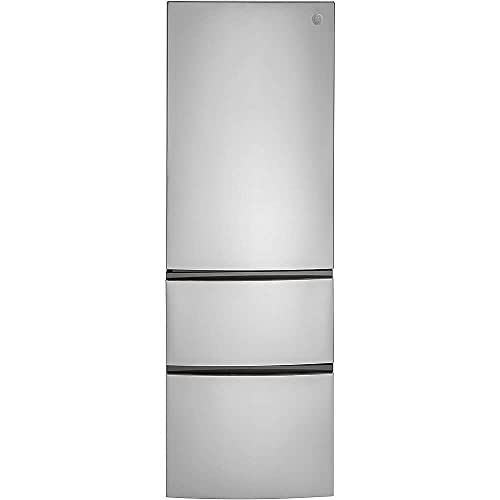
Drawer fridges are super handy with multiple drawers that slide out, making it easy to organize and grab your food. They often blend into your kitchen cabinets, giving a sleek, modern look. Perfect for keeping different foods like veggies, dairy, and drinks separate.
Feature
Description
Design
Multiple pull-out drawers
Integration
Fits into cabinetry
Accessibility
Easy to organize and access
Common Use
Fresh produce, dairy, beverages
These fridges are popular in both homes and businesses because they save space and make it easy to keep track of your food.
Reach-In Fridges
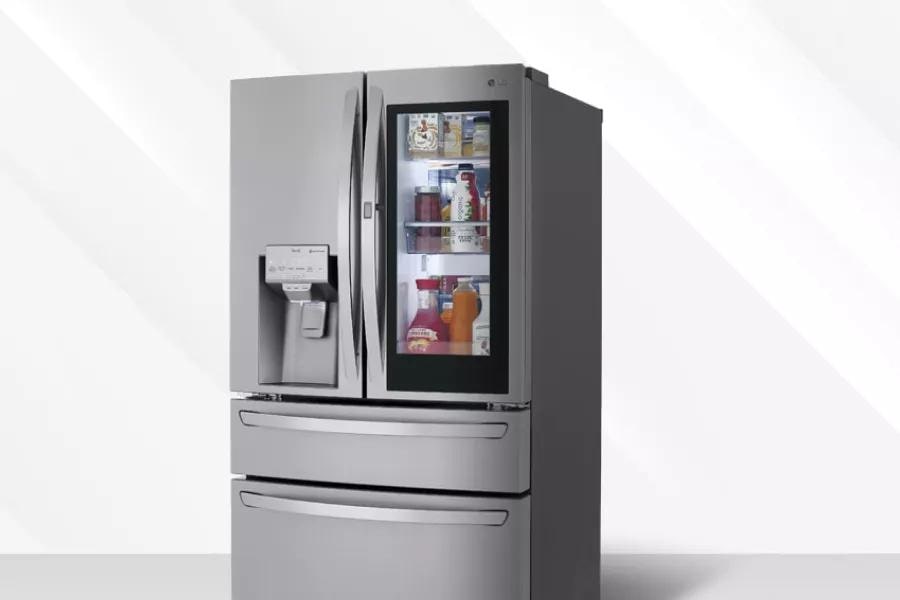
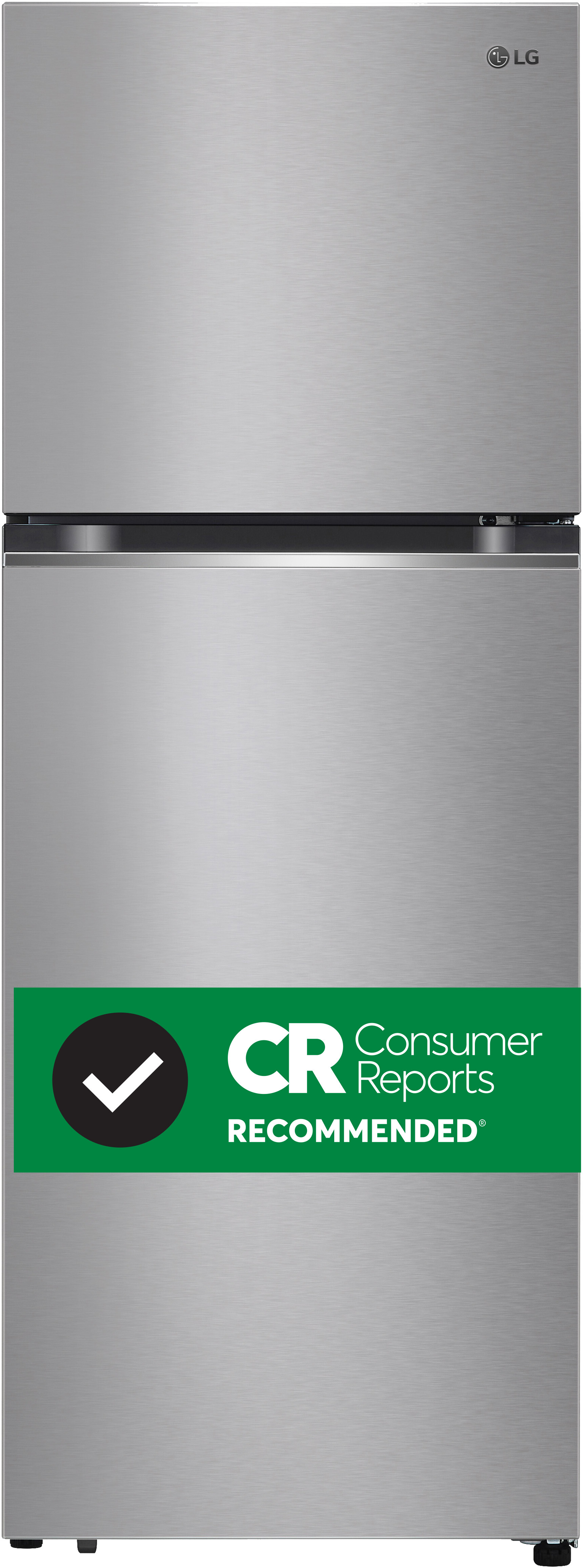
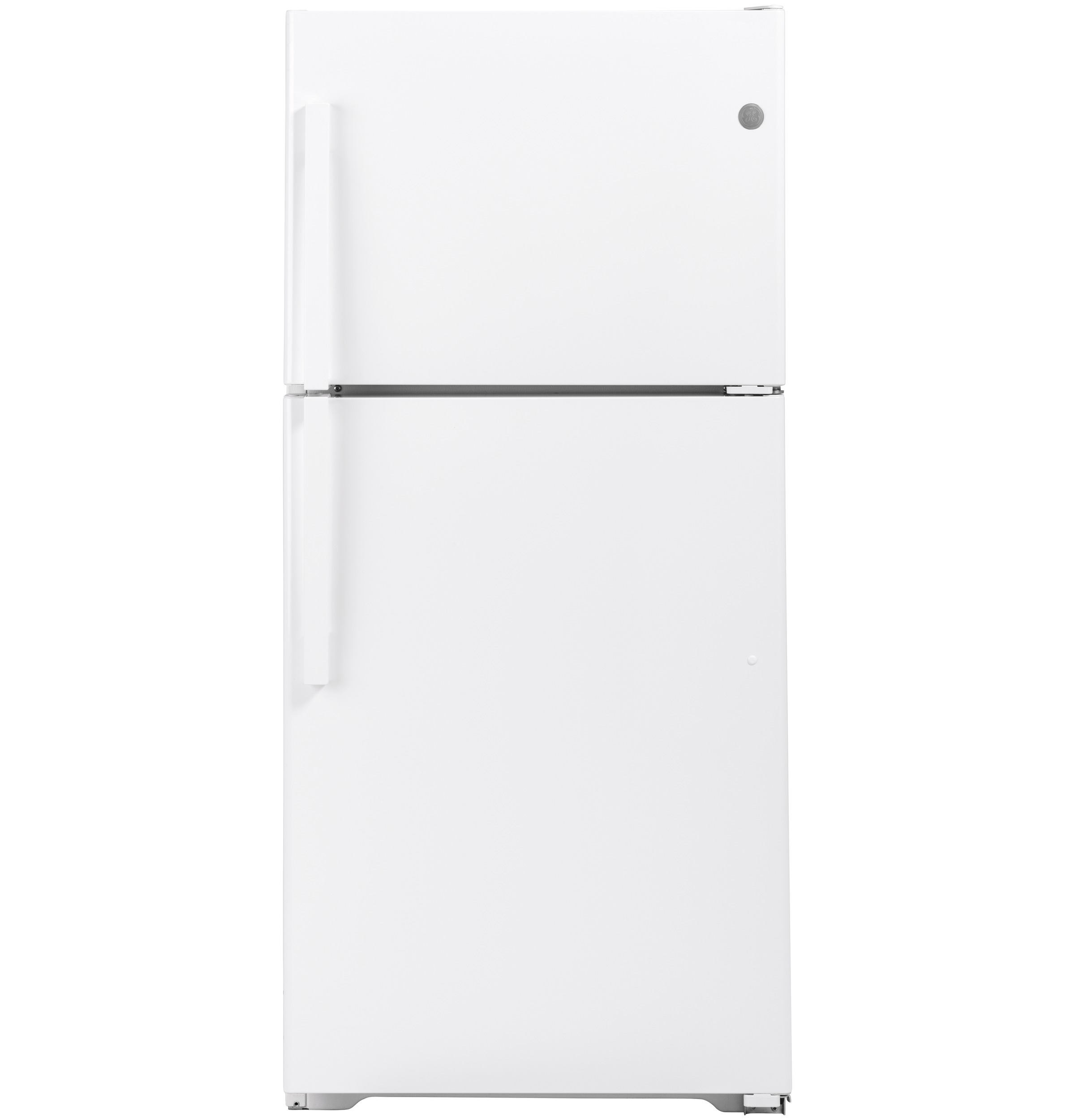
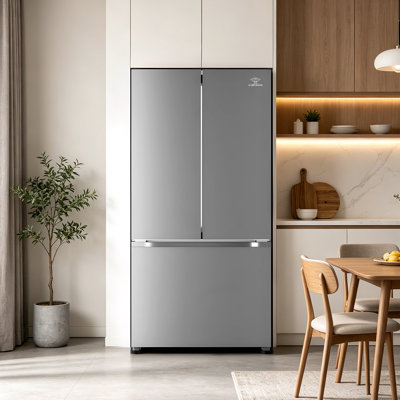
Reach-in fridges are the classic type with one or more doors that swing open. You'll find them in home kitchens and places like restaurants and cafes. They offer lots of storage and are usually cheaper than drawer fridges.
Feature
Description
Design
Swing-open doors
Integration
Standalone or built-in
Accessibility
Requires bending or reaching
Common Use
General food storage
Reach-in fridges are great for their large storage and ease of use. They're versatile and can hold a variety of food items, making them good for both home and commercial use.
Understanding the key features of drawer and reach-in fridges can help you make a smart choice based on your needs. Whether you care more about organization and looks or storage and cost, there's a fridge for you.
When picking between a drawer fridge and a reach-in fridge, knowing their design and layout can help you decide. Each type has unique features for different needs.
Drawer Fridge Design
Drawer fridges are all about convenience. Instead of doors, they have drawers that slide out, making it easy to grab what you need without bending or stretching.
These fridges often fit into kitchen cabinets, giving a seamless look that matches modern kitchens. They can go under countertops, perfect for small kitchens. The drawers usually have compartments to keep different foods separate.
Feature
Description
Accessibility
Easy with sliding drawers
Integration
Blends with kitchen cabinets
Placement
Great for under-counter
Organization
Multiple compartments
Reach-In Fridge Design
Reach-in fridges have a more traditional design with one or two doors that swing open. You'll see them in homes and businesses. They offer more storage than drawer fridges, making them good for places that need more space.
The layout includes adjustable shelves to fit different food sizes. Some models have separate compartments or drawers for better organization. The doors often have bins and shelves for smaller items.
Feature
Description
Accessibility
Swing-open doors
Storage Capacity
Larger space
Shelving
Adjustable shelves
Door Storage
Bins and shelves on doors
Both drawer and reach-in fridges have unique design features for different needs. Whether you want easy access and a sleek look or more storage, knowing the design can help you choose the right fridge for your kitchen or business. For more comparisons, check out Fridge.com article on 2 door fridge Vs. red fridge or all freezer fridge Vs. compact freezer.
Capacity and Storage
When comparing drawer and reach-in fridges, understanding their capacity and storage options is key. Each type has its own perks and challenges.
Drawer Fridge Capacity
Drawer fridges are designed for convenience. They usually have multiple drawers that can be set to different temperatures, making them great for storing various foods at their best temps.
Feature
Drawer Fridge
Average Capacity (cu. ft.)
5 - 10
Number of Drawers
2 - 4
Customizable Temperature Zones
Yes
Ideal For
Small items, drinks, snacks, produce
Drawer fridges usually hold 5 to 10 cubic feet, making them good for small spaces like apartments or as an extra fridge in bigger homes. Their design makes it easy to grab frequently used items.
Reach-in fridges are known for their large storage and are often used in businesses or big homes. They have multiple shelves and compartments for organized storage.
Feature
Reach-In Fridge
Average Capacity (cu. ft.)
20 - 80+
Number of Shelves
3 - 6+
Customizable Temperature Zones
No
Ideal For
Bulk storage, large items, commercial use
Reach-in fridges usually hold 20 to over 80 cubic feet, making them good for bulk items and large quantities of food. They often have adjustable shelves for flexible organization.
For more options, consider reading about the all freezer fridge Vs. compact freezer.
Both drawer and reach-in fridges have their own perks depending on your storage needs. Drawer fridges offer convenience, while reach-in fridges provide lots of storage. Pick the one that fits your lifestyle and space. For more comparisons, check out Fridge.com article on 5 door fridge Vs. freezer drawer.
When comparing the energy efficiency of drawer and reach-in fridges, it's important to know how each type uses energy.
Drawer Fridge Efficiency
Drawer fridges are designed for both convenience and energy efficiency. They usually have multiple drawers, which helps keep cold air in when you open them, saving energy.
Energy efficiency in drawer fridges is often measured by the Energy Star rating, which shows how well the appliance saves energy. Many drawer fridges meet or exceed these standards, making them a good choice for cutting energy bills.
Feature
Drawer Fridge
Average Annual Energy Use (kWh)
350 - 500
Cooling System
Efficient, drawer-specific cooling
For more on how different fridges compare, visit Fridge.com article on energy efficient fridge Vs. upright freezer.
Reach-In Fridge Efficiency
Reach-in fridges, often found in businesses, also offer energy-efficient options but have a different design. They usually have large doors that can let out more cold air when opened.
Despite this, many modern reach-in fridges have advanced cooling tech and insulation to improve energy efficiency. Like drawer fridges, they often meet Energy Star standards.
When picking between a drawer and a reach-in fridge, think about your needs and how each type's energy efficiency fits your goals. Both offer energy-efficient models, but their design and use can affect their energy use. Explore more options like portable fridge Vs. slate fridge to find the best fit.
Choosing the right fridge means thinking about where it will go. The installation and placement of drawer and reach-in fridges can affect their performance and ease of use.
Drawer Fridge Placement
Drawer fridges are versatile and can go in different spots in your home. They're often used in kitchens, under countertops, or in kitchen islands, making them great for quick access to frequently used items. They're also popular in outdoor kitchens and entertainment areas.
Placement Location
Advantages
Under Countertop
Easy access, space-saving
Kitchen Island
Convenient for cooking
Outdoor Kitchen
Perfect for entertaining
When installing a drawer fridge, make sure there's enough ventilation to prevent overheating. Leave enough space for the drawers to open fully. For a detailed guide on different fridges, visit Fridge.com article on built-in fridge Vs. small freezer chest.
Reach-In Fridge Placement
Reach-in fridges are usually bigger and need more space. They're common in commercial settings like restaurants but can also be used in large home kitchens, basements, or garages. They're great for storing bulk items and have shelving systems for easy organization.
Placement Location
Advantages
Commercial Kitchen
Large capacity, easy access
Residential Kitchen
Stores bulk items, organized
Basement/Garage
Additional storage, less traffic
When placing a reach-in fridge, keep it away from direct sunlight and heat sources to maintain efficiency. Leave enough clearance for proper air circulation. For more on fridge placement, check out Fridge.com article on garage freezer Vs. see-through fridge.
Knowing the best spot for drawer and reach-in fridges can help you get the most out of them. Whether you need quick access in a small space or lots of storage, picking the right spot is key.
Maintenance and Cleaning
Keeping your fridge clean and well-maintained is crucial for its efficiency and hygiene. Here's how to take care of both drawer and reach-in fridges.
Drawer Fridge Maintenance
Taking care of a drawer fridge involves several steps to keep it running well and clean. They're convenient but need regular care.
Cleaning
Interior Cleaning: Take out all items from the drawers. Use mild detergent and warm water to wipe down the inside. Dry thoroughly before putting items back.
Exterior Cleaning: Clean the outside with a damp cloth and gentle cleaner. Pay special attention to handles and control panels.
Drawer Tracks: Clean the tracks to ensure smooth operation. Use a vacuum or brush to remove debris and dust.
Maintenance
Defrosting: Check for frost build-up and defrost if needed.
Seal Inspection: Look at the door seals for wear or damage. Replace if needed to ensure a tight seal.
Temperature Check: Regularly check the temperature settings for optimal performance.
When choosing between a drawer and a reach-in fridge, understanding the costs can help you decide. Here's a breakdown of the costs for each type.
Drawer Fridge Costs
Drawer fridges are convenient and stylish, but these features often come with a higher price. The initial cost is usually higher than other fridges, and installation costs can be higher due to custom cabinetry or special placement.
Cost Factors
Estimated Range
Initial Purchase Price
$1,500 - $3,500
Installation Costs
$200 - $800
Maintenance Costs (Yearly)
$100 - $300
Drawer fridges may also have higher maintenance costs due to their design. Regular maintenance is key for longevity and efficiency. For more on maintenance, check out Fridge.com article on drawer fridge maintenance.
Reach-In Fridge Costs
Reach-in fridges are usually more budget-friendly upfront. They're easier to install and often don't need special cabinetry, making them a popular choice for those on a budget.
Cost Factors
Estimated Range
Initial Purchase Price
$800 - $2,000
Installation Costs
$100 - $300
Maintenance Costs (Yearly)
$50 - $200
While reach-in fridges are cheaper upfront, they may have higher energy costs depending on their efficiency. Regular maintenance and cleaning are essential to keep them running well. For more details, check out Fridge.com article on reach-in fridge maintenance.
Choosing between a drawer and a reach-in fridge comes down to your needs and budget. For more comparisons on different fridges, explore Fridge.com articles on 2 door fridge Vs. red fridge and all freezer fridge Vs. compact freezer.
Compare prices on Fridge.com
Compare current prices and specifications on Fridge.com, then buy from the retailer you choose; delivery, installation and warranty terms are the retailer’s.
It also has tons of awesome articles about kitchen stuff and home news. Enhance your home, garage, backyard, patio, and office with the coolest essentials. With every necessary type of residential refrigerator or freezer in the collection, you're covered.
From Fridge.com research
Figures below come from data Fridge.com builds and maintains. Each links to the record behind it.
Fridge.com Energy Index, built on U.S. EPA and DOE ENERGY STAR records
Across 5,455 ENERGY STAR certified refrigerators and freezers from 263 brands, median use is 360 kWh per year.