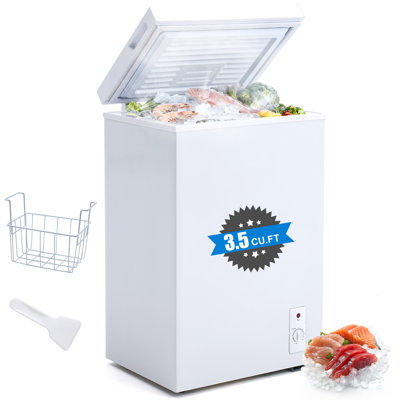
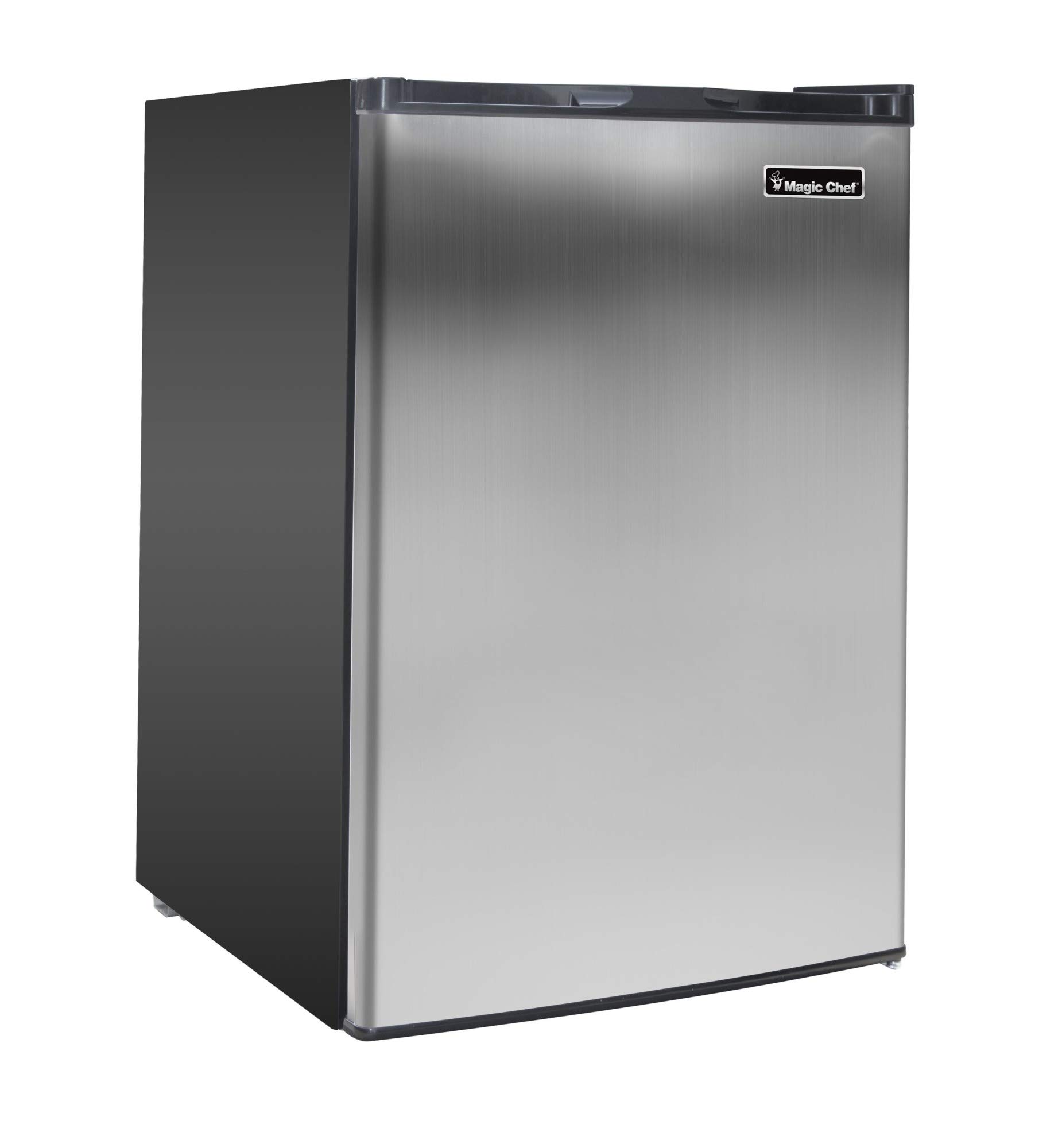
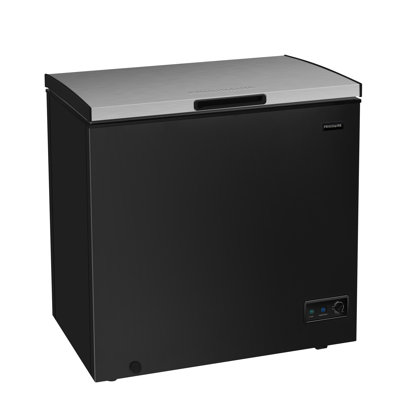
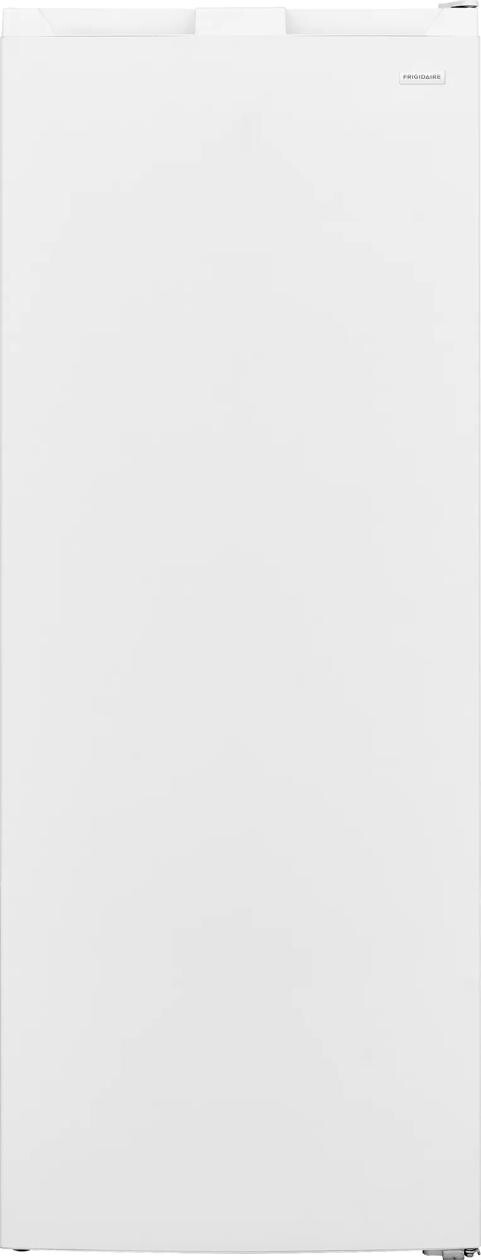
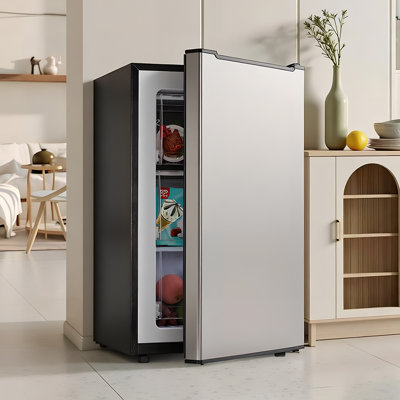
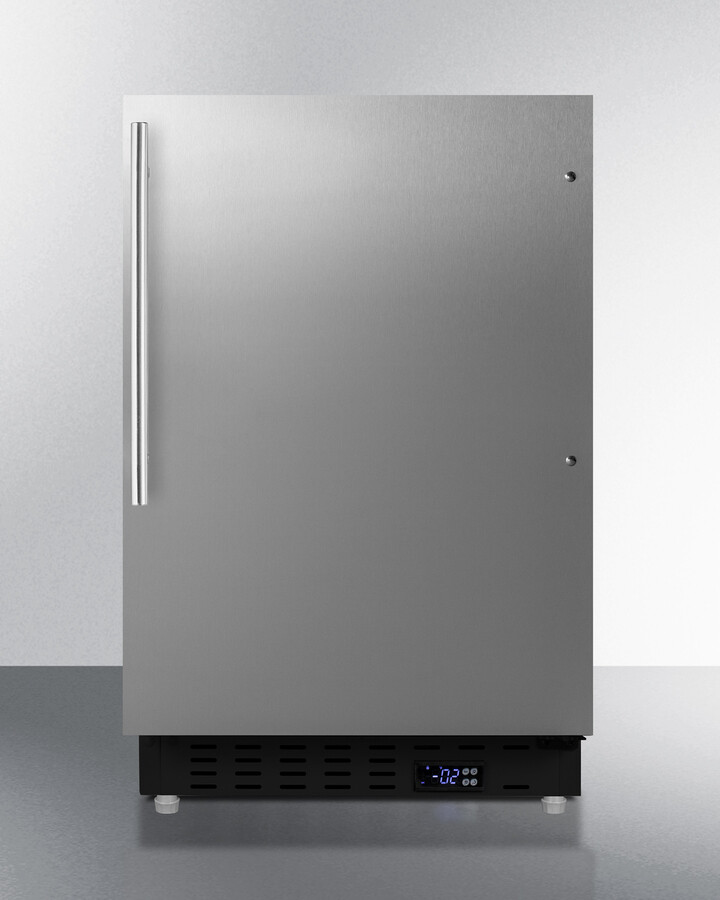
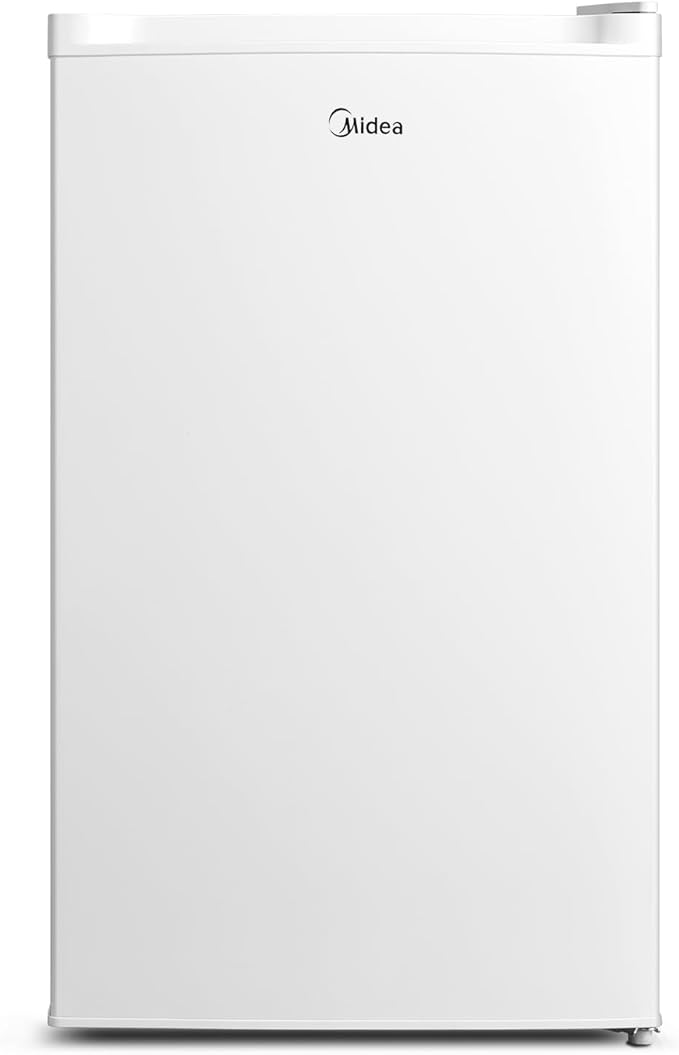
A freezer cooler is a handy gadget designed to keep stuff frozen. Unlike your typical freezer, these are portable, making them perfect for homes, offices, or even outdoor adventures. They use advanced cooling tech to maintain a stable, low temperature, ensuring your perishables stay frozen for longer.
Feature
Description
Portability
Equipped with wheels and handles for easy movement
Temperature Range
Typically between -10°F to 10°F
Power Source
Can be powered by electricity, car battery, or solar panels
Best Uses for Freezer Coolers
Freezer coolers are versatile. Here’s where they shine:
Outdoor Fun: Perfect for camping, picnics, and tailgating where you need to keep food and drinks cold.
Small Spaces: Great for apartments, dorm rooms, and small offices.
Backup Freezer: Handy for extra storage during holidays or bulk shopping trips.
Mobile Businesses: Essential for food trucks, market vendors, and other mobile businesses needing frozen storage on the go.
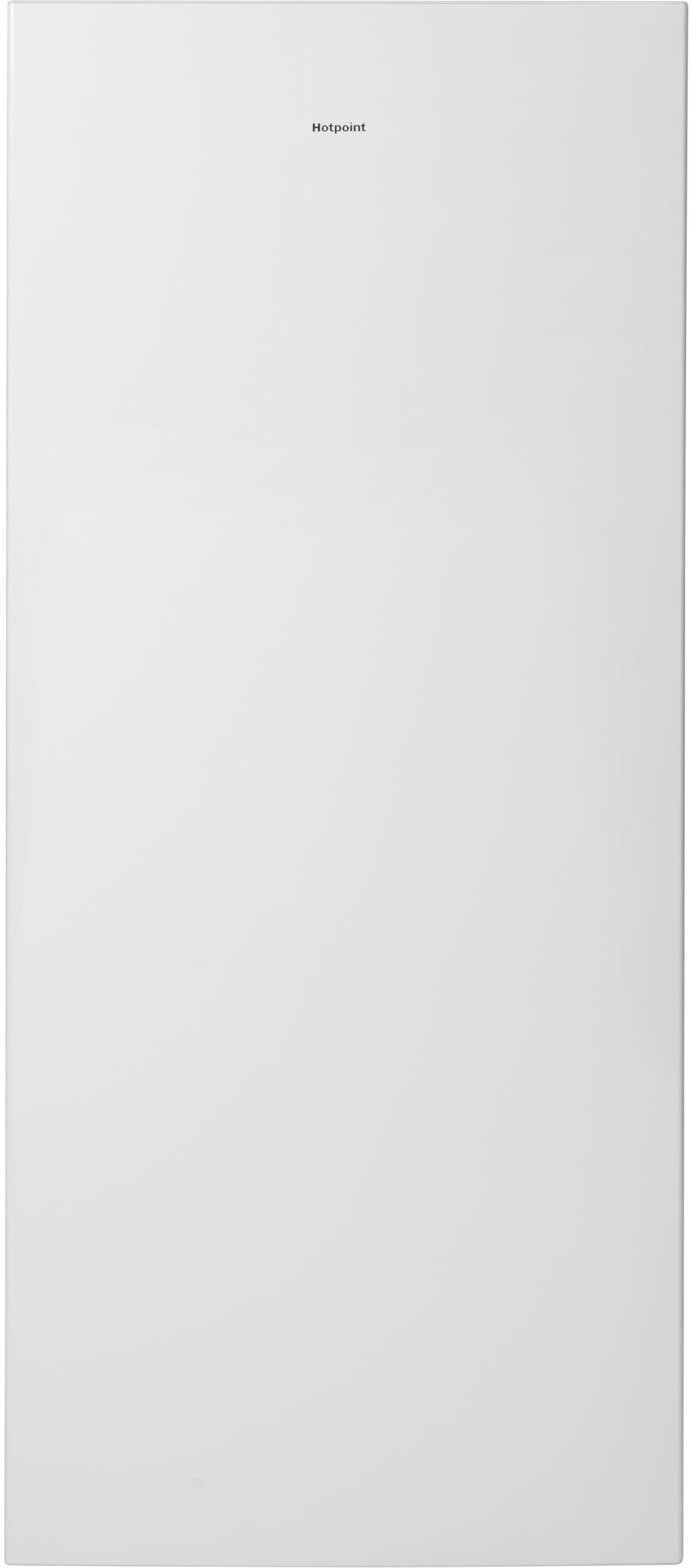
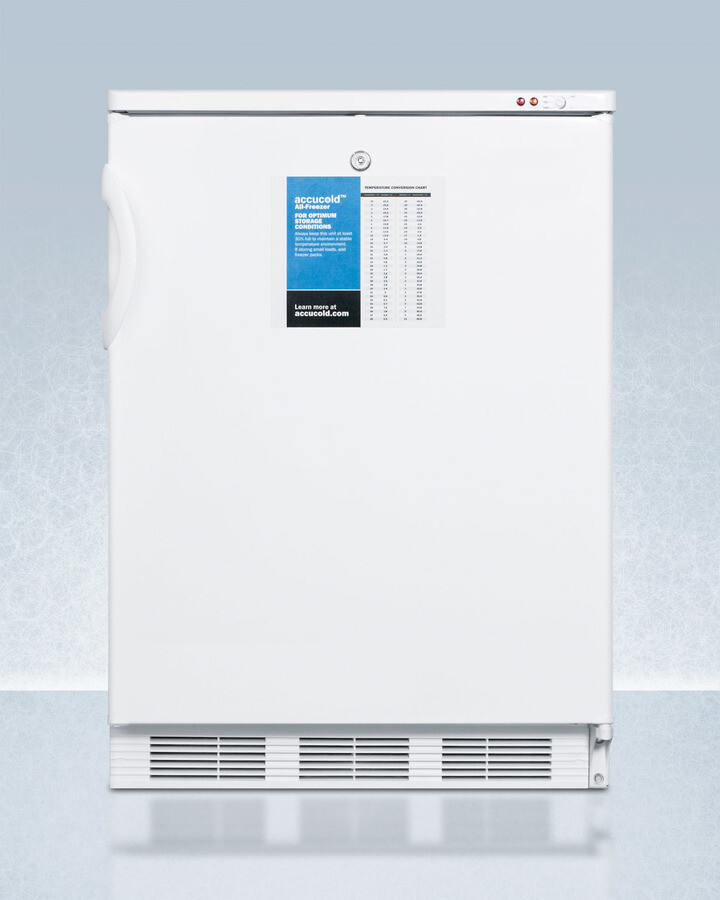
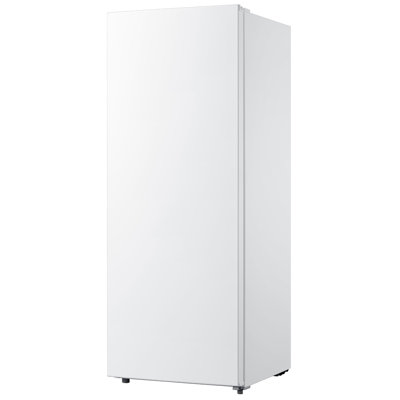
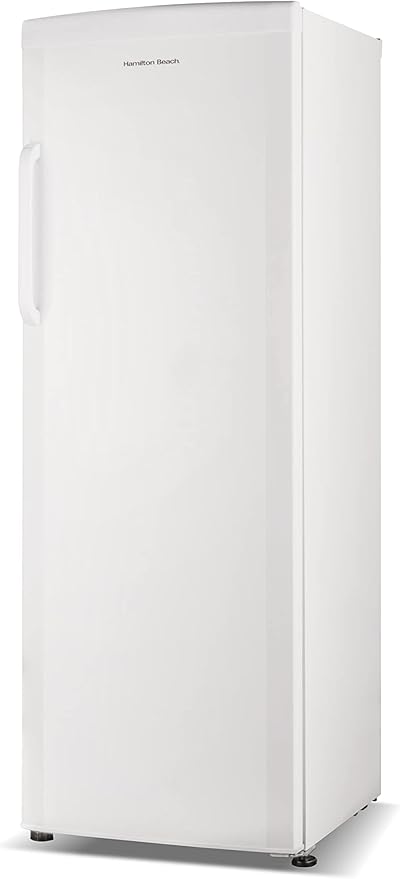
A reach-in freezer is a commercial-grade freezer commonly found in kitchens, restaurants, and other food service environments. These freezers have one or more doors, allowing you to access the storage space without opening the entire unit. This design helps maintain a consistent temperature, even with frequent use.
Reach-in freezers usually come with adjustable shelves, giving you the flexibility to store various types of food and containers. They have powerful cooling systems that can quickly bring down the temperature and maintain it at the desired level. Some models also feature digital temperature controls and alarms to alert you if the temperature deviates from the set range.
Best Uses for Reach-In Freezers
Reach-in freezers are perfect for places where quick access to frozen items is crucial. You’ll find them in:
Restaurants and Cafés: Ideal for storing ingredients that need to be accessed quickly during food prep.
Commercial Kitchens: Essential for keeping large quantities of food frozen and easily accessible.
Grocery Stores: Used for displaying frozen goods while maintaining optimal temperatures.
Households: Great for families needing extra freezer space beyond what their kitchen refrigerator offers.
When deciding between a freezer cooler and a reach-in freezer, think about your specific needs. Reach-in freezers offer convenience and efficiency, making them a popular choice for both commercial and residential settings.
For more detailed comparisons, check out Fridge.com articles on all freezer refrigerator Vs. compact freezer and energy efficient refrigerator Vs. upright freezer.
Size and Capacity
Choosing between a freezer cooler and a reach-in freezer? Size and capacity matter. Here’s what you need to know.
Comparing Size Options
Freezer coolers and reach-in freezers come in various sizes. Knowing the dimensions can help you make an informed decision.
Type
Typical Dimensions (inches)
Freezer Cooler
20 - 30 (H) x 15 - 25 (W) x 15 - 25 (D)
Reach-In Freezer
60 - 80 (H) x 30 - 50 (W) x 25 - 35 (D)
Freezer coolers are generally smaller, making them suitable for limited spaces like apartments, condos, or offices. They’re portable and easy to fit in compact areas. Reach-in freezers are larger, designed for more substantial storage needs like those of families, chefs, or for use in garages and basements.
Determining Capacity Needs
Capacity is another critical factor. It’s usually measured in cubic feet and indicates how much food you can store.
Type
Typical Capacity (cubic feet)
Freezer Cooler
1.5 - 5
Reach-In Freezer
15 - 30
Freezer coolers, with their smaller capacity, are ideal for individuals or small families who need to store a limited amount of frozen items. They’re also great for specialized uses, like storing beverages or small quantities of perishables, making them a hit with foodies and entertainers.
Reach-in freezers offer a much larger capacity, perfect for large families, chefs, or those needing to store bulk quantities of food. These freezers provide ample space for organizing various types of frozen goods, ensuring you have enough room for long-term storage needs.
Understanding the size and capacity of both freezer coolers and reach-in freezers will help you choose the appliance that best fits your needs. For more comparisons, check out Fridge.com articles on 2 door refrigerator Vs. ice cream cooler and all freezer refrigerator Vs. compact freezer.
Temperature Control
Temperature control is crucial when comparing freezer coolers and reach-in freezers. Here’s how each type manages temperature.
Cooling Mechanisms
Freezer coolers and reach-in freezers use different cooling mechanisms.
Freezer Coolers: Typically use a compressor-based system to cool the interior. The compressor circulates refrigerant through coils, absorbing heat from inside the cooler and releasing it outside. This process keeps the contents at a consistently low temperature.
Reach-In Freezers: Also use a compressor-based system, but the design is optimized for larger storage spaces. The cooling system often includes internal fans that promote air circulation, ensuring even cooling throughout the unit. This is particularly beneficial for items stored on different shelves.
Temperature Regulation Features
Both freezer coolers and reach-in freezers come with various temperature regulation features.
Thermostats: Both types usually feature adjustable thermostats, allowing you to set the desired temperature. Digital thermostats offer precise control and are common in high-end models.
Auto Defrost: Some units come with an auto defrost feature that prevents ice build-up, ensuring efficient operation. This feature is more common in reach-in freezers due to their larger size and complexity.
Temperature Alarms: Advanced models may include temperature alarms that notify you if the internal temperature deviates from the set range. This is particularly useful for maintaining the quality of perishable items.
Feature
Freezer Cooler
Reach-In Freezer
Cooling Mechanism
Compressor
Compressor + Fans
Adjustable Thermostat
Yes
Yes
Auto Defrost
Sometimes
Often
Temperature Alarms
Sometimes
Often
For more information on different types of refrigerators and freezers, explore Fridge.com articles on 2 door refrigerator Vs. ice cream cooler and garage freezer Vs. see through refrigerator.
Storage Organization
Effective storage organization is key when comparing freezer coolers and reach-in freezers. Here’s what you need to know.
Interior Layout
The interior layout of a freezer cooler and a reach-in freezer varies significantly. Freezer coolers typically offer a more compact design, focusing on portability and ease of access. These units often feature a single compartment with adjustable shelves or baskets.
Reach-in freezers, on the other hand, are designed for larger storage capacity and better organization. They usually include multiple compartments and sections, allowing for a more efficient use of space. This type of freezer is ideal for those who need to store a variety of items and require easy access to each one.
Feature
Freezer Cooler
Reach-In Freezer
Compartment Type
Single
Multiple
Adjustable Shelves
Yes
Yes
Portability
High
Low
Capacity
Lower
Higher
Shelving and Compartments
Shelving and compartments play a vital role in the organization of your freezer. Freezer coolers often come with a limited number of shelves or baskets that can be adjusted to fit different sizes of items. This flexibility is beneficial for frequently changing storage needs.
Reach-in freezers offer more sophisticated shelving options. These units typically come with multiple adjustable shelves, allowing for better categorization and separation of items. Some reach-in freezers also include specialized compartments for items like ice cream, meats, or beverages.
Feature
Freezer Cooler
Reach-In Freezer
Number of Shelves
1-3
3-6
Specialized Compartments
No
Yes
Shelving Adjustability
High
High
Organization Level
Basic
Advanced
For more details on different types of freezers and their features, check out Fridge.com comparison articles such as all freezer refrigerator Vs. compact freezer and deep freezer Vs. ice cream cooler.
Mobility and Placement
Understanding the mobility and placement options for freezer coolers and reach-in freezers can help you determine which type best suits your needs. Here, Fridge.com will explore the portability features and installation considerations for each appliance.
Portability Features
When it comes to mobility, freezer coolers often offer more flexibility compared to reach-in freezers. Freezer coolers are designed to be portable, making them an excellent choice for those who need to move their freezer frequently or use it in various locations such as in a garage freezer or a basement refrigerator.
Feature
Freezer Coolers
Reach-In Freezers
Wheels
Common
Rare
Handles
Common
Rare
Lightweight
Yes
No
Installation Considerations
Placement and installation also differ significantly between freezer coolers and reach-in freezers. Reach-in freezers are typically larger and require a more permanent installation, often involving professional setup to ensure proper ventilation and functionality. These units are ideal for settings where the freezer will remain stationary, such as in a built-in wine cellar or a freestanding drawer freezer.
Consideration
Freezer Coolers
Reach-In Freezers
Space Requirement
Minimal
Significant
Ventilation Needs
Low
High
Installation Effort
Low
High
Whether you prioritize mobility or a more permanent setup, understanding the portability features and installation considerations of freezer coolers and reach-in freezers can help you make an informed decision. For further comparisons of various refrigerator and freezer types, check out Fridge.com articles on portable refrigerator Vs. slate refrigerator and all freezer refrigerator Vs. compact freezer.
Energy Efficiency
Energy Consumption
When considering the energy efficiency of freezer coolers versus reach-in freezers, it's important to look at their energy consumption. Freezer coolers generally consume less energy compared to reach-in freezers due to their compact size and lower cooling requirements. However, the energy consumption can vary depending on the model and usage patterns.
Freezer Type
Average Energy Consumption (kWh/year)
Freezer Cooler
200 - 400
Reach-In Freezer
400 - 700
Understanding the energy consumption of each type will help you make an informed decision based on your specific needs and usage.
Energy-Saving Features
Both freezer coolers and reach-in freezers come equipped with various energy-saving features designed to reduce power usage and increase efficiency. These features can significantly impact your energy bills and the overall environmental footprint of your appliance.
Freezer Coolers
Thermostatic Control: Helps maintain a consistent temperature, reducing energy waste.
Insulated Doors: Enhanced insulation reduces the loss of cold air, lowering energy use.
Auto Defrost: Prevents the build-up of frost, which can increase energy consumption.
Reach-In Freezers
High-Efficiency Compressors: Use less energy while providing effective cooling.
LED Lighting: Consumes less power compared to traditional lighting options.
Smart Sensors: Adjust cooling based on the amount of food stored, optimizing energy use.
Considering these energy-saving features can help you choose the best freezer for your needs, whether you're looking at a freezer cooler Vs. reach-in freezer or other types of refrigeration units like a 2 door refrigerator Vs. ice cream cooler or a compact refrigerator Vs. wine fridge.
By evaluating energy consumption and energy-saving features, you can select an efficient freezer that meets your requirements while minimizing both operational costs and environmental impact.
Maintenance and Cleaning
Proper maintenance and cleaning of your freezer cooler and reach-in freezer are essential for ensuring their efficiency and longevity. Here are some useful tips and practices for keeping your appliances in top shape.
Cleaning Tips
Regular cleaning of your freezer is crucial to prevent buildup of frost, mold, and unpleasant odors. Follow these steps to keep your freezer clean:
Unplug the Appliance: Always unplug your freezer before cleaning to ensure safety.
Remove Contents: Take out all the food items and store them in a temporary cooler.
Defrost: If there is a significant buildup of ice, allow the freezer to defrost naturally.
Clean Shelves and Drawers: Remove and wash all removable shelves, drawers, and compartments with warm soapy water. Rinse and dry them thoroughly before placing them back.
Wipe Interior: Use a mixture of baking soda and water to wipe down the interior surfaces. This helps in removing stains and neutralizing odors.
Clean Gaskets: Wipe the door gaskets with a damp cloth to remove any dirt or grime. This ensures a proper seal and maintains efficiency.
Exterior Cleaning: Wipe the exterior with a damp cloth and mild detergent to keep it looking clean and new.
Maintenance Practices
Regular maintenance helps in prolonging the life of your freezer and ensures it operates efficiently. Here are some key maintenance practices:
Check Temperature Settings: Ensure the temperature is set correctly according to the manufacturer's recommendations. This helps in maintaining the quality of stored food and energy efficiency.
Inspect Door Seals: Regularly check the door seals for any signs of wear or damage. Replace them if necessary to prevent cold air from escaping.
Clean Coils: Dust and debris can accumulate on the condenser coils, making the freezer work harder. Clean the coils at least twice a year using a vacuum or coil brush.
Monitor Frost Buildup: Keep an eye on frost buildup inside the freezer. Excessive frost can affect the appliance's performance. Defrost the freezer when the frost layer reaches about 1/4-inch thick.
Check Drainage: Ensure that the drainage system is not clogged. This prevents water from accumulating inside the freezer.
Lubricate Moving Parts: If your freezer has moving parts such as hinges or rollers, lubricate them periodically to ensure smooth operation.
Maintenance Task
Frequency
Clean Interior
Monthly
Defrost Freezer
As Needed (1/4" Frost)
Clean Shelves/Drawers
Monthly
Clean Coils
Biannually
Inspect Door Seals
Monthly
Check Temperature
Monthly
Lubricate Parts
Annually
For more detailed guides on maintaining different types of refrigerators and freezers, refer to Fridge.com related articles on built-in refrigerator Vs. small freezer chest and energy efficient refrigerator Vs. upright freezer. Adopting these cleaning and maintenance practices will help keep your freezer cooler Vs. reach-in freezer in optimal condition for years to come.
Compare prices on Fridge.com
Compare current prices and specifications on Fridge.com, then buy from the retailer you choose; delivery, installation and warranty terms are the retailer’s.
It also has tons of awesome articles about kitchen stuff and home news. Enhance your home, garage, backyard, patio, and office with the coolest essentials. With every necessary type of residential refrigerator or freezer in the collection, you're covered.
Frequently Asked Questions
Choosing between a freezer cooler and a reach-in freezer? Let's break it down. Each has its own perks and quirks, perfect for different needs. Feature.
Freezer Cooler.
Reach-In Freezer.
.
Definition.
A portable unit for keeping food and drinks cold temporarily..
A stationary unit with doors for easy access to stored items..
.
Function.
Great for short-term storage or transporting perishables..
Ideal for long-term storage in kitchens, restaurants, or commercial settings..
.
Mobility.
Highly portable with wheels and handles..
Usually stationary, though some models have casters for limited mobility..
.
Temperature Control.
Limited regulation, often using ice packs or built-in cooling systems..
Precise control with advanced cooling mechanisms..
.
Capacity.
Smaller, measured in quarts or liters..
Larger, measured in cubic feet..
.
Energy Efficiency.
Generally less efficient due to portable design..
More efficient with features like insulation and temperature regulation..
.
Ideal Uses.
Camping, picnics, tailgating, short-term storage..
Restaurants, commercial kitchens, home kitchens, long-term storage..
. For more comparisons, check out Fridge.com articles on all freezer refrigerator Vs. compact freezer and deep freezer Vs. mini fridge.