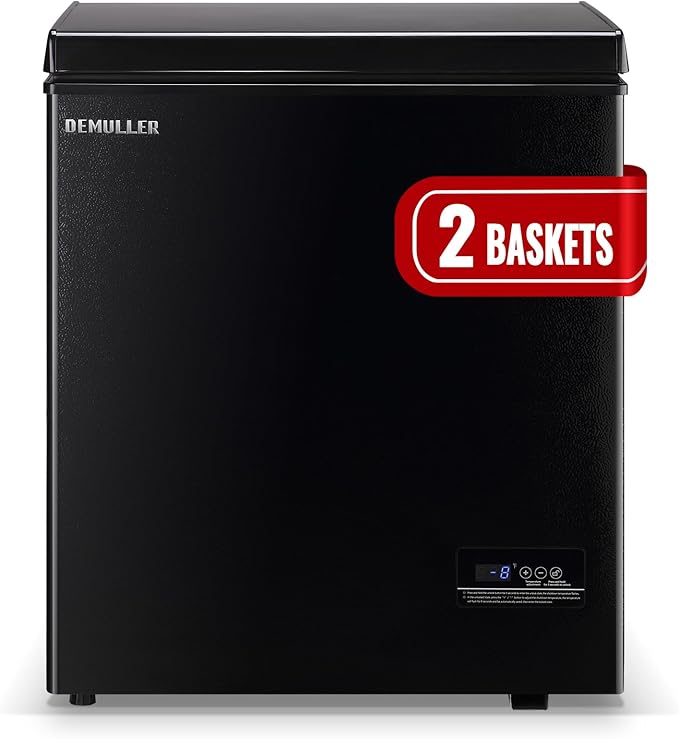
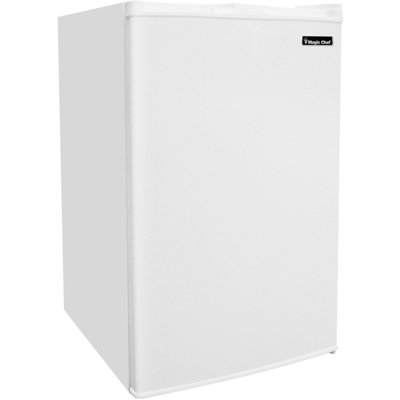
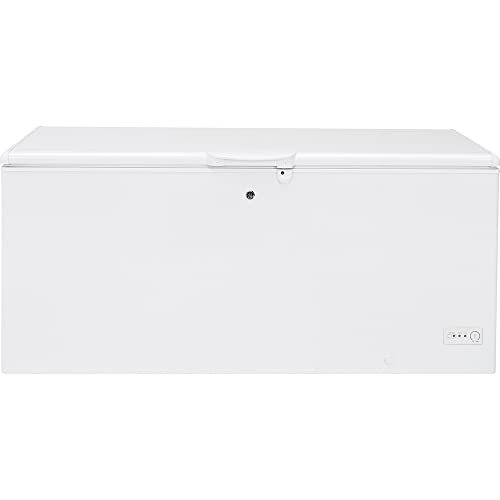
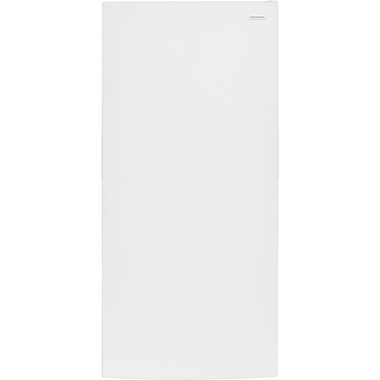
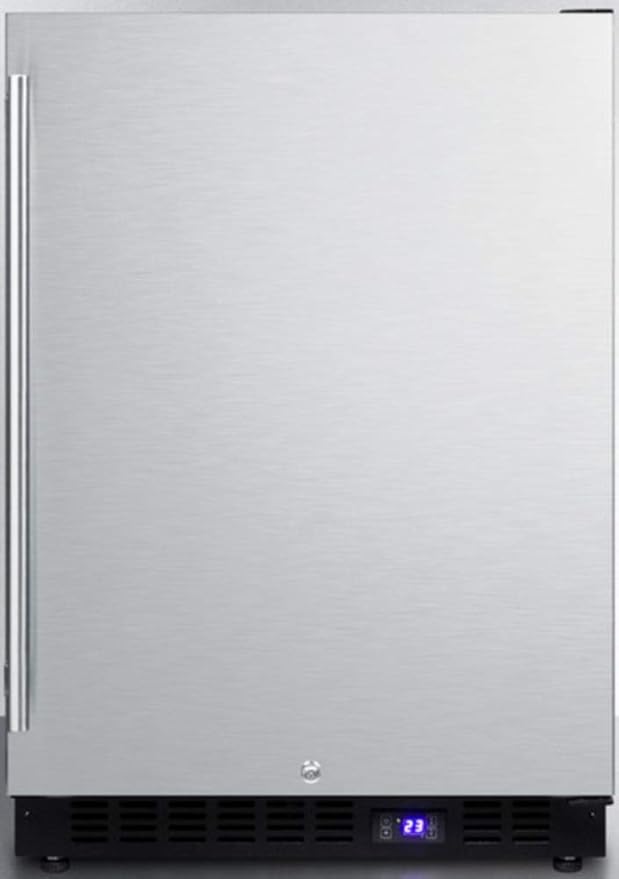
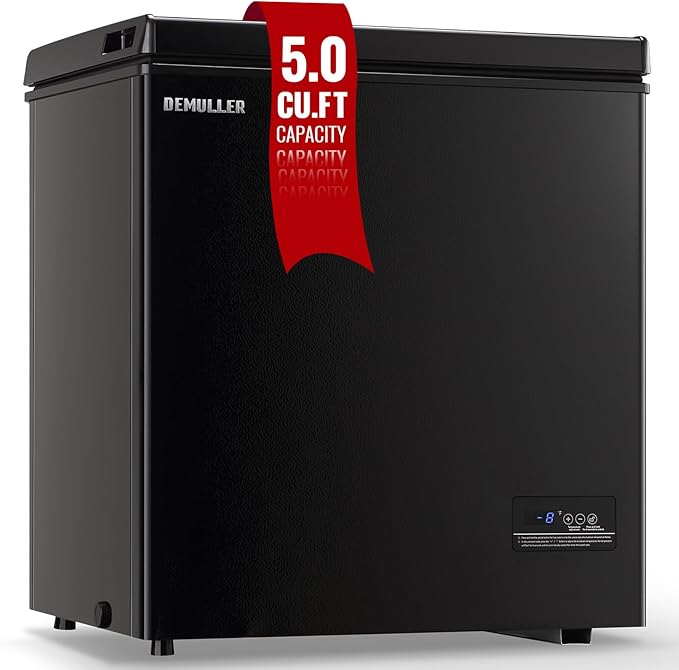
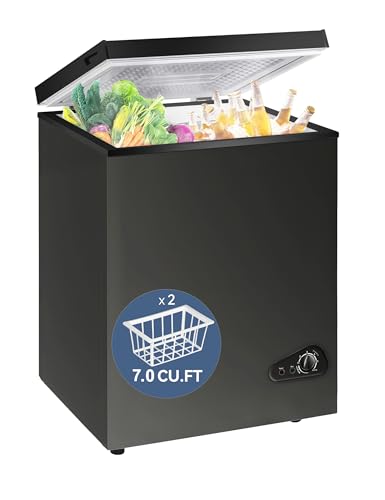
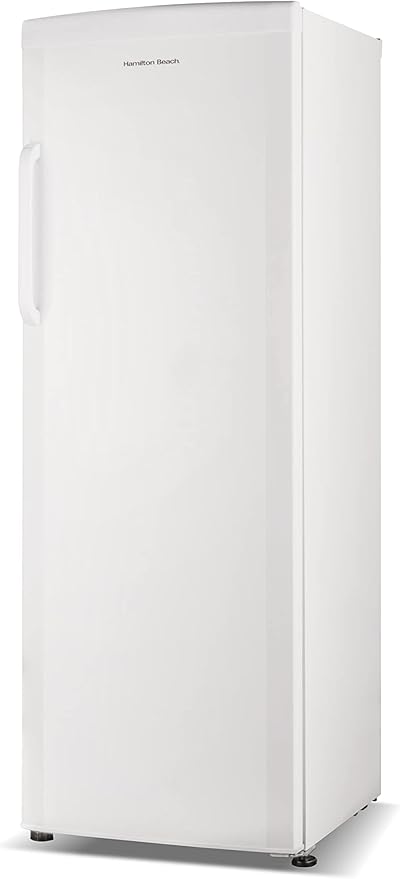
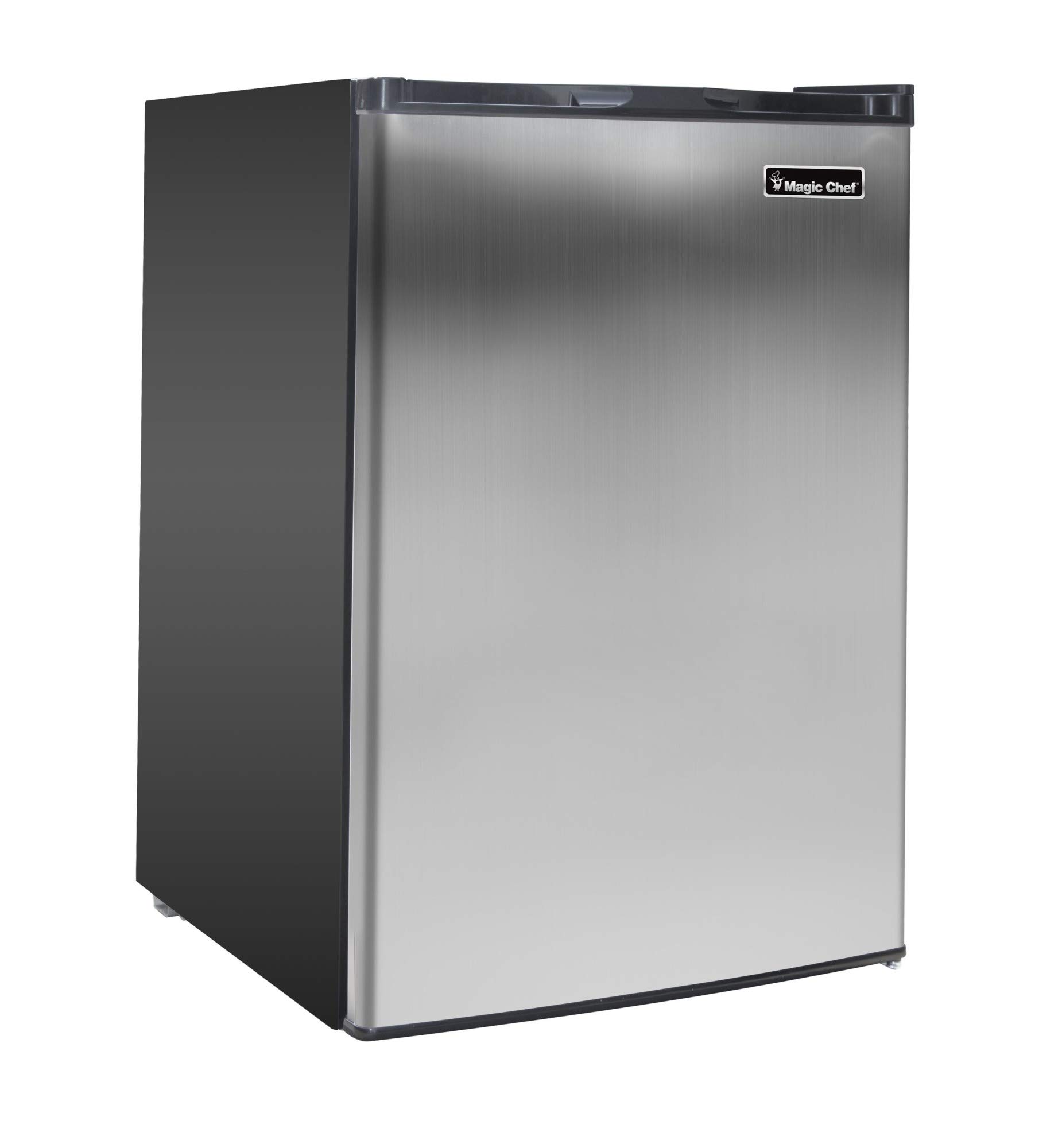
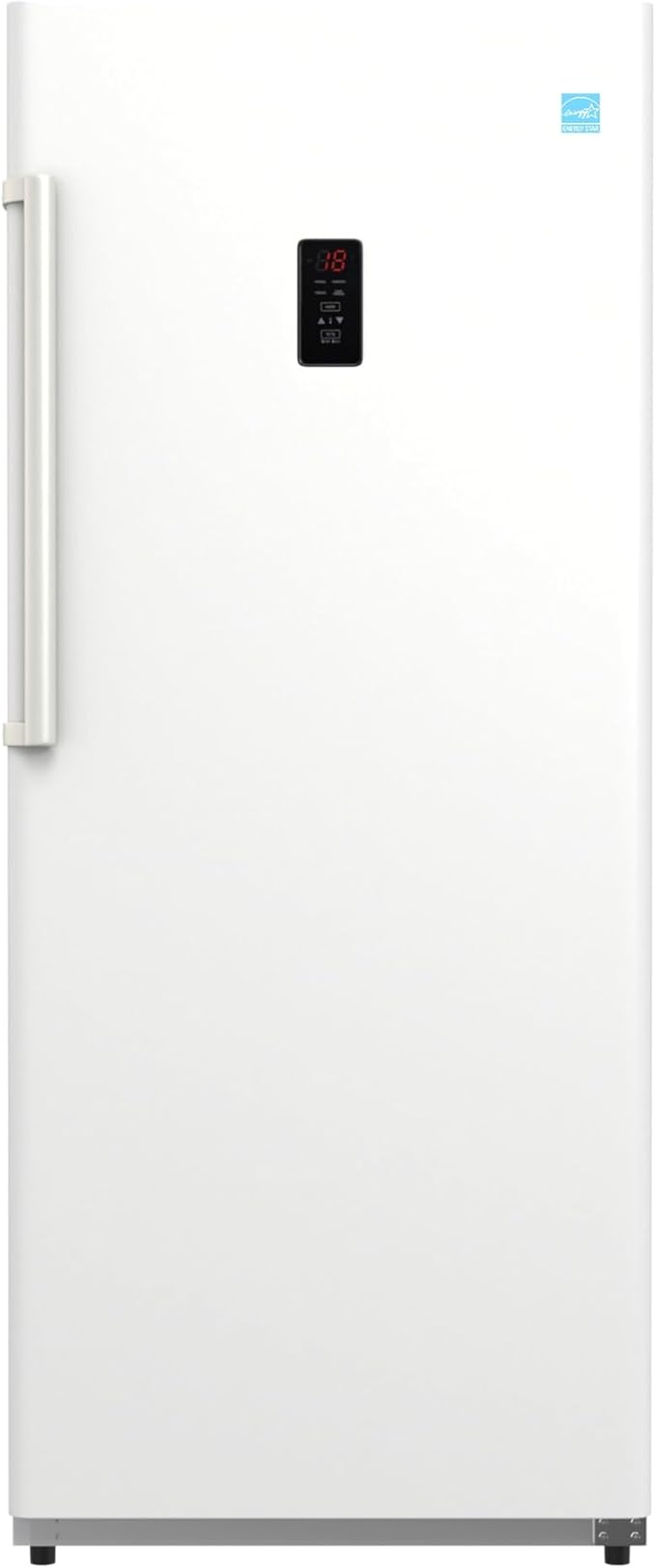
Choosing between an all freezer refrigerator and a compact freezer can feel like picking between a giant ice chest and a mini fridge. Let's break it down so you can make the best choice for your needs.
An all freezer refrigerator is a big, dedicated freezer. It's perfect for large families or anyone who likes to stock up on frozen goods. These bad boys come with lots of storage and fancy features, making them a must-have for many homes.
A compact freezer, on the other hand, is a smaller, more portable option. These are great for apartments, dorms, offices, or as an extra freezer. They don't hold as much, but they're super convenient and flexible.
An all freezer refrigerator is your go-to for freezing all your perishables. Let's look at what makes these units tick.
Features and Benefits
All freezer refrigerators come with a bunch of perks:
Big Capacity: Tons of space for all your frozen goodies.
Steady Temps: Keeps your food frozen solid.
Organized Storage: Adjustable shelves and compartments for easy organization.
Energy Savers: Modern models are energy-efficient, saving you money on bills. For more on this, see Fridge.com article on energy efficient refrigerator Vs. upright freezer.
Tech Goodies: Frost-free operation, digital controls, and alarms for temperature changes.
Feature
Benefit
Big Capacity
Great for bulk storage
Steady Temps
Keeps food fresh longer
Organized Storage
Easy to find what you need
Tech Goodies
More convenience and control
Things to Think About
Before you buy, consider these points:
Space: Make sure you have enough room. These units can be pretty big.
Energy Use: Even though they're efficient, they still use a lot of power. Look for Energy Star ratings.
Needs: Do you really need all that space? Smaller households might not.
Upkeep: Regular maintenance is key. This includes defrosting (if not frost-free), cleaning coils, and checking door seals.
Cost: Think about both the upfront cost and long-term savings. For more on this, see Fridge.com article on initial cost and long-term cost efficiency.
Knowing the capacity and size of each type of freezer is key to making the right choice.
All Freezer Refrigerator Capacity
All freezer refrigerators offer lots of storage, perfect for big families or those who need a lot of freezer space. They typically range from 10 to 21 cubic feet.
All Freezer Refrigerator
Capacity (cubic feet)
Small
10 - 13
Medium
14 - 17
Large
18 - 21
These units have generous storage compartments and shelves for easy organization. If you have a large household or entertain often, this might be the better choice. For more comparisons, see Fridge.com article on 2 door refrigerator Vs. ice cream cooler.
Compact Freezer Size
Compact freezers are designed for smaller spaces and modest storage needs. They range from 1 to 7 cubic feet.
Compact Freezer
Size (cubic feet)
Mini
1 - 3
Small
4 - 5
Medium
6 - 7
These freezers are portable and fit easily in tight spaces. They're great for individuals or small families. For more insights, check out Fridge.com article on beer keg cooler Vs. compact freezer.
When choosing between an all freezer refrigerator and a compact freezer, think about your storage needs and available space. The larger capacity of an all freezer refrigerator is great for extensive storage, while the compact size of a smaller freezer offers flexibility and convenience.
Where you put your freezer matters. Here are some tips to help you decide.
All Freezer Refrigerator Placement Tips
Space: These units are big. Measure your space to make sure it fits.
Ventilation: Leave 2-3 inches around the unit for airflow.
Flooring: Place it on a level, sturdy floor.
Accessibility: Make sure you can easily reach and organize your items.
Outlet: Ensure there's a dedicated electrical outlet nearby.
Noise: These can be noisy, so place them where noise won't be a problem, like a garage or basement. For more tips, see Fridge.com article on garage freezer Vs. see through refrigerator.
Compact Freezer Installation Guidelines
Space: These fit in small spaces. Measure to confirm it fits.
Ventilation: Leave 1-2 inches around the unit for airflow.
Surface: Place it on a flat, stable surface.
Accessibility: Ensure easy access to the contents.
Outlet: Plug into a grounded electrical outlet.
Temperature: Avoid extreme temperatures, like near ovens or direct sunlight. For more details, visit Fridge.com article on beer keg cooler Vs. compact freezer.
Follow these tips to ensure your freezer works efficiently and fits your space. Both options have their benefits, so choose what suits your needs.
Understanding the costs can help you make a smart choice.
Initial Cost
All freezer refrigerators are generally more expensive than compact freezers.
Freezer Type
Average Initial Cost
All Freezer Refrigerator
$500 - $2000
Compact Freezer
$200 - $800
Long-Term Cost Efficiency
Consider energy use and maintenance costs. All freezer refrigerators might cost more upfront but can be more efficient over time. Compact freezers are cheaper initially but might have higher energy costs if not efficient.
Freezer Type
Average Annual Energy Cost
Maintenance Cost
All Freezer Refrigerator
$50 - $100
Low
Compact Freezer
$25 - $70
Low
For more comparisons, explore Fridge.com articles on 2 door refrigerator Vs. ice cream cooler and energy efficient refrigerator Vs. upright freezer.
Understanding these costs can help you choose the freezer that fits your needs and budget. For more guidance, check out Fridge.com article on beer keg cooler Vs. compact freezer.
Maintenance and Cleaning
Keeping your freezer in good shape is key. Here are some tips.
All Freezer Refrigerator Maintenance Tips
Defrosting: If not frost-free, defrost regularly.
Cleaning: Use mild detergent and warm water for the interior.
Door Seals: Keep them clean to maintain efficiency.
Condenser Coils: Clean twice a year.
Temperature: Keep it at 0°F (-18°C).
Ice Maker: Clean regularly to prevent mold.
Compact Freezer Cleaning Guidelines
Unplug: Always unplug before cleaning.
Interior Cleaning: Use baking soda and warm water.
Defrosting: Do it regularly if needed.
Door Seals: Clean and check for wear.
Exterior Cleaning: Use a damp cloth.
Leveling: Ensure it's level to prevent noise and vibrations.
Maintenance Schedule
Task
All Freezer Refrigerator
Compact Freezer
Defrosting
Every 6 months
Every 3 months
Interior Cleaning
Monthly
Monthly
Door Seal Inspection
Monthly
Monthly
Condenser Coil Cleaning
Twice a year
Not applicable
Ice Maker Cleaning
Every 3 months
Not applicable
Exterior Cleaning
Monthly
Monthly
Proper care can extend the life of your freezer. For more tips, explore Fridge.com articles like 2 door refrigerator Vs. ice cream cooler and beverage refrigerator Vs. mini freezer.
Compare prices on Fridge.com
Compare current prices and specifications on Fridge.com, then buy from the retailer you choose; delivery, installation and warranty terms are the retailer’s.
It also has tons of awesome articles about kitchen stuff and home news. Enhance your home, garage, backyard, patio, and office with the coolest essentials. With every necessary type of residential refrigerator or freezer in the collection, you're covered.
From Fridge.com research
Figures below come from data Fridge.com builds and maintains. Each links to the record behind it.
Fridge.com Energy Index, built on U.S. EPA and DOE ENERGY STAR records
Across 5,455 ENERGY STAR certified refrigerators and freezers from 263 brands, median use is 360 kWh per year.