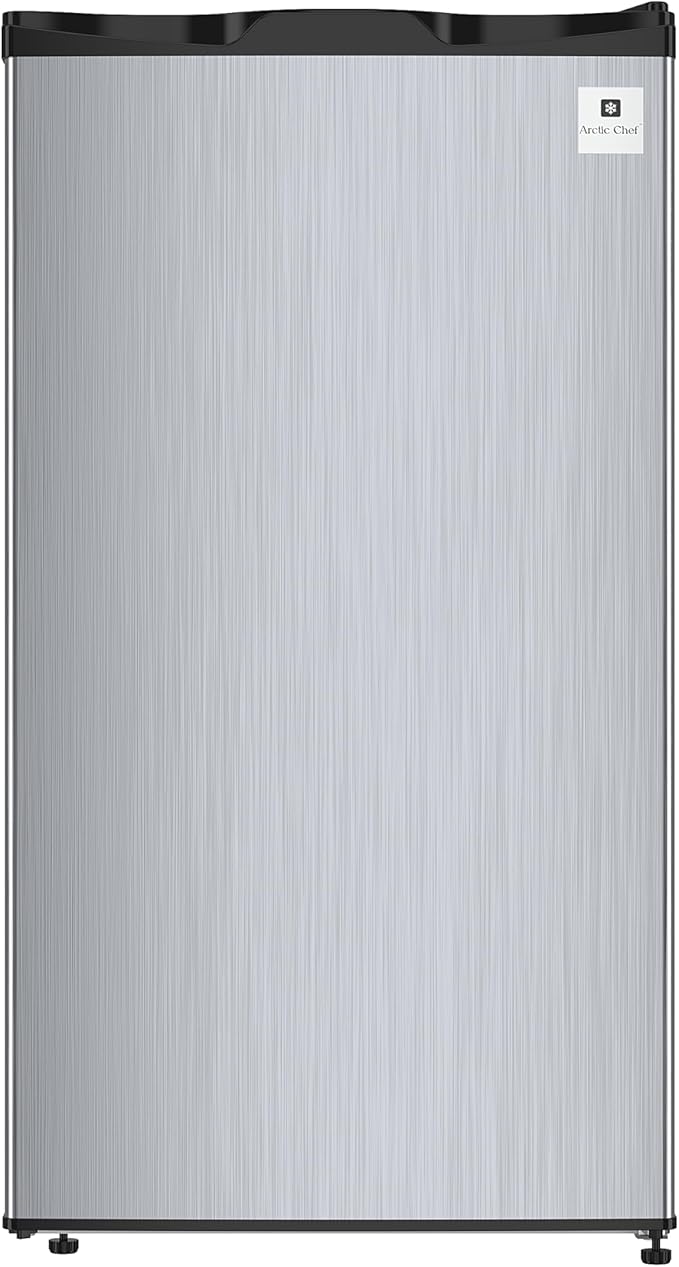
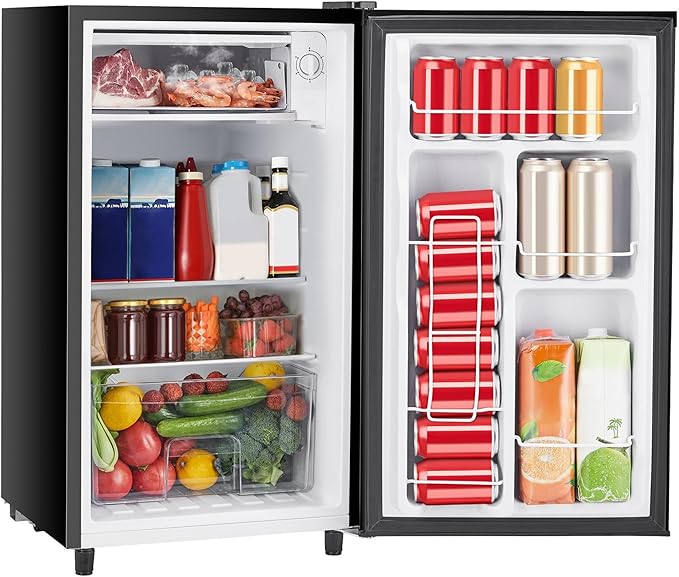
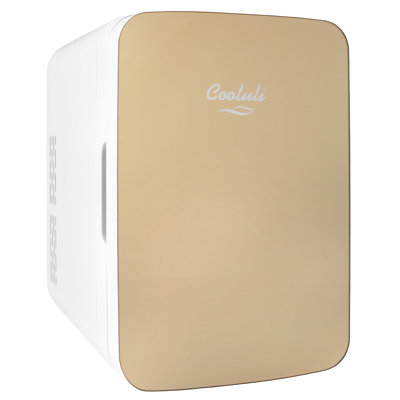
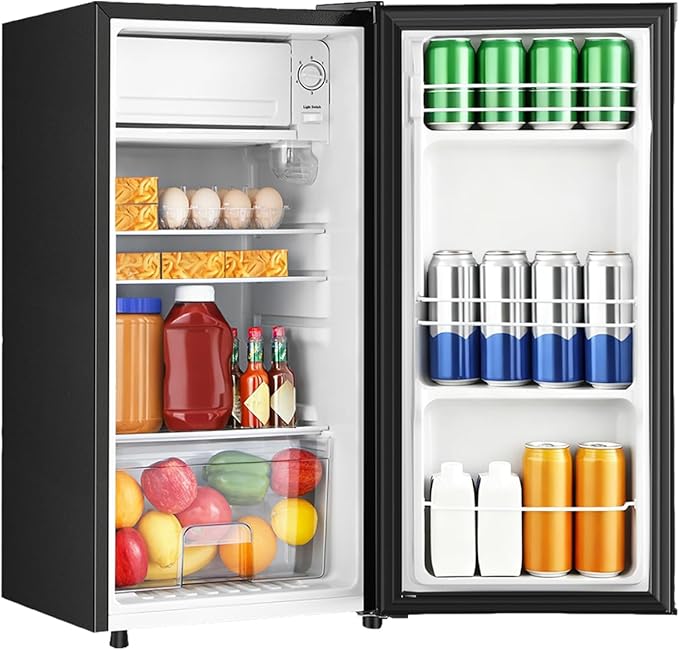
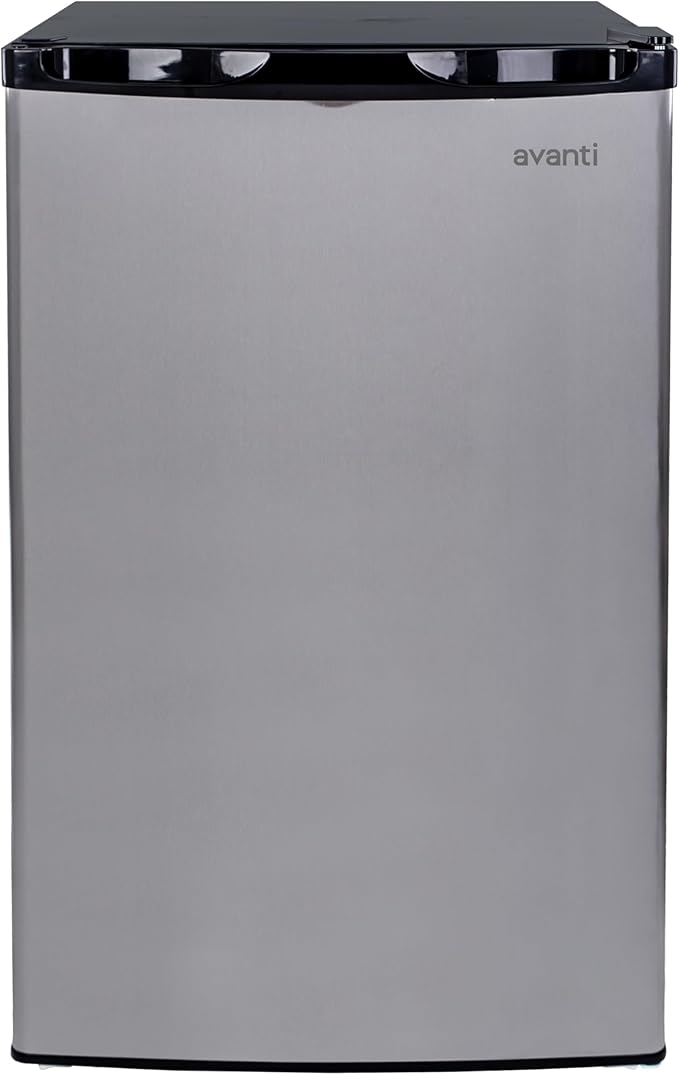
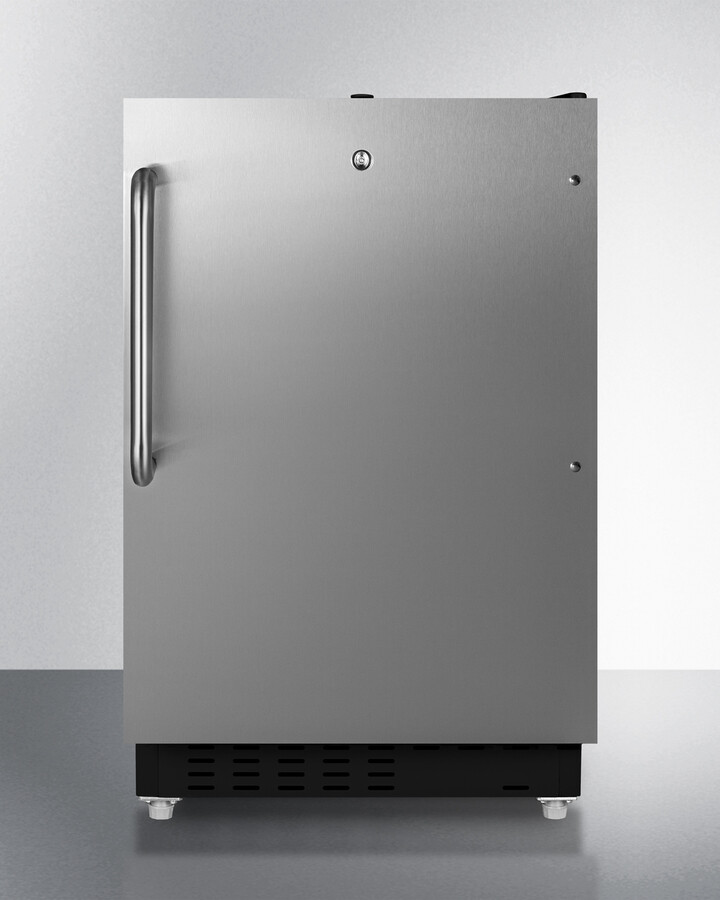
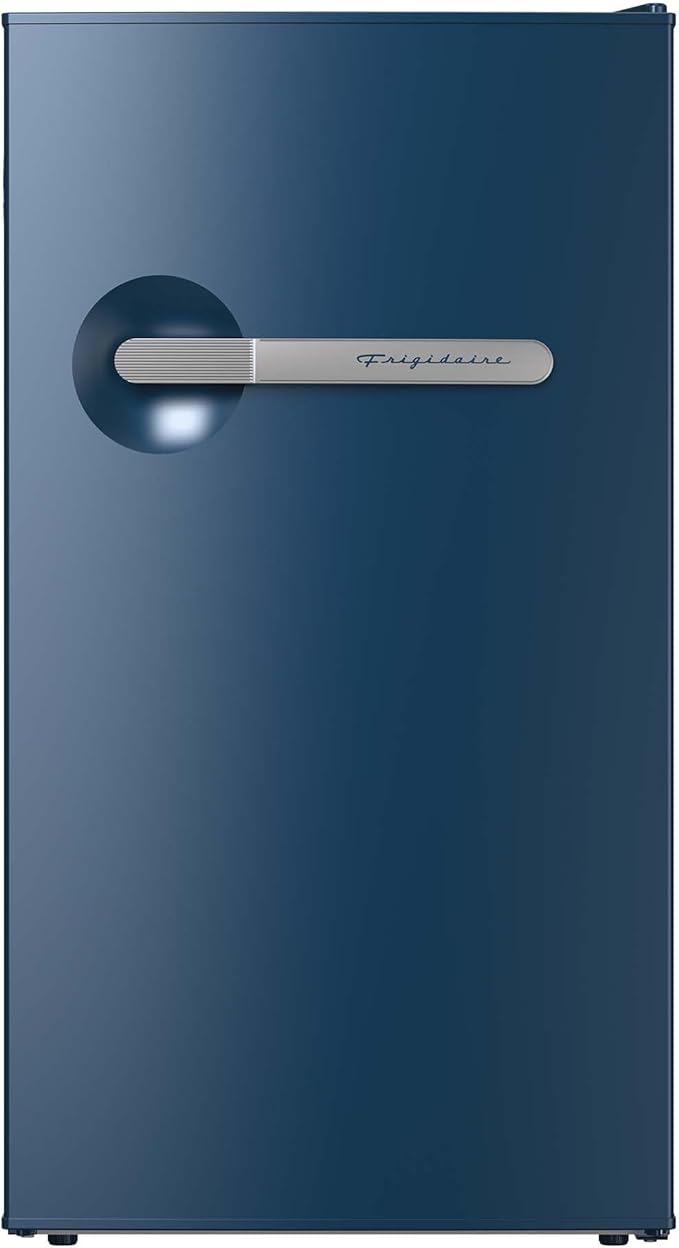
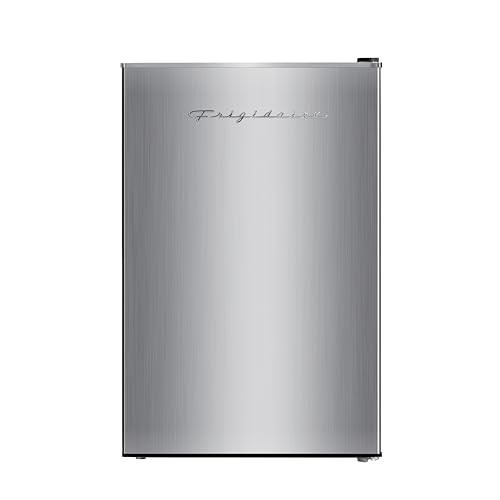
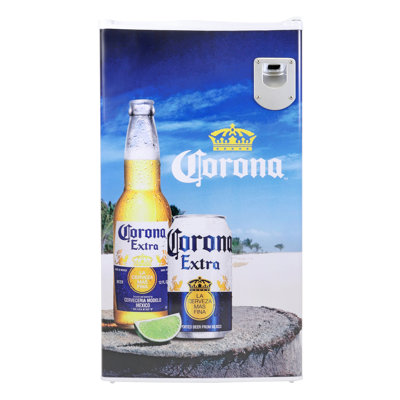
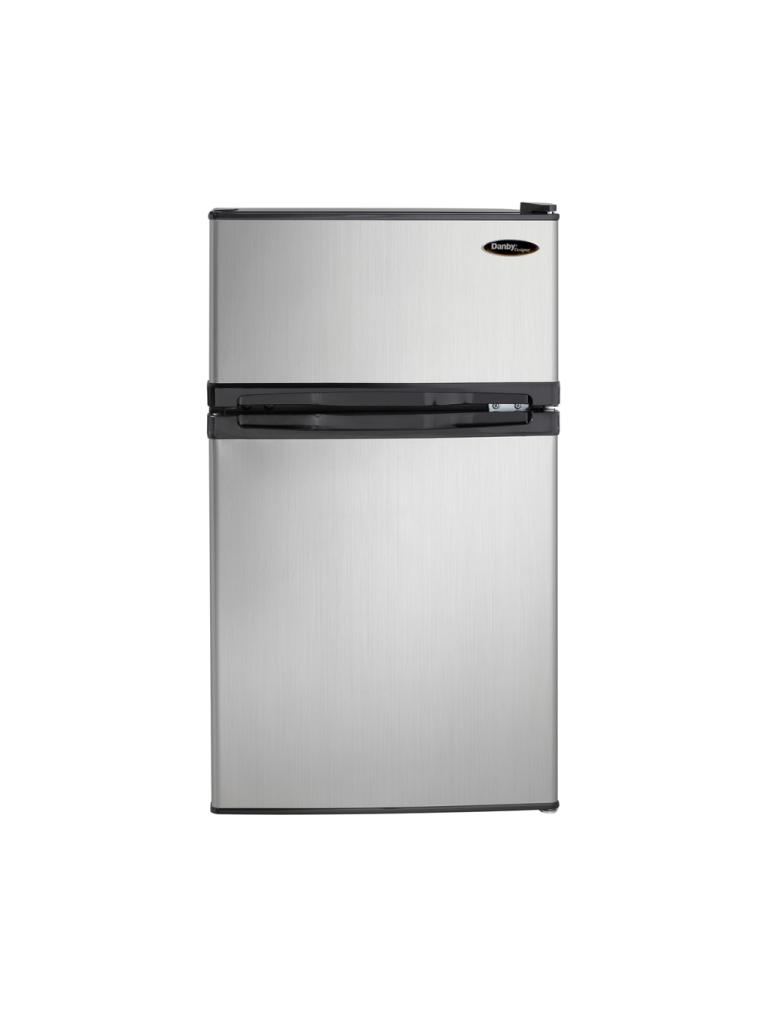
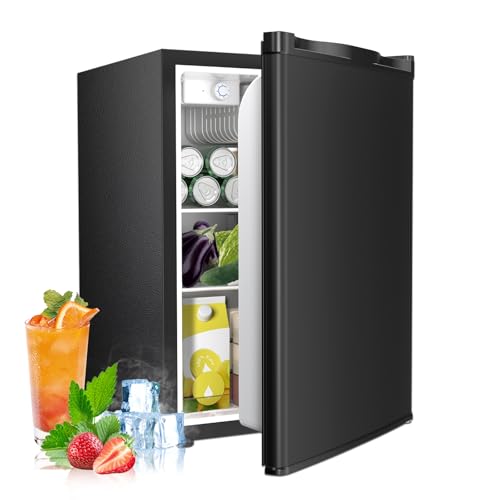
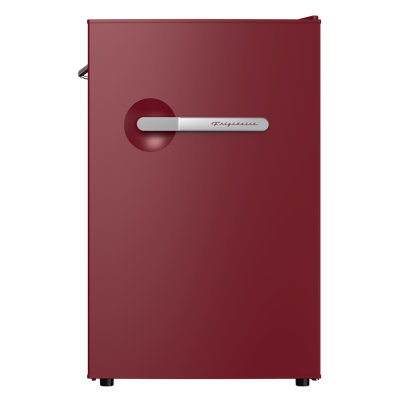
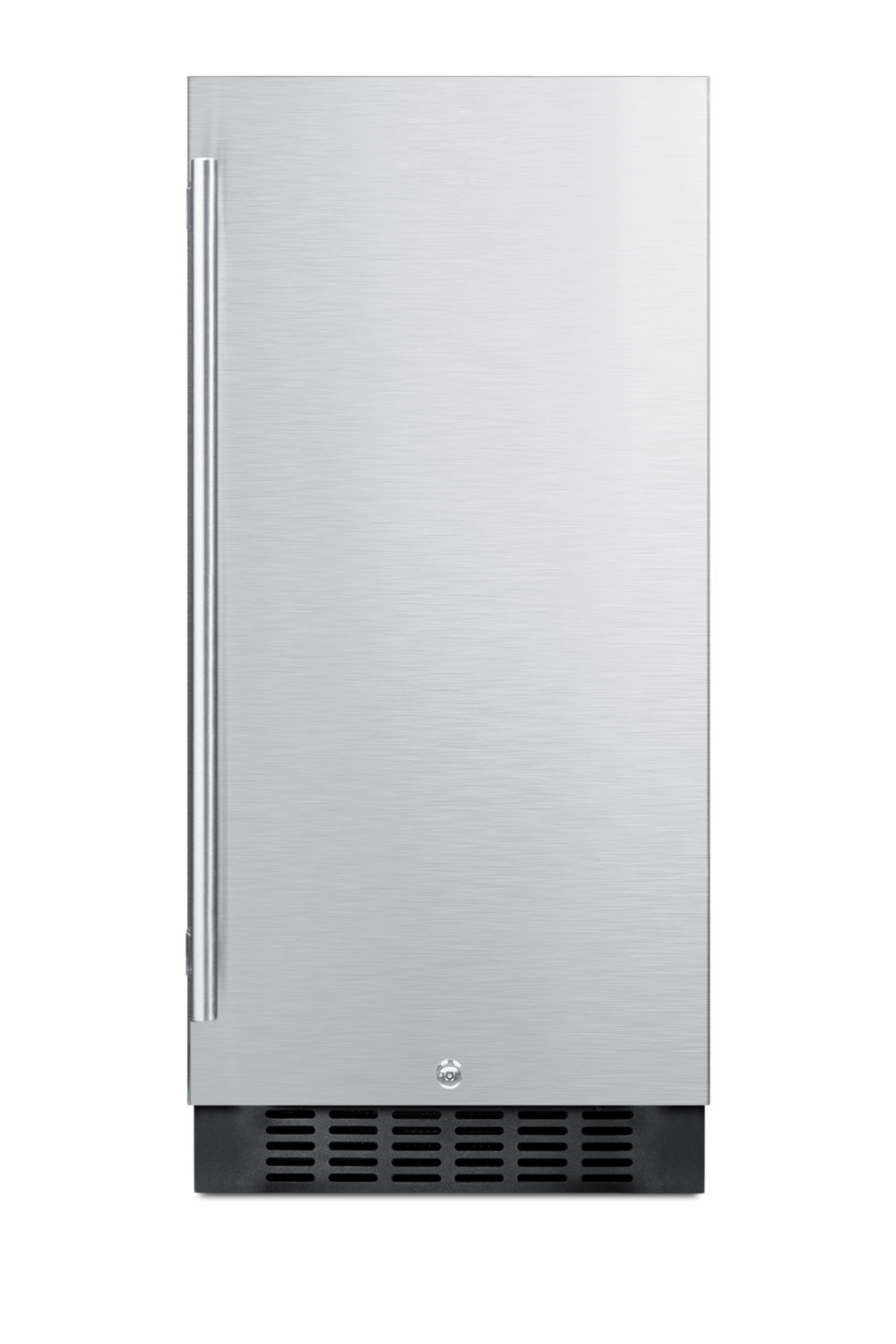
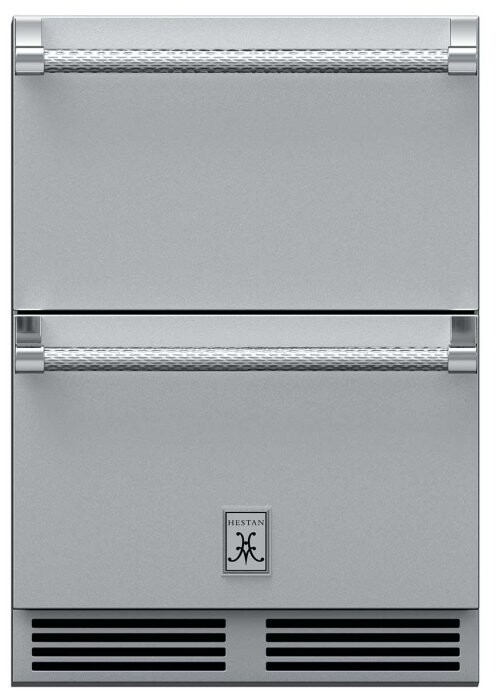
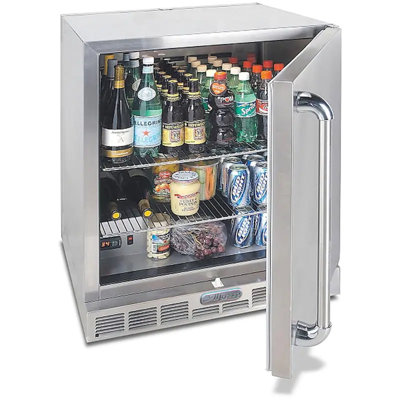
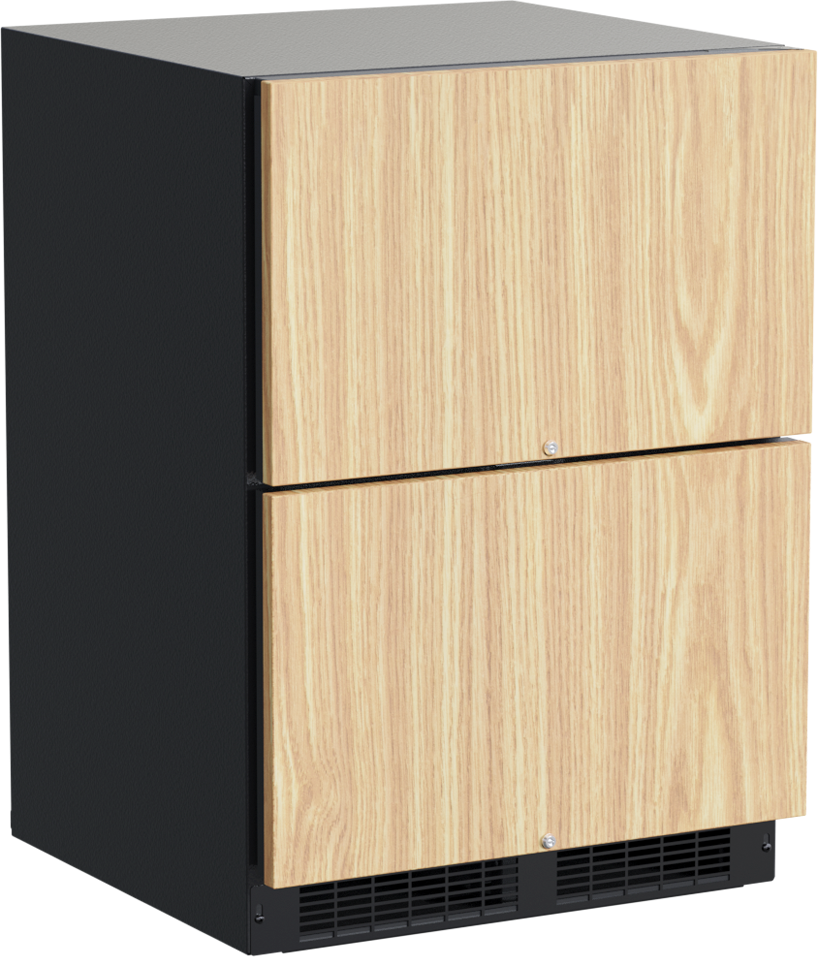
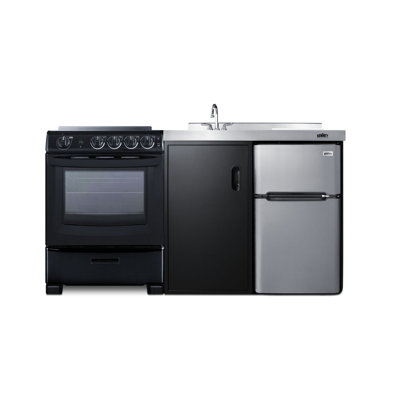
Dorm fridges, also known as compact refrigerators, are versatile and designed to fit in small spaces, making them ideal for dormitories, offices, or bedrooms.
These coolers come with specialized racks designed to hold wine bottles in the optimal position, and they include precise temperature controls to maintain ideal conditions for different types of wine.
These fridges are ideal for standard refrigeration needs, such as keeping drinks cold, and can be quite versatile.
Moreover, many wine coolers come with dual-zone or multiple-zone cooling systems, enabling you to store different types of wine at their ideal temperatures within the same unit.
When considering a cooling appliance for your living space, whether it's a dorm room, apartment, or home, you may be torn between a dorm fridge and a freestanding wine cooler. Both serve the purpose of keeping items cold, but they cater to different needs and preferences. Understanding the distinctions between these two appliances will help you make an informed decision that aligns with your lifestyle and the specific requirements of your living environment.
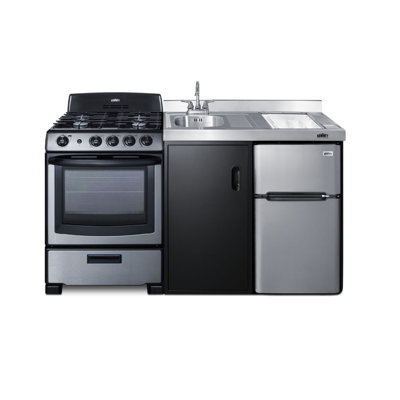
Dorm fridges, also known as compact refrigerators, are versatile and designed to fit in small spaces, making them ideal for dormitories, offices, or bedrooms. They typically include a small freezer compartment and provide enough space to store beverages, snacks, and small food items. The portability and convenience of dorm fridges make them a popular choice for individuals looking to maximize space while still having access to cold storage.
On the other hand, freestanding wine coolers are specifically engineered to create the perfect environment for storing and aging wine. They offer a range of temperature settings that are crucial for maintaining the quality and taste of different wine varieties. Unlike dorm fridges, wine coolers are equipped with features like UV-resistant glass doors and vibration-dampening technology to ensure that your wine collection is stored under optimal conditions.
To further understand the practical differences between these two appliances, consider their attributes in terms of size and capacity, temperature control, storage options, functionality, energy efficiency, design and aesthetics, and cost. Each aspect plays a significant role in determining which appliance will best suit your needs, whether you're a casual drink enthusiast or a budding wine connoisseur.
When considering a cooling appliance for your personal space, be it an apartment, office, or dorm room, understanding the size and capacity of your options is paramount. Below, you'll find the specifications for both dorm fridges and freestanding wine coolers, which will help you determine the best fit for your needs.
Dorm Fridge Specifications
Dorm fridges, designed for compact living spaces, offer a convenient way to keep food and beverages chilled. Here's a glance at their typical size and capacity:
Dimension
Capacity
Height (inches)
18 - 24
Width (inches)
17 - 20
Depth (inches)
18 - 24
Volume (cubic feet)
1.7 - 4.5
Dorm fridges usually feature a small freezer compartment, making them versatile for a variety of items. However, they are not specifically tailored for wine storage, which requires precise temperature control. For more comparisons, see Fridge.com comparison on mini fridge with freezer vs. small refrigerator.
Freestanding Wine Cooler Specifications
Freestanding wine coolers are crafted with the wine enthusiast in mind, offering features that cater to the preservation and aging of wine. Here are the general specifications:
Dimension
Capacity
Height (inches)
34 - 60
Width (inches)
18 - 24
Depth (inches)
18 - 25
Bottle Capacity
20 - 100+
These coolers come with specialized racks designed to hold wine bottles in the optimal position, and they include precise temperature controls to maintain ideal conditions for different types of wine. For those who have a diverse collection, a freestanding wine cooler is a beneficial investment. You can compare this with other refrigeration options in Fridge.com article on freestanding wine cooler vs. pink fridge.
Choosing between a dorm fridge and a freestanding wine cooler comes down to your storage needs and the importance of temperature precision for your beverages. While the dorm fridge offers flexibility for a variety of items and is compact enough for small spaces, the freestanding wine cooler is a dedicated solution for the wine aficionado looking to ensure their collection is stored in optimal conditions.
Maintaining the right temperature is crucial for both preserving food and ensuring the optimal enjoyment of your wines. Let's compare how dorm fridges and freestanding wine coolers manage temperature control.
Cooling Features of Dorm Fridges
Dorm fridges, compact by design, are meant to keep a variety of items cool — from beverages to perishables. They usually offer a basic temperature control mechanism, often a simple dial, that adjusts the overall temperature of the unit. You typically won't find precise temperature zones in dorm fridges; instead, there might be areas that are cooler than others, like the back of the fridge or the area near the freezer compartment, if one is present.
Temperature Range
Typical Use
32°F to 40°F (0°C to 4°C)
Perishable foods and beverages
These fridges are ideal for standard refrigeration needs, such as keeping drinks cold, and can be quite versatile. However, for more sensitive items that require specific temperature settings, like certain wines, they may not be the best fit. For a comparison with other fridge types, consider reading Fridge.com article on apartment size refrigerator vs. upright refrigerator.
Cooling Features of Freestanding Wine Coolers
Freestanding wine coolers are specialized appliances designed to store wine at its optimum temperature, enhancing both its longevity and flavor. Unlike the one-size-fits-all approach of dorm fridges, wine coolers often feature sophisticated temperature controls that allow for precise adjustments, typically ranging from 45°F to 65°F (7°C to 18°C), which is the ideal range for storing different types of wine.
Moreover, many wine coolers come with dual-zone or multiple-zone cooling systems, enabling you to store different types of wine at their ideal temperatures within the same unit. The technology used in wine coolers also tends to be more advanced, with some models using thermoelectric cooling systems that are quieter and vibrate less, preventing disturbance of the wine's sediments.
Temperature Range
White Wines
Red Wines
45°F to 55°F (7°C to 13°C)
Ideal for white wines
Too cold for most reds
55°F to 65°F (13°C to 18°C)
Too warm for most whites
Ideal for red wines
For those serious about their wine collection, a freestanding wine cooler offers a level of control that can't be matched by a dorm fridge. More information on the benefits of a dedicated wine storage solution can be found in Fridge.com article comparing freestanding wine cooler vs. pink fridge.
When it comes to temperature control, the choice between a dorm fridge and a freestanding wine cooler depends on your specific needs. If you're looking for a versatile solution for a variety of cooling needs, a dorm fridge may suffice. However, if you're a wine enthusiast looking for the perfect environment for your collection, a freestanding wine cooler is the way to go.
When comparing storage options, the key distinction lies in the design focus of each appliance. Dorm fridges prioritize versatility, while freestanding wine coolers dedicate their design to specialized storage for wine.
Shelves and Compartments in Dorm Fridges
Dorm fridges, compact and designed for a variety of food and beverage items, come with adjustable shelving and door compartments. Shelves in dorm fridges are usually made of wire or glass and can often be rearranged or removed to accommodate larger items.
Feature
Description
Adjustable Shelves
Yes
Door Compartments
Yes
Crisper Drawer
Sometimes included
Can Dispenser
Common in some models
The ability to modify the interior layout allows you to store a range of items from tall beverage bottles to small snack packs. Additionally, the presence of a crisper drawer helps to keep fruits and vegetables fresh. For beverages like soda and beer, many dorm fridges offer can dispensers for convenience. When considering options, you may also want to explore different configurations, such as drawer fridge freezer vs. french door refrigerator or mini fridge with freezer vs. small refrigerator.
Racks and Storage Layout in Freestanding Wine Coolers
Freestanding wine coolers, on the other hand, are specifically designed for storing wine bottles. They feature racks that cradle bottles in the optimal horizontal position to keep corks moist and prevent oxidation.
Feature
Description
Bottle Capacity
Varies based on size
Sliding Racks
Common for easy access
Dual Zones
For different wine types
Temperature Memory Function
Often included
The racks are often made of metal or wood and can sometimes be slid out for easy access to your collection. Some coolers come with dual-zone temperature controls, allowing you to store both red and white wines at their ideal temperatures within the same unit. Additional features like a temperature memory function can be particularly beneficial in maintaining the right conditions for your wines after a power outage. For more detailed comparisons, consider reading about freestanding wine cooler vs. wine cellar or built in wine cellar vs. refrigerator drawer.
Understanding the storage options available in dorm fridges and freestanding wine coolers can help you make an informed decision based on your needs, whether you're outfitting a dorm room, apartment, or a sophisticated wine collection.
When considering a cooling unit for your living space, whether it's a dorm room, apartment, or home, functionality plays a crucial role in the decision-making process. Let's compare the versatility of dorm fridges with the specialized functionality of freestanding wine coolers.
Versatility of Dorm Fridges
Dorm fridges, also known as compact refrigerators, are designed for versatility and convenience in small living spaces. Their primary function is to keep a variety of foods and beverages chilled and within easy reach. Here's what you can typically expect in terms of functionality from a dorm fridge:
Multiple Uses: Ideal for storing snacks, beverages, leftovers, and even small grocery items.
Additional Features: Some models come with a small freezer compartment for ice trays or frozen treats.
Adjustable Settings: Offers basic temperature control to keep items sufficiently cool.
Portability: Their small size makes them easy to move and reposition as needed.
Dorm fridges are excellent for multifunctional use, making them suitable for a wide range of cooling needs. To learn more about how they compare with other compact options, you might be interested in reading about mini fridges with freezers vs. small refrigerators.
Specialized Functionality of Freestanding Wine Coolers
Freestanding wine coolers, on the other hand, are specifically engineered to cater to the needs of wine enthusiasts. They offer precise temperature control and humidity settings that are vital for preserving the quality and taste of wine. Below are some of the key functionalities of a freestanding wine cooler:
Temperature Zones: Some models have dual zones for different wine varietals, allowing for optimal storage conditions.
Humidity Control: Maintains the right humidity level to keep corks in good condition and prevent oxidation.
Vibration Reduction: Engineered to minimize vibrations, which can disturb the sediment in wine and affect its aging process.
UV Protection: Often come with tinted glass doors to protect wine from harmful UV rays.
For those who are serious about wine storage, a freestanding wine cooler offers specialized features that a dorm fridge cannot match. You may find it useful to explore comparisons such as freestanding wine coolers vs. built-in wine cellars for a deeper understanding of wine storage solutions.
In summary, while dorm fridges excel in general use and adaptability, freestanding wine coolers provide a dedicated environment for preserving and aging wine correctly. Your choice between the two should be based on whether you need a versatile cooling solution or a specialized wine storage system.
Energy Efficiency
Energy efficiency is an increasingly important consideration when choosing between a dorm fridge and a freestanding wine cooler. Not only does it impact the environment, but it also affects your electricity bill in the long run.
Energy Consumption of Dorm Fridges
Dorm fridges, designed for small spaces and lighter use, tend to consume less energy than larger refrigerators but may not be as efficient as specialized wine coolers. Their compact size usually equates to lower power usage, but the actual efficiency can depend on the model, age, and energy-saving features.
Here’s an example table to illustrate potential energy consumption differences:
Dorm Fridge Size (cu ft)
Estimated Annual Energy Consumption (kWh)
1.7
200 - 220
2.5
220 - 250
3.2
250 - 280
To ensure you're getting an energy-efficient model, look for dorm fridges with an ENERGY STAR rating, indicating they meet or exceed federal energy efficiency standards. Check out Fridge.com article on mini fridge with freezer vs. small refrigerator for a deeper dive into energy consumption.
Energy Efficiency of Freestanding Wine Coolers
Freestanding wine coolers are specifically engineered to maintain consistent temperatures ideal for storing various types of wine. The energy efficiency of these units can vary based on insulation quality, door seal integrity, temperature settings, and usage patterns.
Typically, a wine cooler's energy consumption will be higher than that of a dorm fridge due to its specialized cooling technology. However, modern wine coolers come with energy-saving features like LED lighting, insulated doors, and efficient cooling systems designed to minimize energy usage without compromising the storage environment of your wine collection.
Here's what you might expect regarding energy consumption:
Wine Cooler Capacity (bottles)
Estimated Annual Energy Consumption (kWh)
20
300 - 330
32
330 - 360
46
360 - 390
For those conscious about energy use, opting for a wine cooler with a high energy efficiency rating can provide peace of mind and potential cost savings over time. To compare energy efficiency across different types of refrigeration, consider reading Fridge.com comparison between freestanding wine cooler vs. pink fridge or built in wine cellar vs. refrigerator drawer.
In summary, while dorm fridges typically consume less energy due to their size, freestanding wine coolers offer advanced features that can lead to greater energy savings in the appropriate context. Your final decision should align with your specific needs, whether that's occasional use in a compact space or dedicated wine storage with precise temperature control.
When selecting a refrigerator, whether it's a dorm fridge or a freestanding wine cooler, design and aesthetics play a significant role in your decision. These appliances are not just functional; they also contribute to the style of your space.
Style and Appearance of Dorm Fridges
Dorm fridges, known for their compact size and convenience, are designed to fit in small spaces, making them ideal for dorm rooms, offices, or home bars. They come in a variety of colors and finishes, allowing you to choose one that complements your decor.
Feature
Description
Size
Compact, space-saving
Colors
Available in a range of colors
Finish
Various options including glossy, matte, and stainless-steel look
Dorm fridges often have a simplistic design, focusing more on functionality and space efficiency. However, some models offer a touch of elegance with sleek lines and modern handles. If you're interested in contrasting styles, you might find Fridge.com comparison of black refrigerator vs. ice maker enlightening.
Design Elements of Freestanding Wine Coolers
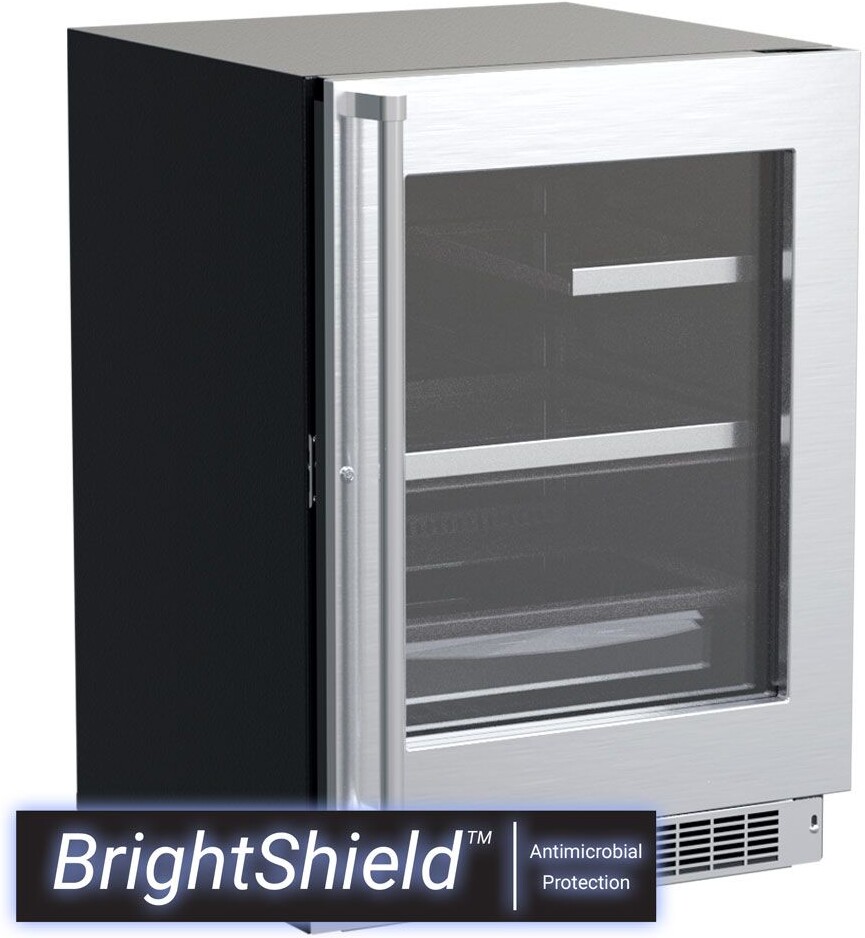
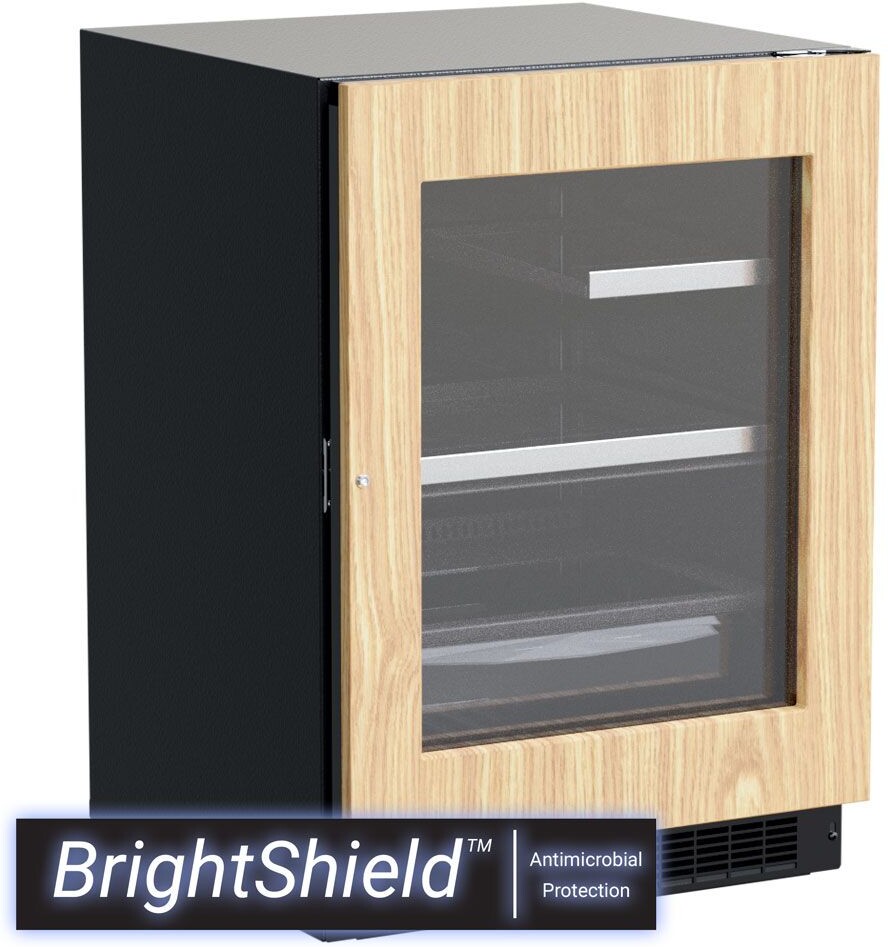
Freestanding wine coolers, on the other hand, are tailored for the wine enthusiast looking to display their collection while ensuring optimal storage conditions. These units often feature sophisticated designs with glass doors and internal lighting to showcase your wine elegantly.
Feature
Description
Door Type
Glass, often tinted or UV-protected
Lighting
LED lighting to highlight your collection
Shelving
Wooden or metal racks designed for wine bottles
The aesthetics of a freestanding wine cooler can range from modern to classic, with some models boasting stainless steel trims, customizable temperature zone labels, and touchscreen controls. For a detailed look at the design differences between appliances, explore Fridge.com comparison of freestanding wine cooler vs. pink fridge.
Ultimately, the choice between a dorm fridge and a freestanding wine cooler extends beyond functionality; it's also about selecting an appliance that suits your style preferences and enhances the ambiance of the room. Whether you prioritize minimalistic design, the chic display of your wine collection, or a pop of color, there's an option out there that fits your aesthetic requirements.
Cost Considerations
When outfitting your living space with appliances, cost is always a major consideration. When deciding between a dorm fridge and a freestanding wine cooler, it's important to evaluate both the initial investment and the long-term expenses associated with each option.
Initial Investment of Dorm Fridges
Dorm fridges, designed for compact living spaces, generally come with a lower price tag compared to their specialized counterparts. The cost varies based on size, features, and capacity. Here's a general idea of what you might expect to spend on a dorm fridge:
Dorm Fridge Size
Approximate Cost
Small (1.7 - 2.5 cu. ft.)
$50 - $150
Medium (3.0 - 4.5 cu. ft.)
$100 - $250
Large (4.6 - 5.5 cu. ft.)
$150 - $300
Dorm fridges offer a budget-friendly solution for basic refrigeration needs, making them a popular choice for students, office workers, or anyone needing a compact refrigeration solution. For comparisons with other compact options, you might want to explore mini fridge with freezer vs. small refrigerator or apartment size refrigerator vs. undercounter freezer.
Cost Comparison with Freestanding Wine Coolers
Freestanding wine coolers, on the other hand, are crafted for the specific purpose of storing wine at optimal temperatures, often reflected in a higher initial cost. Factors influencing price include capacity, temperature zones, and built-in features like UV protection or humidity control. Below is a basic pricing guide for freestanding wine coolers:
Wine Cooler Capacity
Approximate Cost
Small (6 - 20 bottles)
$100 - $300
Medium (21 - 50 bottles)
$250 - $600
Large (51+ bottles)
$500 - $2000+
Investing in a freestanding wine cooler could be a wise choice if you're a wine aficionado looking for the perfect storage environment for your collection. The additional cost may be justified by the specialized storage conditions and features that protect your investment in fine wines. For a more detailed comparison, consider looking at freestanding wine cooler vs. pink fridge or built in wine cellar vs. refrigerator drawer.
In conclusion, when considering a dorm fridge versus a freestanding wine cooler, it's important to align your choice with your specific needs and budget. While dorm fridges offer a cost-effective and versatile option for everyday refrigeration, freestanding wine coolers provide specialized storage that can be crucial for the preservation and enjoyment of your wine collection.
Compare prices on Fridge.com
Compare current prices and specifications on Fridge.com, then buy from the retailer you choose; delivery, installation and warranty terms are the retailer’s.
It also has tons of awesome articles about kitchen stuff and home news. Enhance your home, garage, backyard, patio, and office with the coolest essentials. With every necessary type of residential refrigerator or freezer in the collection, you're covered.
From Fridge.com research
Figures below come from data Fridge.com builds and maintains. Each links to the record behind it.
Fridge.com Energy Index, built on U.S. EPA and DOE ENERGY STAR records
Across 1,728 ENERGY STAR certified compact refrigerator models, median use is 246 kWh per year — 11% better than the federal standard.