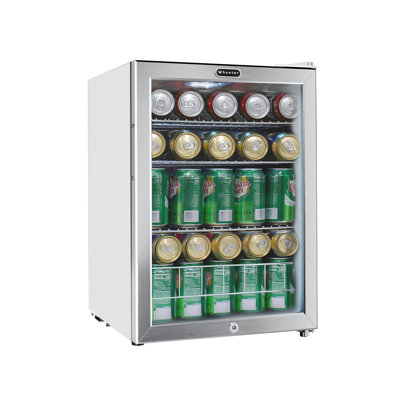
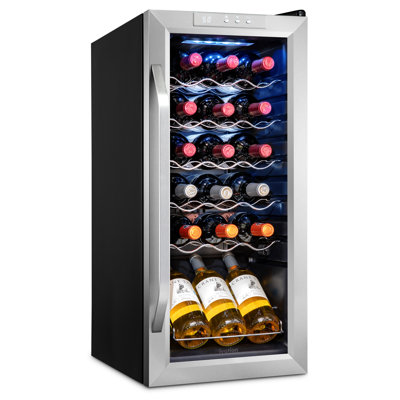
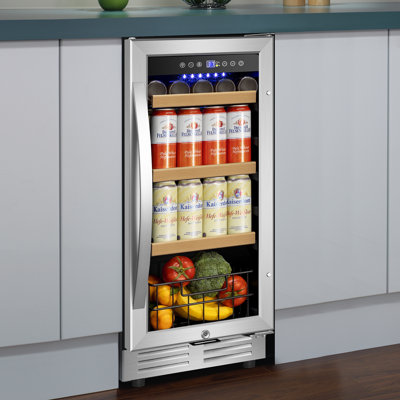
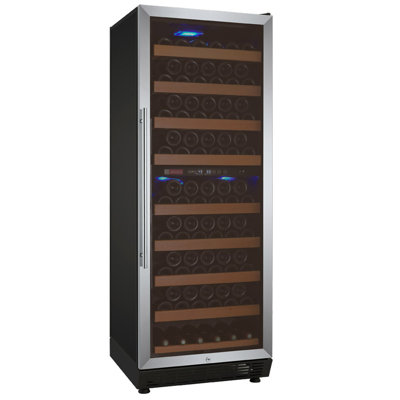
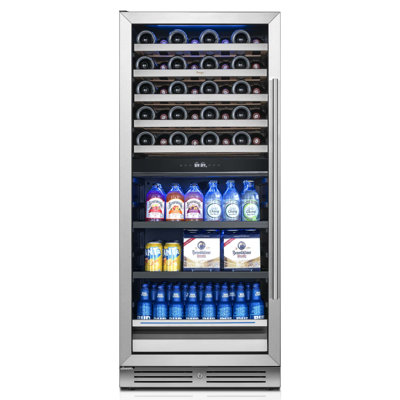
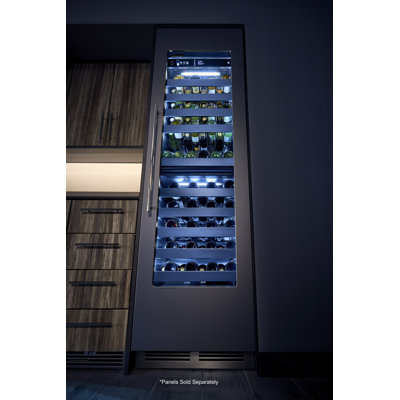
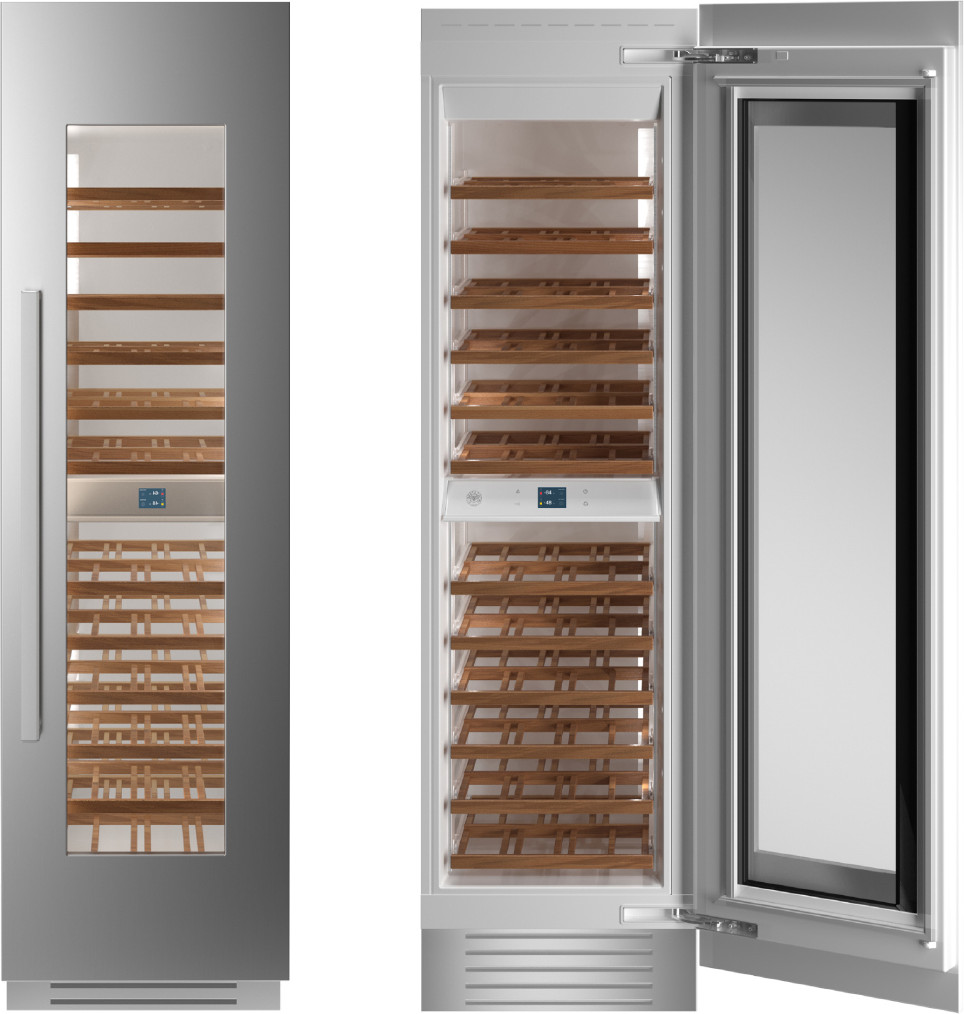
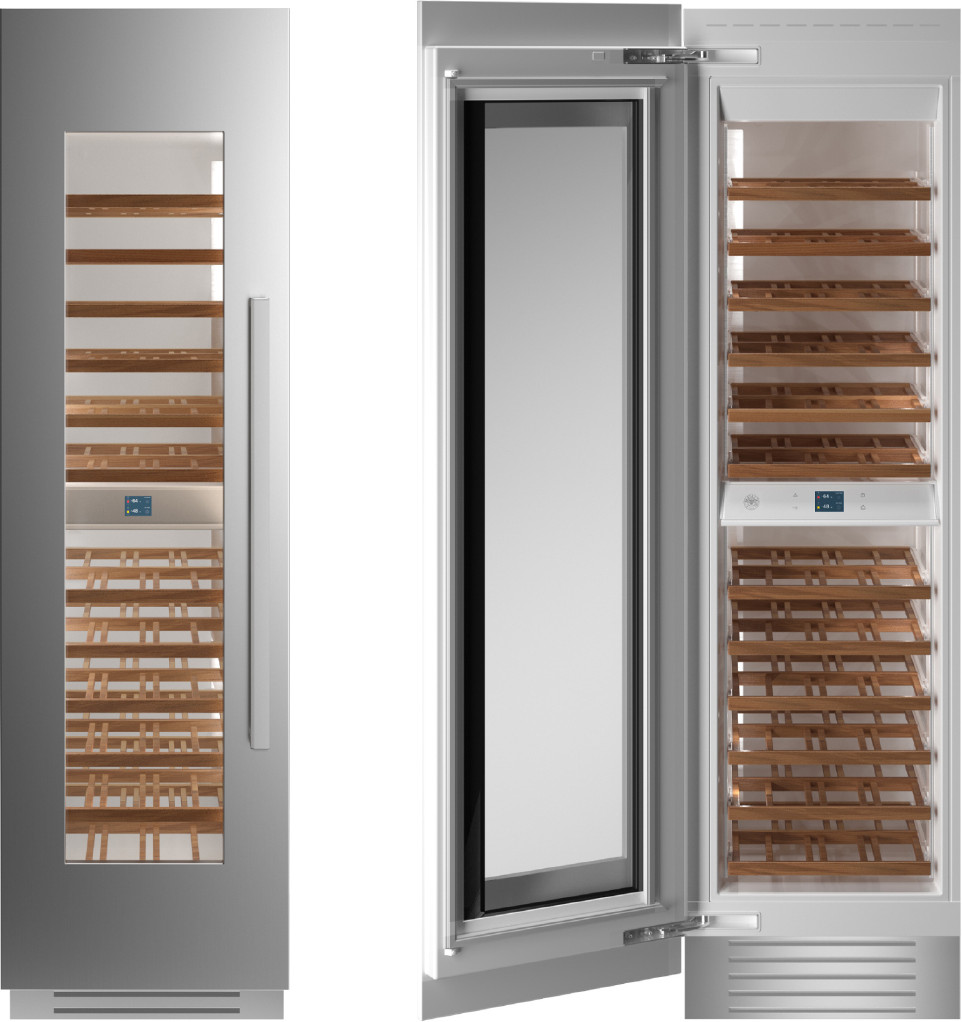
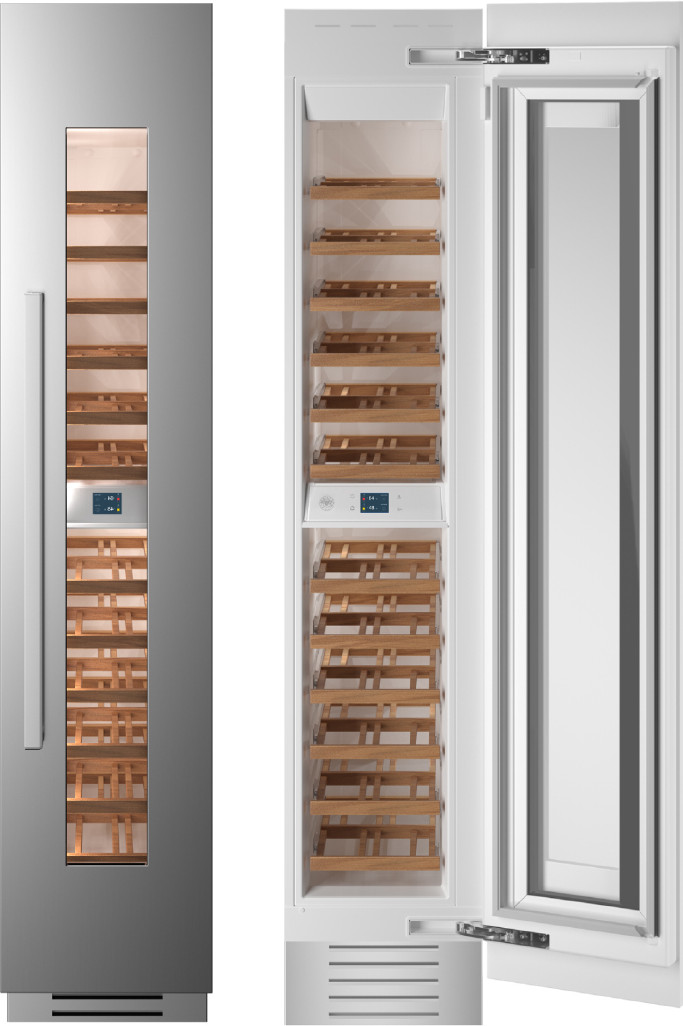
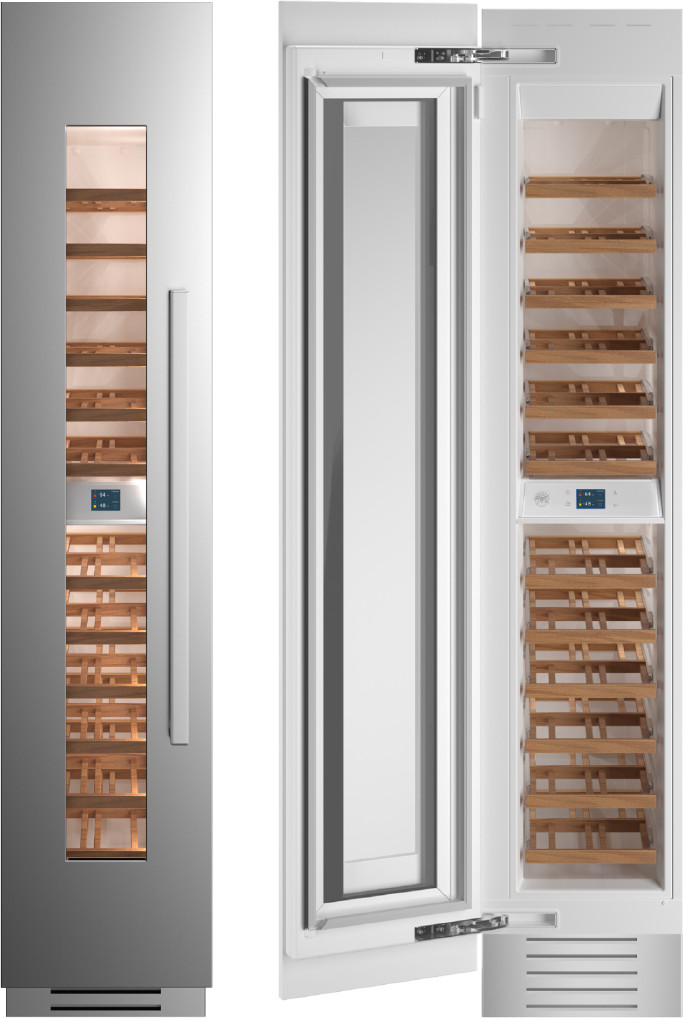
Freestanding wine coolers and wine cellars both store wine, but "wine cellar" often means a larger or built-in storage system. Understanding the differences helps you choose the right option for your collection size, space, and budget. This guide compares freestanding wine coolers and wine cellars in detail.
Freestanding Wine Cooler
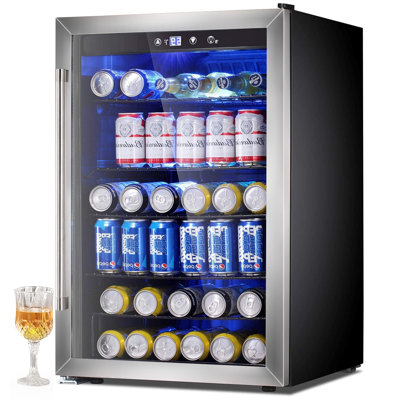
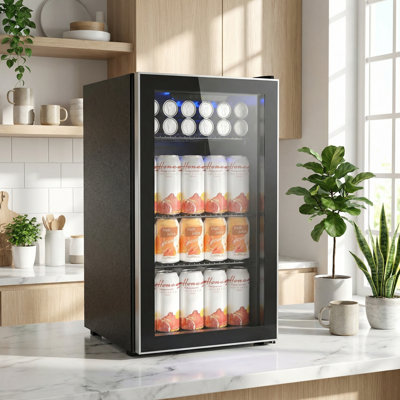
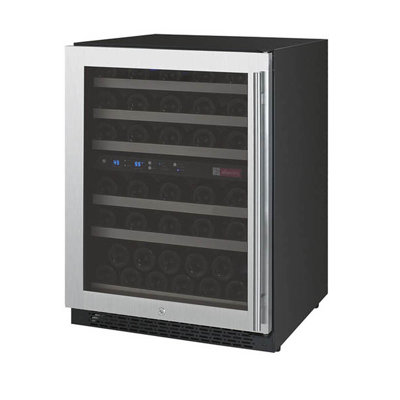
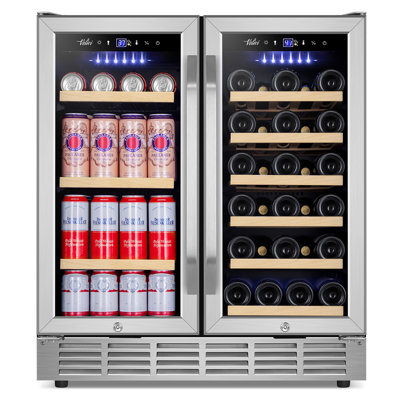
Freestanding wine coolers are standalone appliances that hold wine at 45–65°F. They range from about 6 to 100+ bottles. They plug in and need no cabinetry. Common in kitchens and dining areas, they offer the simplest path to proper wine storage for most households.
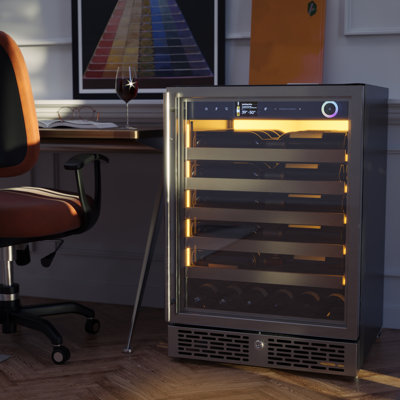
Freestanding wine coolers have finished sides and back. You place them where you have space and plug them in. No cabinet cutout or professional installation is required. They can be moved if needed. They are the simpler option for most homeowners. Capacity varies from small (6–12 bottles) to large (100+ bottles). Under-counter models fit in standard 34- to 35-inch openings; full-height models stand on the floor like a mini refrigerator.
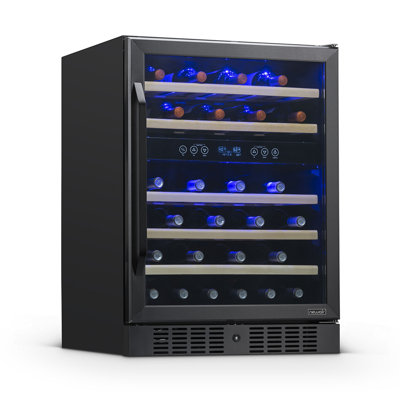
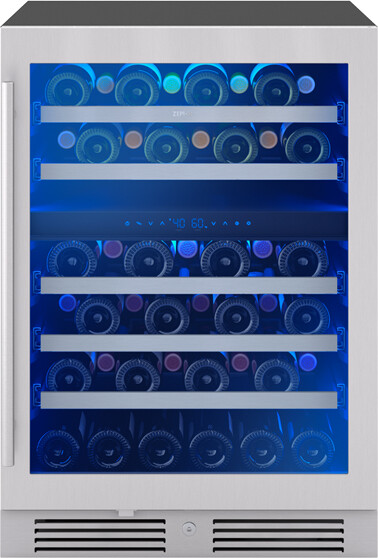
Temperature control is typically 45–65°F with single or dual zones. Single-zone units hold all bottles at one temperature; dual-zone units let you store whites cooler (45–50°F) and reds warmer (55–65°F). They maintain the temperatures that suit wine storage and serving. They are designed for home use—not commercial or walk-in scale.
The U.S. Department of Energy (DOE) does not have separate efficiency standards for wine coolers, but ENERGY STAR certifies some models. The U.S. Energy Information Administration (EIA) reports average electricity prices; a typical 24-bottle freestanding wine cooler might use 100 to 150 kWh per year. Ventilation is important—leave clearance at the back and sides per the manual.
Wine Cellar
"Wine cellar" can mean a built-in cooler that fits in cabinetry, a walk-in room, or a large cooling unit. It often implies more capacity and sometimes humidity control. Built-in cellars require installation and are a permanent part of the home design.
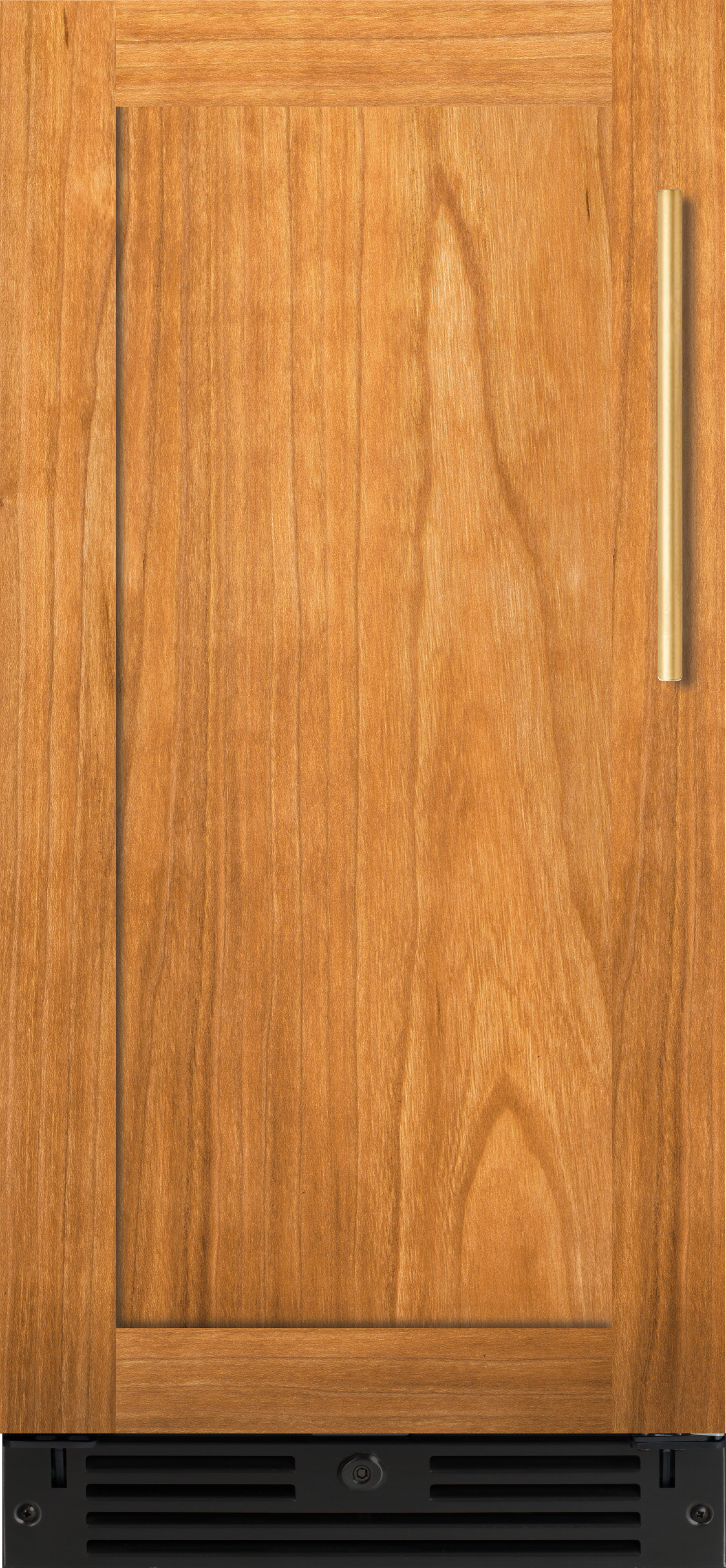
Built-in wine cellars are designed to fit into a cabinet or wall opening. They may have a trim kit and front venting. They look integrated with the design. They require planning and often professional installation. They are a permanent fixture. Built-in units typically hold 50 to 300+ bottles and may offer multiple temperature zones and humidity control.
A walk-in wine cellar is a dedicated room with climate control. It can hold hundreds or thousands of bottles. It is for serious collectors. A "wine cellar" appliance is typically a large built-in cooler—50 to 300+ bottles—with features like humidity control and multiple zones. The term is used loosely; context matters.
Walk-in cellars require room construction, insulation, and dedicated cooling equipment. Humidity control is critical for long-term storage—corks can dry out in dry air, allowing oxygen in and spoiling the wine. The USDA does not regulate wine storage, but wine industry guidelines recommend 50–70 percent relative humidity for cork health. Built-in and walk-in cellars often include humidity systems that freestanding coolers typically lack.
Freestanding wine coolers hold 6 to 100+ bottles. Compact models (6–18 bottles) fit on a counter or in a small niche. Mid-size models (24–50 bottles) are common for under-counter or freestanding placement. Large freestanding units (75–100+ bottles) approach the capacity of small built-in cellars.
Built-in wine cellars often hold 50 to 300+ bottles. Walk-in cellars hold hundreds or thousands. The DOE measures refrigeration capacity in cubic feet; wine cooler capacity is often stated in bottles. A standard 750 ml bottle occupies roughly 0.04 cubic feet, so a 50-bottle unit is roughly 2 cubic feet of storage.
Match capacity to your collection size. If you typically keep 20–30 bottles and rotate through them, a 24- to 36-bottle freestanding cooler is sufficient. If you collect for aging and have 100+ bottles, a built-in cellar or walk-in becomes more practical.
Freestanding wine coolers are plug-and-play. Place the unit, plug it in, and allow 24 hours for temperature stabilization before loading bottles. No cabinet modification is needed. Built-in cellars require a cabinet opening sized to the unit—typically 24 to 36 inches wide and 34 to 35 inches tall for under-counter models.
Built-in units need front venting or the clearance specified in the manual. Blocking vents causes overheating and can shorten compressor life. Walk-in cellars require room construction, vapor barriers, and dedicated HVAC or wine cellar cooling equipment.
Freestanding units can be moved if you relocate. Built-in and walk-in options are permanent. Renters should choose freestanding; homeowners doing a custom remodel can choose either based on capacity and design goals.
Freestanding wine coolers typically use 80 to 200 kWh per year depending on size and insulation. The EIA reports average U.S. electricity prices; at 15 cents per kWh, a 24-bottle cooler might cost $15 to $30 per year to run. Larger built-in cellars use more energy—200 to 500+ kWh per year—because they hold more volume and may include humidity control.
ENERGY STAR certifies efficient wine coolers. The EnergyGuide label, when present, shows estimated yearly energy use. Keeping the unit in a cool room (not next to an oven or in direct sun) reduces run time. Good door seals and full loading (within reason) help efficiency.
Cost Comparison
Freestanding units cost roughly $200 to $1,500 depending on capacity and features. Built-in cellars cost $1,000 to $5,000+ for the unit alone; installation adds $500 to $2,000 or more. Walk-in cellars cost significantly more—$10,000 to $50,000+ for construction and equipment.
For most homeowners with a modest collection, a freestanding wine cooler delivers proper storage at a fraction of the cost of a built-in or walk-in. Serious collectors or those designing a custom wine space may justify the higher investment.
Choose a freestanding wine cooler for simplicity and portability. No cabinet modification, easy replacement, and the ability to move the unit. Freestanding is ideal for renters, first-time wine storage, or collections under 50 bottles.
Choose a wine cellar (built-in or walk-in) for a dedicated, high-capacity wine space. Built-in cellars suit custom kitchens and homeowners who want integrated design. Walk-in cellars suit serious collectors with hundreds of bottles and long-term aging goals.
For most homeowners with a modest wine collection (20 to 50 bottles), a freestanding wine cooler is sufficient. For serious collectors or custom home design, a built-in cellar or walk-in may be the goal. Budget and space determine the fit.
Freestanding wine coolers can go in the kitchen, dining room, bar, or basement. Avoid placement next to heat sources (oven, dishwasher, direct sunlight) and ensure adequate ventilation. Under-counter models need a 34- to 35-inch opening and electrical access.
Built-in cellars are part of the room design. Plan for trim kits, front venting, and electrical during the design phase. Walk-in cellars need dedicated space—a converted closet, basement room, or new construction. Lighting, flooring, and racking are separate considerations.
Maintenance
Both freestanding coolers and built-in cellars need periodic coil cleaning (if accessible), door seal checks, and interior wiping. Keep the door closed to maintain temperature. Avoid overloading—airflow matters for even cooling.
Walk-in cellars need humidity system maintenance and room-level climate monitoring. Built-in and freestanding units typically require less ongoing care.
Freestanding wine coolers are standalone and flexible; wine cellars are often larger or built-in. Freestanding units hold 6–100+ bottles and need no cabinetry. Wine cellars can be built-in coolers (50–300+ bottles) or walk-in rooms. Choose by capacity, installation requirements, and budget. For most homeowners, a freestanding wine cooler is sufficient. For more help comparing models and current prices, you can browse wine coolers and cellars.
Frequently Asked Questions
A freestanding wine cooler is a standalone unit that holds roughly 6–100+ bottles and plugs into a standard outlet. It does not require built-in installation and can be moved.
From Fridge.com research
Figures below come from data Fridge.com builds and maintains. Each links to the record behind it.
Fridge.com Energy Index, built on U.S. EPA and DOE ENERGY STAR records
Across 122 ENERGY STAR certified compact cooler models, median use is 134 kWh per year — 32% better than the federal standard.