Energy Information Administration (EIA) reports average electricity prices; at typical rates, a 24-bottle unit might use 100 to 150 kWh per year—roughly $15 to $25.
Temperature control is typically 45–65°F with single or dual zones.
The investment is significant—$1,000 to $5,000+ for the unit plus installation—so they are typically chosen during a remodel or custom build.
Both freestanding wine coolers and built-in wine cellars maintain the same temperature ranges—typically 45–65°F.
Freestanding wine coolers are standalone units; built-in wine cellars are installed into cabinetry and may be larger or integrated into a room design. Both store wine at controlled temperatures, but installation, cost, and flexibility differ significantly. This guide compares them so you can choose the right option for your space and collection.
Freestanding Wine Cooler
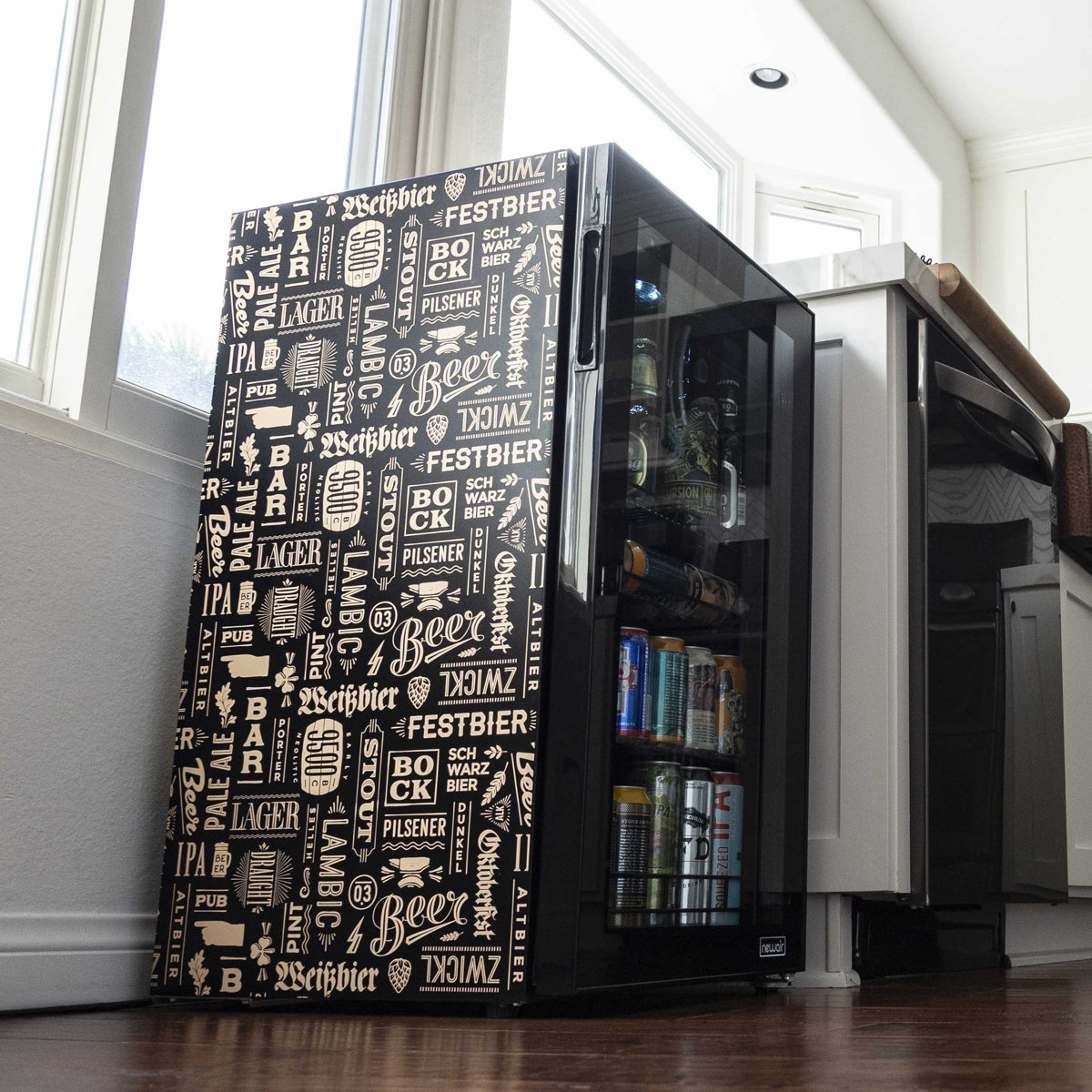
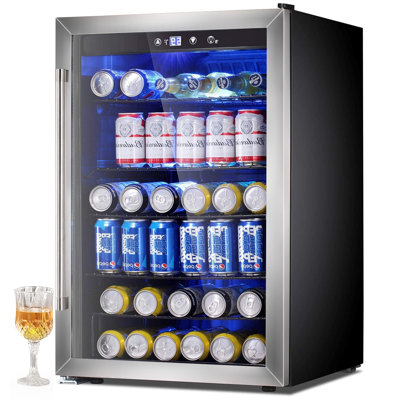
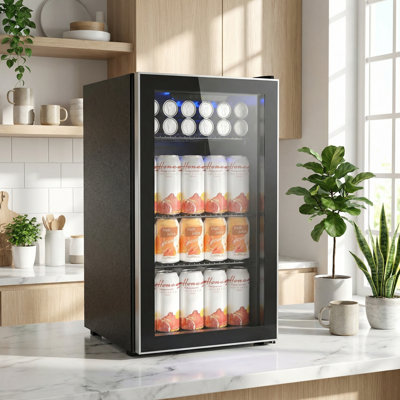
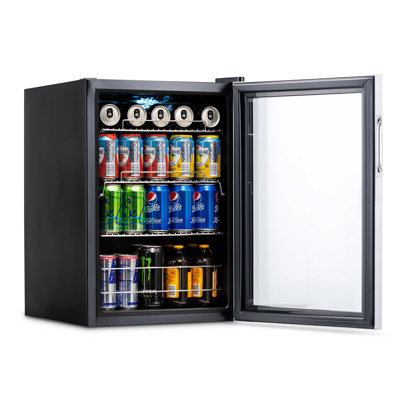
Freestanding units sit on the floor or under a counter, need no cabinet cutout, and can be moved. Capacity ranges from about 6 to 100+ bottles. They are plug-and-play and suit most homes. The U.S. Department of Energy (DOE) does not have separate efficiency standards for wine coolers; they may be classified as compact refrigerators. Check manufacturer specs for estimated energy use.
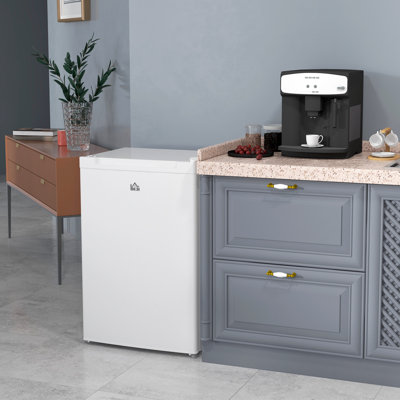
Freestanding wine coolers have finished sides and back. You place them where you have space and plug them in. No cabinet modification or professional installation is required. They can be moved if you relocate or redesign the space. They are the simpler option for most homeowners. Renters, apartment dwellers, and anyone who values flexibility should prefer freestanding units.
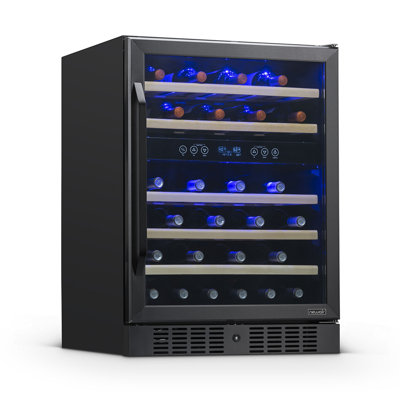
Capacity varies widely. Small units hold 6 to 12 bottles; large units hold 100 or more. Temperature control is typically 45–65°F with single or dual zones. They maintain the temperatures that suit wine storage and serving. The USDA does not specify wine storage temperatures; wine benefits from consistent storage at 45–50°F for whites and 55–65°F for reds. Single-zone units use one set point; dual-zone units let you set different temperatures for red and white.
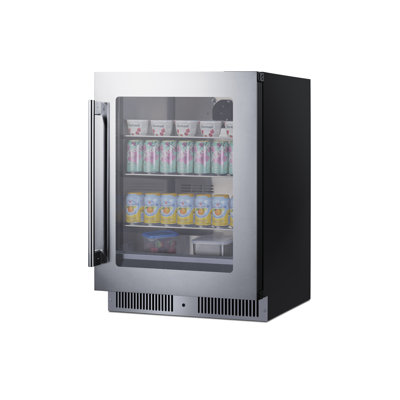
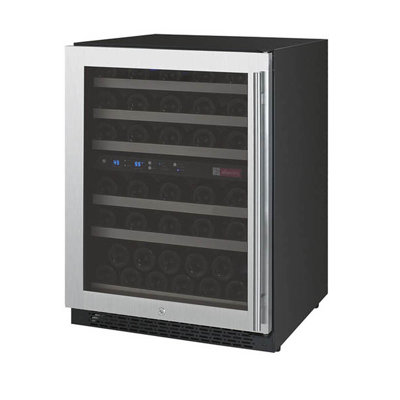
Freestanding wine coolers are available in under-counter and full-height configurations. Under-counter models fit in a 34- to 35-inch opening—the standard height under a counter. Full-height models stand 60 inches or taller and need floor space. Both need clearance for ventilation at the back and sides. Blocking vents causes the compressor to overwork and can shorten the unit's life.
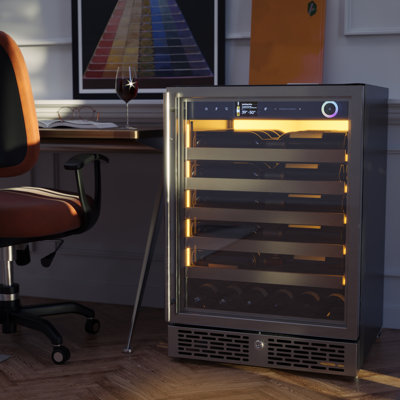
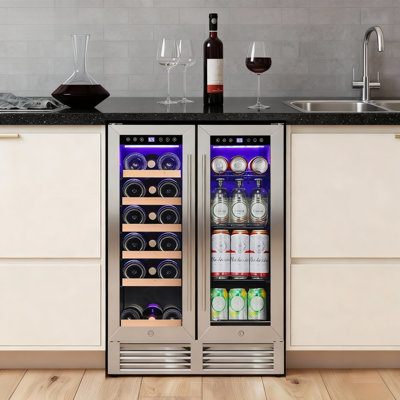
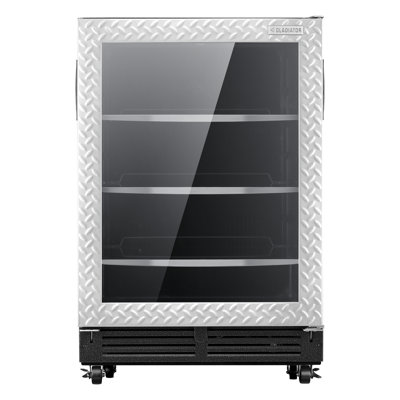
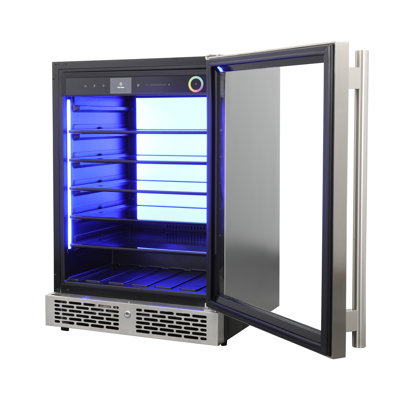
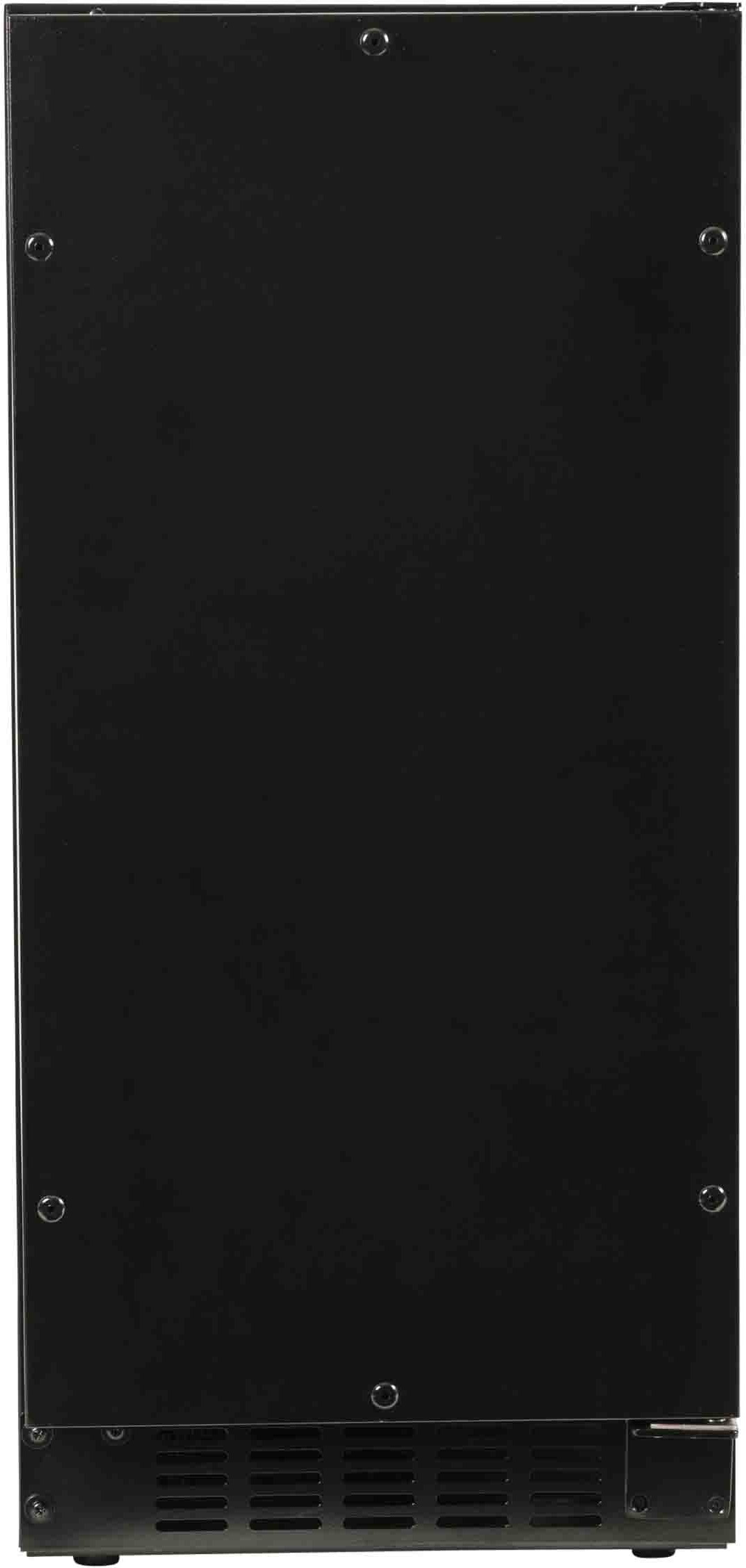
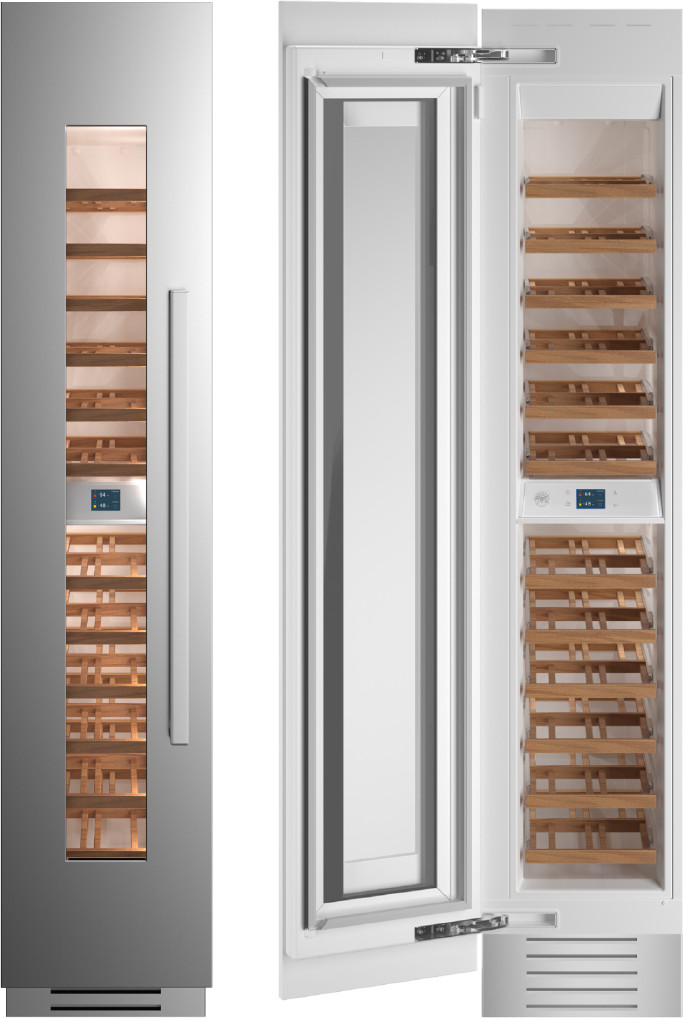
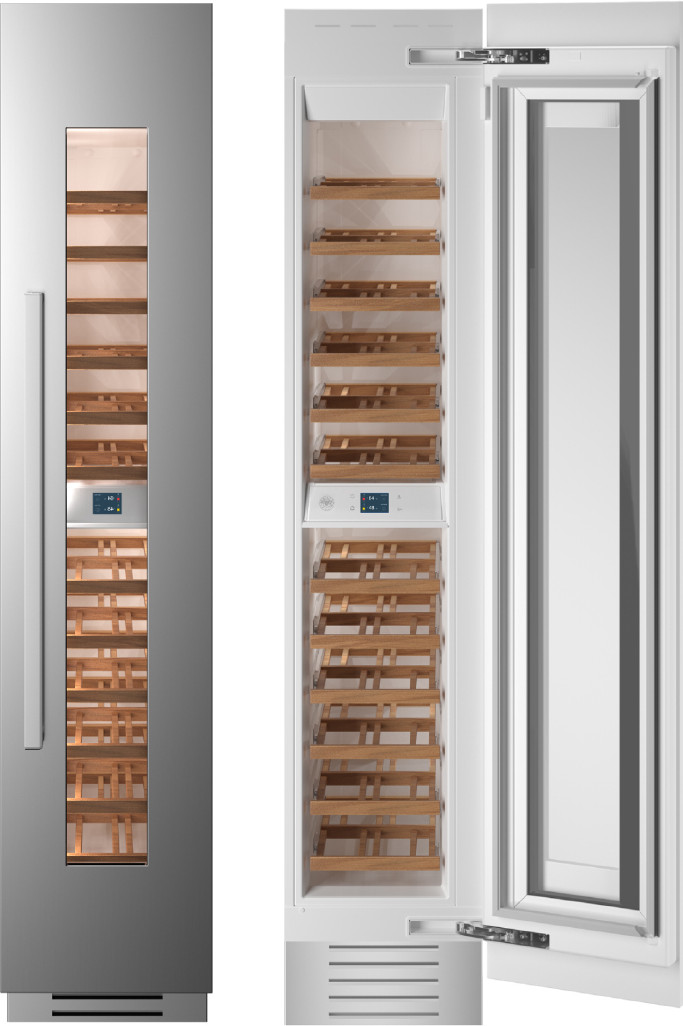
Built-in wine cellars are designed to fit into a cabinet or wall opening. They may have a trim kit and front venting. They can be larger and look integrated. They require planning and often professional installation. Front venting allows heat to be rejected from the front rather than the back, so the unit can be enclosed in cabinetry without overheating.
Built-in cellars are designed to sit flush with cabinetry. They may have front venting so they can be enclosed. They look like part of the kitchen or bar design. Installation requires accurate dimensions, a dedicated opening, and sometimes a professional. They are a permanent fixture. Replacing one requires finding a unit that fits the same opening or modifying the cabinetry—unlike freestanding units, which can be swapped without cabinet work.
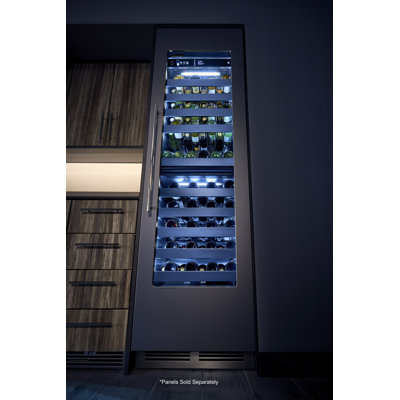
"Wine cellar" can also mean a walk-in room or a very large cooling unit. Built-in cellars in cabinetry are typically 50 to 300+ bottles. They may have humidity control and multiple zones. They suit serious collectors and custom kitchens. Walk-in cellars are dedicated rooms with climate control and can hold hundreds or thousands of bottles—a different category entirely for serious collectors.
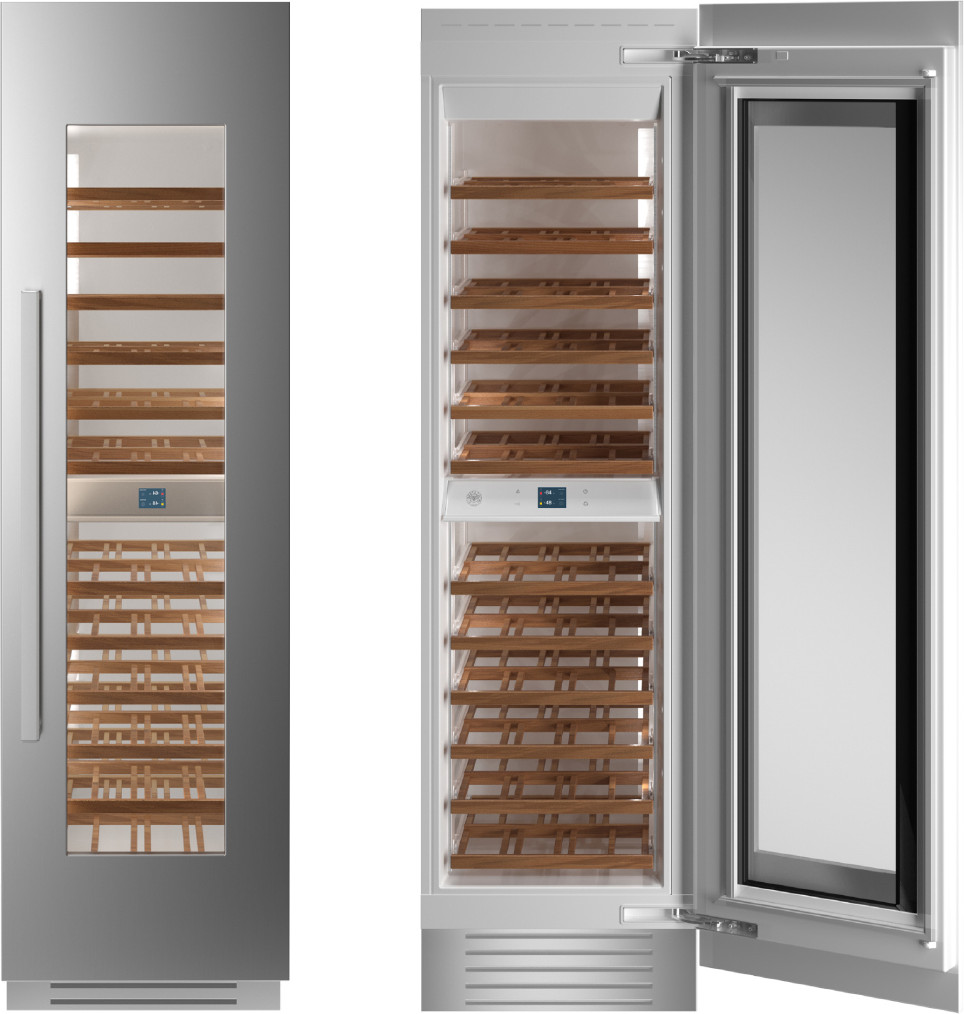
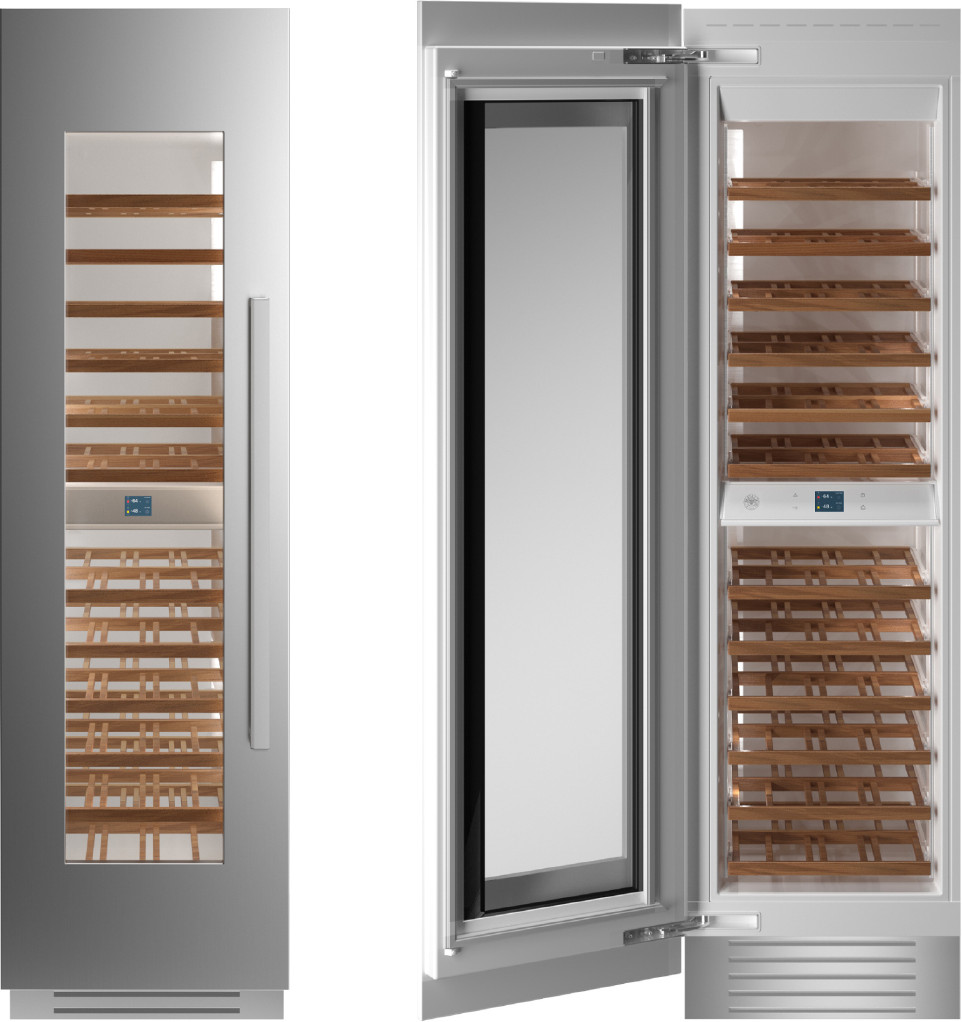
Built-in cellars often offer premium features: humidity control to keep corks moist, UV-resistant glass doors, and multiple temperature zones. They integrate with high-end kitchen and bar designs. The investment is significant—$1,000 to $5,000+ for the unit plus installation—so they are typically chosen during a remodel or custom build.
Both freestanding wine coolers and built-in wine cellars maintain the same temperature ranges—typically 45–65°F. They cool wine the same way; the difference is installation and aesthetics, not performance. Single-zone units use one set point; dual-zone units let you set one temperature for whites (45–50°F) and one for reds (55–65°F). Both types are available in freestanding and built-in configurations.
Wine benefits from consistent storage. Temperature fluctuations can affect quality over time. A good wine cooler or cellar maintains the set temperature with minimal variation. Avoid placing either type in direct sunlight or next to a heat source. The U.S. Energy Information Administration (EIA) reports average electricity prices; at typical rates, a 24-bottle unit might use 100 to 150 kWh per year—roughly $15 to $25. Larger units use more.
Capacity and Features
Freestanding wine coolers hold 6 to 100+ bottles. Built-in wine cellars often hold 50 to 300+ bottles. Capacity is typically stated in bottles (standard 750ml). Magnums and other sizes take more space. Match capacity to your collection size and growth plans. If you are building a collection, consider a unit with more capacity than you need today.
Features to compare: single vs. dual zone, glass vs. solid doors, humidity control, and shelving type. Glass doors let you display the collection but allow light in; UV-resistant glass reduces the risk. Solid doors block light entirely. Humidity control helps keep corks moist for long-term storage. Both freestanding and built-in units offer these features; the choice is about installation, not capability.
Choose a freestanding wine cooler for flexibility and simpler installation. Choose a built-in wine cellar for a custom look and dedicated space. Compare wine coolers and cellars.
Freestanding is the choice when you want flexibility—you can move the unit, replace it without modifying cabinetry, or add one without a remodel. Built-in is the choice when you are designing a custom kitchen or bar and want a seamless look. Budget also matters—built-in units typically cost more and require installation. Renters should choose freestanding; lease agreements often prohibit cabinet modification.
Capacity needs influence the choice. If you need 100+ bottles and want integrated storage, a built-in cellar may be the fit. If you need 20 to 50 bottles and want simplicity, a freestanding cooler is sufficient. For most homeowners with a modest collection, a freestanding wine cooler meets the need. Serious collectors or those designing a custom wine space may prefer built-in.
Consider the long term. Freestanding units can be moved when you relocate. Built-in units stay with the house and may add value for buyers who want integrated wine storage. If you expect to move within a few years, freestanding is the safer choice.
Freestanding wine coolers are plug-and-play. Built-in wine cellars require a cabinet opening, often a trim kit, and sometimes professional installation. Freestanding units cost roughly $200 to $1,500 depending on size. Built-in cellars cost more—$1,000 to $5,000+ for the unit plus installation. The DOE does not have separate efficiency standards for wine coolers; both types cool wine the same way. The difference is installation and aesthetics.
Installation costs for built-in units vary. A simple cabinet opening may cost a few hundred dollars; custom cabinetry and trim kits add more. Professional installation ensures proper ventilation and fit. Get quotes before committing. Freestanding units require no installation cost beyond delivery—place, plug in, and use.
Freestanding wine coolers can be moved and replaced without cabinet work. Built-in cellars are permanent fixtures—replacing one requires finding a unit that fits the same opening or modifying the cabinetry. Standard widths (24 inches, 30 inches) help when replacing built-in units; non-standard openings limit options.
Renters should choose freestanding. Homeowners doing a custom remodel can choose either based on design goals and budget. If you upgrade to a larger freestanding unit, you simply move the old one out and the new one in. With built-in, upgrading may require expanding the cabinet opening—a significant project. Compare wine coolers and cellars.
Ventilation and Placement
Both types need adequate ventilation. Freestanding units typically vent from the back; leave 2 to 4 inches of clearance. Built-in units with front venting can be enclosed. Blocking ventilation causes overheating and can shorten compressor life. Place units away from direct sunlight and heat sources. The condenser produces heat; it must be able to reject it to function properly.
Freestanding wine coolers are movable and need no cabinetry; built-in wine cellars are installed for a custom look. Freestanding units are plug-and-play; built-in units require planning and installation. Both cool wine the same way—the difference is installation, aesthetics, and flexibility. Choose by installation and design goals. For specs, capacity, and current prices across brands and retailers, compare wine coolers and cellars.
Frequently Asked Questions
A freestanding wine cooler is a standalone unit that does not require a cabinet cutout. It plugs in and can be placed on the floor or under a counter; it can be moved if you relocate.
Free tool
Wine Refrigerator Calculator
Free interactive tool from Fridge.com — get a quick answer while you read.