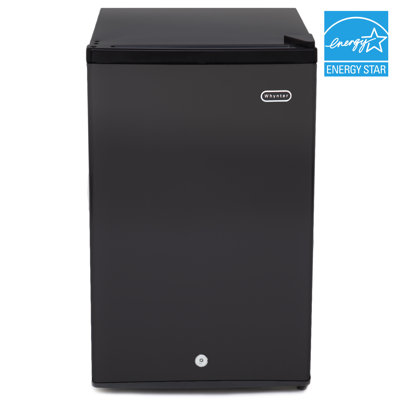
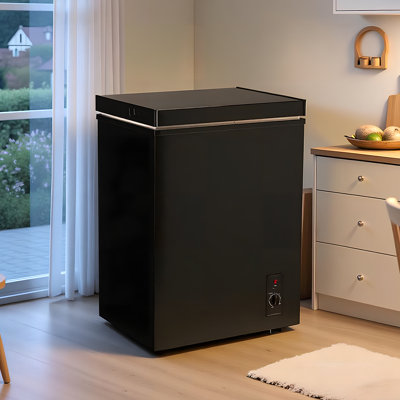
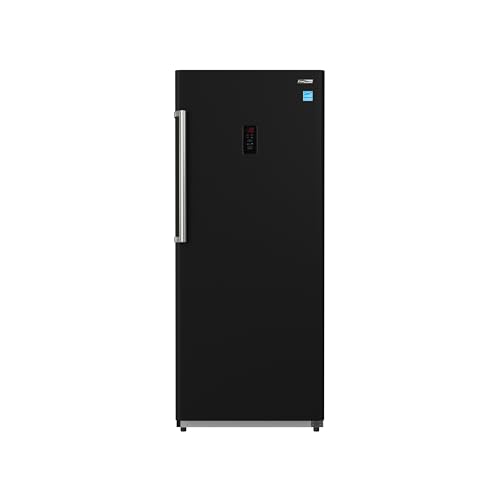
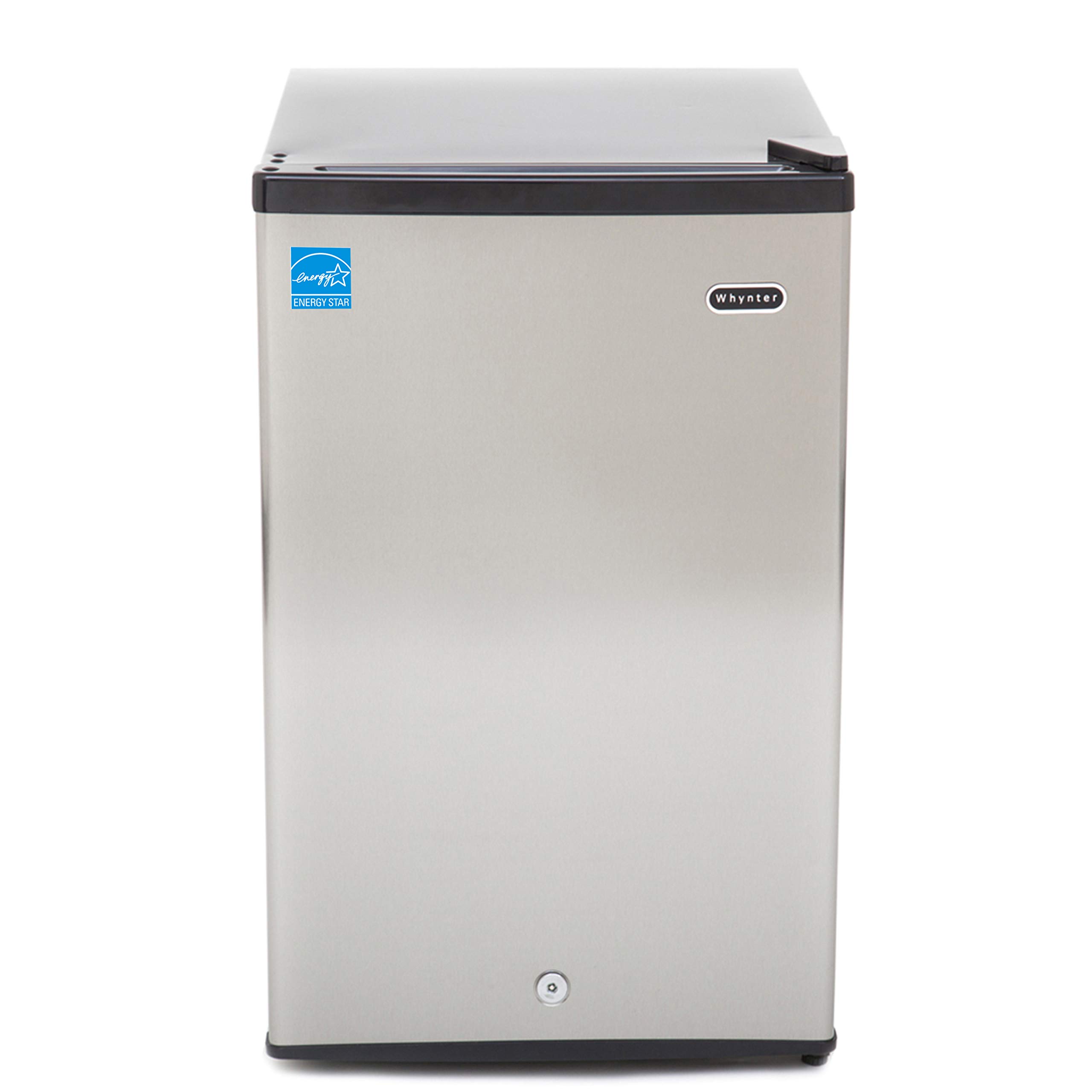
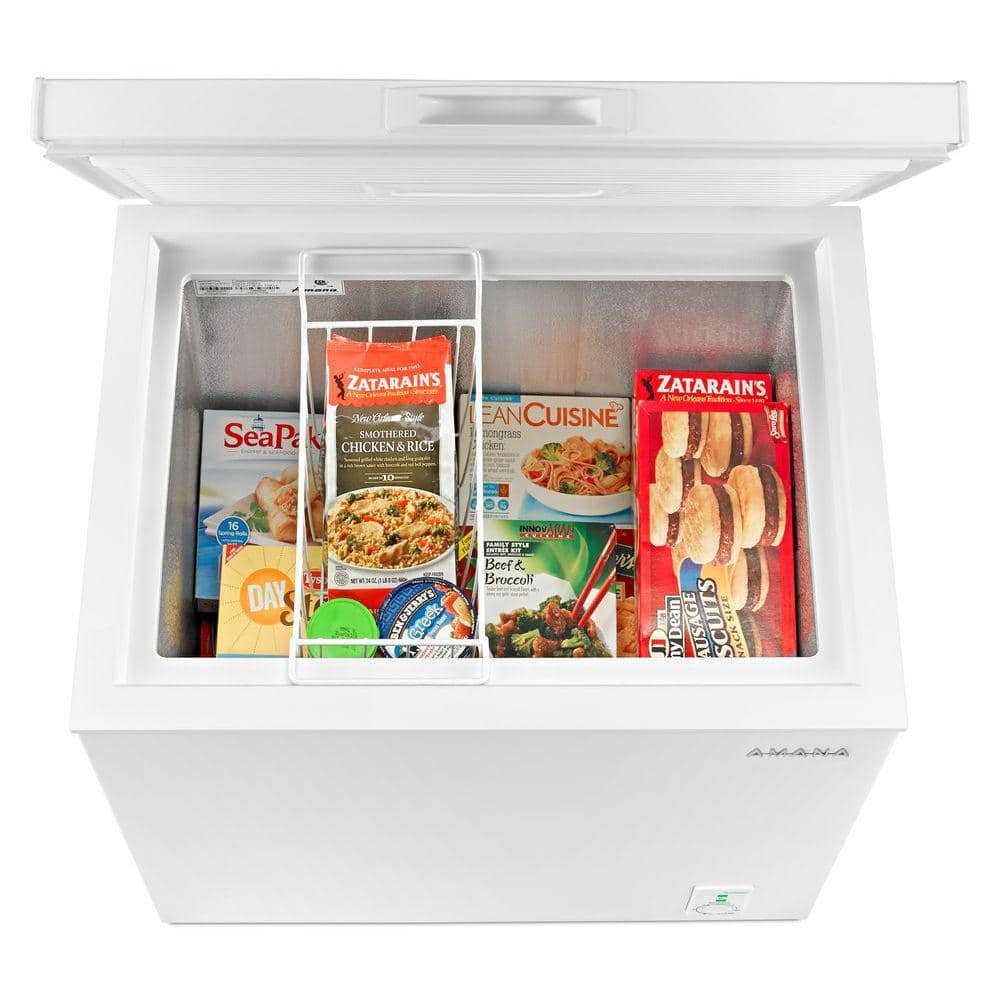
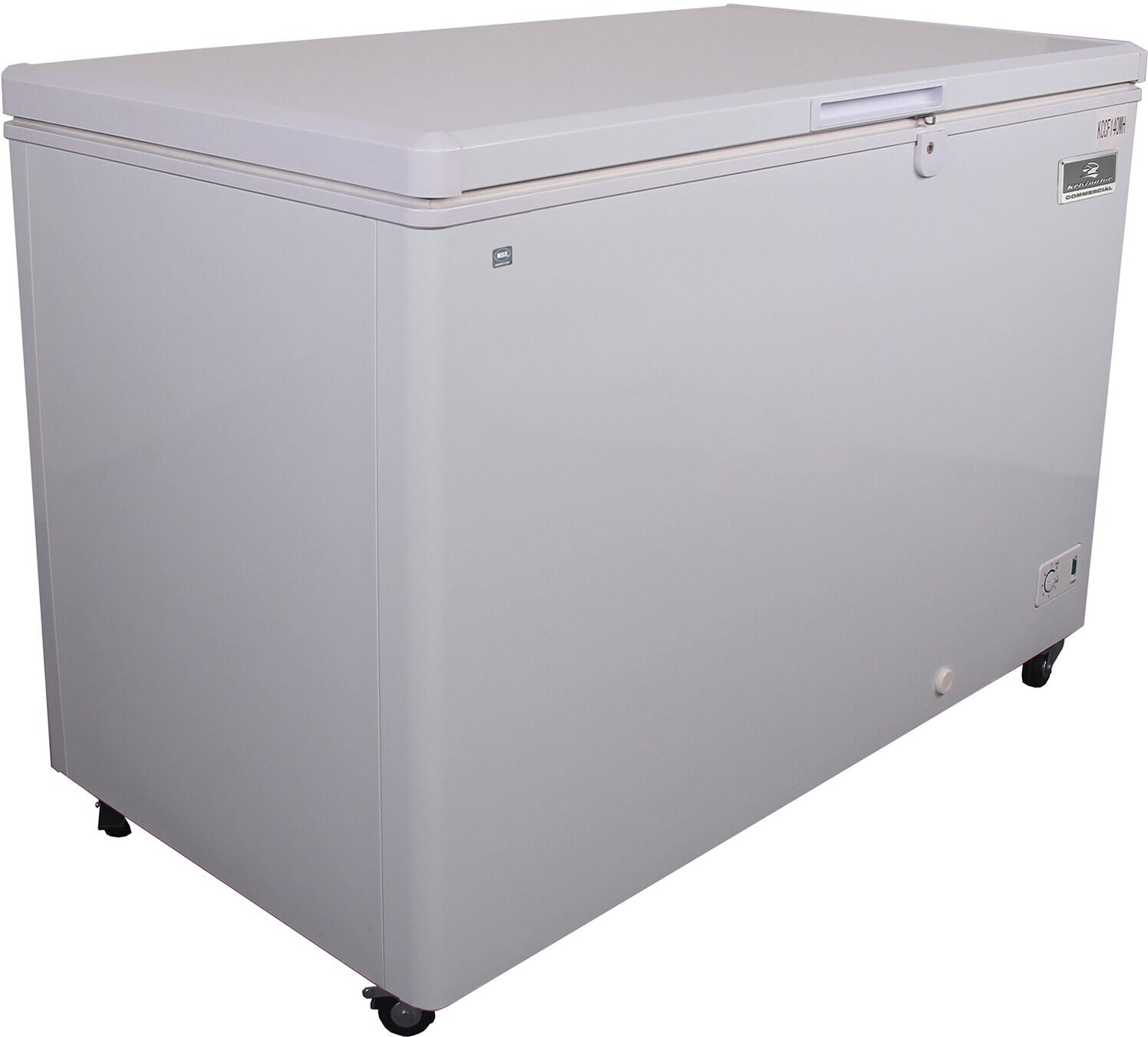
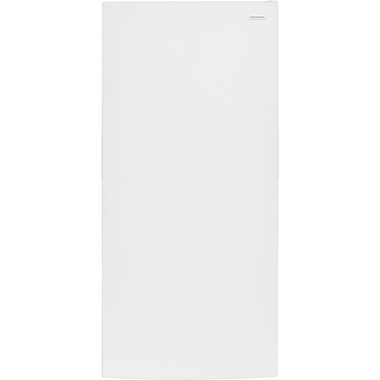
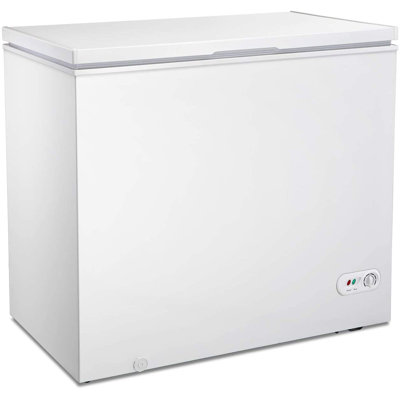
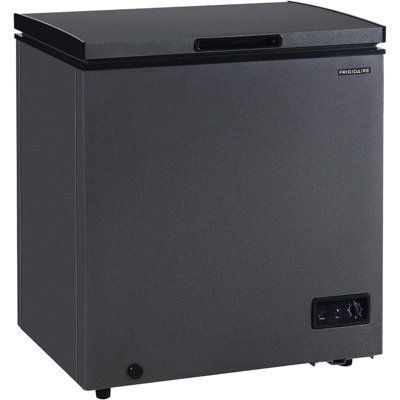
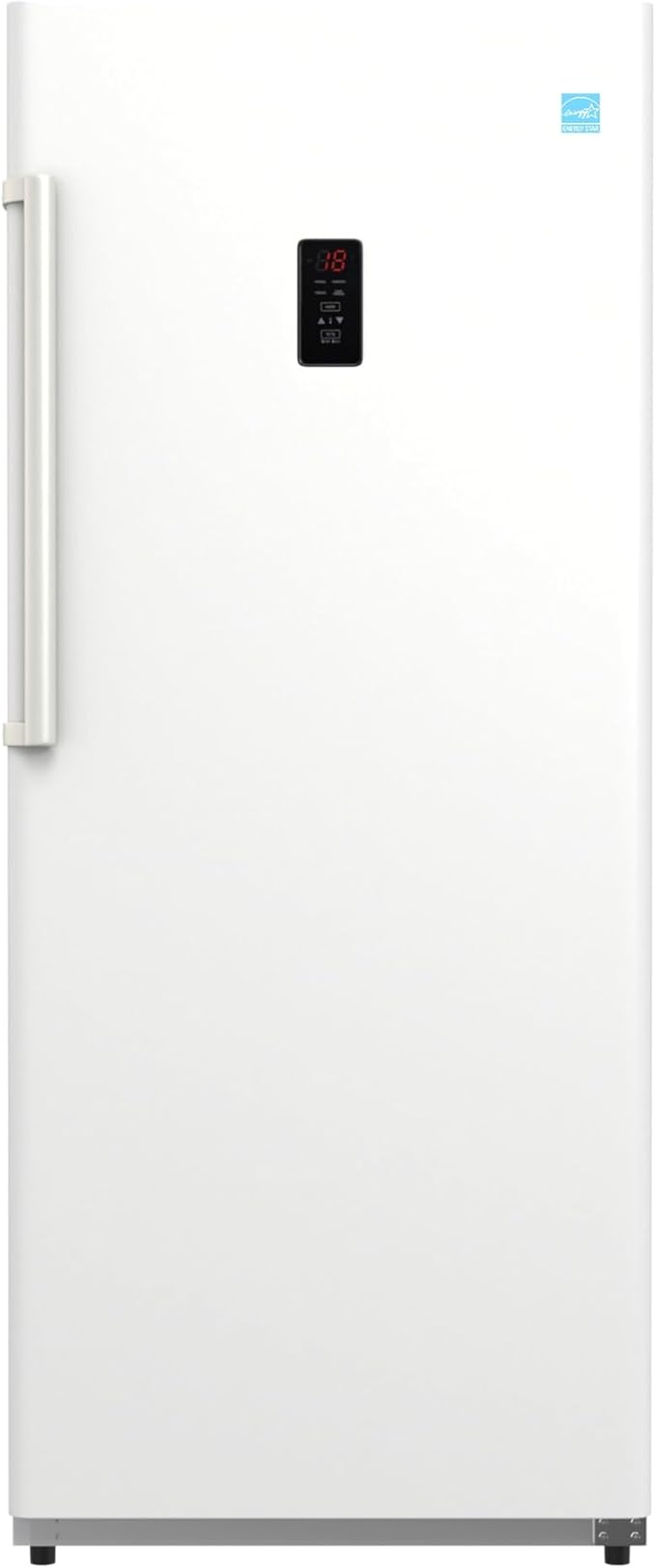
Convertible freezer refrigerators offer a versatile solution for your food storage needs. These appliances can switch between being a refrigerator or a freezer, providing flexibility based on your requirements.
Features and Functionality
Convertible freezer refrigerators come with a range of features that make them highly functional:
Dual Mode: Easily switch between refrigerator and freezer modes.
Temperature Control: Precise temperature settings to suit different types of food.
Storage Capacity: Ample storage space to accommodate both frozen and fresh items.
Energy Efficiency: Designed to use less energy when switching modes.
These appliances are particularly useful for those who need extra storage flexibility, such as during holiday seasons or when hosting parties.
Feature
Functionality
Dual Mode
Switch between refrigerator and freezer
Temperature Control
Precise settings for different foods
Storage Capacity
Ample space for various items
Pros and Cons
Convertible freezer refrigerators offer several benefits, but they also come with some drawbacks. Understanding these can help you decide if this type of appliance is right for you.
Pros:
Flexibility: Easily switch between freezer and refrigerator modes.
Convenience: Ideal for varying storage needs.
Space-Saving: Eliminates the need for separate refrigerator and freezer units.
Energy Efficient: Designed to consume less power when switching modes.
Cons:
Cost: Often more expensive than standard refrigerators or freezers.
Complexity: More features mean more potential issues.
Limited Availability: May not be as widely available as traditional units.
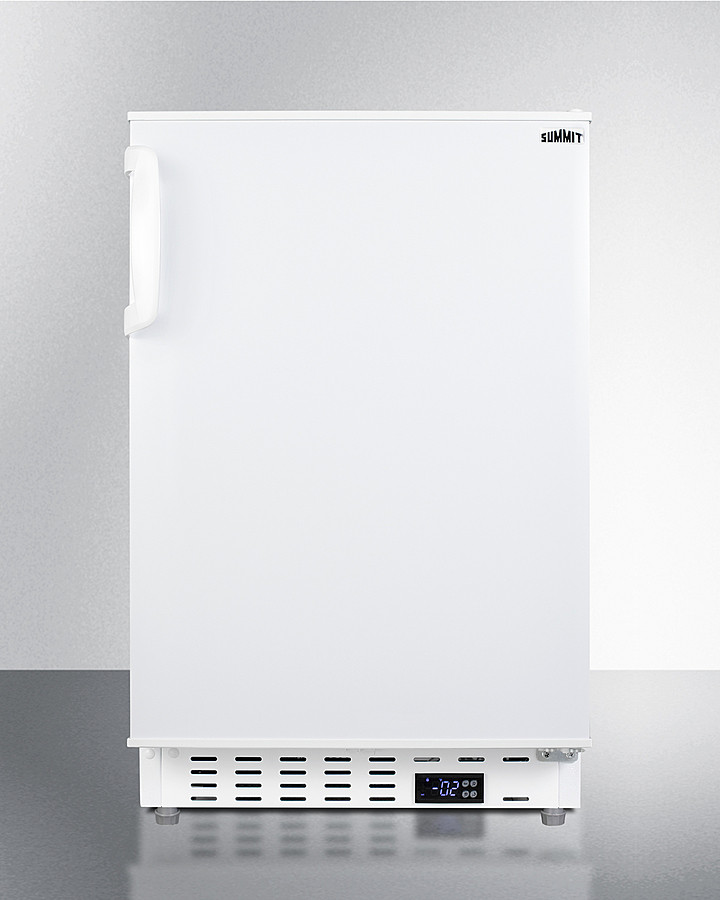
Undercounter refrigerators are a versatile and space-saving option for many homes. They fit snugly under your countertops and provide easy access to chilled items. Let's delve into their features and functionality, as well as their pros and cons.
Features and Functionality
Undercounter refrigerators offer a range of features designed to enhance convenience and efficiency. They are typically compact, making them ideal for smaller spaces like apartments, offices, or entertainment areas.
These refrigerators often come with adjustable shelving, allowing you to customize the internal layout to fit various items. Some models include a freezer compartment, but many focus solely on refrigeration.
Feature
Description
Size
Compact, fits under standard countertops
Shelving
Adjustable, customizable layout
Temperature Control
Precise temperature settings
Versatility
Suitable for diverse locations (kitchens, bars, offices)
Pros and Cons
While undercounter refrigerators offer numerous benefits, there are also some drawbacks to consider. Here's a balanced look at the pros and cons:
Pros
Space-Saving Design: Fits seamlessly under countertops, saving valuable floor space.
Convenient Access: Easy to reach and access items, making it great for busy kitchens or entertainment areas.
Versatile Use: Can be used in various settings such as kitchens, bars, offices, or even outdoor patios.
Energy Efficiency: Many models are designed to be energy-efficient, reducing electricity consumption.
Cons
Limited Storage: Smaller size means less storage capacity compared to full-sized refrigerators.
Higher Cost per Cubic Foot: May be more expensive per cubic foot of storage space.
Specialized Installation: Requires proper ventilation and installation, which might not be suitable for all kitchen layouts.
When selecting between a convertible freezer refrigerator and an undercounter refrigerator, design and installation play a crucial role. These factors affect how well the appliance fits into your kitchen space and overall layout.
Space Considerations
Convertible freezer refrigerators and undercounter refrigerators differ significantly in their space requirements. Convertible freezer refrigerators are typically larger and may require more vertical and horizontal space. It's essential to measure the available area to ensure a proper fit.
Appliance Type
Average Dimensions (H x W x D)
Convertible Freezer Refrigerator
70" x 36" x 30"
Undercounter Refrigerator
34" x 24" x 24"
Undercounter refrigerators are more compact and designed to fit under countertops, making them ideal for smaller kitchens, apartments, or offices. Their compact size also makes them suitable for additional spaces like garages or outdoor kitchens.
Integration with Kitchen Layout
The integration of the appliance with your kitchen layout is another vital aspect. Convertible freezer refrigerators often serve as the primary refrigeration unit and are typically placed in a central location within the kitchen. They offer the flexibility to switch between freezer and refrigerator modes, making them versatile for various storage needs.
Undercounter refrigerators, on the other hand, are designed to seamlessly fit under countertops or within cabinetry. This integration helps maintain a streamlined and cohesive kitchen design. They are perfect for supplementary storage, such as beverages, snacks, or overflow from the main refrigerator.
Considering the differences in installation and space requirements, it’s important to assess your kitchen layout and storage needs. For more insights on how different types of refrigerators fit into various spaces, check out Fridge.com articles on column freezer Vs. standard fridge size and drawer fridge freezer Vs. freestanding refrigerator.
By evaluating space considerations and integration with your kitchen layout, you can make an informed decision between a convertible freezer refrigerator and an undercounter refrigerator.
Understanding the energy efficiency of your appliances is crucial for both cost savings and environmental sustainability. When comparing a convertible freezer refrigerator to an undercounter refrigerator, energy usage and environmental impact are key factors to consider.
Comparing Energy Usage
Convertible freezer refrigerators and undercounter refrigerators differ significantly in their energy consumption. The table below illustrates the average energy usage for both types of appliances.
Appliance Type
Average Energy Usage (kWh/year)
Convertible Freezer Refrigerator
400 - 700
Undercounter Refrigerator
250 - 450
Convertible freezer refrigerators typically consume more energy due to their dual functionality. They can switch between freezer and refrigerator modes, which requires additional power. In contrast, undercounter refrigerators are generally more energy-efficient because of their smaller size and single-purpose design.
Environmental Impact
Environmental impact is another important consideration when choosing between a convertible freezer refrigerator and an undercounter refrigerator. The energy consumption of these appliances directly affects their carbon footprint. Lower energy usage means less strain on natural resources and reduced greenhouse gas emissions.
Appliance Type
CO2 Emissions (kg/year)
Convertible Freezer Refrigerator
300 - 525
Undercounter Refrigerator
190 - 340
As shown in the table, undercounter refrigerators typically have a lower environmental impact due to their reduced energy consumption. However, both types of appliances can be environmentally friendly if used efficiently and maintained properly.
For more information on energy-efficient appliances, check out Fridge.com articles on column freezer Vs. standard fridge size and black stainless refrigerator Vs. garage refrigerator.
By understanding the energy usage and environmental impact of convertible freezer refrigerators and undercounter refrigerators, you can make an informed decision that aligns with your sustainability goals.
Maintenance and Care
Proper maintenance and care are essential for ensuring the longevity and efficiency of both convertible freezer refrigerators and undercounter refrigerators. Here are some tips to keep your appliances in optimal condition.
Cleaning and Upkeep Tips
Regular cleaning is crucial for maintaining the performance and hygiene of your refrigerator. Follow these steps for effective cleaning:
Unplug the Appliance: Always unplug the refrigerator before cleaning to ensure safety.
Remove All Contents: Take out all food, shelves, and drawers.
Clean Interior Surfaces: Use a mixture of mild soap and water to clean the interior surfaces. Avoid abrasive cleaners to prevent damage.
Wipe Shelves and Drawers: Clean shelves and drawers with warm, soapy water. Rinse and dry thoroughly before replacing them.
Clean Condenser Coils: Dust and dirt on condenser coils can reduce efficiency. Use a vacuum or brush to clean them at least twice a year.
Check Gaskets: Inspect door gaskets for wear and tear. Clean them with a damp cloth to ensure a tight seal.
Troubleshooting Common Issues
Both convertible freezer refrigerators and undercounter refrigerators may encounter common problems. Here are some troubleshooting tips:
Issue
Possible Cause
Solution
Not Cooling Properly
Dirty condenser coils
Clean the coils
—
Faulty thermostat
Check and replace if necessary
—
Overloaded fridge
Reduce contents to allow air circulation
Water Leakage
Clogged defrost drain
Clear the drain with warm water
—
Damaged door seal
Replace the gasket
Unusual Noises
Loose components
Tighten any loose screws or parts
—
Faulty fan
Inspect and replace if needed
Ice Build-Up
Poor door seal
Ensure the door is closing properly
—
Frequent door openings
Minimize opening the door often
For more detailed guidance on specific models, refer to Fridge.com articles on column freezer Vs. standard fridge size and black stainless refrigerator Vs. garage refrigerator.
By following these cleaning and troubleshooting tips, you can maintain the efficiency and extend the lifespan of your convertible freezer refrigerator or undercounter refrigerator. For further reading on related topics, explore Fridge.com comprehensive guides such as mini freezer Vs. smart fridge and garage refrigerator Vs. smart fridge.
Choosing between a convertible freezer refrigerator and an undercounter refrigerator involves evaluating your specific needs and comparing the features and benefits of each option.
Consider Your Needs
Understanding your requirements is the first step in making the right choice. Here are some factors to consider:
Space: If you have limited space, an undercounter refrigerator might be a better fit. These units are designed to fit under countertops and save space. On the other hand, convertible freezer refrigerators offer more flexibility and can be placed in various locations, including garages and basements.
Storage Capacity: Determine how much storage you need. Convertible freezer refrigerators typically offer more storage capacity compared to undercounter refrigerators. If you need to store large quantities of food, a convertible option might be more suitable.
Usage: Consider how you plan to use the refrigerator. If you need a dedicated space for beverages or snacks, an undercounter refrigerator is ideal. If you need a unit that can switch between refrigeration and freezing based on your needs, a convertible freezer refrigerator provides that versatility.
Aesthetic Preferences: Your kitchen layout and design might influence your choice. Undercounter refrigerators can blend seamlessly with your cabinetry, while convertible freezer refrigerators might stand out more.
Compare Features and Benefits
Feature
Convertible Freezer Refrigerator
Undercounter Refrigerator
Flexibility
Can switch between freezer and refrigerator modes
Fixed as a refrigerator
Space Requirements
Requires more space, can be placed in various locations
Fits under countertops, saves space
Storage Capacity
Larger capacity, suitable for bulk storage
Smaller capacity, ideal for beverages and snacks
Installation
Freestanding, easier to relocate
Built-in, requires professional installation
Design Integration
May not blend seamlessly with kitchen decor
Integrates well with cabinetry, sleek design
When comparing the two, it's essential to weigh the features and benefits based on your specific needs. For more information on different refrigerator types, you can explore Fridge.com articles on column freezer Vs. standard fridge size and mini fridge Vs. portable freezer.
By carefully considering your needs and comparing the features of each option, you can make an informed decision that best suits your lifestyle and kitchen setup. For additional tips on choosing the right refrigerator, visit Fridge.com article on black stainless refrigerator Vs. garage refrigerator.
Compare prices on Fridge.com
Compare current prices and specifications on Fridge.com, then buy from the retailer you choose; delivery, installation and warranty terms are the retailer’s.
It also has tons of awesome articles about kitchen stuff and home news. Enhance your home, garage, backyard, patio, and office with the coolest essentials. With every necessary type of residential refrigerator or freezer in the collection, you're covered.
From Fridge.com research
Figures below come from data Fridge.com builds and maintains. Each links to the record behind it.
Fridge.com Energy Index, built on U.S. EPA and DOE ENERGY STAR records
Across 5,455 ENERGY STAR certified refrigerators and freezers from 263 brands, median use is 360 kWh per year.