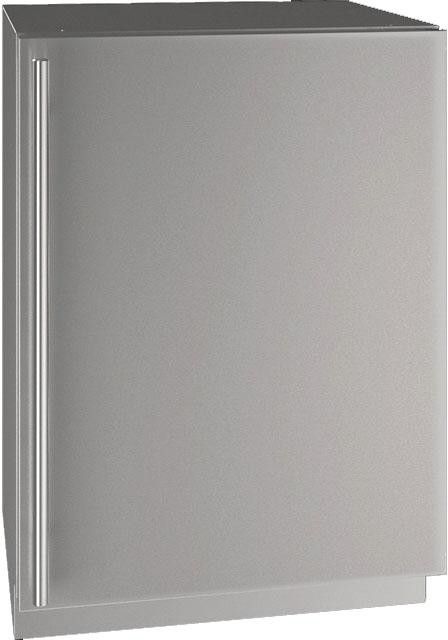
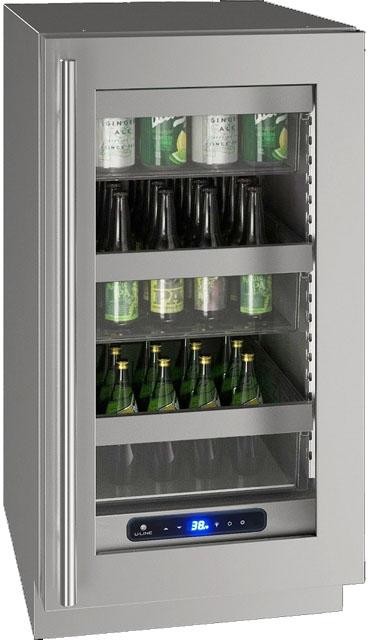
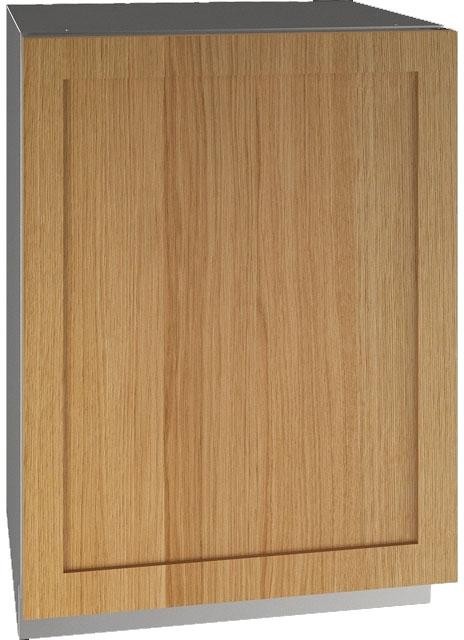
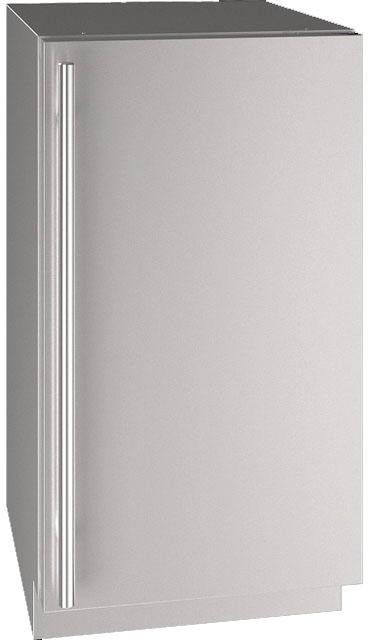
Understanding the Purpose of Built-In Beverage Centers and Outdoor Freezers
A built-in beverage center and an outdoor freezer serve distinct purposes, catering to different needs and preferences.
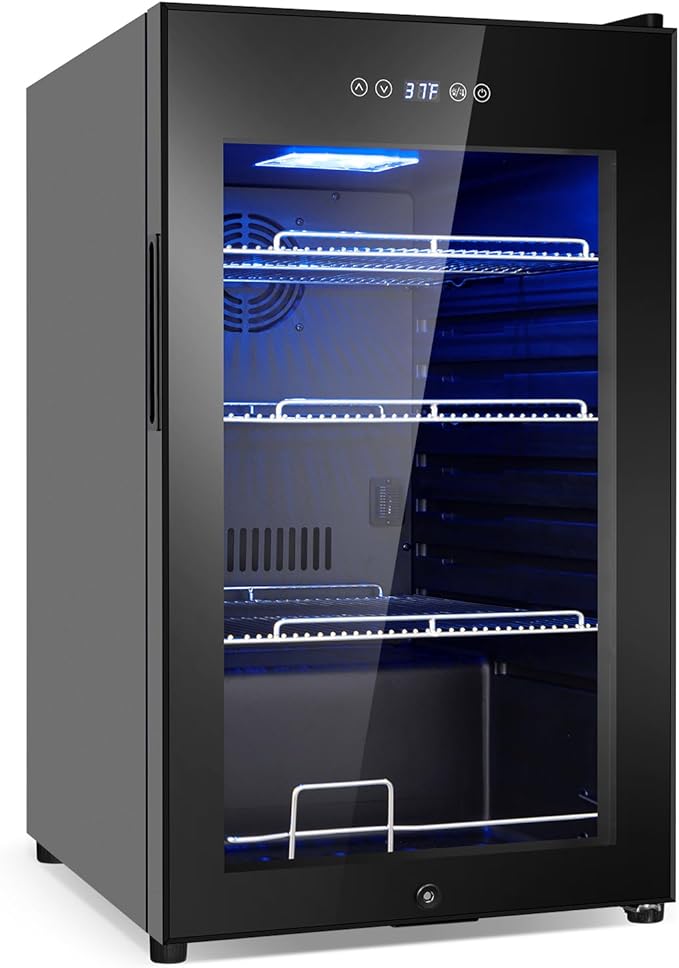
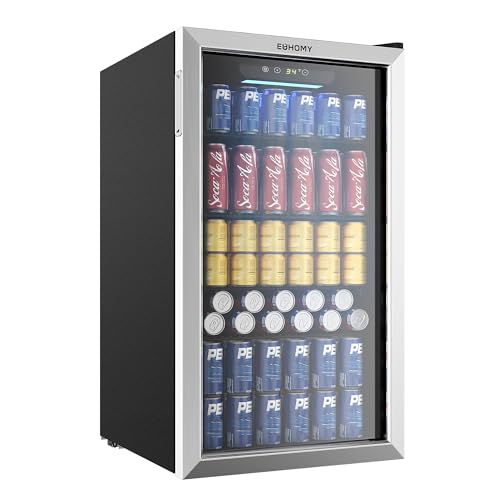
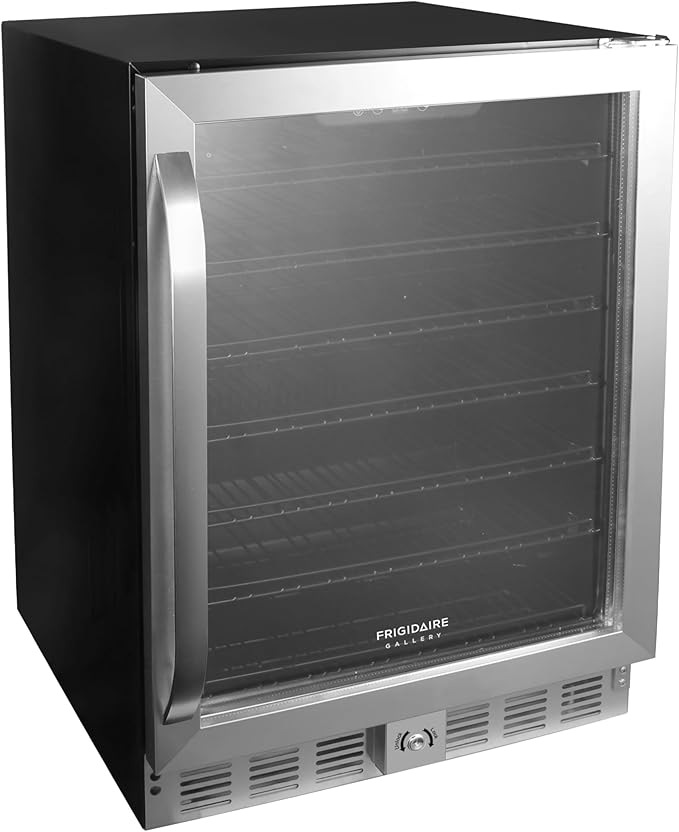
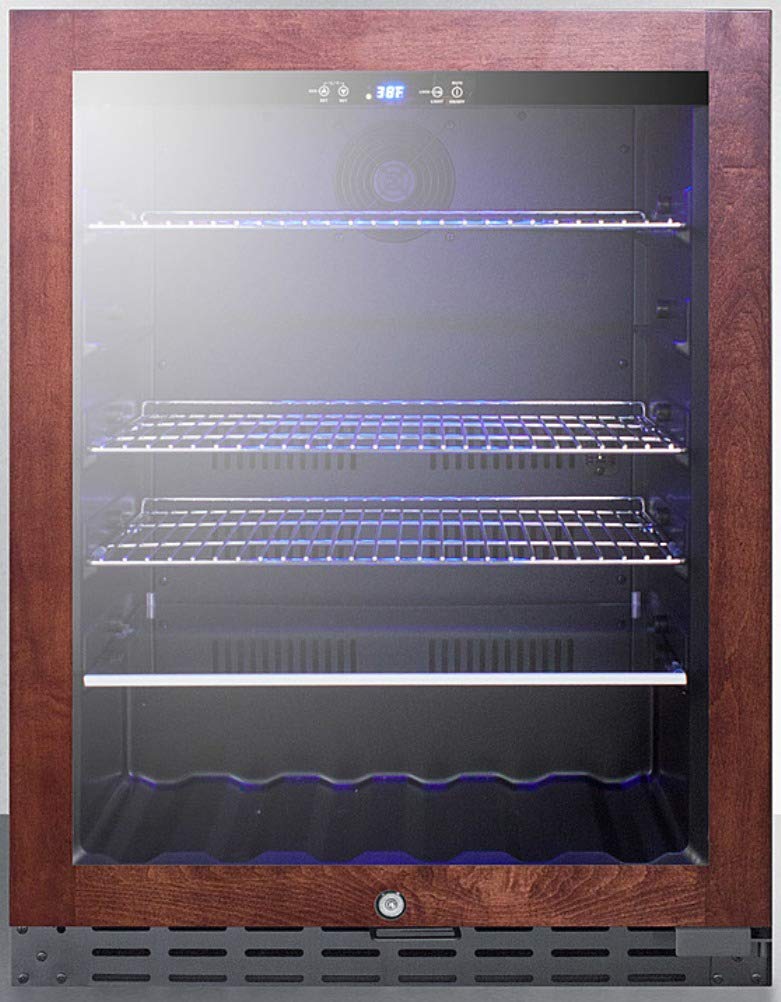
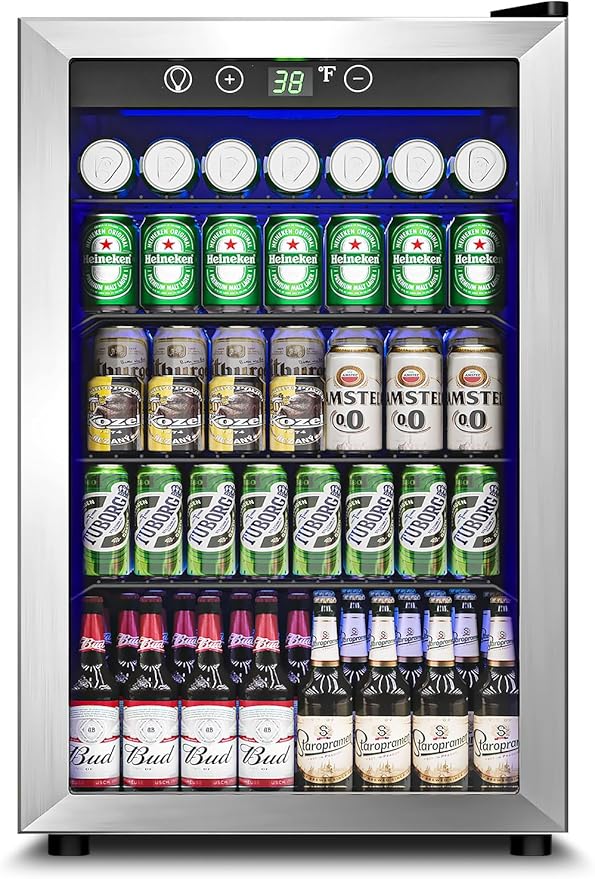
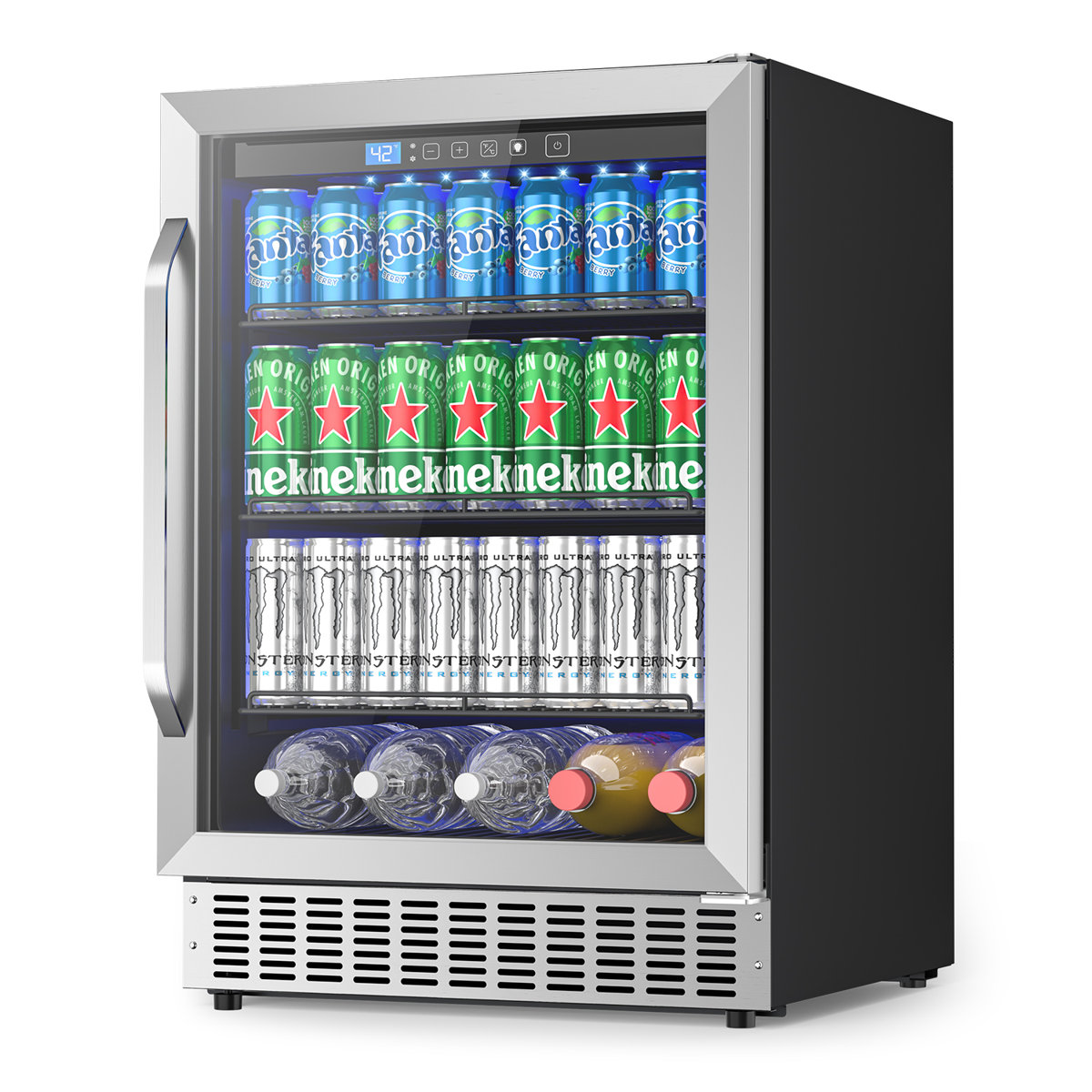
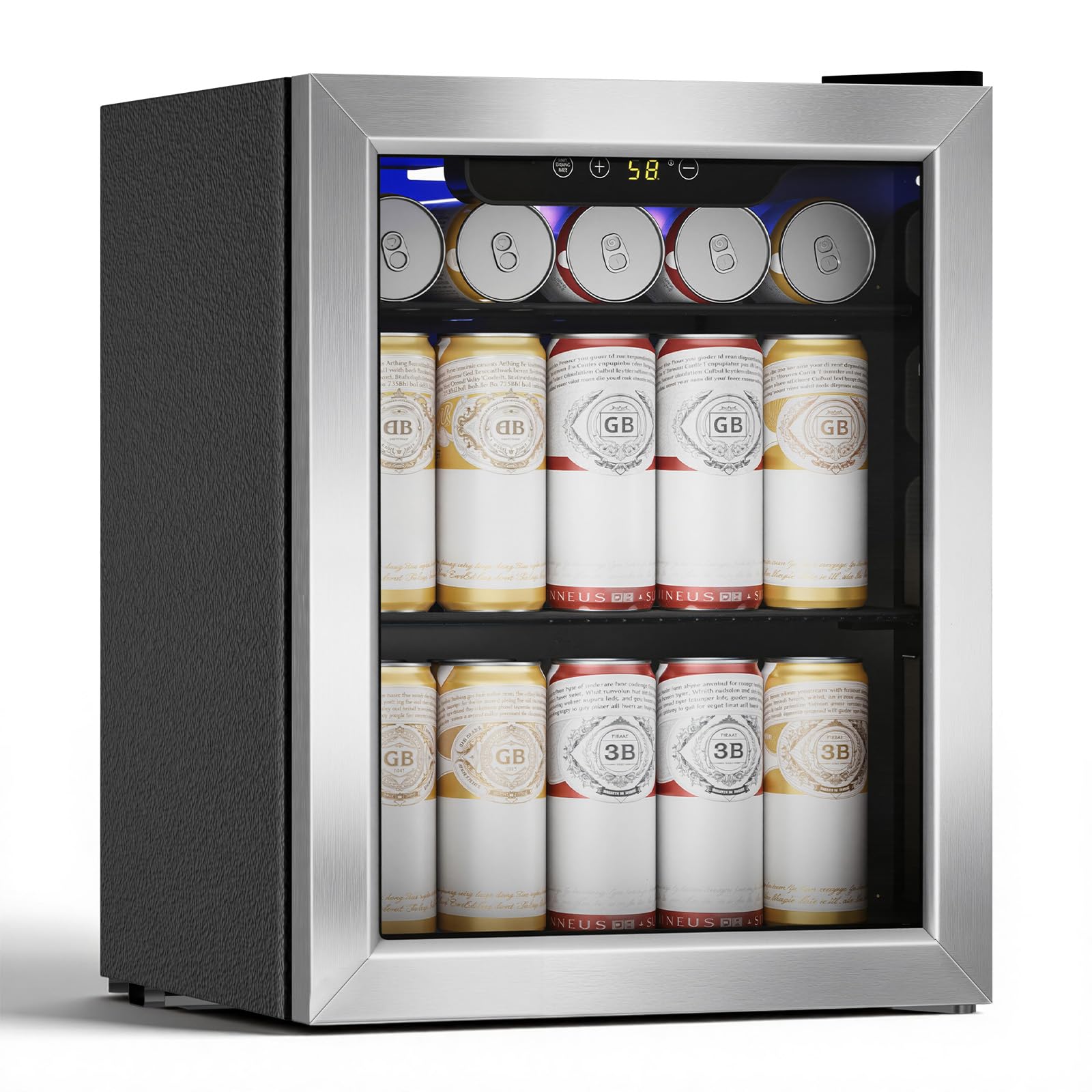
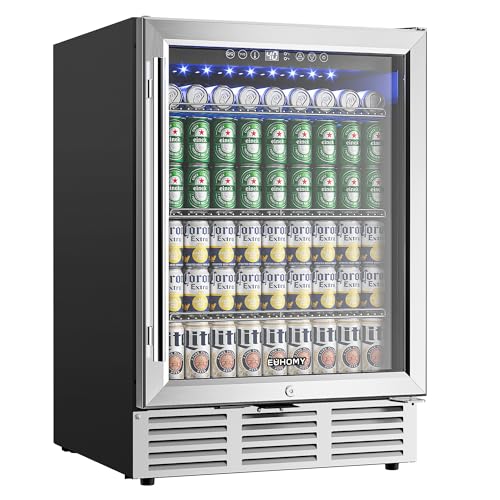
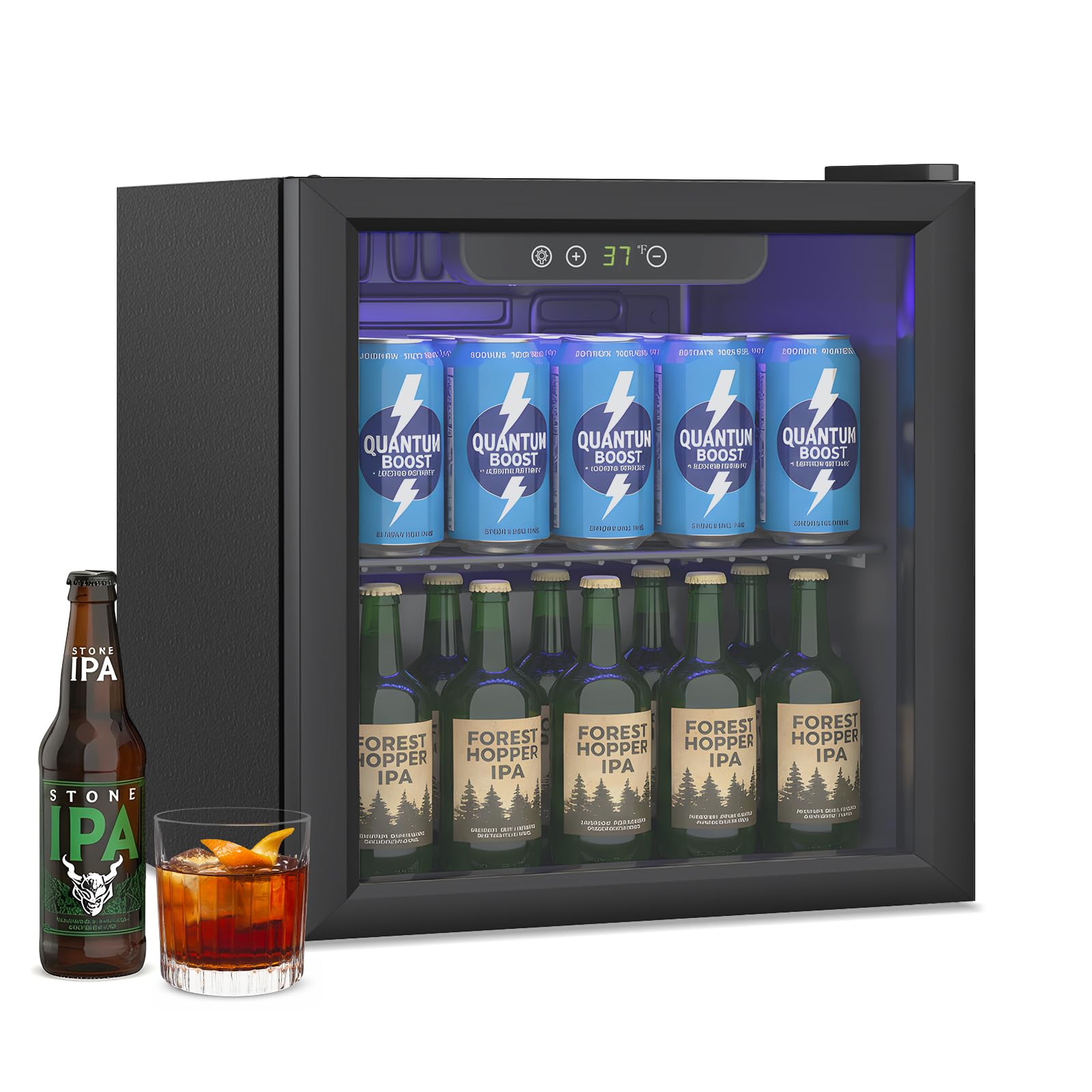
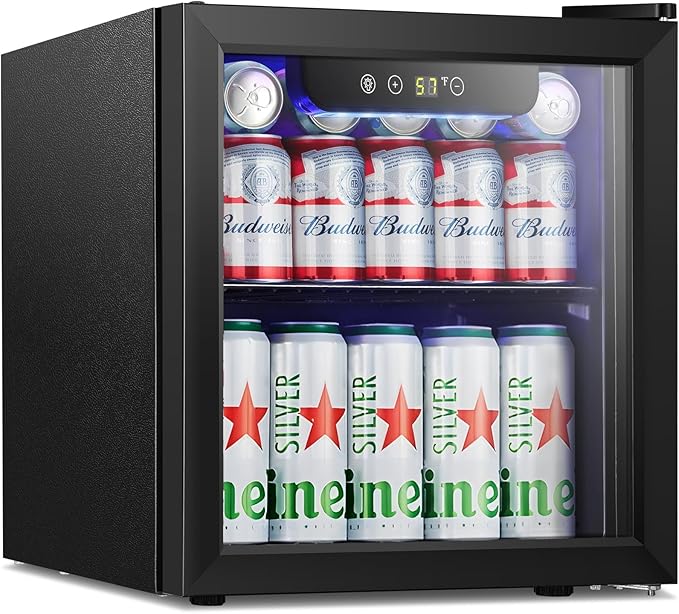
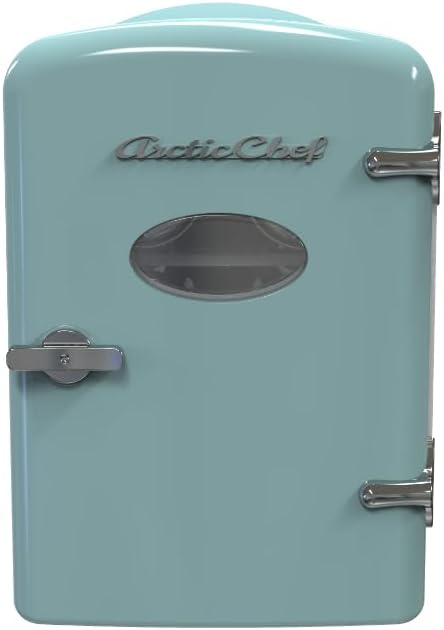
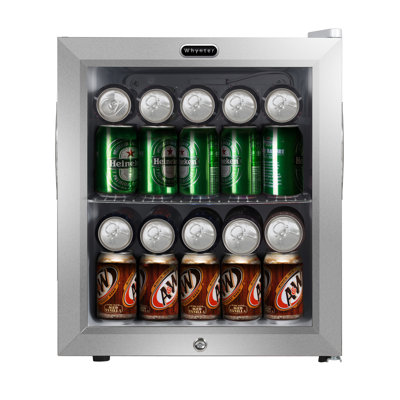
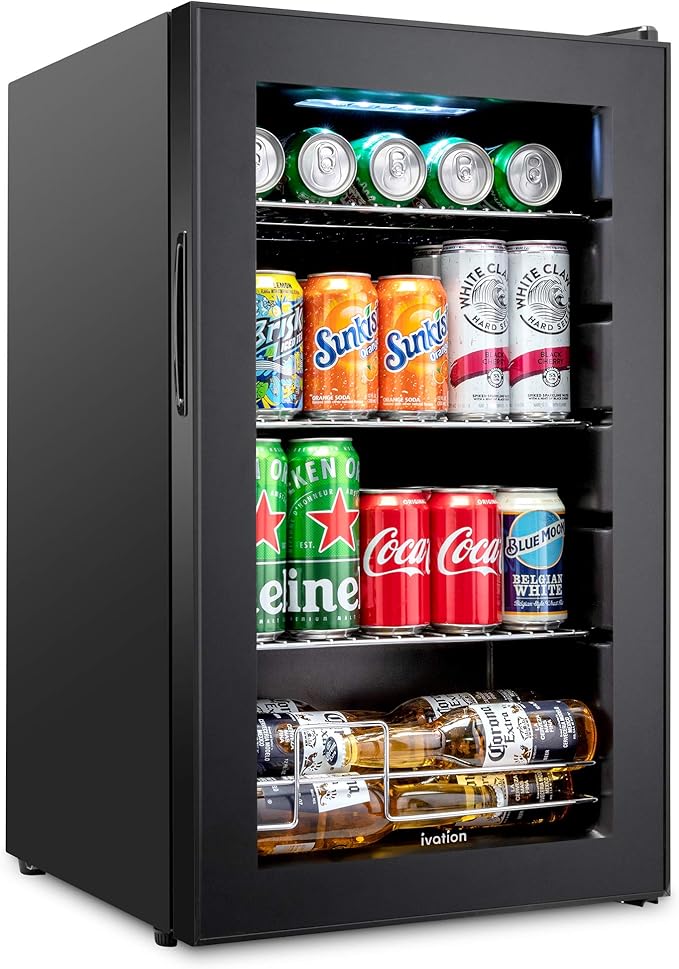
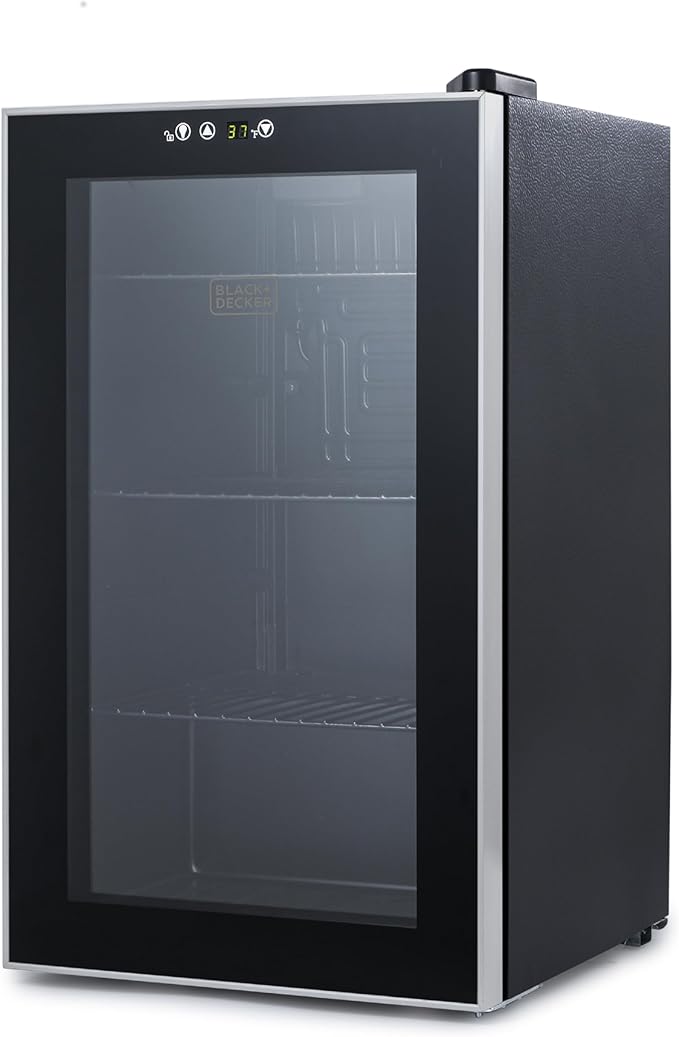
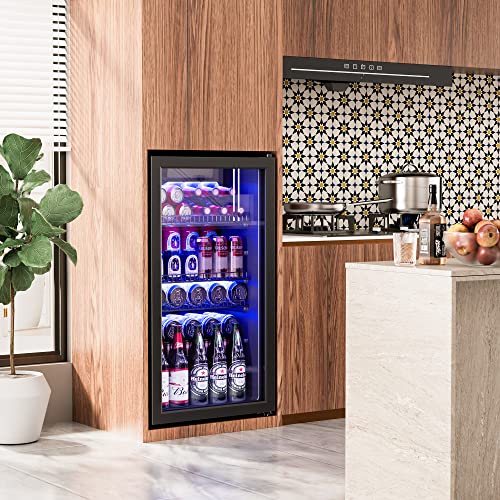
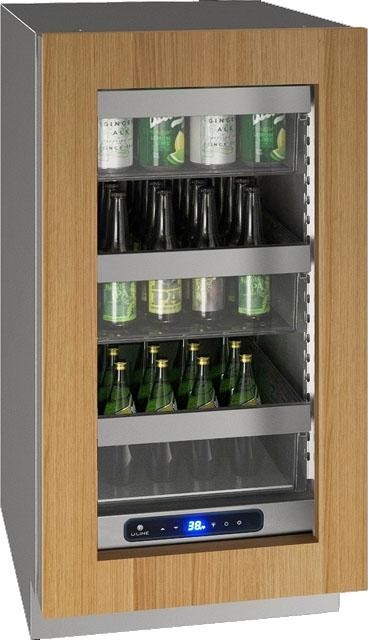
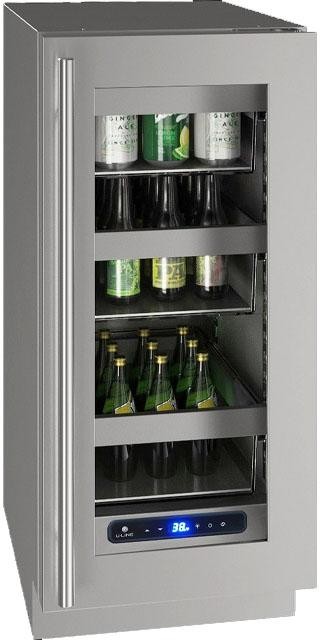
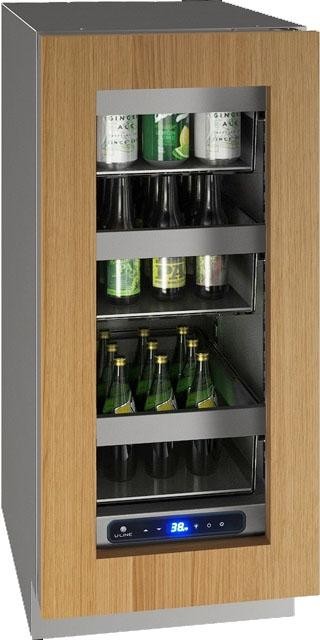
A built-in beverage center is designed to store and cool beverages, making it convenient for entertaining guests or enjoying a cold drink at home. These centers are typically installed in kitchens, home bars, or entertainment areas, providing easy access to a variety of drinks.
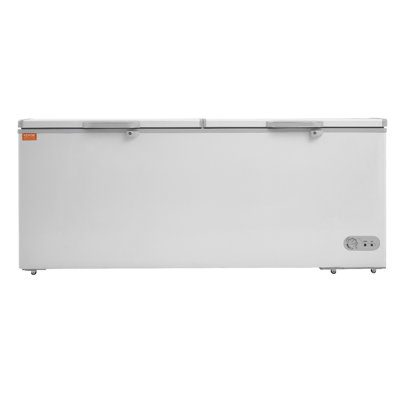
An outdoor freezer, on the other hand, is designed to store frozen foods and beverages in outdoor settings. These freezers are built to withstand various weather conditions and are ideal for use in garages, patios, or outdoor kitchens. They provide additional storage space for frozen items, making them perfect for those who need extra capacity beyond their indoor freezer.
Factors to Consider When Choosing Between a Built-In Beverage Center and an Outdoor Freezer
When deciding between a built-in beverage center and an outdoor freezer, several factors should be considered:
Usage: Determine whether you need a dedicated space for beverages or additional storage for frozen items. A built-in beverage center is ideal for cooling drinks, while an outdoor freezer offers more versatility for storing various frozen goods.
Location: Consider where you plan to install the appliance. Built-in beverage centers are typically installed indoors, while outdoor freezers are designed for use in external environments.
Capacity: Evaluate the storage capacity you require. Beverage centers come in various sizes, accommodating different quantities of drinks. Outdoor freezers, however, generally offer larger storage space for frozen items.
Durability: Assess the durability of the appliance based on its intended location. Outdoor freezers are built to withstand harsh weather conditions, whereas built-in beverage centers are designed for indoor use.
Temperature Control: Both appliances offer temperature control features, but the range and precision may vary. Ensure the chosen appliance meets your specific cooling or freezing needs.
Below is a comparison of key features between built-in beverage centers and outdoor freezers:
Feature
Built-In Beverage Center
Outdoor Freezer
Purpose
Cooling beverages
Storing frozen items
Location
Indoor
Outdoor
Capacity
Varies (small to medium)
Larger
Durability
Indoor use
Weather-resistant
Temperature Control
Cooling only
Freezing only
For more detailed comparisons, see Fridge.com articles on fridge freezer combo Vs. outdoor freezer and beverage center Vs. built-in wine cellar. Each of these appliances offers unique benefits, and understanding their differences will help you make an informed decision based on your needs and preferences.
Features and Functions of Built-In Beverage Centers
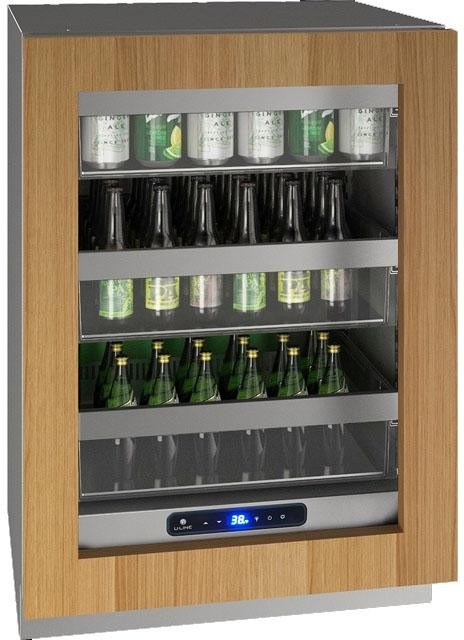
Built-in beverage centers are designed to seamlessly integrate into your kitchen or entertaining area, providing a convenient solution for keeping your drinks chilled and easily accessible. These units come with a variety of features that make them a versatile addition to your home.
Key Features:
Adjustable Shelves: Allowing you to store a variety of bottle sizes, from small cans to larger wine bottles.
Temperature Control: Precise temperature settings to ensure your beverages are stored at the optimal temperature.
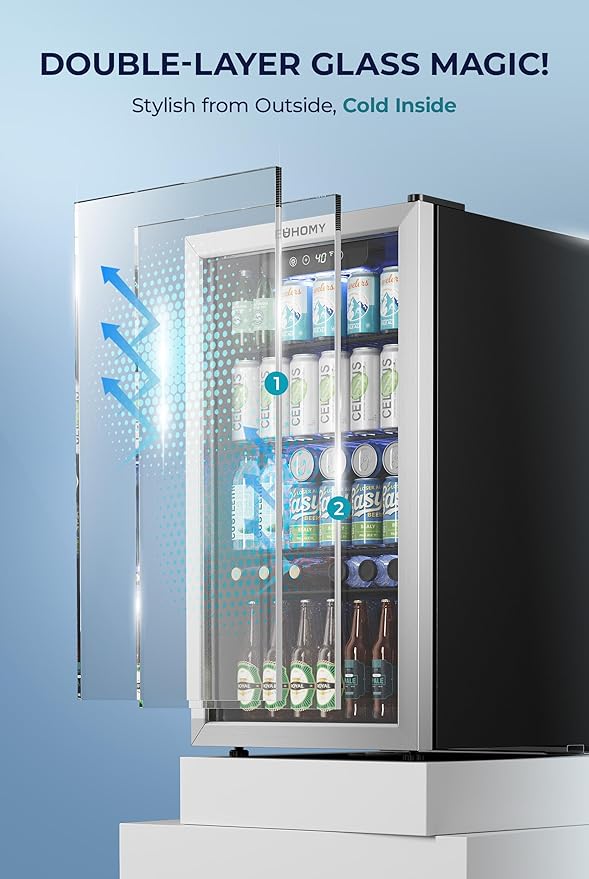
Glass Doors: Often featuring glass doors that allow you to see the contents without opening the door, helping to maintain the internal temperature.
LED Lighting: Interior lighting that makes it easy to find your favorite drinks, even in low light.
Feature
Function
Adjustable Shelves
Customizes storage for different bottle sizes
Temperature Control
Maintains optimal beverage temperature
Glass Doors
Allows visibility without opening the door
LED Lighting
Enhances visibility and accessibility
Benefits of Installing a Built-In Beverage Center
A built-in beverage center offers several advantages for homeowners who love to entertain or simply enjoy having a variety of beverages on hand.
Convenience: With a beverage center, you can keep your favorite drinks at the perfect temperature and within arm's reach. No more running to the kitchen fridge when entertaining guests.
Space-Saving: These units are designed to fit seamlessly into your cabinetry, saving valuable counter and floor space. They can be installed under countertops, in kitchen islands, or even in home bars.
Aesthetic Appeal: Built-in beverage centers often feature sleek designs that complement your kitchen's décor. Glass doors and LED lighting add a touch of elegance, showcasing your beverage collection.
Efficiency: By having a dedicated space for drinks, you can free up room in your main refrigerator for food items. This can help improve the overall efficiency of your kitchen storage.
For more information on different types of refrigerators and their benefits, please refer to Fridge.com article on beverage fridge Vs. slate refrigerator.
By understanding the features and benefits of built-in beverage centers, you can make an informed decision on whether this appliance fits your lifestyle and needs. Whether you're a frequent entertainer or simply appreciate the convenience of having chilled drinks readily available, a built-in beverage center can be a valuable addition to your home. For further comparisons, you might also find Fridge.com article on freezerless refrigerator Vs. refrigerator freezer combo helpful.
Outdoor Freezers
Features and Functions of Outdoor Freezers
Outdoor freezers are designed to withstand the elements while providing convenient storage for your frozen goods. These freezers come with various features that make them suitable for outdoor use.
Weather Resistance: Outdoor freezers are built to endure temperature fluctuations, humidity, and exposure to the elements.
Insulation: Enhanced insulation keeps the interior temperature stable, ensuring your food stays frozen even in warm conditions.
Temperature Range: These freezers often have a wider temperature range to accommodate varying outdoor conditions.
Storage Capacity: Outdoor freezers come in various sizes, from compact units suitable for small patios to large models for extensive storage needs.
Feature
Description
Weather Resistance
Designed to endure temperature fluctuations, humidity, and elements.
Insulation
Enhanced insulation for stable interior temperature.
Temperature Range
Wider temperature range for varying outdoor conditions.
Storage Capacity
Available in various sizes, from compact to large.
Advantages of Using an Outdoor Freezer
Outdoor freezers offer several benefits, making them an excellent choice for those who need additional frozen storage space outside their main living area.
Convenience: Having a freezer outside means you can easily access frozen goods during outdoor gatherings, barbecues, or pool parties.
Space Saving: By placing the freezer outdoors, you free up valuable indoor space for other uses.
Durability: Built to withstand the rigors of outdoor conditions, these freezers are often more robust than standard indoor models.
Versatility: Outdoor freezers can be used in various locations, such as patios, garages, or backyard sheds.
Using an outdoor freezer can enhance your outdoor living experience by providing easy access to frozen items while helping you maintain an organized and efficient living space. If you're considering different refrigeration options, check out Fridge.com comparison on fridge freezer combo Vs. outdoor freezer.
When deciding between a built-in beverage center and an outdoor freezer, space requirements and placement options are crucial factors to consider. Both appliances have specific needs that must be met to ensure optimal performance and longevity.
Appliance Type
Recommended Space
Common Placement Areas
Built-In Beverage Center
24-30 inches wide, 24 inches deep
Kitchens, dining areas, home bars, entertainment rooms
Outdoor Freezer
30-36 inches wide, 24-30 inches deep
Garages, outdoor kitchens, patios, pool areas
For a built-in beverage center, it's essential to have an appropriate cutout space within your cabinetry. These units are designed to fit seamlessly into your kitchen or bar area, providing a sleek and integrated look. Placement in high-traffic areas where entertaining occurs can be beneficial, as it offers easy access to beverages.
Outdoor freezers, on the other hand, need to be placed in areas that can withstand varying weather conditions. These units are typically larger and require more space around them for proper ventilation. Ensure the location is accessible yet protected from direct sunlight and heavy rain for optimal performance. More details on specific sizes can be found in Fridge.com article on column freezer Vs. standard fridge size.
Electrical and Plumbing Needs for Built-In Beverage Centers and Outdoor Freezers
Both built-in beverage centers and outdoor freezers have specific electrical and plumbing requirements that must be met for proper installation and functionality.
Electrical Requirements
Appliance Type
Voltage
Amperage
Electrical Outlet Type
Built-In Beverage Center
120V
15-20A
Standard three-prong outlet
Outdoor Freezer
120V
15-20A
Ground Fault Circuit Interrupter (GFCI) outlet
Built-in beverage centers typically need a standard three-prong outlet with a 15-20 amp circuit. Ensure the outlet is easily accessible and located within close proximity to the installation site.
Outdoor freezers require a Ground Fault Circuit Interrupter (GFCI) outlet to protect against electrical shocks, especially in outdoor environments. These freezers also need a dedicated 15-20 amp circuit to handle their power demands. For more information on electrical requirements in different environments, refer to Fridge.com article on black stainless refrigerator Vs. garage refrigerator.
Plumbing Requirements
Appliance Type
Water Line Needed
Drainage Required
Built-In Beverage Center
No
No
Outdoor Freezer
No
No
Unlike some appliances that may require a water line or drainage, both built-in beverage centers and outdoor freezers typically do not need these connections. This simplifies the installation process, as you only need to focus on the electrical setup.
Understanding these installation considerations can help you make a more informed decision when choosing between a built-in beverage center and an outdoor freezer. For further insights on appliance comparisons, you may find Fridge.com article on fridge freezer combo Vs. outdoor freezer helpful.
Proper maintenance and understanding the durability of your appliances are essential when deciding between a built-in beverage center and an outdoor freezer. Here, Fridge.com will discuss the cleaning and maintenance tips for both, as well as their longevity and durability.
Cleaning and Maintenance Tips for Built-In Beverage Centers and Outdoor Freezers
Regular cleaning and maintenance ensure that your appliances run efficiently and last longer. Below are some tips for maintaining both built-in beverage centers and outdoor freezers.
Built-In Beverage Centers
Monthly Cleaning: Wipe down the interior and exterior surfaces with a mild detergent and a soft cloth.
Shelving Maintenance: Remove and clean the shelves periodically to prevent mold and mildew.
Ventilation: Ensure that the vents are free from obstructions to maintain proper airflow.
Temperature Check: Regularly check the temperature settings and ensure they are within the recommended range.
Outdoor Freezers
Defrosting: Defrost your outdoor freezer periodically to prevent ice build-up, which can affect its efficiency.
Sealing: Check the door seals regularly and replace them if they are worn out to maintain energy efficiency.
Clean Coils: Clean the condenser coils at least twice a year to ensure optimal performance.
Interior Cleaning: Wipe down the interior with a solution of baking soda and water to prevent odors.
Maintenance Task
Built-In Beverage Center
Outdoor Freezer
Monthly Cleaning
Yes
Yes
Shelving Maintenance
Yes
No
Ventilation Check
Yes
No
Temperature Check
Yes
Yes
Defrosting
No
Yes
Seal Check
No
Yes
Coil Cleaning
No
Yes
Longevity and Durability of Built-In Beverage Centers Vs. Outdoor Freezers
Understanding the longevity and durability of these appliances can help you make an informed decision.
Built-In Beverage Centers
Built-in beverage centers are designed for indoor use and typically have a lifespan of 10-15 years with proper maintenance. Their durability largely depends on their usage and the environment in which they are installed. Proper ventilation and avoiding overloading can extend their lifespan.
Outdoor Freezers
Outdoor freezers are built to withstand harsher conditions, including temperature fluctuations and exposure to the elements. They generally last around 10-20 years, depending on the quality and maintenance. Regular defrosting and coil cleaning can significantly enhance their durability.
Appliance Type
Average Lifespan (Years)
Key Factors for Longevity
Built-In Beverage Center
10-15
Proper ventilation, regular cleaning
Outdoor Freezer
10-20
Defrosting, coil cleaning, seal maintenance
For more detailed comparisons of similar appliances, you might find Fridge.com articles on column freezer Vs. standard fridge size and beverage fridge Vs. slate refrigerator helpful. By following these maintenance tips and understanding the durability aspects, you can ensure the longevity and optimal performance of your built-in beverage center or outdoor freezer.
Compare prices on Fridge.com
Compare current prices and specifications on Fridge.com, then buy from the retailer you choose; delivery, installation and warranty terms are the retailer’s.
It also has tons of awesome articles about kitchen stuff and home news. Enhance your home, garage, backyard, patio, and office with the coolest essentials. With every necessary type of residential refrigerator or freezer in the collection, you're covered.
Free tool
Food Storage Calculator
Free interactive tool from Fridge.com — get a quick answer while you read.