Mini Fridge Vs. Portable Freezer: A Comprehensive Comparison
Understanding the Basics
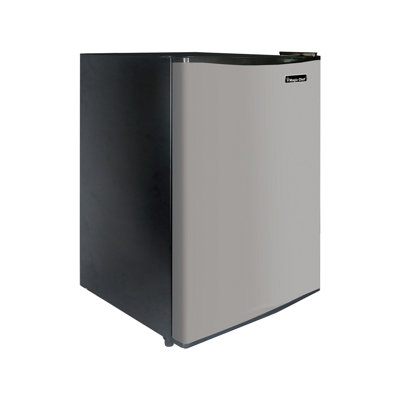
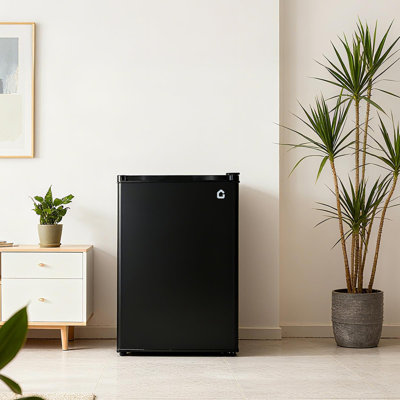
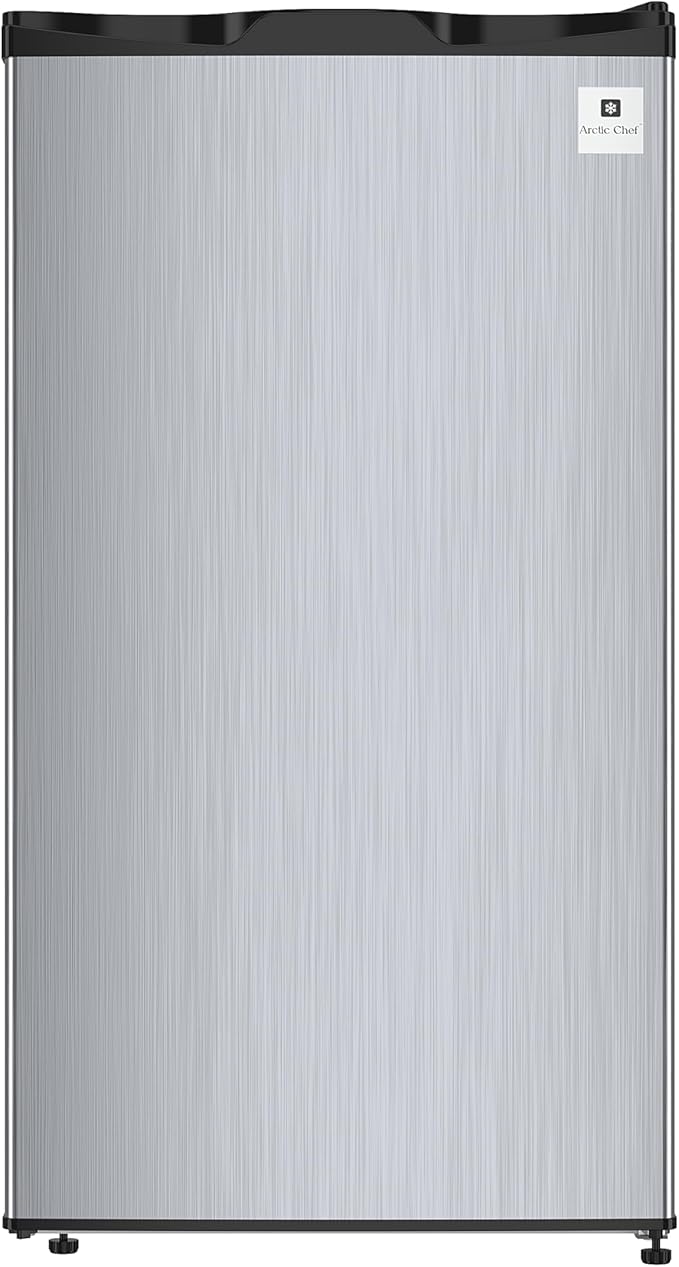
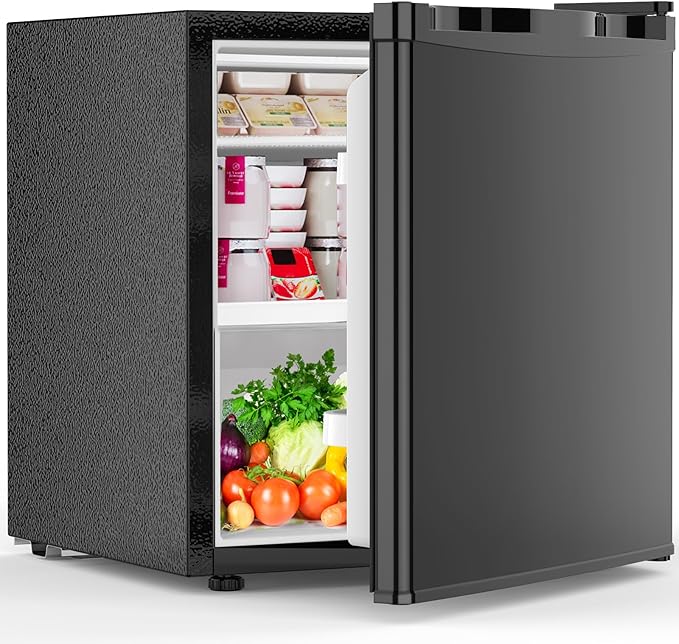
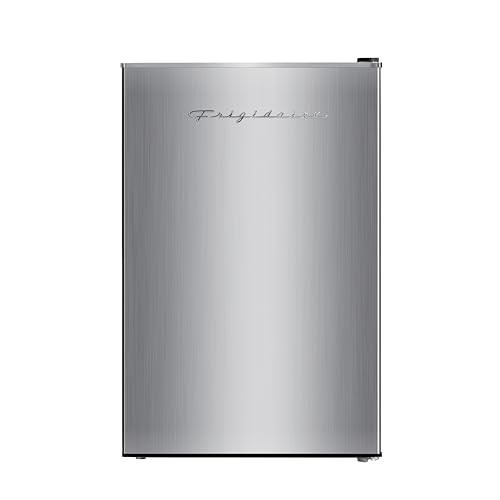
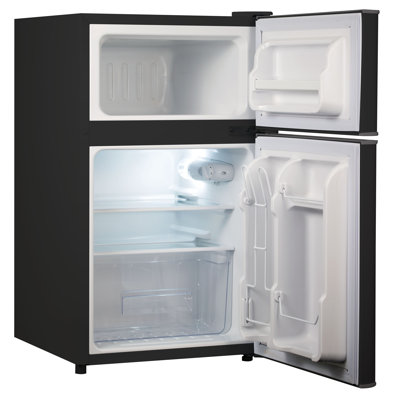
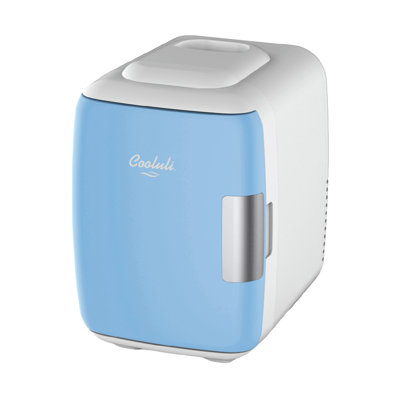
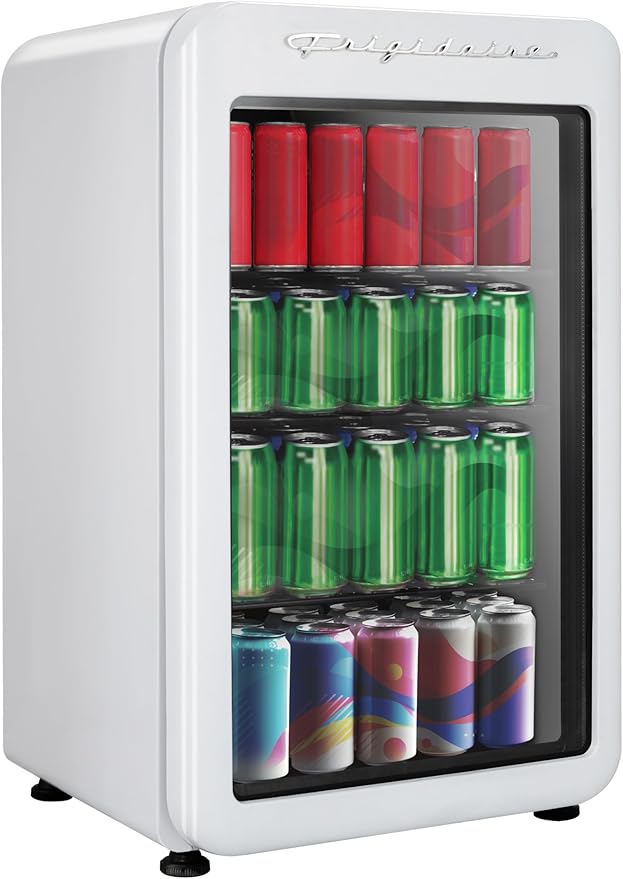
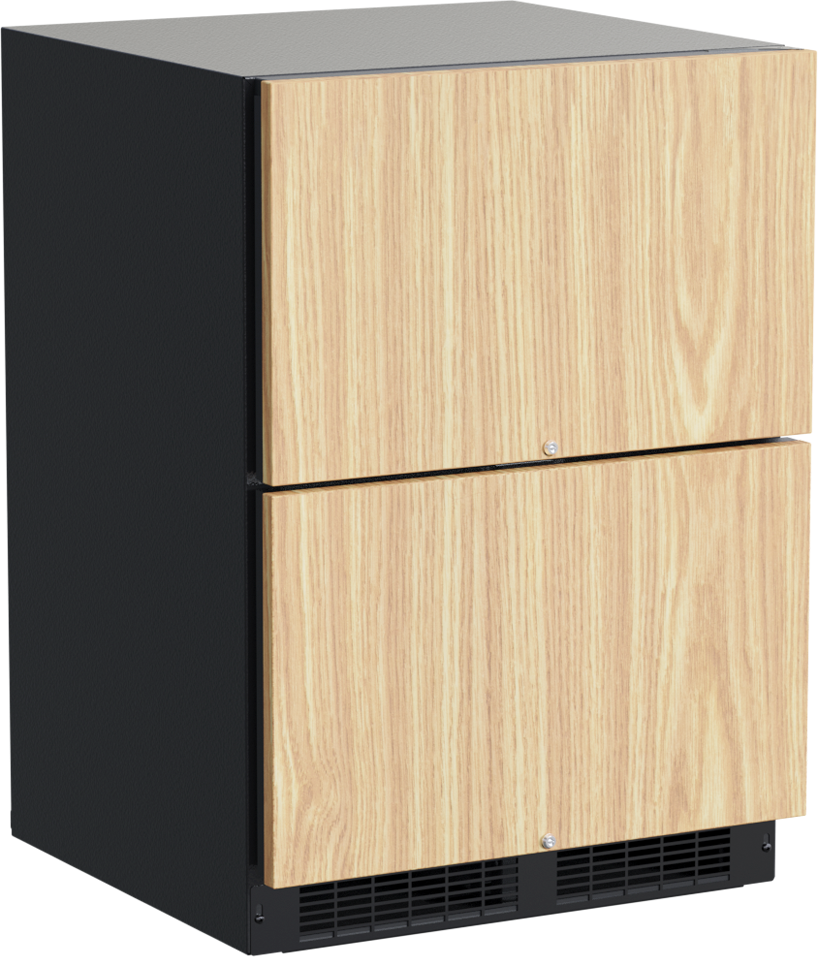
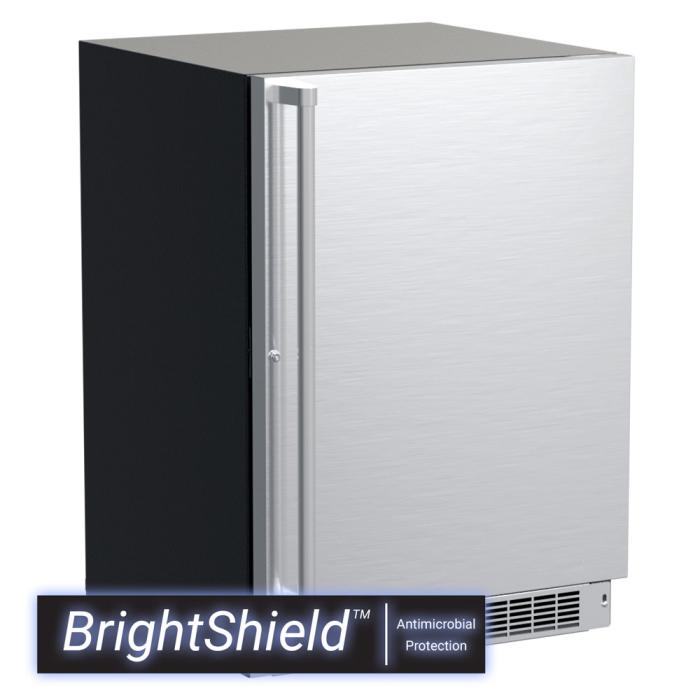
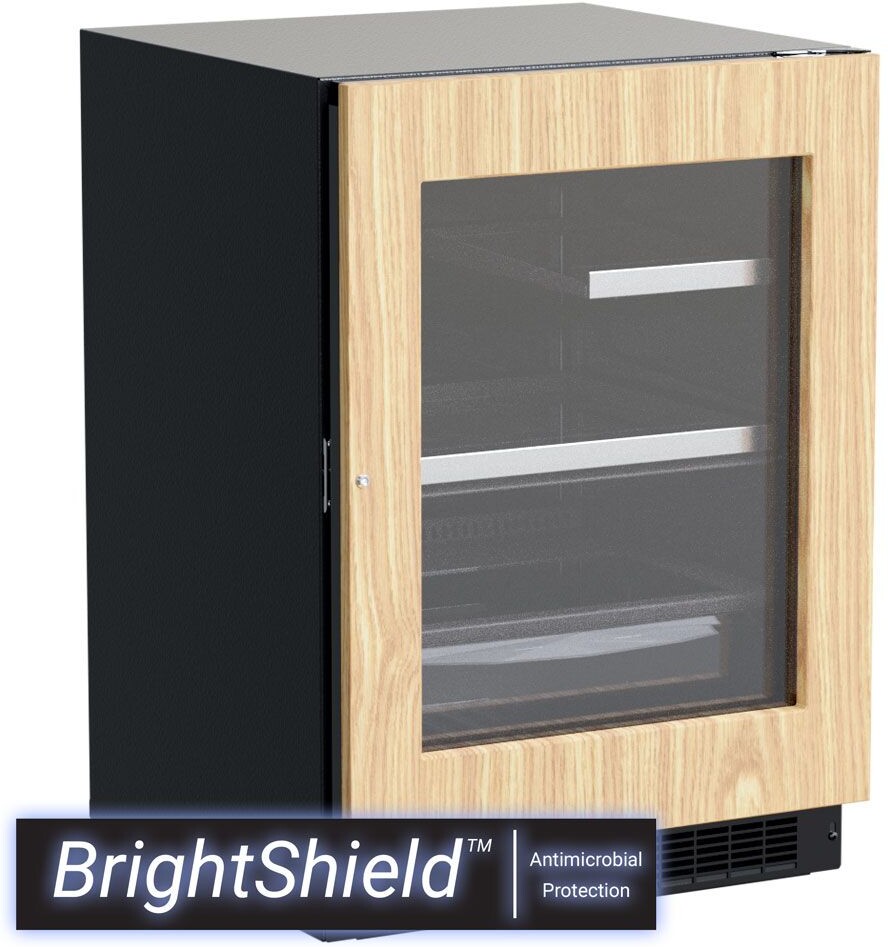
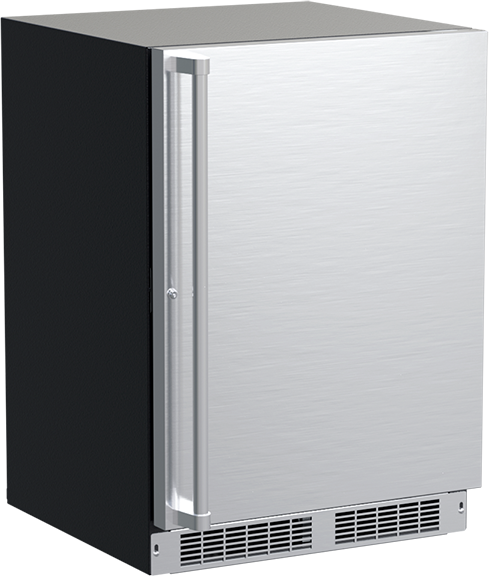
When deciding between a mini fridge and a portable freezer, understanding their fundamental differences is crucial. A mini fridge is a compact refrigerator that primarily cools food and beverages. It often includes a small freezer compartment for limited freezing needs. On the other hand, a portable freezer is designed specifically for freezing and maintaining low temperatures over extended periods.
Feature
Mini Fridge
Portable Freezer
Primary Function
Cooling
Freezing
Typical Temperature Range
35°F - 42°F
0°F - -20°F
Common Uses
Storing drinks, snacks, and perishables
Preserving frozen foods, ice, and meat
Differences in Functionality and Purpose
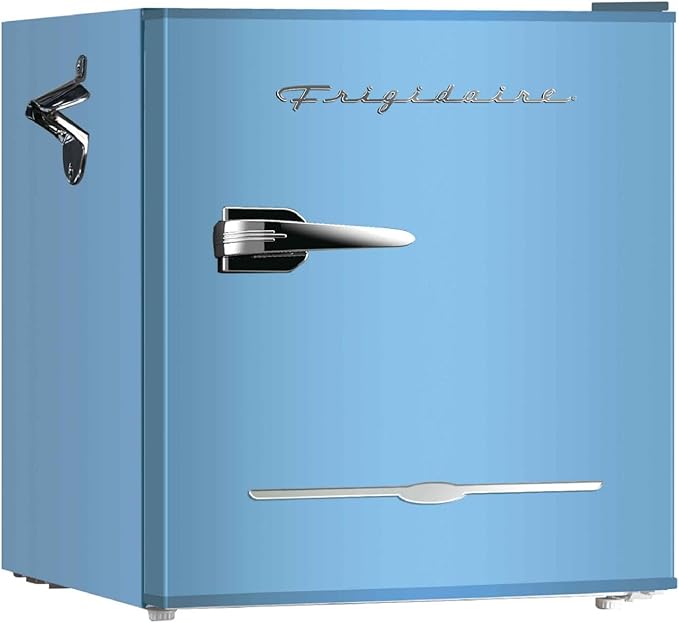
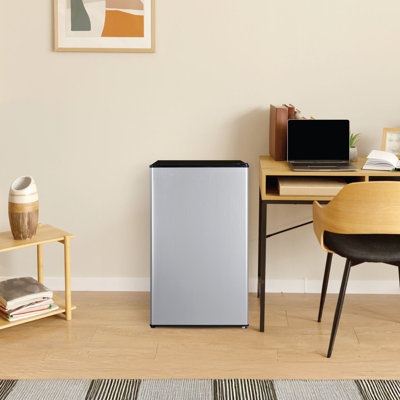
The functionality and purpose of a mini fridge and a portable freezer differ significantly. A mini fridge is ideal for situations where you need to keep items cool but not necessarily frozen. It is often used in dorm rooms, offices, and small apartments for storing beverages, snacks, and perishable items. The small freezer compartment in a mini fridge can accommodate a few frozen items, but its capacity and efficiency are limited.
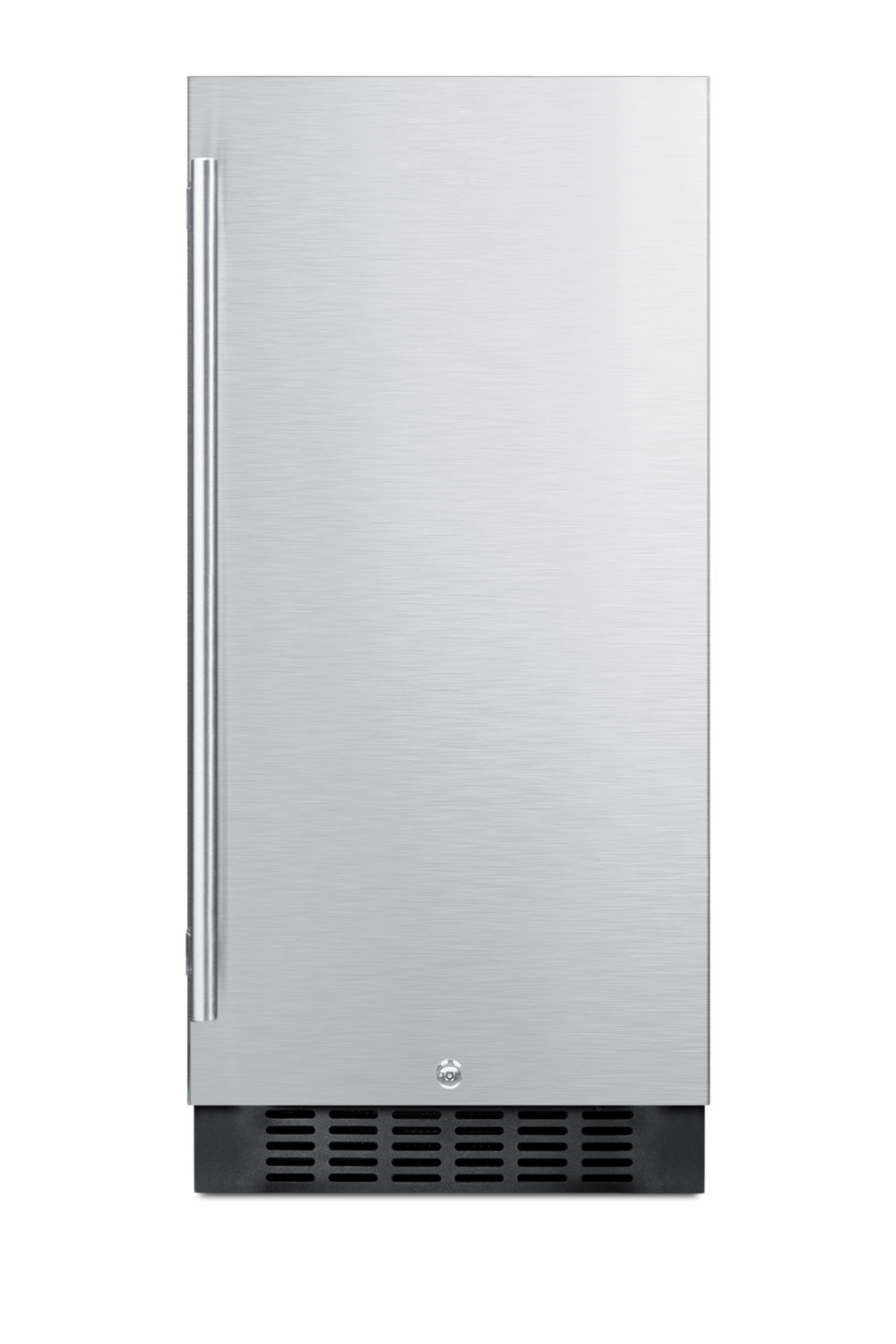
In contrast, a portable freezer is designed for more demanding freezing needs. It can maintain much lower temperatures, making it suitable for long-term storage of frozen foods, ice, and even meat. Portable freezers are often used in outdoor settings, such as camping trips, RVs, and boats, where maintaining frozen goods is essential. They are also useful for those who require extra freezer space at home.
By understanding these basics, you can start to determine which appliance best suits your needs. Whether you're aiming to store beverages for a party or preserve food for a camping trip, knowing the differences between a mini fridge and a portable freezer will help you make an informed decision.
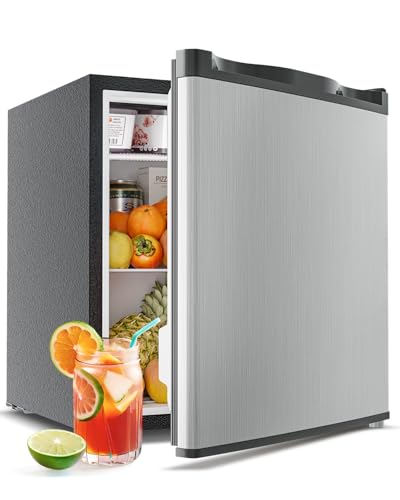
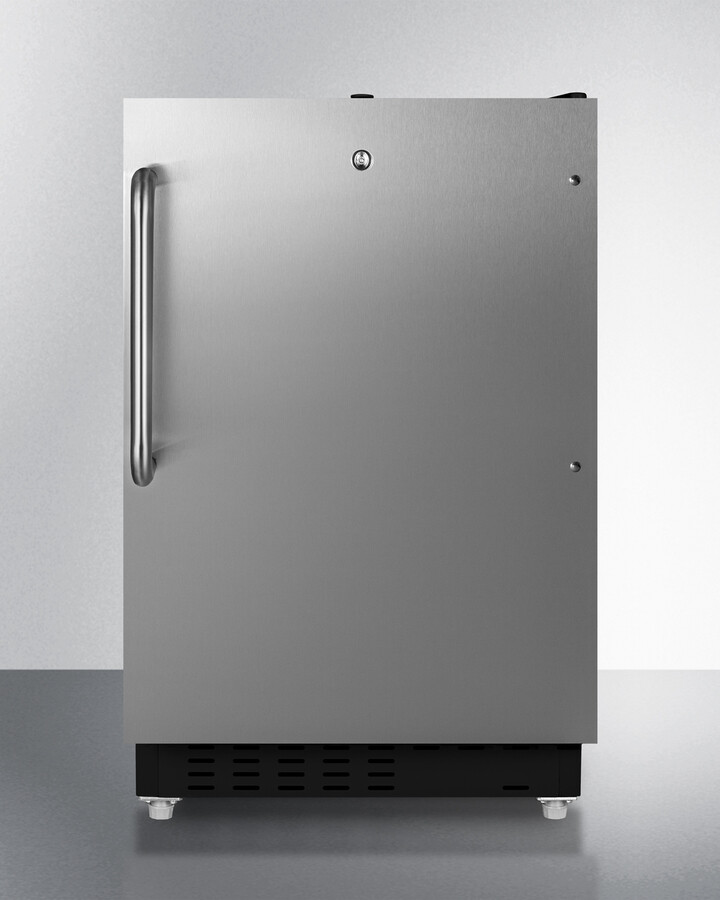
A mini fridge offers a compact and versatile solution for your refrigeration needs. These small appliances are designed to fit into tight spaces while providing sufficient cooling capacity for your essentials. Here are some key features and benefits of mini fridges:
Compact Size: Mini fridges are small and can easily fit into dorm rooms, offices, or even your garage. Their compact size makes them ideal for places where space is limited.
Energy Efficiency: Many mini fridges are designed to be energy-efficient, consuming less power compared to full-sized refrigerators.
Versatility: They come with various compartments and shelves, allowing you to store a variety of items such as beverages, snacks, and even small food containers.
Portability: Due to their lightweight nature, mini fridges are easy to move around, making them perfect for temporary setups or frequent relocations.
Temperature Control: Most mini fridges come with adjustable temperature settings, giving you the flexibility to keep your items at the desired temperature.
Affordability: Mini fridges are generally more affordable than larger refrigerators, making them an economical choice for budget-conscious individuals.
Ideal Uses and Scenarios
Mini fridges are incredibly versatile and can be used in various settings to meet your specific needs. Here are some ideal scenarios where a mini fridge can be particularly beneficial:
Dorm Rooms: Perfect for college students who need a convenient way to store drinks and snacks without taking up too much space.
Home Offices: Keep your beverages and lunch close at hand while you work from home, reducing the need for frequent trips to the kitchen.
Garages and Workshops: Store cold drinks and snacks in your garage or workshop for easy access during work or hobby time.
Entertainment Areas: Place a mini fridge in your entertainment room or near your home pool to keep drinks and snacks readily available for guests.
Tiny Homes and Mobile Homes: Ideal for small living spaces where a full-sized refrigerator would be impractical.
Outdoor Activities: A mini fridge can be used in cabins, cottages, or even during camping trips to keep your perishables fresh.
Understanding the features and ideal uses of mini fridges can help you make an informed decision. If you're considering other refrigeration solutions, check out Fridge.com comparisons like garage refrigerator Vs. smart fridge and chest freezer Vs. small refrigerator for more insights.
Portable Freezer Unveiled
Portable freezers offer a versatile solution for keeping your perishables cold on the go. Whether you're camping, road-tripping, or just need extra freezer space at home, understanding the features and benefits of these appliances will help you make an informed choice.
Features and Benefits
Portable freezers come equipped with a variety of features designed to make your life easier and keep your food fresh. Here are some key features and their benefits:
Temperature Control: Most portable freezers offer adjustable temperature settings, allowing you to set the exact temperature needed for your items.
Energy Efficiency: Many models are designed to be energy-efficient, saving power and reducing your electric bill.
Durability: Portable freezers are often built to withstand tough conditions, making them perfect for outdoor use.
Versatility: These freezers can be used in a variety of settings, from your home to your car, thanks to their compatibility with multiple power sources.
Portability: Lightweight and often equipped with handles, these freezers are easy to move around.
Feature
Benefit
Temperature Control
Precise cooling for various items
Durability
Long-lasting use in various conditions
Versatility
Use in different settings
Portability
Easy to transport
Best Applications and Settings
Portable freezers are ideal for a variety of applications and settings, providing flexibility and convenience. Here are some of the best uses:
Camping Trips: Keep your food and beverages cold while enjoying the great outdoors.
Road Trips: Perfect for long drives; ensures you have fresh food and cold drinks on hand.
Small Living Spaces: Ideal for apartments, dorm rooms, or tiny homes where space is limited.
Outdoor Events: Great for parties, picnics, and barbecues in your backyard or by the pool.
Emergency Backup: Useful during power outages to keep your perishable items from spoiling.
For more information on choosing the right type of refrigerator or freezer for your needs, check out other Fridge.com articles on column freezer Vs. standard fridge size, deep freezer Vs. portable refrigerator, and fridge freezer combo Vs. portable freezer.
By understanding the features and benefits of portable freezers, you can make an informed decision that best suits your lifestyle and specific needs.
When choosing between a mini fridge and a portable freezer, understanding the capacity and size differences is essential. These factors can significantly impact your decision based on your storage needs and available space.
Storage Space Comparison
Mini fridges and portable freezers offer varying storage capacities suited to different requirements. Here is a comparison of their typical storage capacities:
Appliance Type
Average Capacity (Cubic Feet)
Mini Fridge
1.7 - 4.5
Portable Freezer
1.0 - 3.0
Mini fridges generally offer more storage space compared to portable freezers, making them ideal for storing a variety of items like beverages, snacks, and small food items. Portable freezers, on the other hand, are better suited for storing frozen goods, making them perfect for extended trips or outdoor activities.
Dimensions and Portability
The dimensions and portability of mini fridges and portable freezers are crucial considerations, especially if you have limited space or need a mobile solution.
Appliance Type
Average Dimensions (Inches)
Weight (Pounds)
Mini Fridge
18-24 (H) x 17-21 (W) x 18-22 (D)
25-50
Portable Freezer
20-28 (H) x 12-18 (W) x 14-20 (D)
30-60
Mini fridges are typically more compact and lightweight, making them suitable for use in various settings such as apartments, offices, and dorm rooms. Portable freezers, while slightly bulkier, offer the advantage of being specifically designed for mobility, often featuring handles or wheels for easy transport.
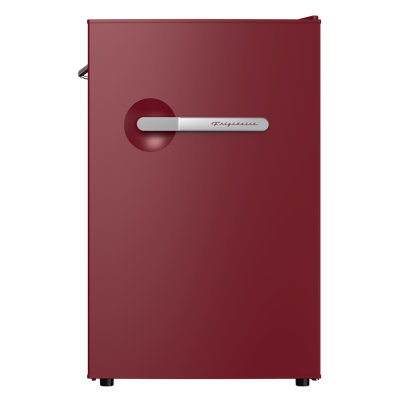
For more detailed comparisons on different types of fridges and freezers, you can explore Fridge.com articles on column freezer Vs. standard fridge size and retro mini fridge Vs. wine refrigerator. Understanding these differences will help you make an informed decision based on your specific needs and preferences.
Power Options and Energy Efficiency
When choosing between a mini fridge and a portable freezer, understanding their power options and energy efficiency is essential. This section will cover the different power sources available for these appliances and their energy efficiency ratings.
Power Sources for Mini Fridges and Portable Freezers
Mini fridges and portable freezers offer various power options to suit different settings and needs. Below is a comparison of the common power sources for each:
Appliance
Power Source
Description
Mini Fridge
Standard AC Outlet
Most mini fridges plug into a standard 110-120V household outlet.
Mini Fridge
DC Car Adapter
Some mini fridges come with a DC adapter for use in vehicles.
Portable Freezer
Standard AC Outlet
Portable freezers can also be powered by a standard household outlet.
Portable Freezer
DC Car Adapter
Many portable freezers include a 12V DC adapter for car use.
Portable Freezer
Solar Panels
Certain models support solar panels for off-grid use.
Mini fridges are primarily designed for indoor use, such as in homes, offices, or dorms. Portable freezers, on the other hand, offer more versatility with options for outdoor and mobile use, making them ideal for camping, road trips, and off-grid living.
Energy Efficiency Ratings
Energy efficiency is a crucial factor to consider when selecting an appliance. Energy-efficient models not only save money on electricity bills but also reduce environmental impact. Below is an overview of the energy efficiency ratings for mini fridges and portable freezers:
Appliance
Average Annual Energy Consumption (kWh)
Energy Star Rating
Mini Fridge
100 - 300
Available on some models
Portable Freezer
200 - 500
Less common
Mini fridges generally have lower energy consumption compared to portable freezers. However, the actual energy usage can vary based on factors such as size, insulation quality, and additional features like defrosting capabilities. Models with an Energy Star rating are designed to be more efficient and environmentally friendly.
To optimize energy efficiency, consider the following tips:
Choose the right size for your needs to avoid overconsumption.
Look for models with adjustable thermostats to control cooling levels.
Place the appliance in a well-ventilated area away from direct sunlight and heat sources.
For more information on different types of refrigeration appliances and their energy efficiency, visit Fridge.com articles on compact freezer Vs. small upright freezer and garage refrigerator Vs. smart fridge.
Understanding the power options and energy efficiency of mini fridges and portable freezers will help you make an informed decision that aligns with your lifestyle and energy-saving goals.
When deciding between a mini fridge and a portable freezer, several factors come into play. Understanding these factors will help you make an informed decision tailored to your specific needs.
Factors to Consider When Choosing Between a Mini Fridge and Portable Freezer
Storage Needs: Evaluate the types of items you plan to store. A mini fridge is ideal for beverages, snacks, and perishables that need cooling but not freezing. A portable freezer, on the other hand, is suitable for storing frozen foods, ice, and other items requiring sub-zero temperatures.
Space Availability: Consider the space where you plan to place the appliance. Mini fridges generally take up less space and can easily fit in small areas like dorm rooms, offices, or bedrooms. Portable freezers might require more space due to their larger capacity.
Portability: If you need a unit that is easy to move, both mini fridges and portable freezers offer portability. However, portable freezers often come with handles and wheels, making them slightly easier to transport.
Energy Consumption: Assess the energy efficiency of the units. Mini fridges typically consume less power compared to portable freezers. Check the energy efficiency ratings of both to determine their operational costs.
Temperature Range: Determine the temperature needs of the items you plan to store. Mini fridges usually have a cooling range, whereas portable freezers can maintain much lower temperatures.
Additional Features: Look for features like adjustable shelving, temperature control, and noise level. These can enhance the functionality and convenience of the appliance.
Factor
Mini Fridge
Portable Freezer
Storage Needs
Beverages, snacks, perishables
Frozen foods, ice
Space Availability
Fits in small areas
Requires more space
Portability
Portable but less so than freezers
Often comes with handles/wheels
Temperature Range
Cooling range
Sub-zero temperatures
Additional Features
Adjustable shelving, controls
Enhanced portability features
For a detailed comparison of storage capacities, check out Fridge.com article on column freezer Vs. standard fridge size.
Personal Lifestyle and Needs Assessment
Your lifestyle and specific needs play a crucial role in choosing between a mini fridge and a portable freezer.
Living Situation: If you live in a dormitory, small apartment, or office, a mini fridge might be more suitable due to its compact size. For those in larger homes or who love outdoor activities, a portable freezer can be more beneficial.
Usage Frequency: Consider how often you will use the appliance. Frequent users might prefer a portable freezer for its robust storage capabilities, while occasional users might find a mini fridge sufficient.
Special Requirements: If you have dietary needs that require specific storage conditions, such as frozen meals or medical supplies, a portable freezer might be essential.
Event Hosting: For those who frequently host events, a mini fridge can be handy for keeping drinks and snacks cool. However, a portable freezer allows for better storage of frozen treats.
Outdoor Activities: If you enjoy camping, tailgating, or road trips, a portable freezer offers the advantage of keeping food frozen for extended periods.
By carefully considering these factors and your personal lifestyle, you can make the right choice between a mini fridge and a portable freezer. For more comparisons, explore Fridge.com articles on mini freezer Vs. smart fridge and garage refrigerator Vs. smart fridge.
Compare prices on Fridge.com
Compare current prices and specifications on Fridge.com, then buy from the retailer you choose; delivery, installation and warranty terms are the retailer’s.
It also has tons of awesome articles about kitchen stuff and home news. Enhance your home, garage, backyard, patio, and office with the coolest essentials. With every necessary type of residential refrigerator or freezer in the collection, you're covered.
From Fridge.com research
Figures below come from data Fridge.com builds and maintains. Each links to the record behind it.
Fridge.com Energy Index, built on U.S. EPA and DOE ENERGY STAR records
Across 1,728 ENERGY STAR certified compact refrigerator models, median use is 246 kWh per year — 11% better than the federal standard.