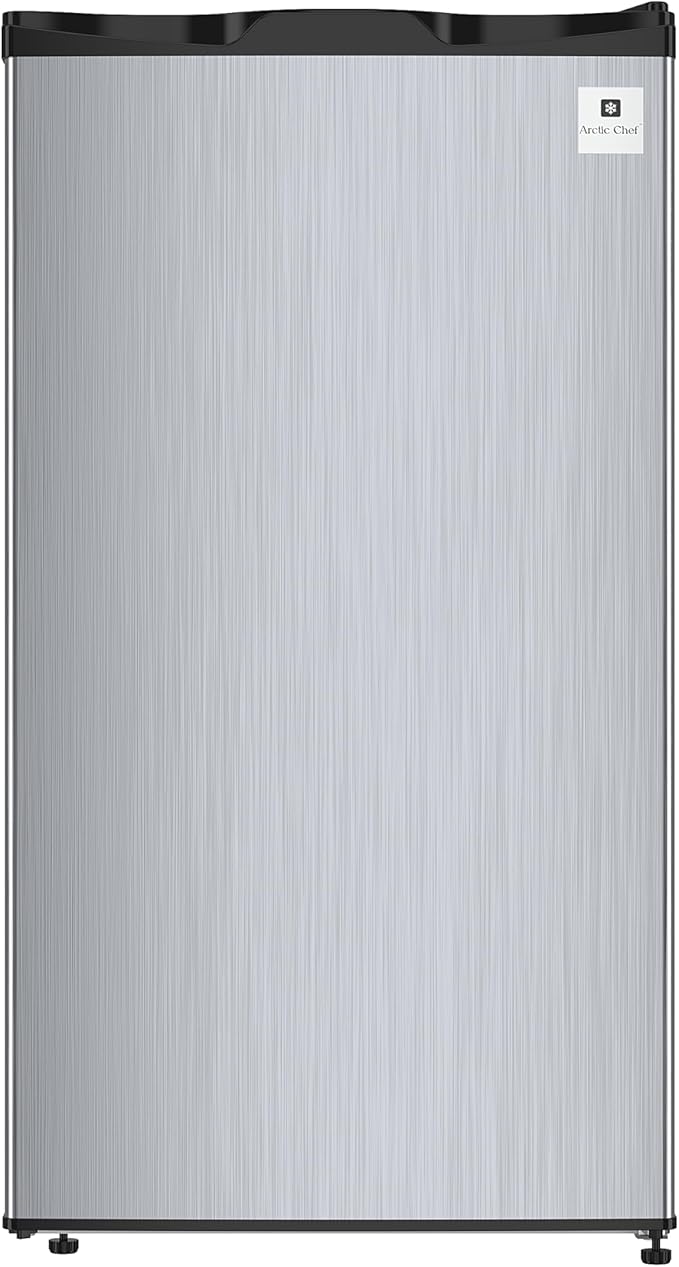
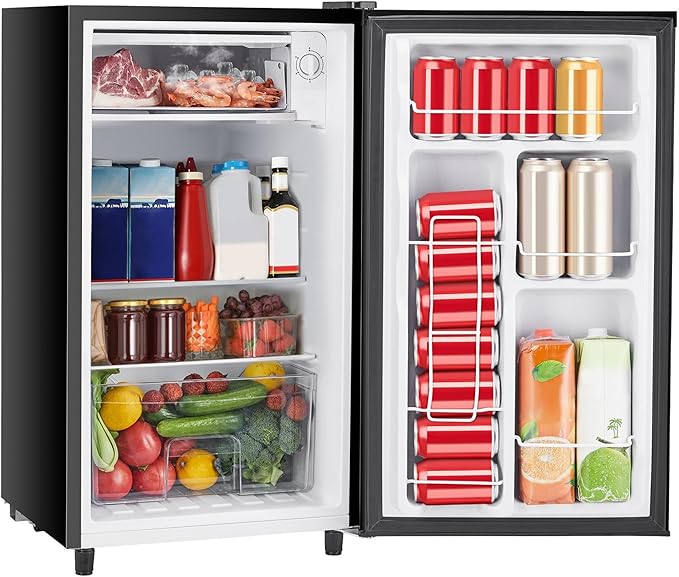
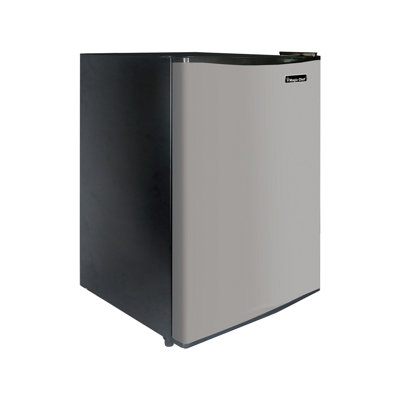
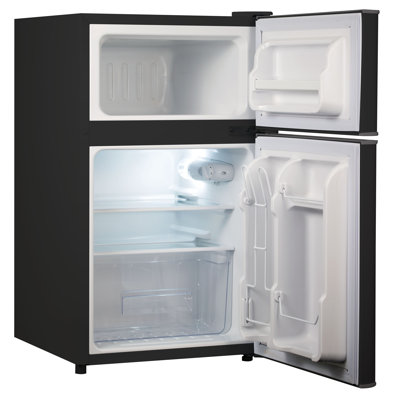
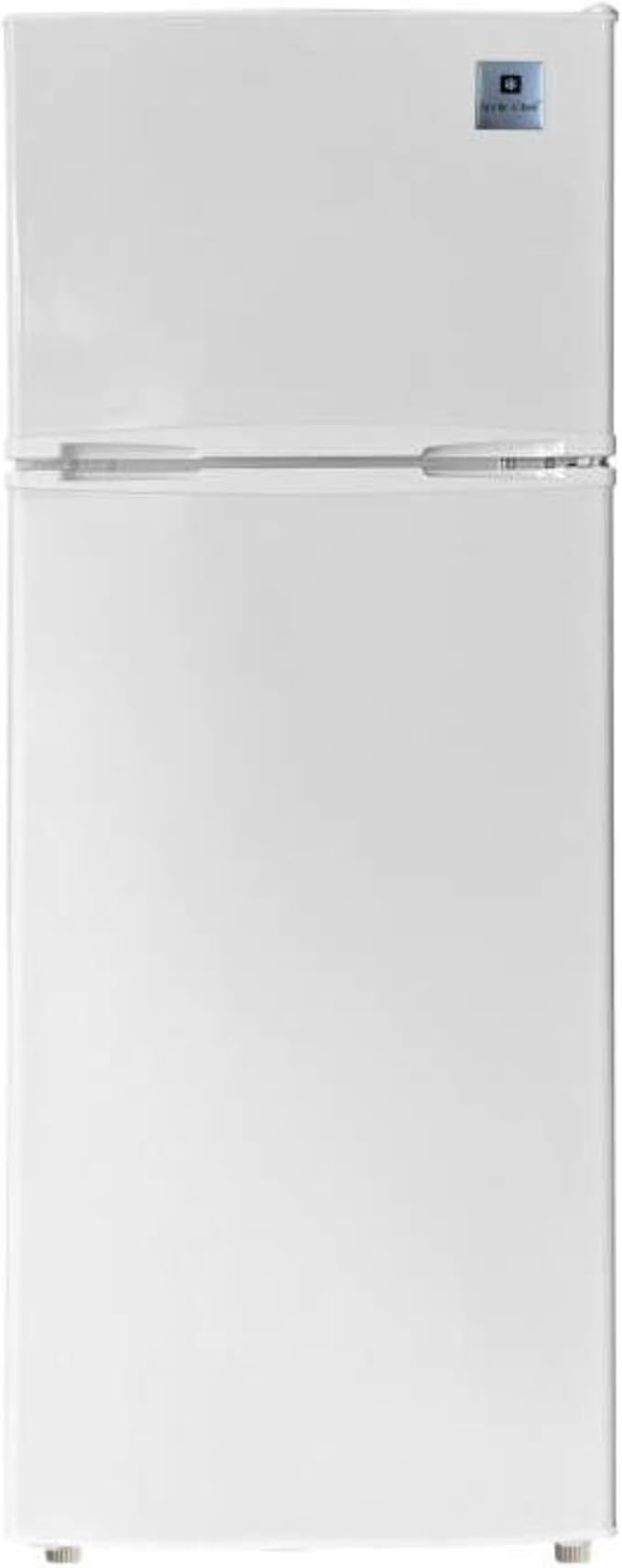
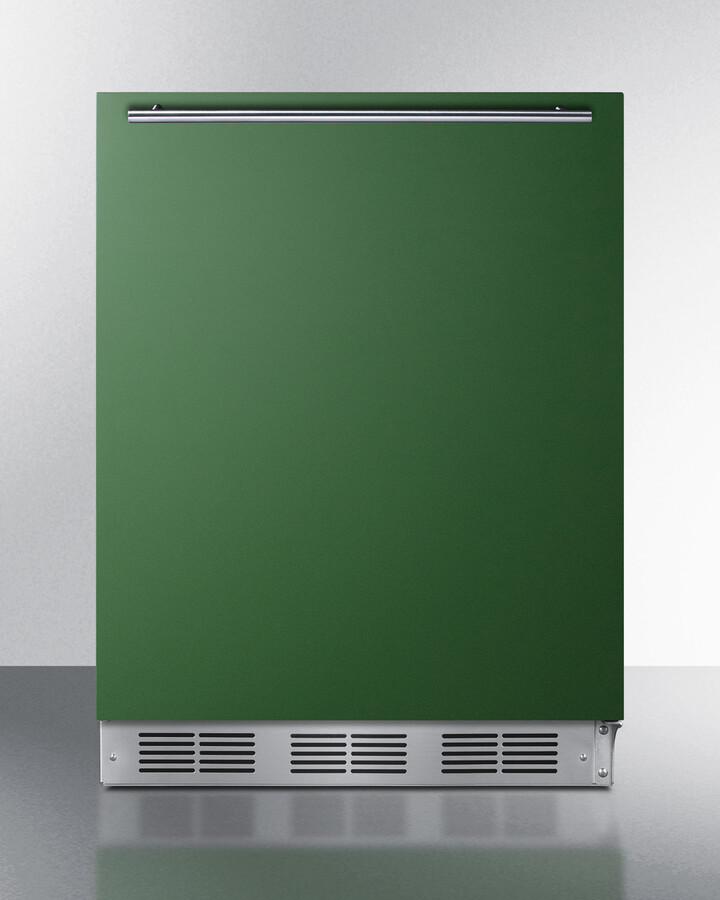
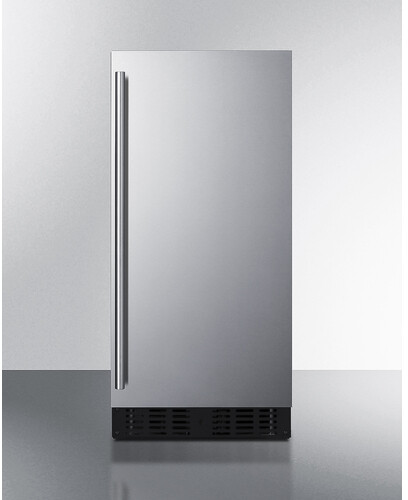
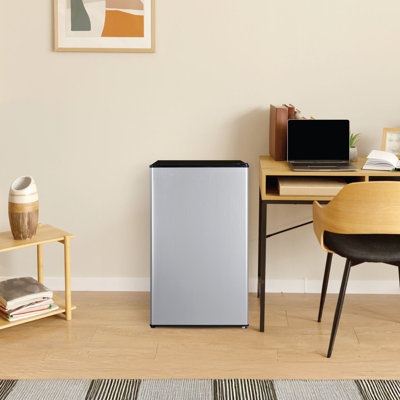
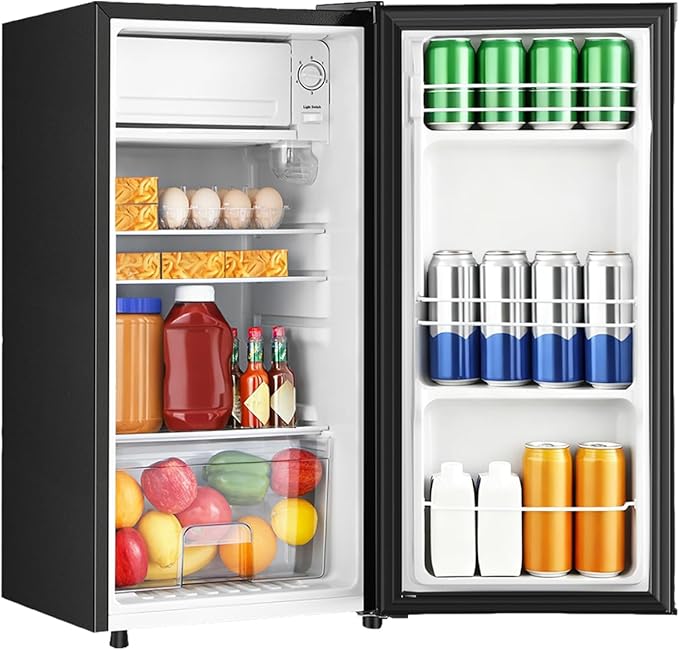
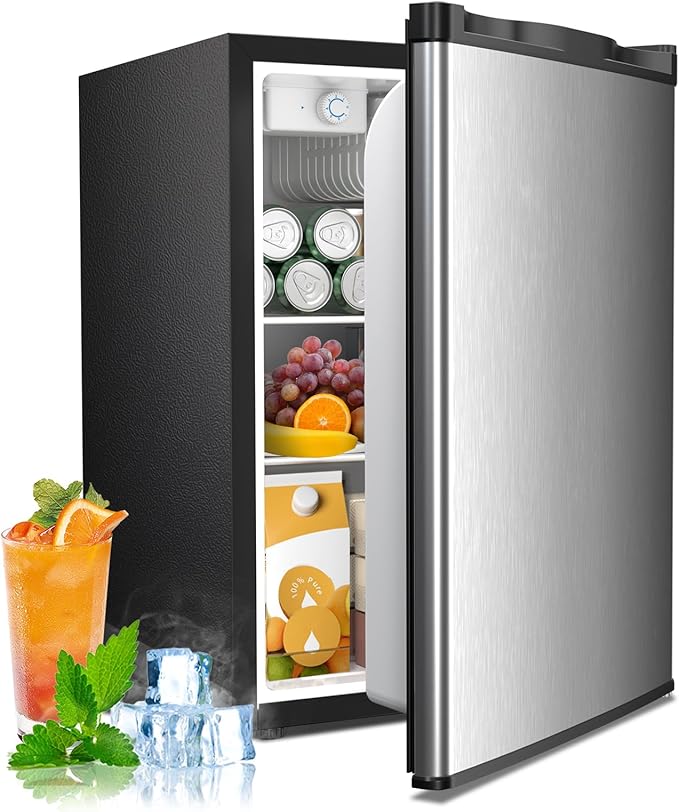
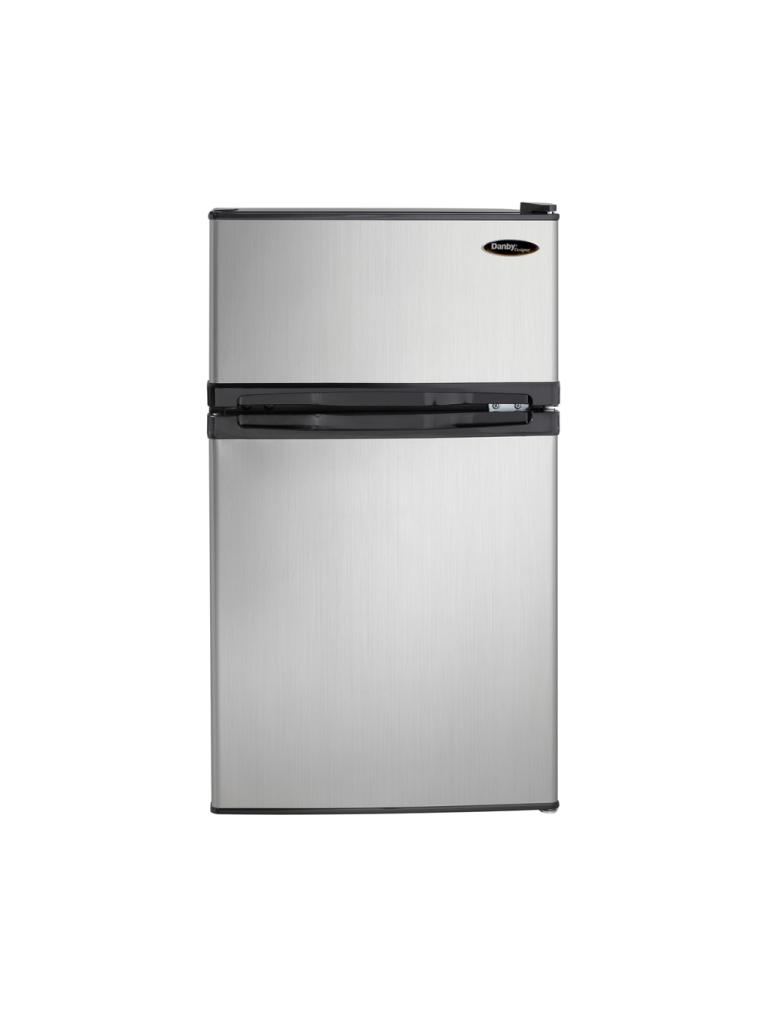
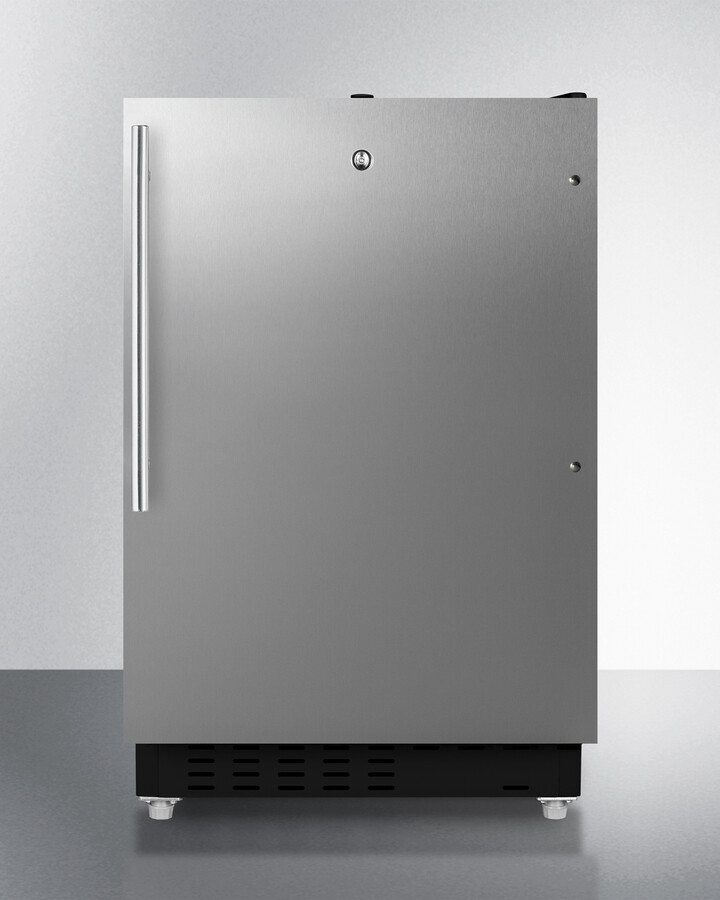
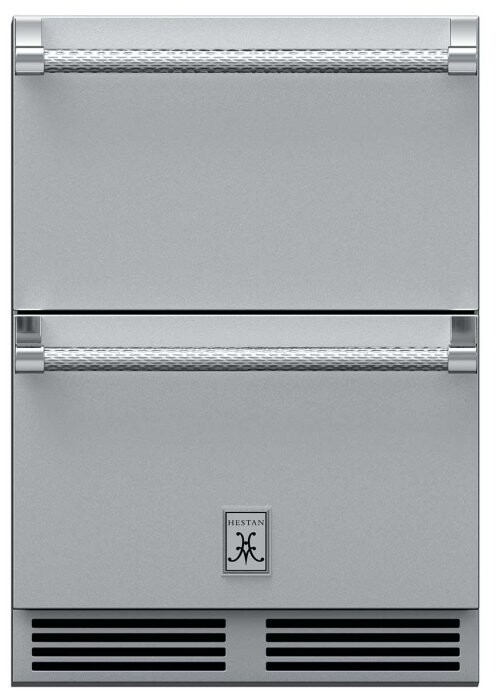
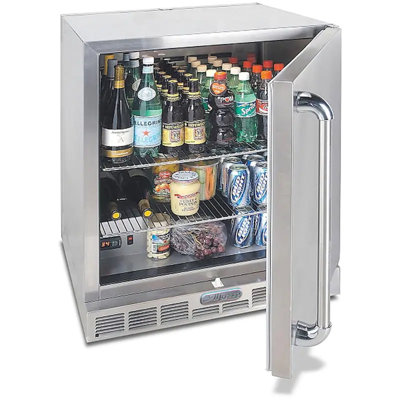
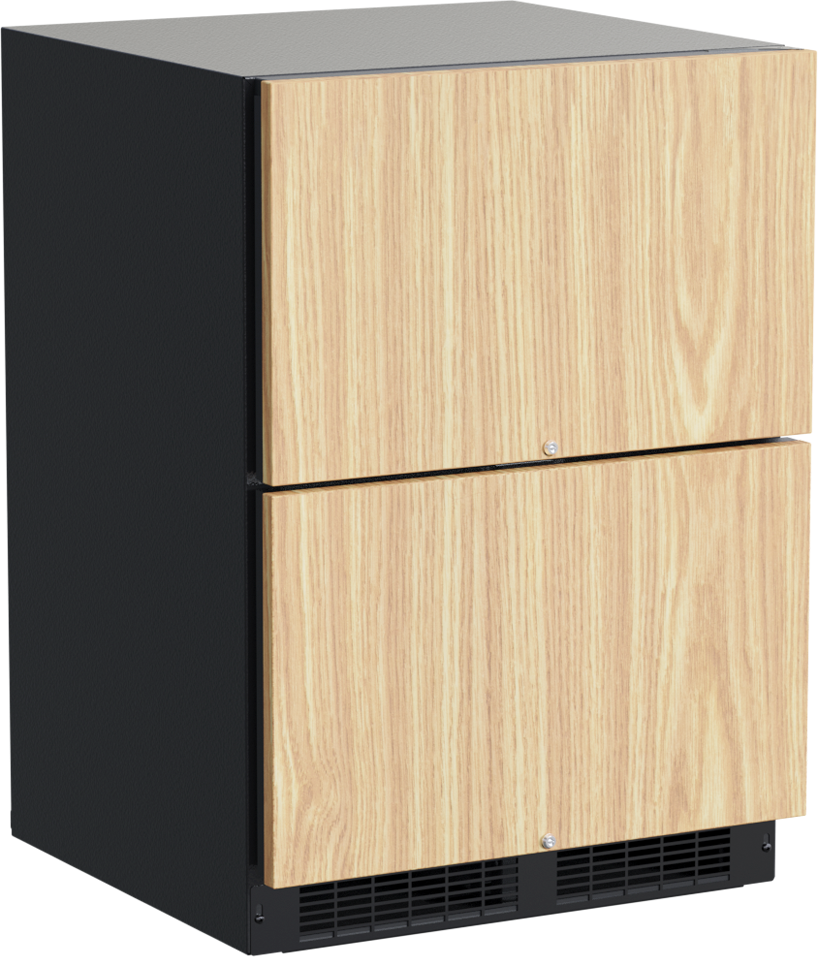
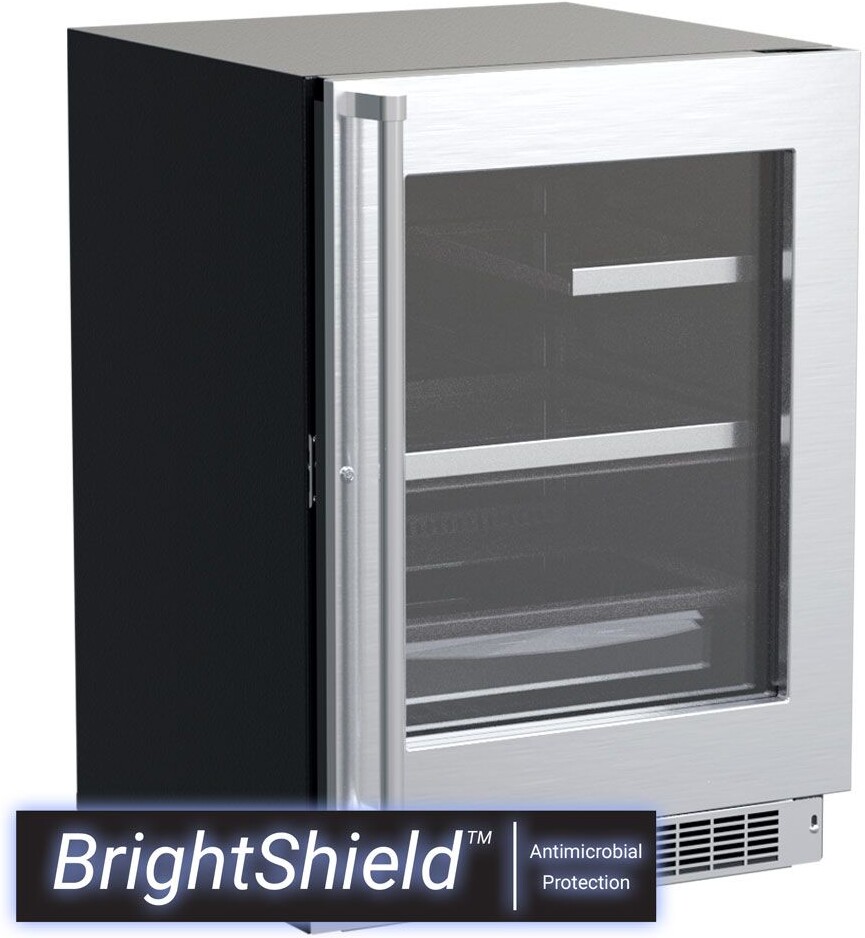
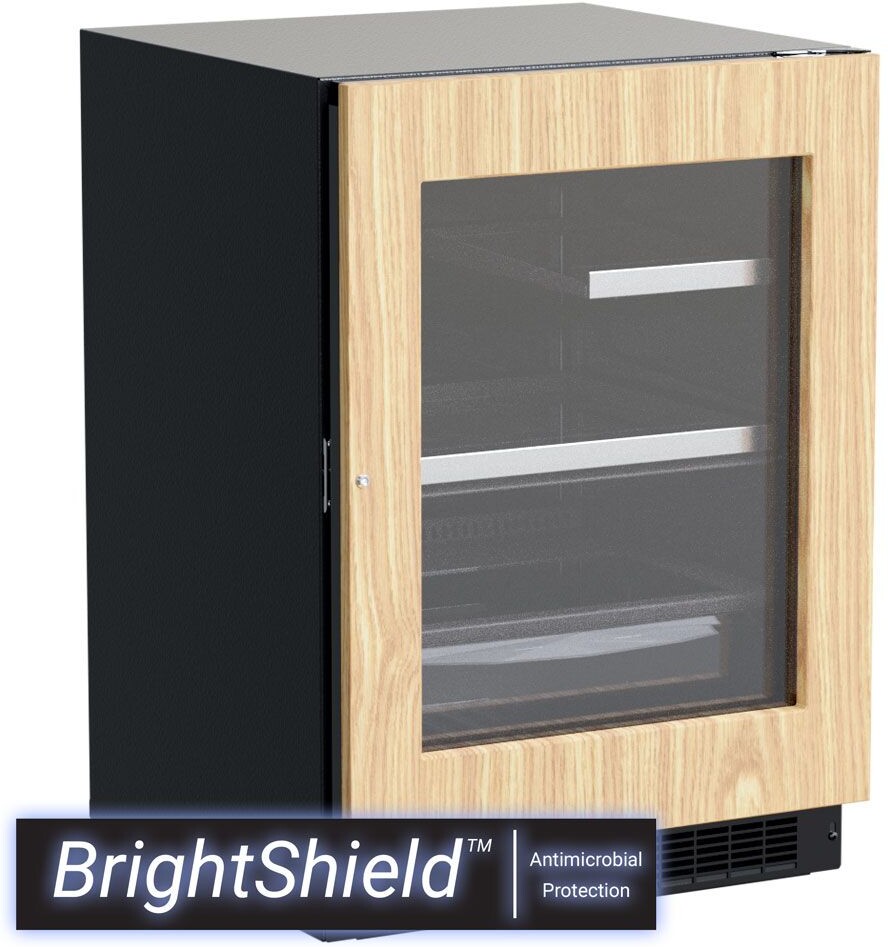
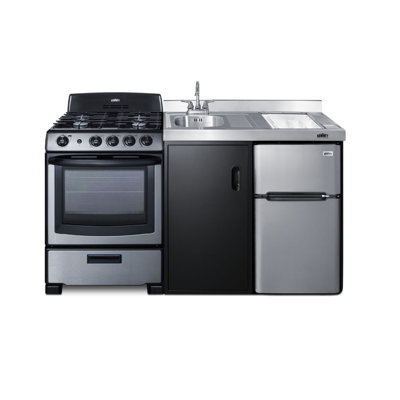
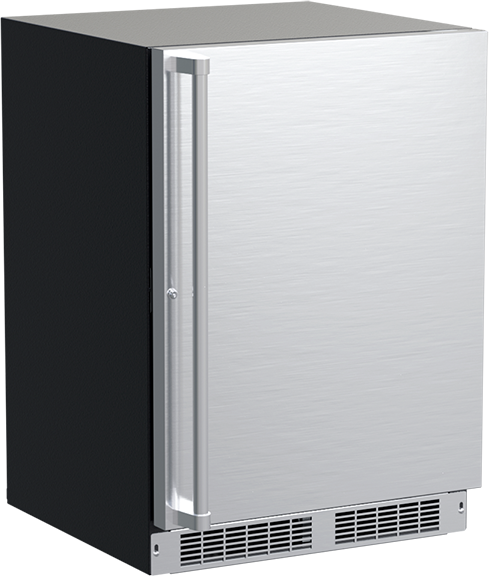
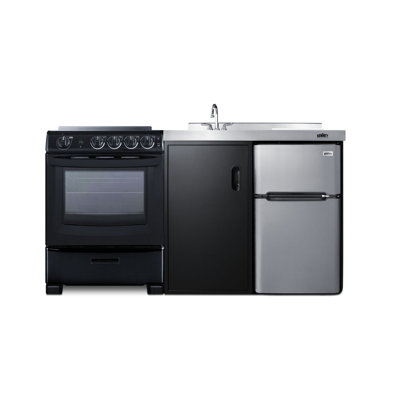
Compact refrigerators are small, versatile appliances designed to fit in tight spaces like dorm rooms, offices, and small apartments. They offer many of the same features as standard refrigerators but on a smaller scale. These mini-fridges typically include a small freezer compartment, adjustable shelves, and door storage.
Compact refrigerators are ideal for storing beverages, snacks, and perishable items. They are a convenient option for individuals who need extra refrigeration space without the bulk of a full-sized fridge. Their compact size makes them easy to place in various locations, including under counters, in garages, or even in outdoor areas like patios and poolside bars. For more information on different types of fridges, check out Fridge.com article on the best fridge for national melon day.
Understanding Ice Makers
Ice makers are specialized appliances designed solely for the purpose of producing ice. They come in various sizes and capacities, from small countertop models to larger freestanding units. Ice makers can produce ice quickly and efficiently, making them a popular choice for parties, events, and everyday use.
One of the key benefits of ice makers is their ability to produce a consistent supply of ice without the need for freezer space. This is particularly useful for individuals who entertain frequently or have a high demand for ice. Ice makers can produce different types of ice, including cubes, nuggets, and crushed ice, catering to various preferences and needs.
When considering an ice maker, it's important to evaluate the size and capacity to ensure it meets your requirements. For those looking to add an ice maker to their home, Fridge.com article on the best ice maker for a work live house provides additional insights.
In comparing compact refrigerators and ice makers, it's essential to consider your specific needs and preferences. While compact refrigerators offer versatile storage for food and beverages, ice makers provide a specialized solution for ice production. By understanding the features and benefits of each appliance, you can make an informed decision that best suits your lifestyle.
When evaluating the functionality and features of a compact refrigerator and an ice maker, it's essential to understand what each appliance offers. This comparison will help you determine which is more suited to your needs.
Compact Refrigerator Features
Compact refrigerators are designed to provide cooling and storage solutions in a smaller form factor. They are ideal for various settings such as a home office, dorm room, or a small apartment. Here are some key features of compact refrigerators:
Cooling Compartments: They often come with separate compartments for refrigerating and freezing, making them versatile for storing different types of food and beverages.
Adjustable Shelves: Many compact refrigerators have adjustable shelving, allowing you to customize the interior space to fit various items.
Temperature Control: These units typically include adjustable temperature settings, ensuring your food and drinks are kept at the ideal temperature.
Energy Efficiency: Some models are designed to be energy-efficient, reducing electricity consumption while keeping your items cool.
Portability: Due to their small size, compact refrigerators are relatively easy to move, making them a convenient choice for temporary setups or smaller living spaces.
Ice makers are specialized devices designed to produce ice quickly and efficiently. They are perfect for parties, events, or any situation where a large amount of ice is required. Here are some key features of ice makers:
Ice Production Speed: Ice makers can produce ice rapidly, often within minutes, making them ideal for occasions where ice is needed quickly.
Ice Types: Many ice makers offer different types of ice, such as cubed, crushed, or nugget ice, providing versatility depending on your preference.
Storage Capacity: Ice makers come with built-in storage bins to hold the produced ice until you are ready to use it.
Self-Cleaning Functions: Some ice makers include self-cleaning features, making maintenance easier and ensuring the ice remains hygienic.
Portability: Like compact refrigerators, ice makers are also designed to be portable, allowing you to use them in various settings, such as outdoor events or in your kitchen.
For a closer look at ice maker features, check out Fridge.com article on best ice maker for a work live house.
Feature
Compact Refrigerator
Ice Maker
Primary Function
Cooling and storing food and beverages
Producing ice
Cooling Compartments
Yes
No
Adjustable Shelves
Yes
No
Temperature Control
Yes
No
Ice Production Speed
No
Yes
Ice Types
No
Yes (cubed, crushed, nugget)
Storage Capacity
Yes (varies by model)
Yes (varies by model)
Self-Cleaning
No
Yes (in some models)
Portability
Yes
Yes
By understanding these features, you can better decide whether a compact refrigerator or an ice maker is more suited to your lifestyle and needs. Whether you're looking to store food or produce ice quickly, each appliance offers unique advantages that cater to different requirements. For additional insights, visit Fridge.com articles on chest refrigerator Vs. ice machine and best fridge for national tequila day.
When comparing compact refrigerators and ice makers, size and capacity are crucial factors to consider. Each appliance has its own unique specifications and benefits that cater to different needs.
Considerations for Compact Refrigerators
Compact refrigerators are designed to fit in smaller spaces, making them ideal for apartments, offices, dorm rooms, and even outdoor settings like cabins or poolside areas. These mini fridges offer varying capacities, typically ranging from 1.7 cubic feet to 4.5 cubic feet.
Model Type
Capacity (cubic feet)
Dimensions (inches)
Small Compact Fridge
1.7 - 2.5
18 x 17 x 20
Medium Compact Fridge
2.6 - 3.3
19 x 18 x 24
Large Compact Fridge
3.4 - 4.5
20 x 21 x 33
Compact refrigerators often come with multiple compartments and shelves, allowing you to store a variety of items, from beverages to snacks and even small meal preparations. Some models also include a small freezer compartment, which adds to their versatility. This makes them an excellent choice for various uses, including keeping your favorite drinks cold for celebrations or storing ingredients for 10 fridge meal recipes.
Evaluating Ice Maker Sizes
Ice makers, on the other hand, are primarily focused on producing ice and come in a range of sizes to suit different needs. Portable ice makers are compact and can fit on a countertop, while larger models are designed for more extensive ice production requirements.
Ice Maker Type
Daily Ice Production (pounds)
Dimensions (inches)
Portable Ice Maker
26 - 35
12 x 9 x 12
Medium Ice Maker
36 - 50
15 x 12 x 14
Large Ice Maker
51 - 100
17 x 15 x 18
Portable ice makers are suitable for personal use in homes, offices, or small gatherings, producing between 26 to 35 pounds of ice per day. Larger models can produce up to 100 pounds of ice daily, making them suitable for bigger events or venues. For those looking for more information on ice makers suited for different environments, check out Fridge.com article on the best ice maker for a work live house.
Understanding the size and capacity of these appliances will help you determine which one best meets your needs. Whether you're looking for a compact refrigerator to store your favorite snacks or an ice maker to keep your drinks chilled, knowing these details will guide you in making an informed decision. For further comparison, you can also read about the chest refrigerator Vs. ice machine.
Setting up a compact refrigerator is fairly straightforward, making it a convenient choice for various spaces like an office, dorm room, or small apartment. Here’s what you need to know:
Location: Choose a flat, stable surface with ample ventilation. Avoid placing it near heat sources like stoves or direct sunlight.
Power Supply: Ensure an appropriate power outlet is nearby. Compact refrigerators usually require a standard 120V outlet.
Leveling: Use the adjustable feet to level the fridge. This helps in optimal functioning and prevents unnecessary noise.
Spacing: Leave at least a few inches of space around the unit for proper air circulation.
Initial Cooling: Let the refrigerator sit upright for a few hours before plugging it in to allow the coolant to settle.
For more details on setting up and optimizing your fridge space, consider exploring Fridge.com guide on must have in the fridge.
Maintaining an Ice Maker
Maintaining an ice maker involves regular cleaning and occasional servicing to ensure it operates efficiently. Here’s a step-by-step guide:
Regular Cleaning: Clean the ice maker every few months to prevent mold and mineral buildup. Use a mild detergent or a cleaning solution designed for ice makers.
Water Filter: Replace the water filter as recommended by the manufacturer to ensure clean ice.
Descaling: If you notice a buildup of scale or mineral deposits, use a descaling solution to clean the internal components.
Inspecting: Check the ice bin and components for any signs of wear or damage. Replace any worn-out parts as needed.
Checking Connections: Ensure the water supply line is securely connected and there are no leaks.
Task
Frequency
Cleaning
Every 3-6 months
Water Filter Replacement
Every 6 months
Descaling
Annually
Inspecting Components
Monthly
Checking Connections
Monthly
For more tips on maintaining your ice maker and other appliances, visit Fridge.com article on best ice maker for a work live house.
Proper installation and maintenance are key to extending the lifespan of your compact refrigerator and ice maker, ensuring they function efficiently and reliably.
Energy Efficiency
Understanding the energy efficiency of both compact refrigerators and ice makers is crucial for making an informed decision. This section will compare their energy usage and consumption.
Energy Usage of Compact Refrigerators
Compact refrigerators are designed to provide cooling in a smaller form factor. The energy usage of these devices can vary depending on size, features, and efficiency ratings. Generally, compact refrigerators use less energy than full-sized models but more than small appliances like ice makers.
Feature
Energy Usage (kWh/year)
Small Compact Refrigerator (1.7 - 3.5 cu. ft.)
100 - 250
Medium Compact Refrigerator (3.6 - 4.5 cu. ft.)
250 - 350
Large Compact Refrigerator (4.6 - 6.0 cu. ft.)
350 - 550
Compact refrigerators are often used in spaces like offices, dorm rooms, and small apartments. Their energy efficiency can be improved by selecting models with higher Energy Star ratings and ensuring they are properly maintained.
For more information on choosing the best fridge for specific occasions, check out Fridge.com articles on best fridge for national white wine day and best fridge for international eat an apple day.
Energy Consumption of Ice Makers
Ice makers are specialized appliances designed to produce ice rapidly. Their energy consumption is relatively low when compared to larger appliances, but it can vary based on the model and production capacity.
Feature
Energy Consumption (kWh/year)
Small Countertop Ice Maker
100 - 200
Medium Under-Counter Ice Maker
200 - 300
Large Commercial Ice Maker
300 - 600
Choosing an energy-efficient ice maker involves considering factors like production rate and insulation quality. Models with better insulation and efficient compressors tend to consume less energy.
For further insights on the best ice maker for various settings, refer to Fridge.com article on best ice maker for a work live house.
In comparing the energy efficiency of compact refrigerators and ice makers, it's essential to consider your specific needs and the intended usage of each appliance. For more details on related topics, explore Fridge.com articles on chest refrigerator Vs. ice machine and best beer fridge for a fem den.
When comparing the initial investment for a compact refrigerator Vs. an ice maker, it's essential to consider the upfront costs. Compact refrigerators generally cost more than ice makers due to their additional storage and cooling capabilities. Here's a breakdown of the average prices:
Appliance Type
Price Range ($)
Compact Refrigerator
100 - 500
Ice Maker
100 - 300
For those looking to purchase an appliance for their best fridge for national apple turnover day or best ice maker for a work live house, these initial costs can be a deciding factor.
Long-Term Costs and Benefits
Long-term costs encompass not just the purchase price but also the energy consumption, maintenance, and potential repairs over time. Compact refrigerators, while versatile, consume more energy compared to ice makers. However, they provide the added benefit of food and beverage storage, making them a more comprehensive solution.
Appliance Type
Annual Energy Cost ($)
Maintenance Cost ($/year)
Benefits
Compact Refrigerator
20 - 60
10 - 30
Food storage, beverages, versatility
Ice Maker
10 - 40
5 - 20
Continuous ice supply, portability
For example, if you often host events or need extra storage for perishable items, a compact refrigerator might offer more value. On the other hand, if your primary need is an abundant supply of ice, an ice maker could be the more cost-effective choice.
When evaluating long-term costs, consider the specific needs of your space, whether it's for your best beer fridge for a fem den, best fridge for melon day, or portable ac/dc freezer. This can help you make an informed decision that balances both initial and ongoing expenses.
From Fridge.com research
Figures below come from data Fridge.com builds and maintains. Each links to the record behind it.
Fridge.com Energy Index, built on U.S. EPA and DOE ENERGY STAR records
Across 1,728 ENERGY STAR certified compact refrigerator models, median use is 246 kWh per year — 11% better than the federal standard.