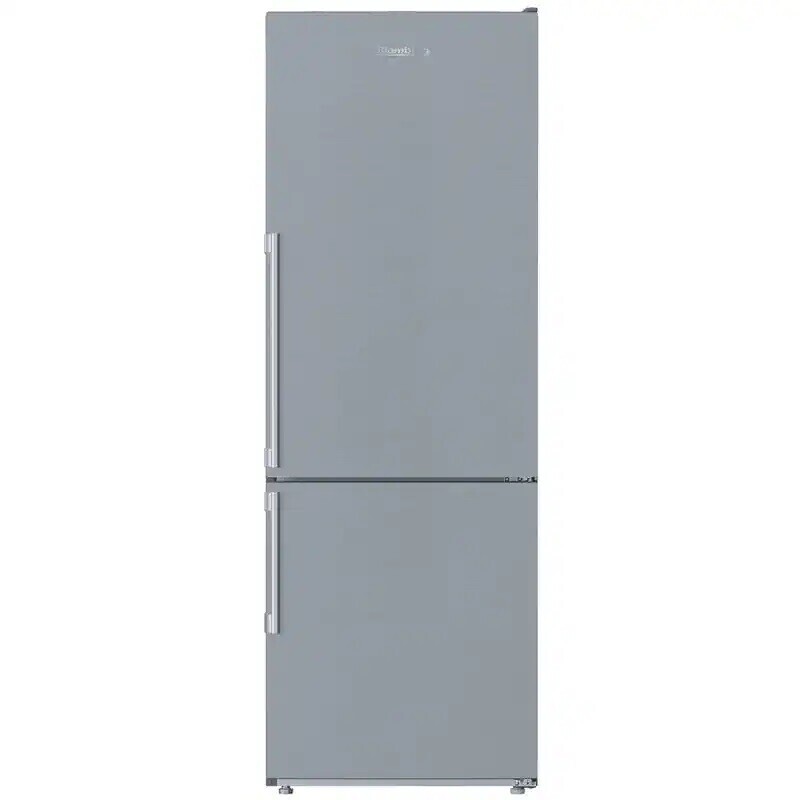
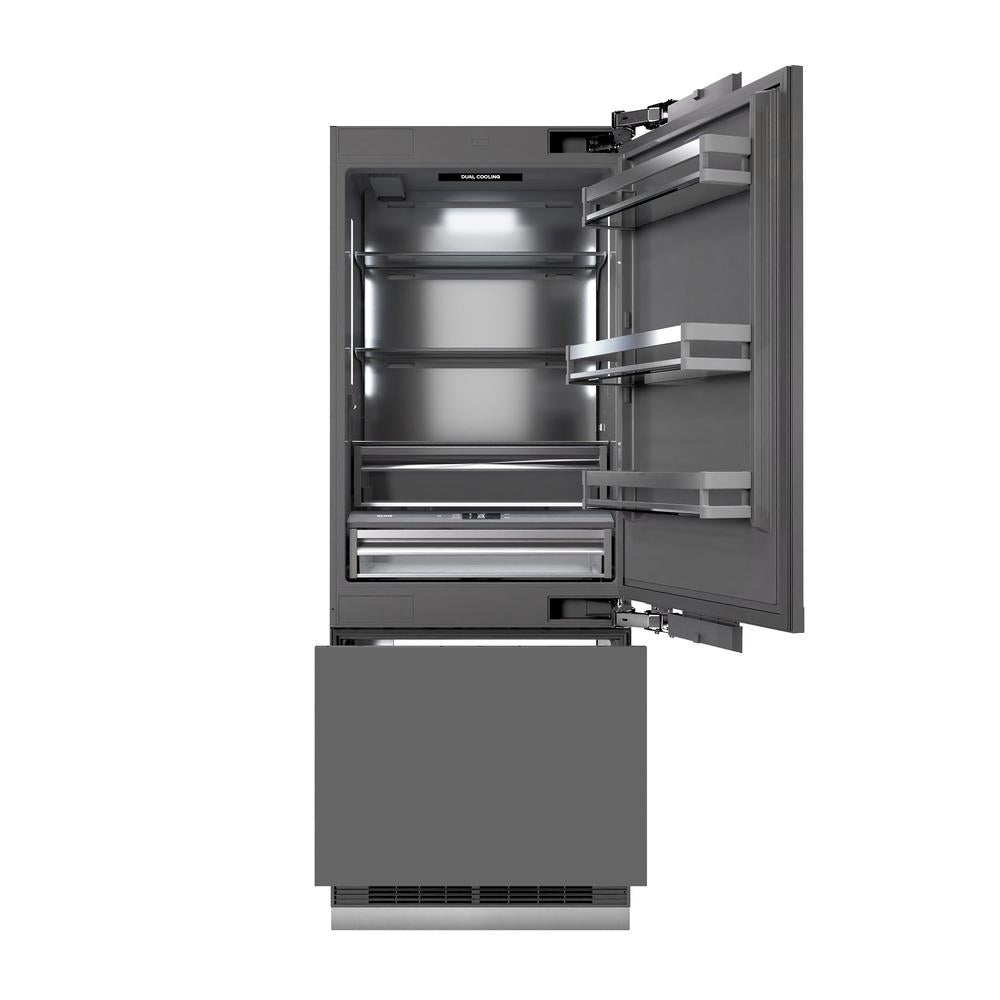
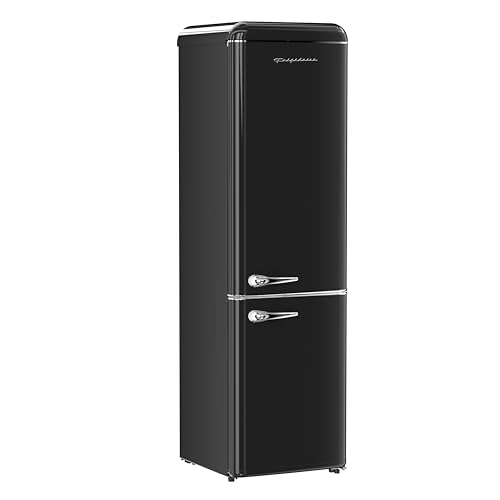
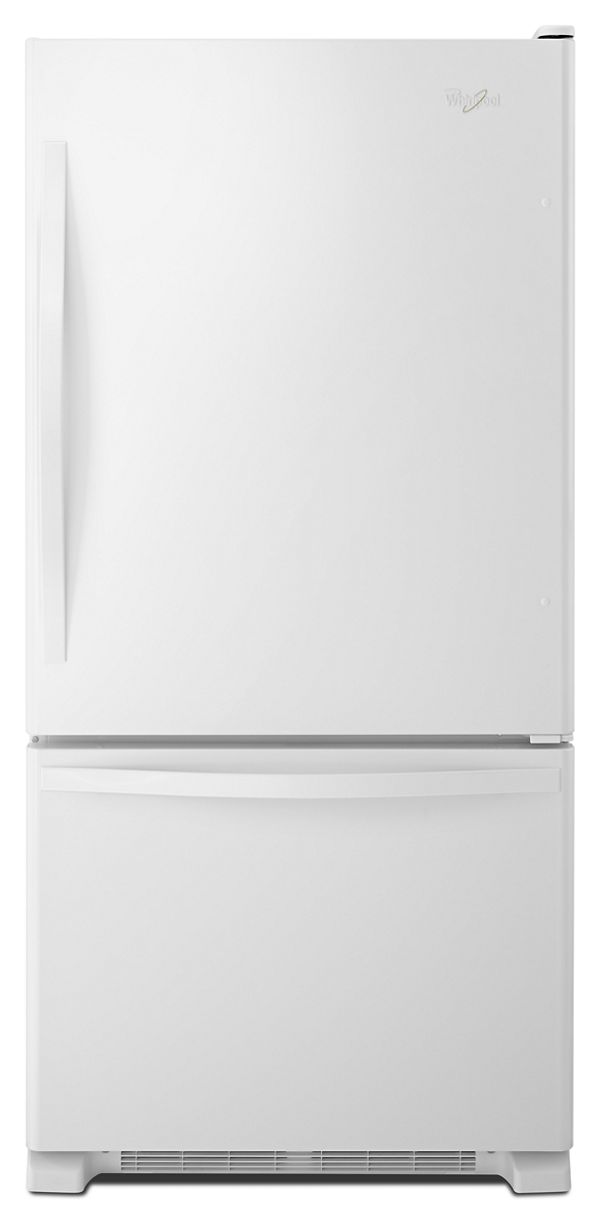
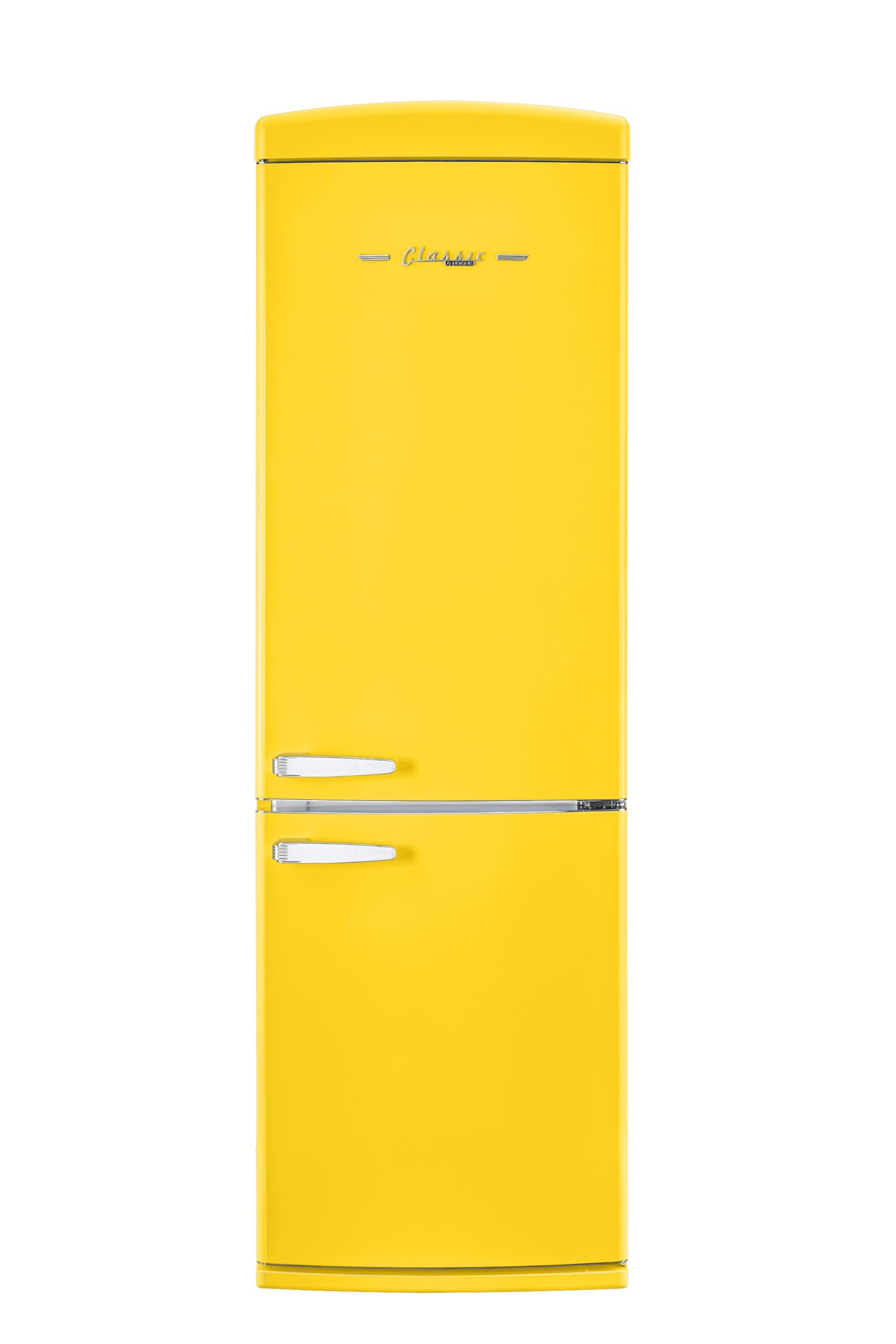
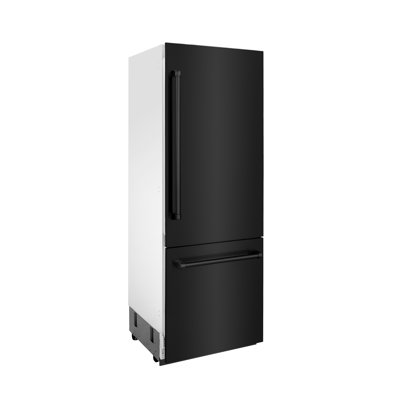
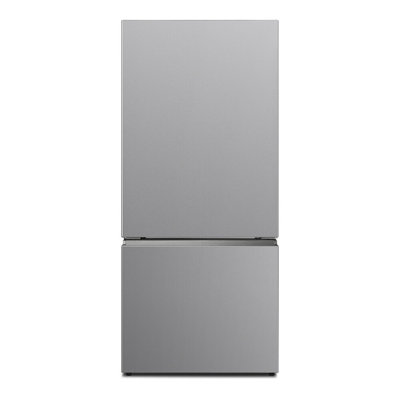
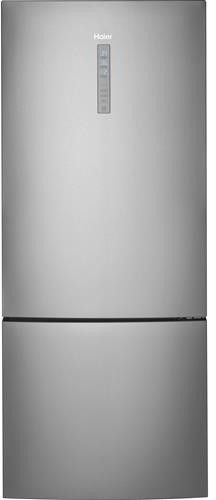
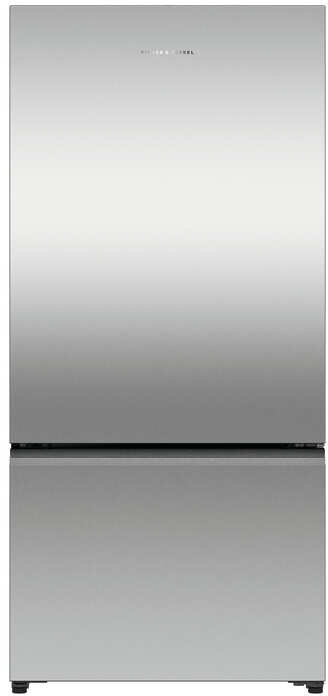
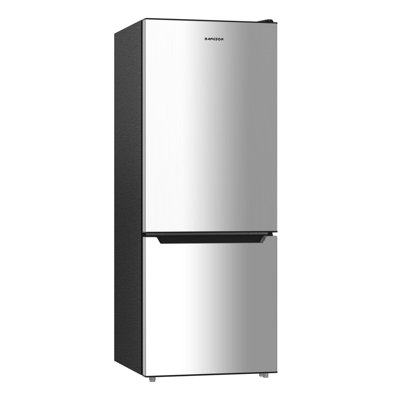
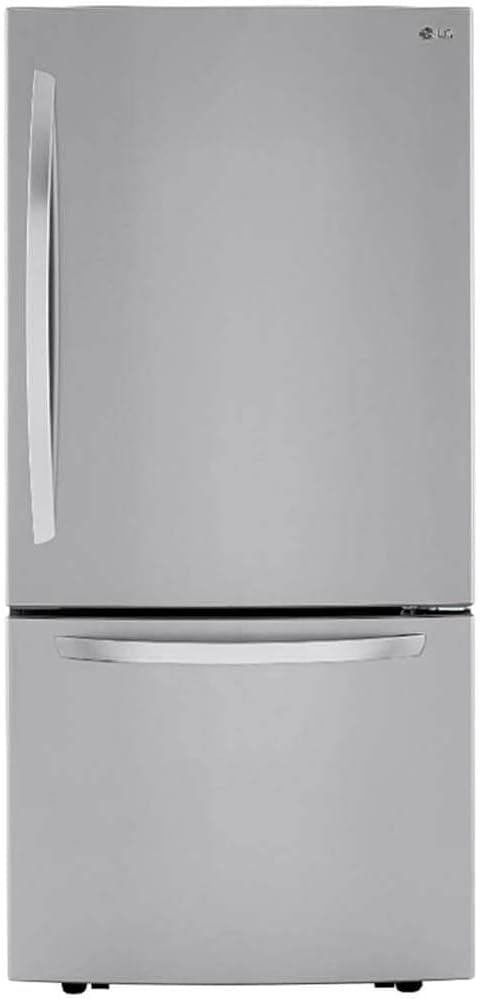
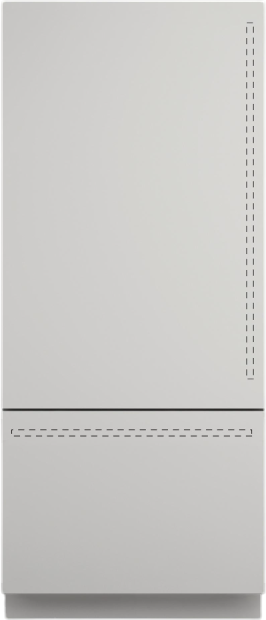
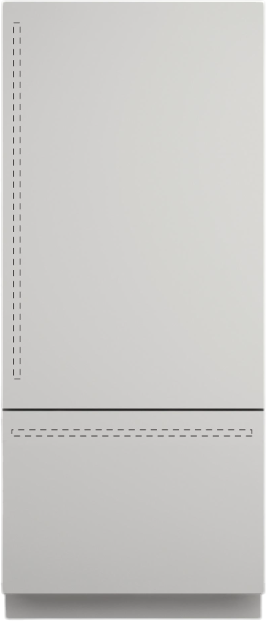
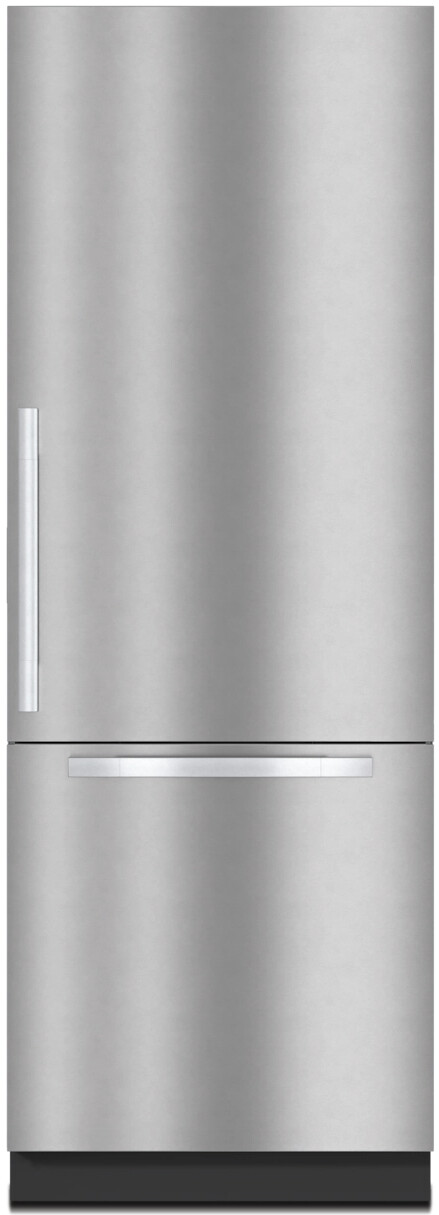
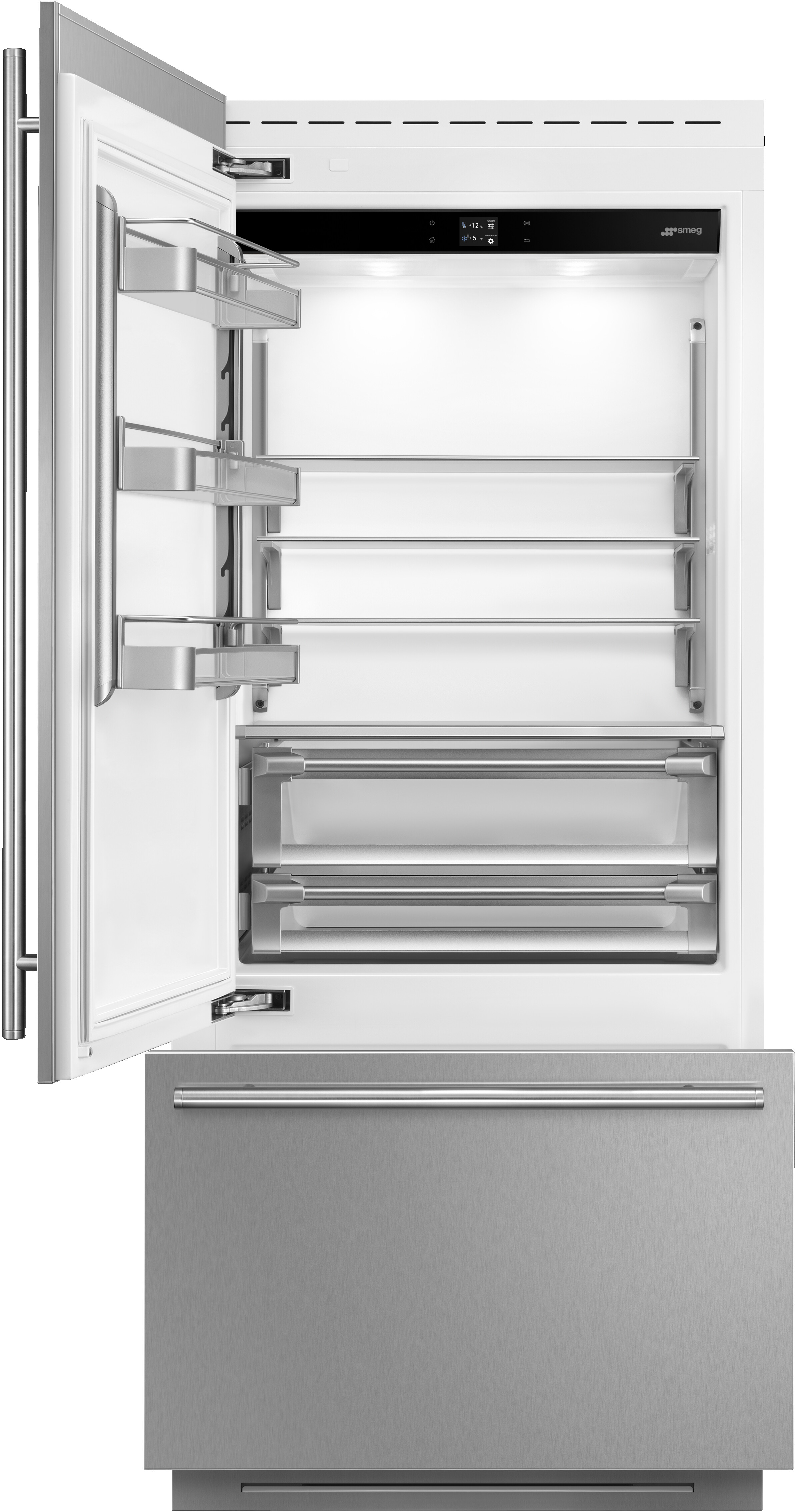
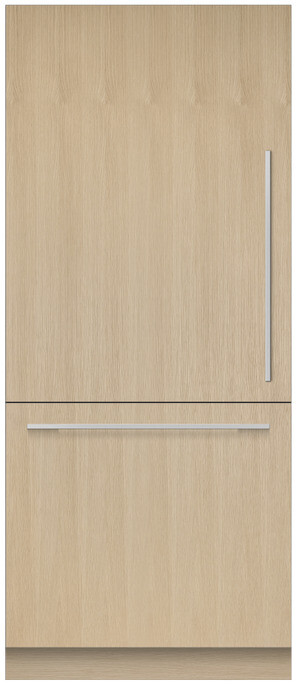
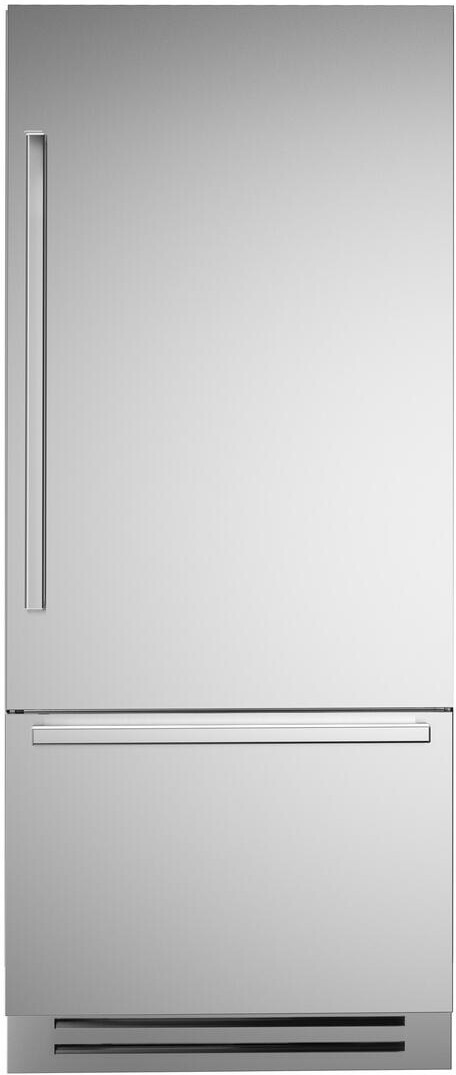
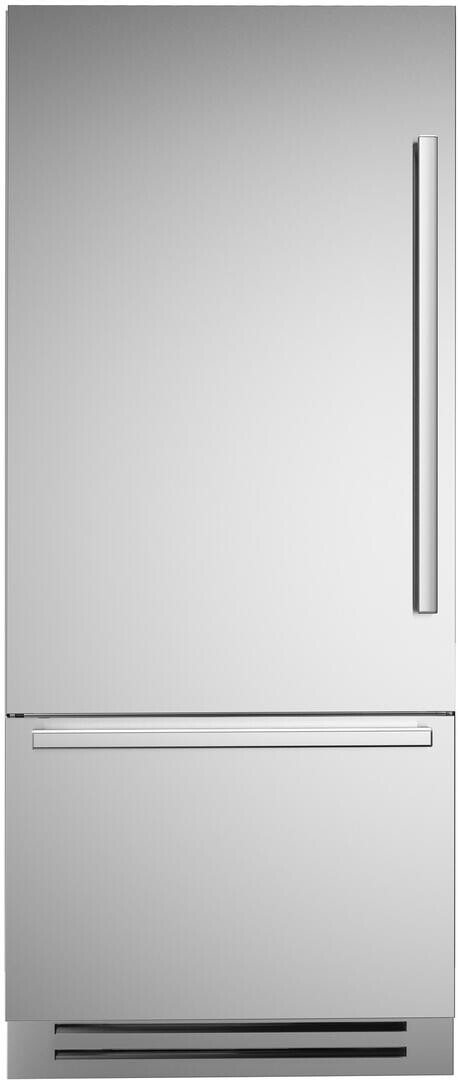
A bottom freezer refrigerator offers several features that cater to the needs of various households. One of the main highlights is its design, which places the freezer compartment at the bottom of the unit. This layout allows easier access to fresh food items stored in the refrigerator section, which is used more frequently.
Key Features:
Convenient Design: The refrigerator section is at eye level, reducing the need to bend down for frequently used items.
Spacious Freezer: The bottom placement often provides a larger freezer compartment, ideal for bulk storage.
Energy Efficiency: Many bottom freezer models are designed to be energy-efficient, helping you save on electricity bills.
Organizational Options: Multiple shelves, drawers, and compartments for better organization of fresh and frozen items.
Benefits:
Ease of Use: With the fresh food compartment at the top, you can easily access daily essentials without unnecessary bending.
Enhanced Storage: The design often includes pull-out freezer drawers, which allow for better organization and visibility of stored items.
Energy Savings: Bottom freezer refrigerators tend to be more energy-efficient compared to other types, contributing to lower utility bills.
Pros and Cons of Bottom Freezer Refrigerators
While bottom freezer refrigerators have many advantages, they also come with some drawbacks. Understanding these pros and cons will help you make an informed choice.
Pros:
Accessibility: The design provides easy access to fresh food, which is typically used more often.
Organizational Flexibility: The freezer compartment usually includes bins and drawers, offering flexible storage options for frozen goods.
Energy Efficiency: These models are generally more energy-efficient, leading to potential savings on energy costs.
Cons:
Cost: Bottom freezer refrigerators can be more expensive compared to top freezer models.
Space Requirements: They may require more floor space due to the bottom drawer design, which might not be suitable for compact kitchens.
Heavier Freezer Access: Accessing the freezer can be cumbersome, especially for those with back problems or mobility issues.
Understanding the features, benefits, and potential drawbacks will help you determine if a bottom freezer refrigerator aligns with your needs and lifestyle.
Convertible freezer refrigerators offer a versatile option for those who desire flexibility in their appliance. These refrigerators can switch between fridge and freezer modes, allowing you to adapt the storage space based on your current needs.
Features and Benefits
Convertible freezer refrigerators come with a range of features that make them a popular choice for many households.
Flexibility: The primary advantage is their ability to switch between a refrigerator and a freezer. This is particularly useful during different seasons or for special occasions when you might need more freezer space or fridge space.
Temperature Control: These units often come with precise temperature controls, allowing you to set the exact degree for optimal food preservation.
Space Utilization: Convertible models enable efficient use of space, adapting to your storage requirements without the need for multiple appliances.
Energy Efficiency: Many convertible models are designed to be energy-efficient, helping you save on electricity bills while providing the required cooling.
To understand how these features compare with other types, read Fridge.com article on freestanding drawer refrigerator Vs. narrow refrigerator.
Feature
Description
Flexibility
Switches between fridge and freezer modes
Temperature Control
Precise settings for optimal storage
Space Utilization
Adapts to varying storage needs
Pros and Cons of Convertible Freezer Refrigerators
While convertible freezer refrigerators offer many benefits, it's important to consider both the pros and cons before making a decision.
Pros:
Versatility: Ideal for those who need to switch between storing fresh and frozen items.
Space-saving: Eliminates the need for an additional appliance, making it suitable for homes with limited space.
Cost-effective: Can be more economical in the long run, as you only need one appliance for multiple functions.
Advanced Technology: Often come with modern features like digital controls, frost-free technology, and smart connectivity.
Cons:
Initial Cost: Convertible models can be more expensive than traditional refrigerators or freezers.
Complexity: The additional features and technology may require a learning curve.
Maintenance: More features can mean more components that might need maintenance or repairs.
Energy Use: Although many are energy-efficient, consistent switching between modes can sometimes lead to higher energy consumption.
Convertible freezer refrigerators provide a flexible and efficient solution for modern homes. By understanding their features, benefits, and potential drawbacks, you can make an informed decision that best suits your needs. For more insights into choosing the right appliance, explore Fridge.com article on best fridge for national carbonated beverage with caffeine day.
When choosing between a bottom freezer refrigerator and a convertible freezer refrigerator, it's crucial to consider their capacity and layout. Both types offer unique storage solutions, making them suitable for different needs and preferences.
Storage Space Comparison
Bottom freezer refrigerators typically have a single large compartment on top for refrigeration and a spacious drawer at the bottom for freezing. Convertible freezer refrigerators, on the other hand, offer the flexibility to switch between refrigeration and freezing modes, providing customizable storage solutions.
Feature
Bottom Freezer Refrigerator
Convertible Freezer Refrigerator
Total Capacity (cu. ft.)
18 - 25
15 - 23
Refrigerator Compartment
12 - 16
10 - 15
Freezer Compartment
6 - 9
5 - 8
Flexibility
Fixed
Convertible
Organization and Accessibility
The organization and accessibility of stored items vary between the two refrigerator types. Bottom freezer refrigerators often feature adjustable shelves and door bins in the refrigerator compartment, allowing for a well-organized space. The bottom drawer freezer provides easy access to frozen items but may require bending down.
In contrast, convertible freezer refrigerators offer the benefit of reconfigurable space, making them highly adaptable to changing storage needs. They typically include adjustable shelves and bins, ensuring optimal organization whether used in refrigerator or freezer mode.
For more information on various fridge types, you may want to explore Fridge.com comparison of freestanding drawer refrigerator Vs. narrow refrigerator.
To ensure you make the best choice for your needs, considering the layout and capacity of each type can help you decide which will best suit your lifestyle and storage requirements. Additionally, exploring options like the best fridge for a dorm can provide insights into more specialized refrigerator choices.
Energy efficiency is a key factor to consider when choosing between a bottom freezer refrigerator and a convertible freezer refrigerator. Understanding their energy consumption can help you make an informed decision.
Energy Consumption of Bottom Freezer Refrigerators
Bottom freezer refrigerators are designed with the freezer compartment located at the bottom and the refrigerator section on top. This layout can impact energy usage.
Model Type
Average Annual Energy Consumption (kWh)
Standard Bottom Freezer Refrigerator
450 - 550
Bottom freezer refrigerators often utilize more energy since the compressor has to work harder to cool the lower compartment. However, energy-efficient models can help reduce overall consumption. For more on fridge options, see Fridge.com article on best bottom freezer fridge for a residential tower.
Energy Consumption of Convertible Freezer Refrigerators
Convertible freezer refrigerators offer the flexibility to switch between refrigerator and freezer modes. This adaptability can affect energy consumption based on usage patterns.
Model Type
Average Annual Energy Consumption (kWh)
Standard Convertible Freezer Refrigerator
400 - 500
The ability to convert between modes can lead to energy savings, especially if you adjust the settings based on your needs. For more information on convertible freezers, check out Fridge.com article on convertible freezer Vs. skincare fridge.
Energy efficiency is crucial for both types of refrigerators. By choosing an energy-efficient model, you can reduce your carbon footprint and save on utility bills. For additional tips on making the right choice, refer to Fridge.com guide on drawer refrigerator Vs. small freezer chest.
Installation and Maintenance
Installation Considerations
When installing a bottom freezer refrigerator or a convertible freezer refrigerator, there are several factors to consider to ensure optimal performance and longevity. Both types of refrigerators require adequate space for ventilation and proper alignment to function efficiently.
Space Requirements: Measure the area where you plan to place the refrigerator. Ensure there is enough clearance around the unit for air circulation. Typically, you need at least 1-2 inches of space on all sides.
Leveling: Use a level to ensure the refrigerator is perfectly horizontal. This prevents the doors from swinging open or not sealing properly, which can affect the unit's efficiency.
Electrical Outlet: Both types of refrigerators need a dedicated electrical outlet. Ensure that the outlet is easily accessible and meets the power requirements of the refrigerator.
Surrounding Environment: Avoid placing the refrigerator near heat sources like ovens or direct sunlight. Excessive heat can cause the unit to work harder, leading to increased energy consumption.
Door Swing: Consider the direction in which the doors will open. Make sure there is enough space for the doors to swing open fully without hitting walls or other appliances.
Maintenance Tips for Longevity
Proper maintenance of your bottom freezer refrigerator or convertible freezer refrigerator is essential for ensuring its longevity and performance. Here are some tips to keep your refrigerator in top condition:
Regular Cleaning: Clean the interior and exterior of the refrigerator regularly. Use a mild detergent and water to wipe down surfaces. Remove and clean shelves, drawers, and door seals to prevent mold and bacteria buildup.
Defrosting: If your refrigerator does not have an automatic defrost function, manually defrost it when ice buildup reaches about 1/4 inch. This helps maintain efficient cooling.
Check Door Seals: Inspect the door seals periodically to ensure they are not cracked or damaged. Tight seals prevent cold air from escaping, reducing energy consumption.
Temperature Settings: Keep the refrigerator set at the recommended temperature. For most units, this is around 37°F for the fridge compartment and 0°F for the freezer. Use a thermometer to check and adjust settings as needed.
Condenser Coils: Clean the condenser coils at least twice a year. Dust and debris can accumulate on the coils, causing the refrigerator to work harder and consume more energy. Use a vacuum or a brush to remove dirt and lint.
Water Filters: If your refrigerator has a water dispenser or ice maker, replace the water filter as recommended by the manufacturer. This ensures clean water and ice and prevents clogs in the system.
Power Outages: During power outages, keep the refrigerator doors closed to maintain the internal temperature. Once power is restored, check the contents and adjust the temperature settings if necessary.
By following these installation and maintenance tips, you can ensure that your bottom freezer refrigerator or convertible freezer refrigerator operates efficiently and lasts for many years. For more detailed information on refrigerator maintenance, you can explore related articles such as best fridge for national cherry turnover day or how long can you keep frozen sausage in the freezer?.
When deciding between a bottom freezer refrigerator and a convertible freezer refrigerator, several factors come into play. Understanding these factors will help you select the appliance that best fits your lifestyle and needs.
Factors to Consider
Usage Needs: Consider how you plan to use the refrigerator. If you need more freezer space at times, a convertible freezer refrigerator may be more versatile.
Space and Layout: Evaluate the layout of your kitchen or storage area. Bottom freezer refrigerators might be more suitable for traditional kitchen setups, while convertible models can adapt to various environments.
Energy Efficiency: Check the energy ratings and consumption of each type. Energy efficiency can impact your utility bills and environmental footprint. For more on energy consumption, see Fridge.com sections on energy consumption of bottom freezer refrigerators and energy consumption of convertible freezer refrigerators.
Budget: Determine your budget. Convertible freezer refrigerators might offer more features but could be more expensive upfront.
Maintenance: Consider the ease of maintenance. Different models come with varying maintenance requirements. For tips, refer to Fridge.com section on maintenance tips for longevity.
Which Refrigerator Fits Your Needs
Choosing the right refrigerator depends on your specific requirements.
Feature/Factor
Bottom Freezer Refrigerator
Convertible Freezer Refrigerator
Storage Space
Fixed compartments
Adjustable compartments
Flexibility
Less flexible
Highly flexible (can convert between fridge and freezer)
Ease of Access
Easy access to fridge
Easy access to both fridge and freezer
Cost
Moderate
Higher
If you require a refrigerator with consistent fridge and freezer sections, a bottom freezer refrigerator might be ideal. These models provide easy access to frequently used items and are great for traditional kitchen settings.
If you need flexibility and the option to switch between fridge and freezer modes, consider a convertible freezer refrigerator. This option is perfect for those who host gatherings or need to adapt storage for different needs, such as in a basement or garage.
For those who prioritize energy efficiency and lower utility costs, compare the energy ratings of both types. Some convertible models offer advanced features but may consume more energy.
Understanding your specific needs and the unique features of each type will guide you in making the best decision. Whether it's for a tiny home or a backyard setup, choose the refrigerator that aligns with your lifestyle. For more unique fridge options, explore Fridge.com comparisons like chest freezer Vs. medium size refrigerator and freestanding drawer refrigerator Vs. narrow refrigerator.
Free tool
Food Storage Calculator
Free interactive tool from Fridge.com — get a quick answer while you read.