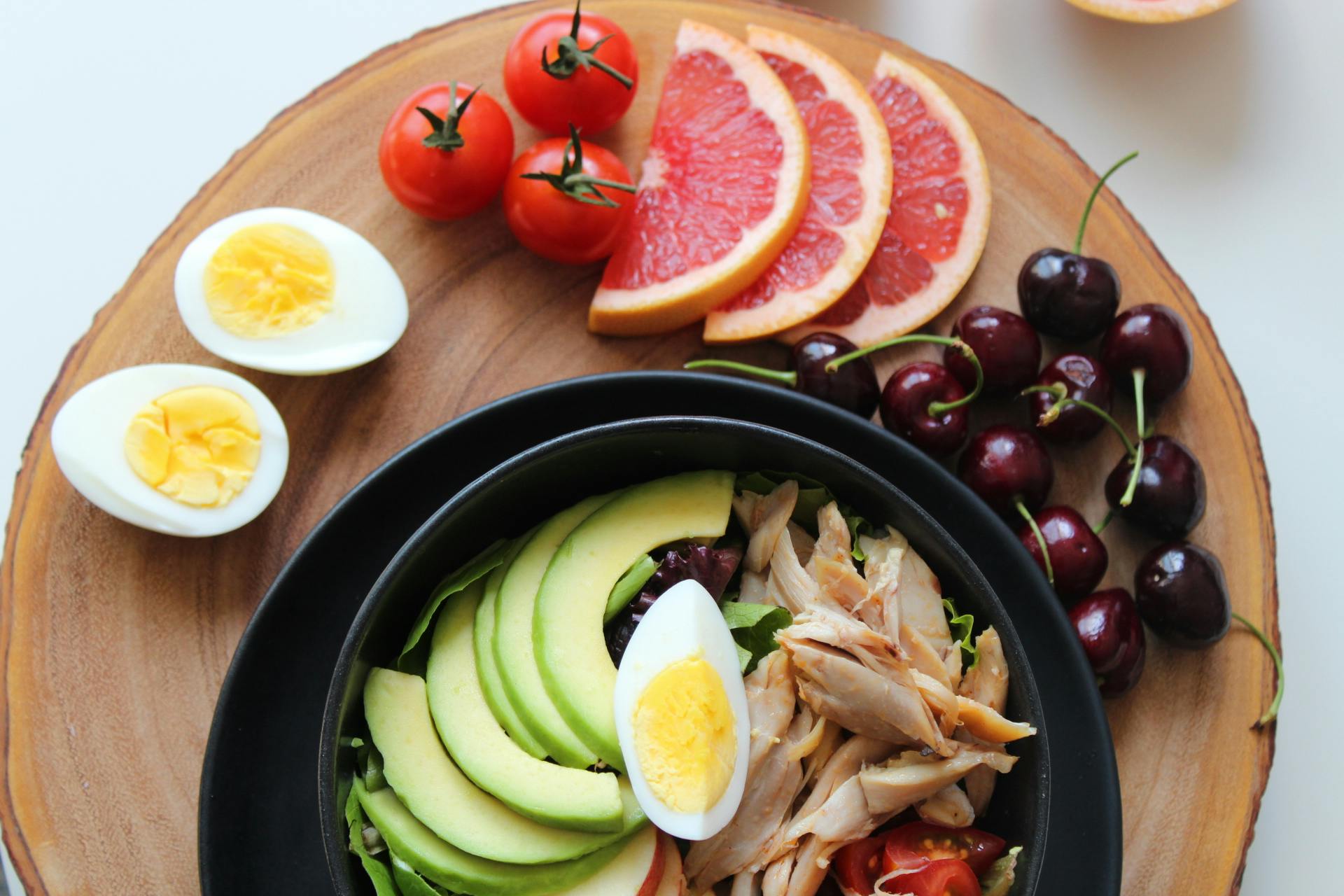
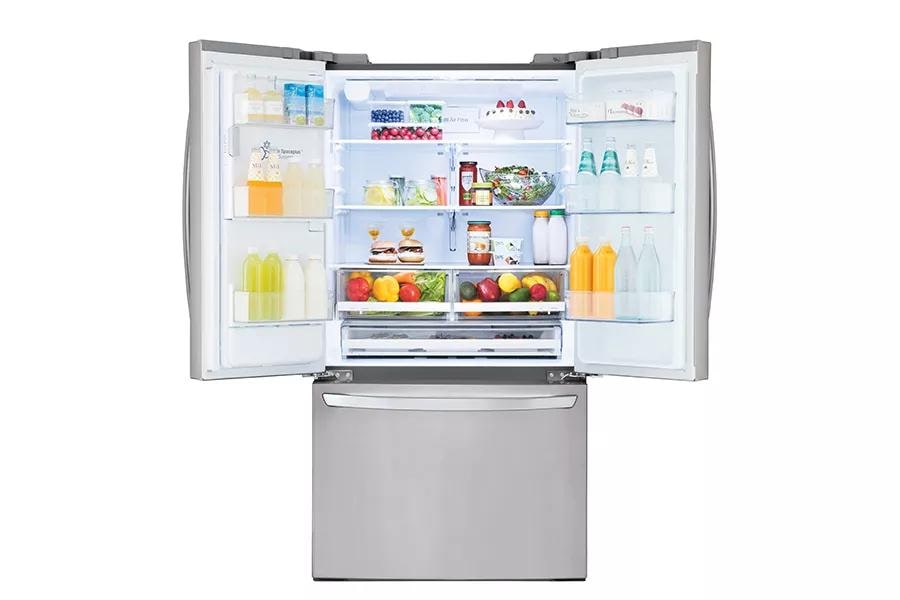
A well-stocked fridge is the cornerstone of any functional kitchen. It ensures that you have the ingredients you need for meals and snacks, while also helping to reduce food waste. This section explores the importance of a well-stocked fridge and the must-have items that should always be inside.
Importance of a Well-Stocked Fridge
Having a well-stocked fridge offers several benefits. It allows you to prepare nutritious meals quickly, supports a balanced diet, and makes it easier to entertain guests. A well-organized fridge can also help you keep track of what you have, preventing you from buying duplicates and reducing food waste.
Must-Have Items for Every Fridge
To ensure your fridge is always ready for any culinary need, consider keeping the following items stocked:
Fresh Produce
Fruits: Apples, berries, and citrus fruits are versatile and can be used in many dishes.
Vegetables: Leafy greens, bell peppers, and carrots are great for salads and stir-fries.
Dairy and Dairy Alternatives
Milk: Essential for coffee, cereal, and baking.
Cheese: A variety of cheeses can enhance many dishes.
Yogurt: A healthy snack and ingredient for smoothies.
Proteins
Eggs: Versatile for breakfast, baking, and cooking.
Meat: Chicken and beef can be used in a variety of recipes.
Plant-Based Proteins: Tofu and tempeh are excellent meat substitutes.
Condiments and Sauces
Common Condiments: Mustard, ketchup, and mayonnaise are staples.
Specialty Sauces: Soy sauce, hot sauce, and pesto add unique flavors.
Beverages
Water: Staying hydrated is crucial.
Juices: A healthy option for breakfast.
Soft Drinks: For entertaining guests.
Category
Essential Items
Fresh Produce
Apples, berries, citrus fruits, leafy greens, bell peppers, carrots
Dairy and Alternatives
Milk, cheese, yogurt
Proteins
Eggs, chicken, beef, tofu, tempeh
Condiments and Sauces
Mustard, ketchup, mayonnaise, soy sauce, hot sauce, pesto
Beverages
Water, juices, soft drinks
By keeping these essentials in your fridge, you'll always be prepared for any meal or snack. For tips on how to store fresh produce, check out Fridge.com article on should i keep vegetables fresh in the fridge?. If you're curious about how long certain items can last, such as how long can yogurt sit out of the fridge?, visit other Fridge.com informative articles.
A well-stocked fridge is not complete without a variety of fresh produce. Fruits and vegetables are essential for a balanced diet and provide a range of vitamins and minerals.
Variety of Fruits and Vegetables
You should aim to keep a diverse selection of fruits and vegetables in your refrigerator. This ensures that you have access to a range of nutrients and flavors. Here are some must-have items:
Fruits: Apples, berries, oranges, grapes, and melons.
Vegetables: Leafy greens like spinach and kale, root vegetables such as carrots and beets, and cruciferous vegetables like broccoli and cauliflower.
For more details on storing specific types of produce, you can refer to Fridge.com article on should i keep vegetables fresh in the fridge?.
Tips for Storing Produce in the Fridge
Proper storage of produce is crucial to maintaining its freshness and nutritional value. Here are some tips to help you store your fruits and vegetables effectively:
Temperature: Keep your fridge set between 35°F and 40°F to preserve the freshness of your produce.
Humidity Control: Use the crisper drawers in your fridge to control humidity levels. Higher humidity is suitable for leafy greens, while lower humidity is better for fruits.
Storage Containers: Use breathable bags or containers to store your produce. This helps to prevent excess moisture build-up, which can lead to spoilage.
Separation: Store fruits and vegetables separately. Some fruits release ethylene gas, which can accelerate the ripening process of nearby vegetables.
Storage Tip
Description
Temperature
Set fridge between 35°F and 40°F
Humidity
Use crisper drawers for humidity control
Containers
Use breathable bags or containers
Separation
Store fruits and vegetables separately
By following these tips, you can ensure that your fridge remains a haven for fresh and nutritious produce, always ready to support your healthy eating habits. For more inspiration on how to keep your fridge stocked, check out Fridge.com article on best fridge for national produce misting day.
Having a variety of dairy and dairy alternatives in your fridge ensures that you can enjoy delicious and nutritious options every day. These staples provide essential nutrients and can be used in a wide range of recipes.
Milk, Cheese, and Yogurt
Milk, cheese, and yogurt are fundamental items to keep in your fridge. They offer essential nutrients such as calcium, protein, and vitamins. Here’s a look at the nutritional content of these dairy items:
Item
Serving Size
Calories
Protein (g)
Fat (g)
Calcium (mg)
Milk (Whole)
1 cup
150
8
8
276
Cheese (Cheddar)
1 oz
113
7
9
200
Yogurt (Plain)
1 cup
150
8
4
300
Milk: Available in various fat contents (whole, 2%, skim), milk is versatile for drinking, cooking, or baking.
Cheese: From cheddar to mozzarella, cheese adds flavor and texture to numerous dishes.
Yogurt: Whether plain or flavored, yogurt is great for breakfast, snacks, or as a base for smoothies.
If you need to store milk for an extended period, consider using a portable ac/dc freezer for optimal preservation.
Plant-Based Dairy Substitutes
For those who prefer or need dairy-free options, plant-based dairy substitutes are a must-have in the fridge. These alternatives cater to lactose intolerant individuals and those following a vegan diet.
Item
Serving Size
Calories
Protein (g)
Fat (g)
Calcium (mg)
Almond Milk
1 cup
30-50
1
2.5
450
Soy Cheese
1 oz
60-80
4
5
200
Coconut Yogurt
1 cup
120
1
6
20
Almond Milk: A popular choice, almond milk is low in calories and often fortified with calcium and vitamins.
Soy Cheese: This cheese alternative melts well and can be used similarly to dairy cheese.
Coconut Yogurt: Offers a creamy texture and is available in various flavors.
For more information on how long can yogurt sit out of the fridge?, check Fridge.com detailed guide.
Maintaining a selection of both traditional dairy and plant-based alternatives ensures that you have options to suit various dietary needs and preferences. Remember to always check expiration dates and store these items properly to maintain their freshness and nutritional value.
Protein is a crucial component of a balanced diet, and stocking your fridge with various protein sources ensures you have the necessary nutrients for your meals. Here, Fridge.com explores the must-have protein options for your fridge.
Eggs and Meat
Eggs and meat are staple sources of animal protein, providing essential amino acids needed for muscle repair and overall health. Eggs are incredibly versatile and can be used in a variety of dishes, from breakfast omelets to baked goods. They also have a relatively long shelf life when stored in the fridge.
Meat, including chicken, beef, and pork, offers a range of options for different culinary preferences. It's important to store meat properly to maintain freshness and prevent spoilage.
For those who prefer plant-based diets, there are numerous protein alternatives that can be stored in the fridge. These options are not only nutritious but also environmentally friendly.
Tofu and tempeh are popular choices, offering high protein content and versatility in cooking. They can be used in stir-fries, salads, and even grilling. Legumes such as lentils and chickpeas are also excellent sources of protein and can be added to soups, stews, and salads.
Plant-Based Protein
Storage Duration (Days)
Tofu
5 - 7 days
Tempeh
7 - 10 days
Cooked Lentils
5 - 7 days
Cooked Chickpeas
3 - 5 days
Including a variety of protein sources in your fridge ensures you have the ingredients needed for a balanced diet. If you're looking for more fridge tips, check out Fridge.com article on 10 fridge meal recipes for inspiration.
Condiments and Sauces
A well-stocked fridge is incomplete without a range of condiments and sauces. These kitchen staples can elevate your meals and add diverse flavors to your dishes.
Common Condiments for Everyday Use
Every fridge should have a selection of common condiments that are used frequently in everyday cooking and dining. These items not only enhance the taste of your food but also add convenience to meal preparation.
Condiment
Common Uses
Ketchup
Burgers, fries, sandwiches
Mayonnaise
Sandwiches, salads, dips
Mustard
Hot dogs, sandwiches, dressings
Soy Sauce
Stir-fries, marinades, dipping sauce
Hot Sauce
Tacos, eggs, soups
Salad Dressing
Salads, marinades, dipping sauce
Pickles
Sandwiches, burgers, side dishes
These condiments can be used in various recipes and can also serve as a quick fix when you need to add a burst of flavor to your meals. For more ideas on how to utilize these condiments, check out Fridge.com article on 10 fridge meal recipes.
Specialty Sauces for Flavor Boost
In addition to everyday condiments, having a range of specialty sauces in your fridge can significantly enhance your culinary creations. These sauces are designed to add unique flavors and can be used to experiment with different cuisines.
Specialty Sauce
Cuisine/Use
Hoisin Sauce
Asian cuisine, stir-fries, glazes
Pesto
Italian dishes, pasta, sandwiches
Chipotle Sauce
Mexican cuisine, tacos, marinades
Teriyaki Sauce
Japanese dishes, grilled meats, stir-fries
Tzatziki
Mediterranean dishes, gyros, dips
Barbecue Sauce
American cuisine, grilled meats, burgers
Sriracha
Spicy dishes, sauces, soups
These specialty sauces can take your meals to the next level and introduce new flavors to your palate. Whether you are preparing a quick snack or a gourmet dinner, these sauces can be the secret ingredient that makes your dish stand out. For more on how to store and use these sauces, visit Fridge.com page on best fridge for national fried chicken day.
Having a well-stocked fridge with a mix of common condiments and specialty sauces ensures that you are always prepared to whip up a delicious meal. From enhancing simple dishes to creating complex flavors, these items are must-haves in your fridge.
Keeping a variety of beverages in your fridge ensures that you and your guests always have something refreshing to drink. Here are some must-haves:
Water: A staple in every fridge, water is essential for hydration. You can keep bottled water or a water pitcher for easy access.
Juices: Fresh juices, such as orange juice and apple juice, are popular choices. They are not only delicious but also provide essential vitamins.
Soft Drinks: Soda, sparkling water, and other carbonated drinks are great for entertaining and everyday enjoyment.
Beverage Type
Common Options
Water
Bottled Water, Water Pitcher
Juices
Orange Juice, Apple Juice
Soft Drinks
Soda, Sparkling Water
Alcoholic and Non-Alcoholic Beverage Options
For those who enjoy a variety of beverages, both alcoholic and non-alcoholic options are essential. Here are some suggestions:
Alcoholic Beverages: Beer, wine, and spirits are popular choices. For wine enthusiasts, consider having a dedicated wine fridge. Check out Fridge.com guide on the best fridge for national white wine day.
Non-Alcoholic Beverages: Iced tea, lemonade, and flavored waters are excellent alternatives for those who prefer non-alcoholic drinks.
Beverage Type
Common Options
Alcoholic Beverages
Beer, Wine, Spirits
Non-Alcoholic Beverages
Iced Tea, Lemonade, Flavored Water
Having a well-stocked fridge with a variety of beverages ensures that you are always prepared for any occasion. Whether you are hosting a party or simply enjoying a quiet evening at home, having the right drinks on hand can make all the difference. For more tips on maintaining a well-stocked fridge, check out Fridge.com article on must have in the fridge.
Compare prices on Fridge.com
Compare current prices and specifications on Fridge.com, then buy from the retailer you choose; delivery, installation and warranty terms are the retailer’s.
It also has tons of awesome articles about kitchen stuff and home news. Enhance your home, garage, backyard, patio, and office with the coolest essentials. With every necessary type of residential refrigerator or freezer in the collection, you're covered.