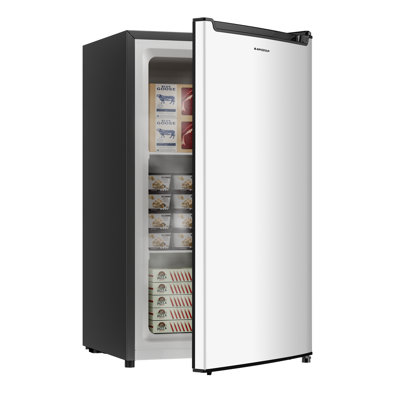
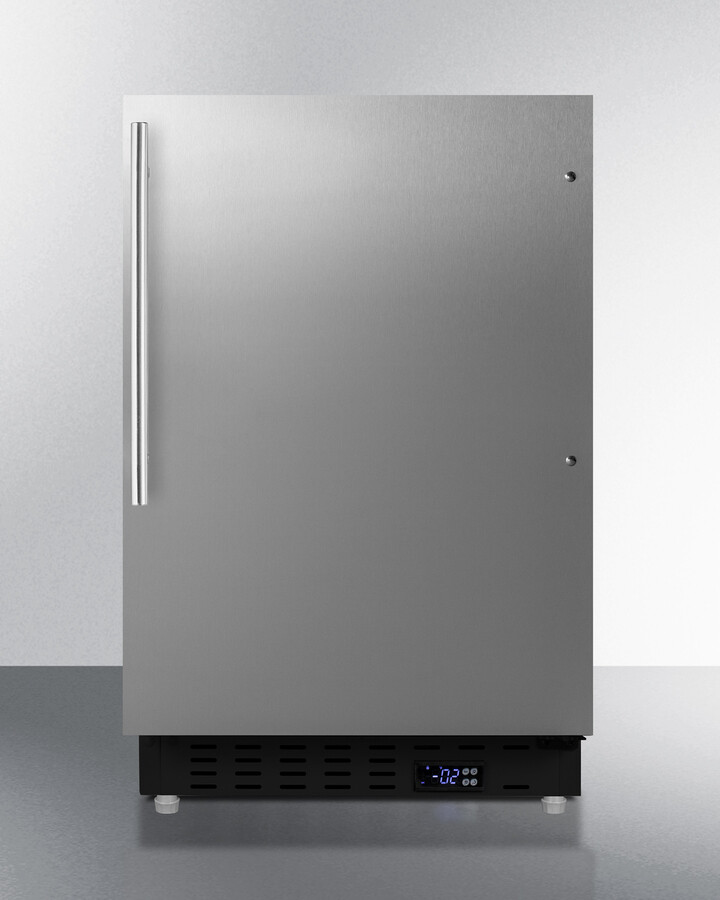
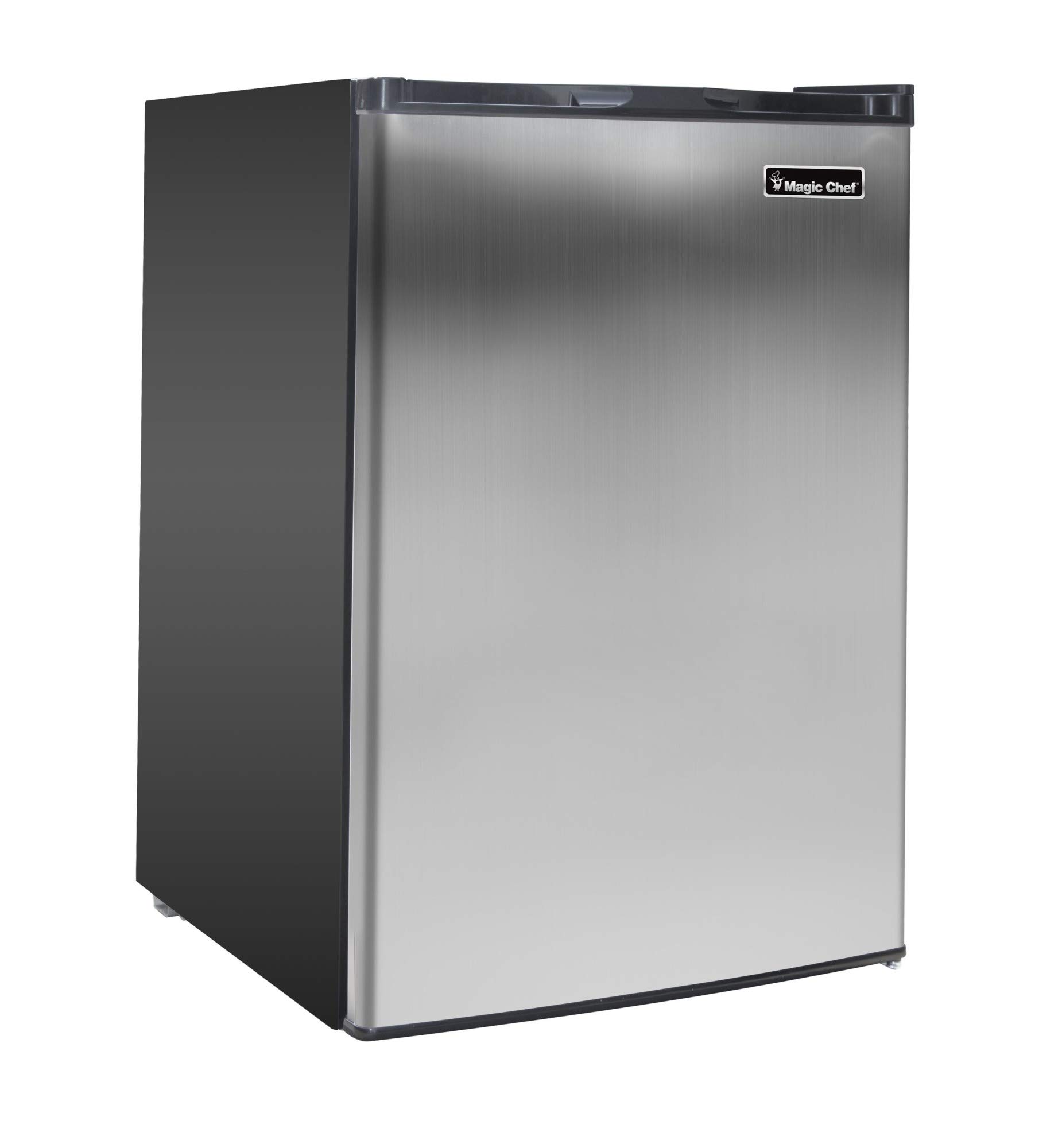
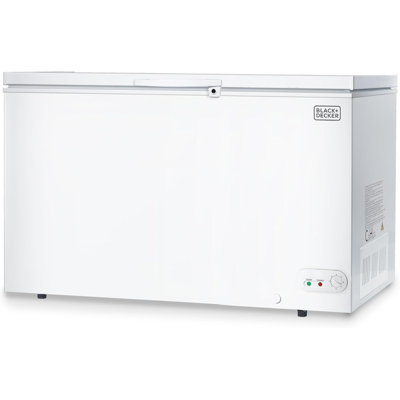
By understanding the benefits and importance of compact internal freezers, you can make an informed decision about how to best utilize them in your various living or working spaces. For more tips on maximizing your freezer space, check out Fridge.com article on how long can sacha inchi seeds last in the fridge?.
Factors to Consider
When selecting a compact internal freezer, there are several key factors to consider to ensure it meets your needs and fits your space.
Size and Capacity
The size and capacity of your compact internal freezer are crucial aspects to evaluate. You need to ensure that it fits in your designated space while providing enough storage for your needs. Capacity is typically measured in cubic feet, so consider how much food you plan to store.
Freezer Type
Average Capacity (cubic feet)
Small Compact Freezer
3 - 5
Medium Compact Freezer
5 - 7
Large Compact Freezer
7 - 10
Energy Efficiency
Energy efficiency is an important consideration, especially if you want to keep your utility bills low and reduce your environmental impact. Look for freezers with an Energy Star rating, as these models consume less energy.
Freezer Type
Average Annual Energy Consumption (kWh)
Small Compact Freezer
200 - 300
Medium Compact Freezer
300 - 400
Large Compact Freezer
400 - 500
Installation Options
Installation options for compact internal freezers vary based on the design and intended use. Some freezers are freestanding, while others are designed to be built-in or integrated into cabinetry.
Installation Types:
Freestanding: Can be placed anywhere with adequate ventilation.
Built-in: Installed within cabinetry for a seamless look.
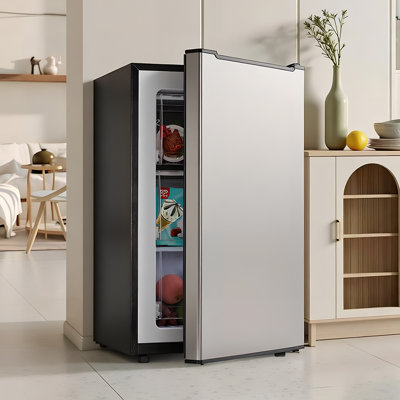
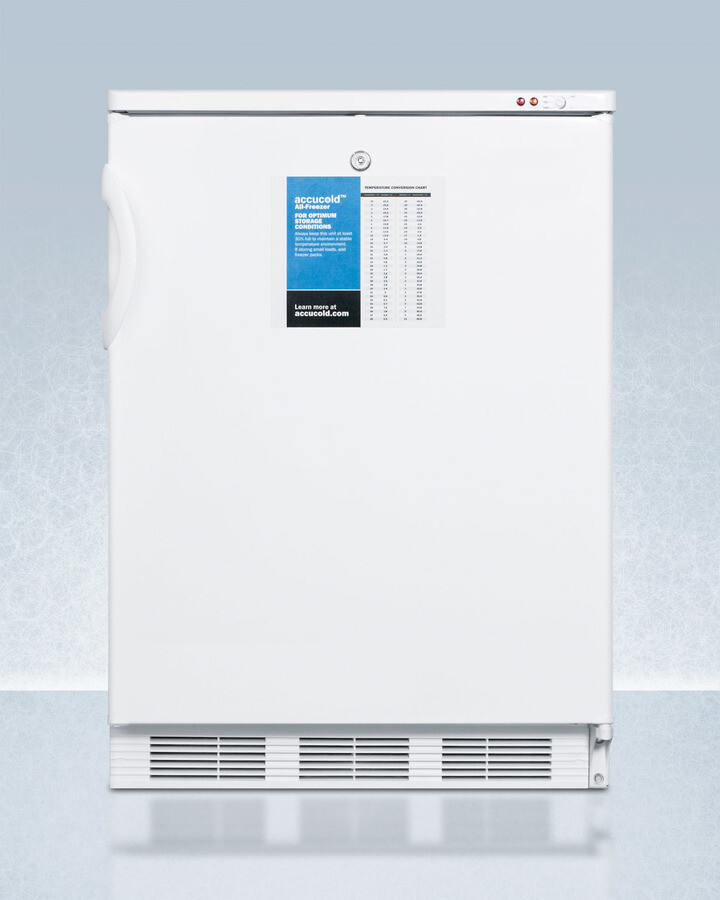
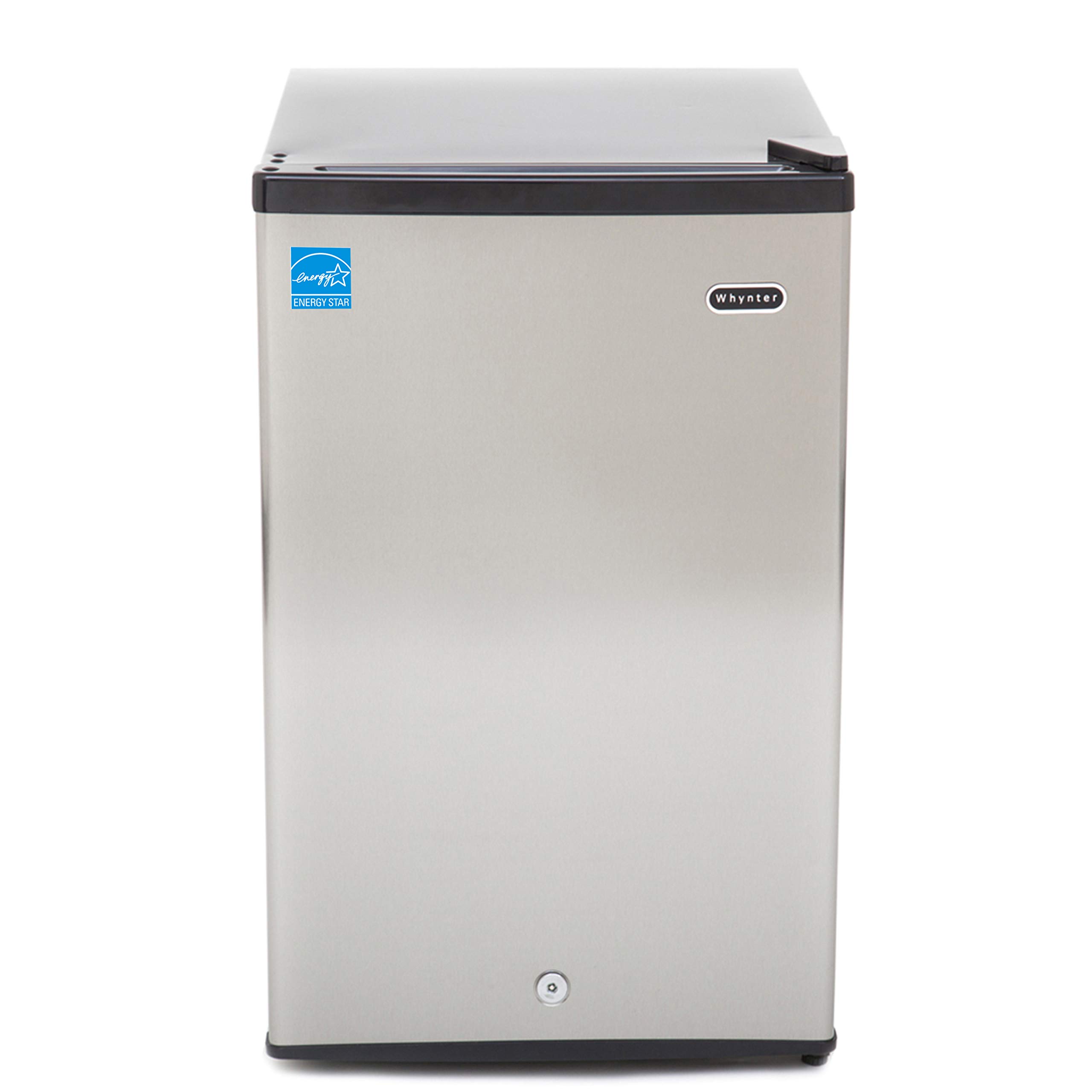
Under-counter: Fits under kitchen counters, ideal for compact spaces.
Assessing these factors will help you choose the right compact internal freezer for your needs, whether it's for your kitchen, garage, or any other setting. For more information on freezer placement, check out Fridge.com article on chest freezer for office and compact fridge in summer.
When selecting a compact internal freezer, it's important to understand the different types available. Each type offers unique advantages that can cater to your specific needs. This section covers three popular types: chest freezers, upright freezers, and drawer freezers.
Chest Freezers
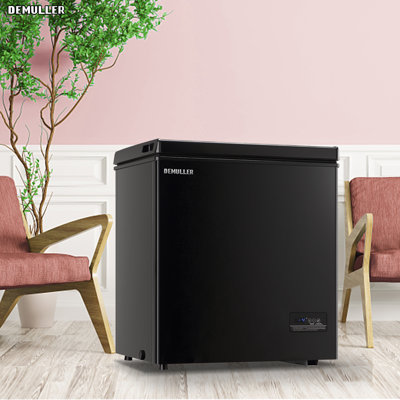
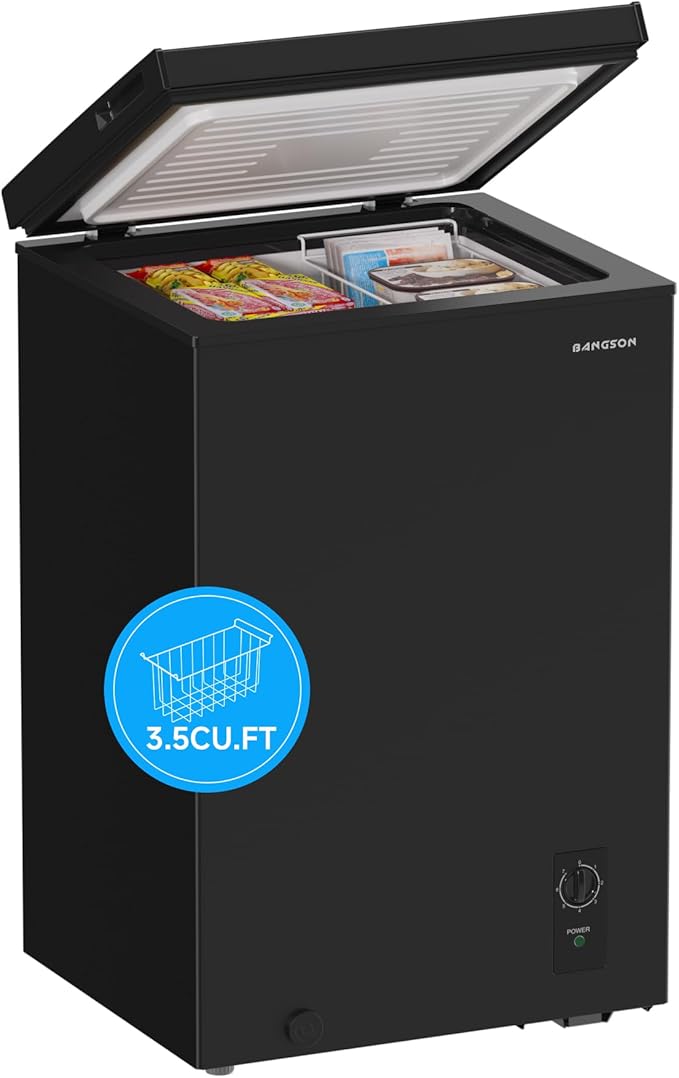
Chest freezers are known for their large storage capacity and energy efficiency. These freezers open from the top, providing ample space for bulk storage. Chest freezers are ideal for storing large items and allow you to stack food efficiently.
Feature
Description
Storage Capacity
Large, ideal for bulk storage
Accessibility
Requires bending, items at the bottom may be harder to reach
For placement options in different settings, consider reading Fridge.com article on chest freezer for family.
Upright Freezers
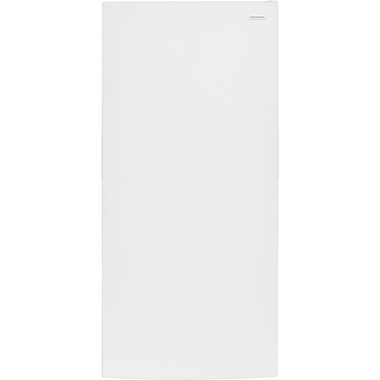
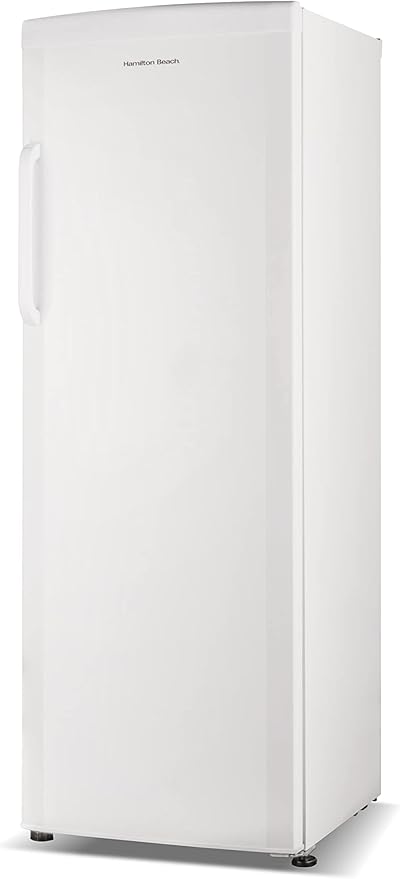
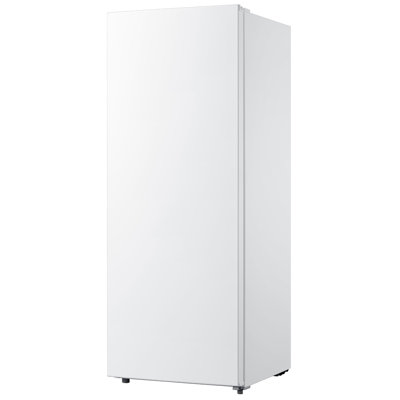
Upright freezers offer a more traditional refrigerator-like design with a front-opening door. These freezers provide easy access to all your stored items and typically come with shelves and compartments for better organization.
Drawer freezers are designed to fit seamlessly into your kitchen cabinetry. These freezers offer a sleek, integrated look and provide easy access through pull-out drawers. They are perfect for those looking to save space and maintain a clean kitchen aesthetic.
Feature
Description
Storage Capacity
Limited, but sufficient for daily use
Accessibility
Very easy, pull-out drawers offer quick access
For tips on maintaining and caring for your compact internal freezer, visit Fridge.com section on cleaning tips and defrosting procedures.
Choosing the right type of compact internal freezer depends on your specific needs and the available space in your home. Whether you're looking for bulk storage, easy access, or a seamless kitchen design, there's a freezer type that will suit your requirements. For more tips and tricks on maximizing your freezer's efficiency, explore Fridge.com article on utilizing freezer space efficiently.
Placement Options
Choosing the right location for your compact internal freezer is crucial for its efficiency and convenience. Here are some popular placement options to consider.
In the Kitchen
Placing your compact internal freezer in the kitchen provides easy access to frozen foods while cooking. It's convenient for quick meals and helps keep your ingredients organized. Ensure there is adequate ventilation around the freezer to prevent overheating and maintain efficiency.
Kitchen Placement Pros
Kitchen Placement Cons
Easy access to food
Limited space
Convenient for cooking
Potential noise
Keeps ingredients organized
Heat from other appliances
In the Garage or Basement
The garage or basement is a popular choice for a compact internal freezer. These areas typically offer more space and allow you to store larger quantities of food. Make sure the temperature in these locations is stable, as extreme temperatures can affect the freezer's performance.
Garage/Basement Placement Pros
Garage/Basement Placement Cons
More storage space
Temperature fluctuations
Keeps kitchen clutter-free
Accessibility issues
Ideal for bulk storage
Requires monitoring for stability
In Outdoor Settings
For those who enjoy outdoor entertaining, placing a compact internal freezer in an outdoor setting can be very practical. It provides easy access to frozen treats and ingredients for barbecues or poolside parties. However, it's important to ensure the freezer is weather-resistant and protected from the elements.
Outdoor Placement Pros
Outdoor Placement Cons
Convenient for entertaining
Exposure to weather
Easy access during events
Requires weatherproofing
Adds functionality to outdoor spaces
Security concerns
When deciding where to place your compact internal freezer, consider factors such as space, convenience, and environmental conditions. For tips on organizing your freezer and maximizing its use, visit Fridge.com article on how long do mozzarella sticks last in the freezer.
Maintenance and Care
Proper maintenance and care of your compact internal freezer ensure its longevity and efficiency. This section will guide you through essential cleaning tips, defrosting procedures, and troubleshooting common issues.
Cleaning Tips
Regular cleaning helps maintain the hygiene and performance of your compact internal freezer. Follow these steps for effective cleaning:
Unplug the Freezer: Always disconnect the power before cleaning.
Remove Contents: Take out all food items and store them in a cooler.
Use Mild Detergent: Mix a few drops of mild dish soap with warm water.
Wipe Down Surfaces: Use a soft cloth or sponge to clean the interior and exterior.
Dry Thoroughly: Ensure all surfaces are completely dry before plugging the freezer back in.
Defrosting Procedures
Defrosting is crucial to prevent ice build-up, which can affect the efficiency of your compact internal freezer. Here’s how to defrost:
Unplug the Freezer: Disconnect the appliance from the power source.
Remove Food Items: Place all items in a cooler.
Place Towels: Lay towels around the base to catch melting ice.
Open the Door: Allow warm air to melt the ice naturally.
Remove Ice: Use a plastic scraper to gently remove large ice chunks.
Clean and Dry: After defrosting, clean and dry the interior before plugging it back in.
Troubleshooting Common Issues
Sometimes, your compact internal freezer may encounter issues. Here are some common problems and their solutions:
Issue
Possible Cause
Solution
Freezer not cooling
Power supply issue
Check if the freezer is plugged in and the outlet is working.
Excessive frost build-up
Faulty door seal
Inspect the door gasket and replace if damaged.
Unusual noises
Loose components
Tighten any loose parts and ensure the freezer is level.
Water leakage
Blocked defrost drain
Clear the drain using warm water and a pipe cleaner.
By following these maintenance and care tips, you can ensure that your compact internal freezer operates efficiently and continues to serve you well. For more tips on organizing your freezer and maximizing its use, check out other Fridge.com guides.
Maximizing the Use of Your Compact Internal Freezer
To get the most out of your compact internal freezer, you need to focus on organization, proper food storage, and efficient use of space. Here are some practical tips to help you achieve these goals.
Organizing Tips
A well-organized freezer makes it easier to find items and helps maintain optimal performance. Here are some tips for organizing your compact internal freezer:
Label Everything: Clearly label all containers and bags with the contents and date of freezing.
Use Baskets or Bins: Group similar items together in baskets or bins to keep your freezer tidy.
First In, First Out (FIFO): Place newer items at the back and older items at the front to ensure you're using food before it spoils.
Create a Freezer Inventory: Keep a list of all the items in your freezer to reduce the need to open the door frequently.
Food Storage Suggestions
Proper food storage is essential for maintaining the quality and safety of your frozen items. Here are some suggestions:
Use Freezer-Safe Containers: Store food in containers designed specifically for freezing to prevent freezer burn.
Portion Control: Divide food into meal-sized portions before freezing to make defrosting easier and more efficient.
Seal Tightly: Ensure that all bags and containers are sealed tightly to prevent air from entering.
Efficient use of space is particularly important in compact internal freezers. Here are some strategies to make the most of the available space:
Flat Freezing: Freeze items flat (e.g., in zip-lock bags) before stacking them to save space.
Stacking: Stack items neatly to maximize vertical space.
Avoid Overloading: Leave some space for air circulation to maintain proper temperature distribution.
Use Shelves and Drawers: Utilize any built-in shelves or drawers to keep the freezer organized and accessible.
Food Item
Recommended Storage Time (Months)
Ground Meat
3-4
Cooked Poultry
4-6
Stews and Soups
2-3
Bread
2-3
Vegetables
8-12
By following these tips, you can maximize the use of your compact internal freezer, keeping your food well-organized, safely stored, and easily accessible. For more information on freezer maintenance, visit Fridge.com articles on cleaning tips and defrosting procedures.
Compare freezer prices on Fridge.com
Compare current prices and specifications on Fridge.com, then buy from the retailer you choose; delivery, installation and warranty terms are the retailer’s.
It also has tons of awesome articles about kitchen stuff and home news. Enhance your home, garage, backyard, patio, and office with the coolest essentials. With every necessary type of residential refrigerator or freezer in the collection, you're covered.
From Fridge.com research
Figures below come from data Fridge.com builds and maintains. Each links to the record behind it.
Fridge.com Energy Index, built on U.S. EPA and DOE ENERGY STAR records
Across 5,455 ENERGY STAR certified refrigerators and freezers from 263 brands, median use is 360 kWh per year.