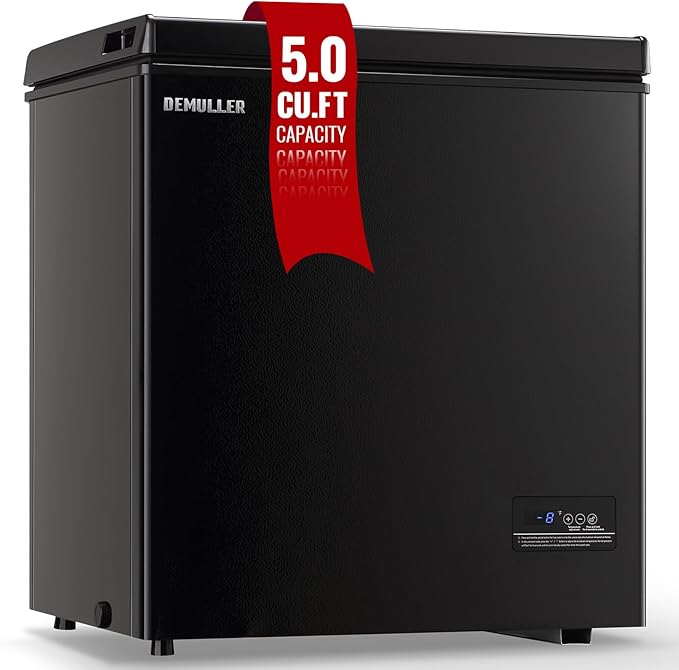
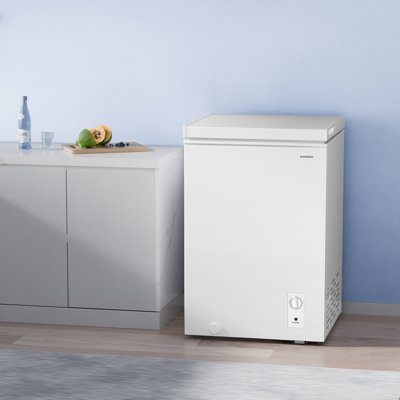
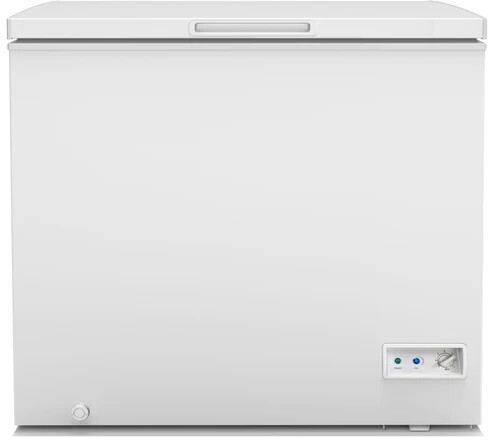
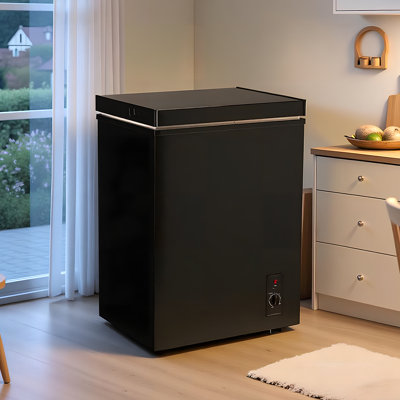
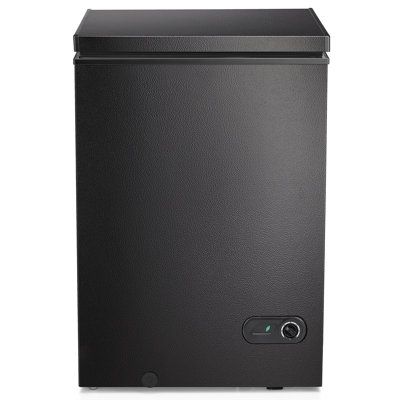
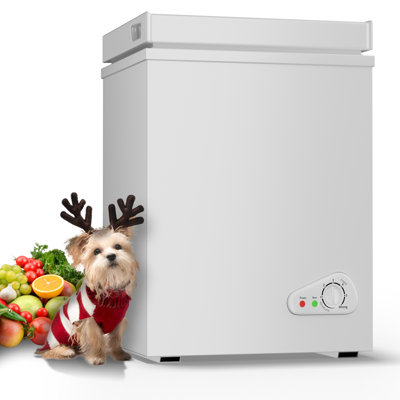
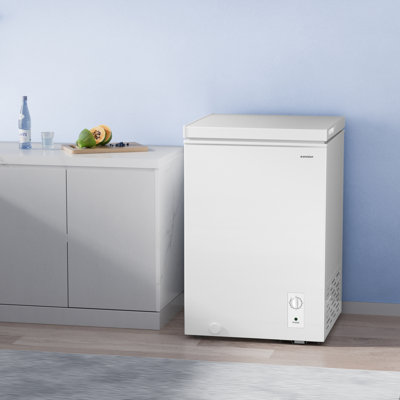
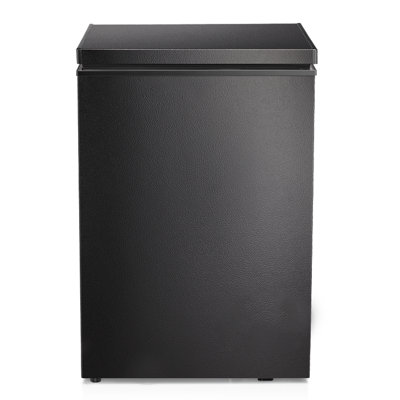
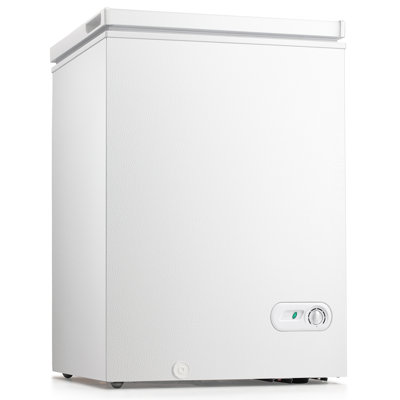
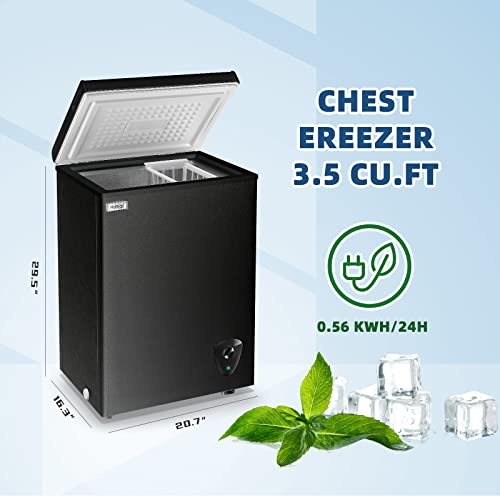
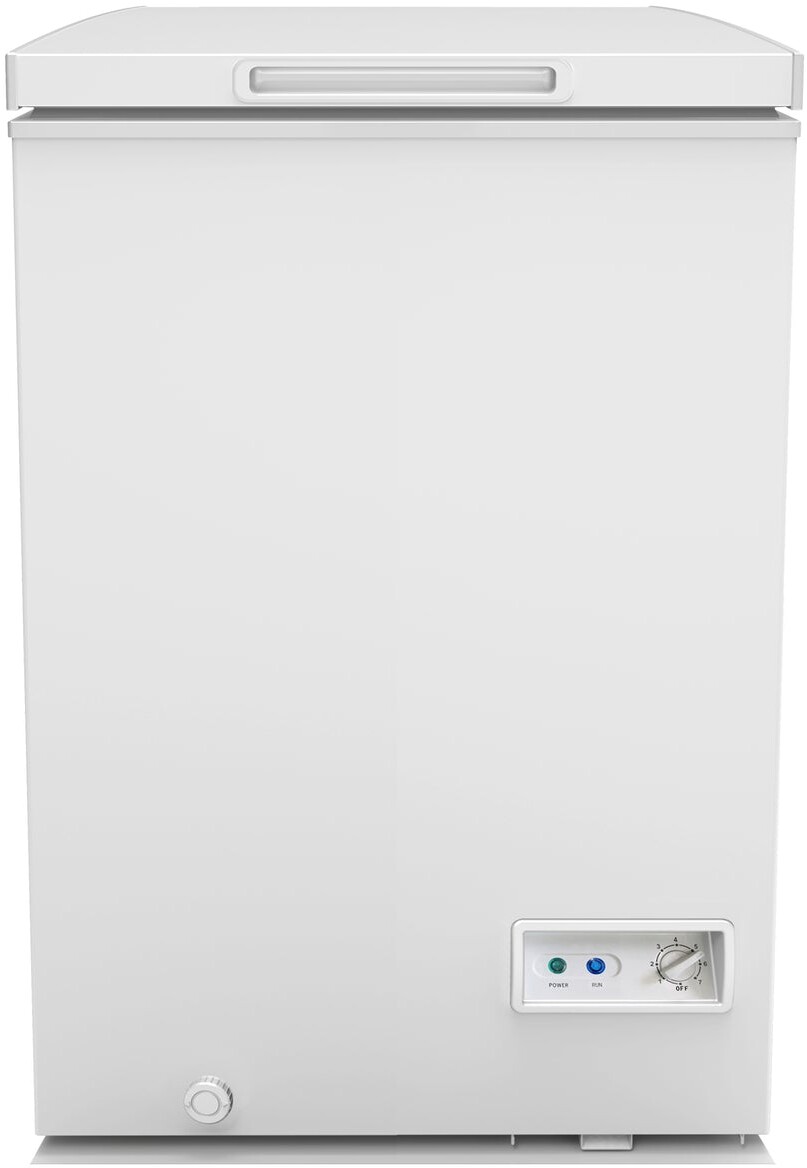
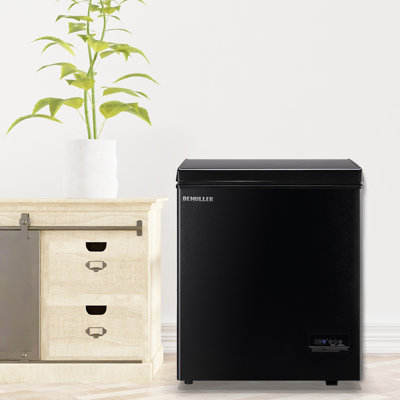
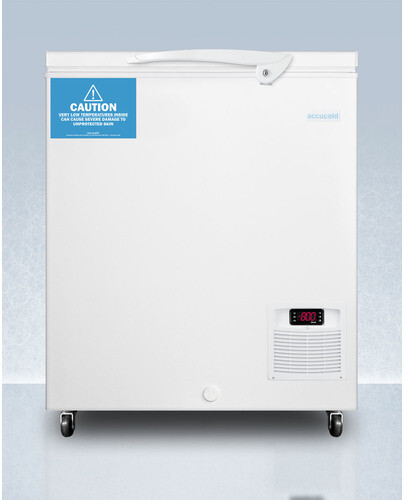
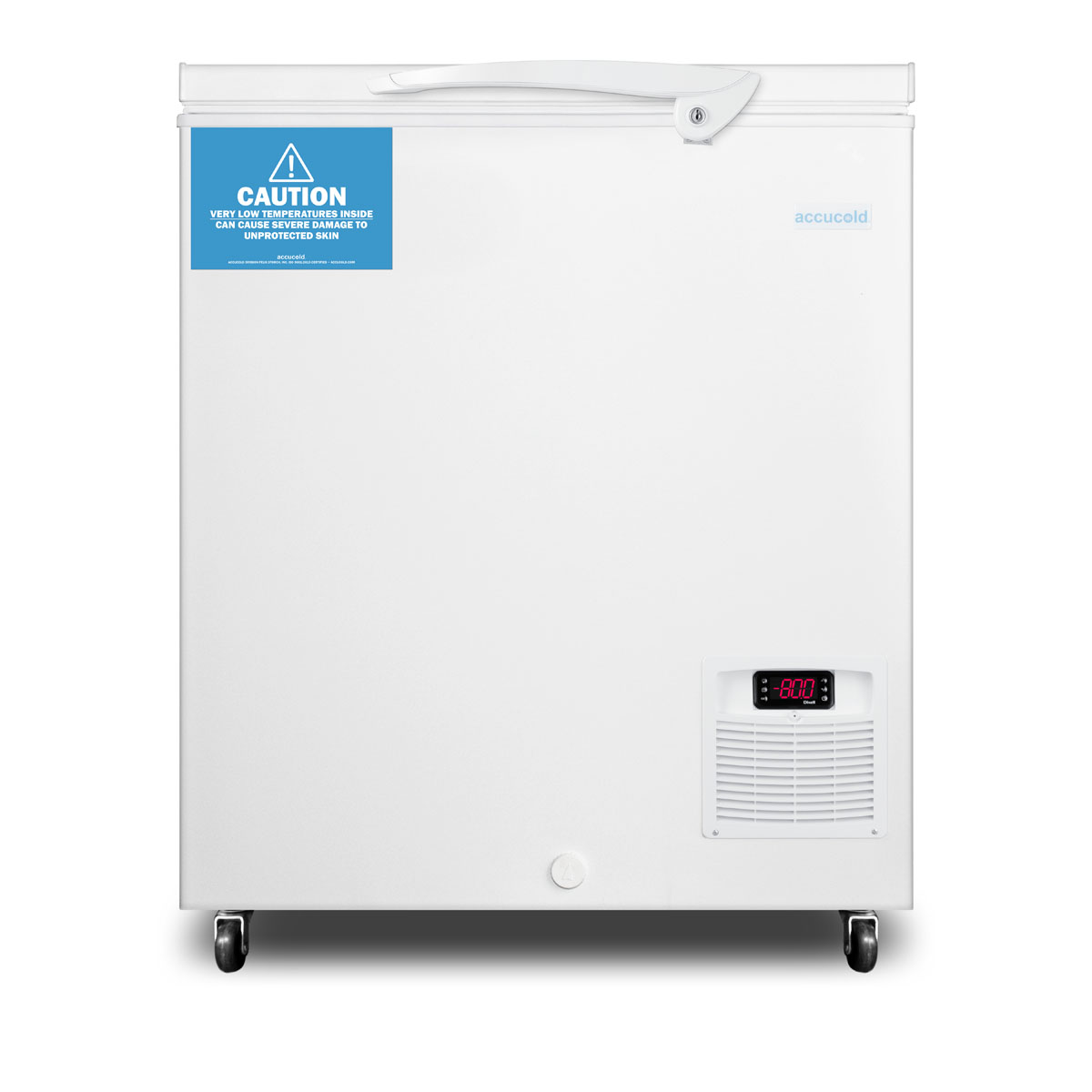
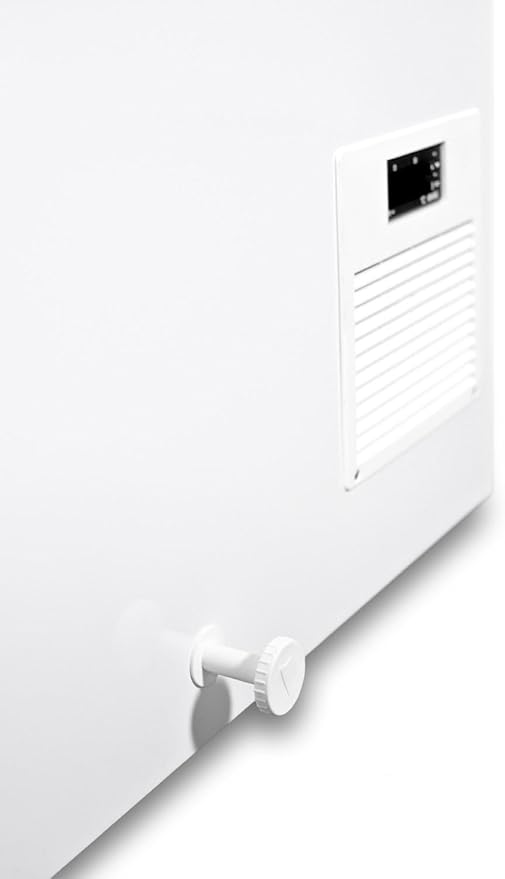
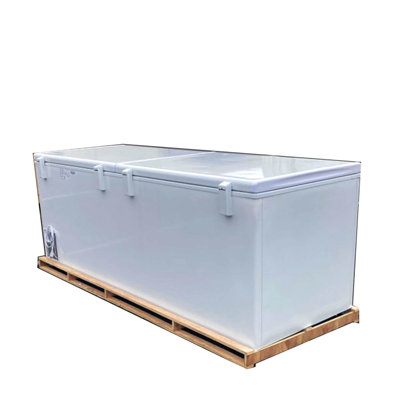
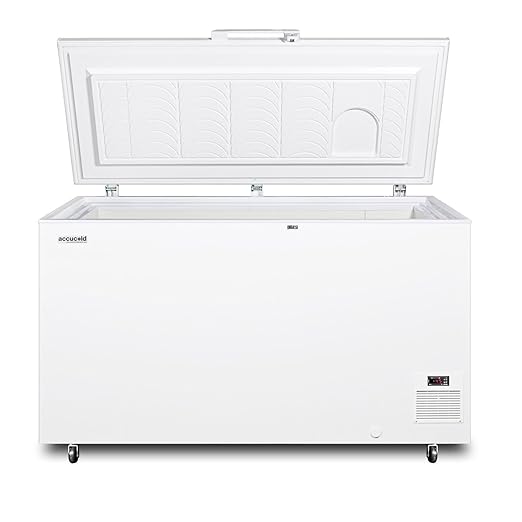
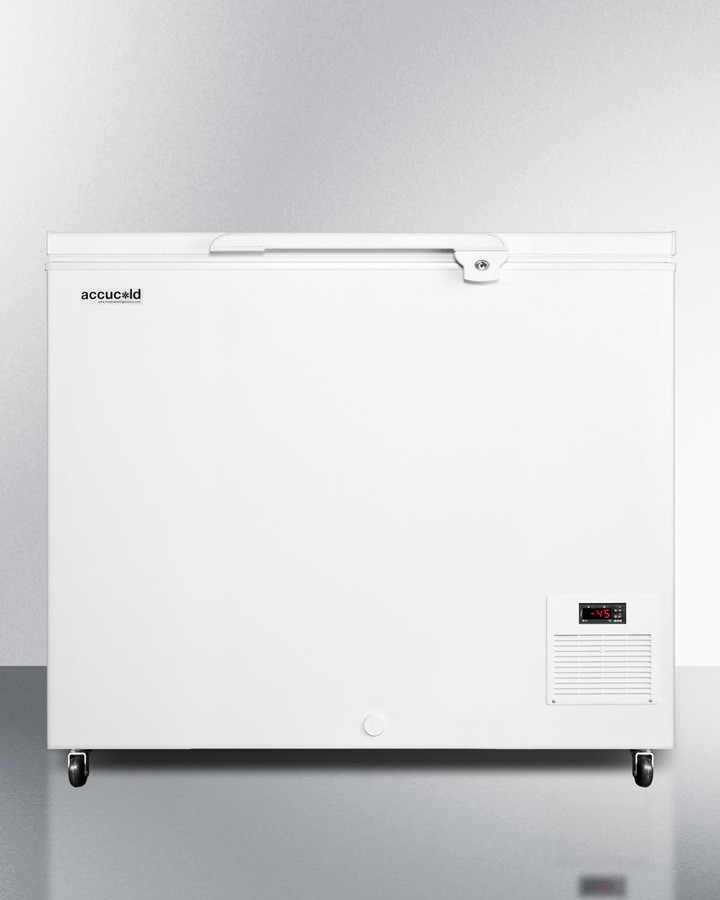
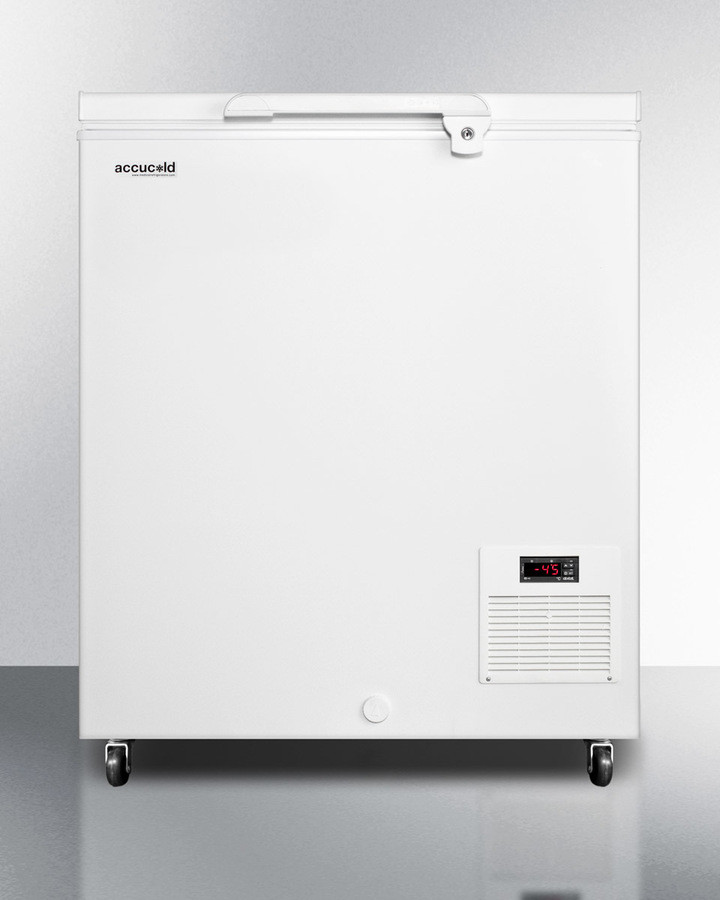
A frost-free chest freezer is designed to prevent the build-up of ice within the appliance. Traditional freezers often require manual defrosting to remove accumulated frost, which can be time-consuming and inconvenient. In contrast, frost-free models use fans and heating elements to circulate air and maintain a consistent temperature, preventing ice formation.
The term "frost-free" means that the freezer automatically manages frost, eliminating the need for you to manually defrost it. This feature ensures that your freezer remains efficient and provides consistent cooling without the hassle of ice build-up.
Benefits of Frost-Free Chest Freezers
Frost-free chest freezers offer several advantages, making them a popular choice for many households. Here are some key benefits:
Convenience: With a frost-free freezer, you won't need to spend time manually defrosting the appliance. This saves you time and effort, allowing you to focus on other tasks.
Energy Efficiency: Frost-free freezers maintain a consistent temperature, which can help improve energy efficiency. This can lead to lower electricity bills and a reduced environmental impact.
Storage Capacity: By preventing ice build-up, frost-free freezers maximize the available storage space. You can store more food items without worrying about losing space to ice.
Food Quality: Consistent temperatures help maintain the quality and freshness of your food. Frost-free freezers reduce the risk of freezer burn, ensuring your food stays in optimal condition.
Hygiene: Ice build-up can create a breeding ground for bacteria and mold. A frost-free freezer helps maintain a cleaner environment, reducing the risk of contamination.
By understanding the benefits and functionality of frost-free chest freezers, you can make an informed decision when selecting the right freezer for your needs. Whether you are a homeowner, chef, or foodie, a frost-free chest freezer can provide convenience, efficiency, and enhanced food storage.
When selecting a frost-free chest freezer, there are several important factors to keep in mind. These include size and capacity, energy efficiency, and price range.
Size and Capacity
The size and capacity of your chest freezer are crucial considerations. You need to ensure the freezer fits the available space and meets your storage needs. Chest freezers come in various sizes, typically measured in cubic feet.
Freezer Size
Capacity (Cubic Feet)
Suitable For
Small
5 - 9
Small families, apartments, or offices
Medium
10 - 14
Medium-sized families or small homes
Large
15 - 25
Large families, basements, or garages
Choosing the right size helps in maintaining efficient storage and organization. For more information on selecting the right freezer for your needs, visit Fridge.com article on chest freezer for family.
Energy Efficiency
Energy efficiency is another key factor when purchasing a frost-free chest freezer. An energy-efficient freezer can save you money on utility bills and is better for the environment. Look for freezers with an Energy Star rating, which indicates they meet energy efficiency guidelines set by the EPA.
Energy Rating
Annual Energy Consumption (kWh)
Cost Savings
Non-Energy Star
500 - 700
Low
Opting for an energy-efficient model ensures long-term savings. For more insights on energy-efficient appliances, check out Fridge.com article on compact fridge in winter.
Price Range
Price is always a critical factor when making a purchase. Frost-free chest freezers come in a wide range of prices depending on their features, size, and brand.
Price Range
Features
$200 - $400
Basic models, smaller capacity
$400 - $800
Medium capacity, additional features like digital controls
$800+
Large capacity, advanced features like quick freeze
Balancing your budget with the features you need is essential. For those looking for a more cost-effective option, consider reading Fridge.com article on chest freezer for office.
Considering these factors will help you choose the best frost-free chest freezer to meet your needs and preferences. Whether it’s for your home, office, or garage, ensuring you have the right size, energy efficiency, and price will make your purchase worthwhile.
Maintenance and Care Tips
Proper maintenance and care for your frost-free chest freezer ensure its longevity and optimal performance. Here are some essential tips for defrosting and cleaning your freezer.
Defrosting Needs
Frost-free chest freezers are designed to reduce the buildup of ice, which means less frequent defrosting. However, periodic defrosting might still be necessary to maintain efficiency. Here are the steps you can follow:
Empty the Freezer: Remove all food items and transfer them to another freezer or a cooler to keep them frozen.
Unplug the Freezer: Disconnect the freezer from the power source.
Remove Shelves and Baskets: Take out any removable shelves and baskets for easier cleaning.
Let Ice Melt: Allow the ice to melt naturally. You can use towels to soak up the melting water.
Clean the Interior: Once defrosted, clean the interior with a mixture of warm water and mild detergent.
Dry Thoroughly: Ensure the interior is completely dry before plugging the freezer back in.
Cleaning and Organizing
Keeping your frost-free chest freezer clean and organized helps maintain its efficiency and extends its lifespan. Here are some tips for cleaning and organizing:
Regular Cleaning: Clean the interior of your freezer every six months. Use a solution of baking soda and water to eliminate odors and stains.
Organize with Baskets and Bins: Utilize baskets and bins to categorize and separate different types of food. This makes it easier to find items and keeps the freezer organized.
Labeling and Rotation: Label all food items with the date of storage. Practice the first-in, first-out (FIFO) method to ensure older items are used first.
Avoid Overloading: Do not overload your freezer. Leave some space for air circulation to maintain consistent temperatures.
Check Seals: Regularly inspect the door seals to ensure they are clean and intact. Faulty seals can cause cold air to escape, reducing efficiency.
Cleaning Frequency
Task Description
Every 6 Months
Deep clean the interior with baking soda and water solution.
Monthly
Check and clean the door seals.
As Needed
Defrost if ice buildup is noticed.
Weekly
Organize and rotate food items.
For more detailed advice on managing your freezer, refer to Fridge.com article on how long will food stay good in a freezer without power?. Additionally, learn about the ideal storage times for various foods, such as how long do mozzarella sticks last in the freezer?. Proper care ensures your frost-free chest freezer remains efficient and effective for years to come.
Organizing your frost-free chest freezer effectively can help maximize storage space and ensure that food items remain easily accessible. Here are some tips on how to utilize baskets and bins, along with labeling and rotation techniques.
Utilizing Baskets and Bins
Using baskets and bins in your chest freezer can help you organize your food items by category and make it easier to locate what you need. Baskets and bins come in various sizes and can be used to separate different types of food, such as meats, vegetables, and frozen meals.
Basket/Bin Type
Suggested Use
Small Baskets
Individually packaged snacks, small frozen items
Medium Bins
Fruits, vegetables, frozen meals
Large Bins
Bulk meats, large packages of frozen foods
Tips for Using Baskets and Bins:
Group similar items together to make them easier to find.
Place frequently used items in easily accessible bins.
Use stackable bins to maximize vertical space.
Labeling and Rotation
Proper labeling and rotation of food items in your chest freezer can help prevent food waste and ensure that you use items before they expire. Labeling your food with the date of freezing and using a first-in, first-out (FIFO) system can keep your freezer organized and efficient.
Labeling Technique
Description
Date Labels
Write the date of freezing on each item
Color-Coded Labels
Use different colors for different food categories
Pre-Printed Labels
Use labels with common food items and dates
Tips for Labeling and Rotation:
Label each item with the date it was frozen and its contents.
Place newer items behind older items to ensure older items are used first.
Regularly check and update labels to ensure accuracy.
By utilizing baskets and bins, along with effective labeling and rotation techniques, you can keep your frost-free chest freezer well-organized and maintain the quality of your stored food. For more tips on maintaining your freezer, visit Fridge.com article on how long do mozzarella sticks last in the freezer?.
To maximize the efficiency and lifespan of your frost-free chest freezer, it's important to consider its placement and follow safety guidelines during installation.
Ideal Locations for Chest Freezers
When selecting a location for your chest freezer, consider the following factors:
Temperature Stability: Place the freezer in an area where the temperature remains stable. Extreme temperatures, either hot or cold, can affect the performance of the freezer. Ideal locations include basements, garages, and utility rooms.
Accessibility: The freezer should be easily accessible for regular use and maintenance. Ensure there's enough space around the unit for air circulation and easy access to the contents.
Flooring: Place the freezer on a flat, level surface to ensure optimal performance. Avoid placing it on carpets or rugs which can impede airflow and cause overheating.
Proximity to Power Source: Ensure the freezer is close to a dedicated electrical outlet to avoid using extension cords, which can be a fire hazard.
Safety Precautions and Installation Tips
Proper installation and adherence to safety precautions are crucial for the efficient operation of your frost-free chest freezer. Consider these tips:
Ventilation: Ensure there is adequate space around the freezer for ventilation. Most manufacturers recommend at least 2-3 inches of clearance on all sides.
Electrical Safety: Plug the freezer directly into a grounded electrical outlet. Avoid using extension cords or power strips, which can lead to electrical issues.
Leveling: Use a spirit level to ensure the freezer is perfectly level. This prevents the door from sealing improperly, which can lead to frost buildup and inefficient cooling.
Load Distribution: Distribute the weight of the items inside the freezer evenly. Avoid overloading one side, as this can affect the freezer's balance and cooling efficiency.
Regular Maintenance: Perform regular maintenance checks to ensure the freezer is operating efficiently. This includes cleaning the condenser coils, checking the door seal, and defrosting if necessary.
For more detailed tips on maintaining and organizing your frost-free chest freezer, refer to Fridge.com articles on cleaning and organizing and utilizing baskets and bins.
Aspect
Ideal Condition
Temperature
Stable, moderate temperatures
Accessibility
Easily accessible, ample space around
Flooring
Flat, level surface
Ventilation
2-3 inches clearance on all sides
Electrical
Directly into a grounded outlet
By following these guidelines, you can ensure your chest freezer operates efficiently and safely, providing you with reliable storage for a variety of items. For more information on food storage and freezer maintenance, check out Fridge.com articles on how long will food stay good in a freezer without power? and chest freezer for office.
Compare chest freezer prices on Fridge.com
Compare current prices and specifications on Fridge.com, then buy from the retailer you choose; delivery, installation and warranty terms are the retailer’s.
It also has tons of awesome articles about kitchen stuff and home news. Enhance your home, garage, backyard, patio, and office with the coolest essentials. With every necessary type of residential refrigerator or freezer in the collection, you're covered.
Frequently Asked Questions
A frost-free chest freezer is designed to prevent the build-up of ice within the appliance. Traditional freezers often require manual defrosting to remove accumulated frost, which can be time-consuming and inconvenient. In contrast, frost-free models use fans and heating elements to circulate air and maintain a consistent temperature, preventing ice formation. The term "frost-free" means that the freezer automatically manages frost, eliminating the need for you to manually defrost it. This feature ensures that your freezer remains efficient and provides consistent cooling without the hassle of ice build-up.